

salon 26 Retro Classics
For some events we share pictures to complete our communication on Instagram, Threads, and YouTube.

Pictures
See the pictures for a nice sample of cars. To welcome you, a splendid GS Service Vitrée, produced between 1972 and 1975. Very rare.
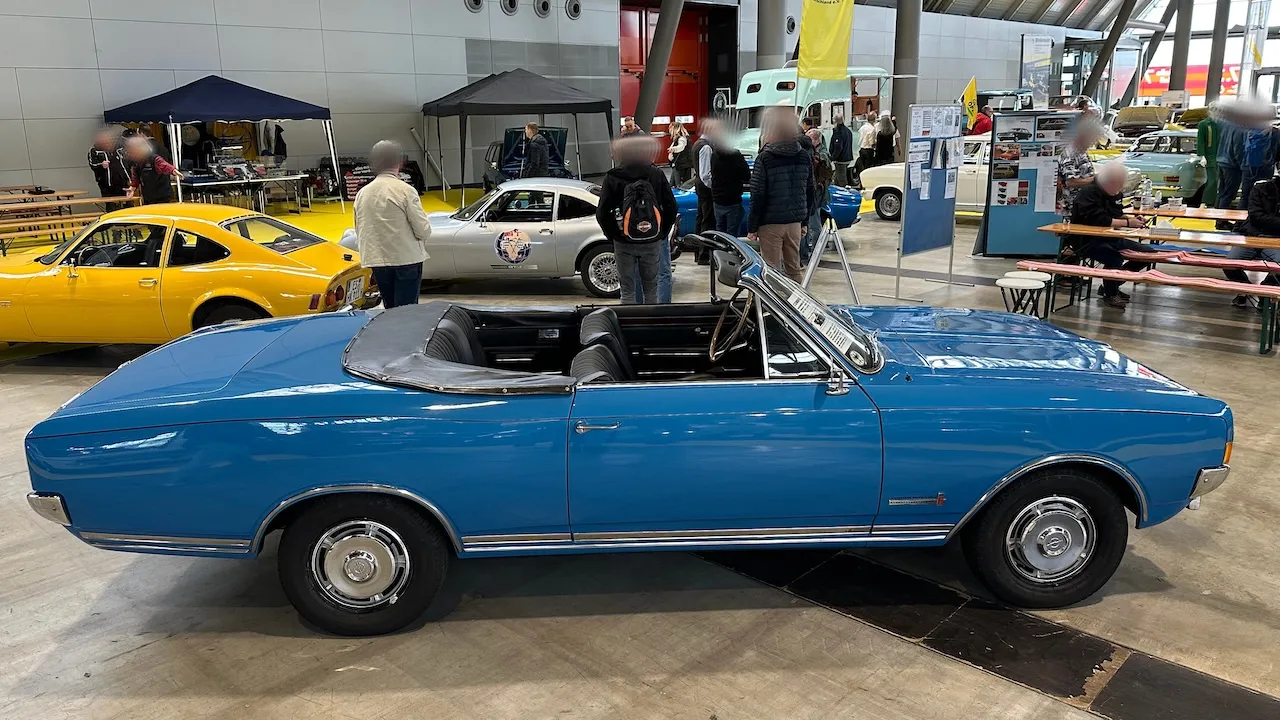
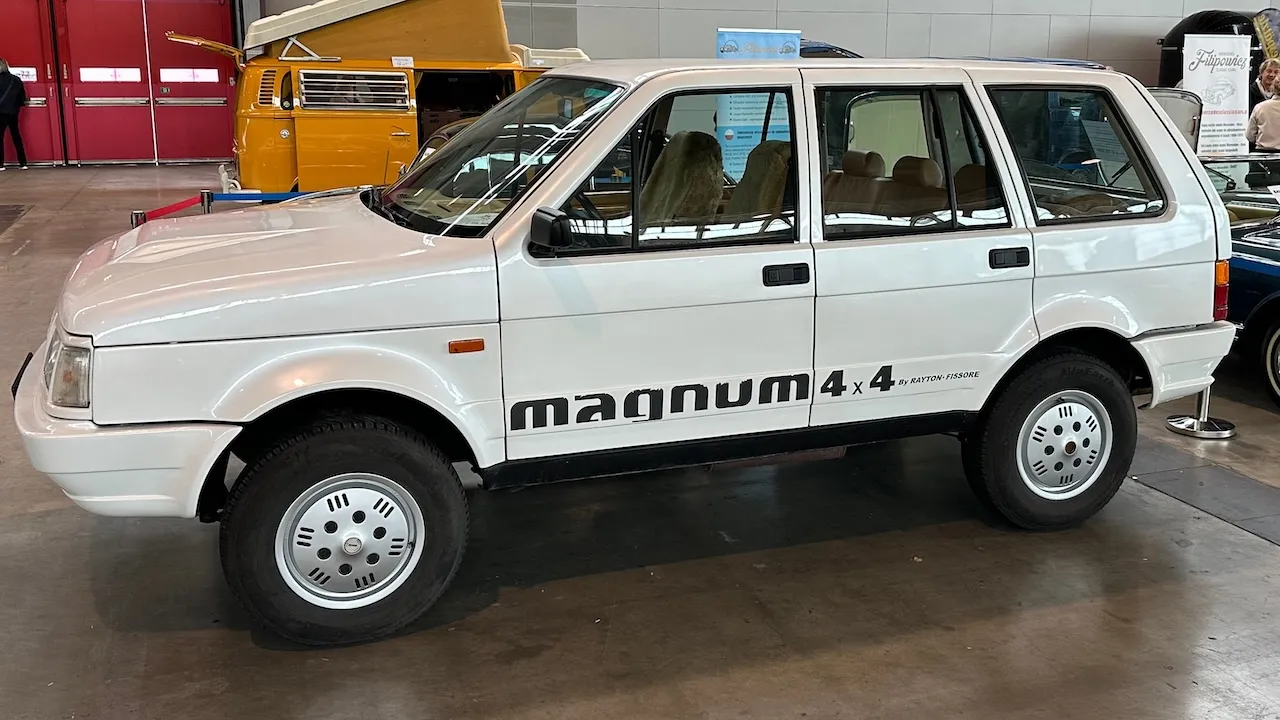
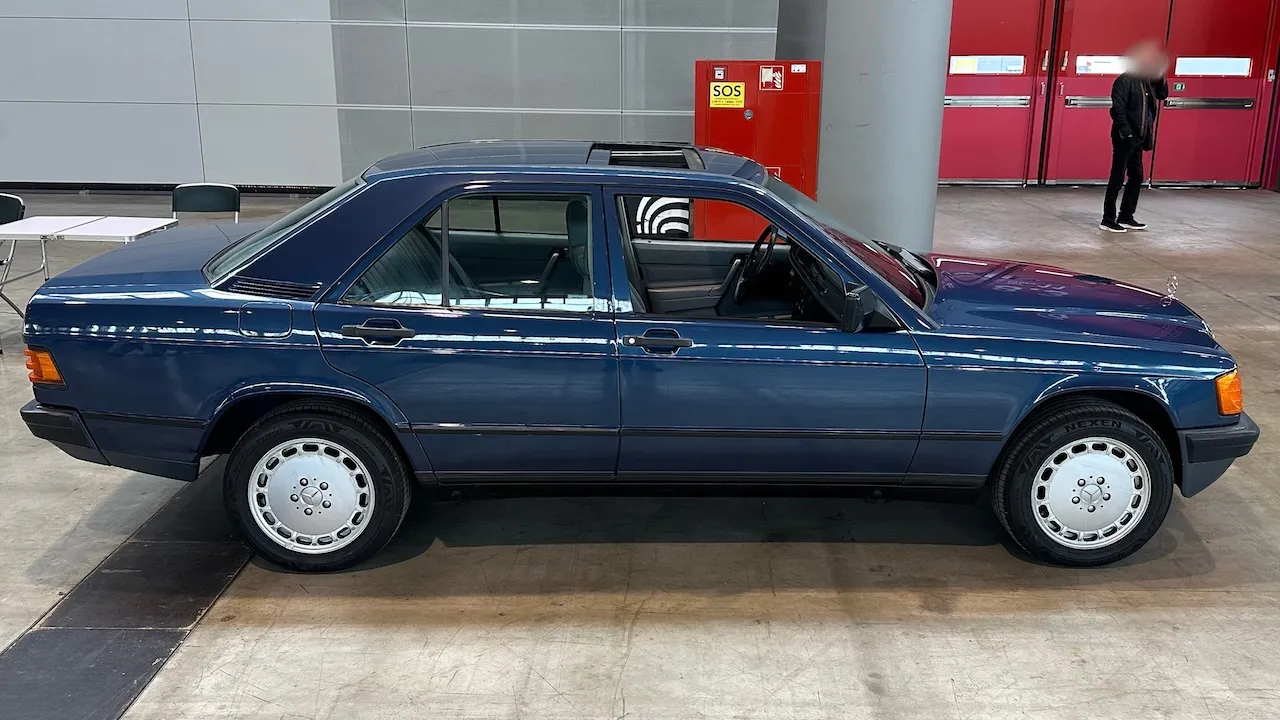
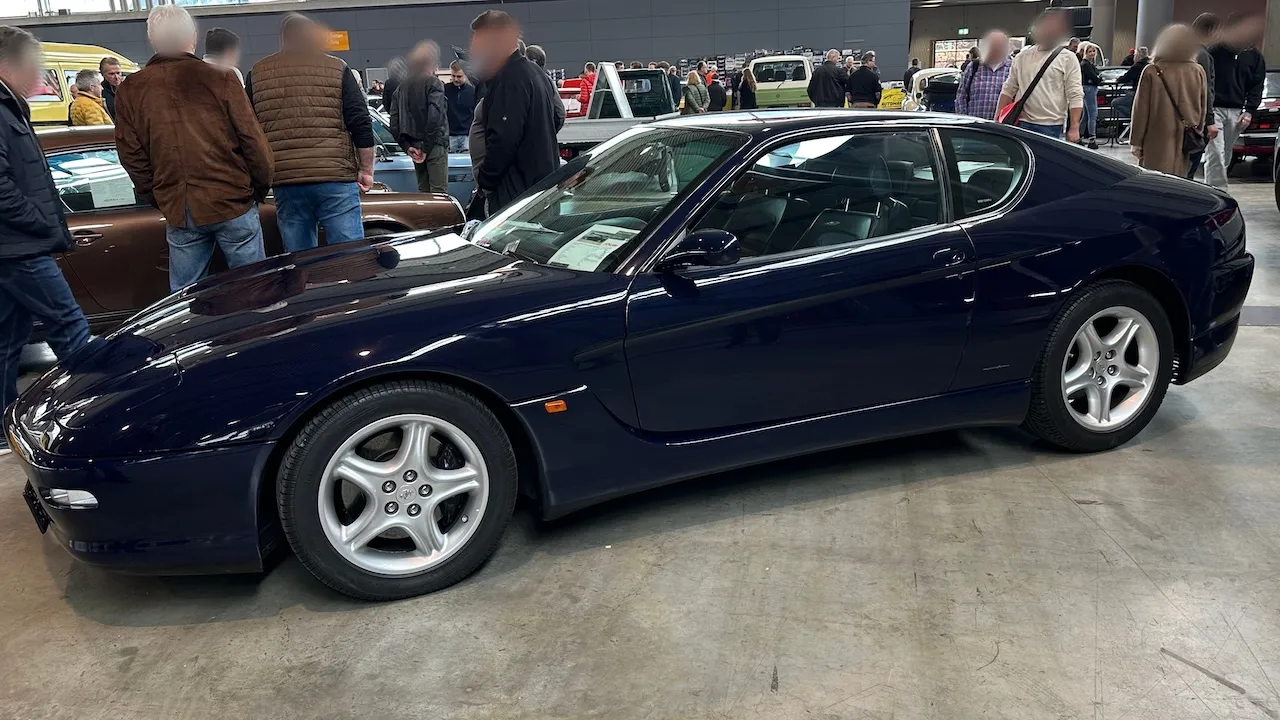
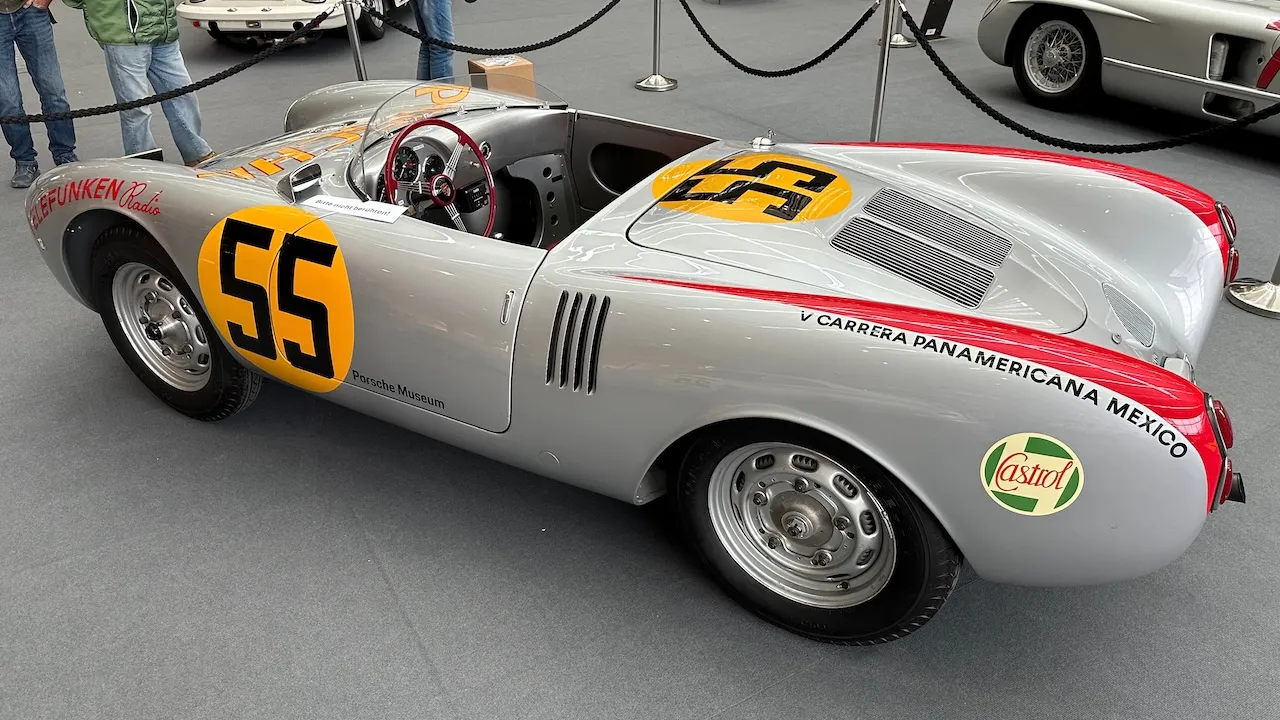
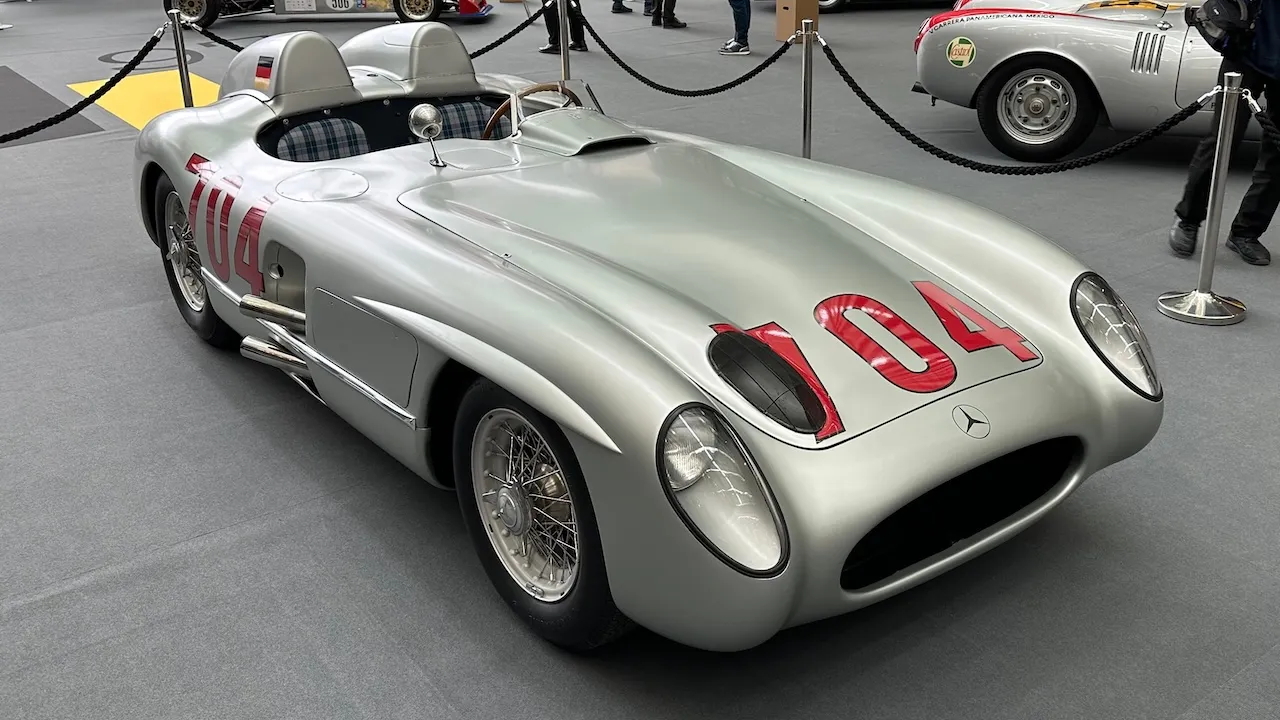
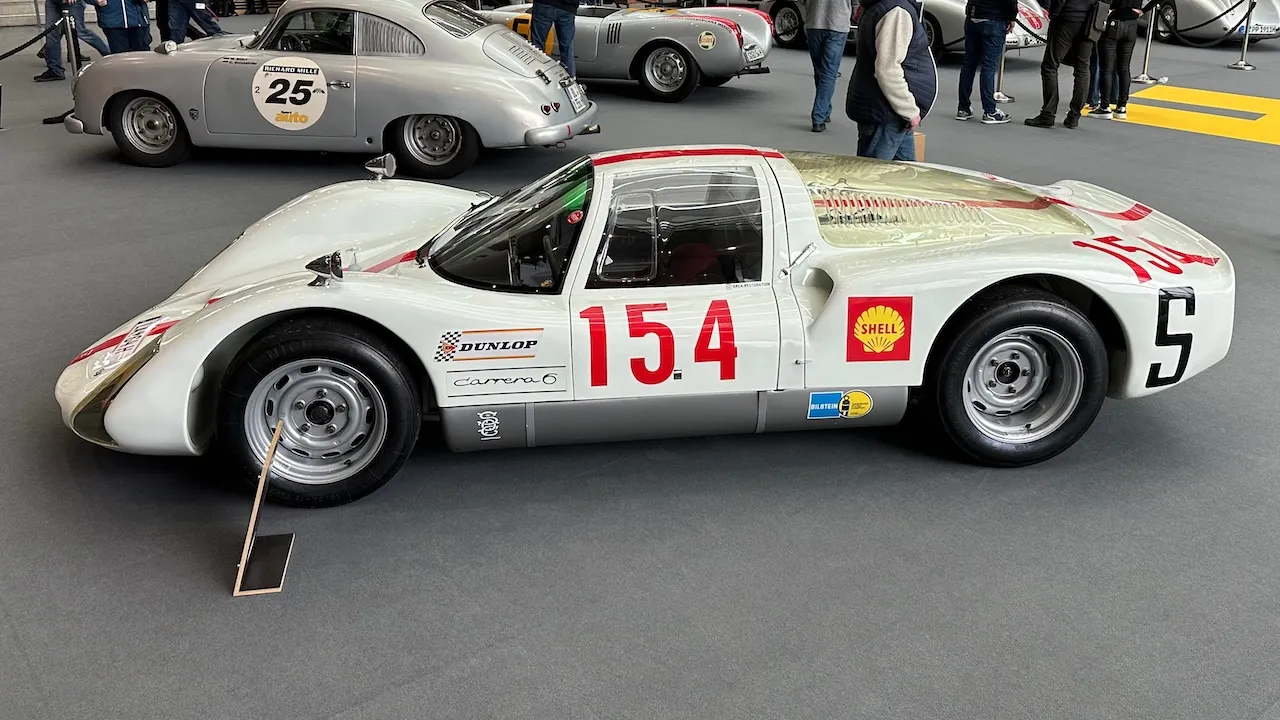
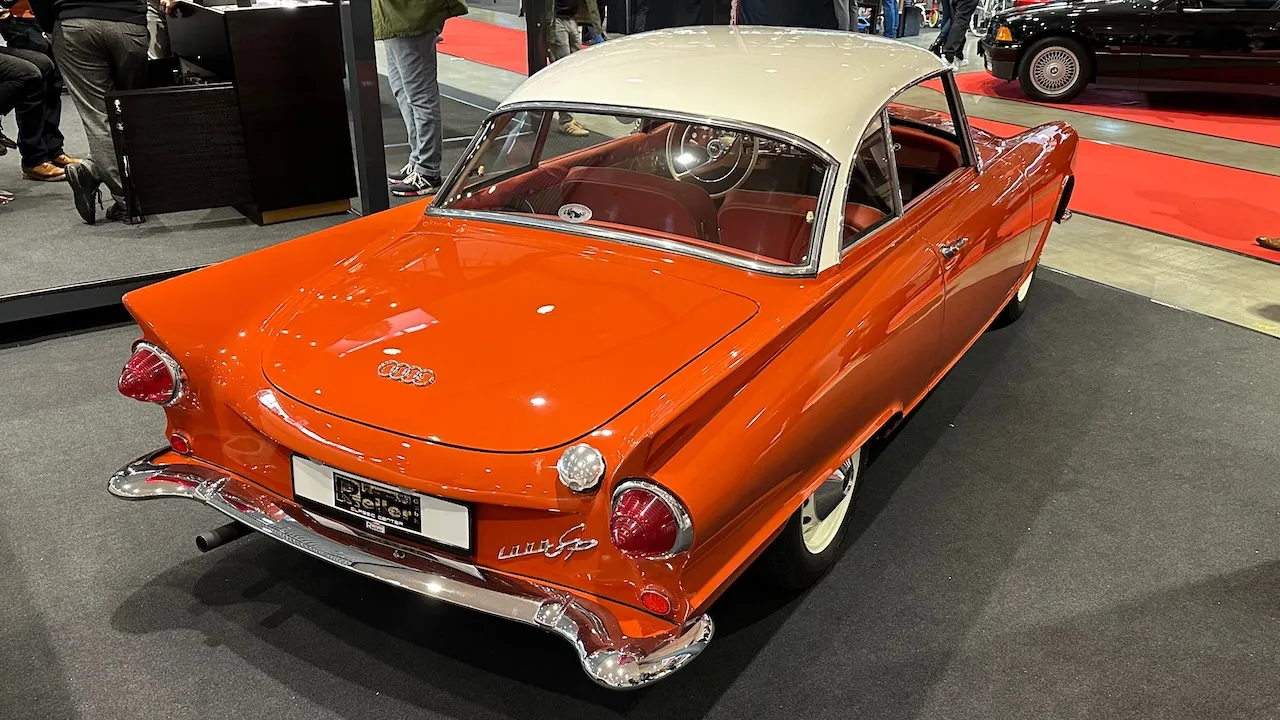
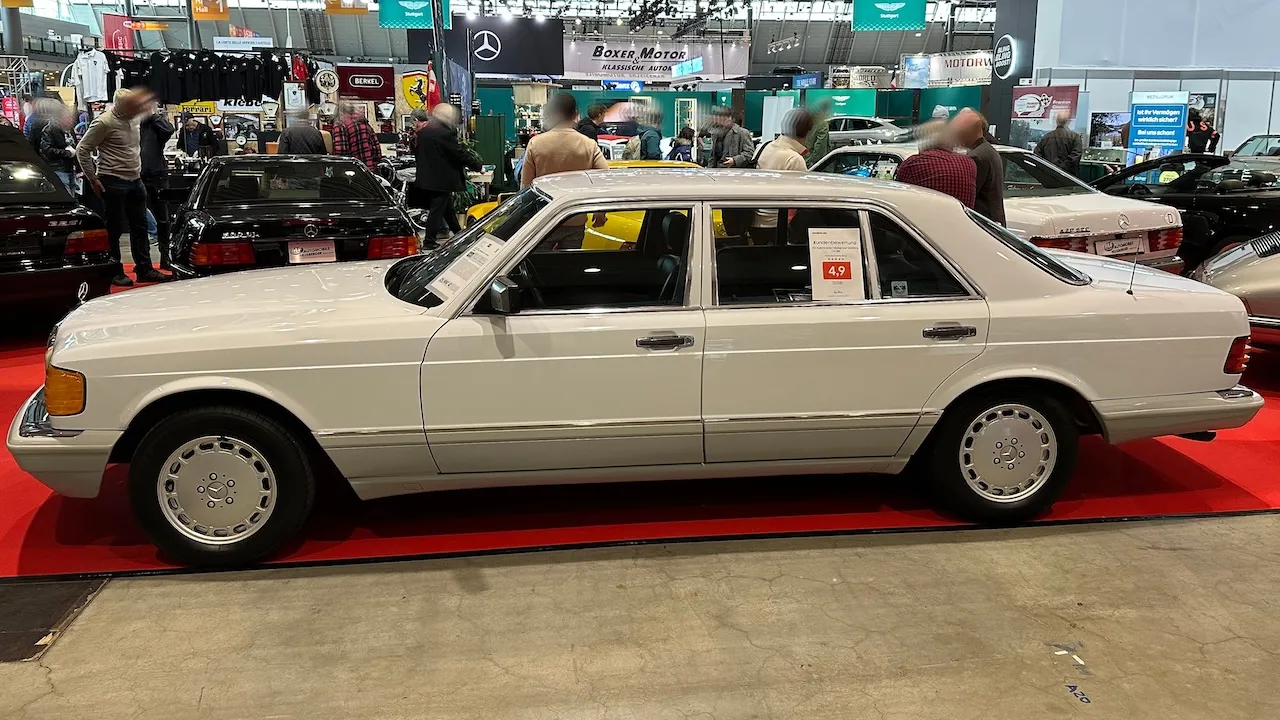
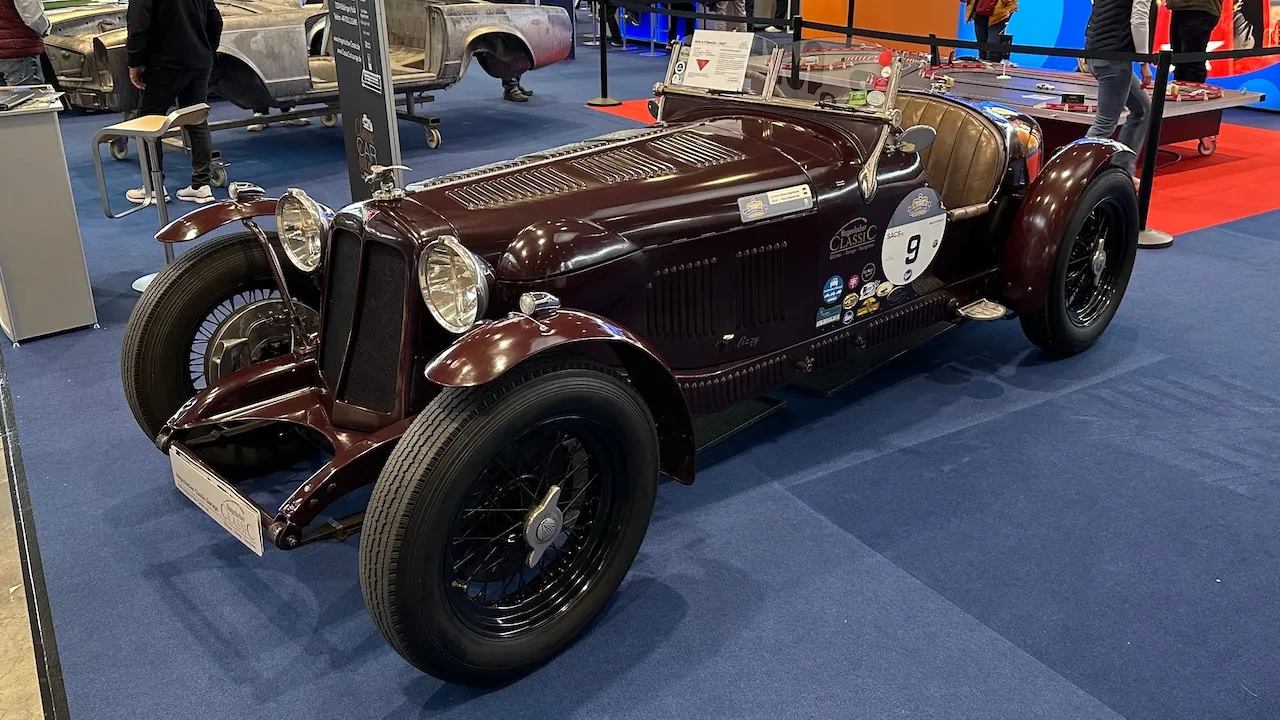
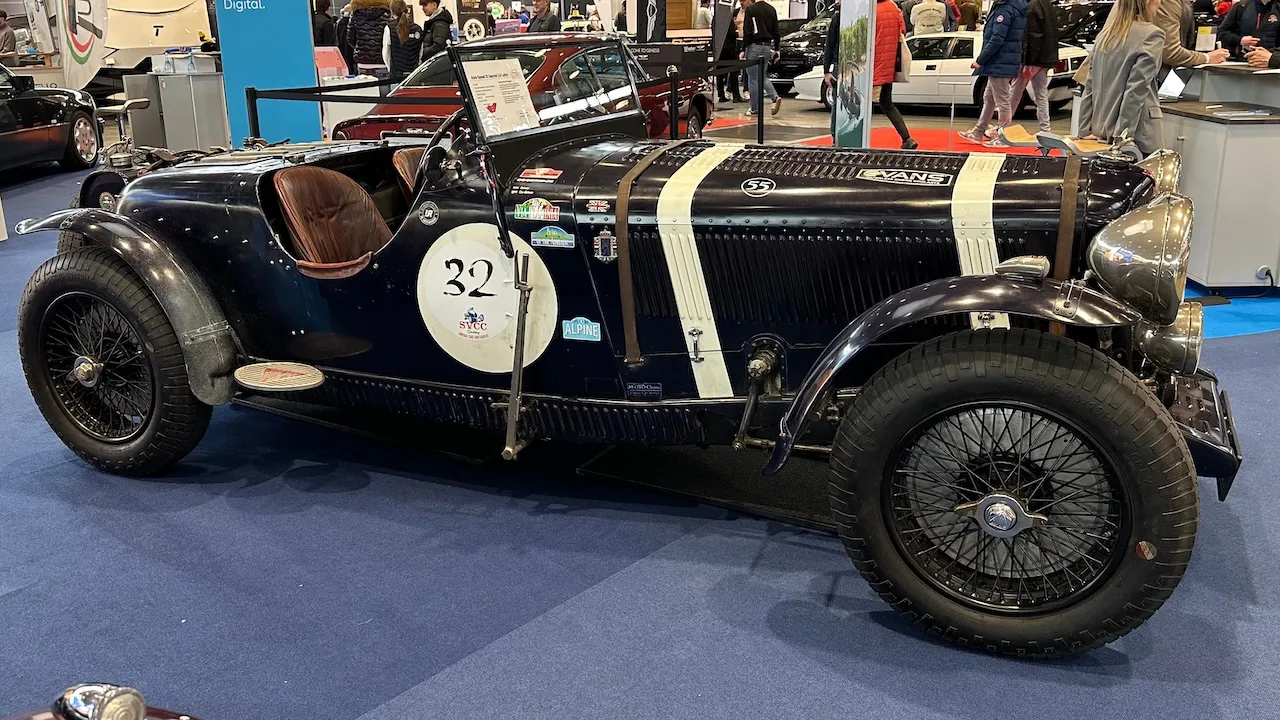
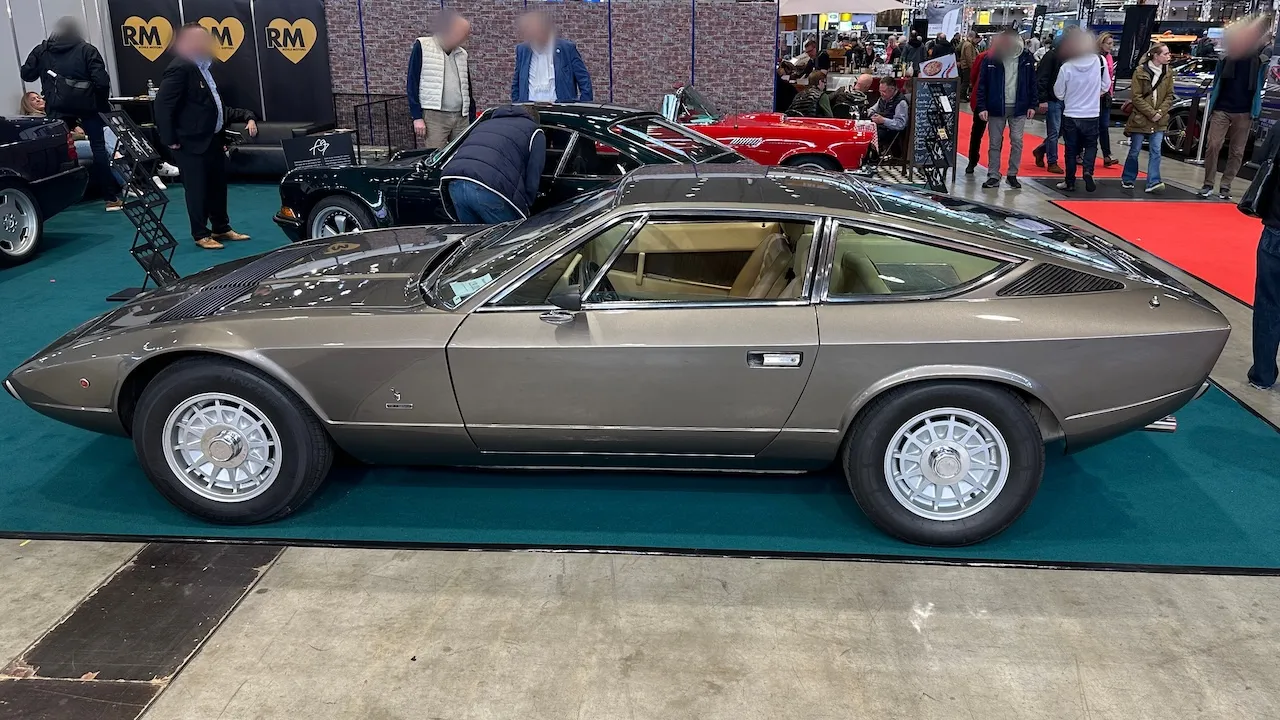
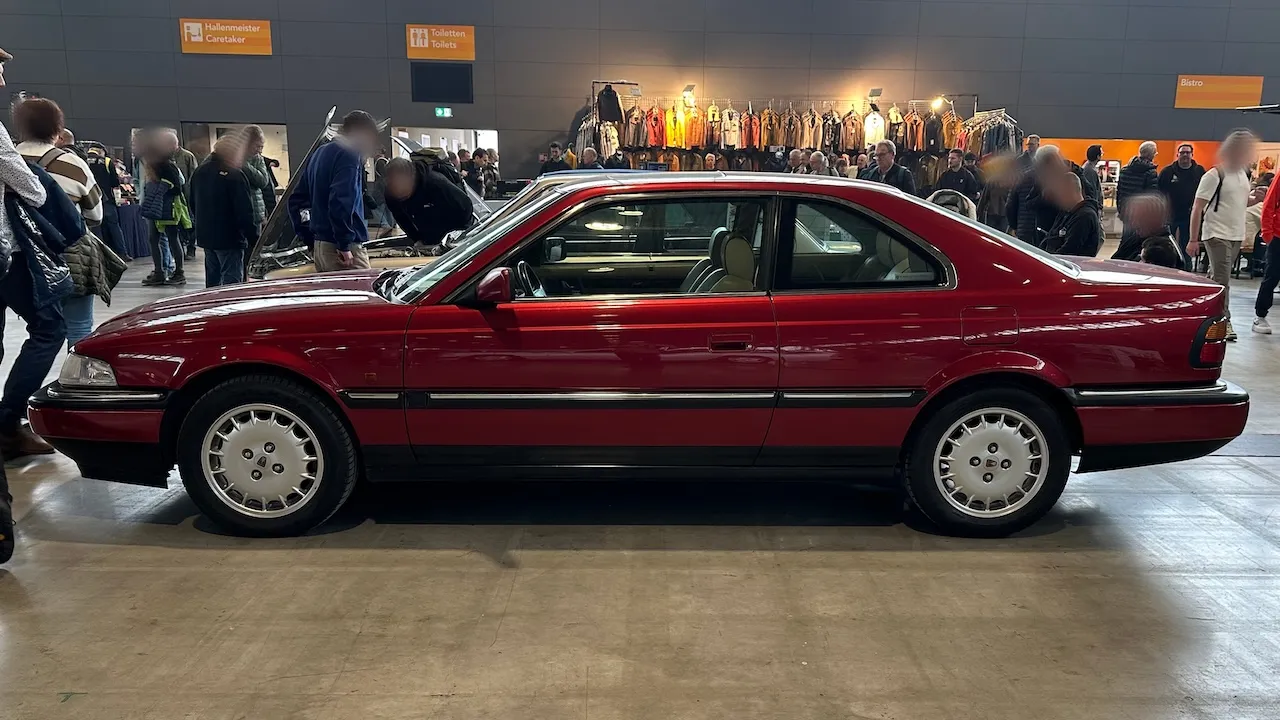
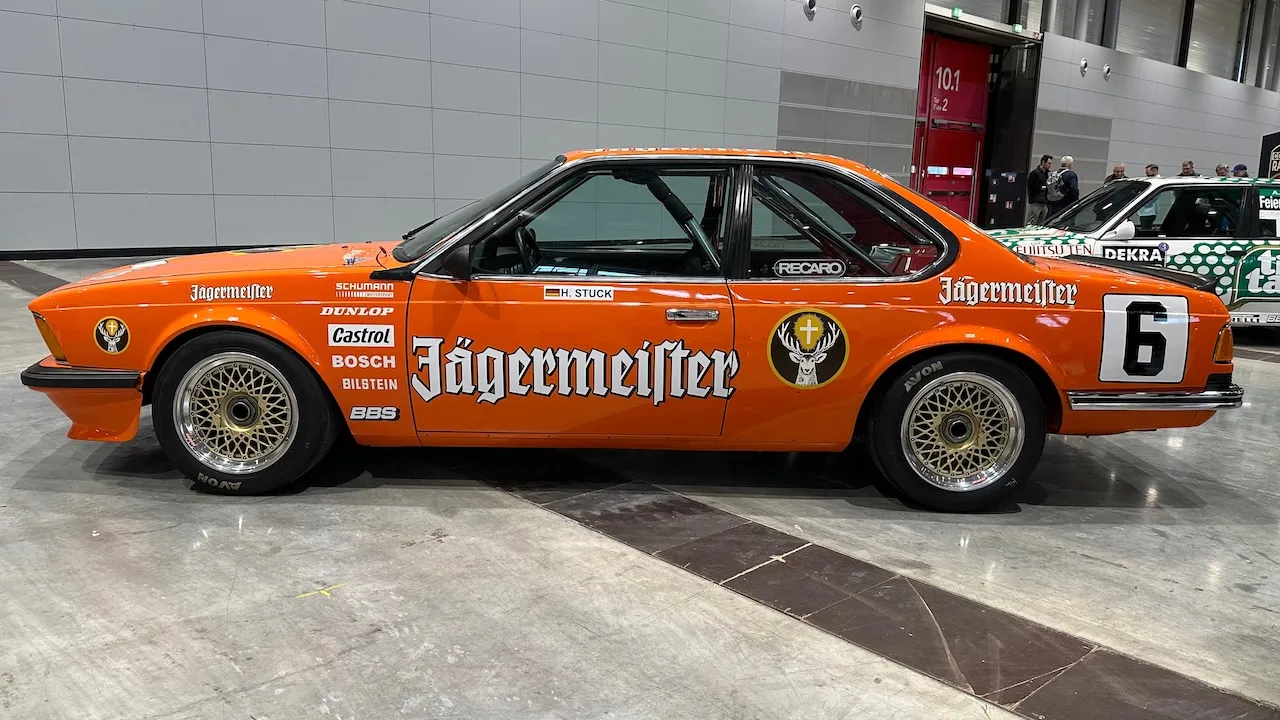
The other cars are: Opel Commodore Convertible; Rayton Fissore Magnum; Mercedes-Benz 190; Ferrari 456M GT; Porsche 550 Spyder RS Hans Herrmann; Mercedes-Benz 300 SRL Hans Herrmann; Porsche Carrera 6 Hans Hermann; DKW 1000 SP; Mercedes-Benz S Class ex-USA; two Alvis; Maserati Khamsin; Rover 827 Coupe; BMW 635.
Links
More about the is event on the official webpage.
More about this event can be found on our Instagram account or below in the virtual phone. To see the pictures, swipe them with your finger (mobile devices) or your mouse (desktop).
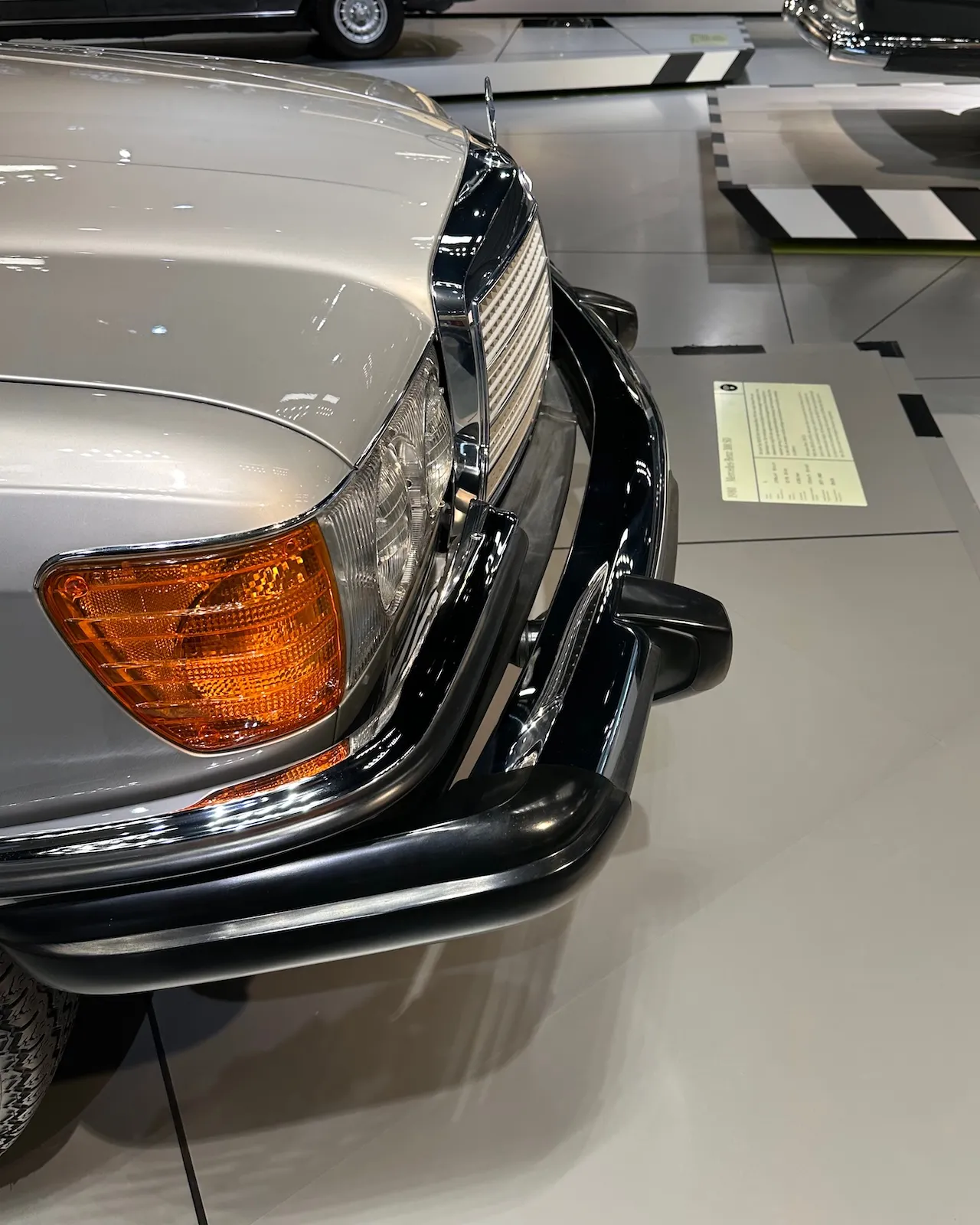
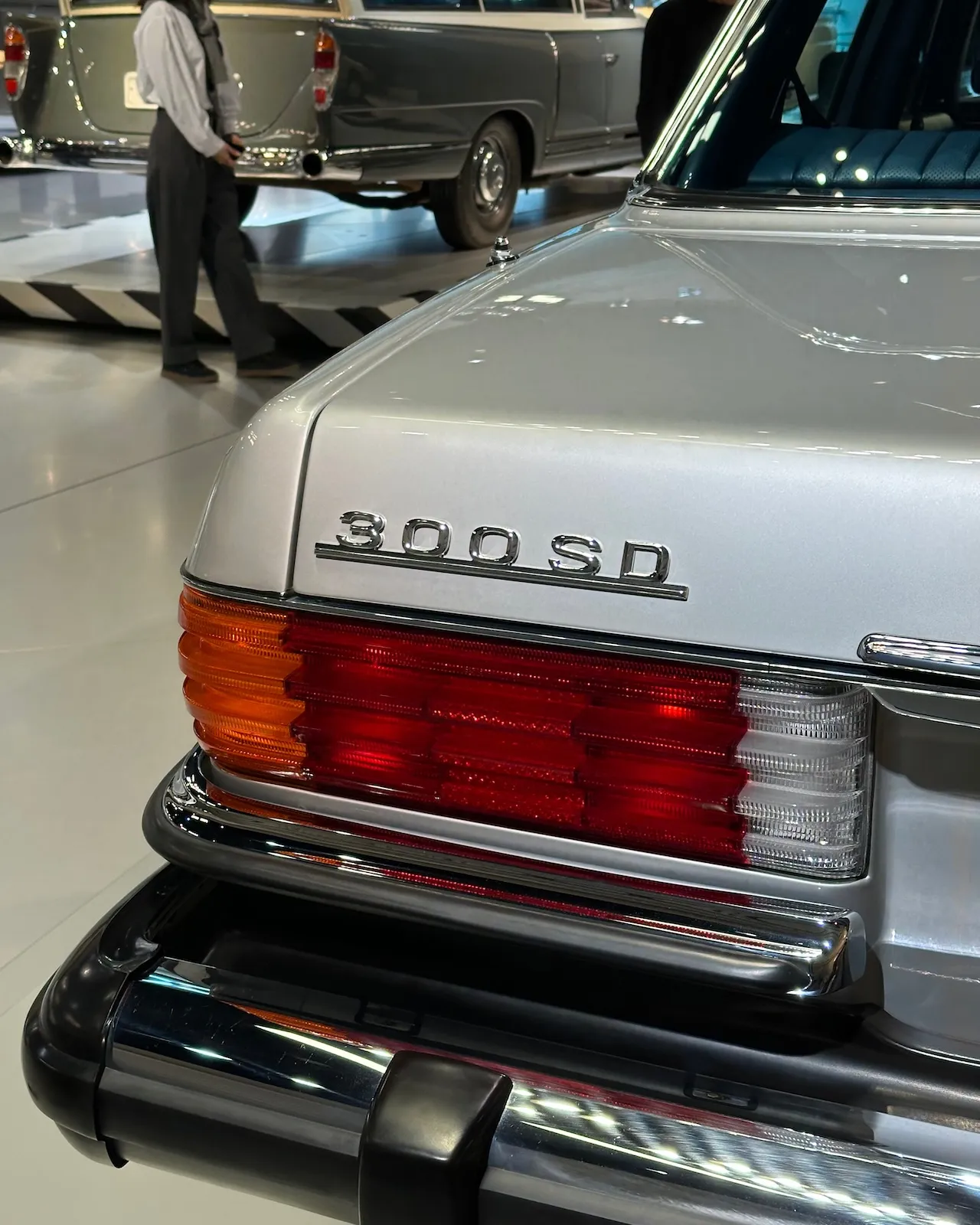
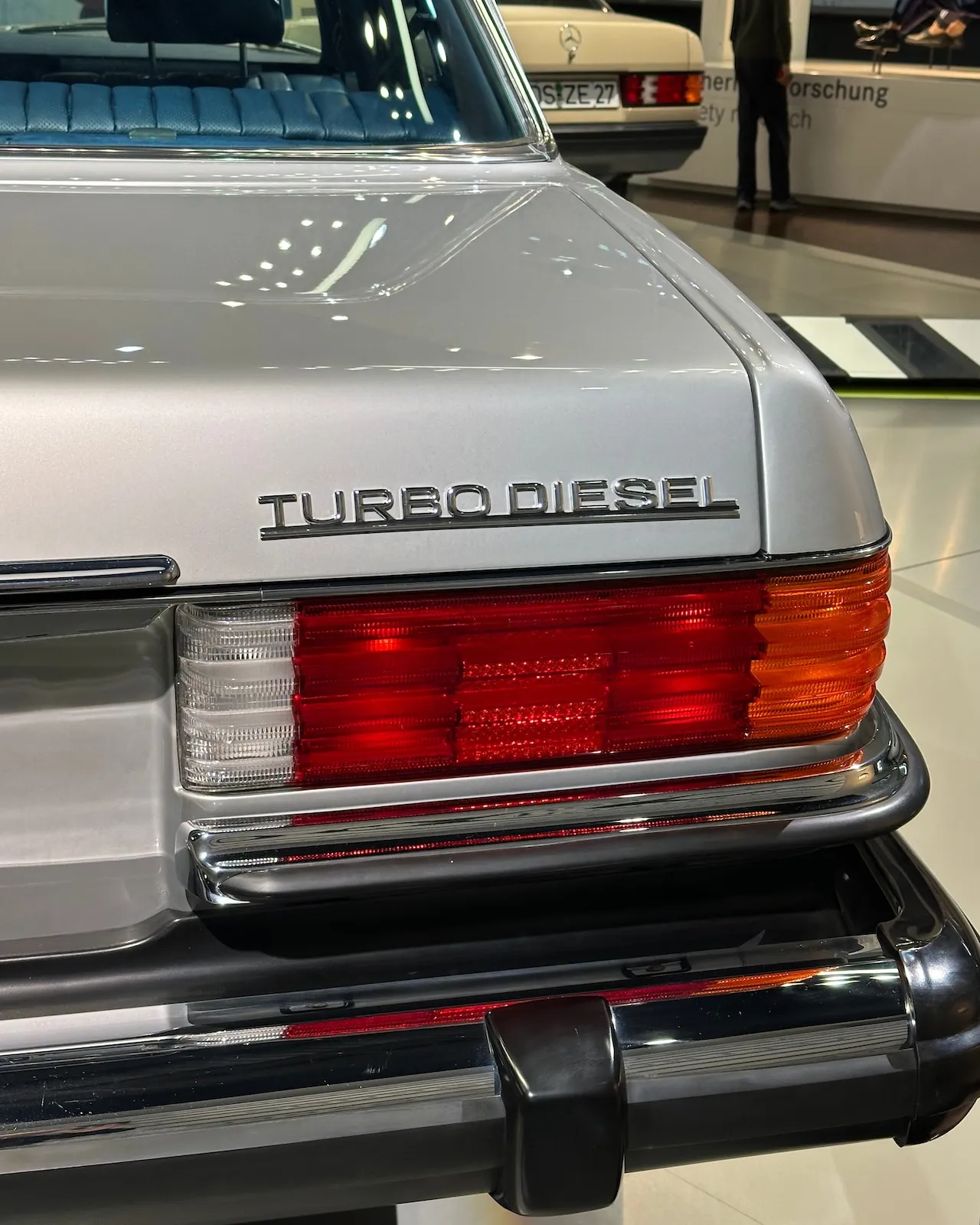
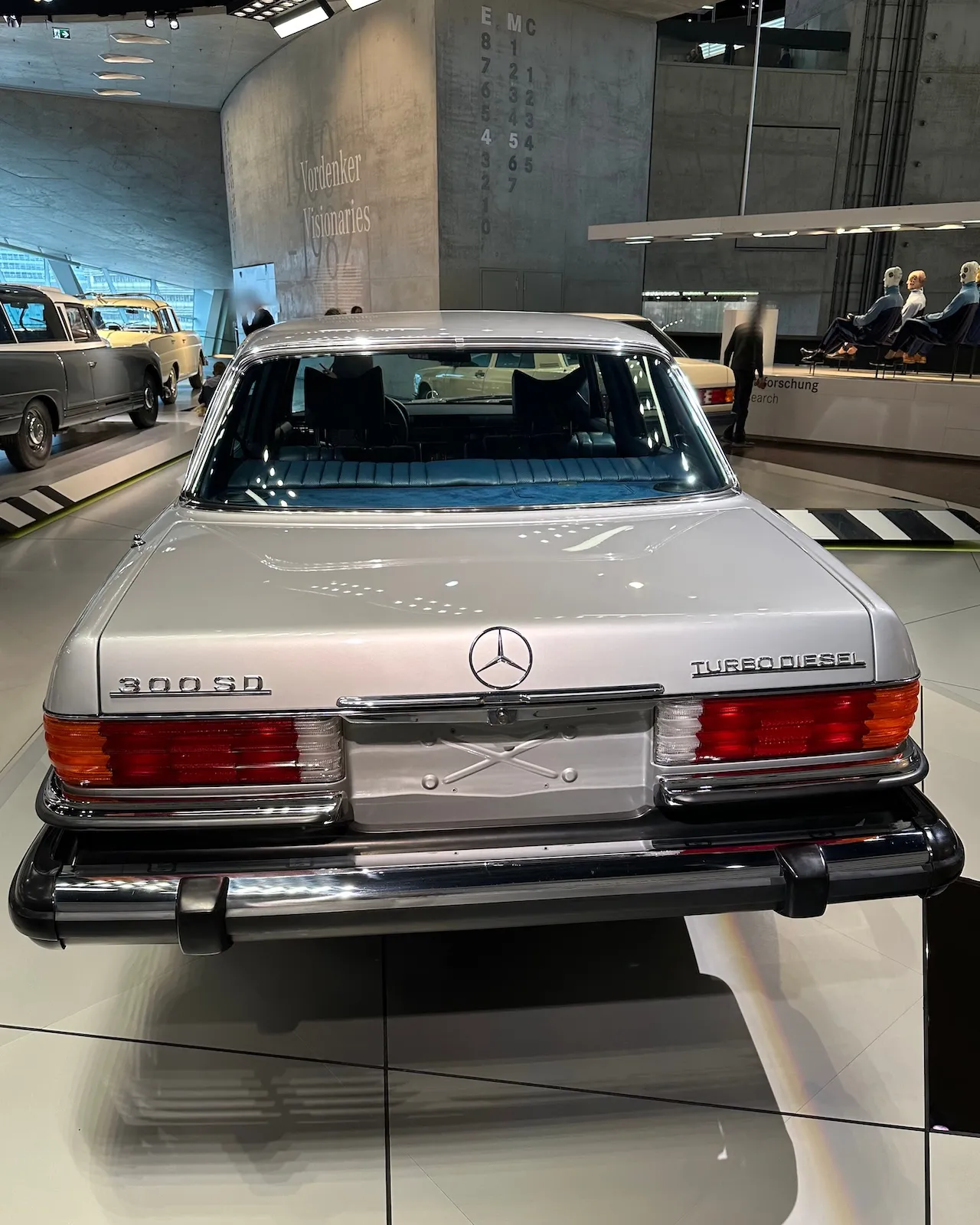
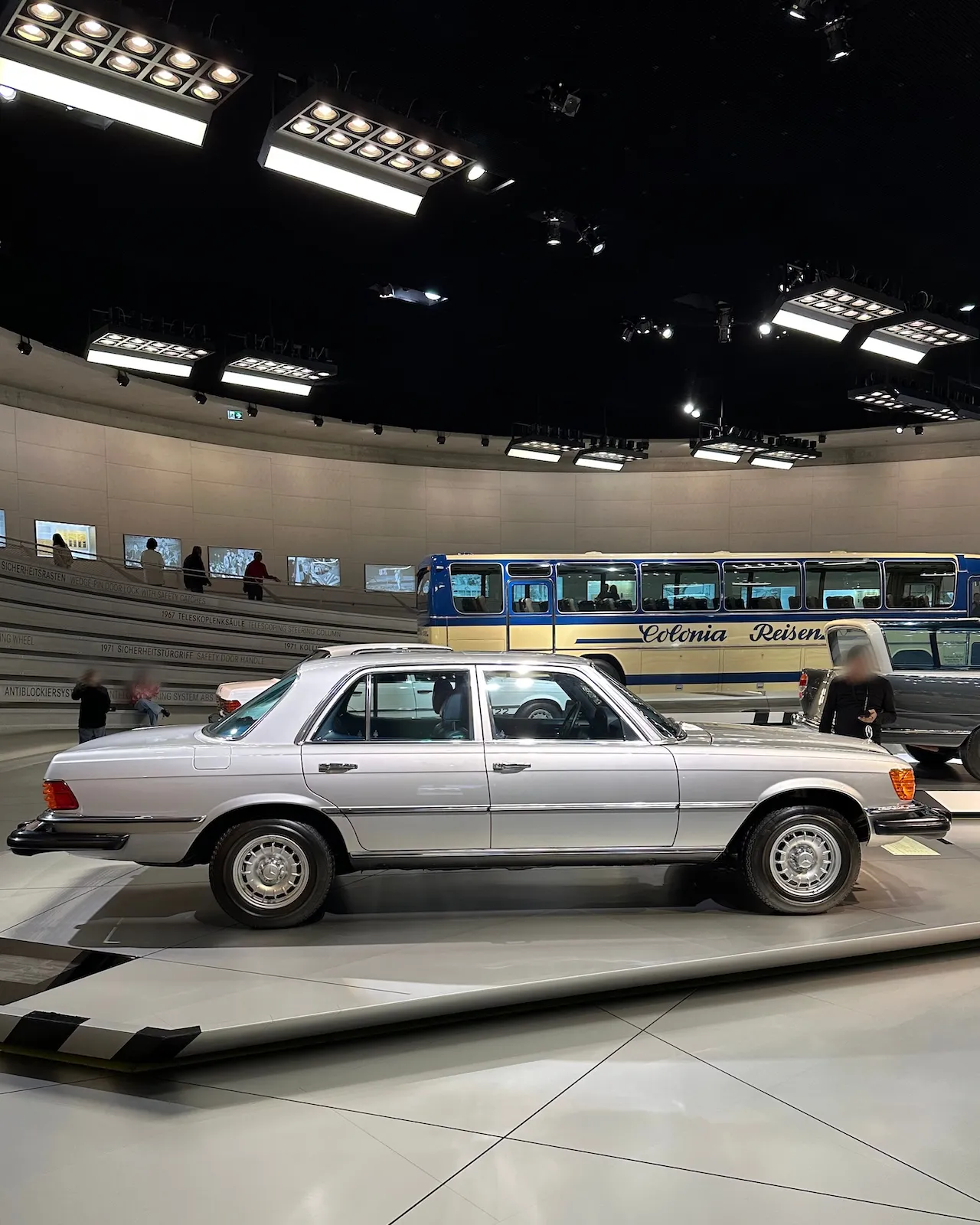
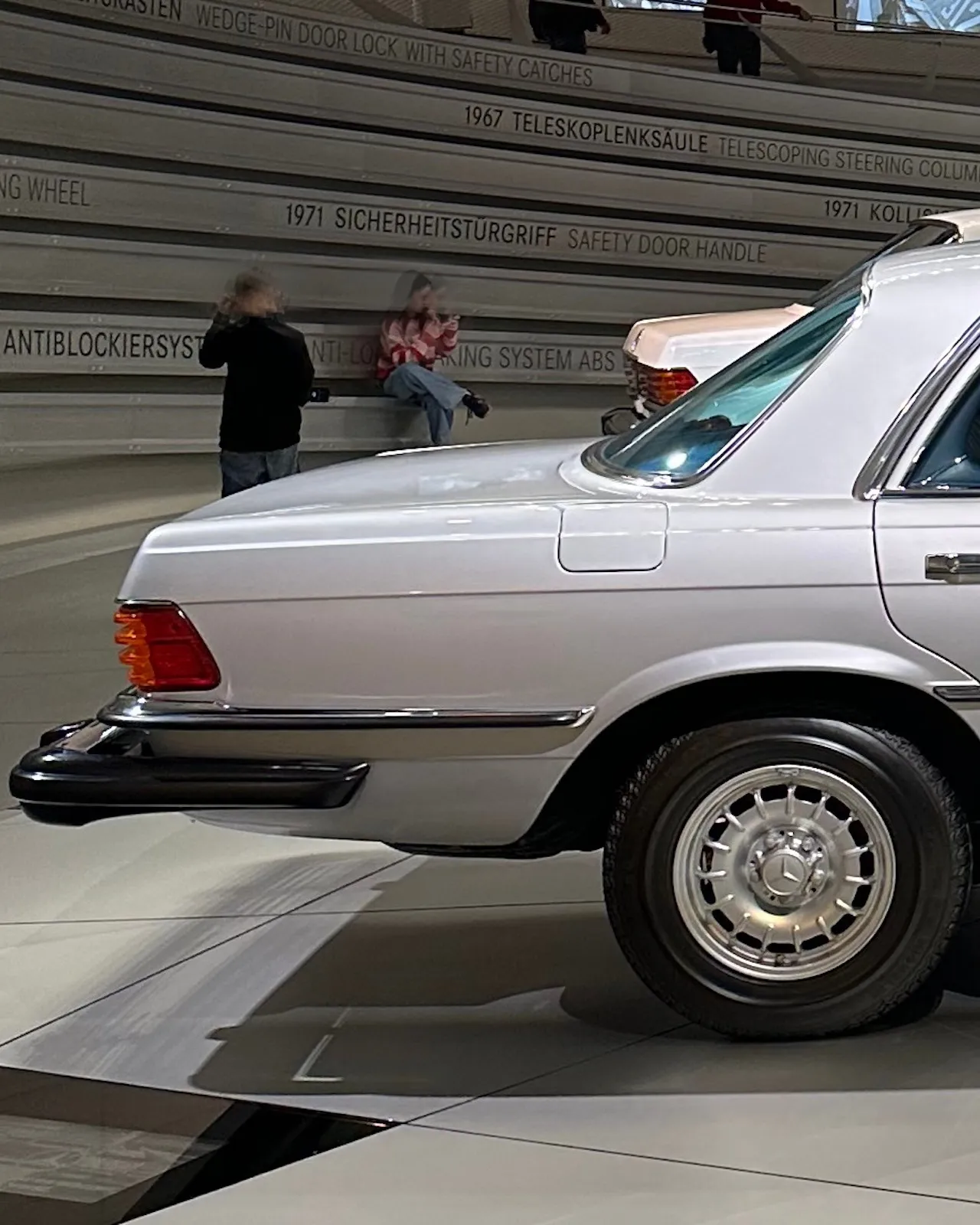
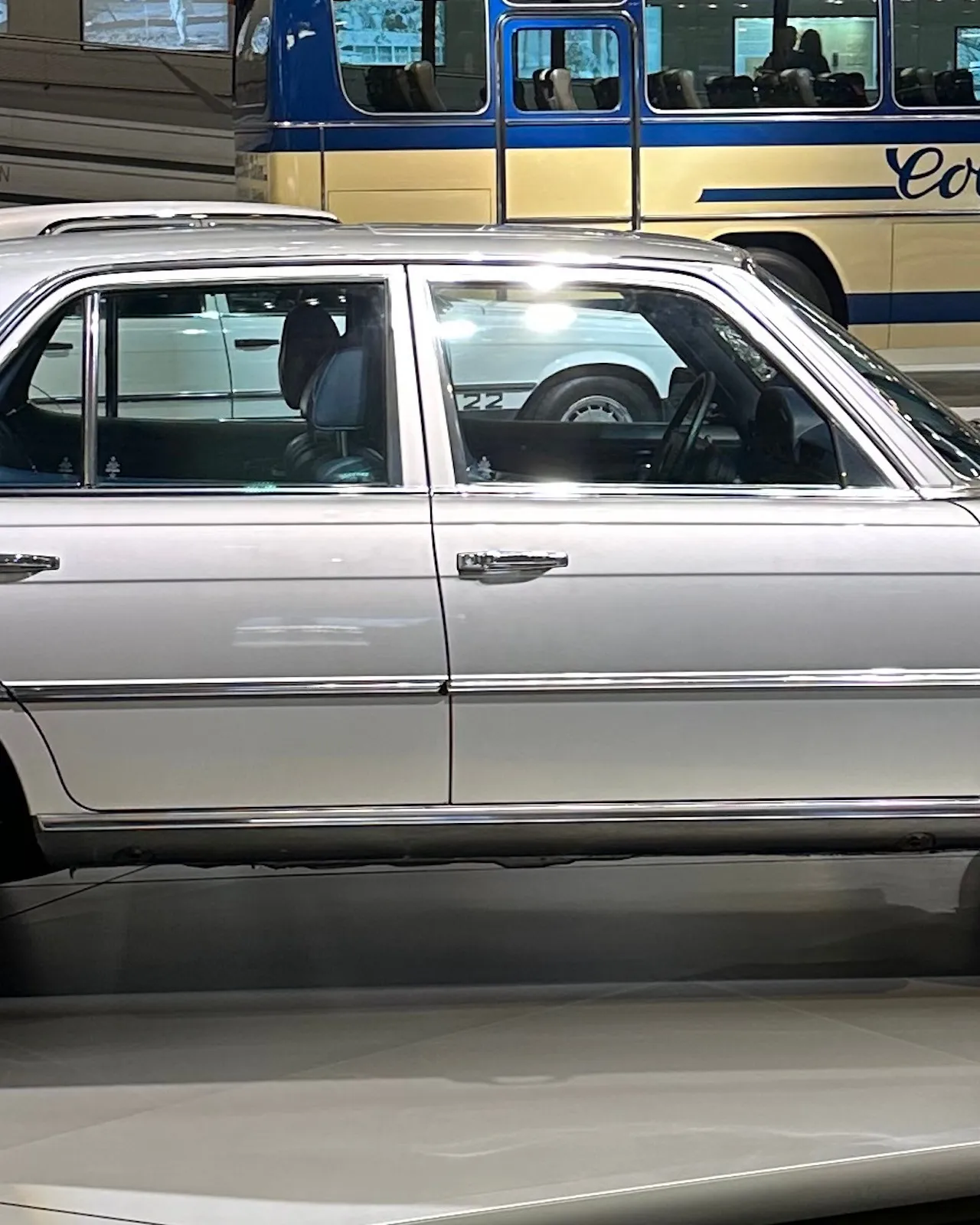
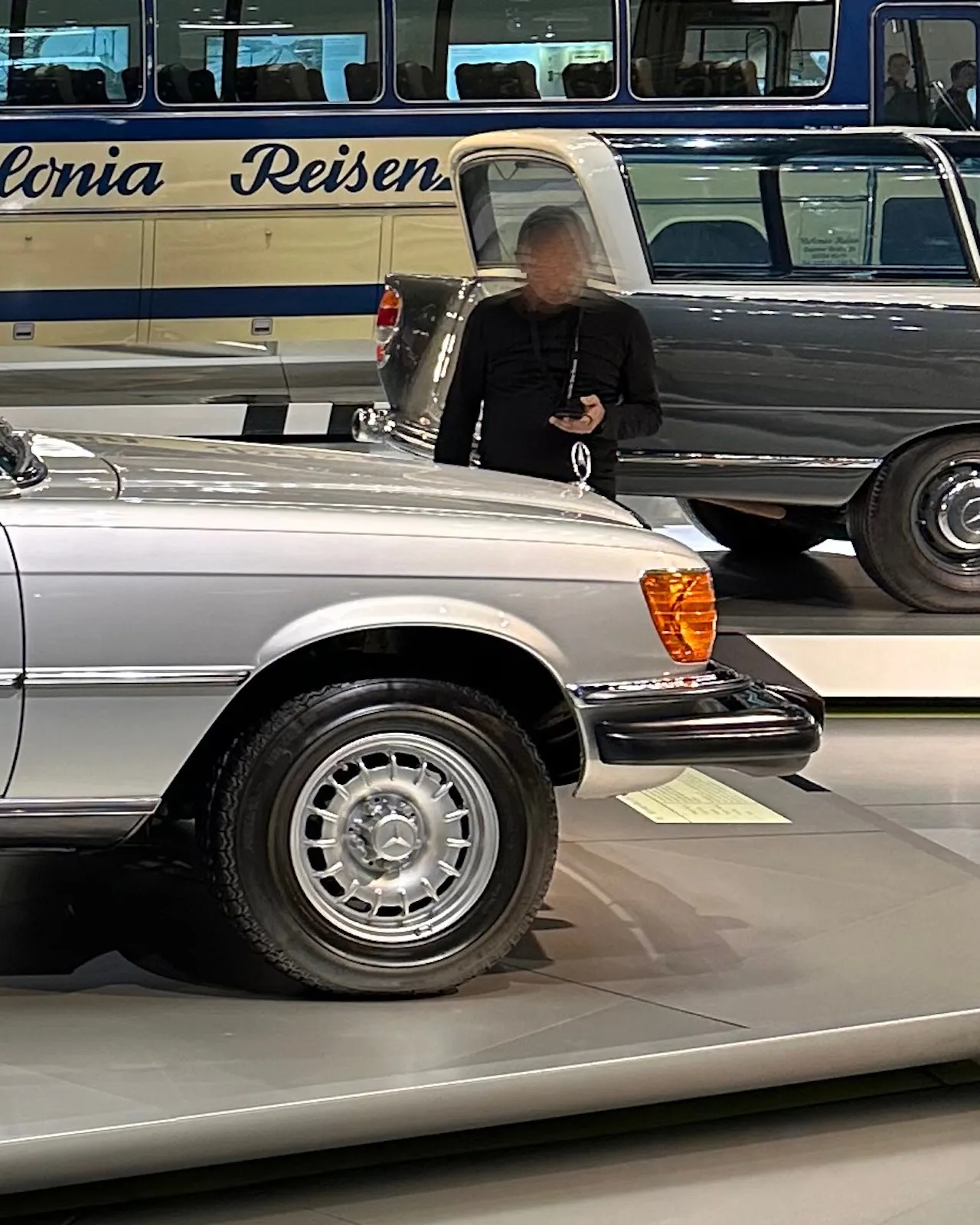
Ugly bumper to meet U.S. regulations? Maybe. But that’s not the real story here… The real highlight is under the hood: a diesel. Not just any diesel, a turbo diesel.
This Mercedes-Benz 300 SD (seen at the Mercedes-Benz Museum) marked serious progress back in 1980. With the 300 SD, Mercedes-Benz brought the diesel engine into the luxury class. Even more impressive: it featured one of the first production turbodiesel engines, delivering both solid performance and improved efficiency.
The goal? Meet strict US regulations while boosting fuel economy across the lineup. Main specs: 5-cylinder, 3-litre, 121 HP. Not bad for the time.
PS: If you watched Dallas on TV, you might recognize it—J. R. Ewing, everyone’s favorite villain, used to drive a W116. Now that’s a proper reference.
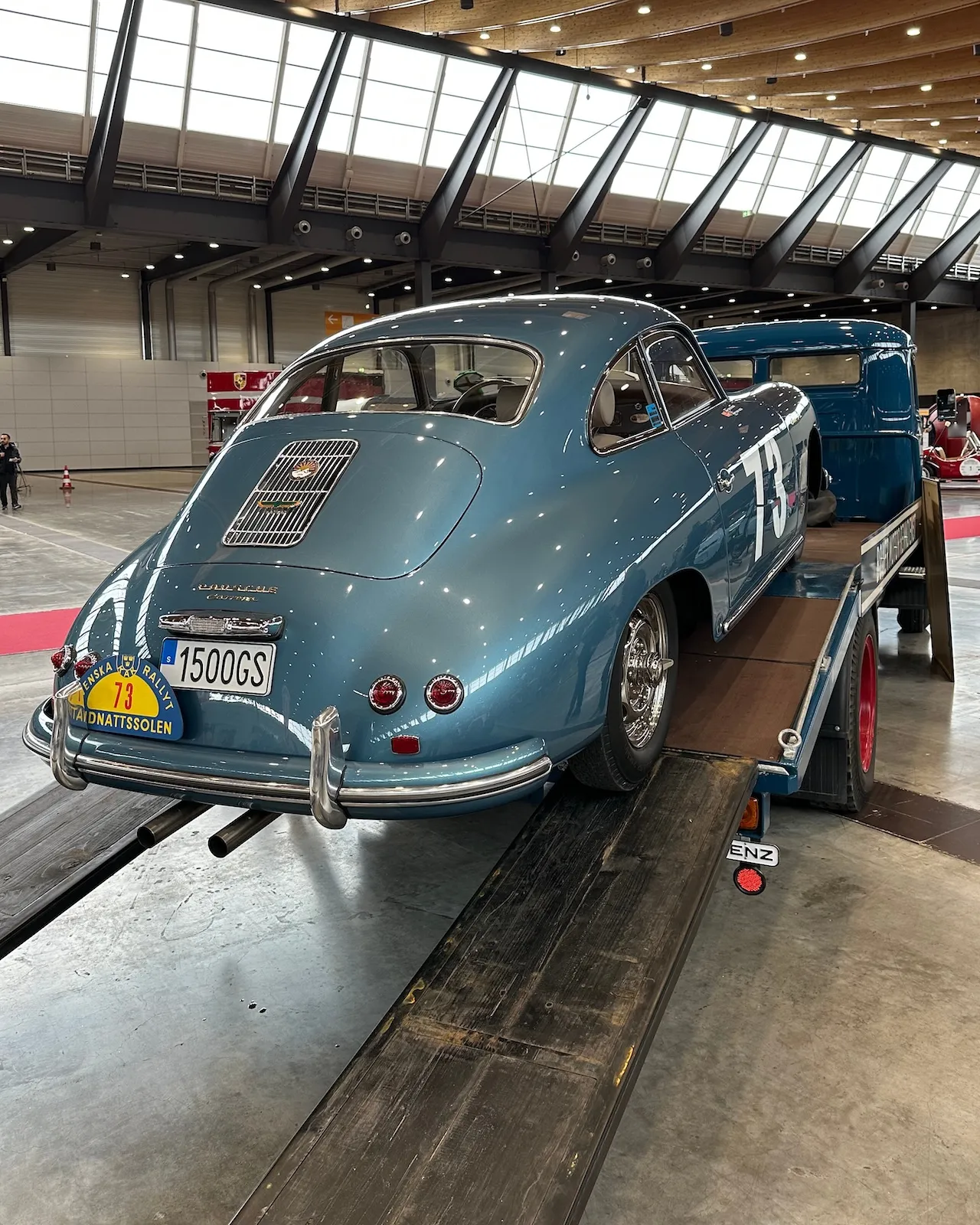
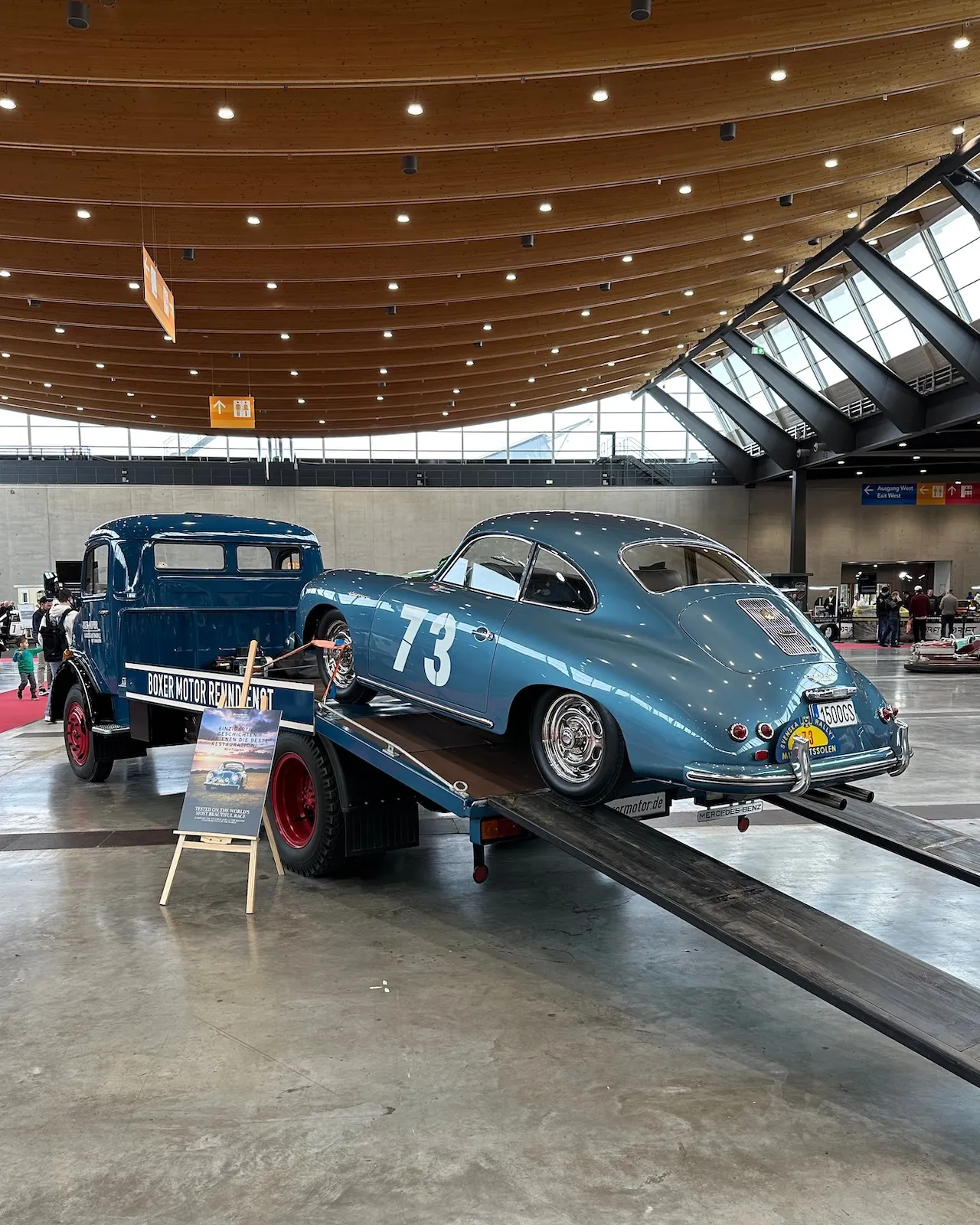
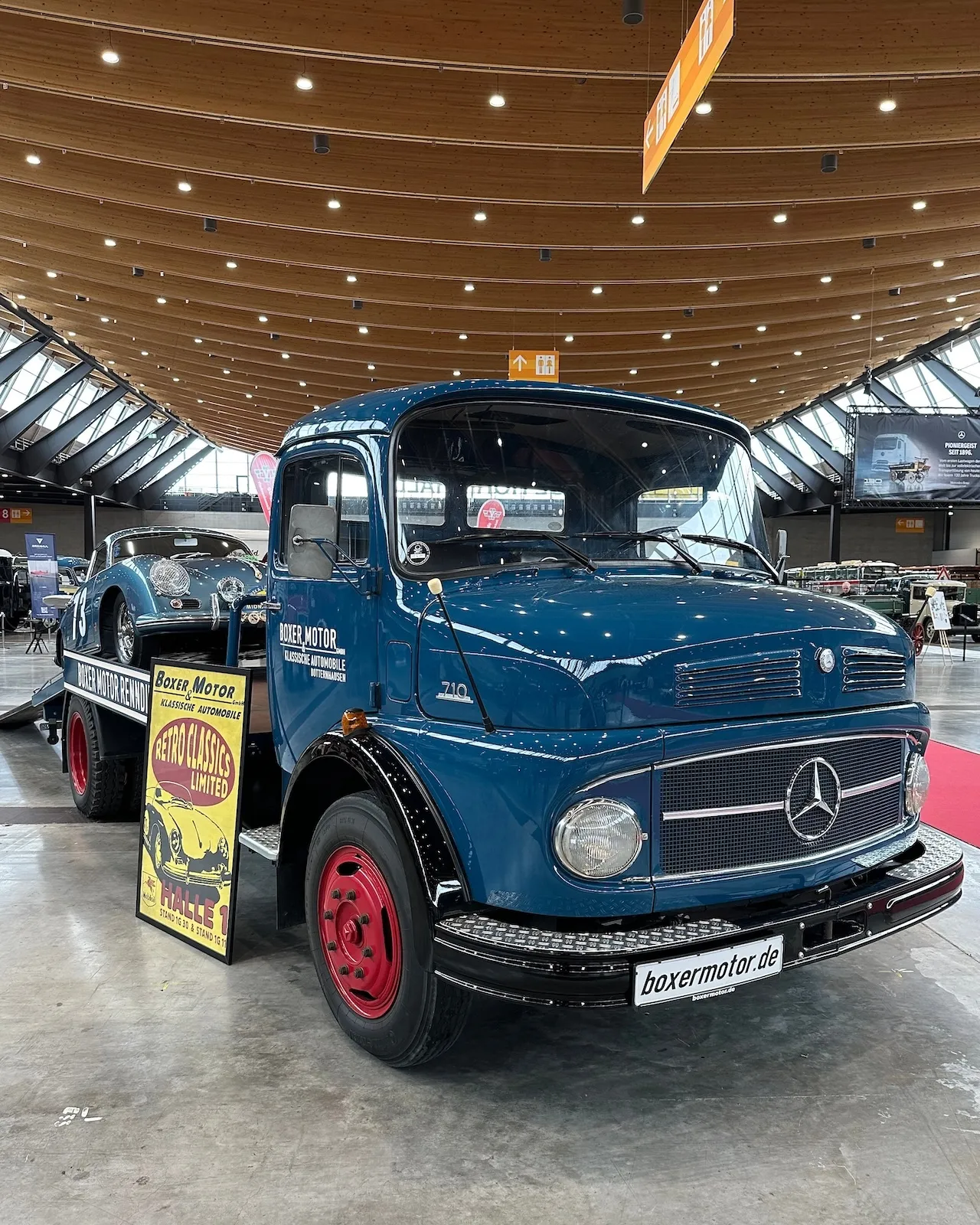
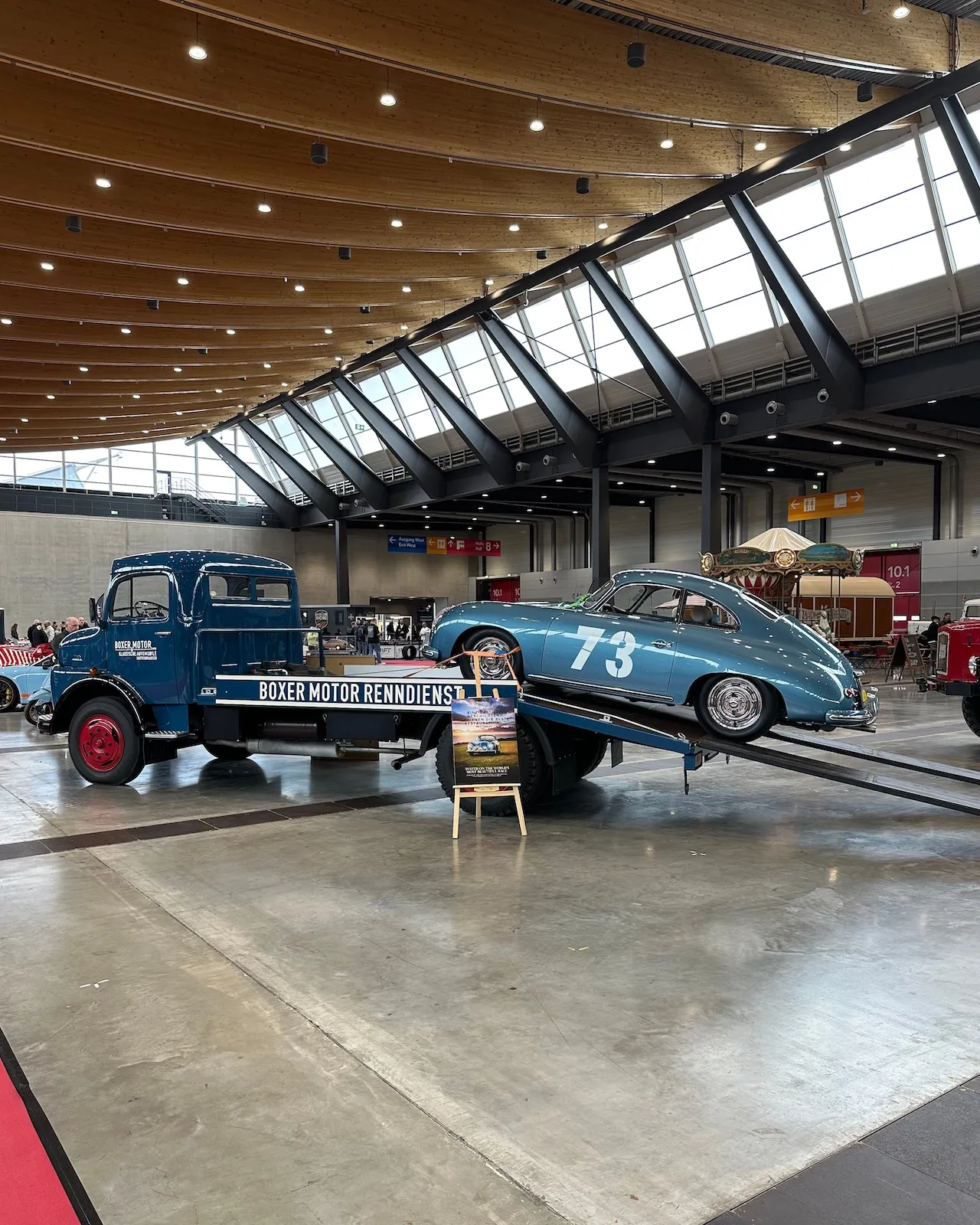
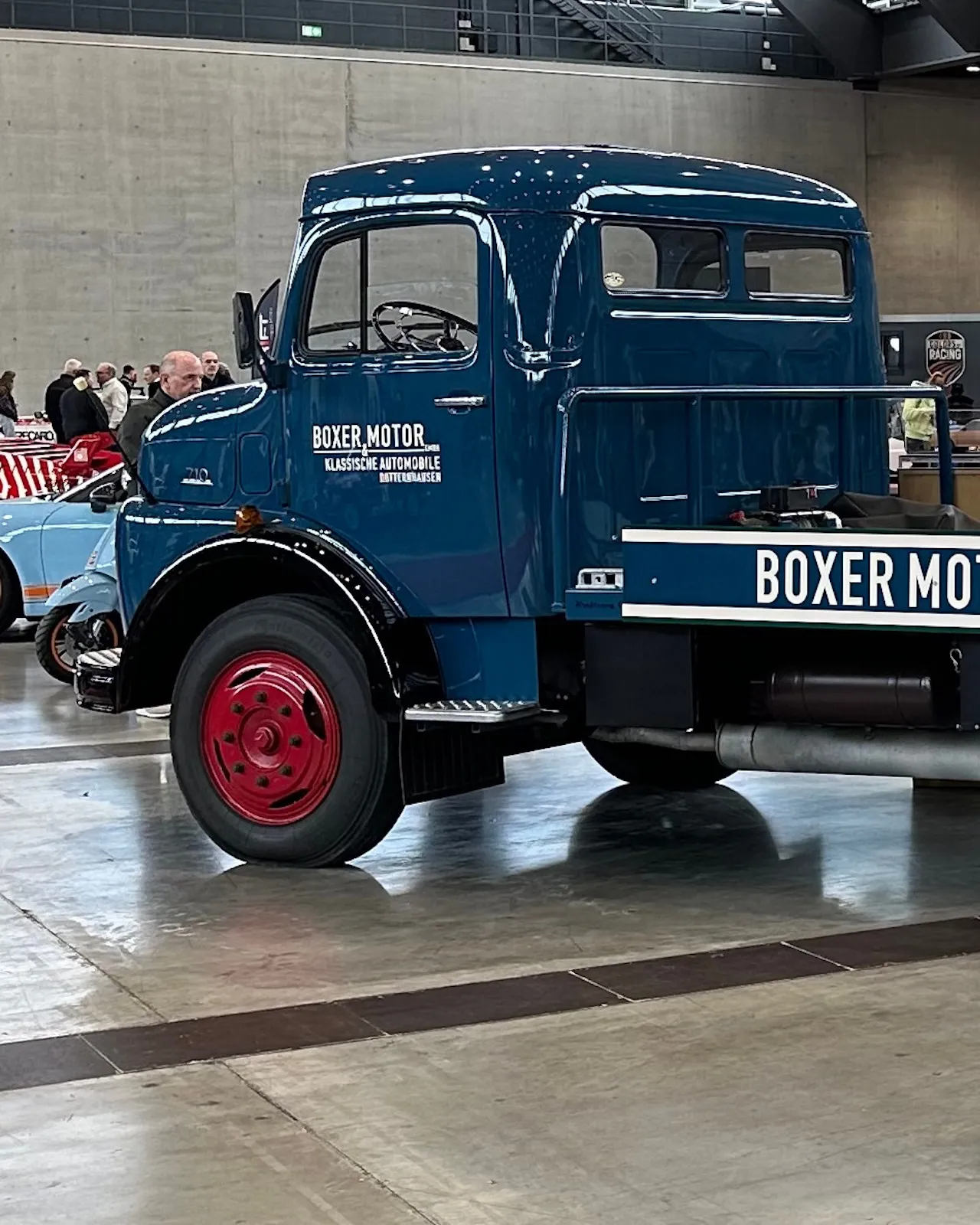
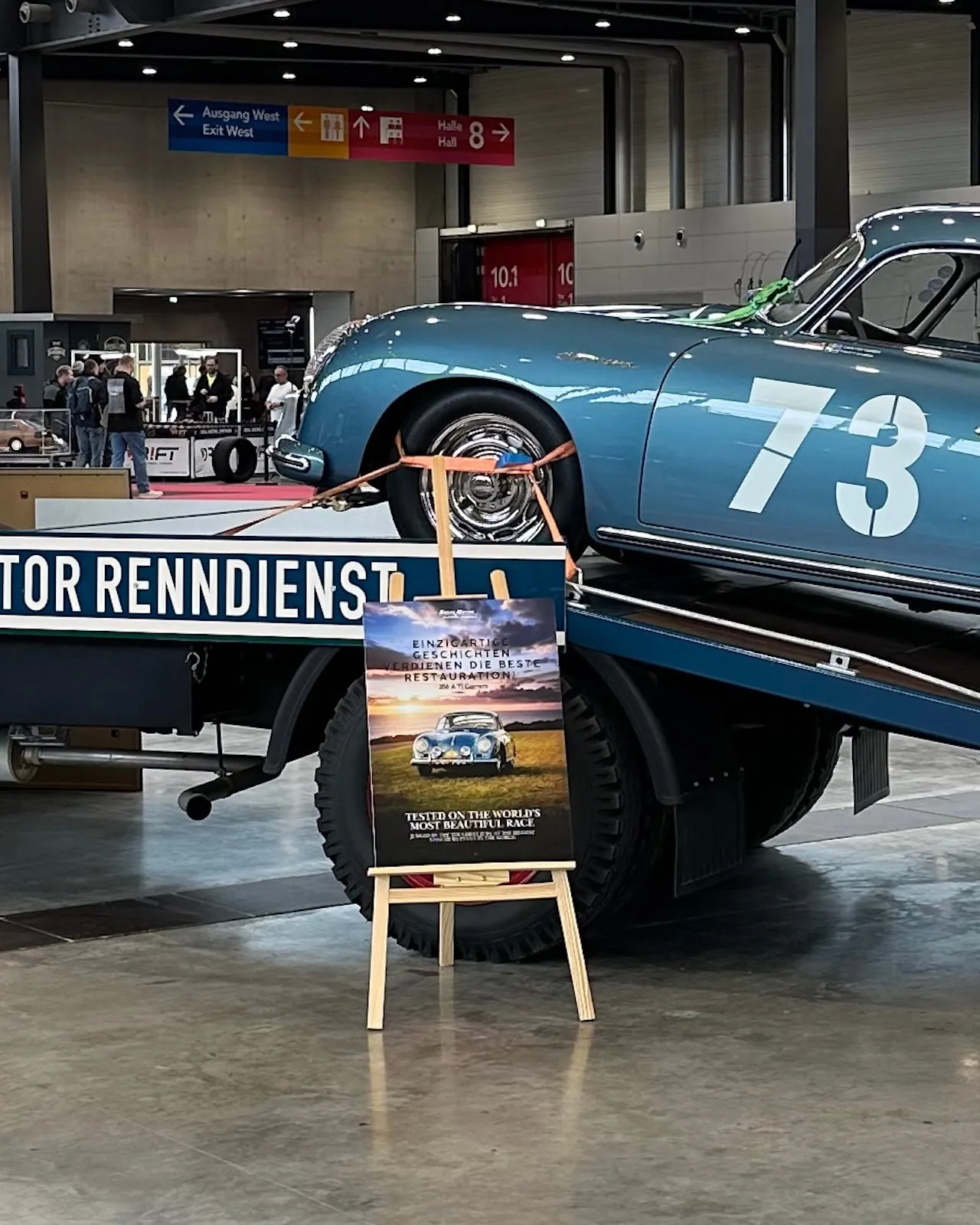
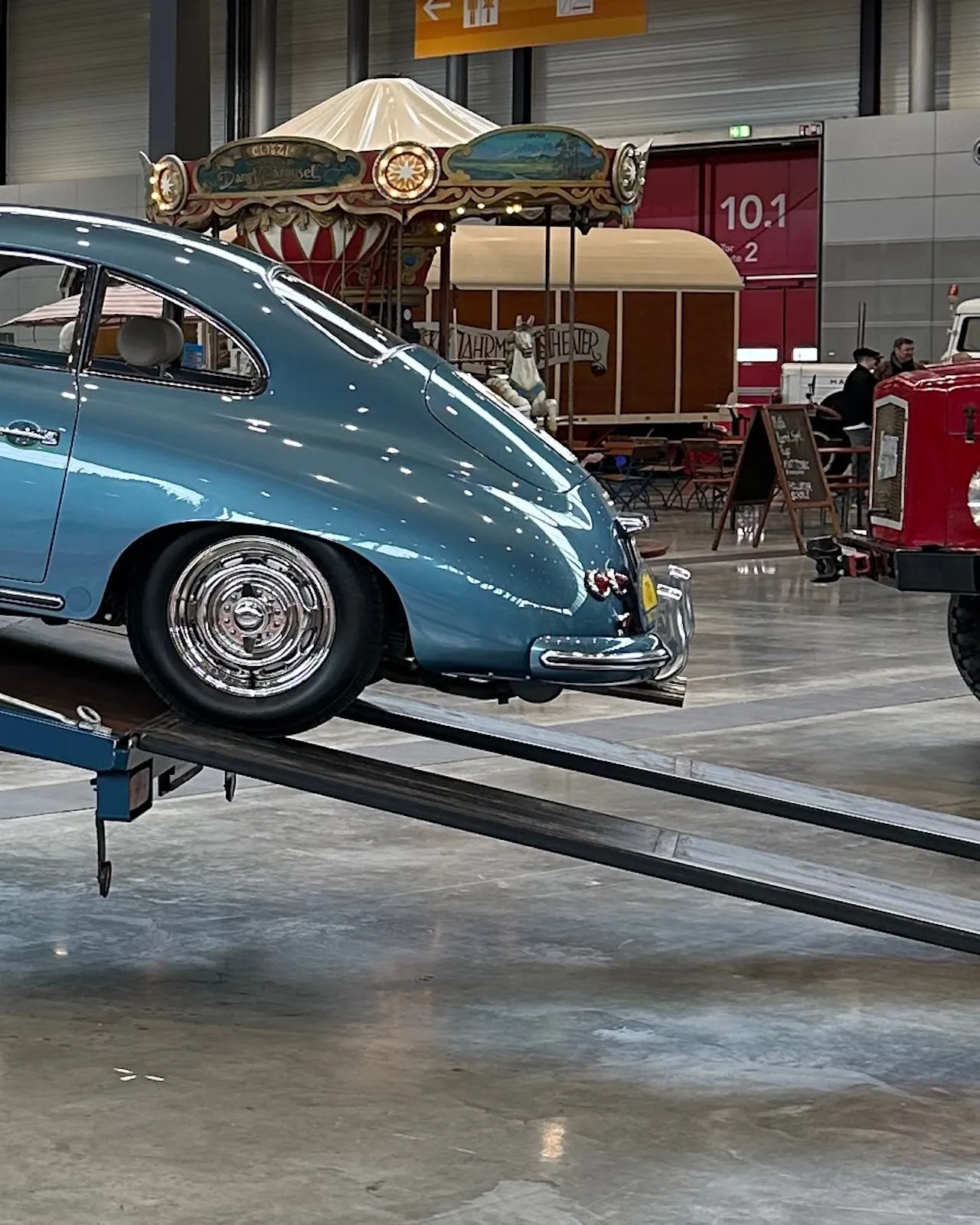
Race day logistics, done right.
A Porsche 356 loaded onto a Mercedes‑Benz L 710 truck — the ultimate vintage paddock combo. Seen at Retro Classics Stuttgart. Splendid.
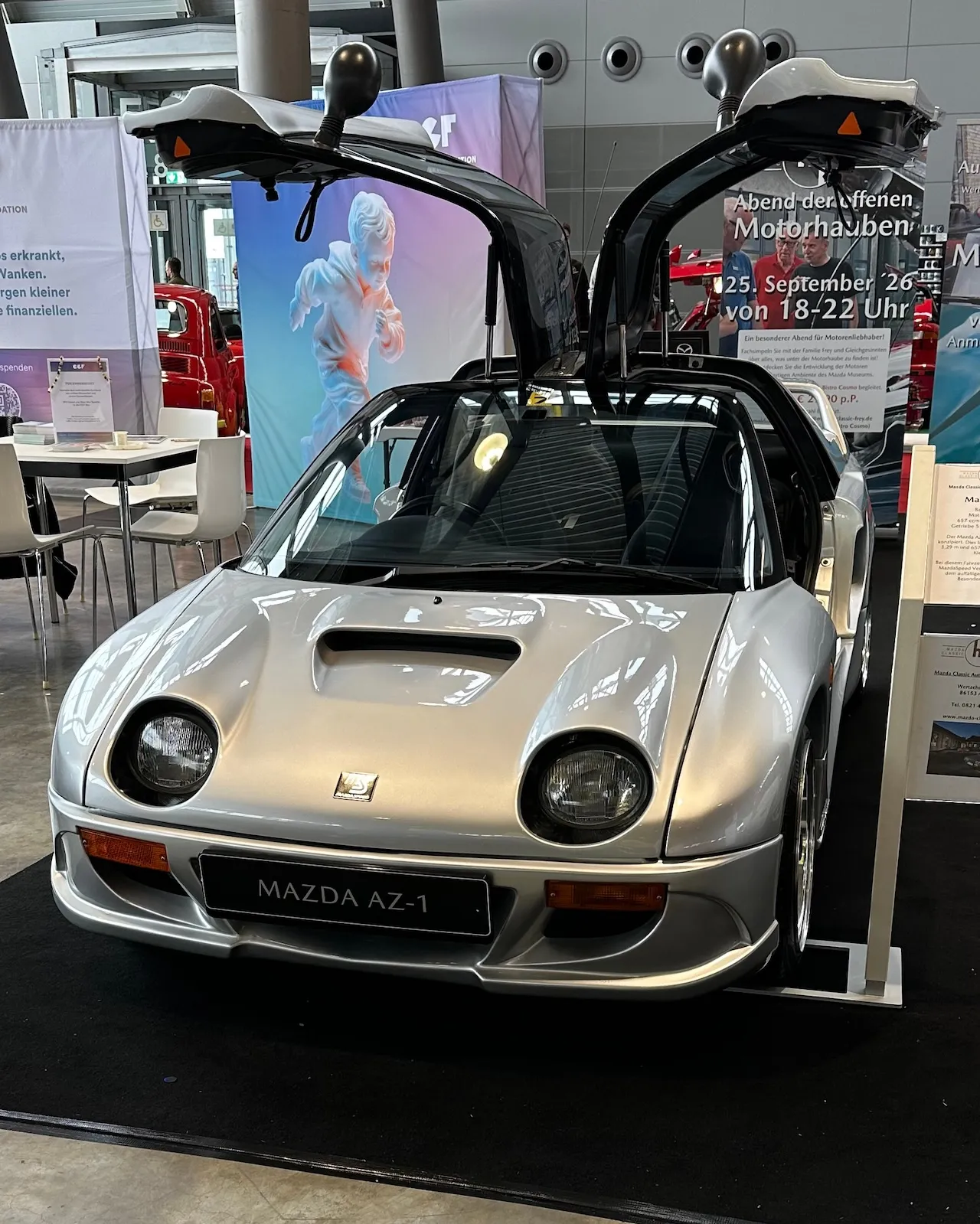
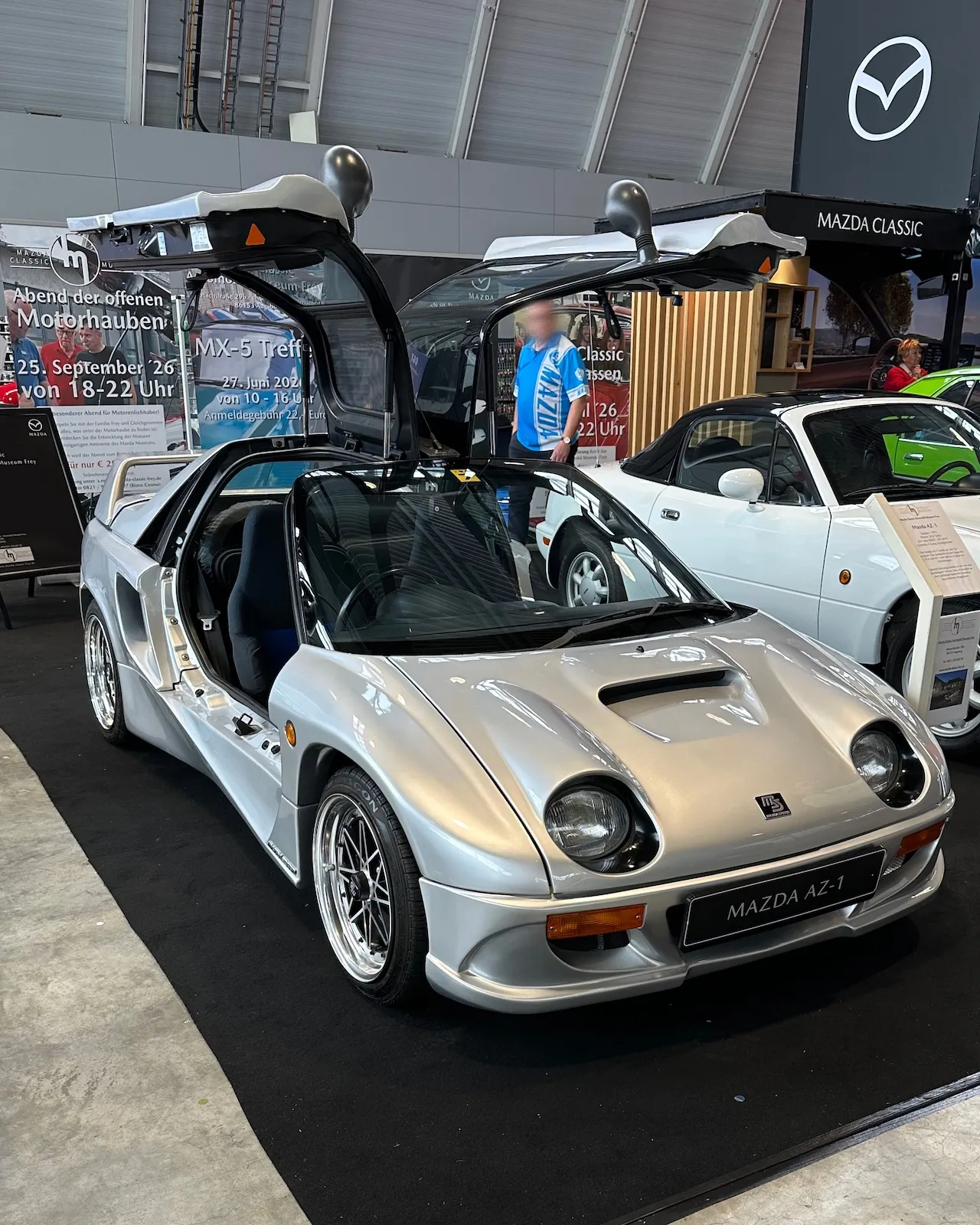
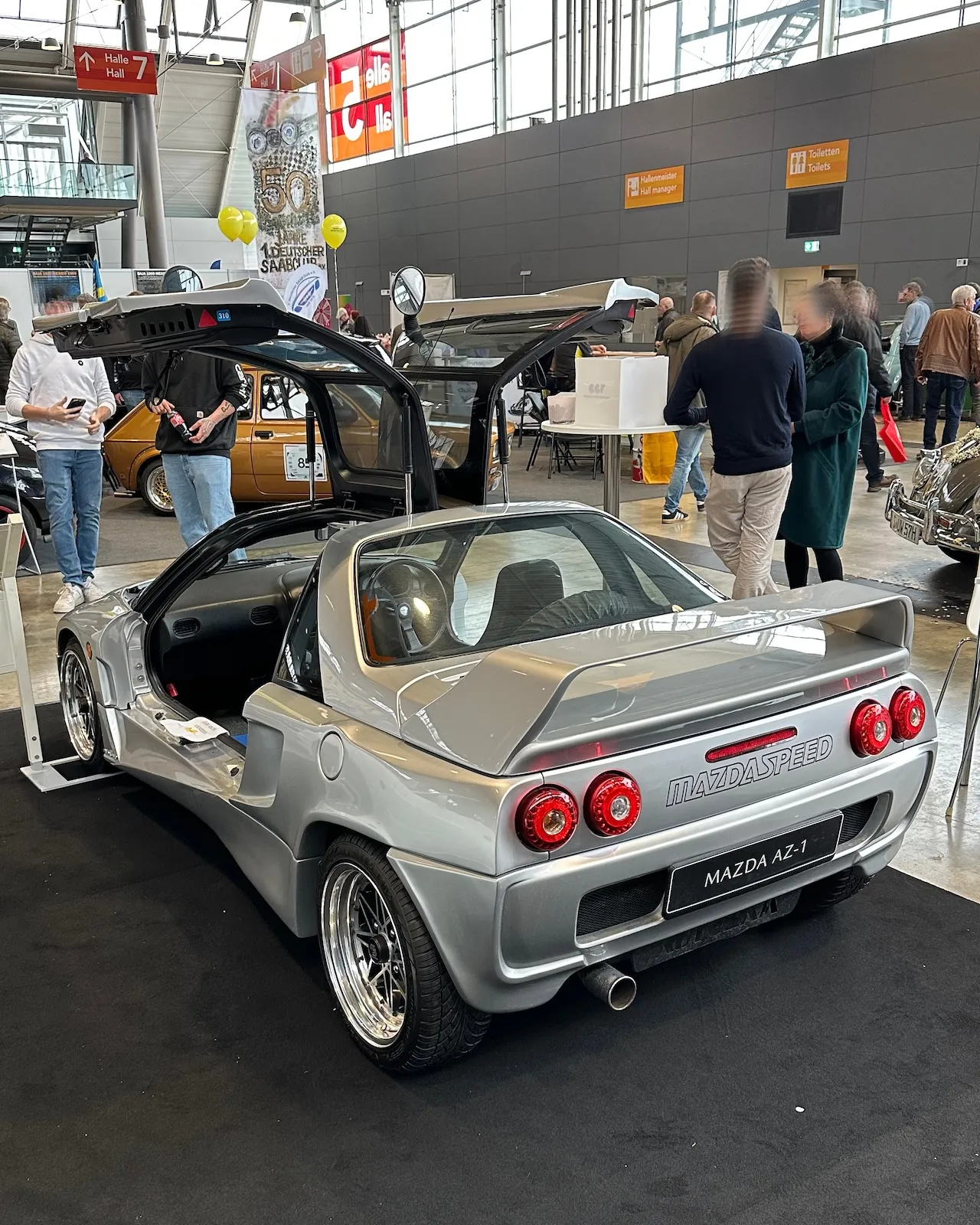
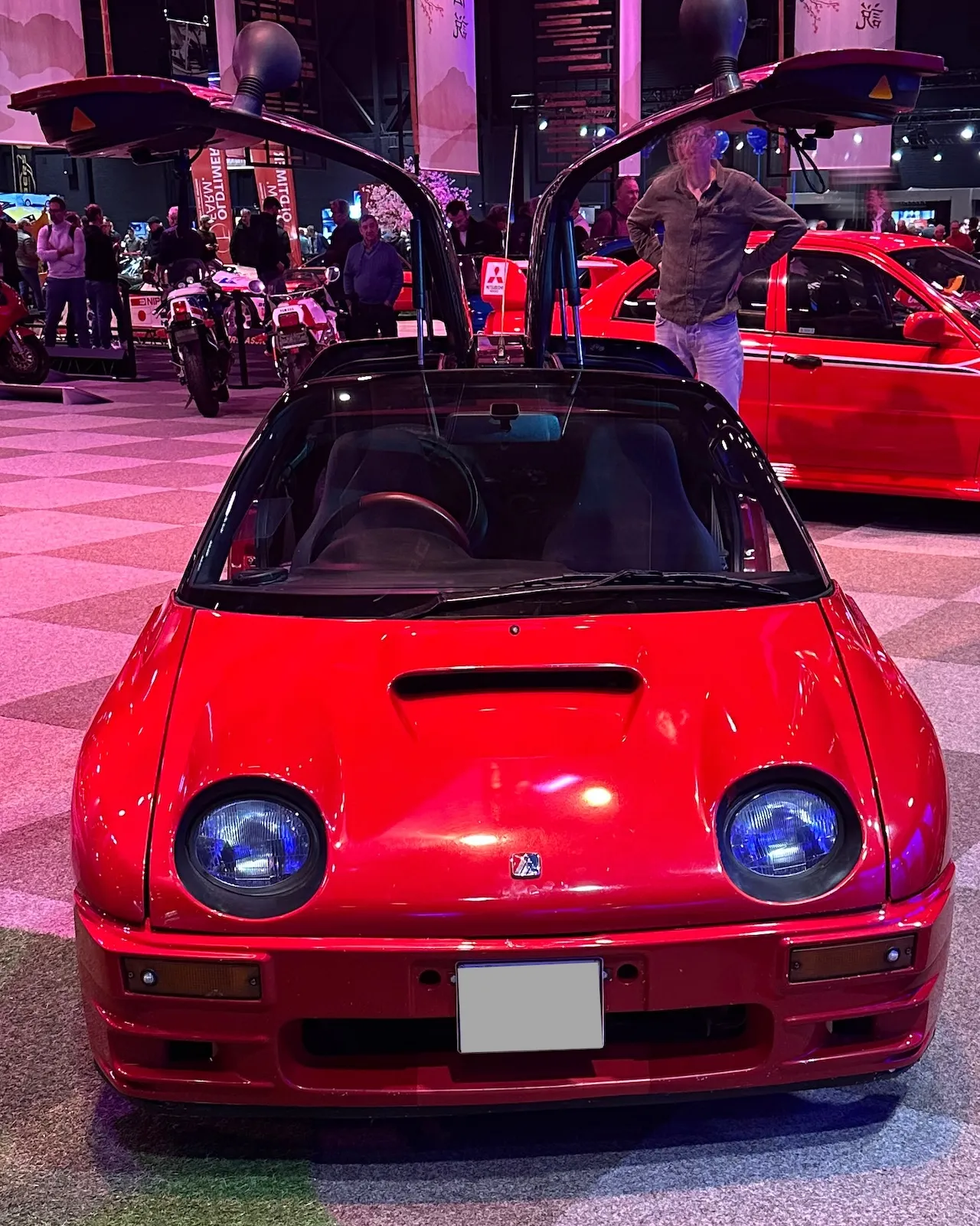
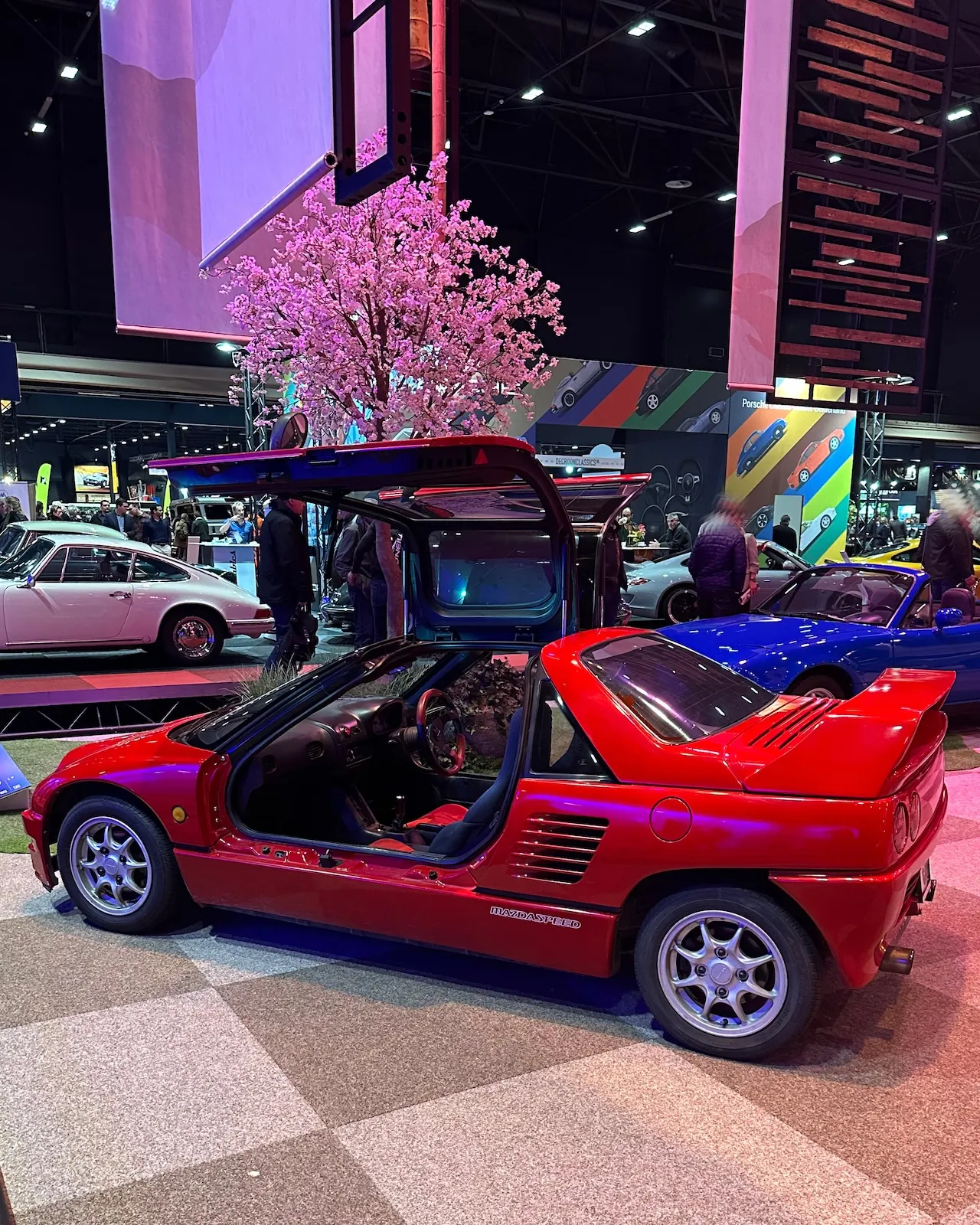
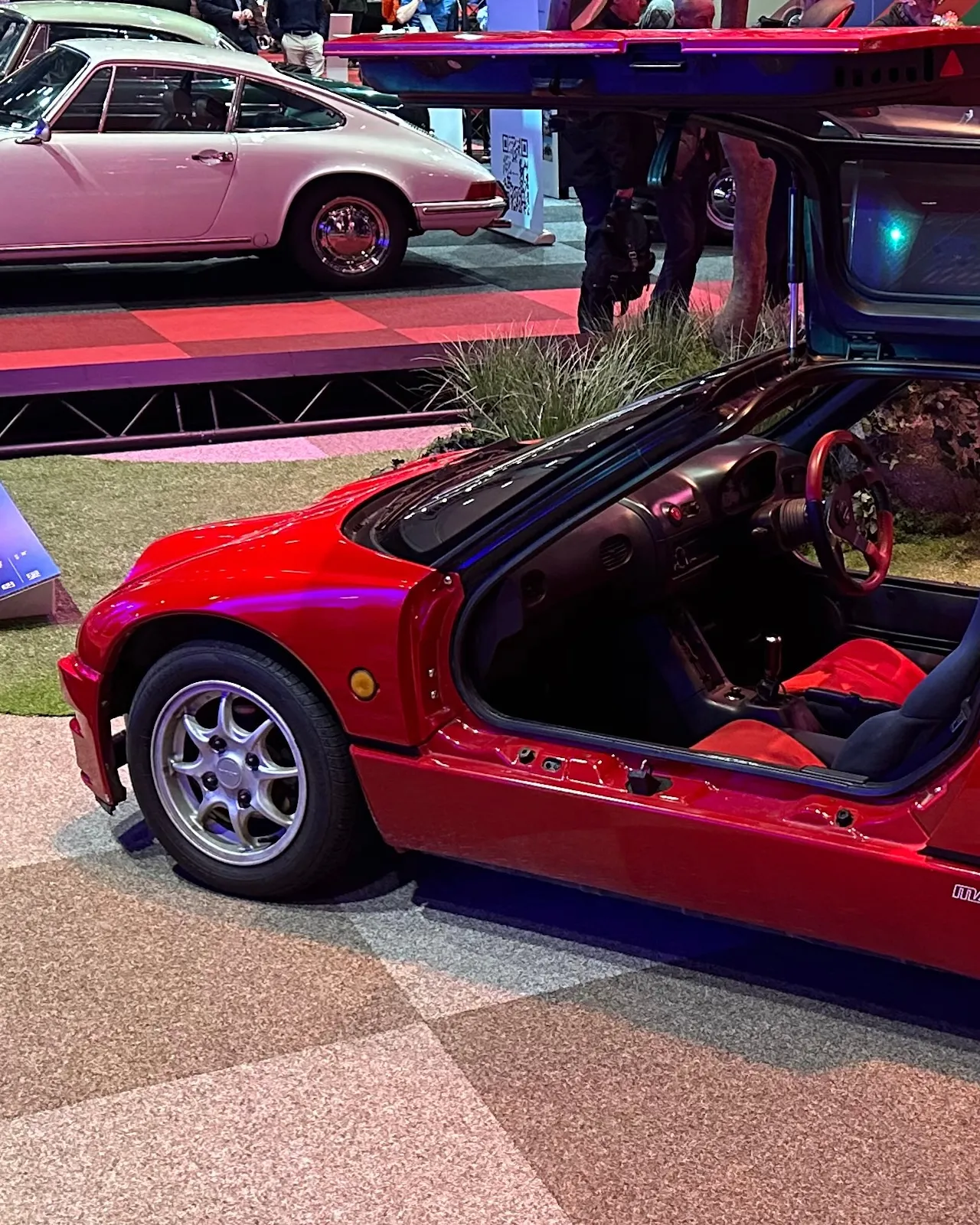
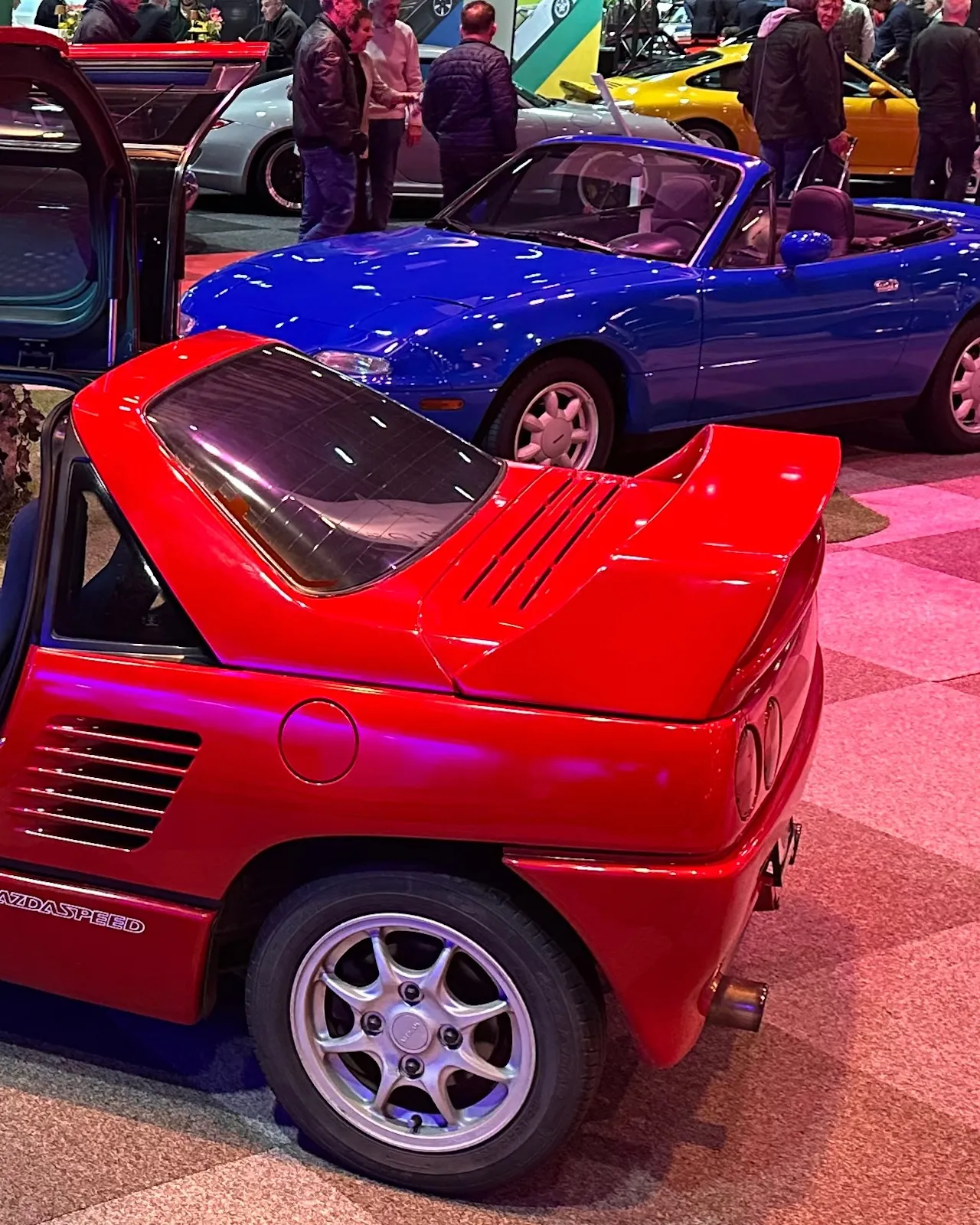
Think only Japanese car nuts love the Autozam AZ-1? Think again. These two beauties were spotted far from Japan: the red one in Maastricht (NL) and the grey one in Stuttgart (D).
The Mazda Autozam AZ-1 may be tiny, but it packs all the toys of a proper sports car: gullwing doors, turbocharged engine, 9000-rpm redline, DOHC engine with 4 valves per cylinder, ultra-lightweight, compact design, and endless tuning potential. Amazing.
Although it was sold by Mazda (under the Autozam sub-brand), the engine actually comes from Suzuki. With about 4400 units produced between 1992 and 1994, the AZ-1 is rare and highly collectible. Back in the 1990s it wasn’t a commercial success, but now it stands as a playful, quirky icon of Japan’s wonderfully creative automotive engineering.
Honestly... who wouldn’t want one of these in their garage?
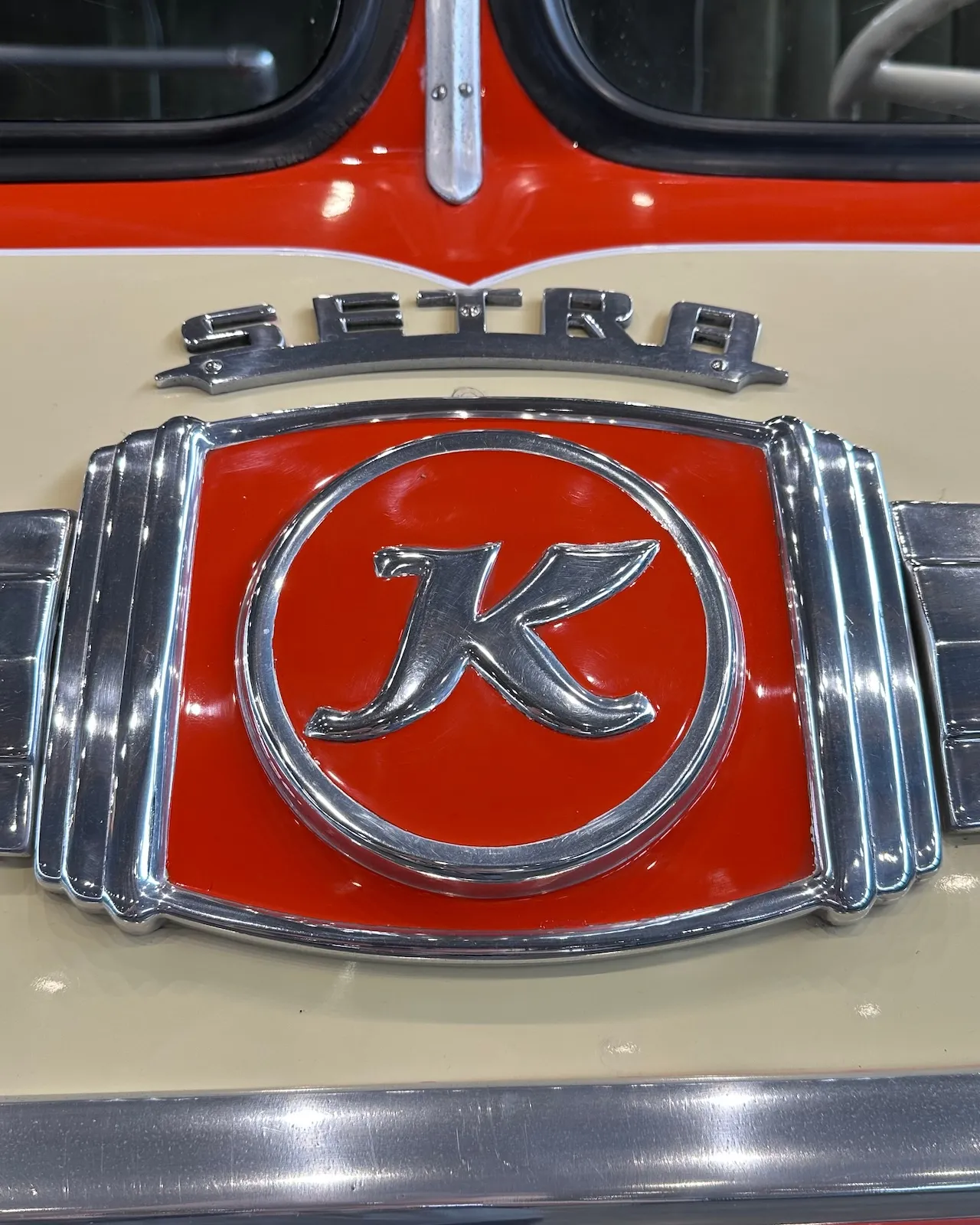
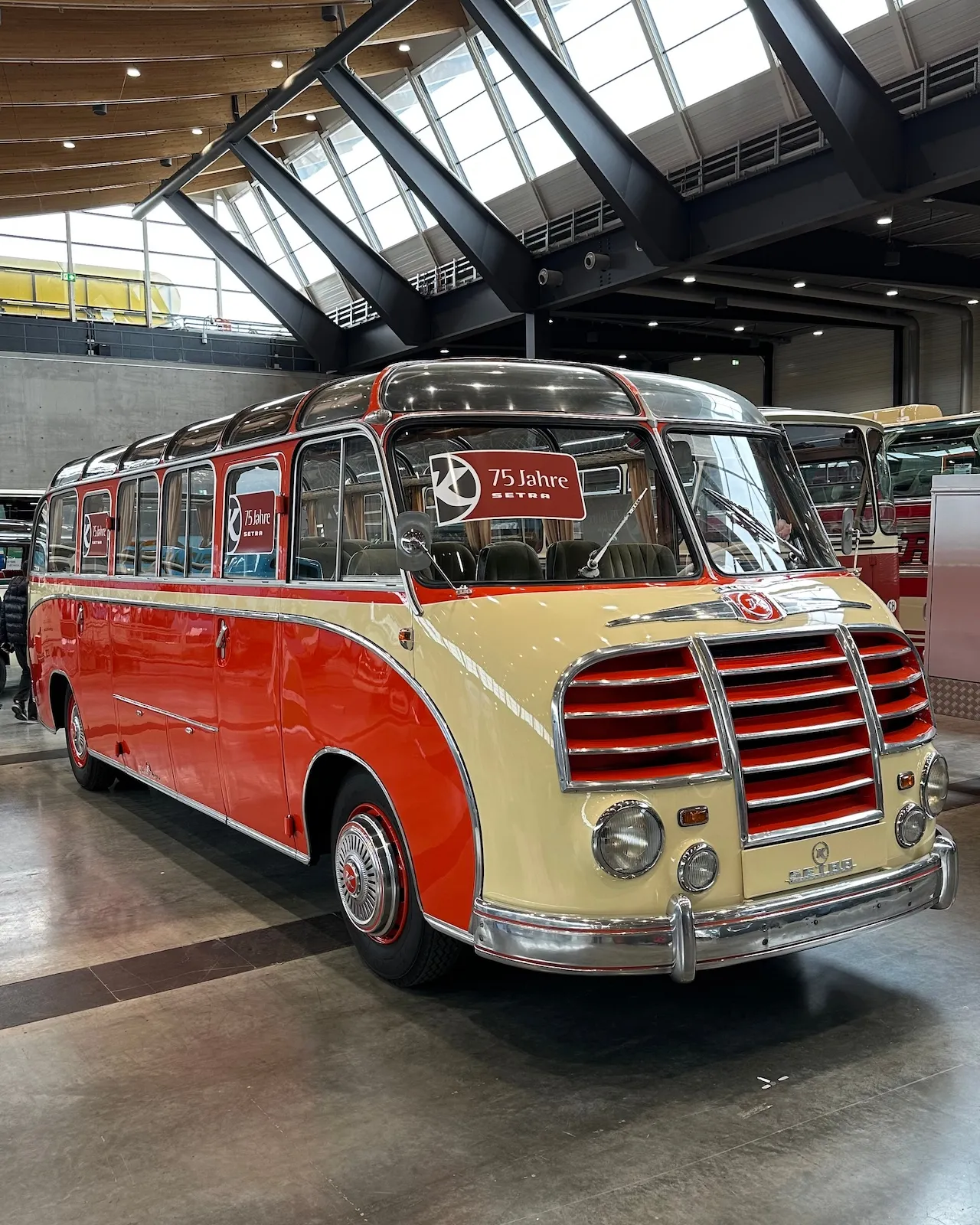
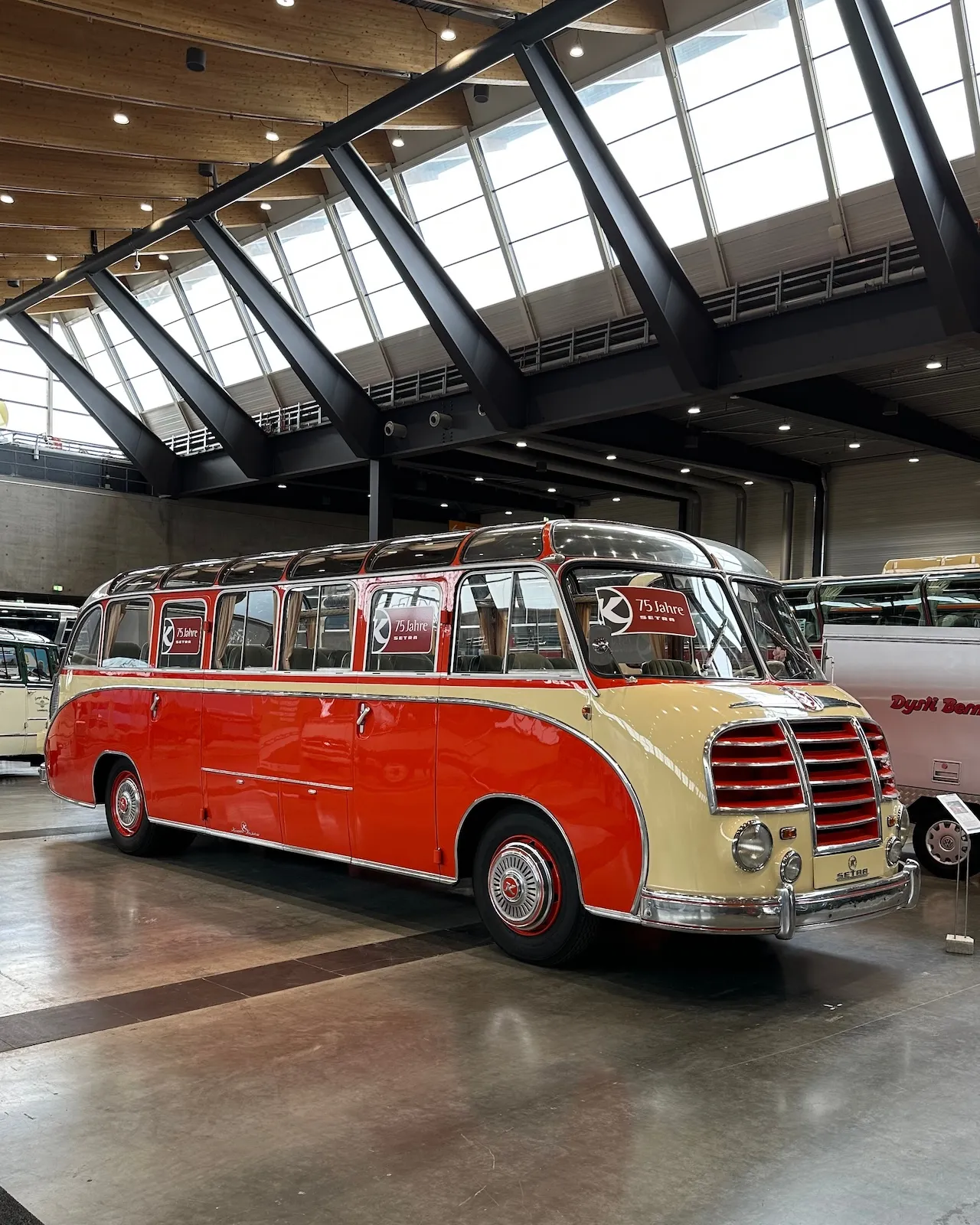
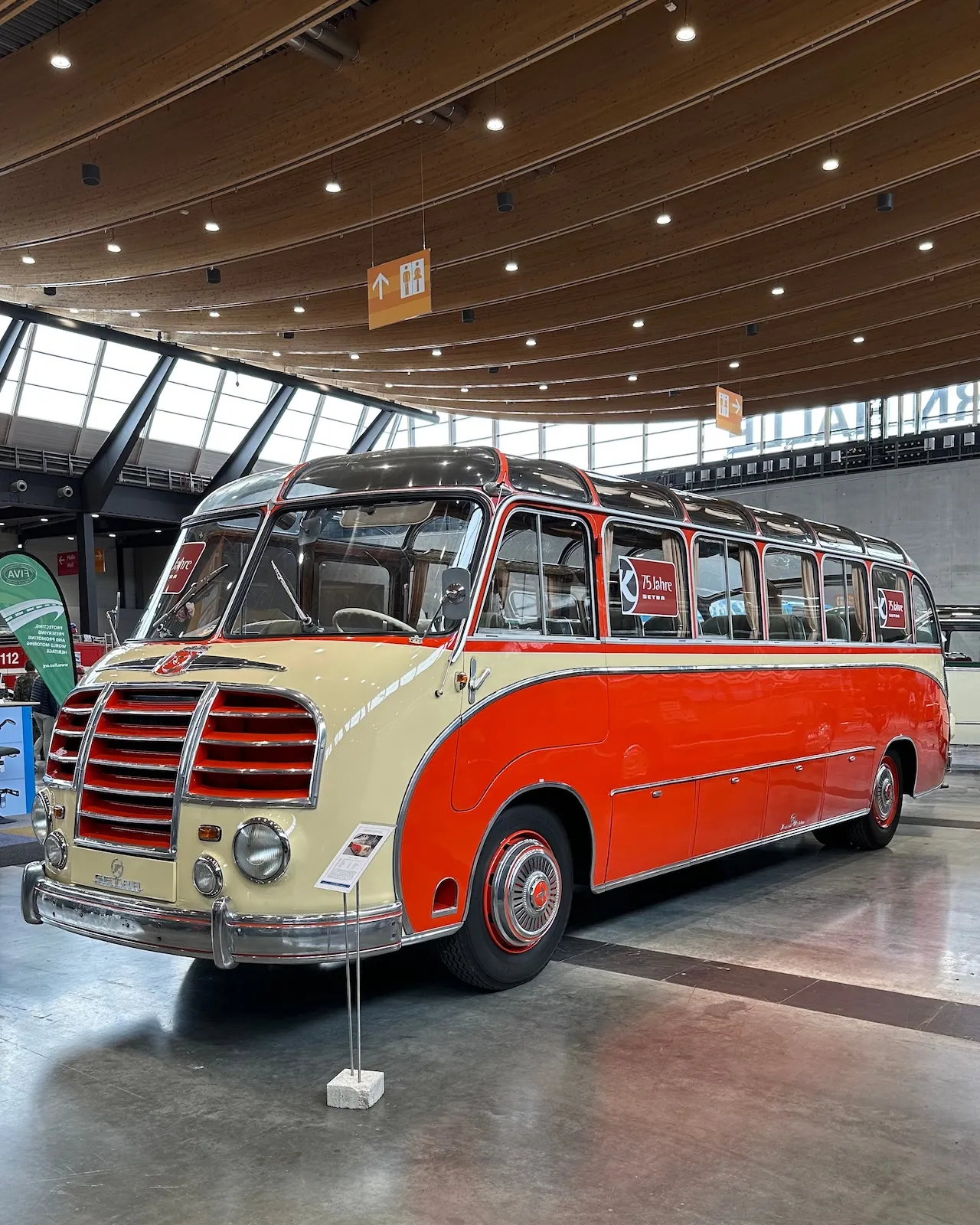
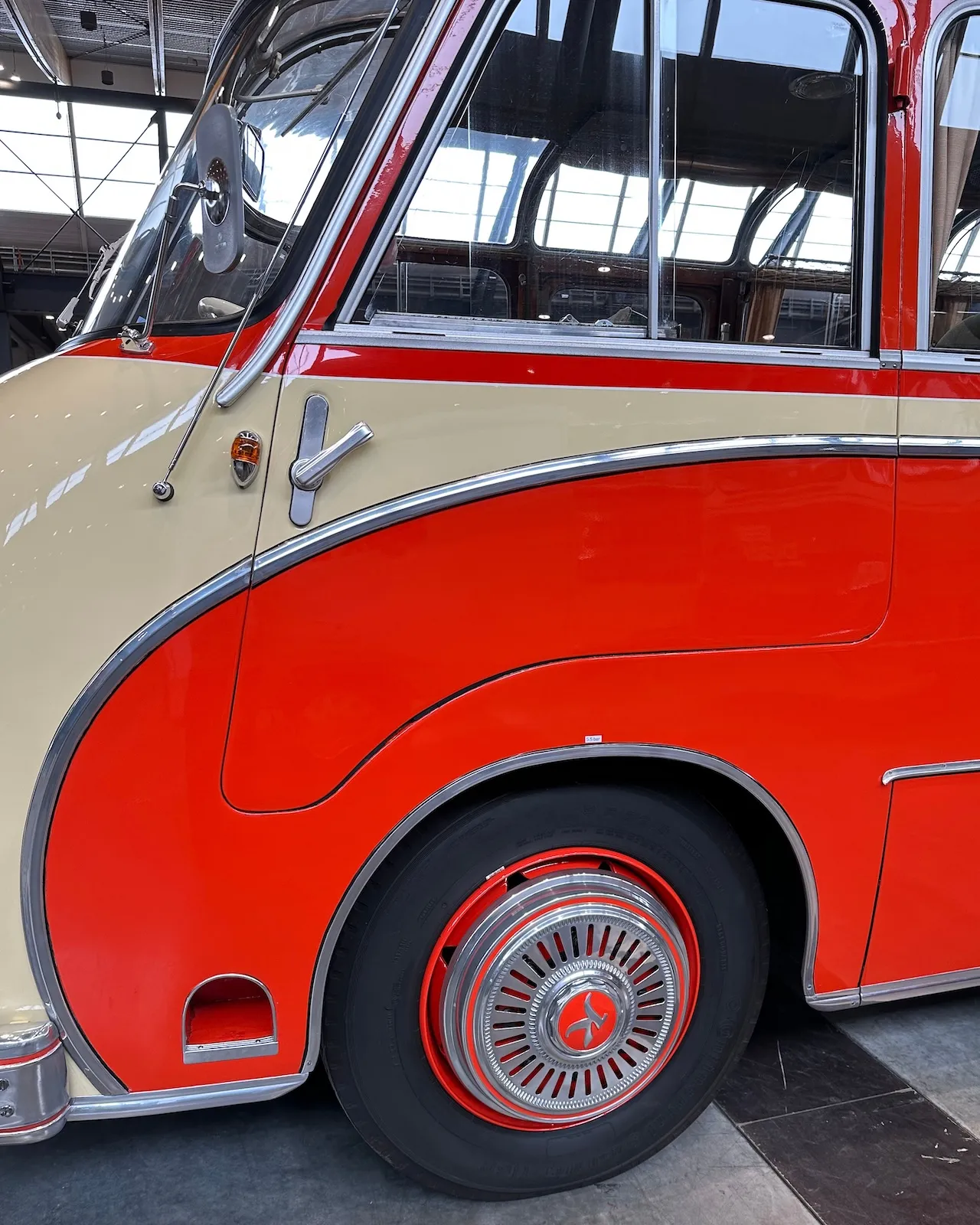
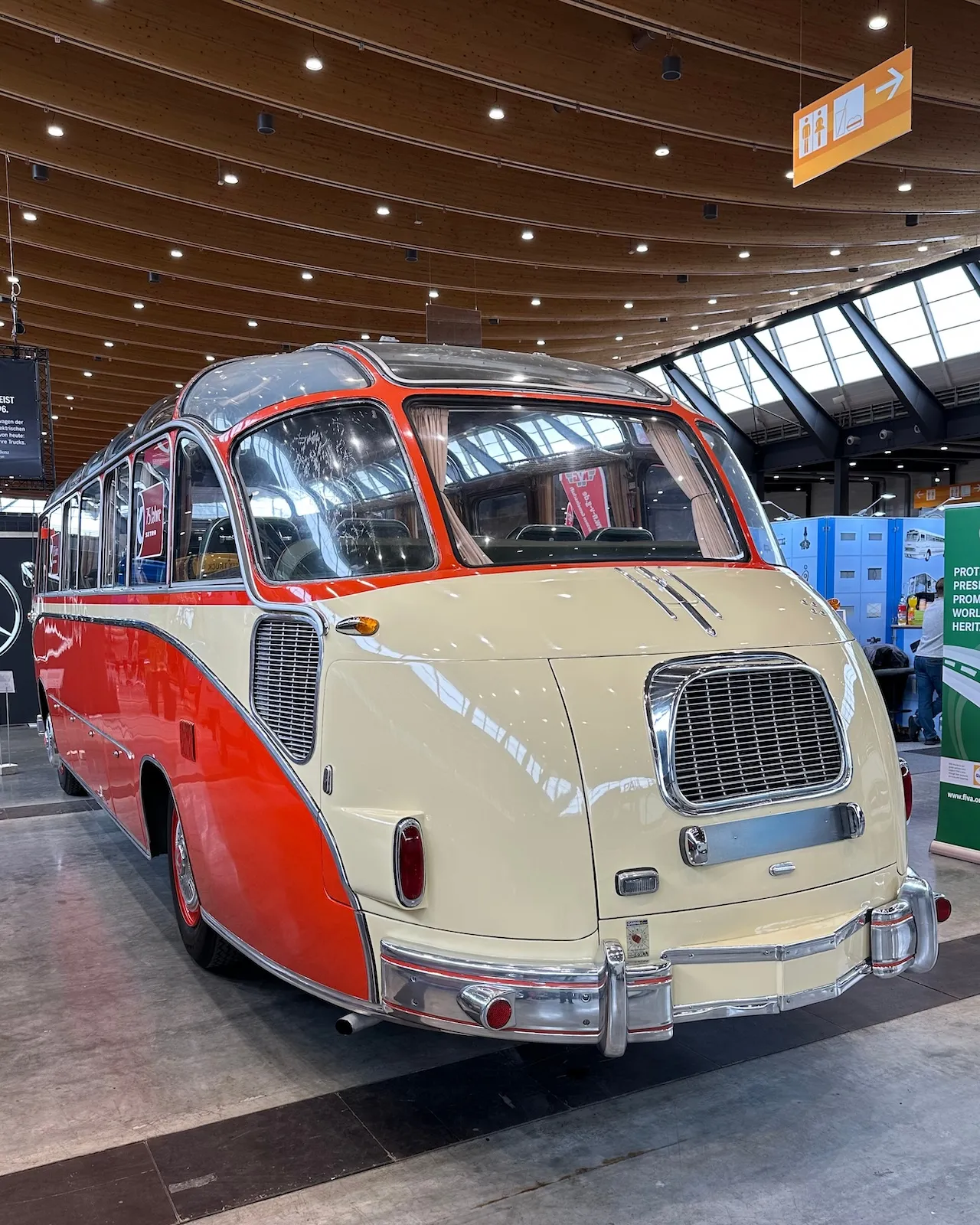
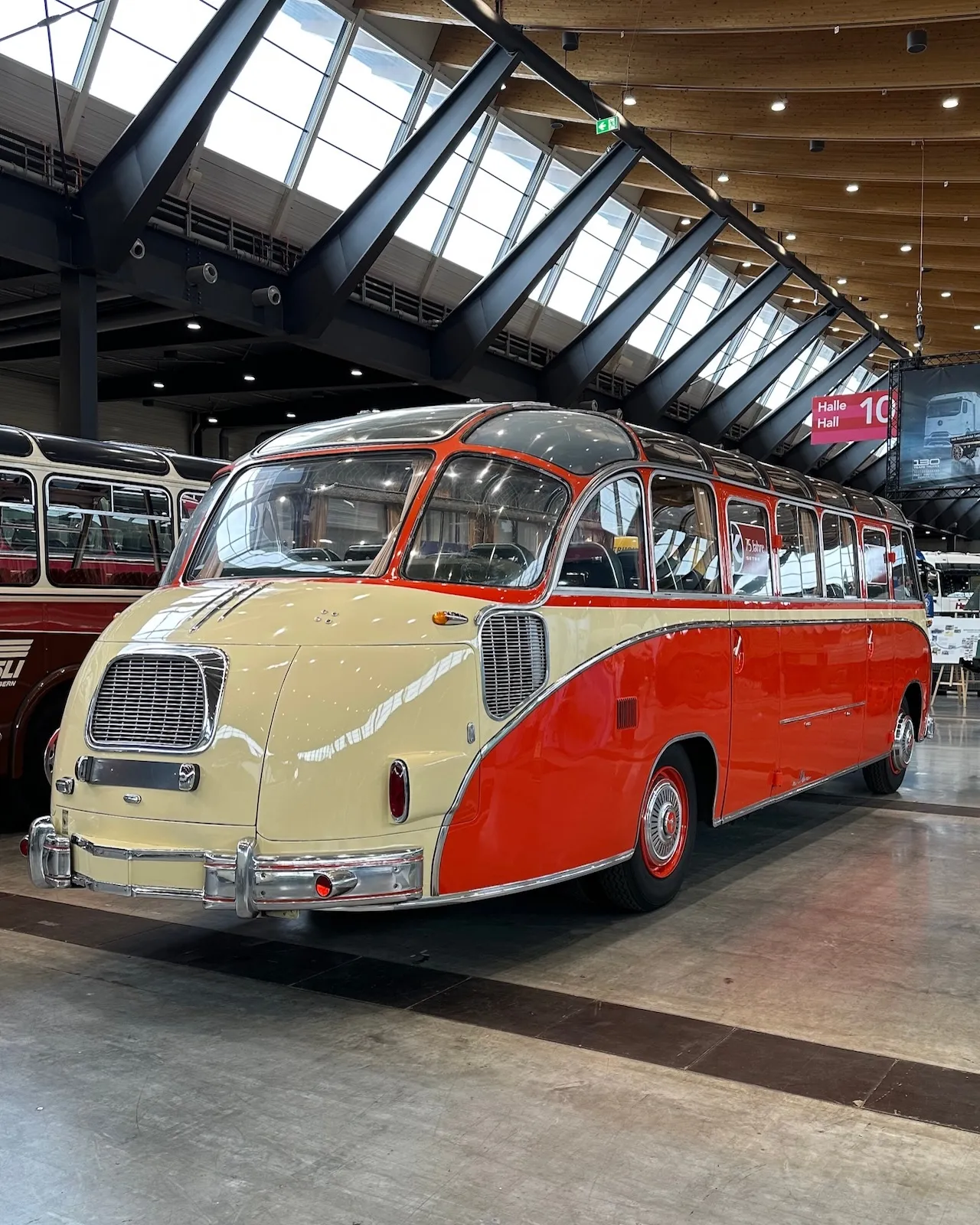
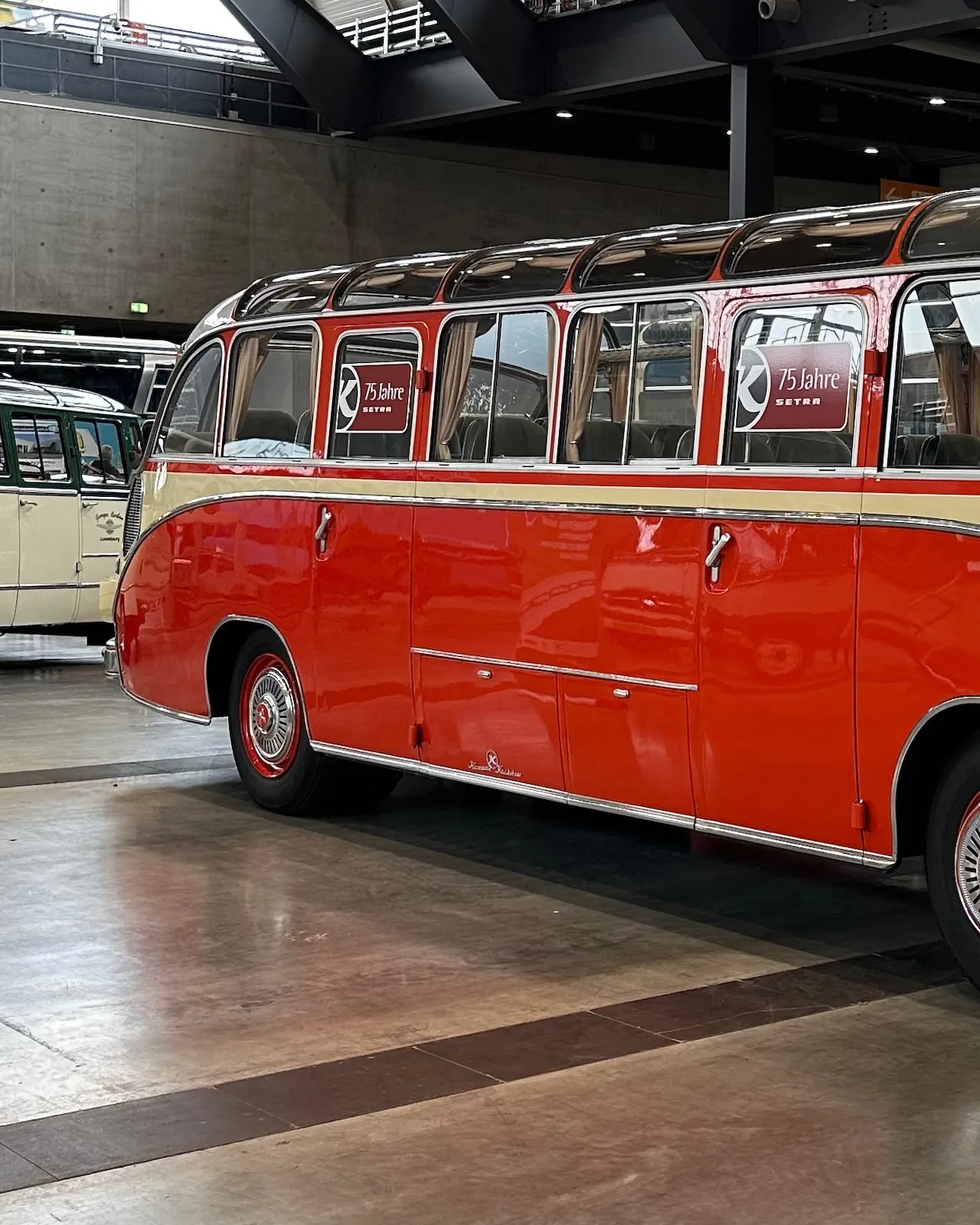
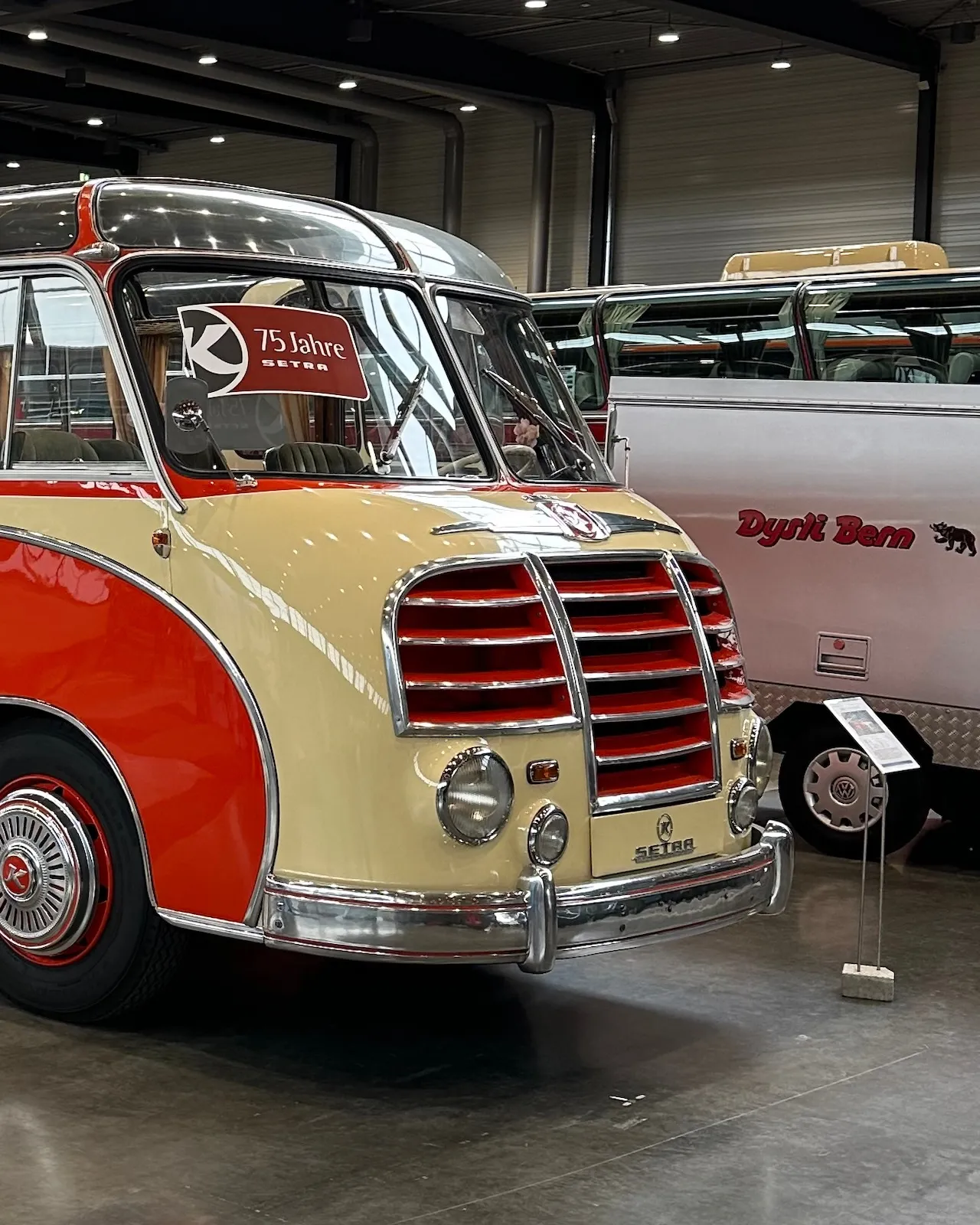
Do you remember the design of 1950s buses? Probably not. So take a look at this beauty: 1954 Kässbohrer Setra S 8 exposed at the Retro Classics in Stuttgart two weeks ago.
With 85 HP and around 30 seats, the S 8 was revolutionary. Its self-supporting body design laid the foundation for the Setra brand.
Now look at the details: the step carved into the body for the driver to climb aboard, the bold logo conveying strength, the almost aerodynamic rear designed to reduce drag, the generous glass surfaces… All these small touches remind us that buses were not only engineered to move people, but also carefully designed to offer passengers the best.
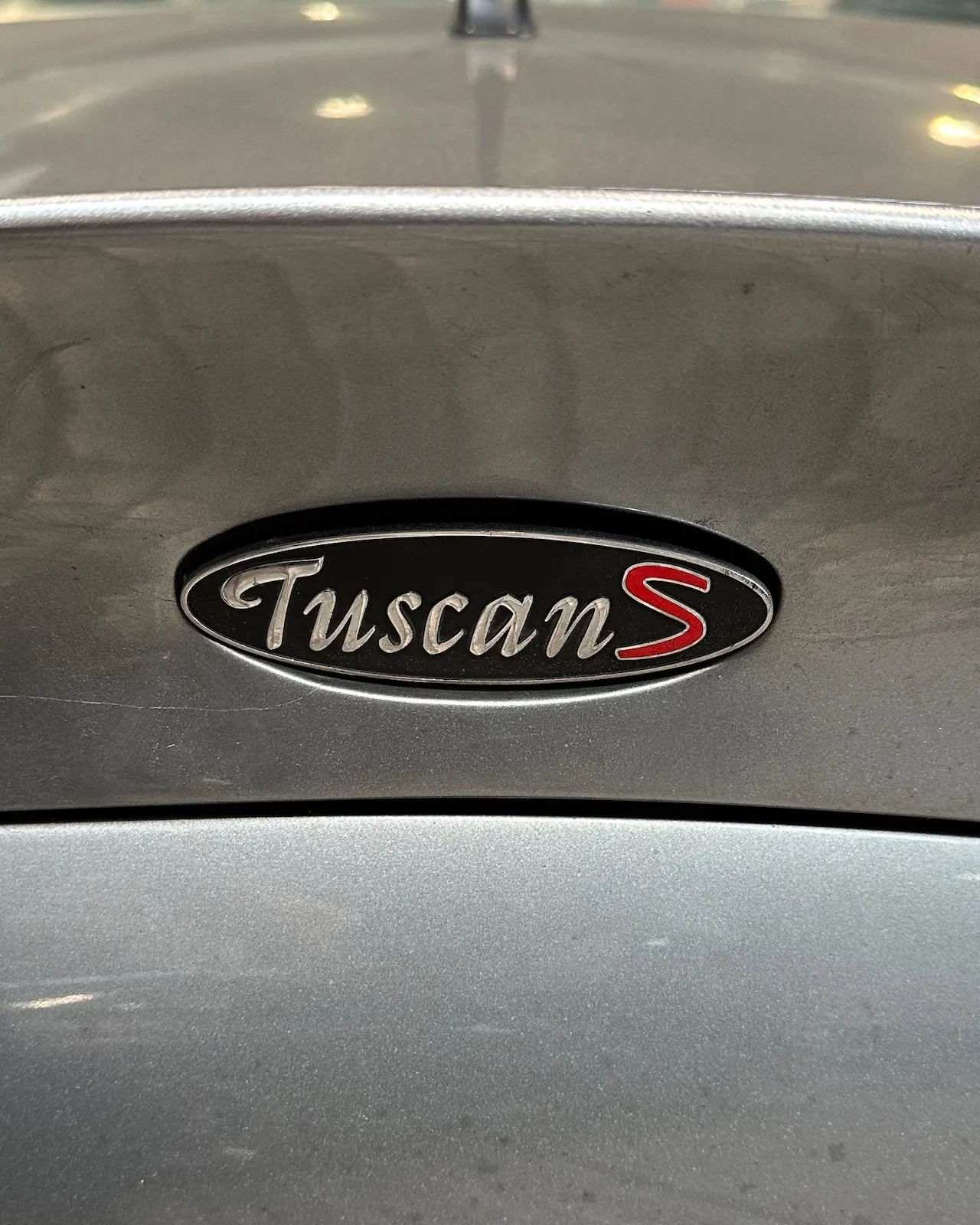
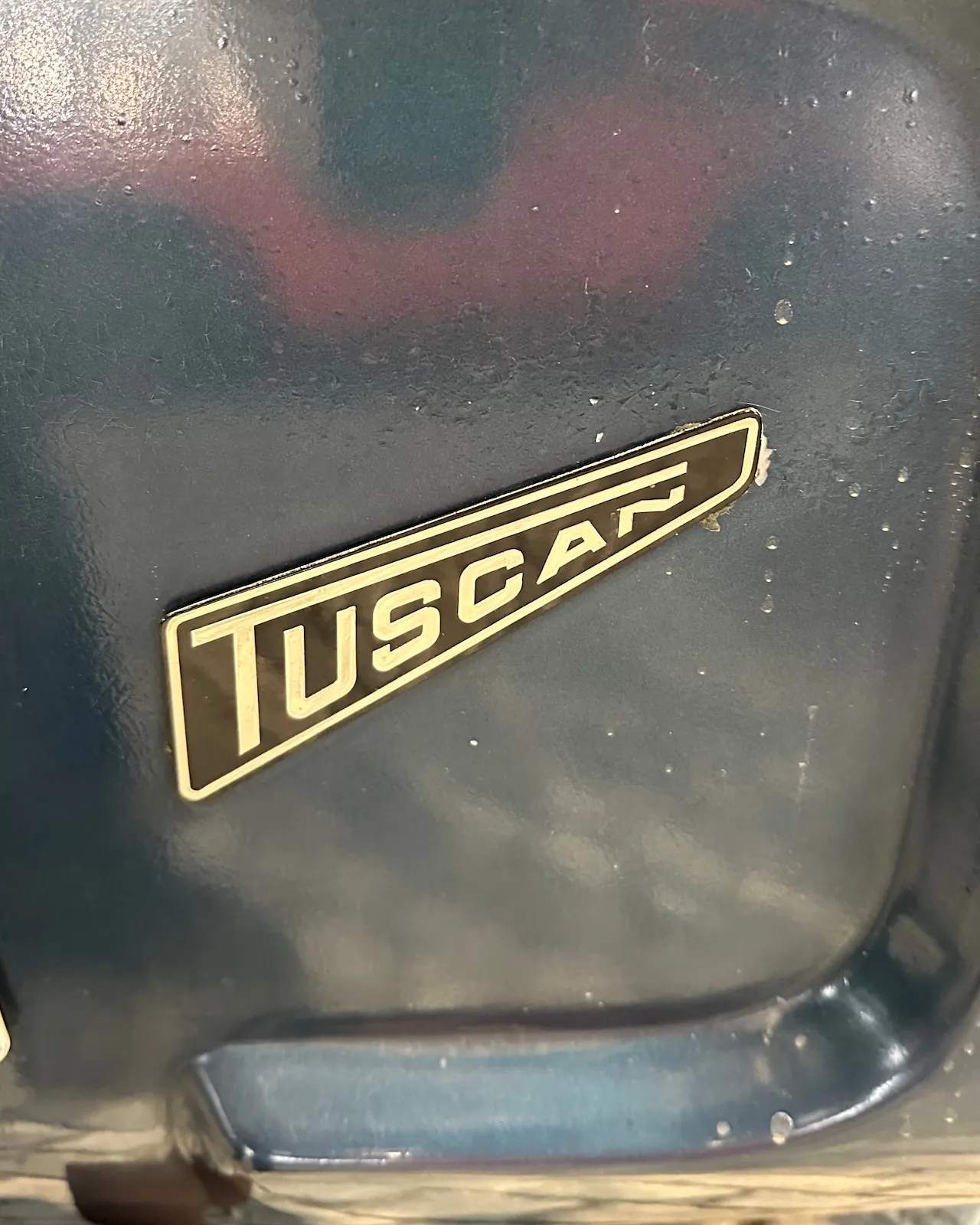
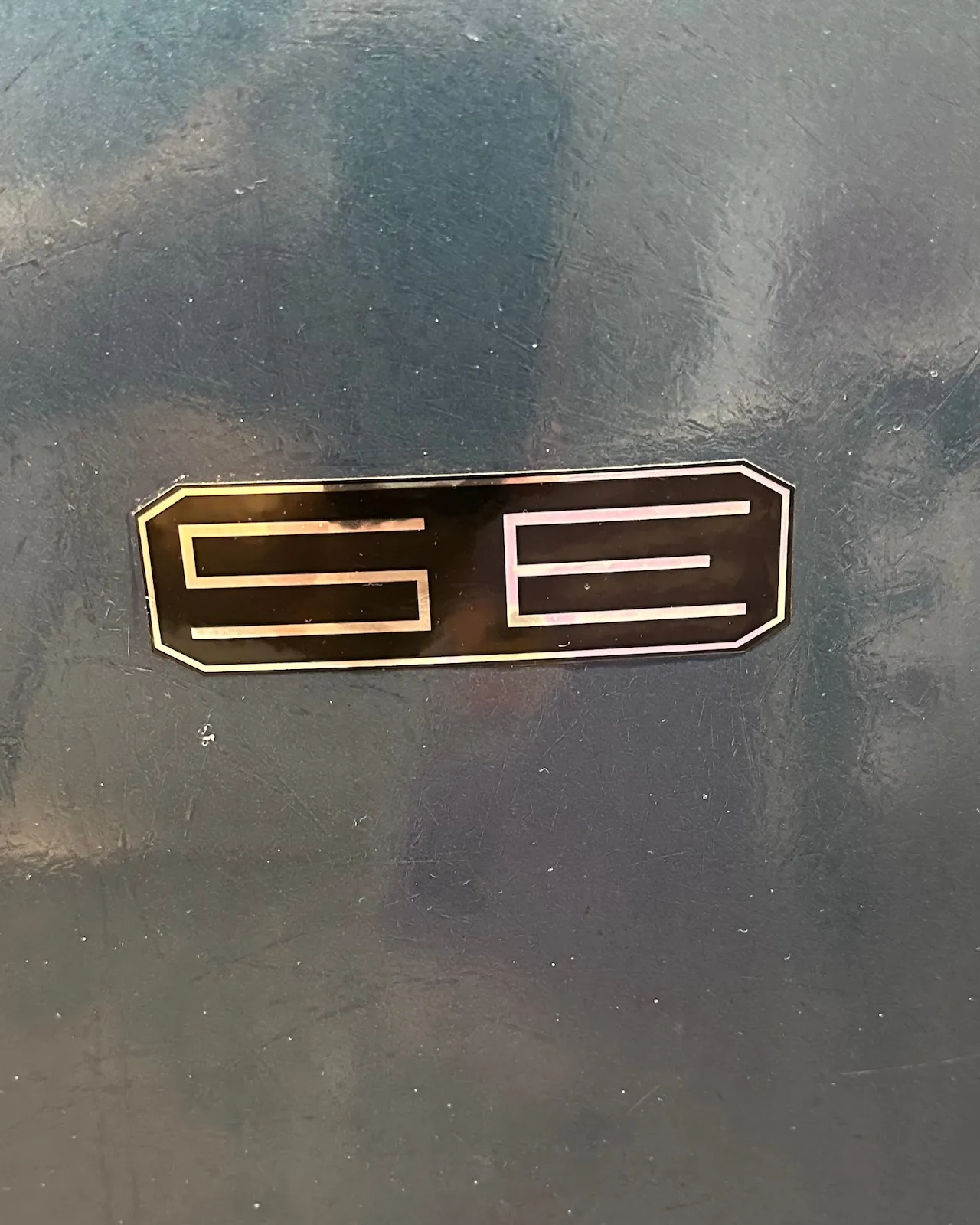
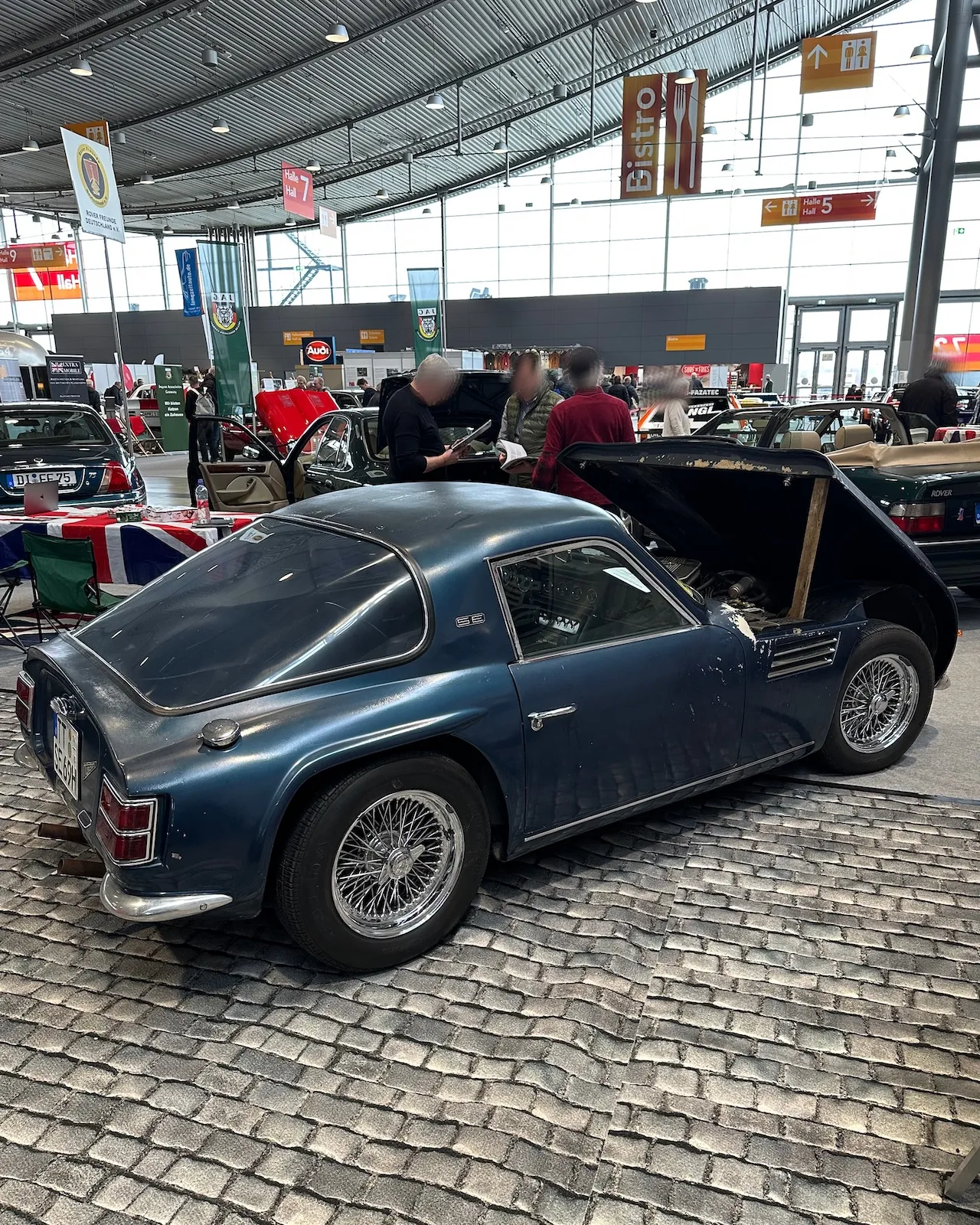
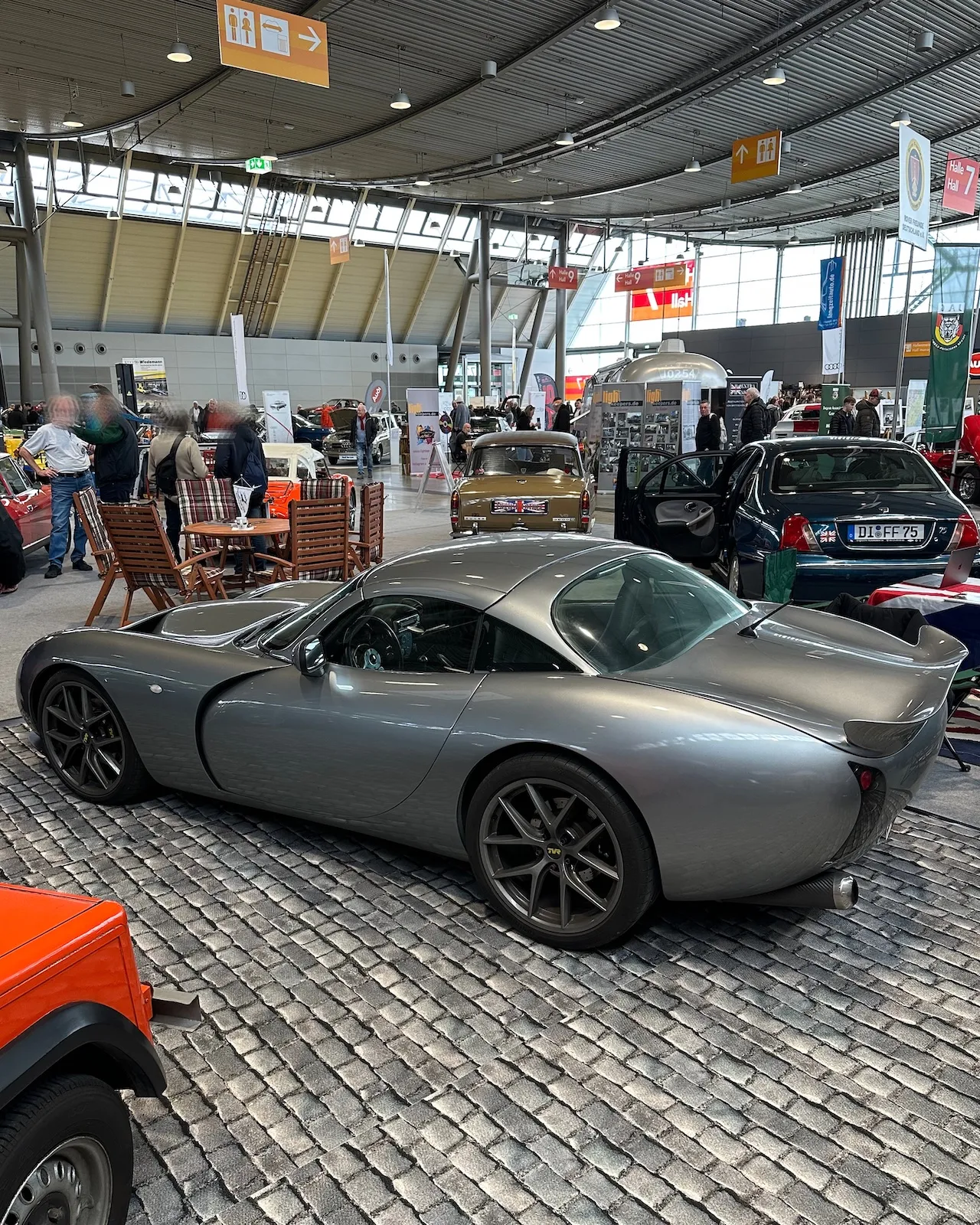
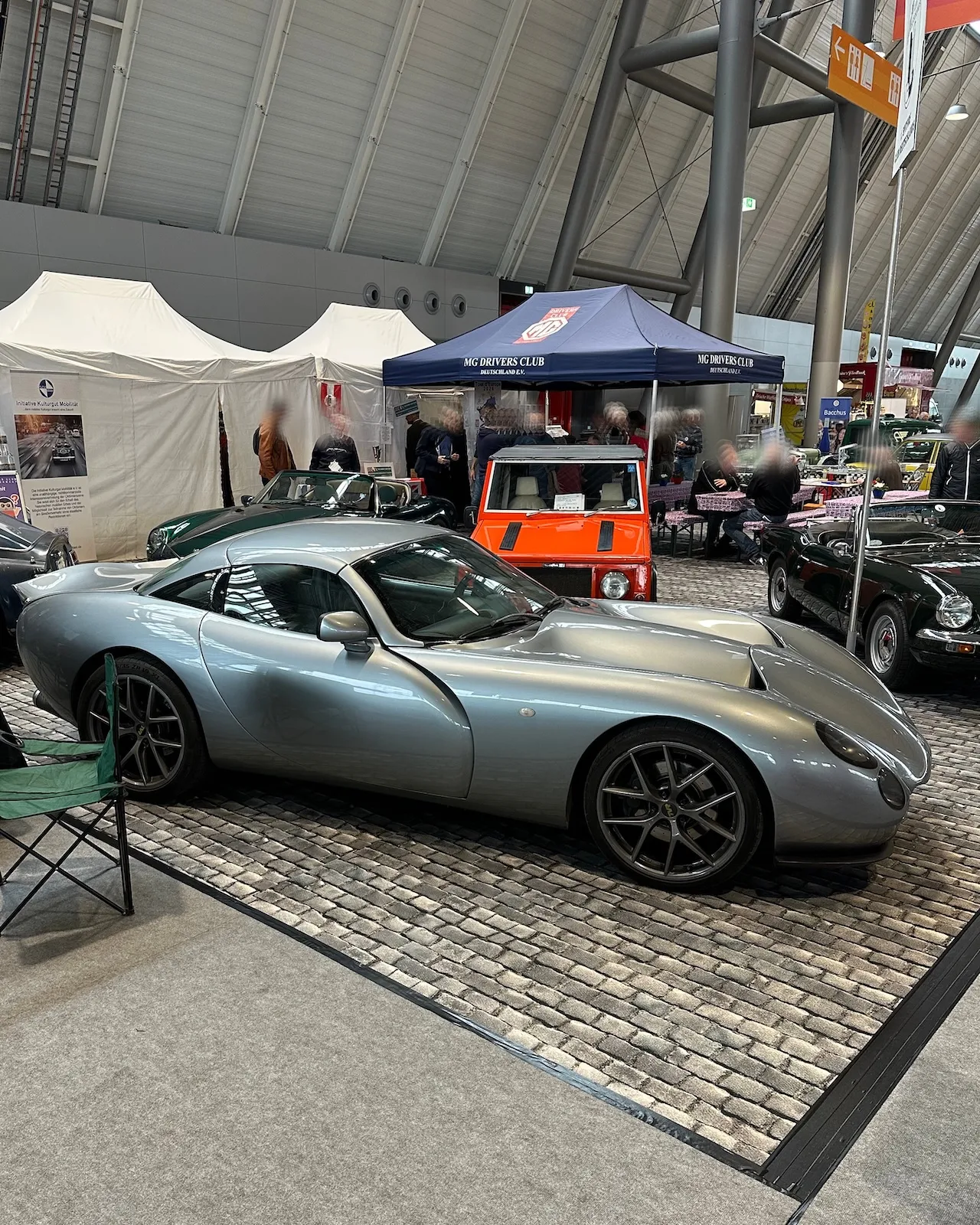
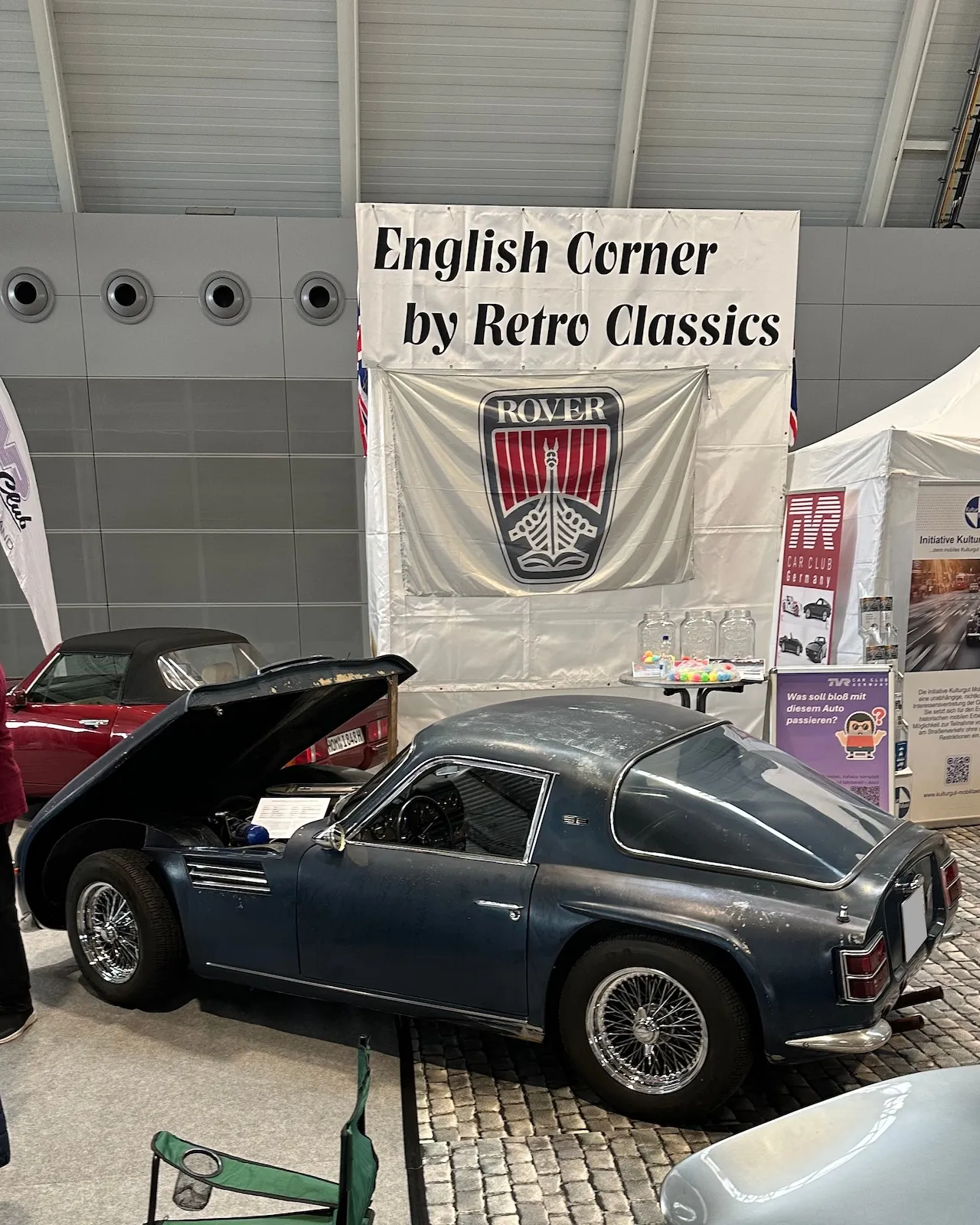
Same name? Yes. Same car? Not really. But the same spirit? Absolutely.
The modern Tuscan is a S version of the 2000s, while the original Tuscan is a SE of the 1960s and 1970s. Both are amazing machines, seen at Retro Classics in Stuttgart, that perfectly capture the spirit of TVR: an unfiltered connection to the road, outrageous design, character over perfection, beefy engine, and a whole lot of fun behind the steering wheel.
For the record, TVR is a British sports car brand. The name TVR comes from the first name of the company’s founder, Trevor Wilkinson — TreVoR.
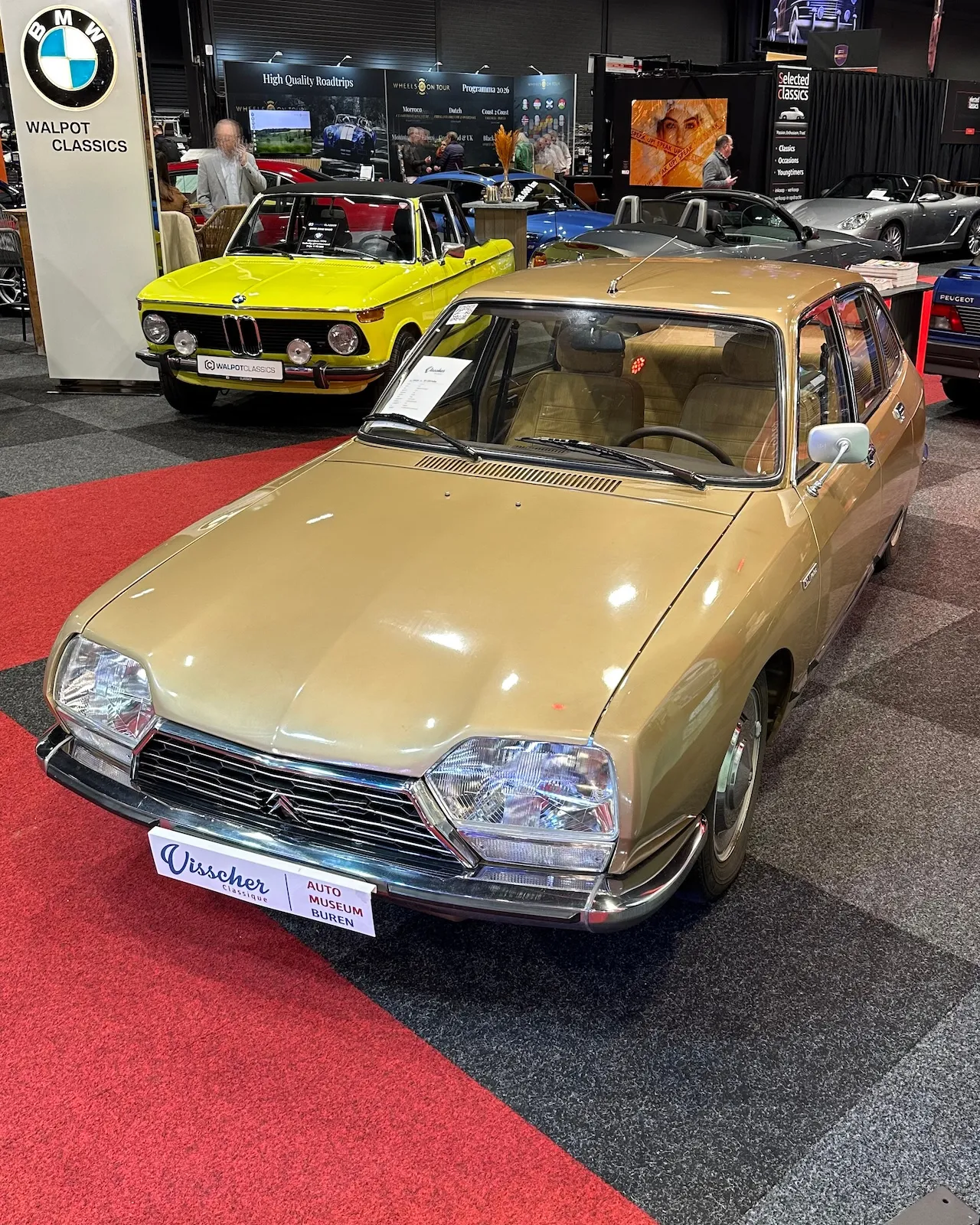
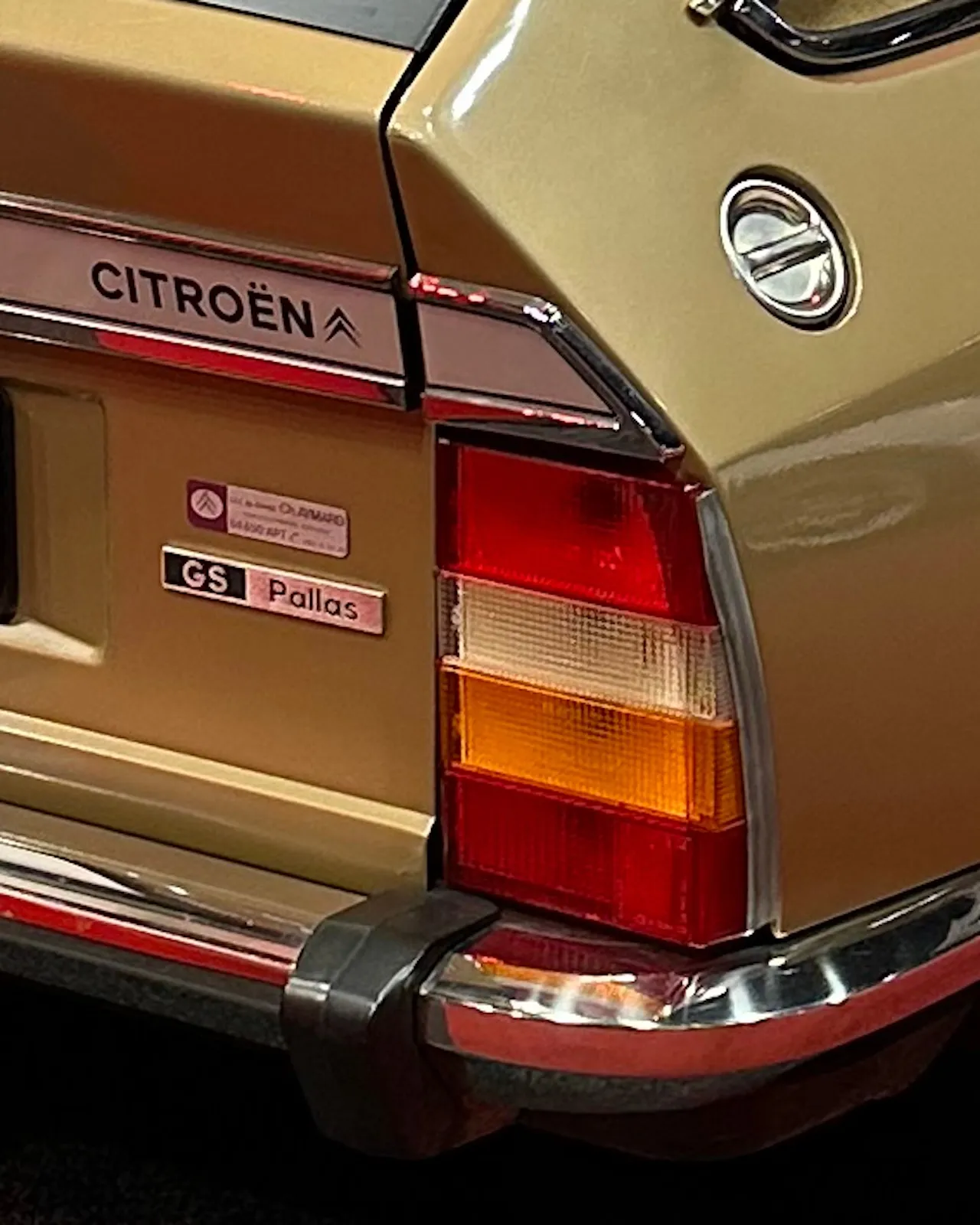
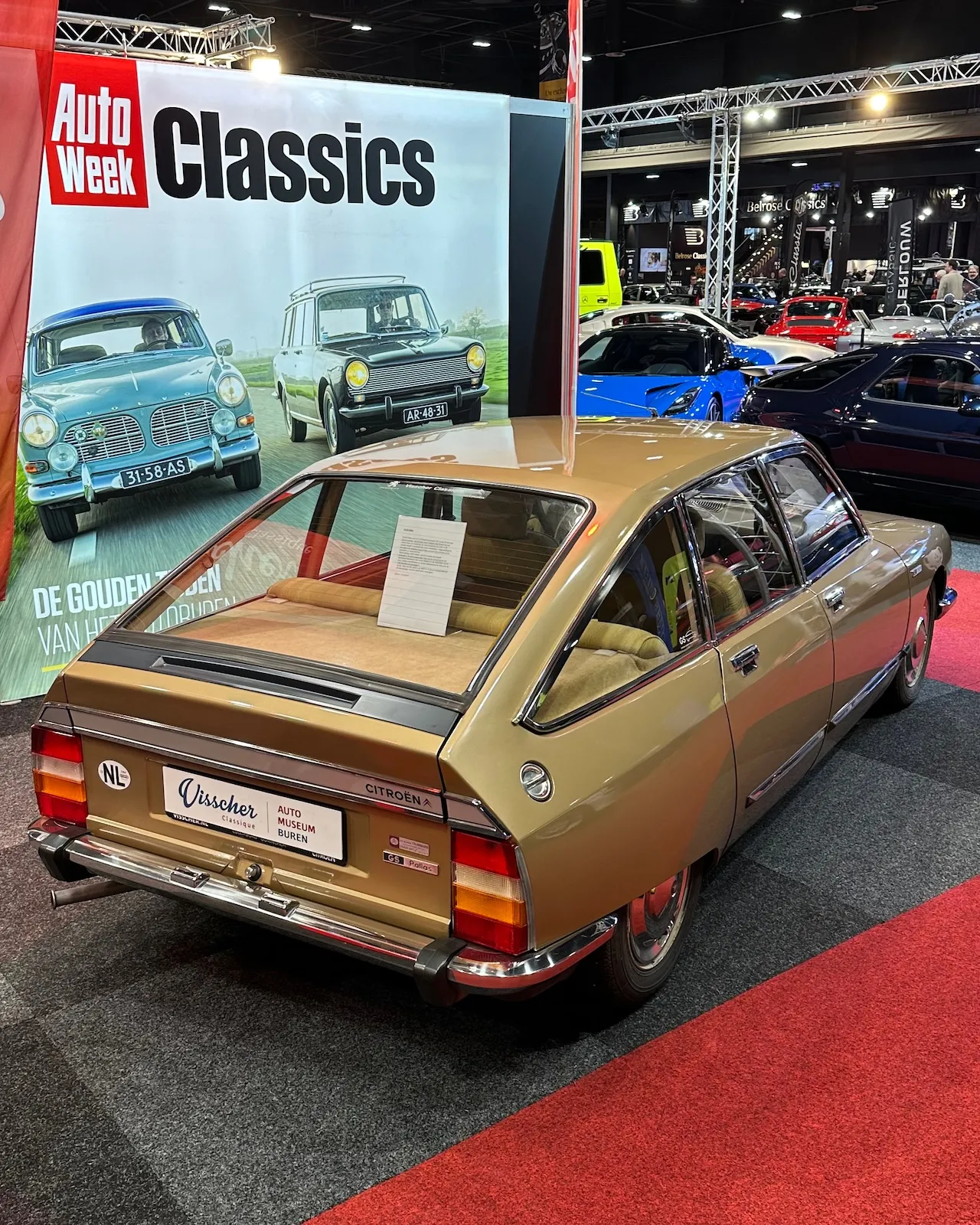
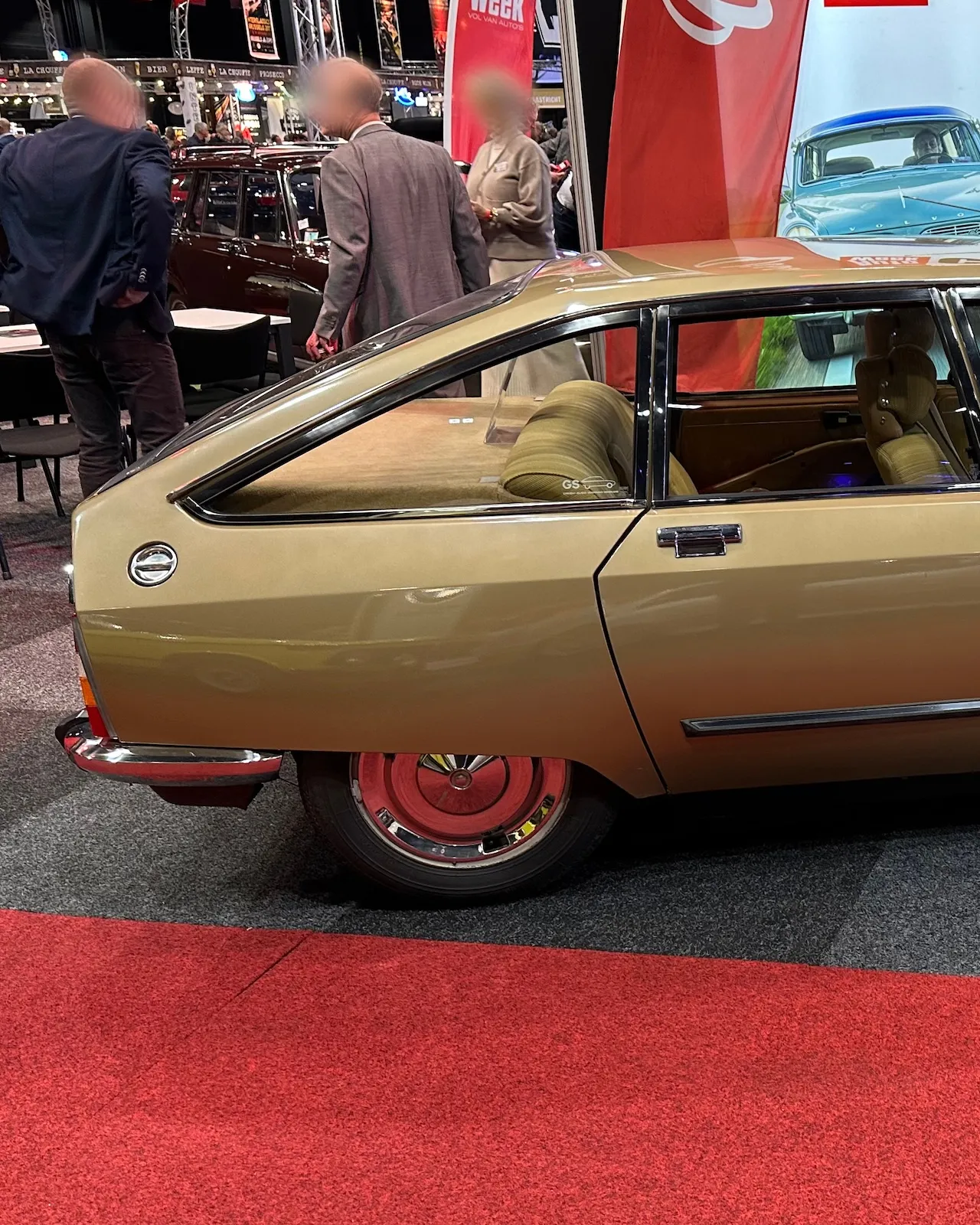
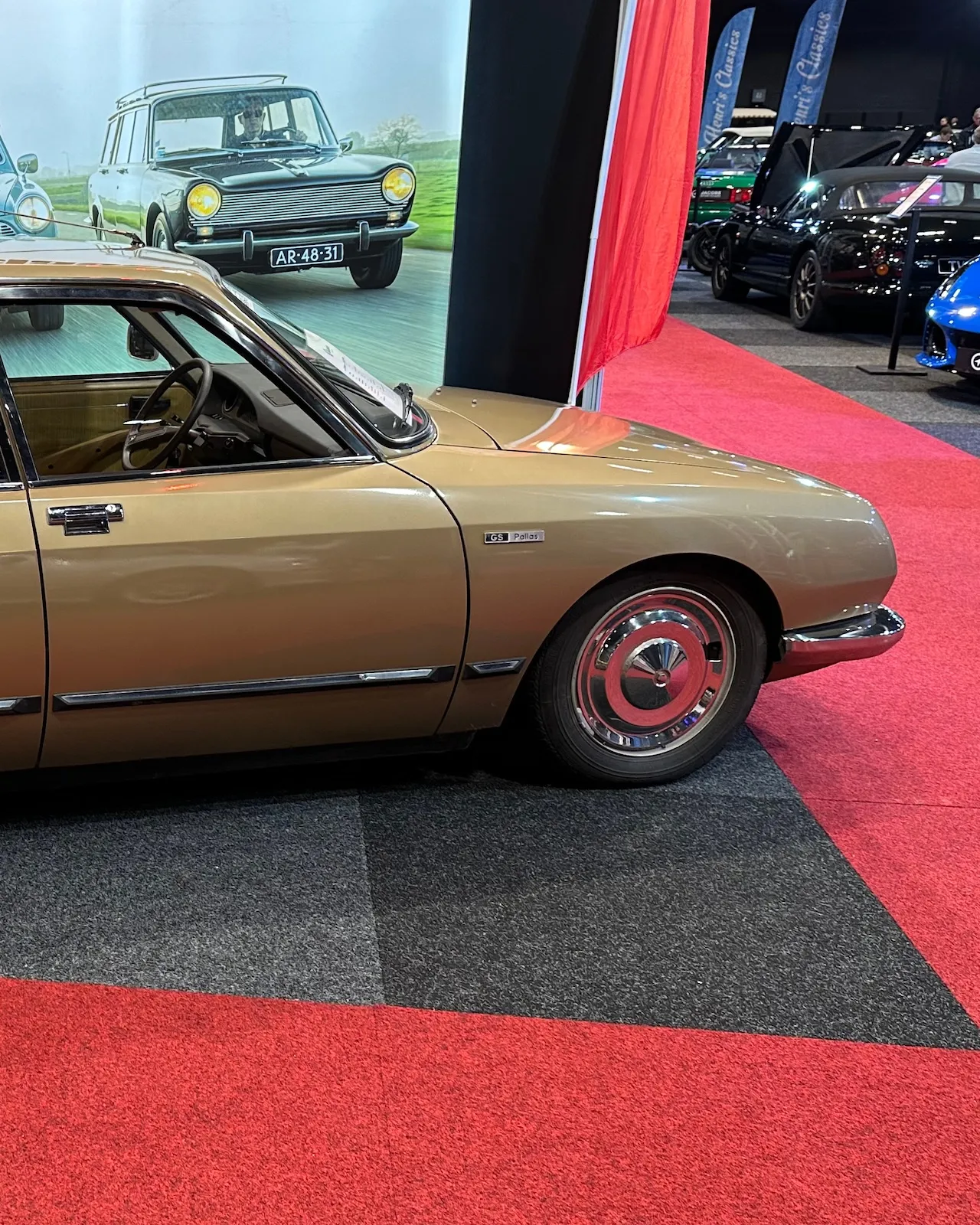
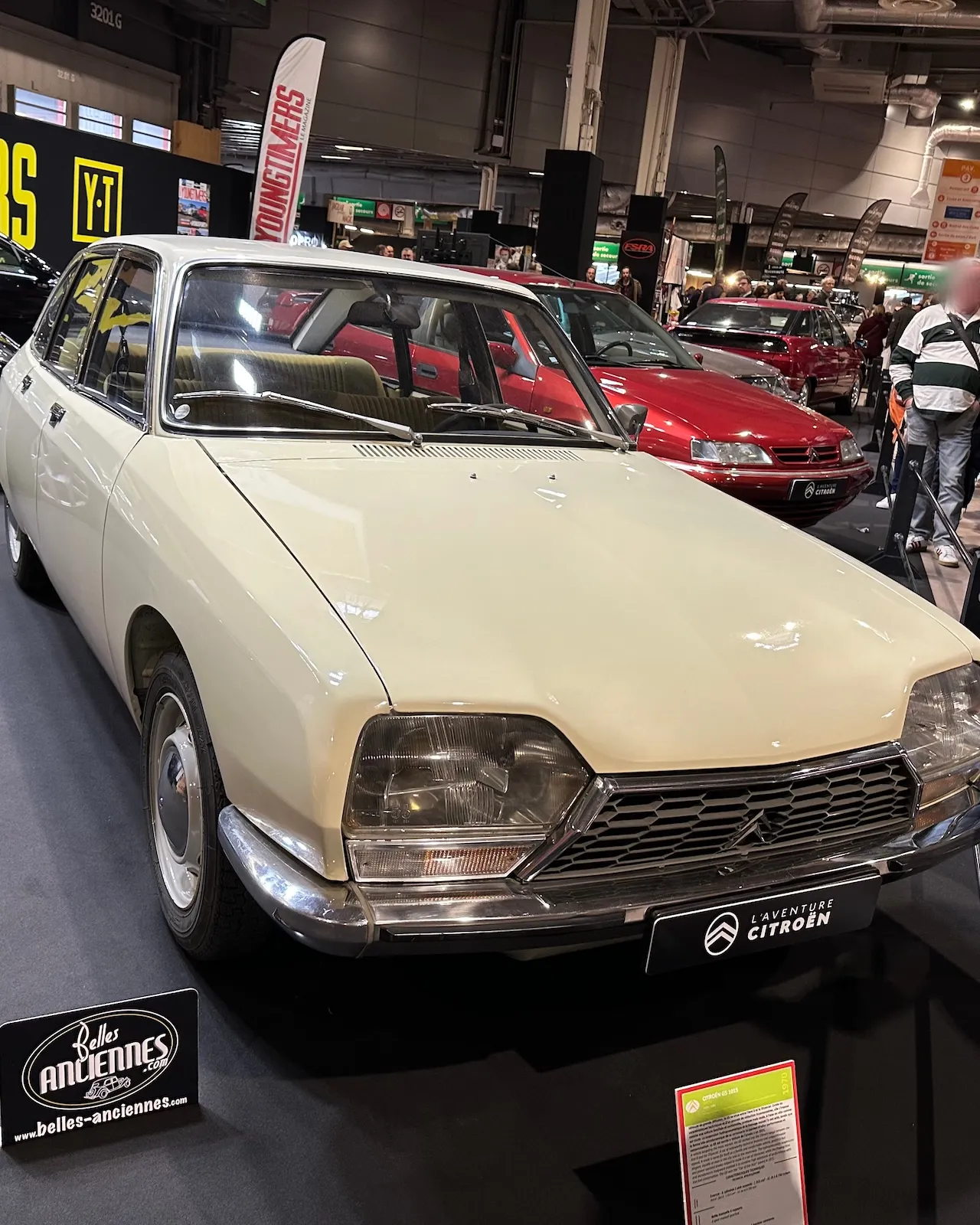
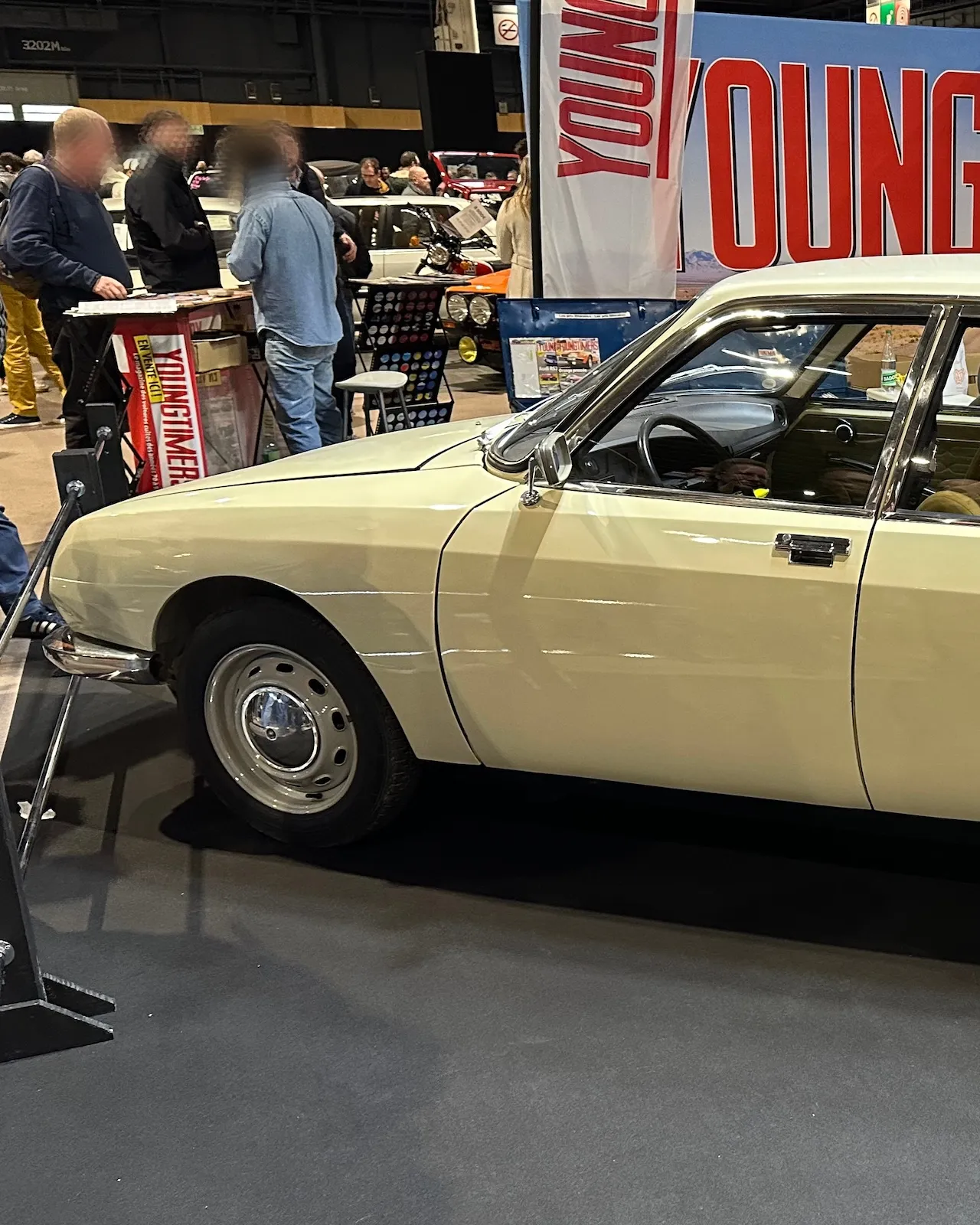
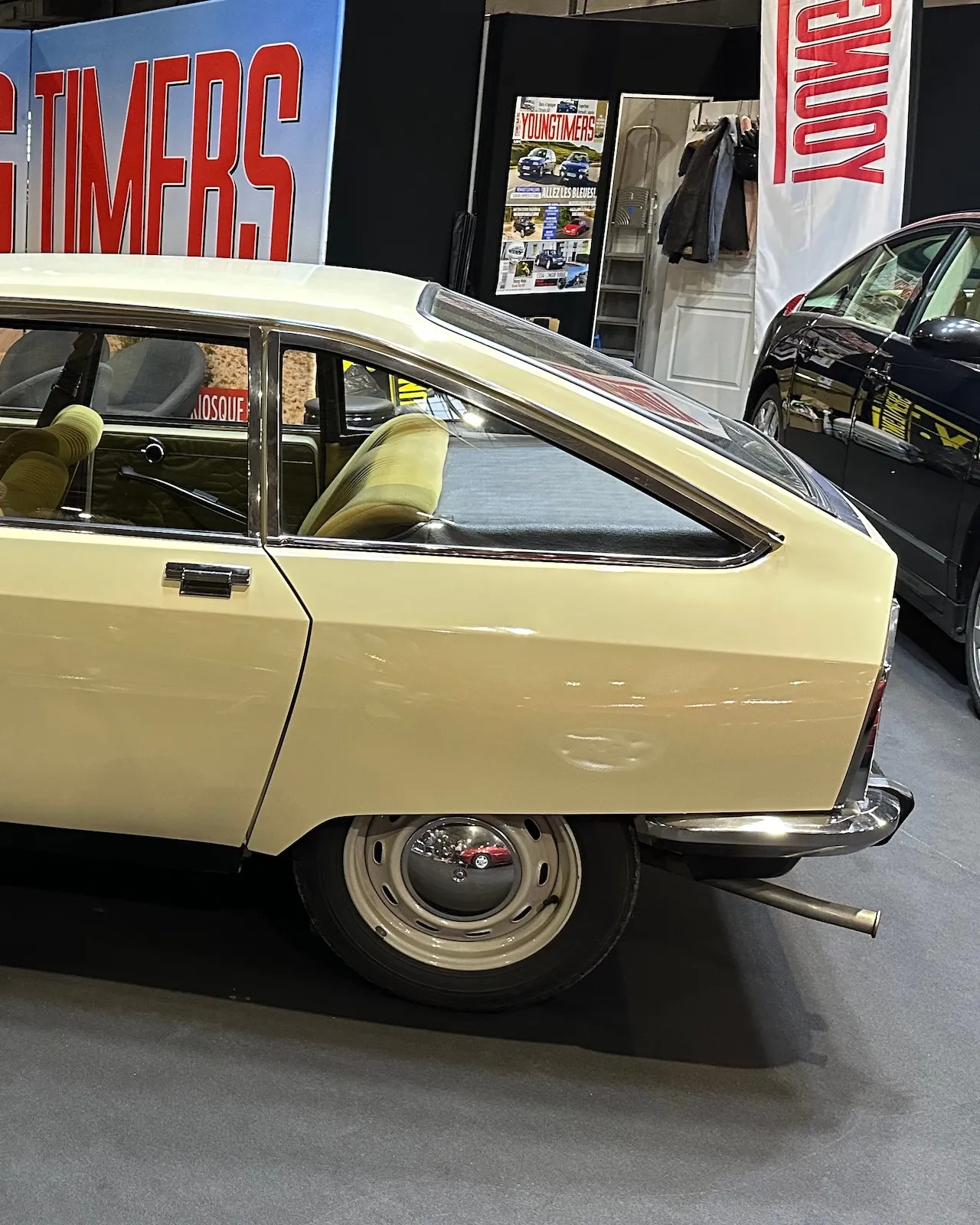
Do you think that restyling a car mid-career is pointless? Not so sure.
Just take a look at these two GS models: the white 1970 1015 (seen at Retromobile) and the opal beige 1977 1220 Pallas (seen at InterClassics in Maastricht).
A few chrome trim pieces, larger taillights, bigger wheel covers—and voilà! The car is transformed. Of course, it’s still a GS, with its innovative hydropneumatic suspension and disc brakes all around. What’s more, the Pallas has a much better engine than the sluggish and thirsty 1015.
You can’t see it in the pictures, but the Pallas also features very comfortable velour seats—far more luxurious than the rather cold skai upholstery. Moreover, the restyled GS has a dashboard that is less futuristic, but bright like a Christmas tree with lots of color.
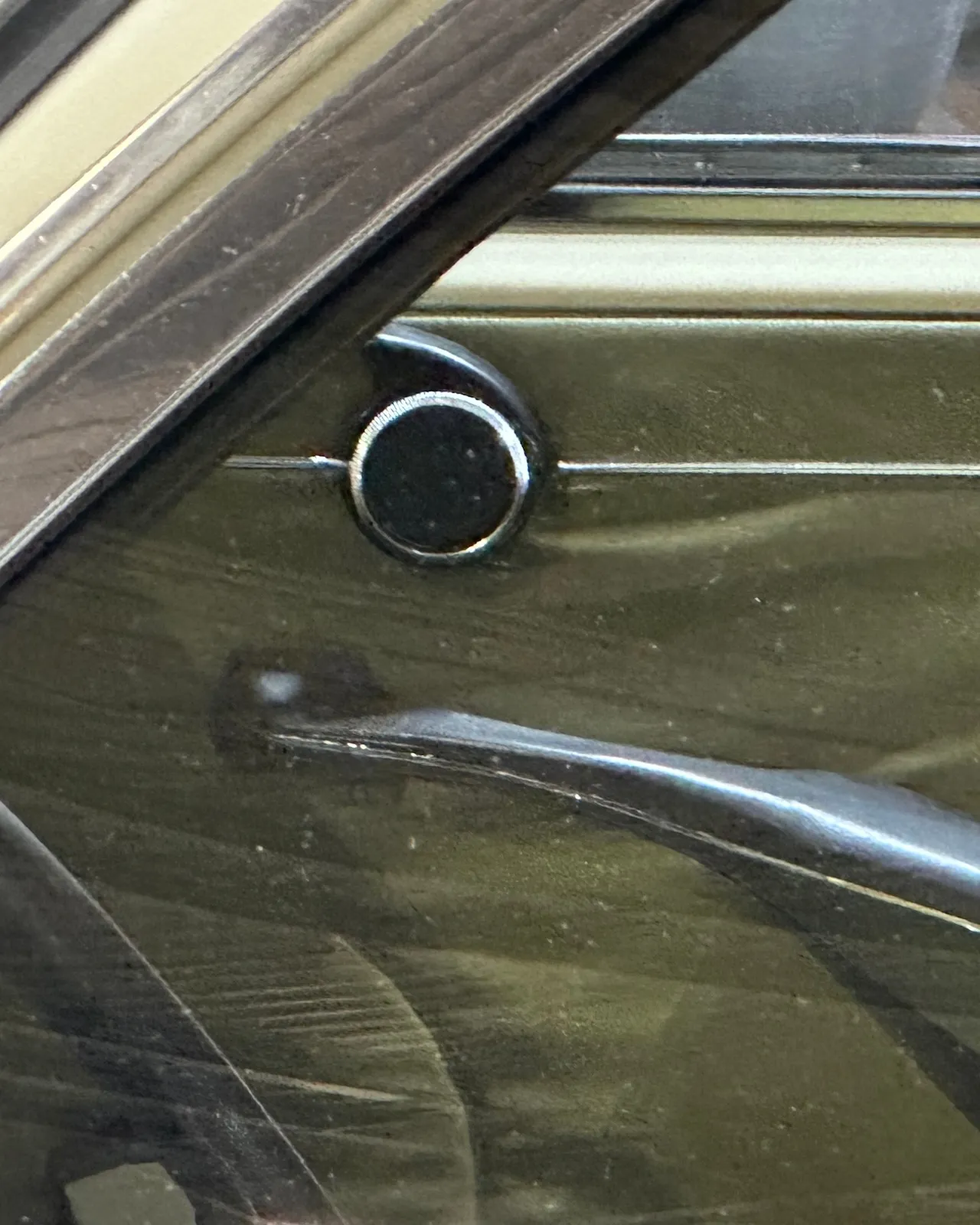
By the way, do you remember the inside, round door handles of the first cars of the first series? So cute.
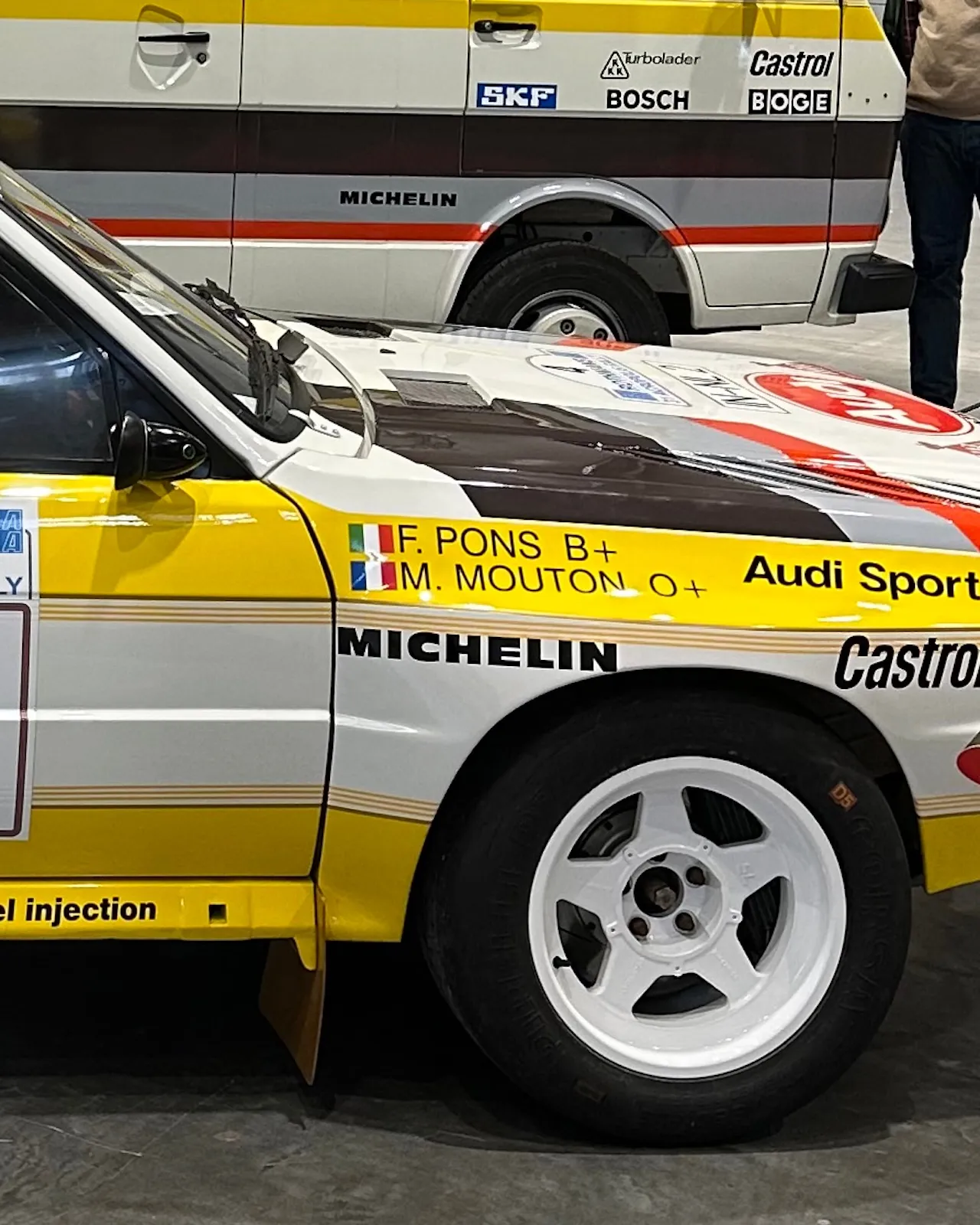
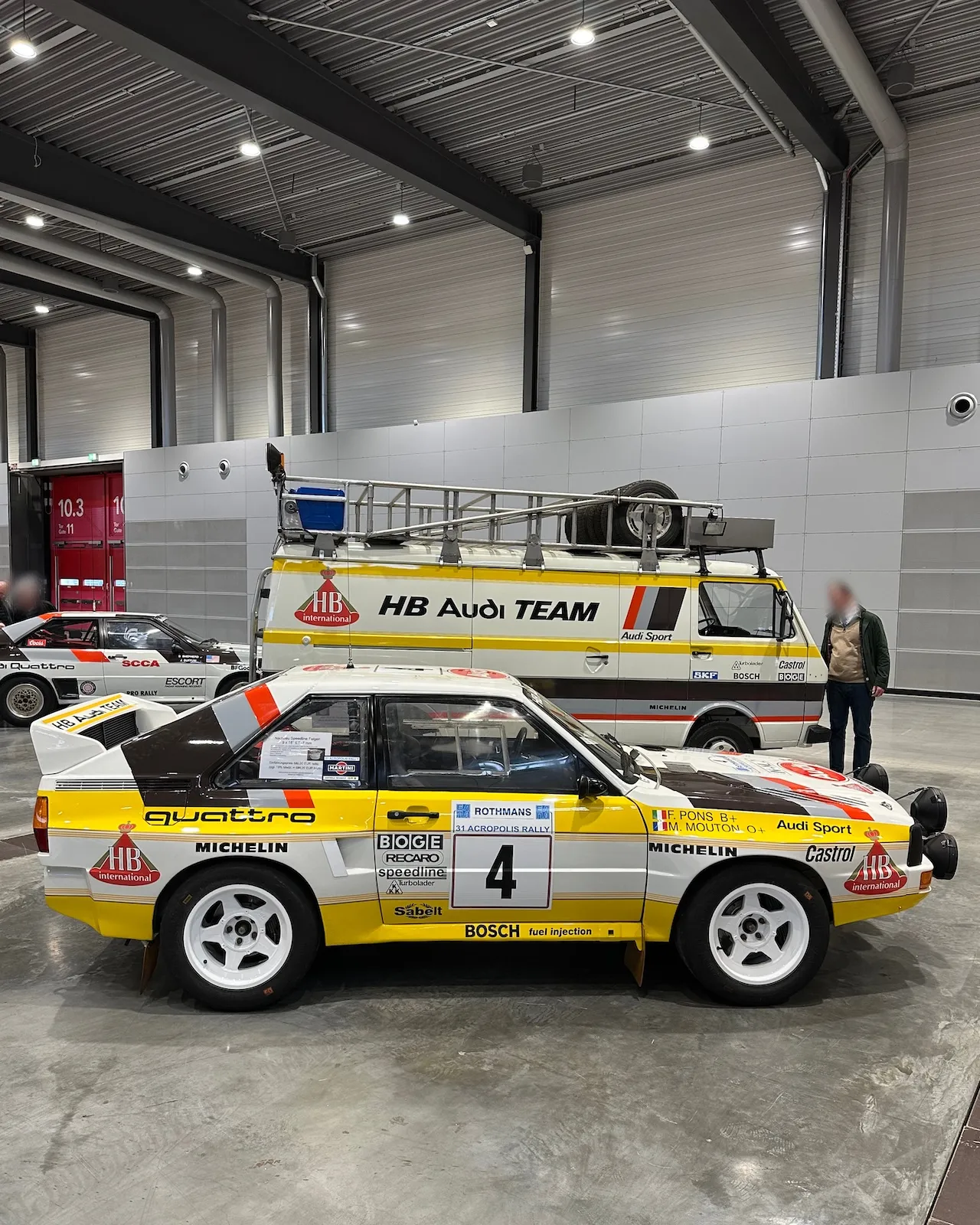
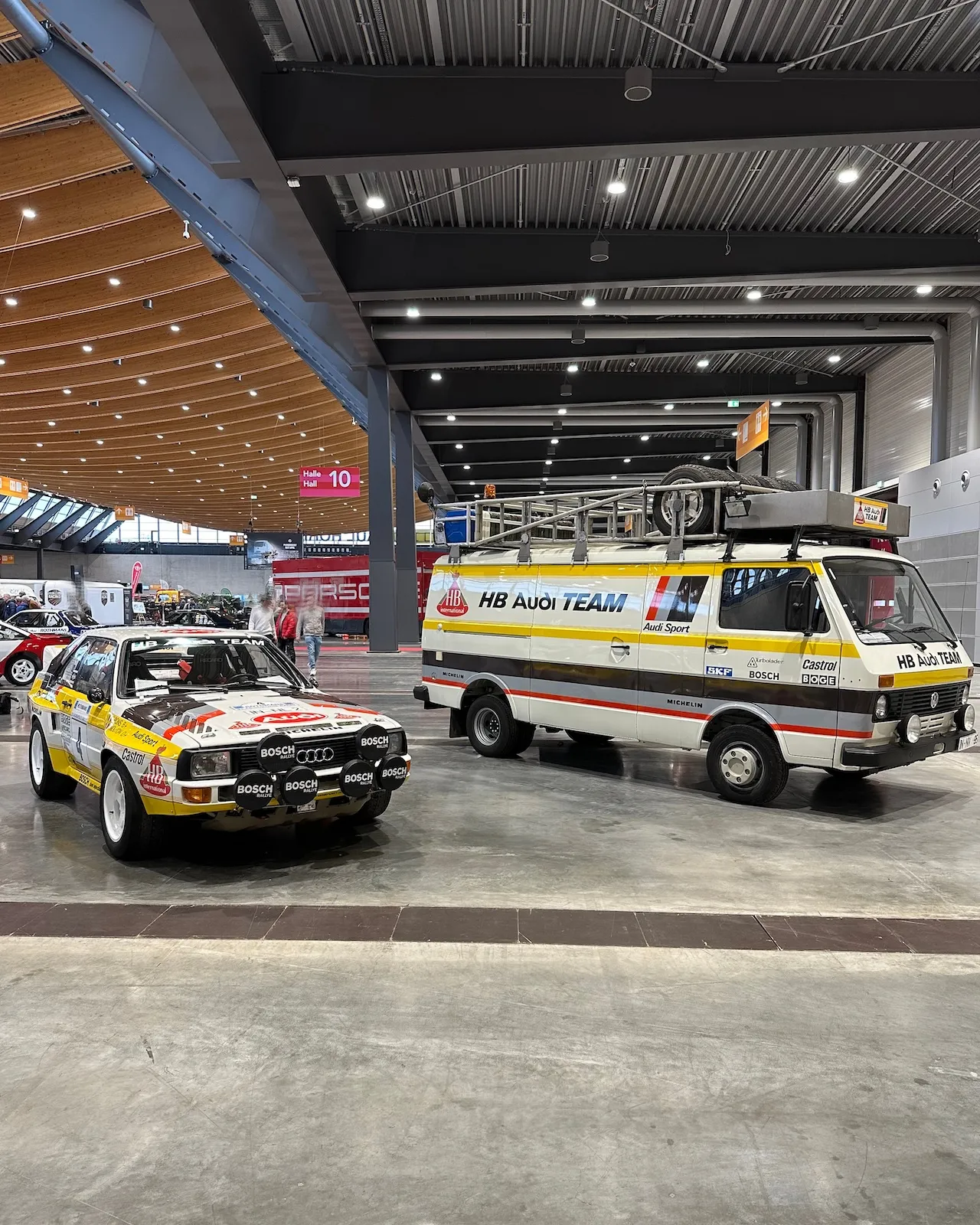
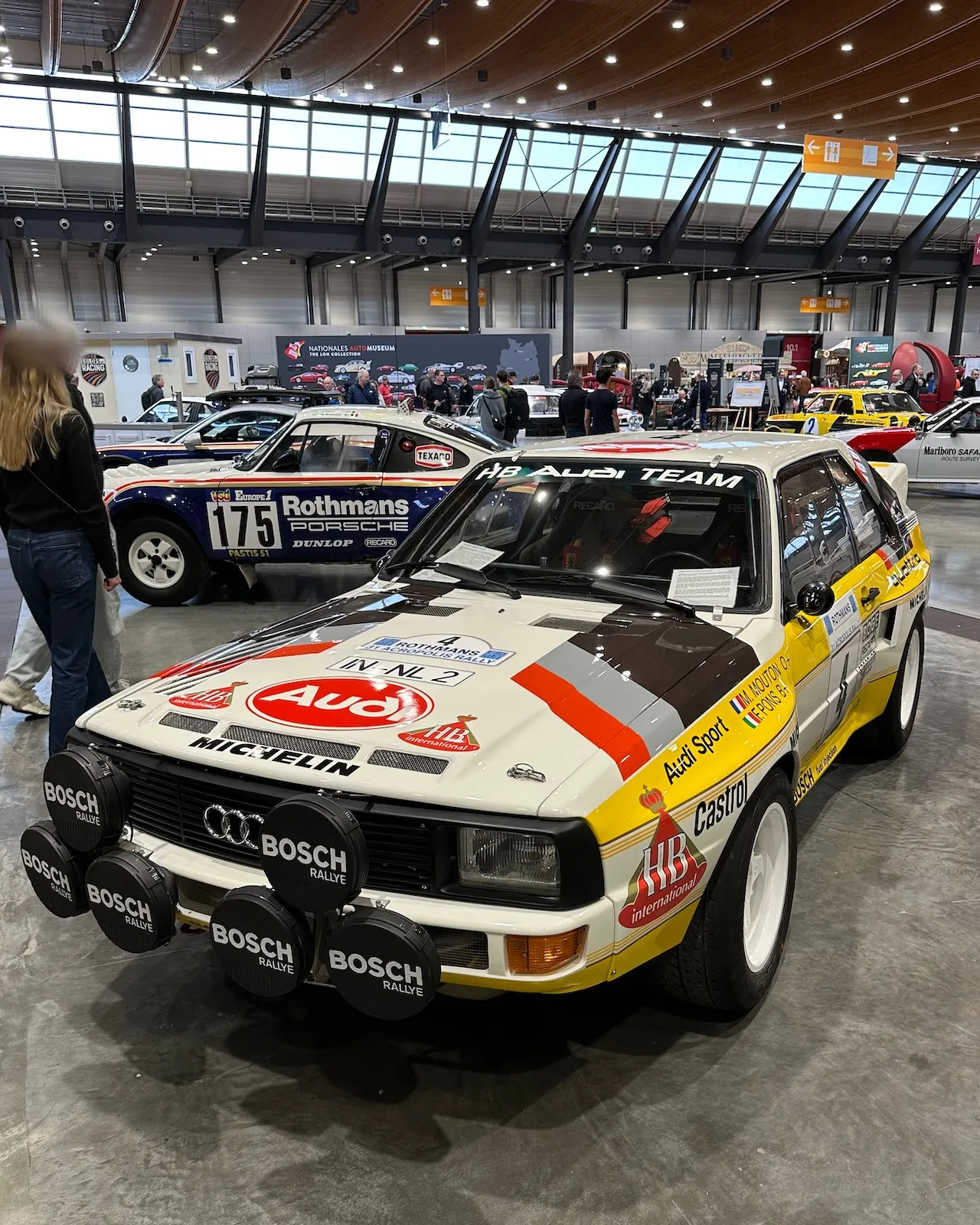
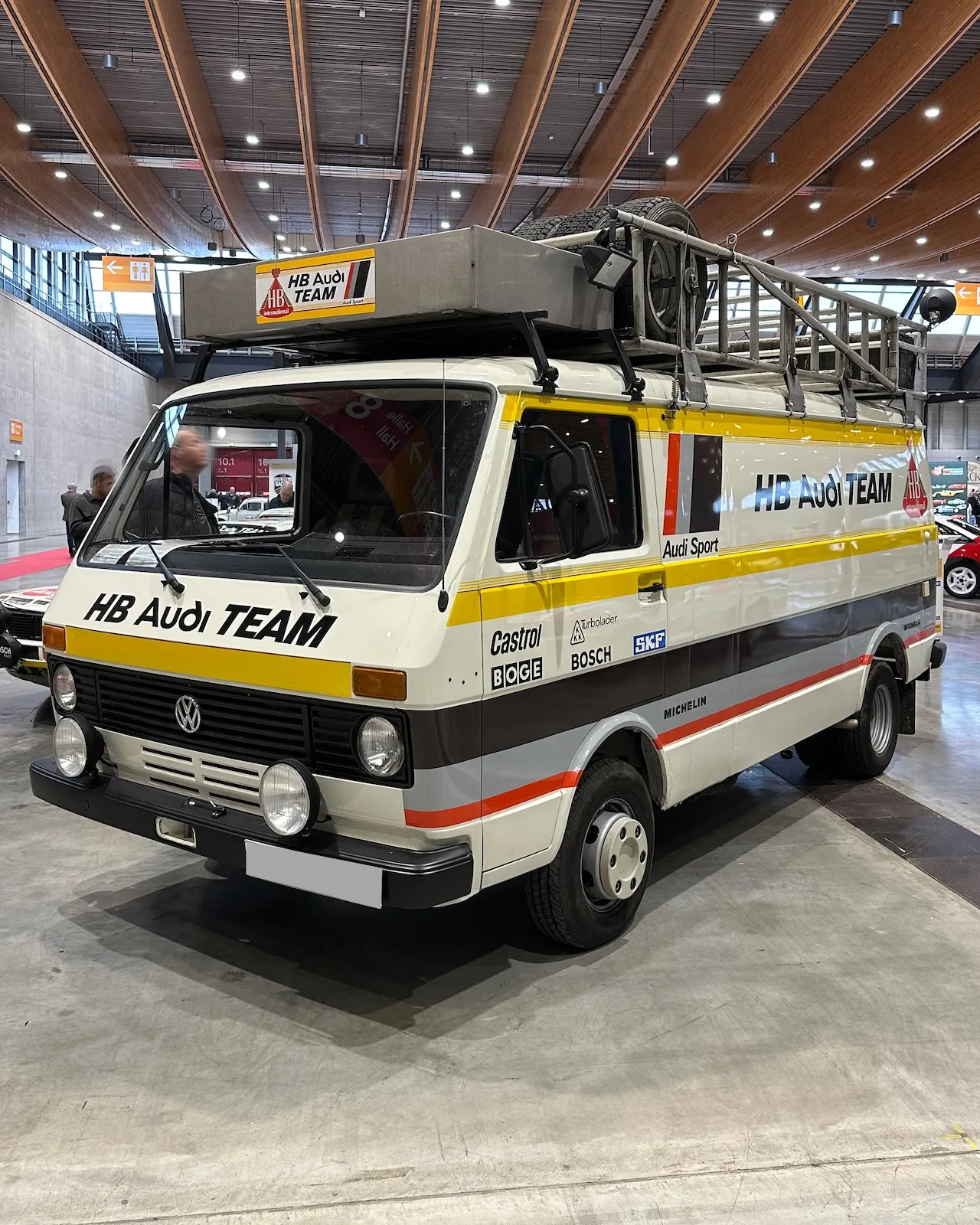
When this woman started rallying, the men trembled. She had incredible driving skills and a seriously heavy right foot. Bravo, Ms. Michèle Mouton, for putting on such a show throughout the 1980s in Group B rally cars.
One of her cars was recently displayed at the Retro Classics Stuttgart show: the Audi Quattro Sport Group B. And it wasn’t just the car, an assistance van was there as well, the VW LT 45. What a combo. Simply splendid.
If you don’t remember, the Group B regulations produced some of the fastest, most powerful, and most sophisticated rally cars ever built. That era is commonly referred to as the golden age of rallying.
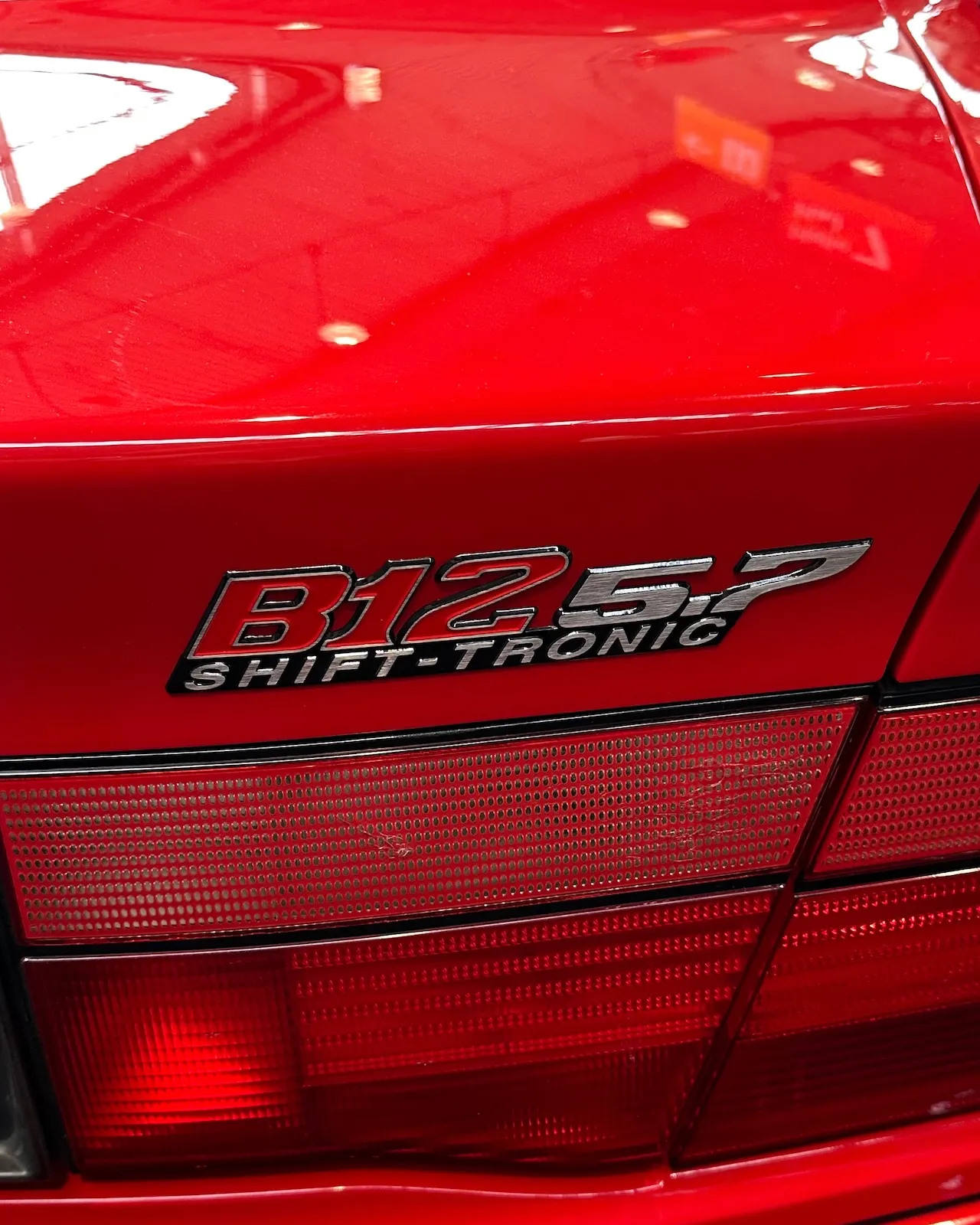
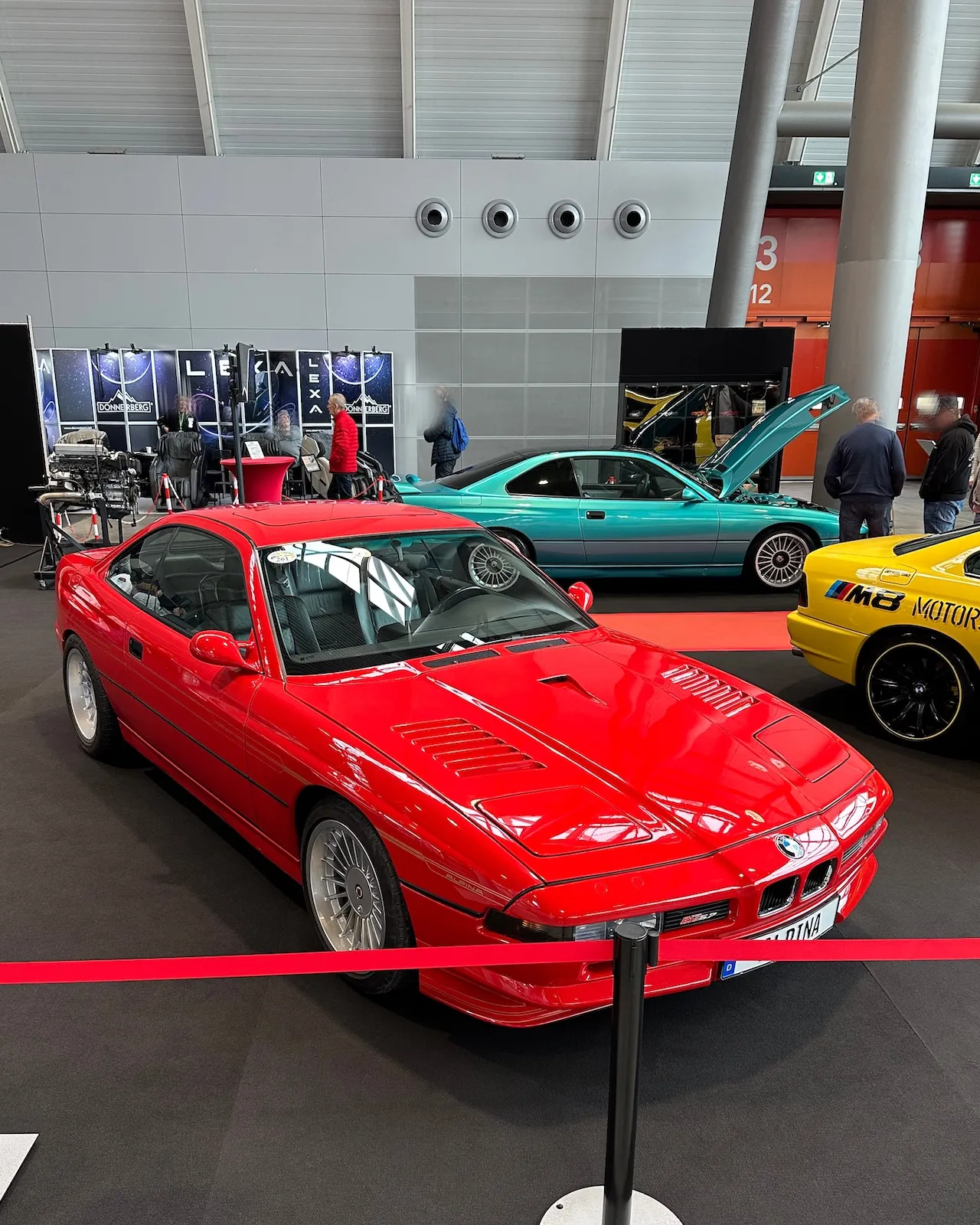
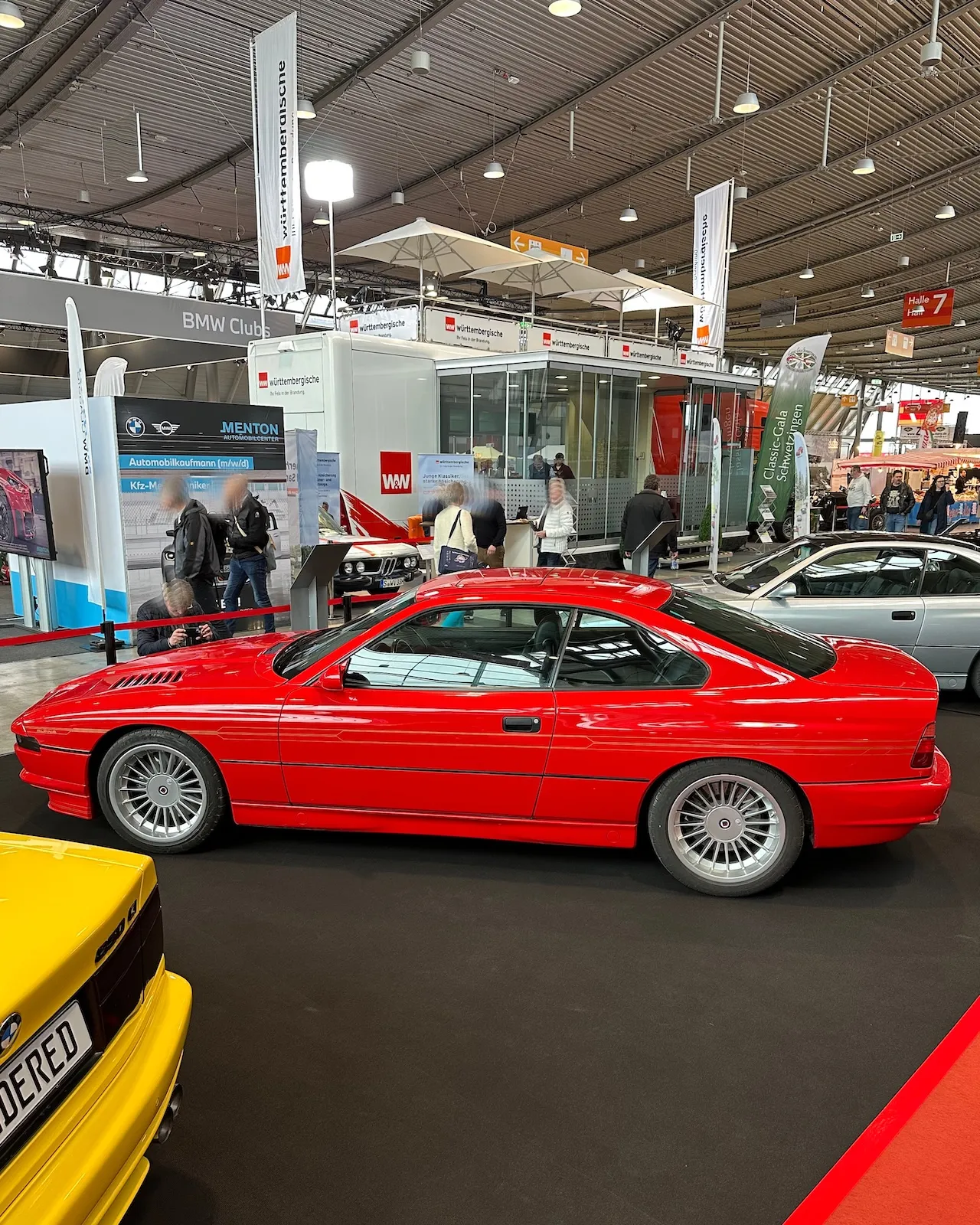
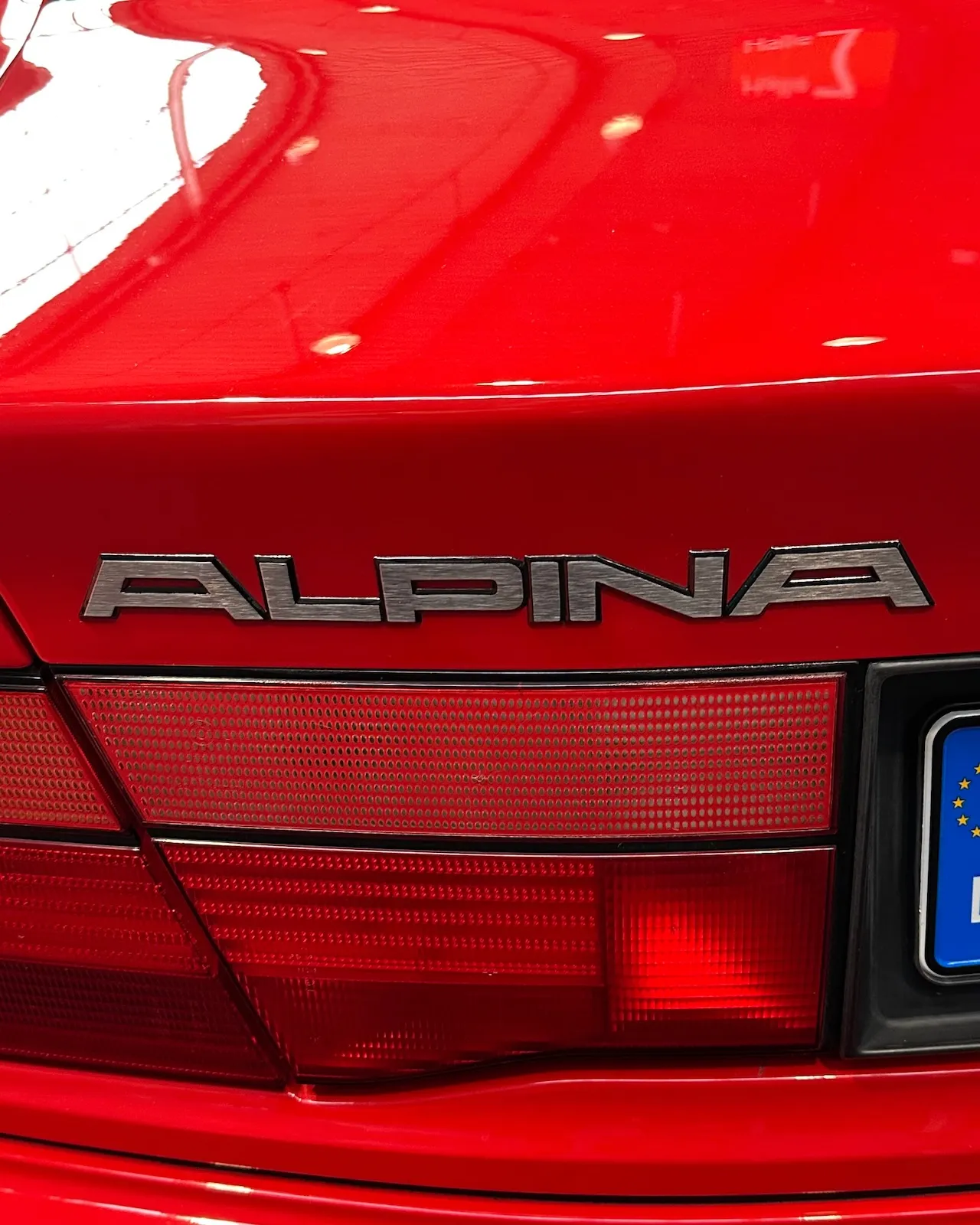
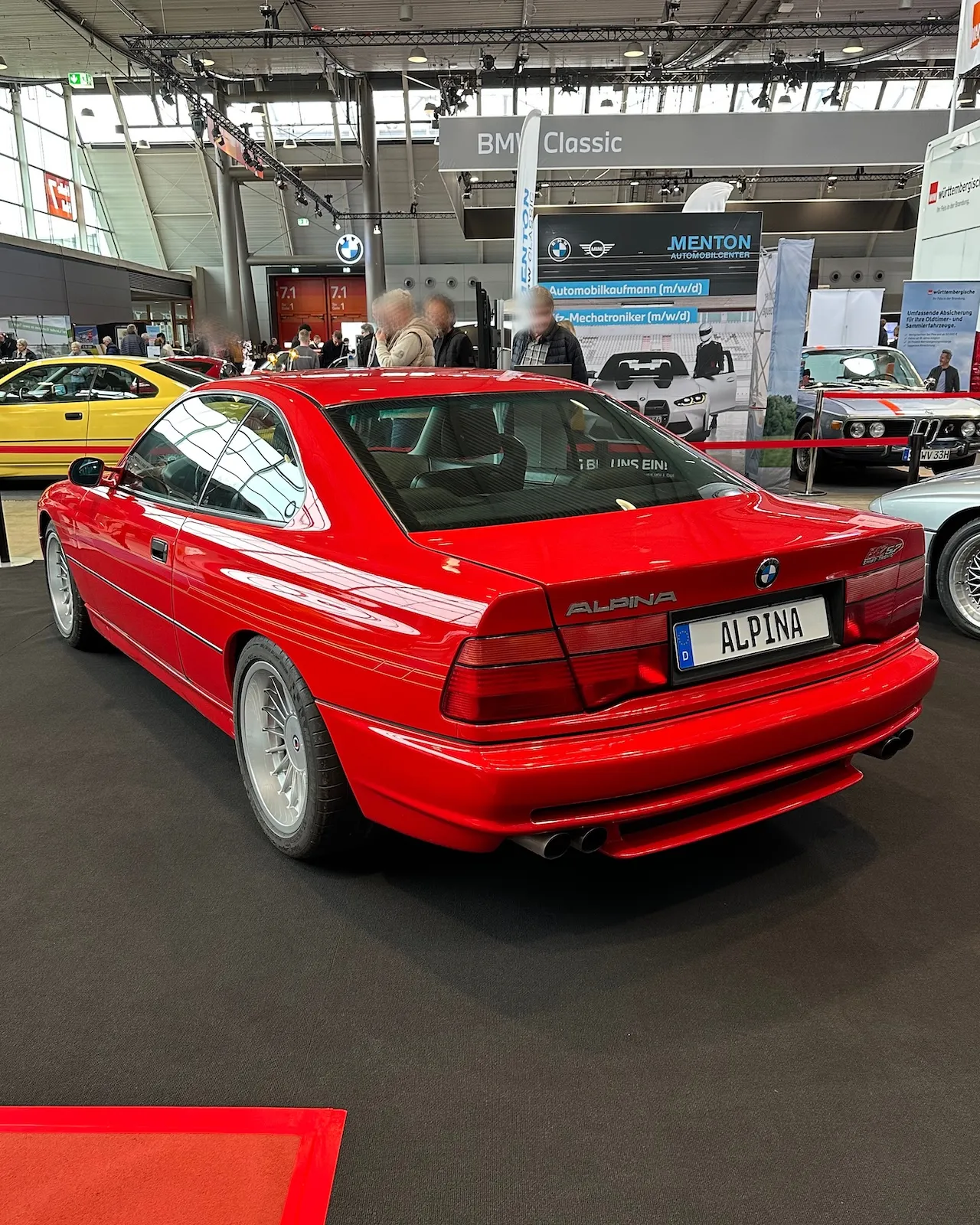
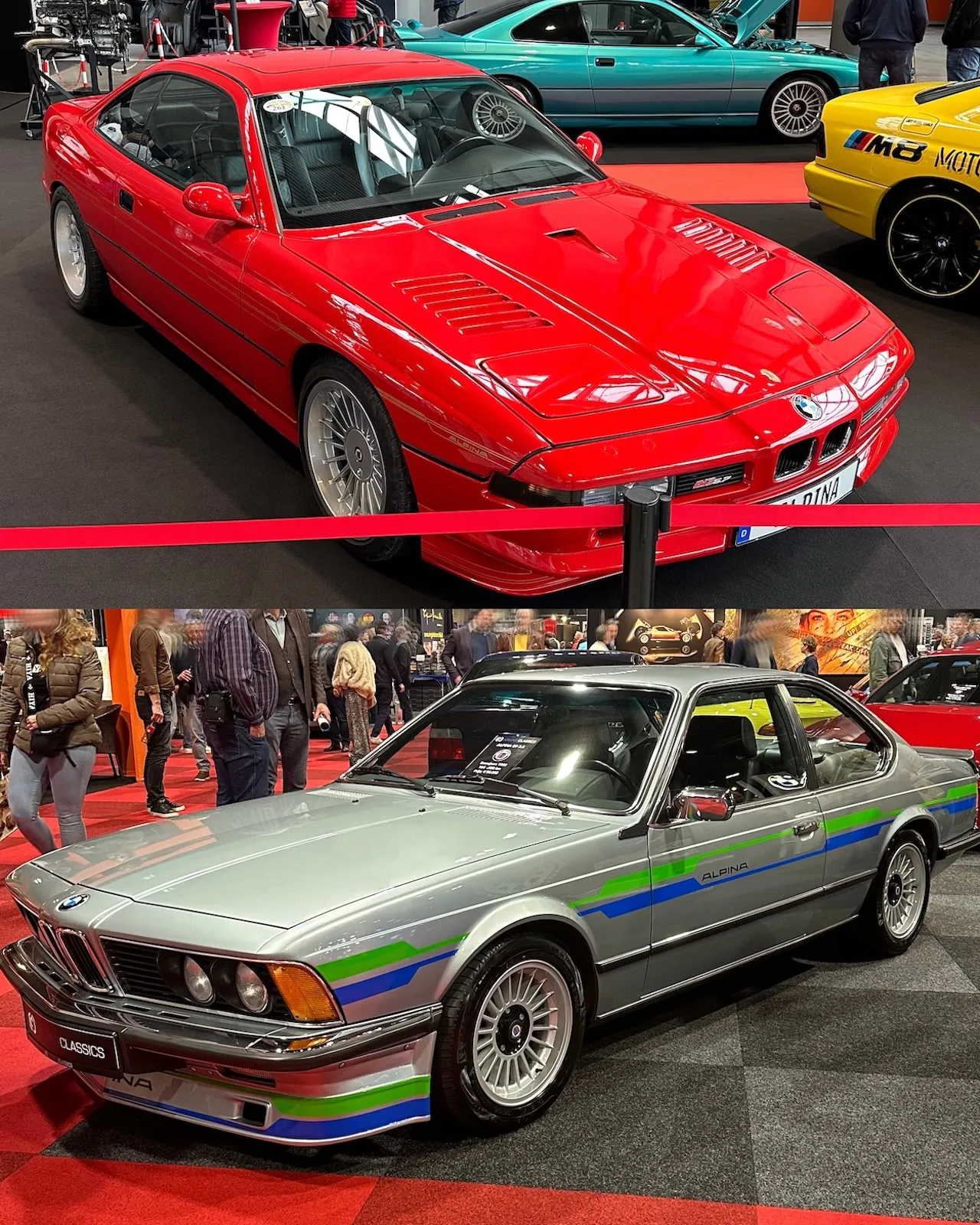
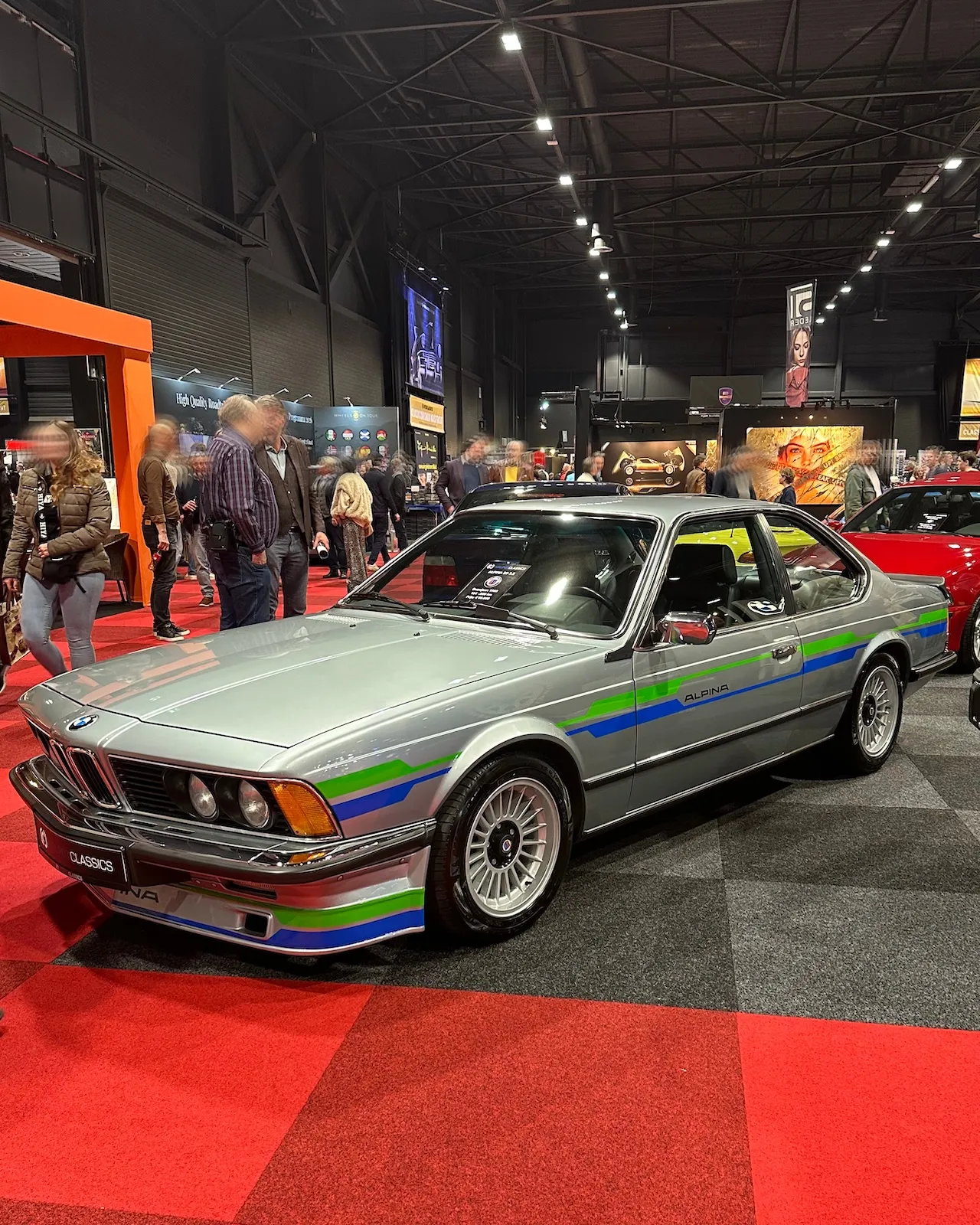
If you want a BMW that is even better than a BMW, you choose Alpina.
In the 1980s, for example, there was the 1983 B9 3.5 based on the 6 Series, and in the 1990s the 1990 B12 5.7 based on the 8 Series.
These cars, seen respectively at InterClassics Maastricht in January and Retro Classics Stuttgart in February, perfectly illustrate what Alpina is about: cars created by passionate engineers and designed for real drivers who understand and like excellent mechanics.
The B12 presented here now has even a 6-litre engine. It also left the Alpina workshops originally with a manual gearbox.
This shows that Alpina models are genuine and valuable collector cars, well worth restoring and maintaining in perfect condition, as these two examples demonstrate. Thanks to the owners.
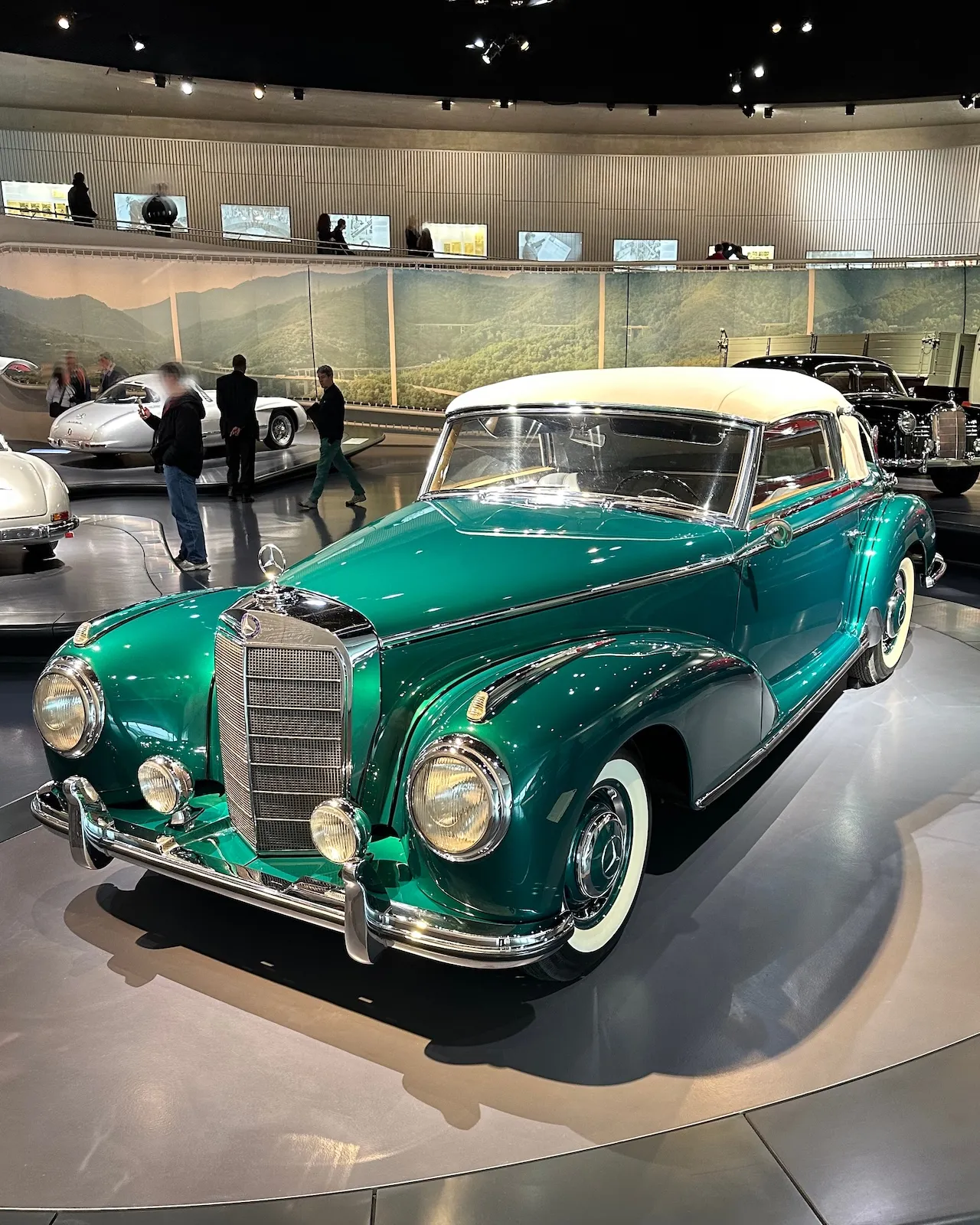
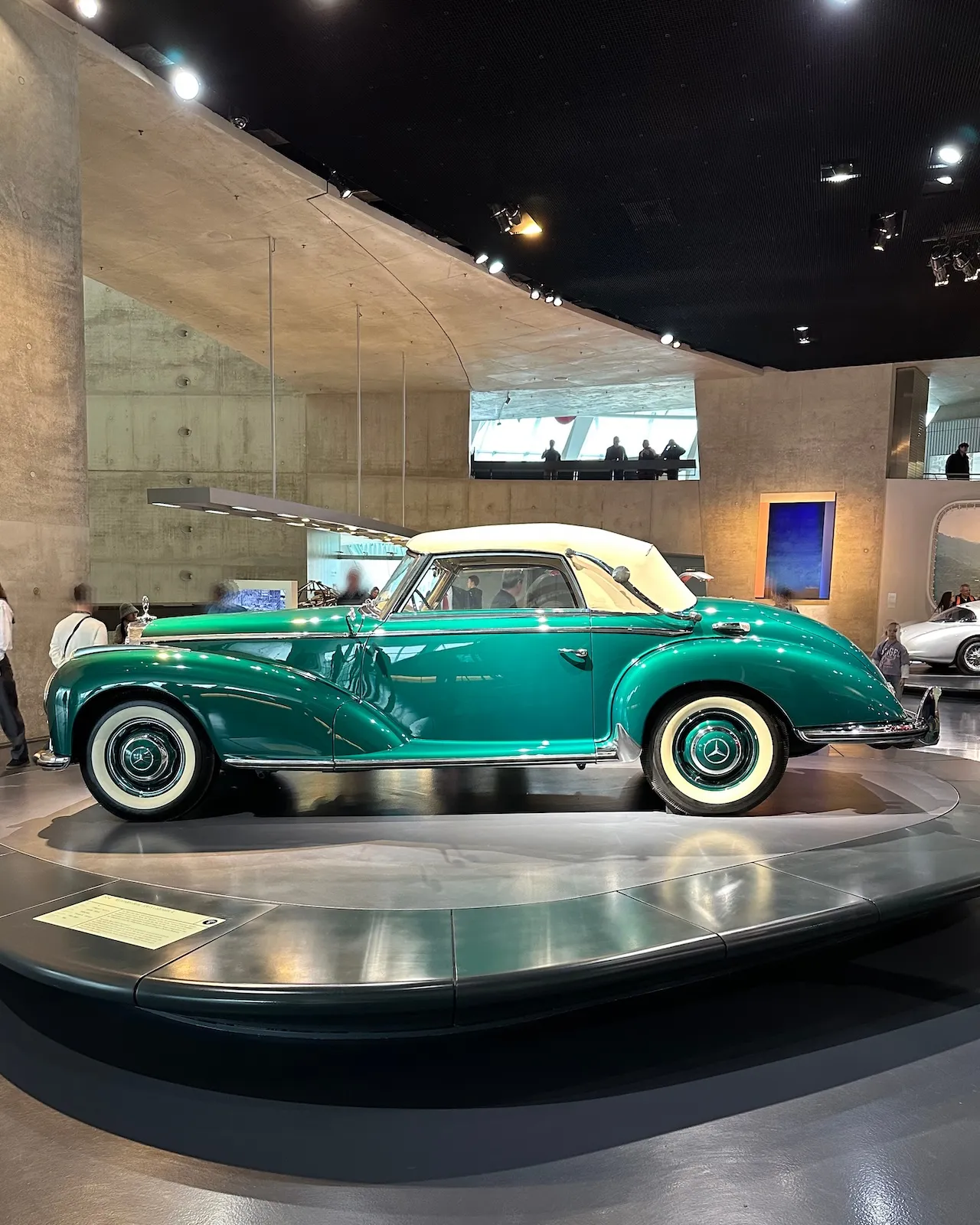
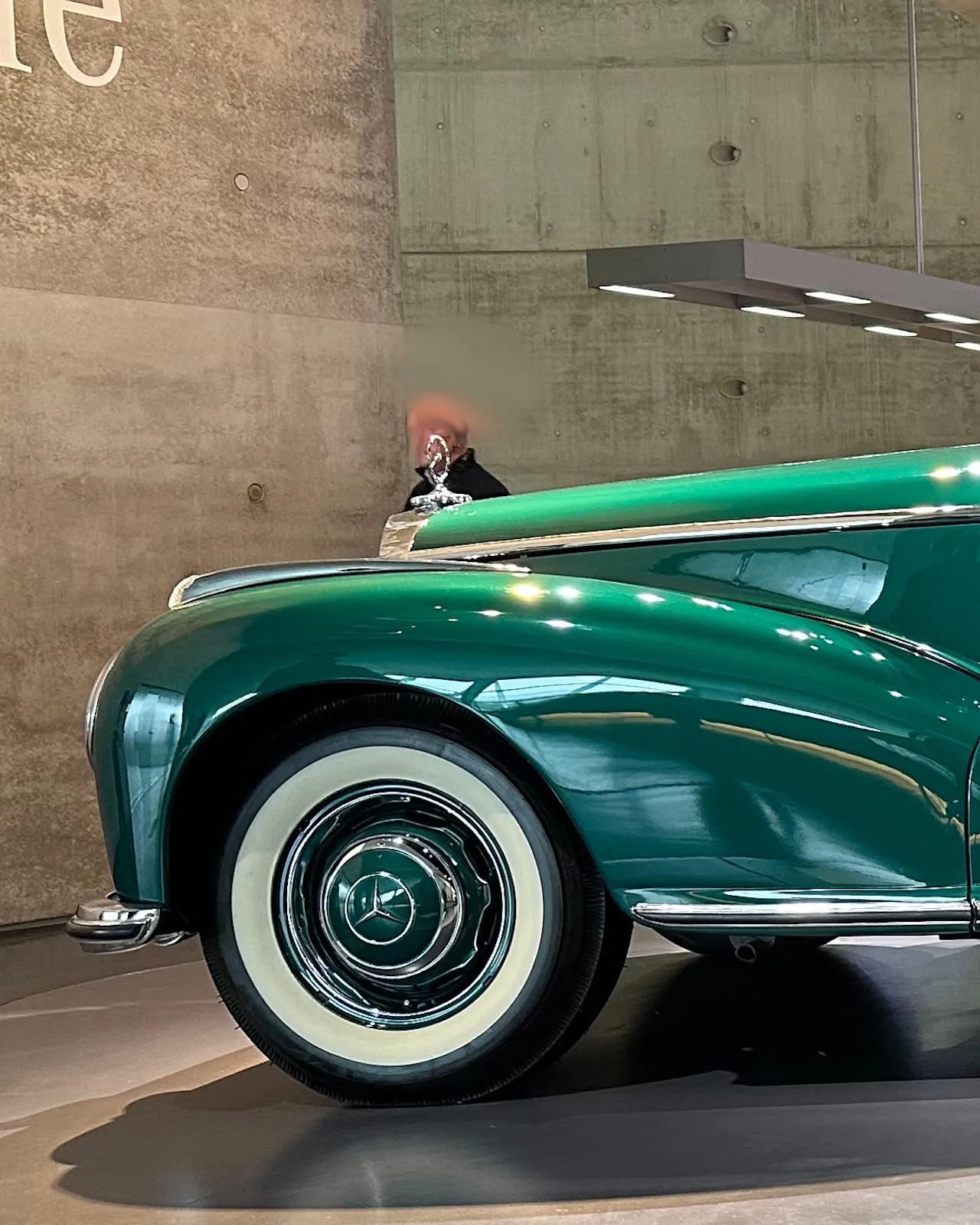
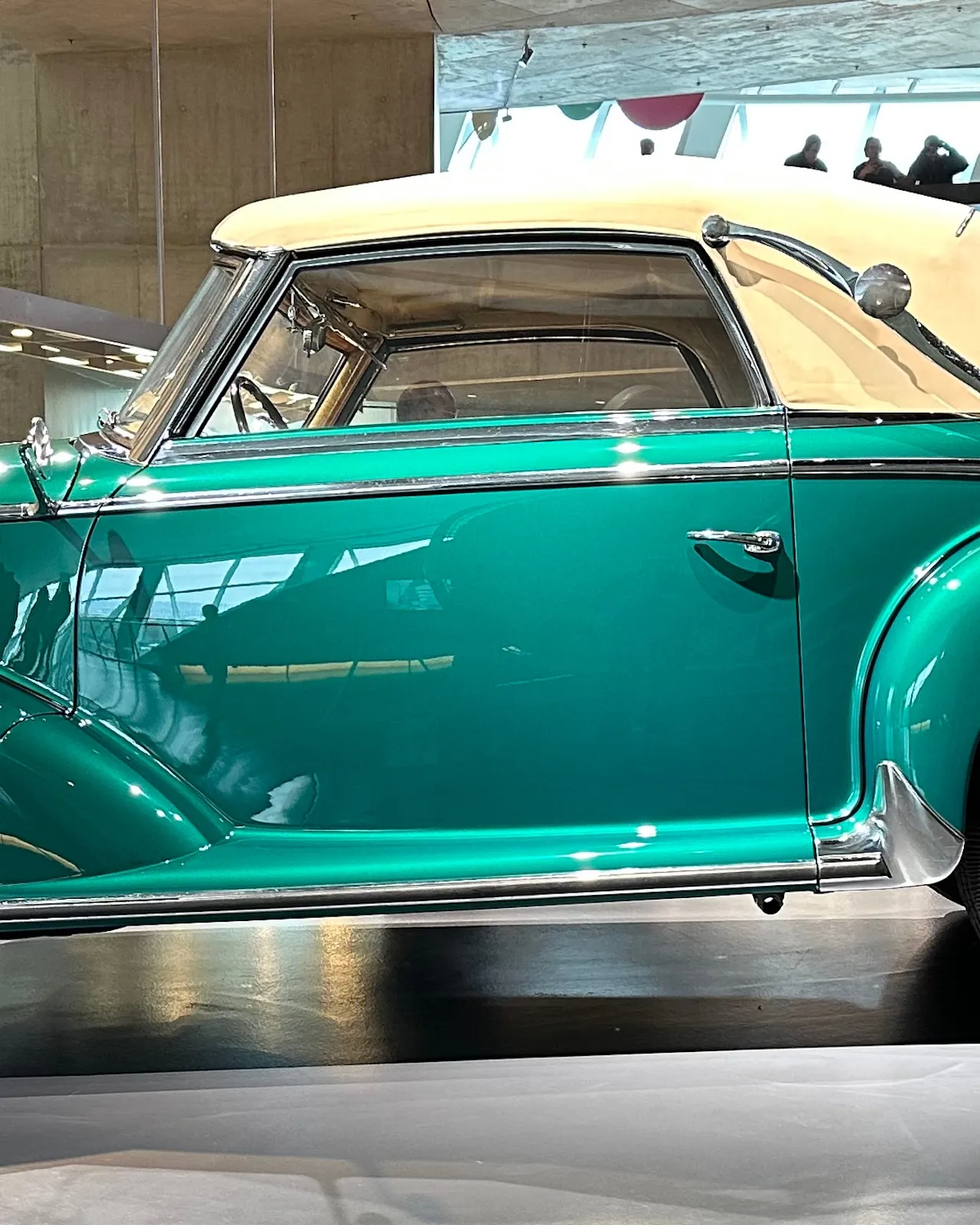
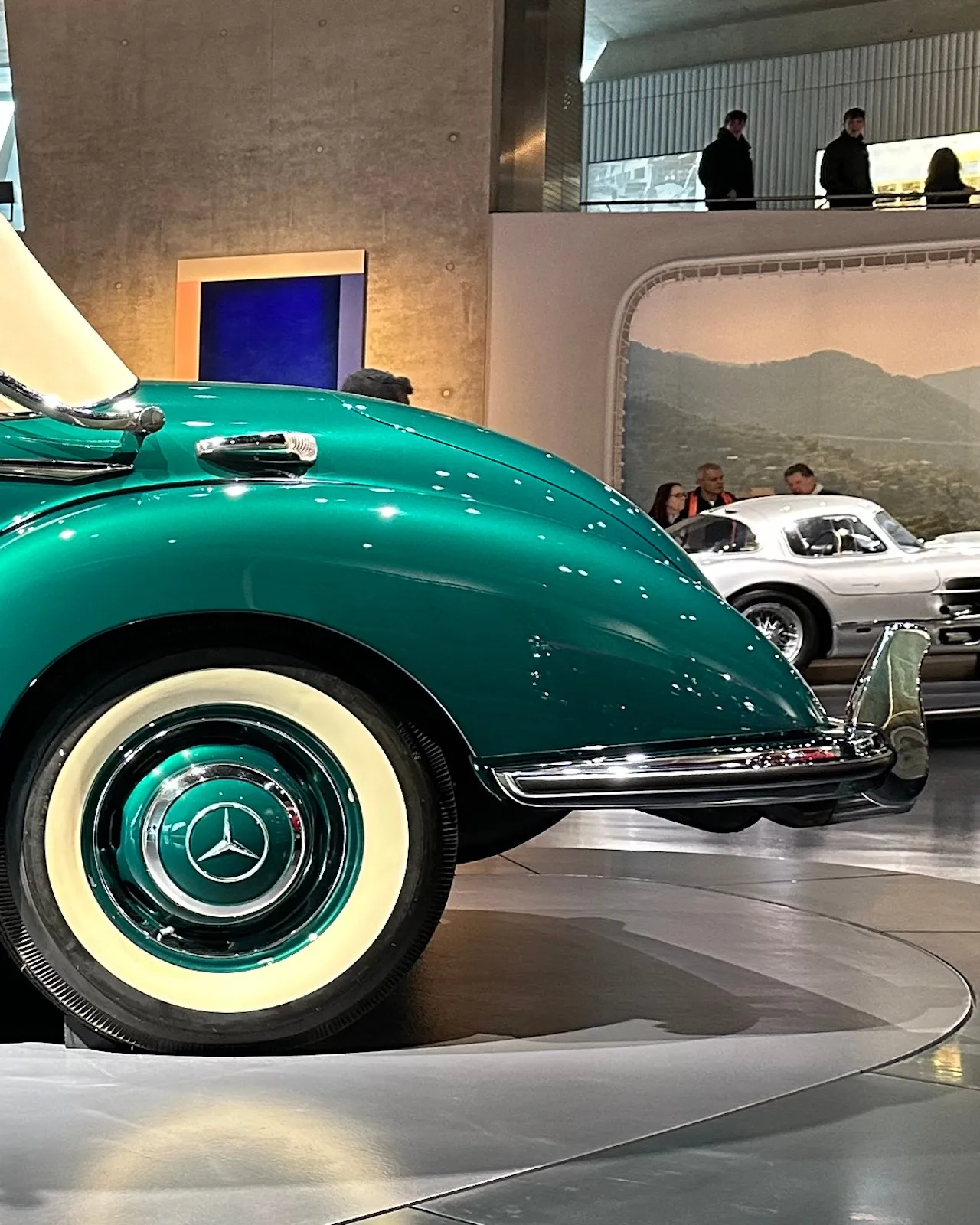
What is the definition of beauty? According to the dictionary, it is a combination of qualities—such as shape, color, or form—that pleases the aesthetic senses, especially the sense of sight.
With that in mind, here is an automotive interpretation: Mercedes-Benz 300 S Cabriolet A from 1954. Pictured two weeks ago at the excellent Mercedes-Benz Museum in Stuttgart, Germany.
In late 1951, the Mercedes-Benz 300 S was launched as a particularly exclusive top-of-the-range model with a sporty character. The elegant two-door car was offered as a coupé, convertible, and roadster. Its graceful design drew inspiration from the classic lines of the 1930s rather than the Ponton models that would soon follow.
Under the hood, it features a 3-litre six-cylinder engine producing around 150 horsepower, combining refined luxury with impressive performance for its time. And yes, do not forget the amazing color combo.
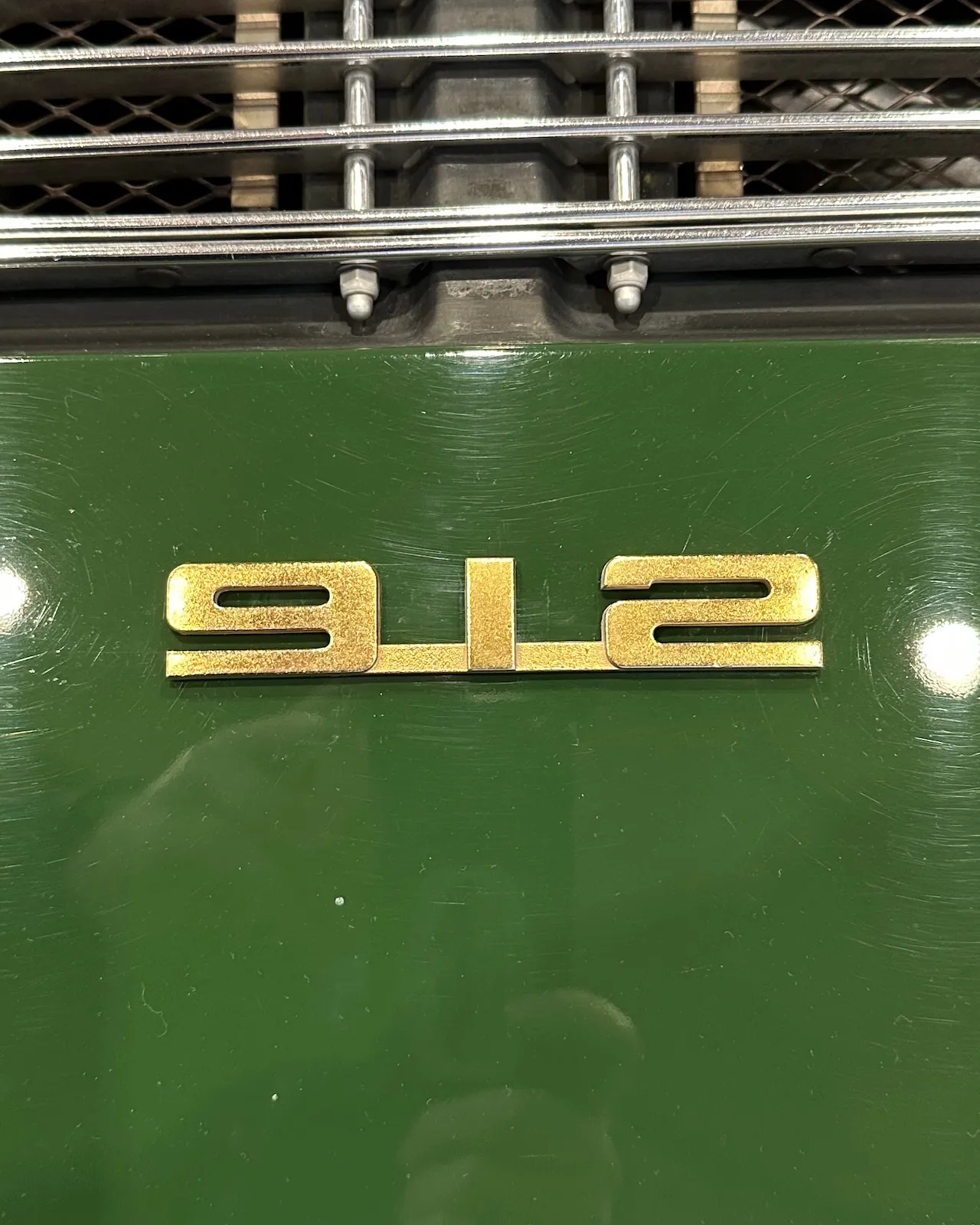
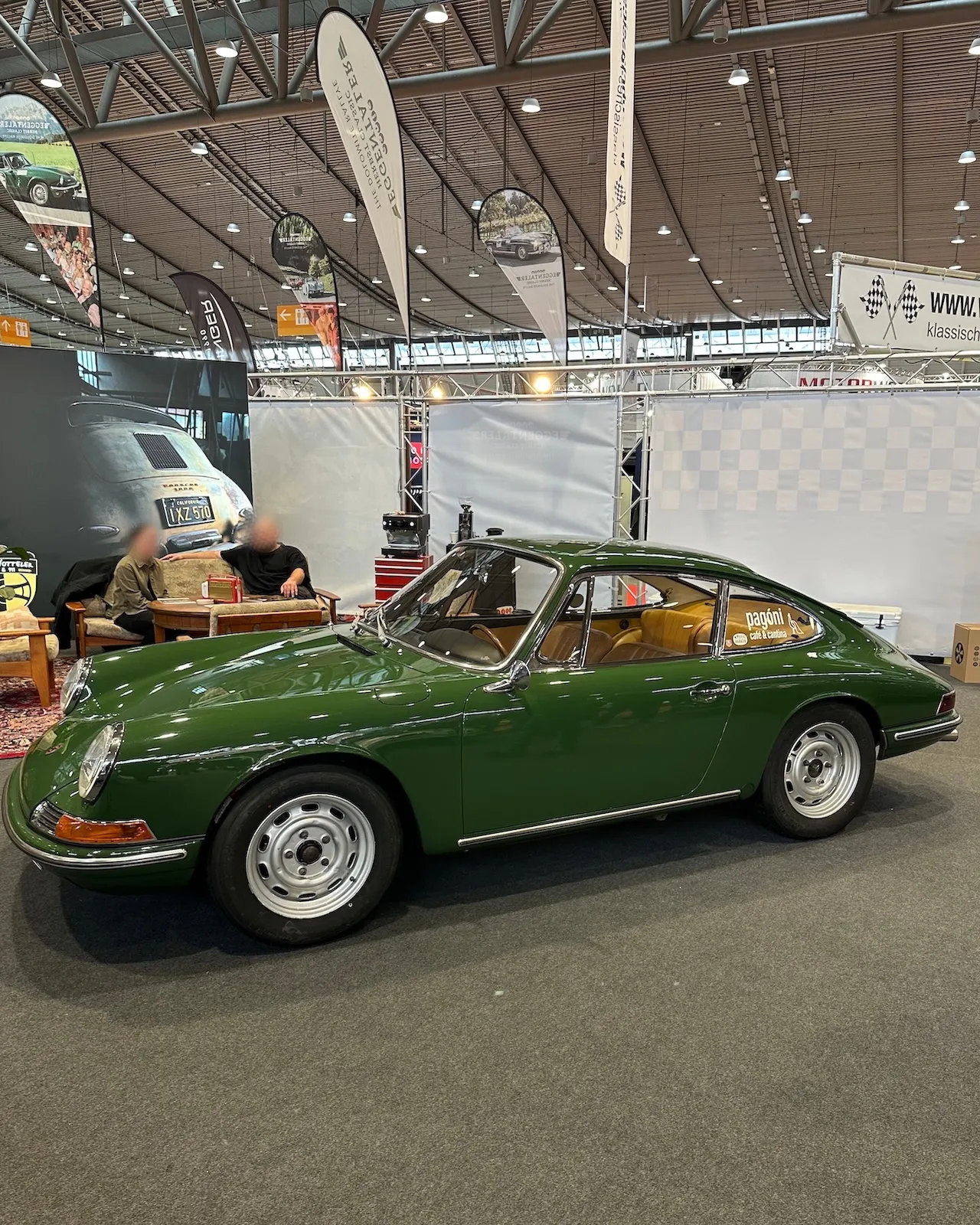
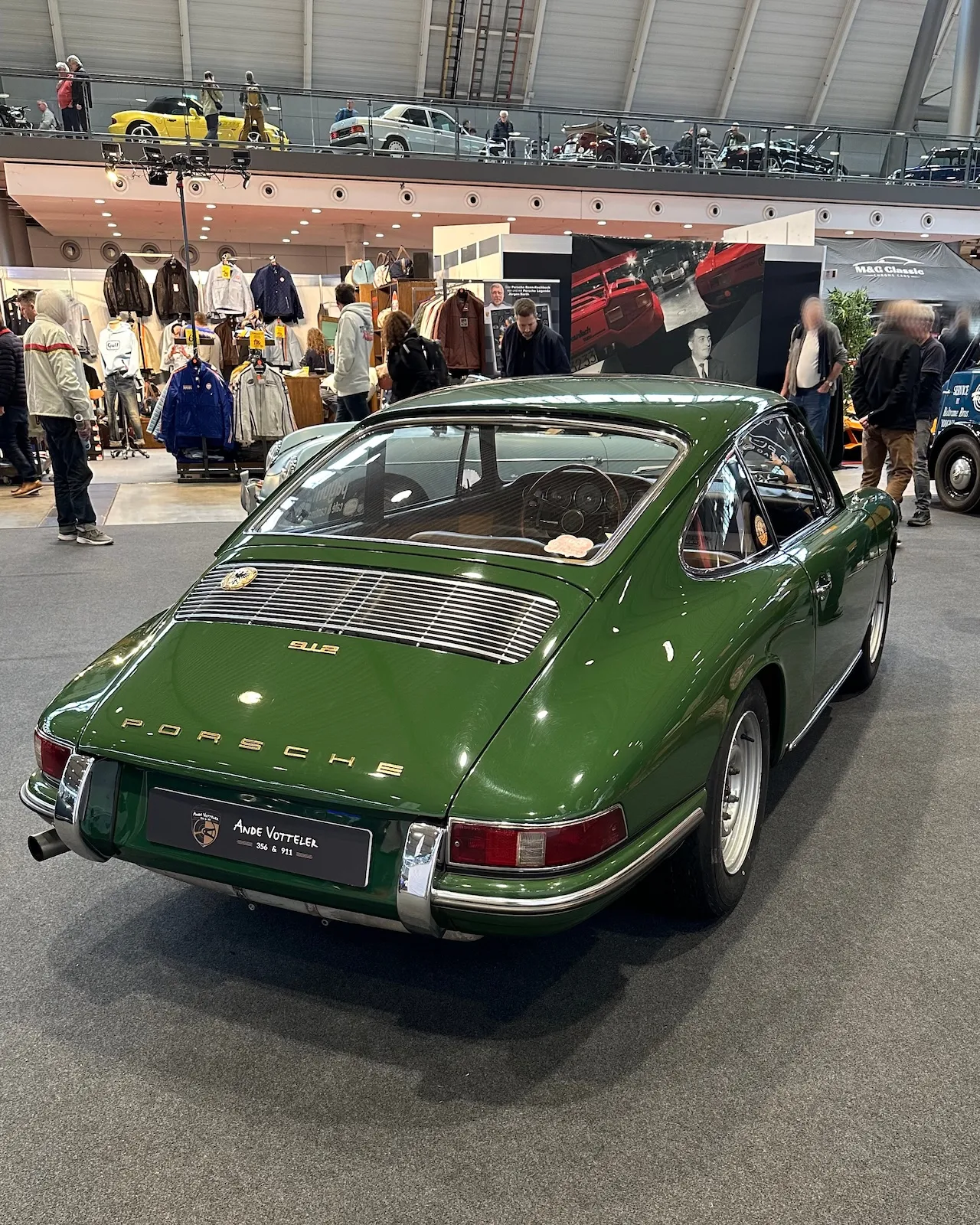
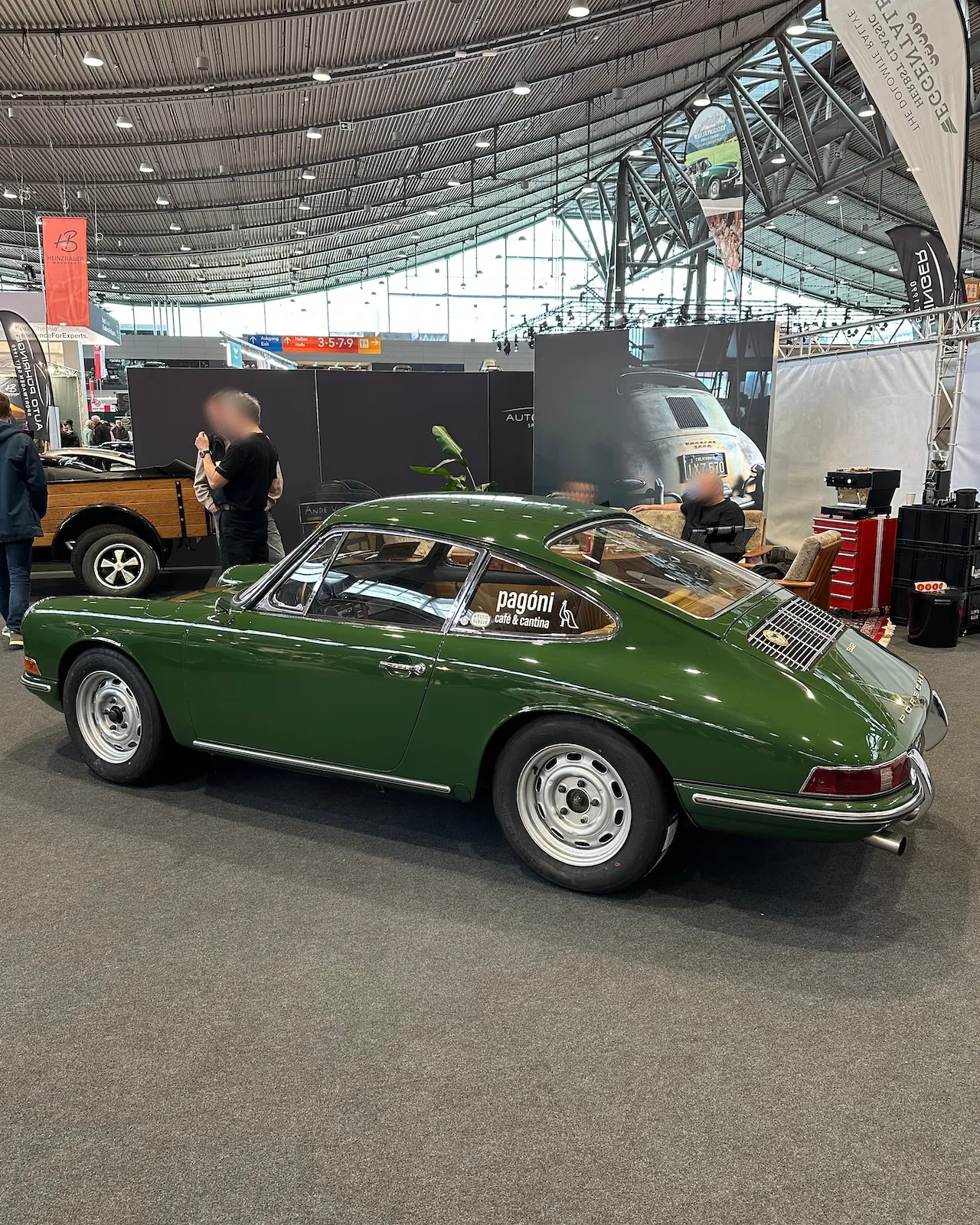
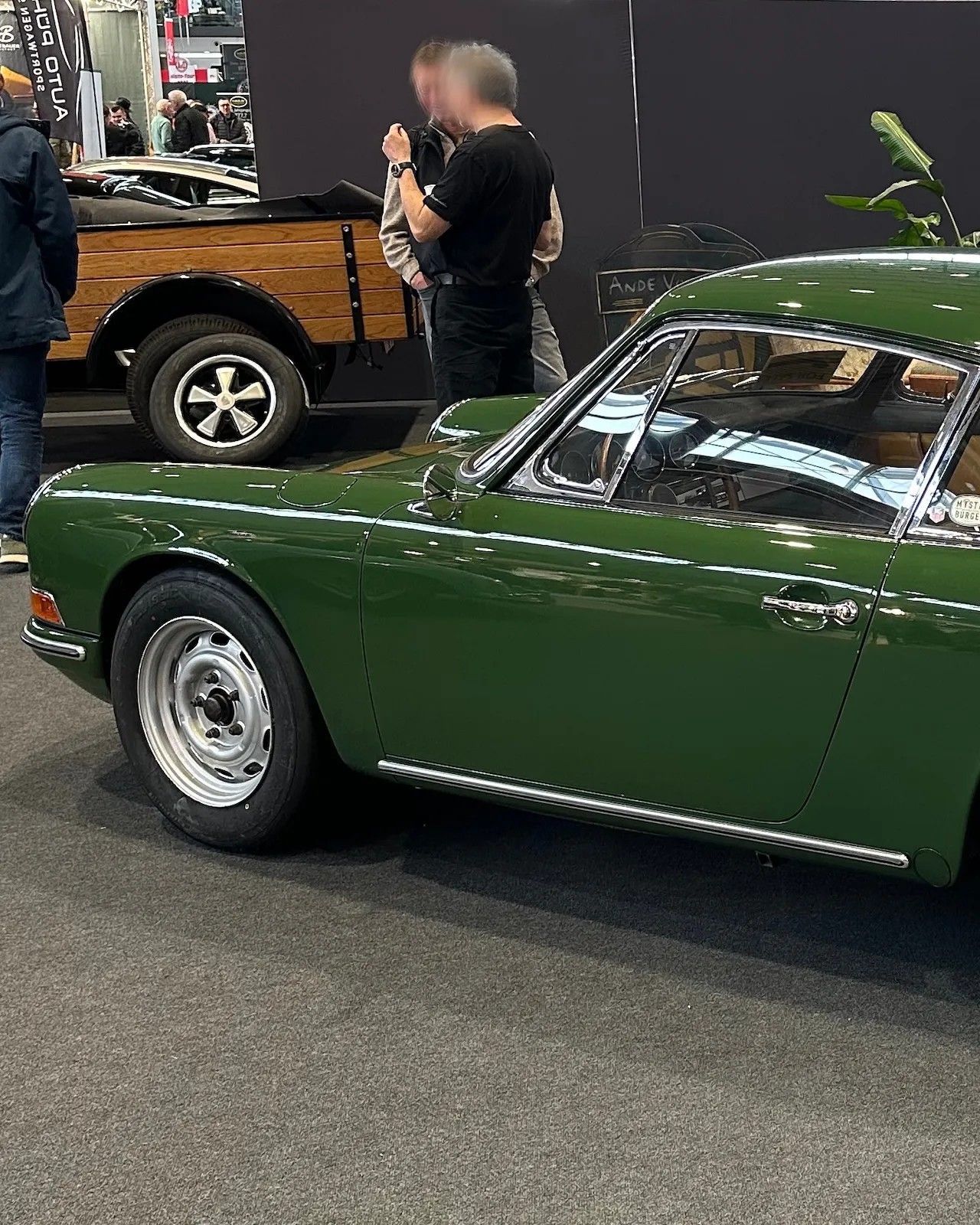
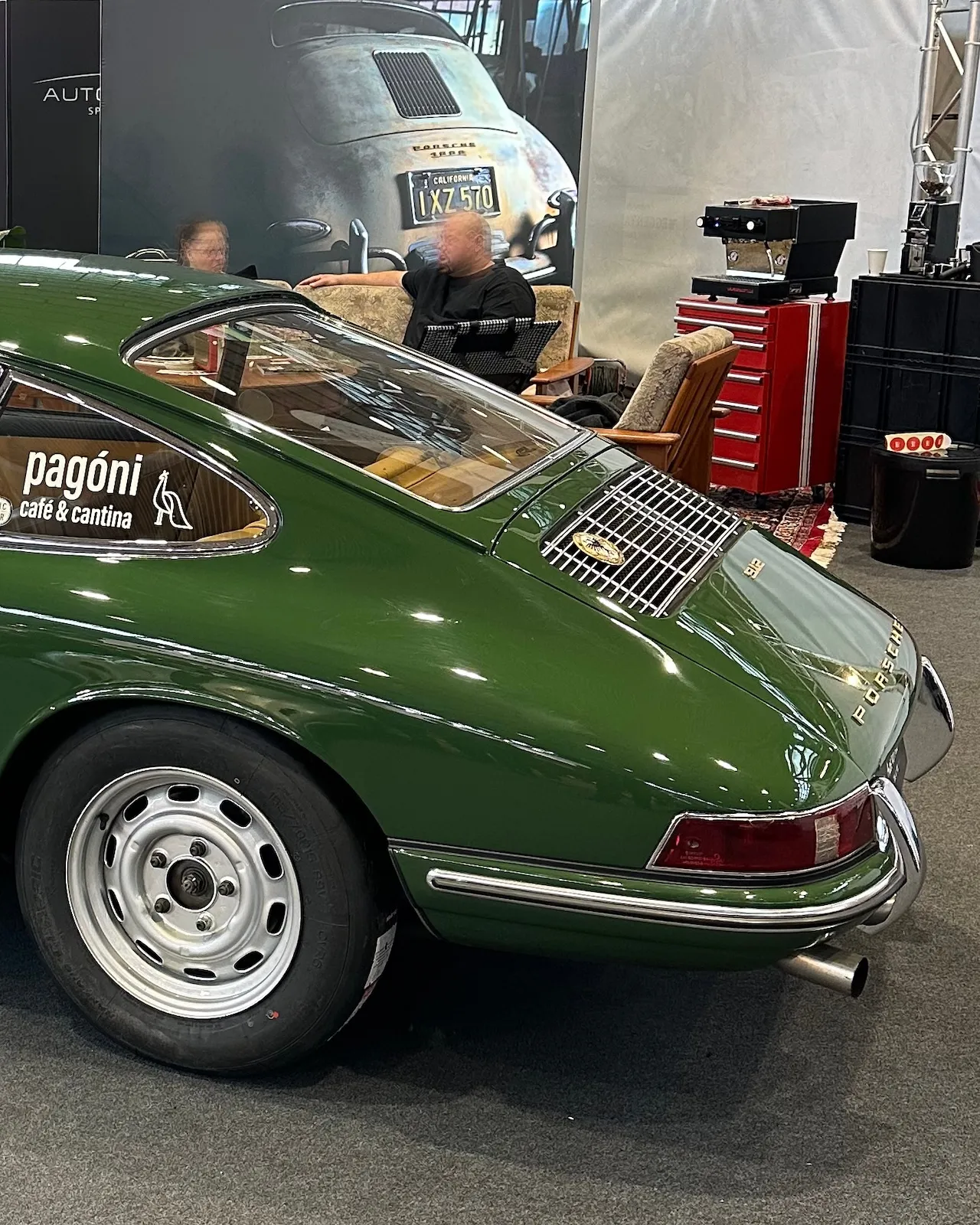
Do you like Robert Redford? Who doesn’t? If you’ve ever imagined yourself in his place — cruising down the road like in Spy Game (2001) — this is the perfect car to make that vision a reality.
This pristine, highly original 1968 912 spent the first 45 years of its life in California. The first owner ordered it in the beautiful and rarely seen color Irish Green, complemented by the optional Catacolor wraparound tinted glass and chrome-plated, perforated wheels. These distinctive wheels are simply marvelous, they give the car tremendous character and an unmistakable presence.
The car was exhibited two weeks ago in Stuttgart at Retro Classics, where it attracted well-deserved attention.
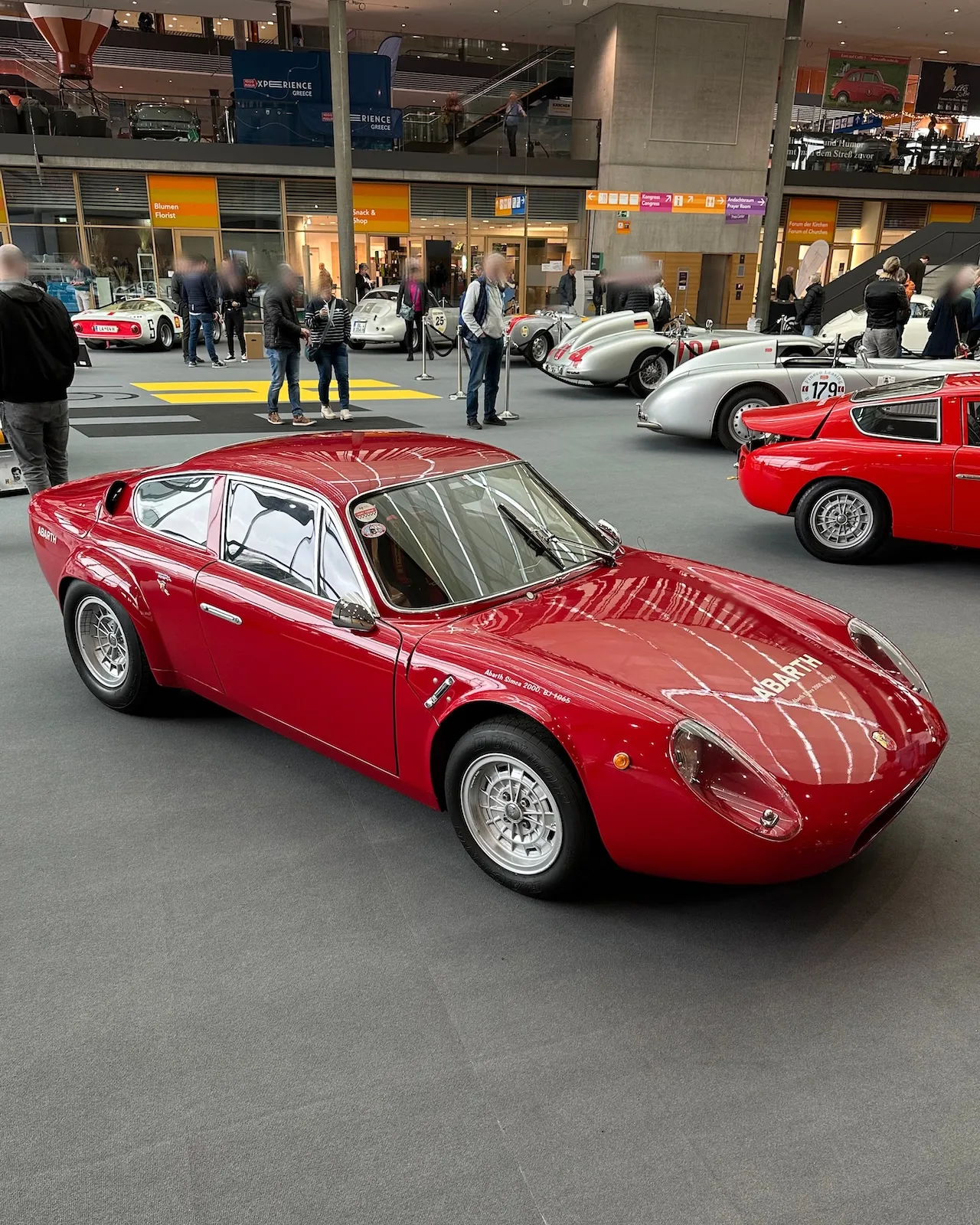
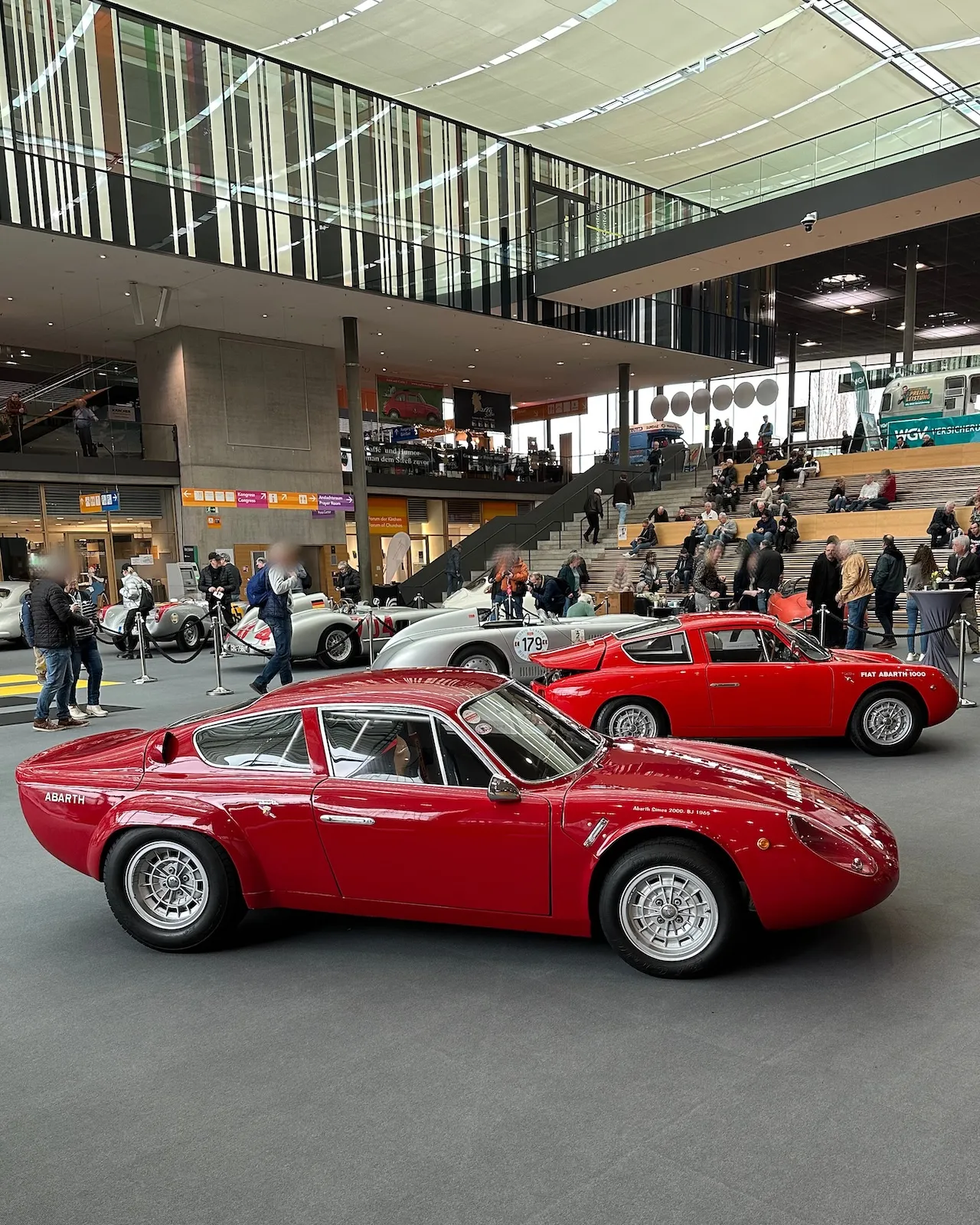
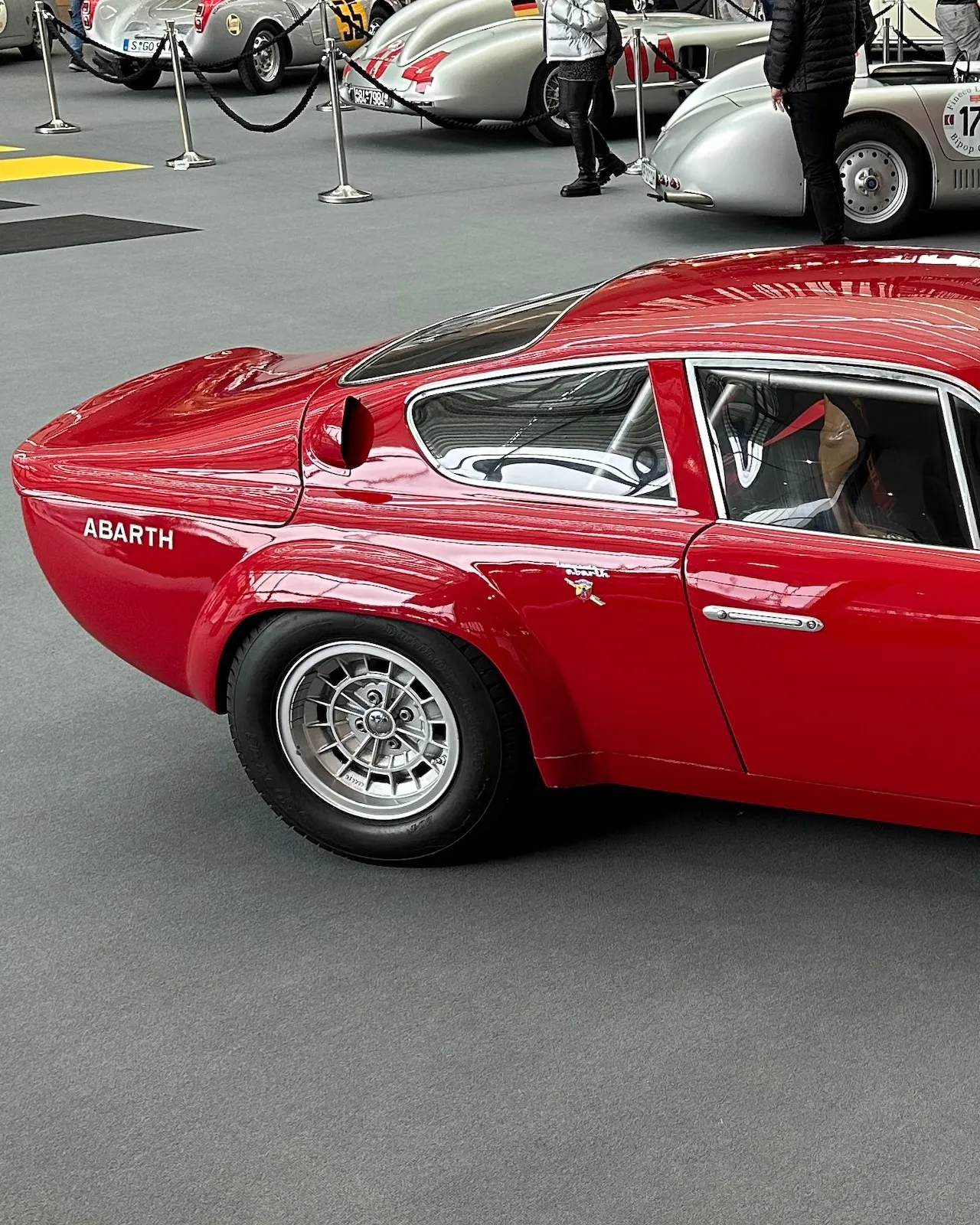
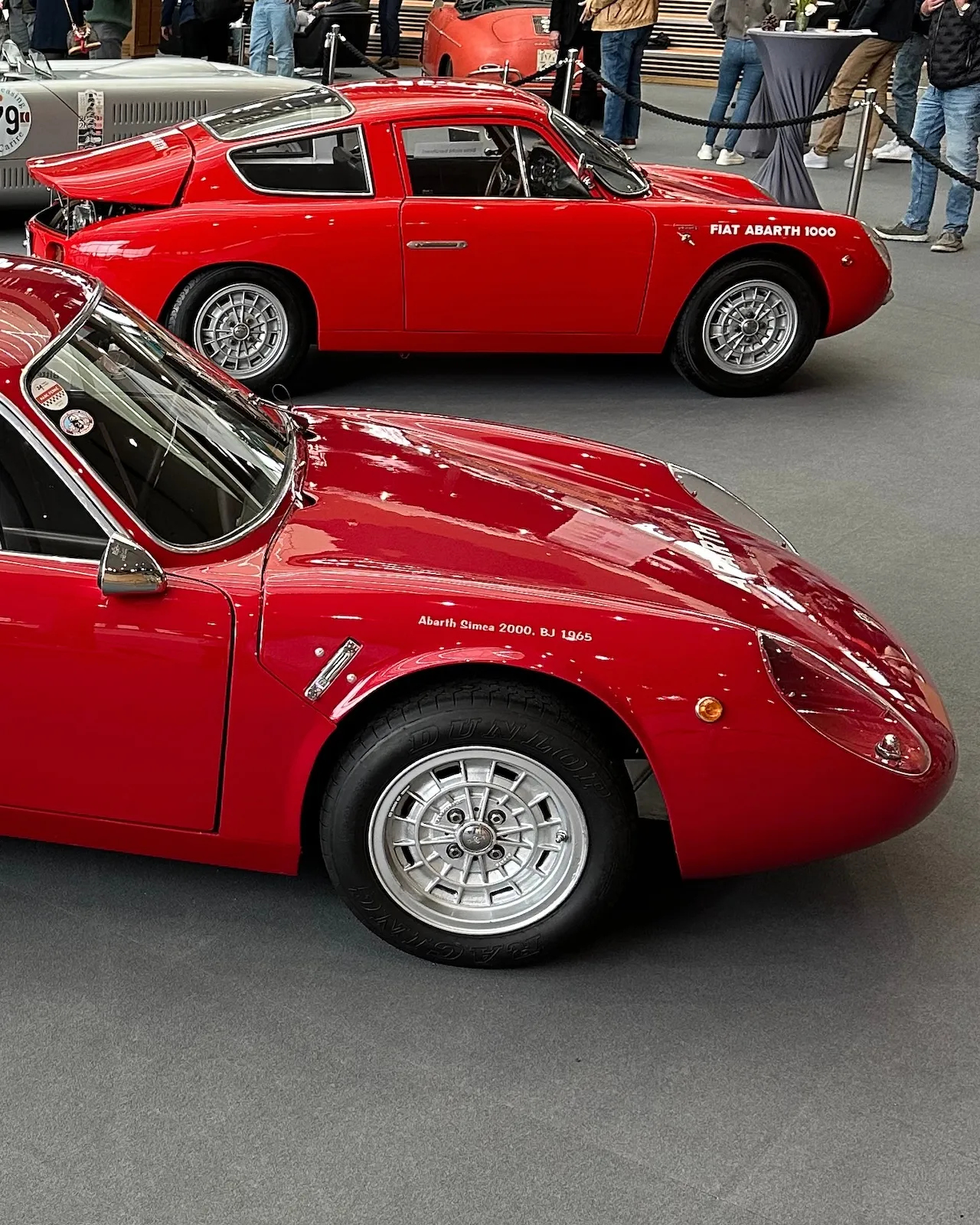
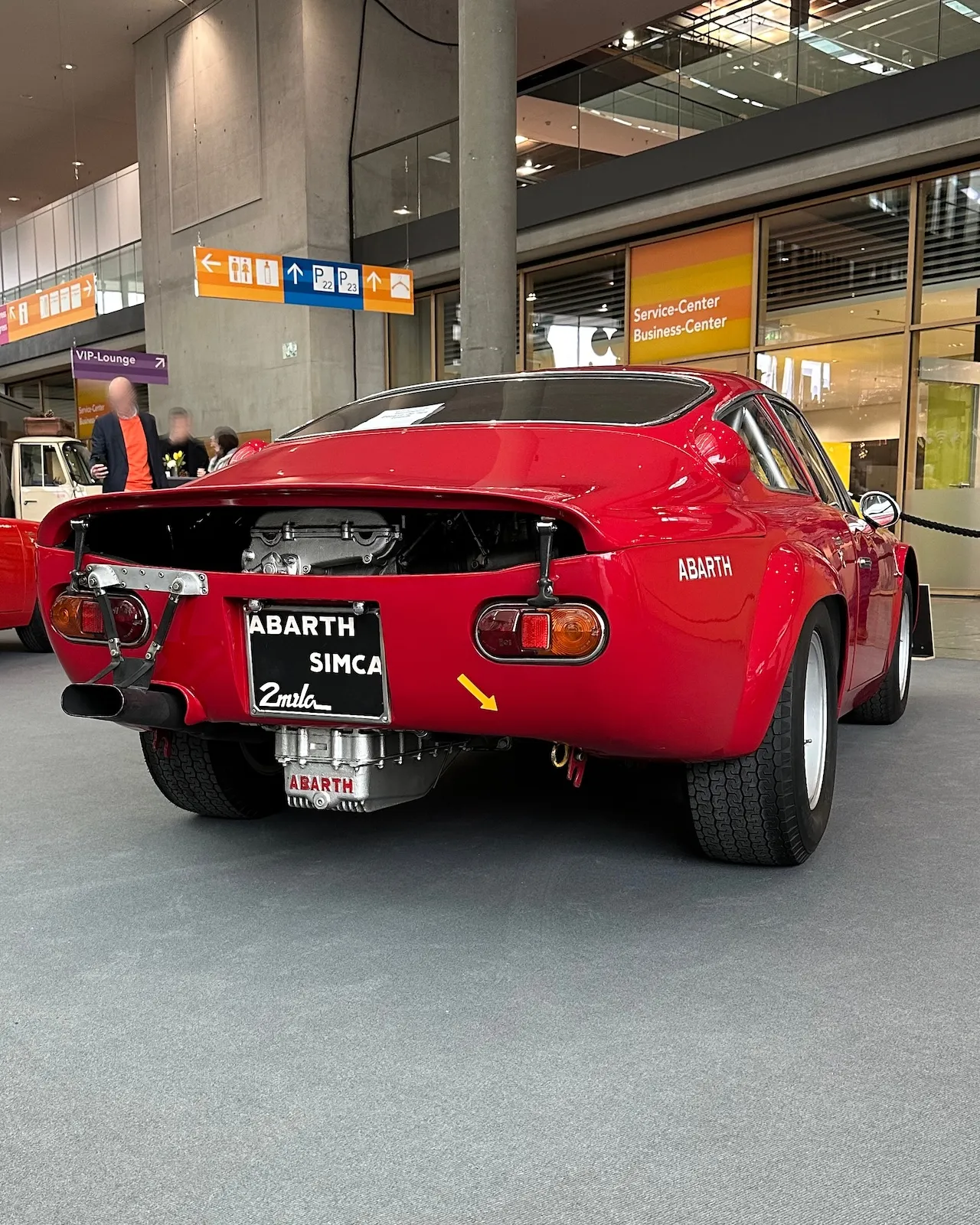
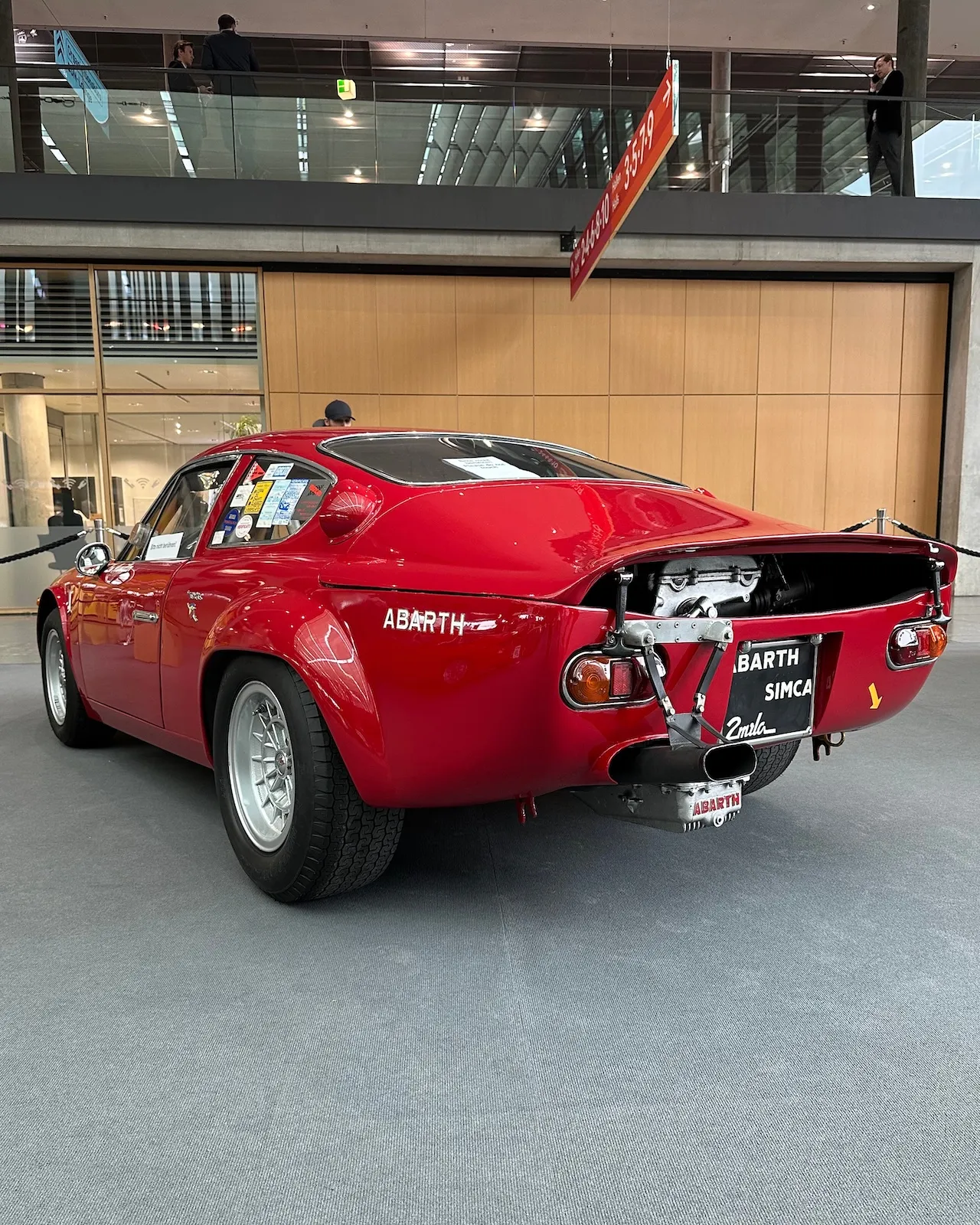
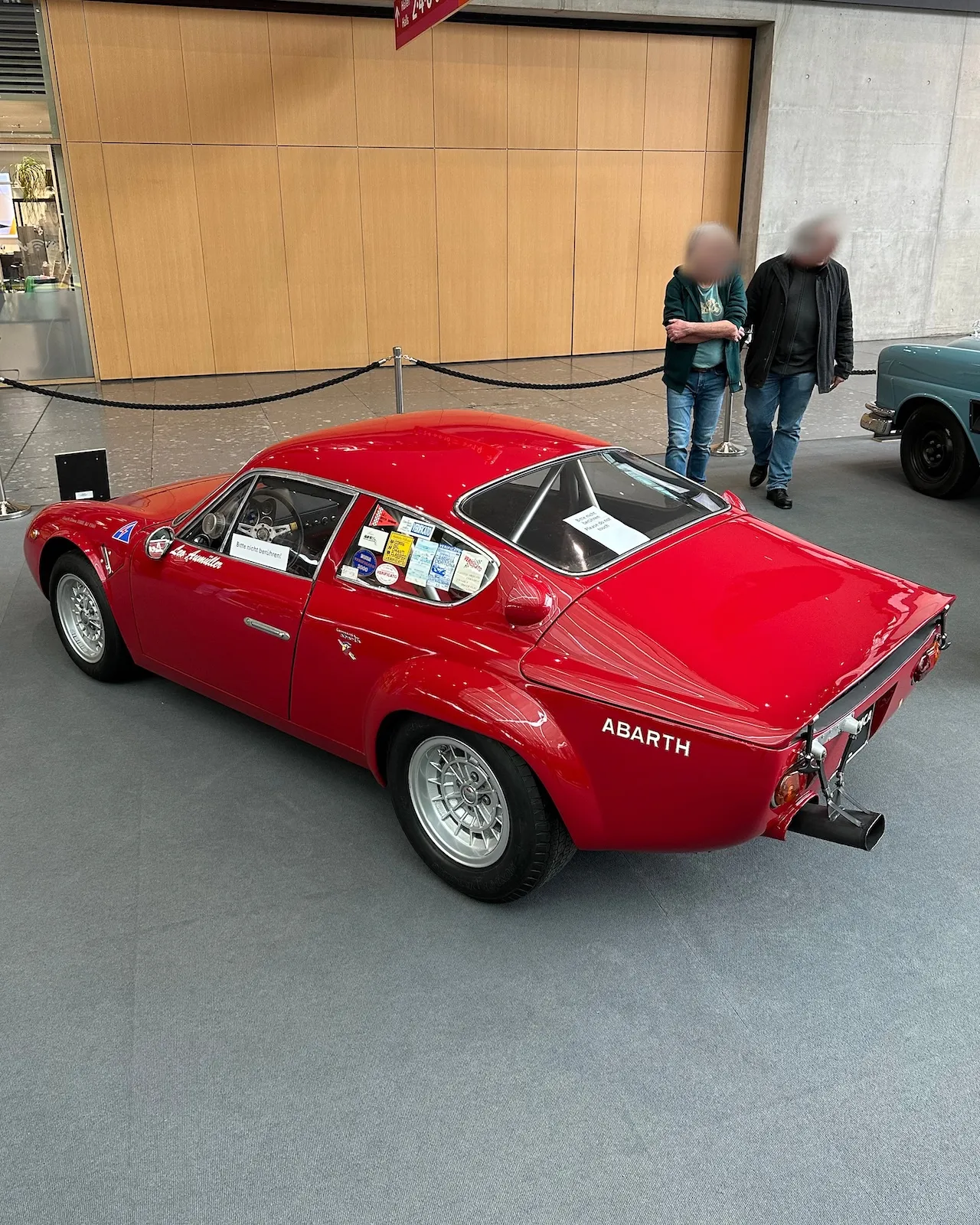
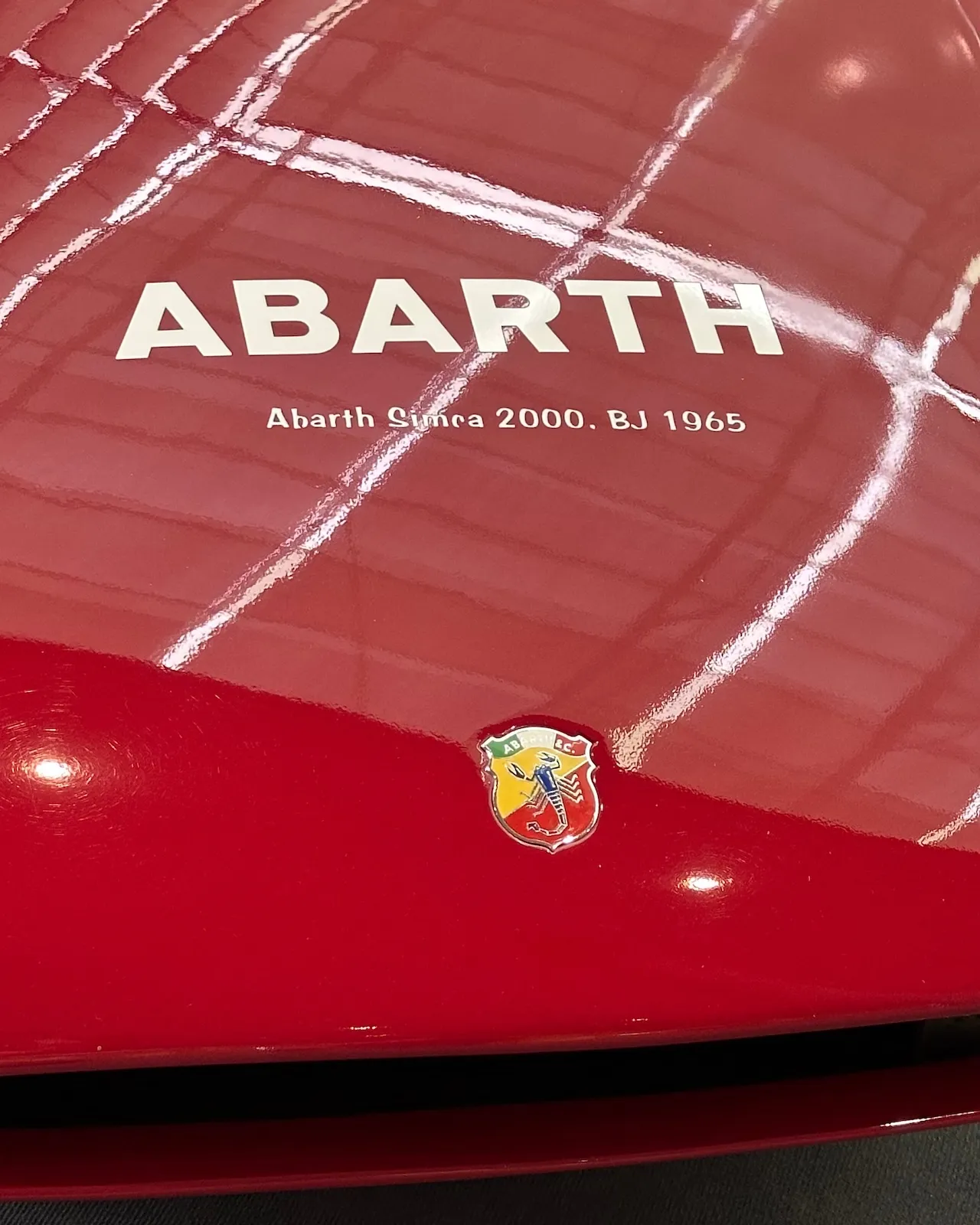
Did you know that Carlo Abarth, the scorpion wizard, also loved Simca cars?
If not, here's the proof in pictures. Abarth Simca 2000 GT Longnose, seen at Retro Classics Stuttgart, having completed several laps in the hands of Hans Herrmann, one of the greatest German pilots.
Actually, a superb cocktail. Abarth's genius with the strength of Simca. This car had 100 HP per litre of displacement... in 1965. And it weighed 665 kg. It would have been difficult to do better at the time.
And what's more, it's beautiful, isn't it?
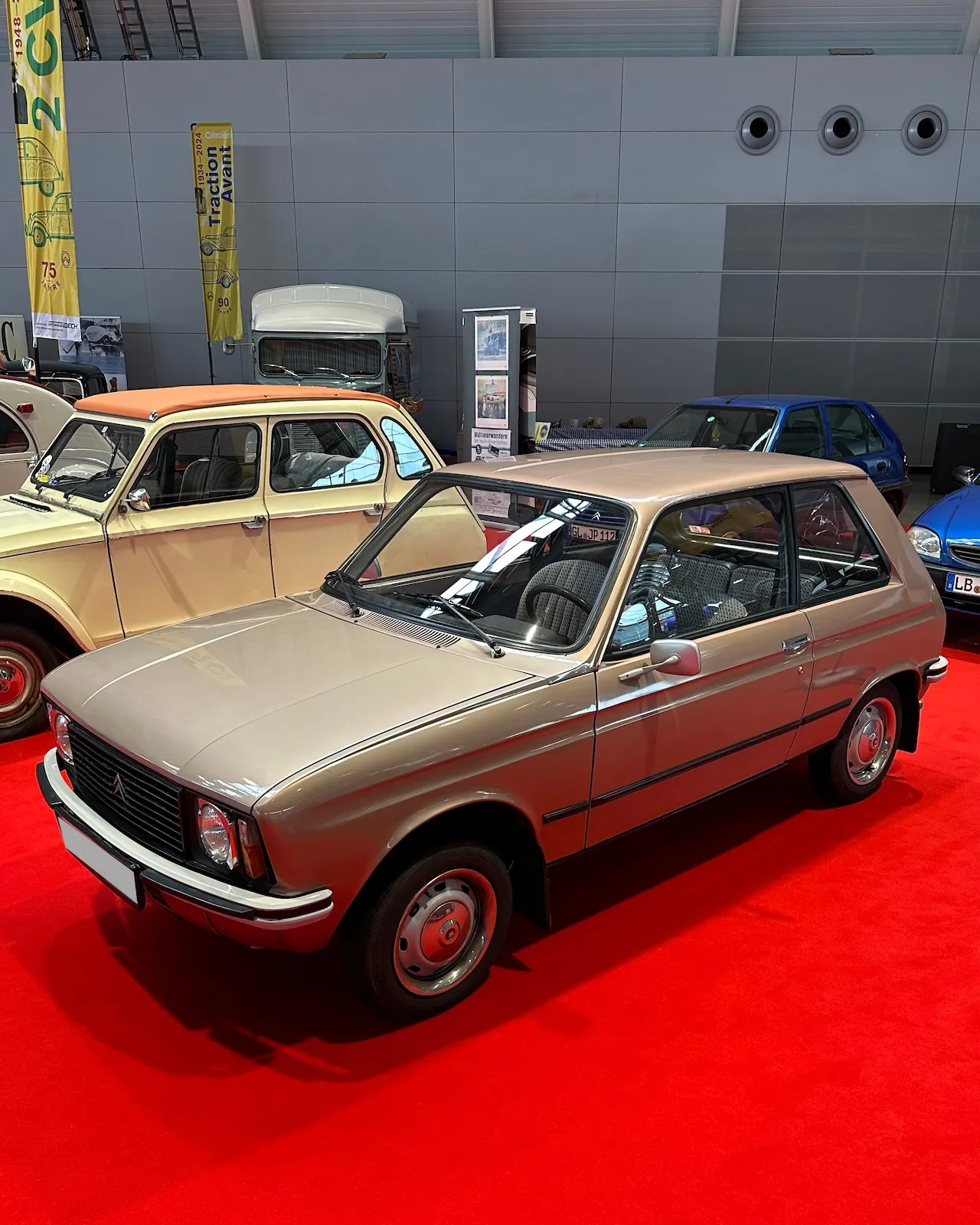
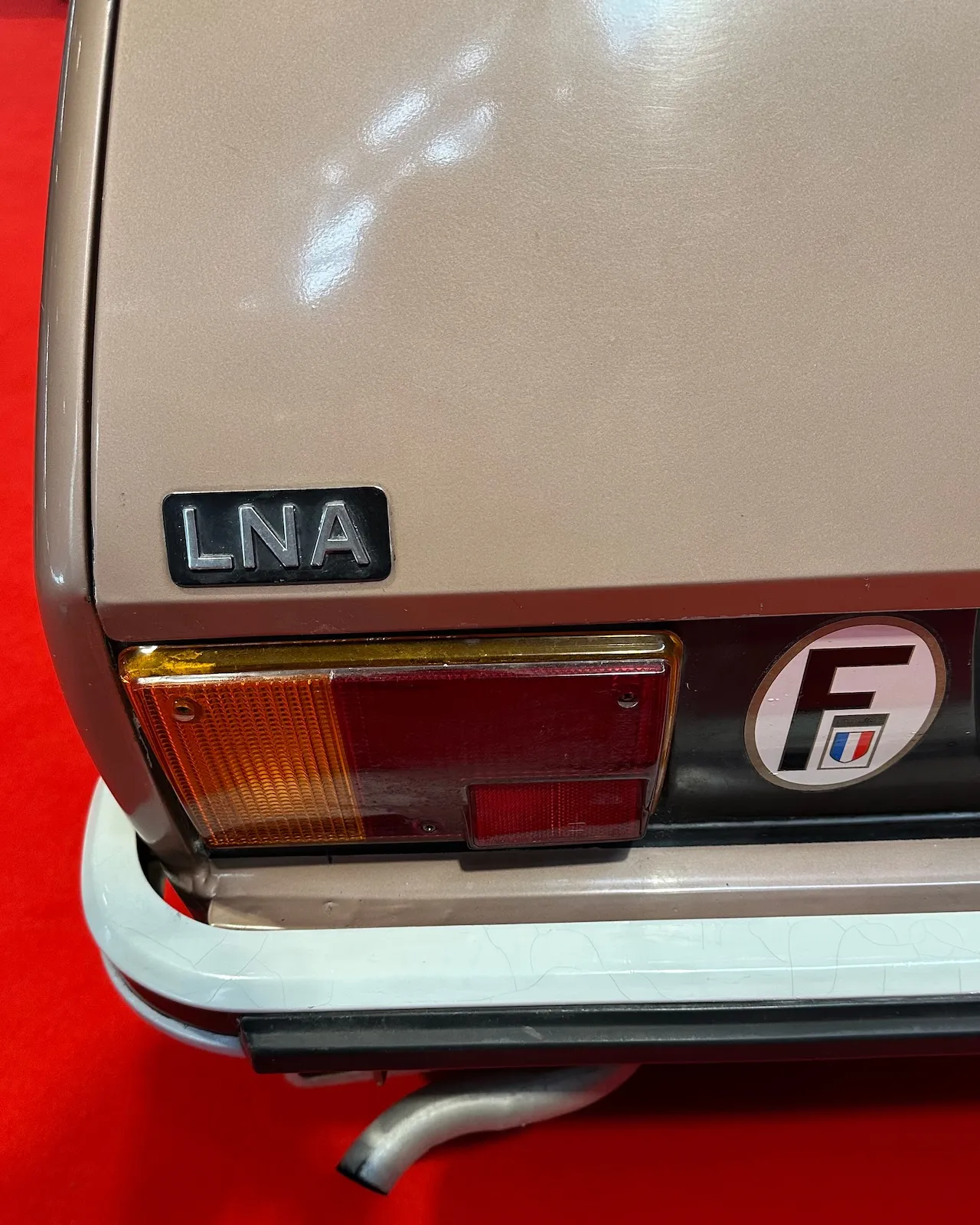
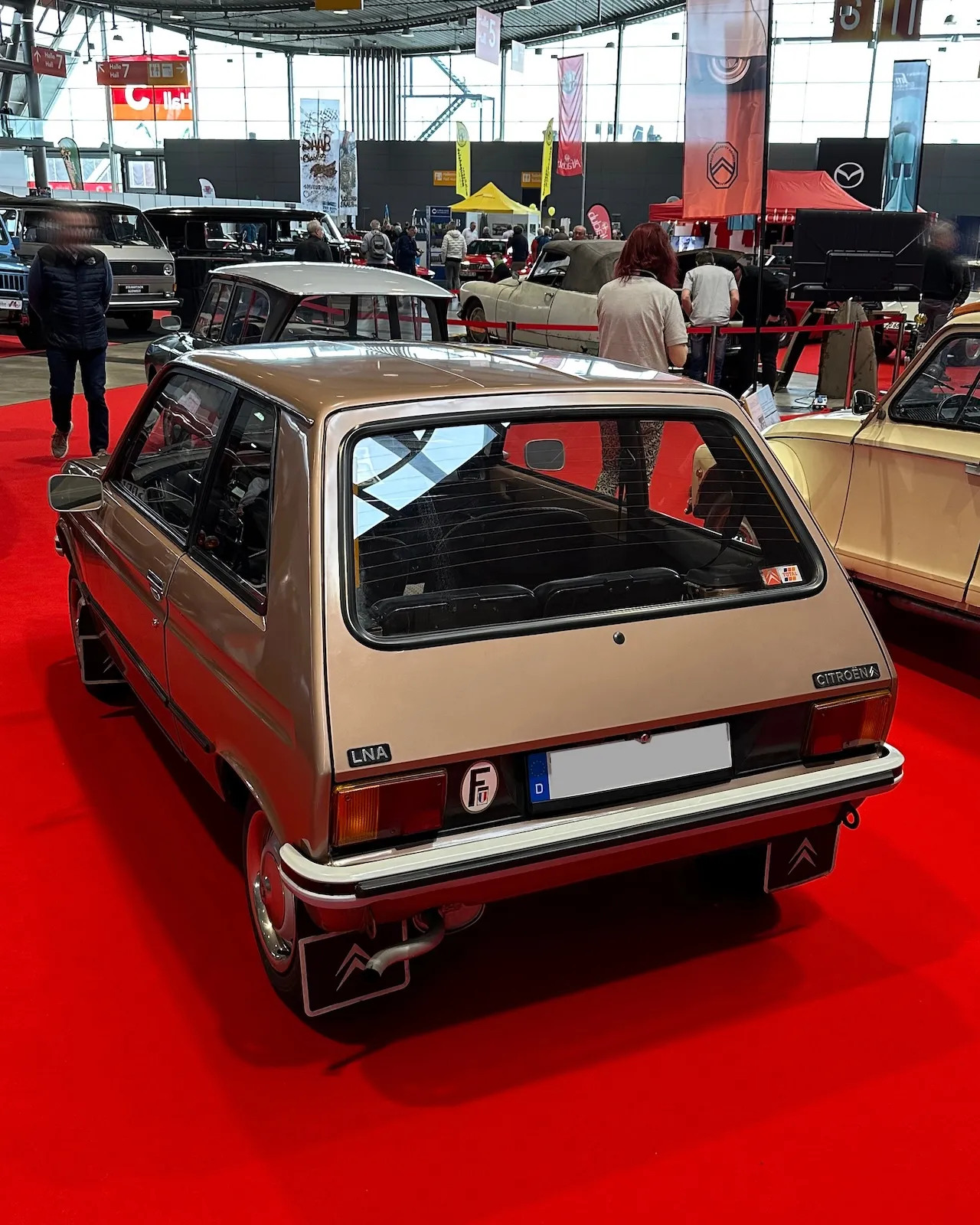
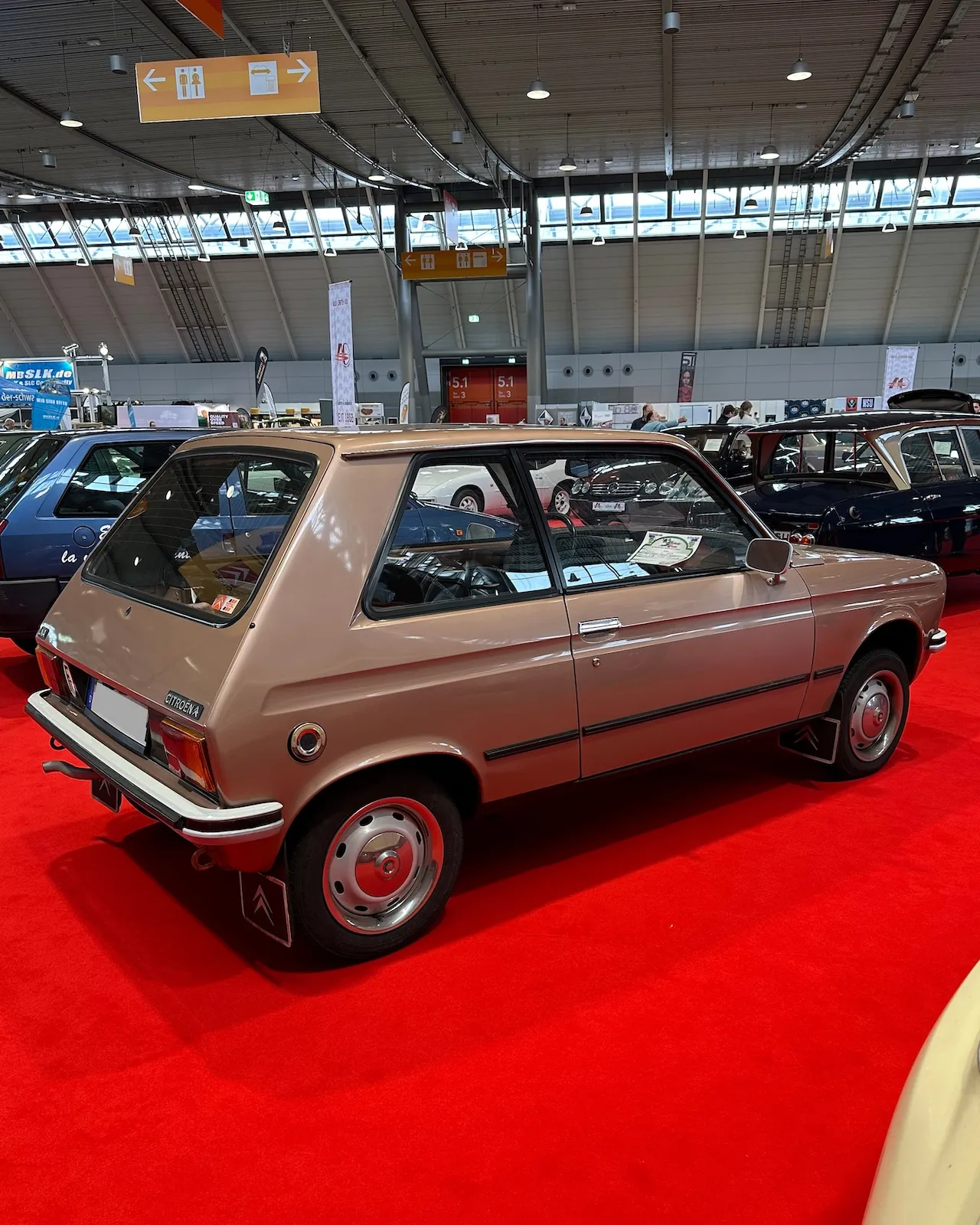
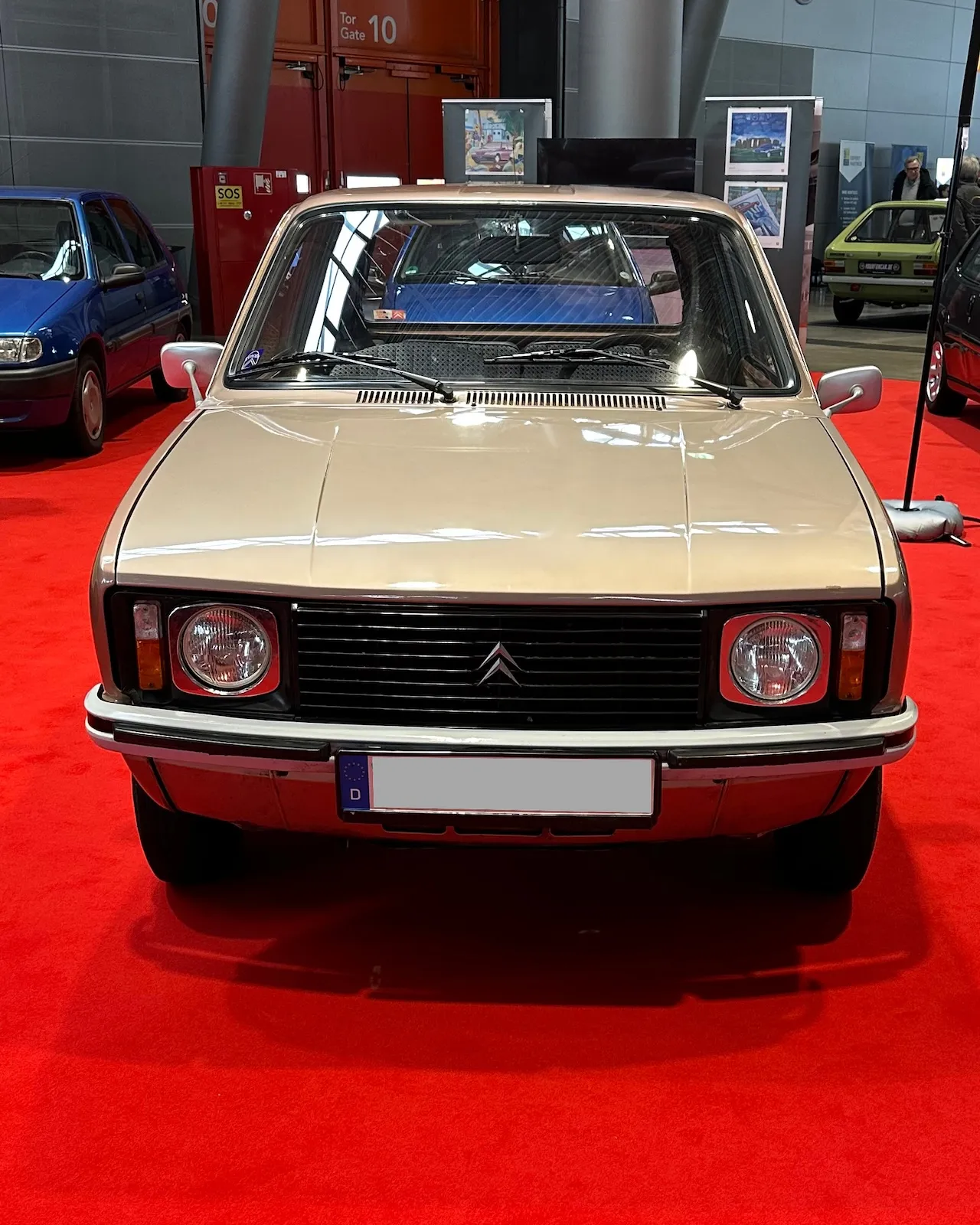
One of the great joys of our hobby, classic motor cars, is seeing models that were once unloved given a well-deserved second chance. At Citroën, the LN and LNA series are perfect examples.
At the time, there were plenty of questions. Was it really a Citroën, or just a disguised 104? Was the Visa the better buy? Should I leave home earlier, given that I only have around 30 horsepower? And so on.
Today, those questions hardly matter. What matters is that it’s a delightful little car, full of character, finished in a superb color, and highly unlikely to be parked in your neighbor’s driveway. This 1982 Citroën LNA was spotted at Retro Classics Stuttgart.
Shall we take it for a drive? Oh yes, it would make us happy.
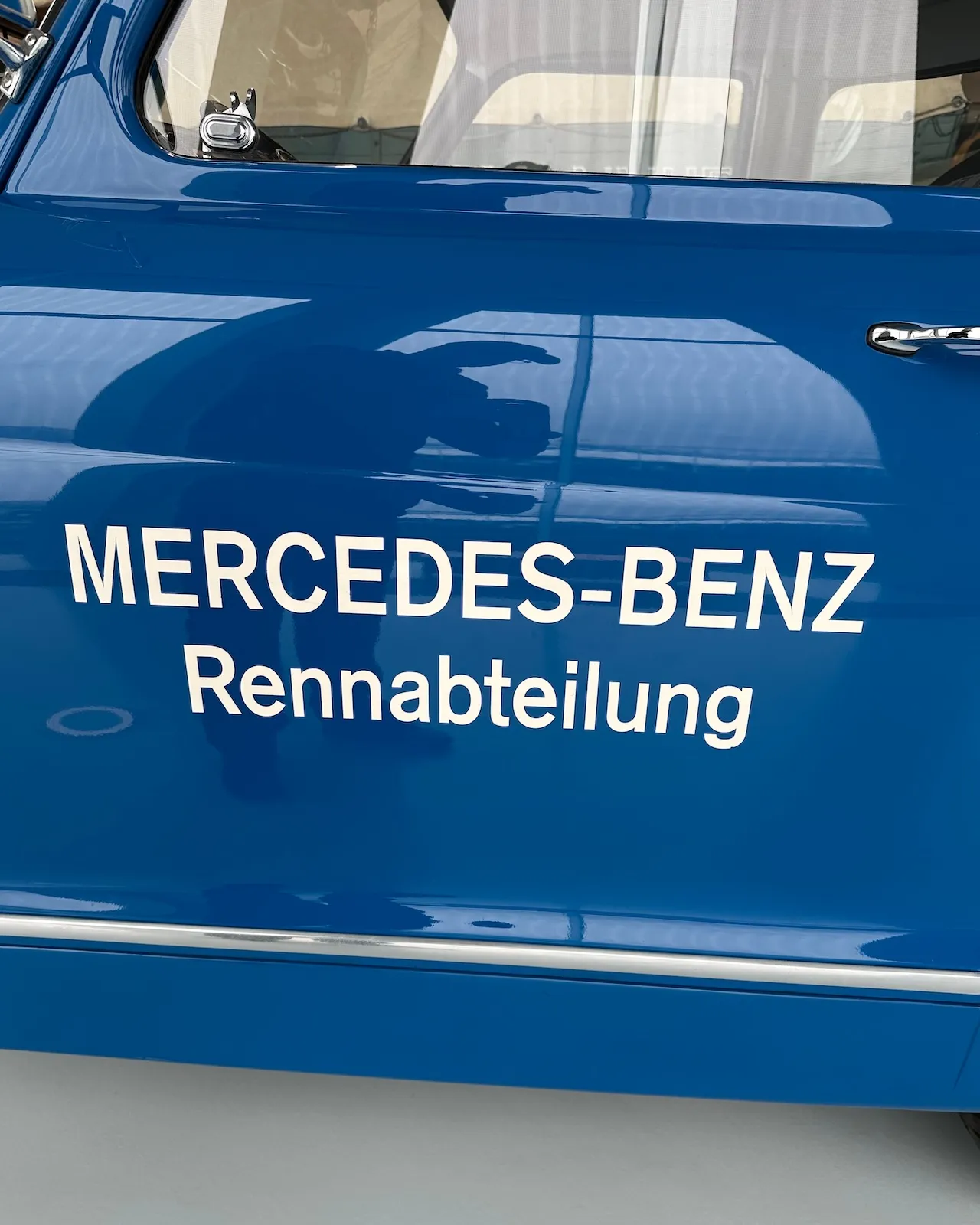
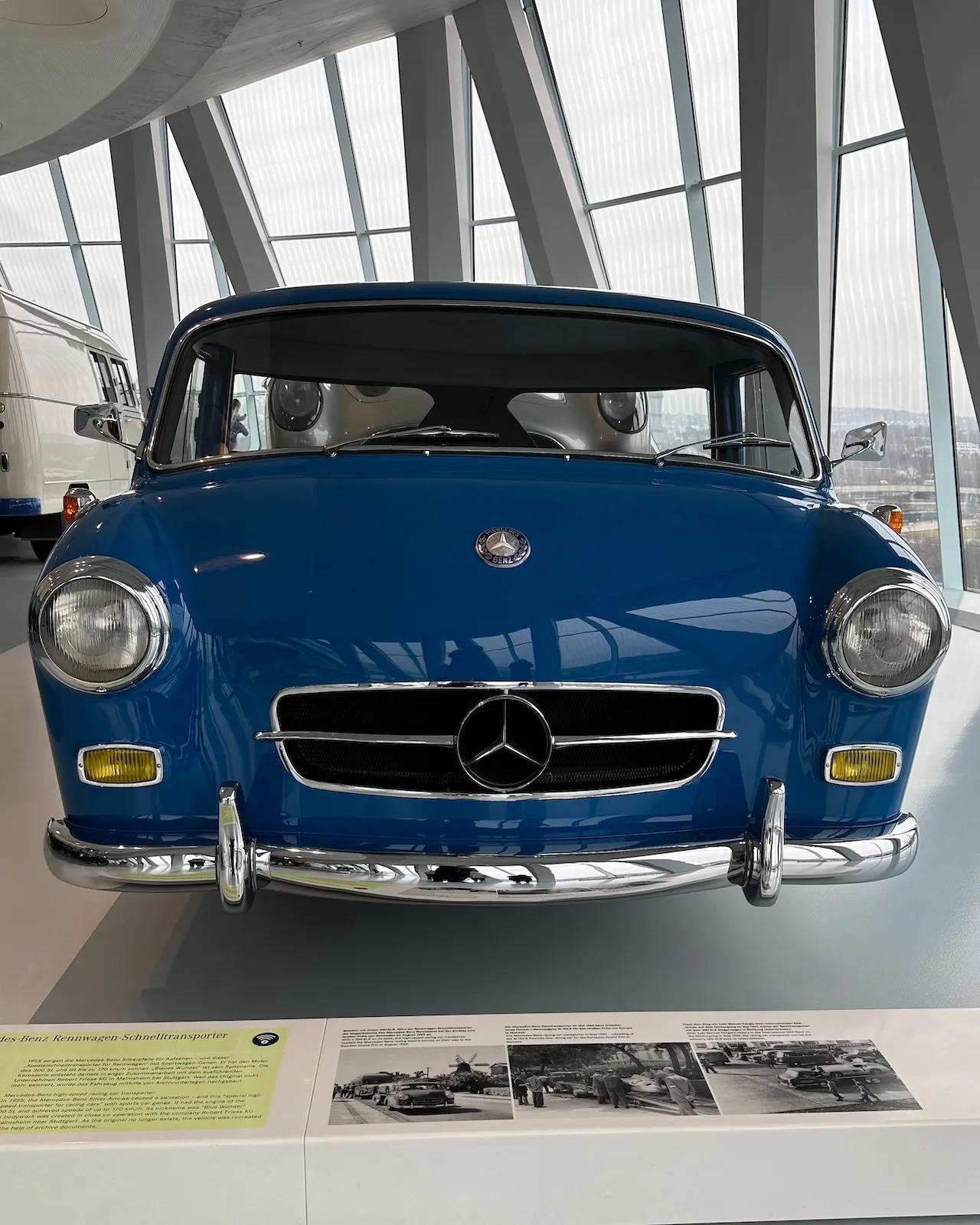
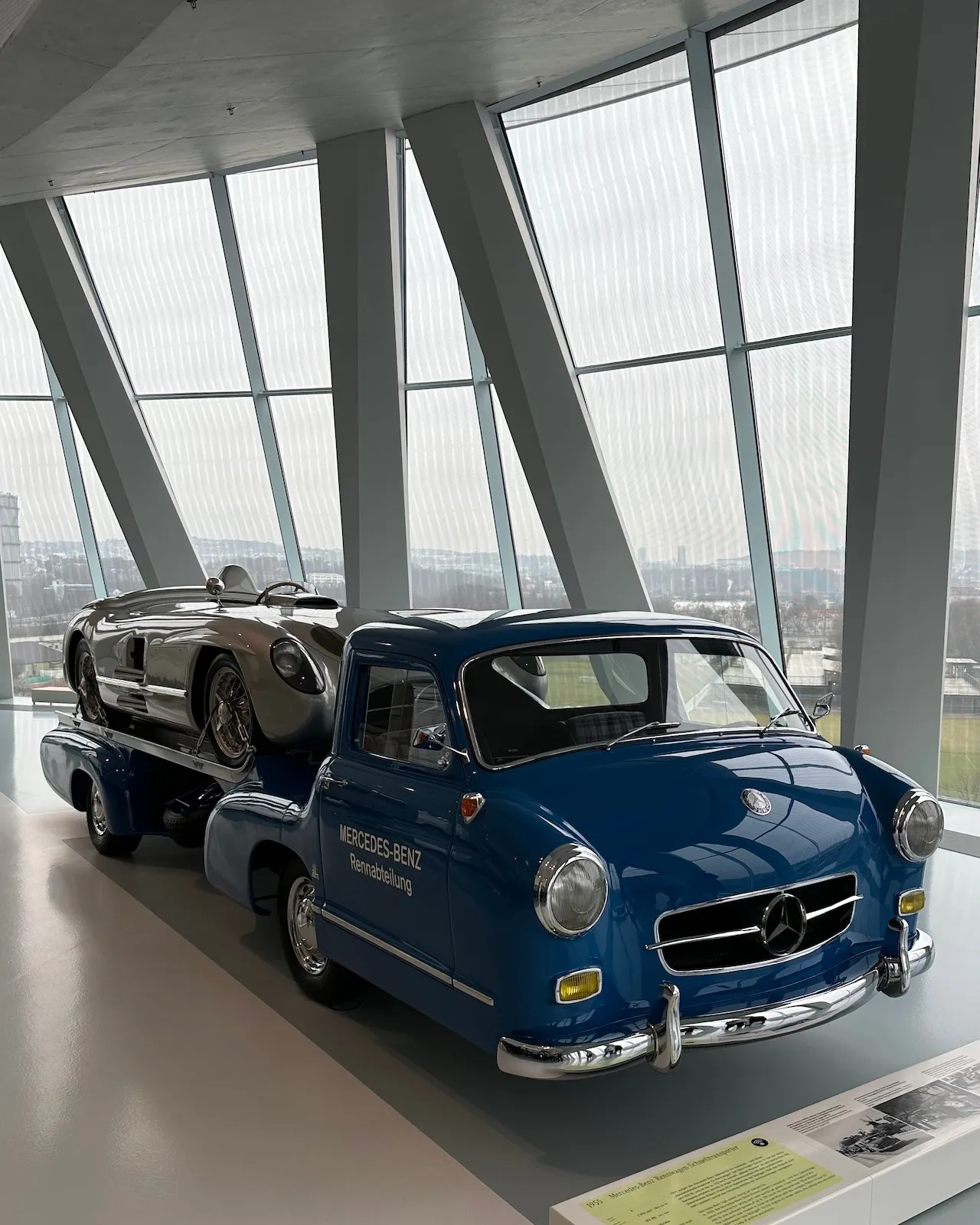
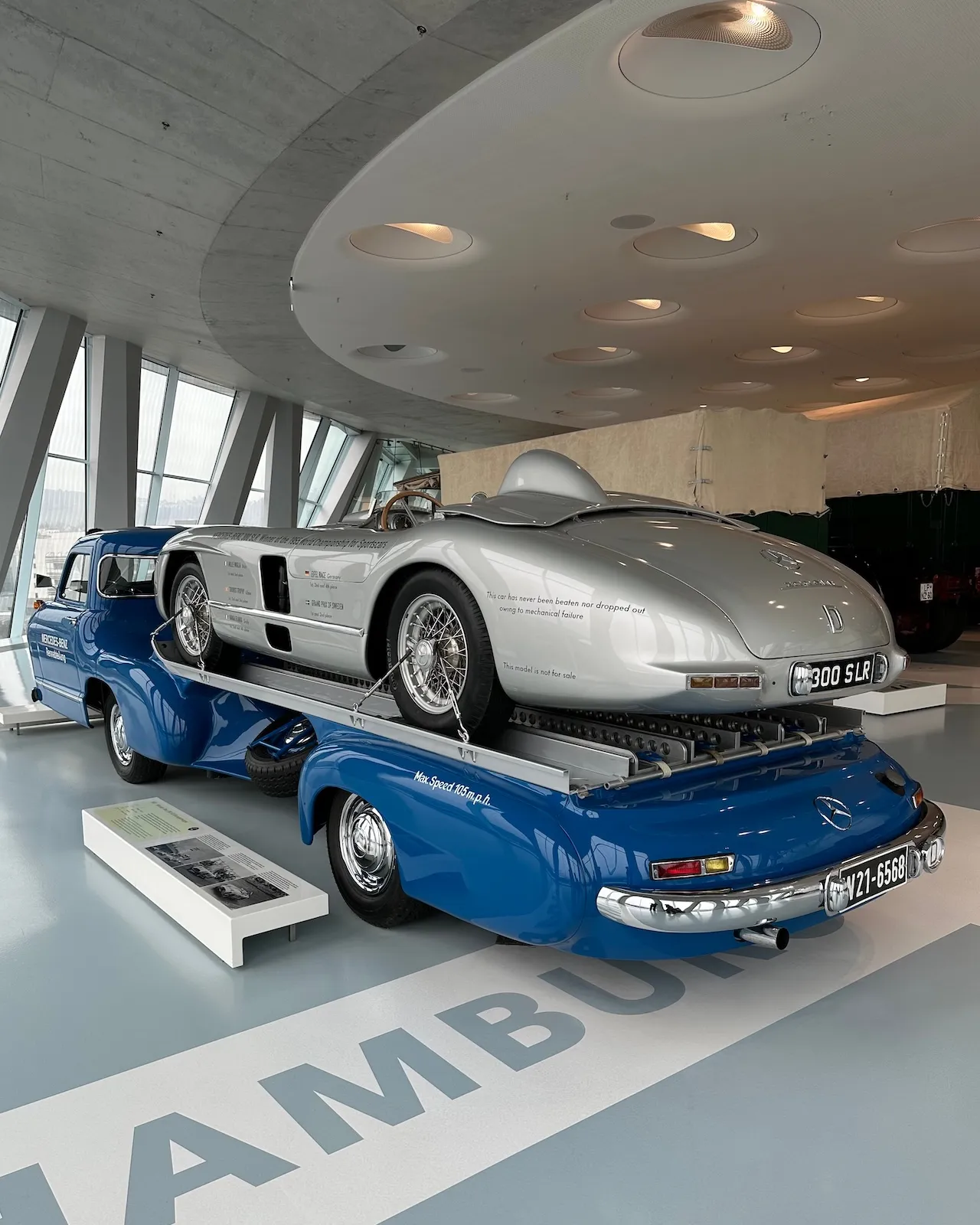
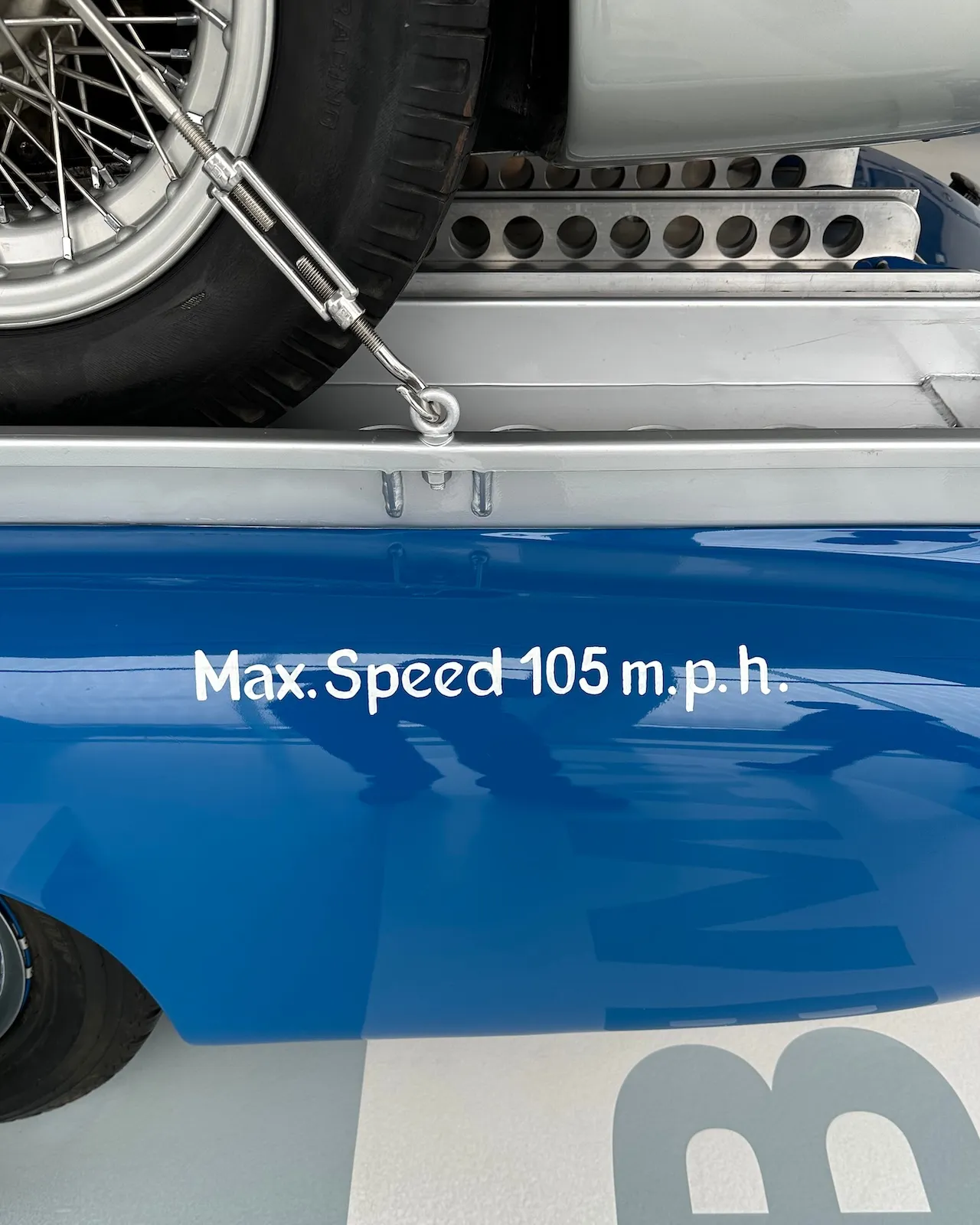
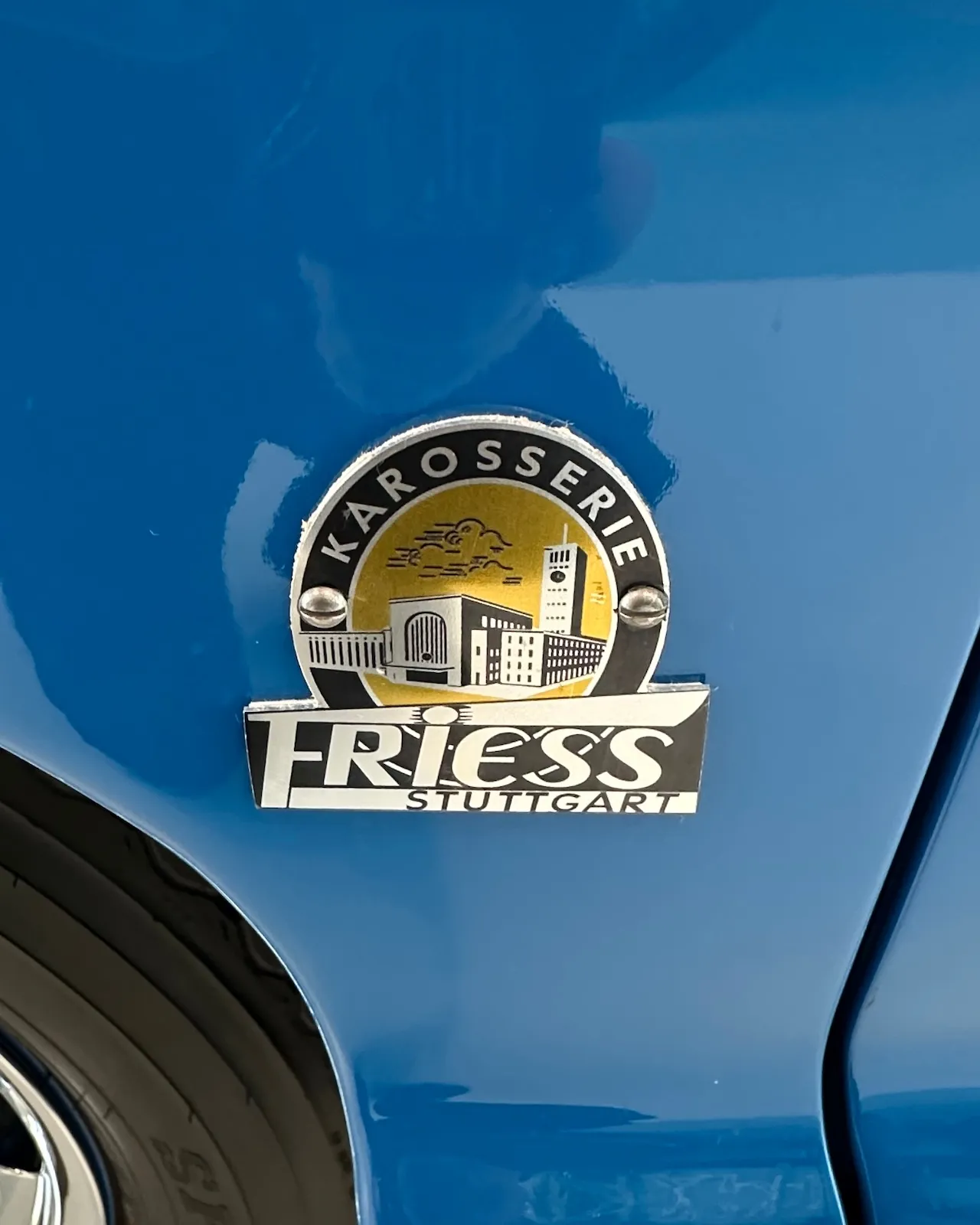
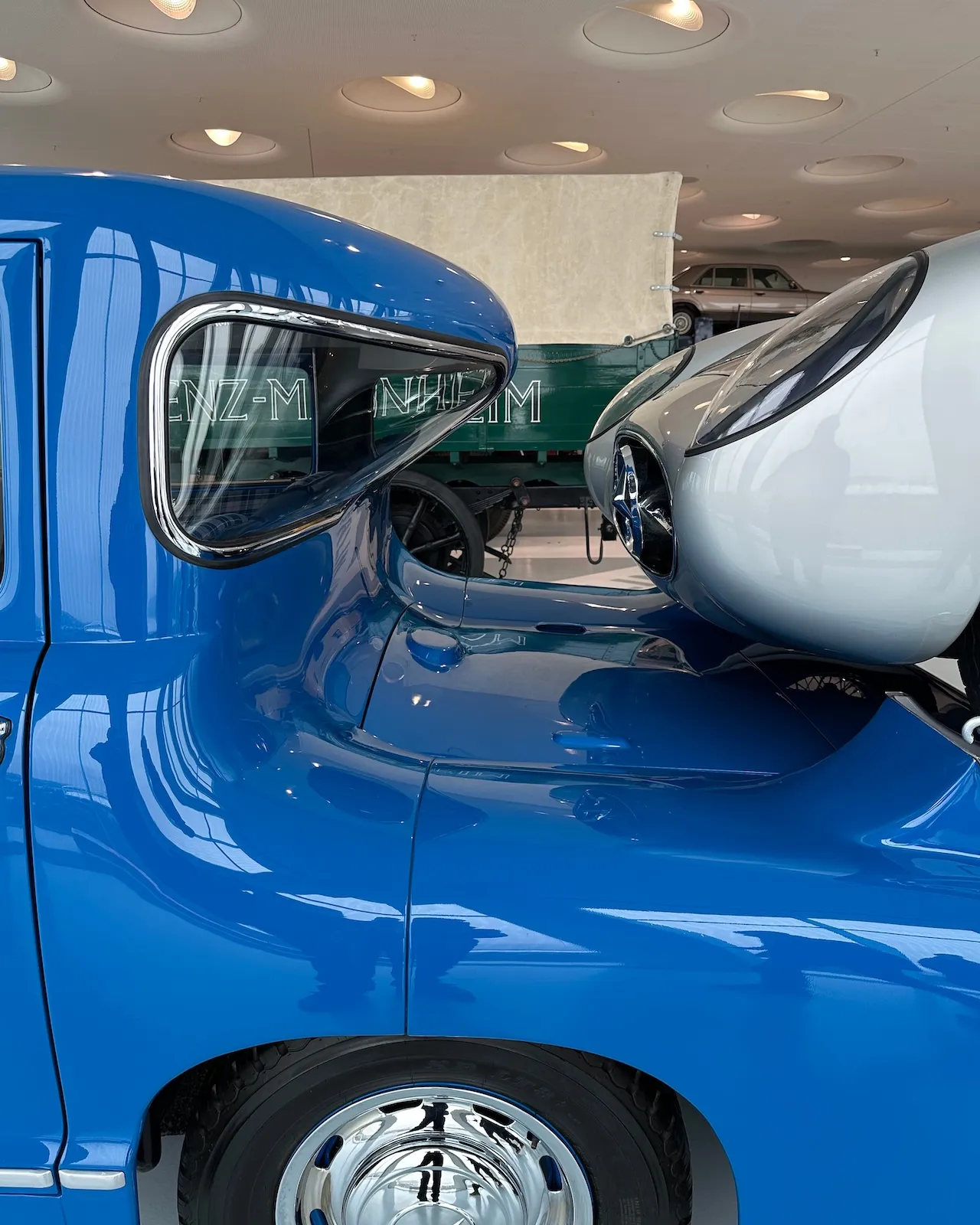
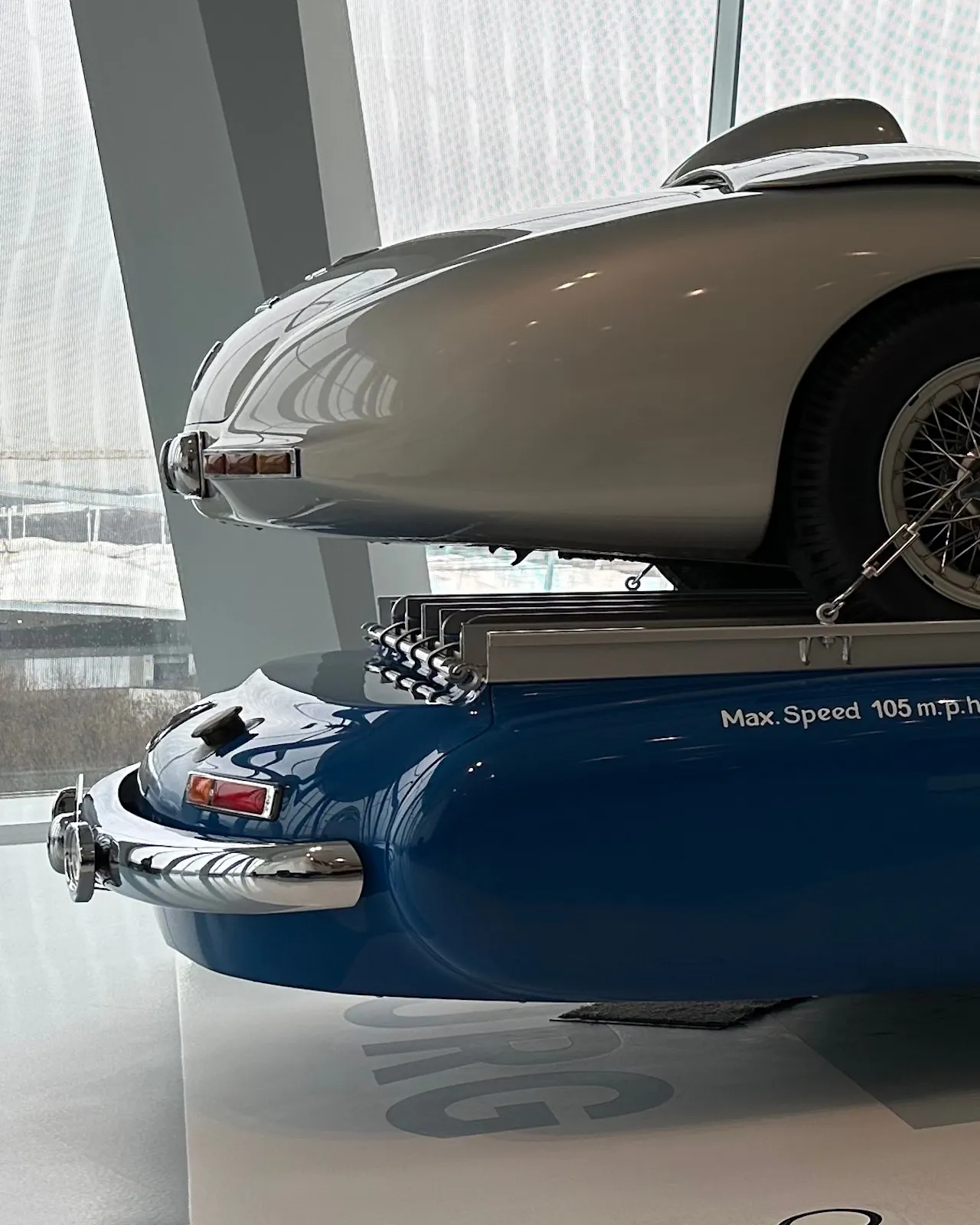
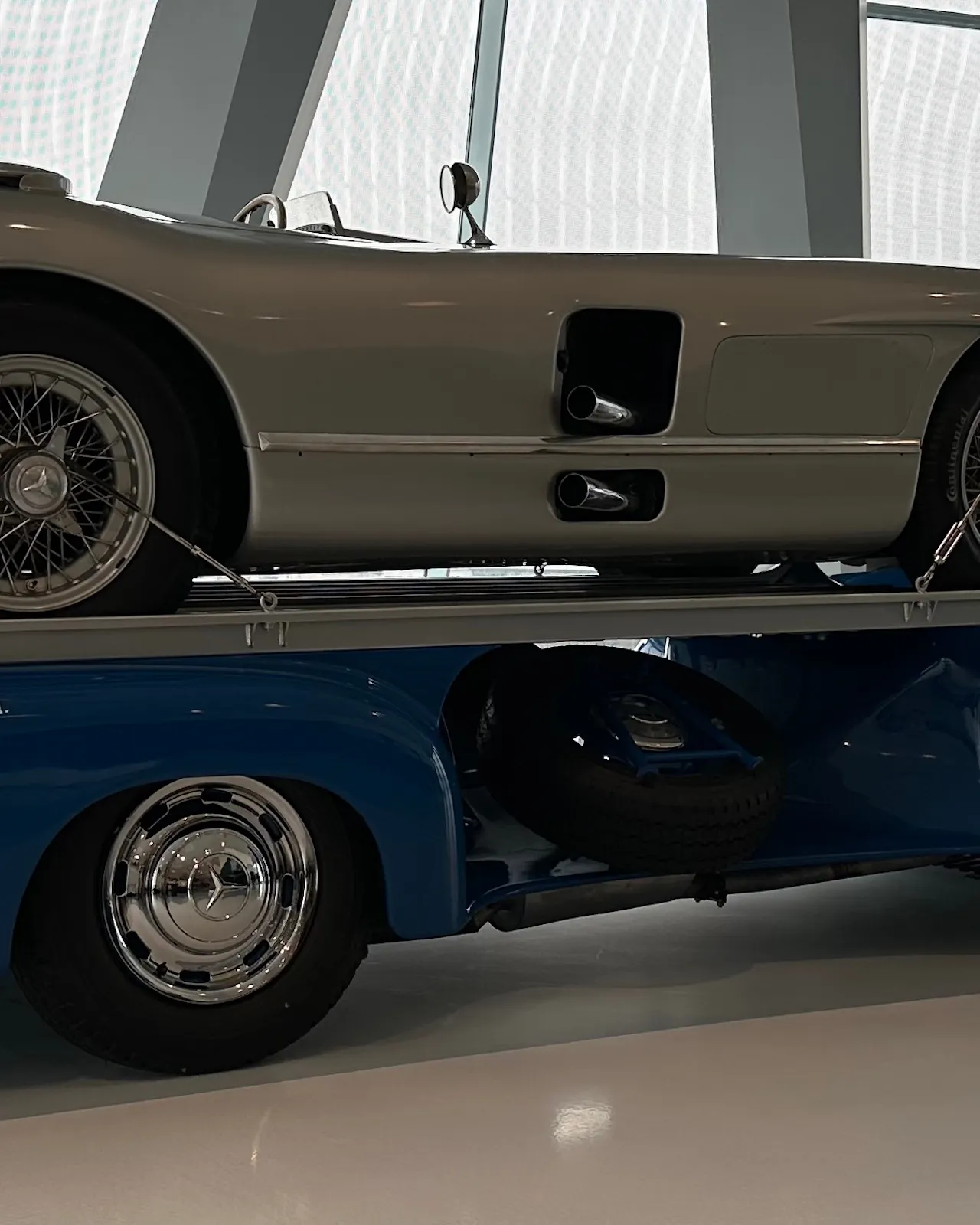
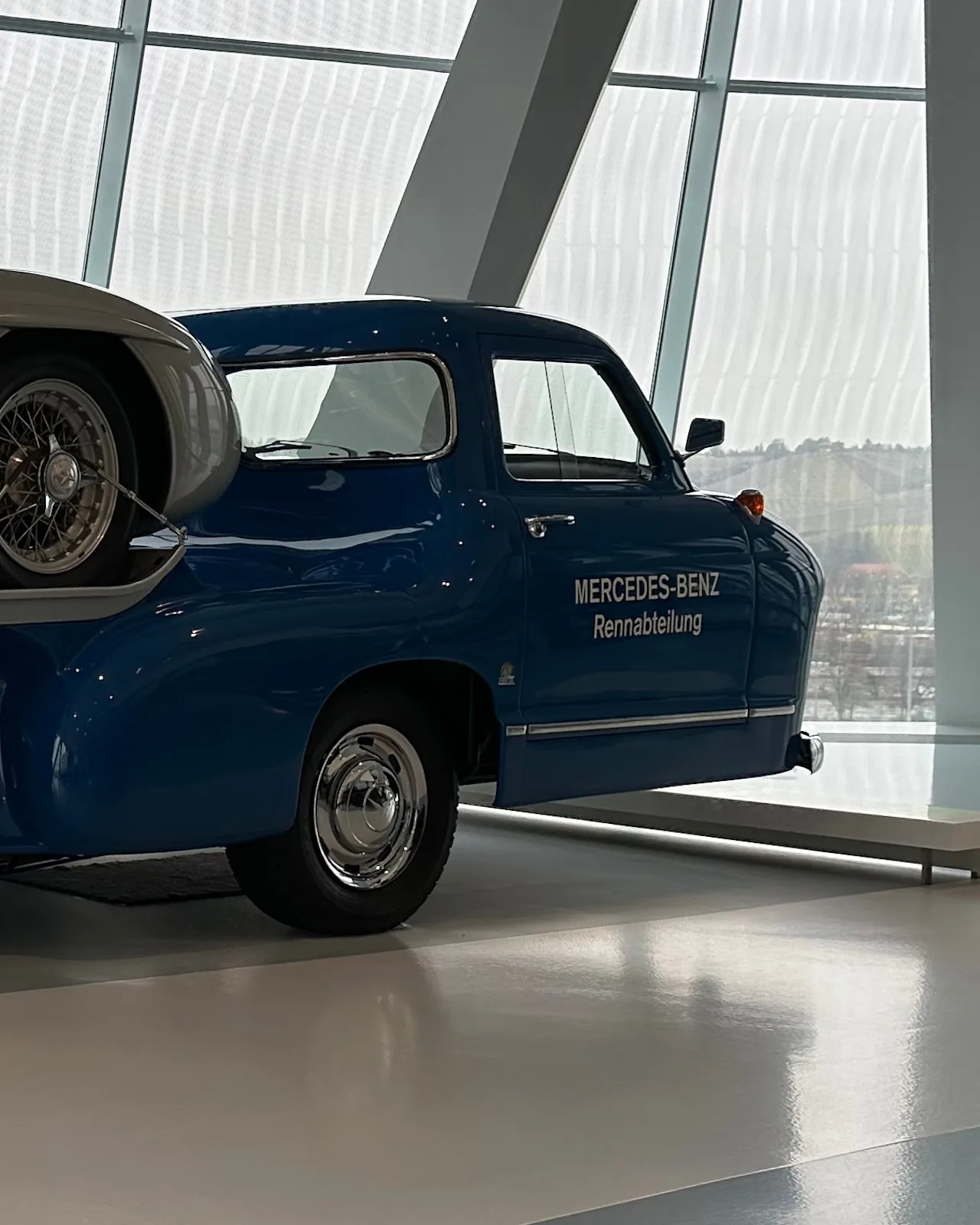
What’s the best transporter for a race car? Another race car. Well… almost. Meet the 1955 Rennwagen Schnelltransporter, a race car in the form of a truck.
This extraordinary machine was powered by an engine derived from the Mercedes-Benz 300 SL and could reach speeds of up to 170 km/h, remarkable performance... for a transporter. Since the original truck no longer exists, this example is a faithful recreation, seen at the excellent Mercedes-Benz Museum in Stuttgart, Germany.
And what does it carry? Nothing less than a Mercedes-Benz 300 SLR racing sports car. This particular car is the first example of its kind to be built. One of its most distinctive features is the air brake, the large metal flap positioned behind the driver’s seat. At high speeds, it would deploy under braking to reduce the load on the drum brakes and improve stability.
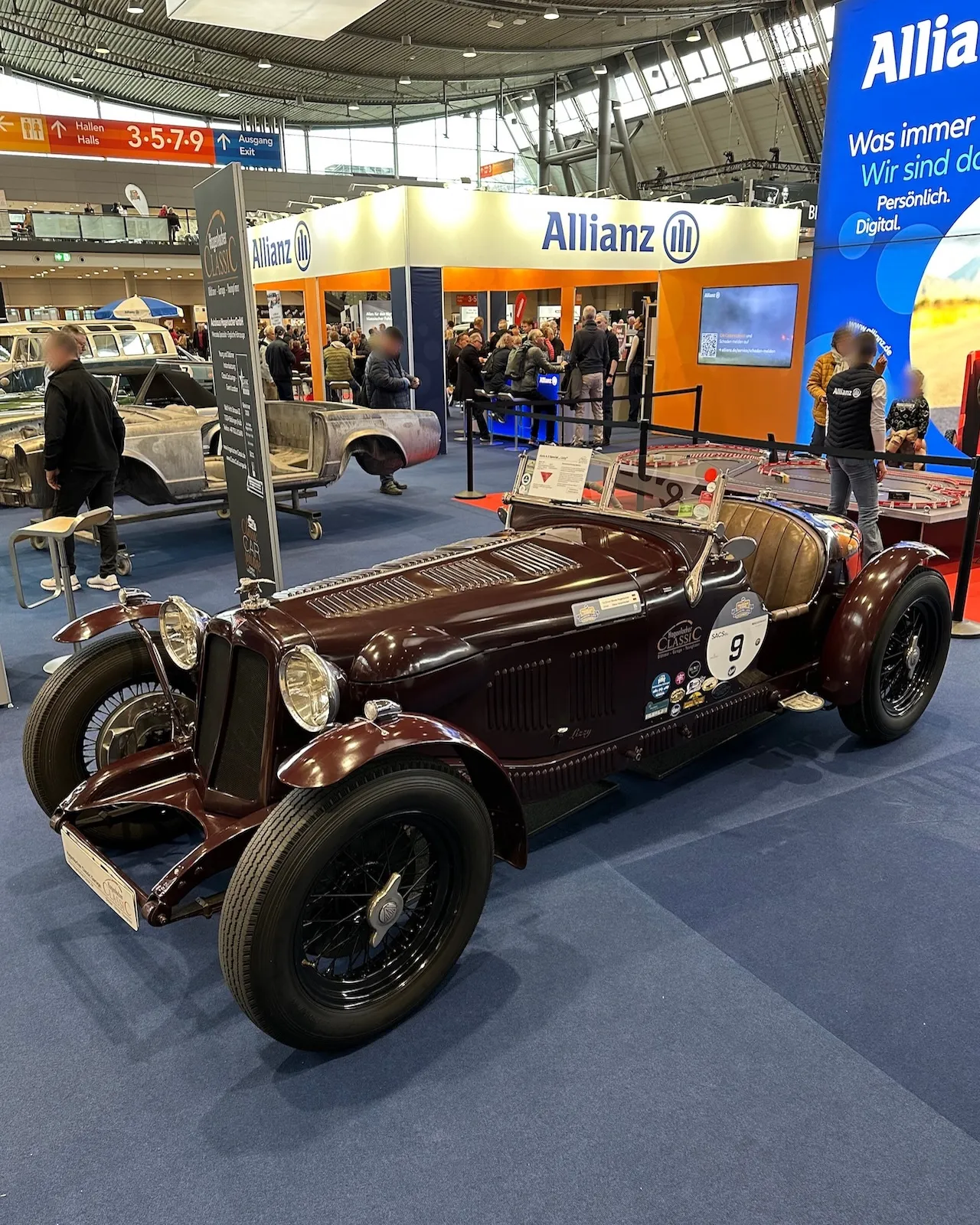
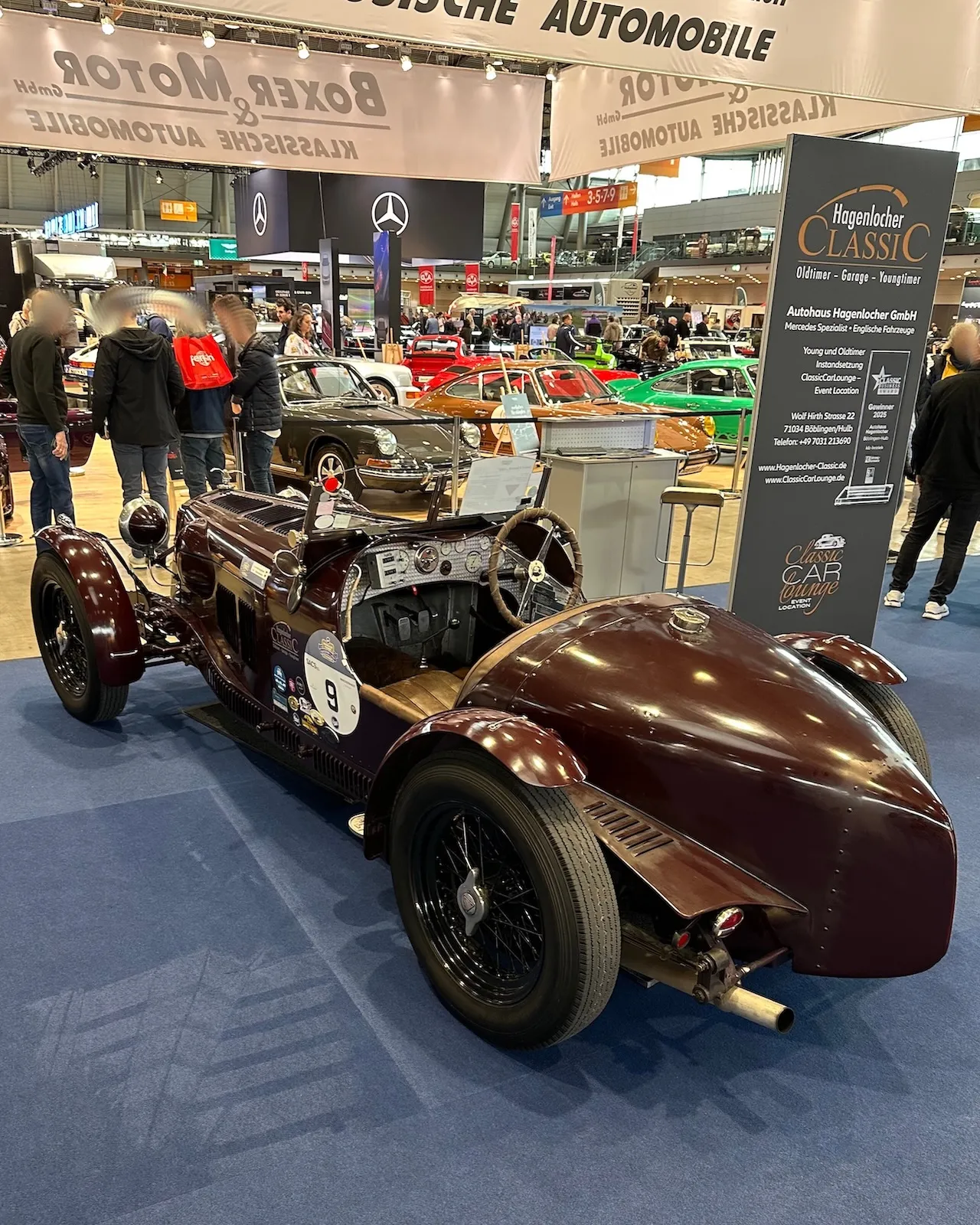
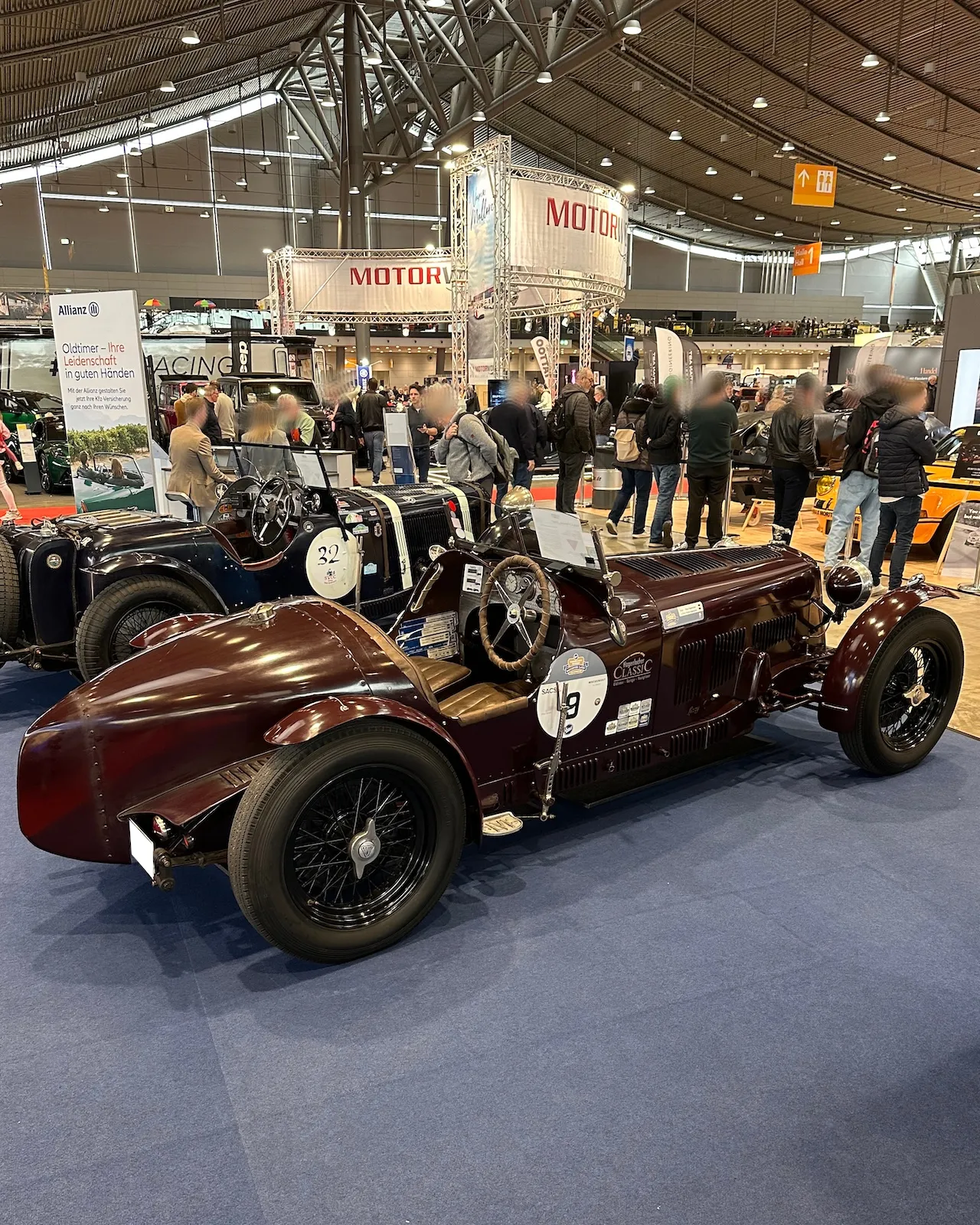
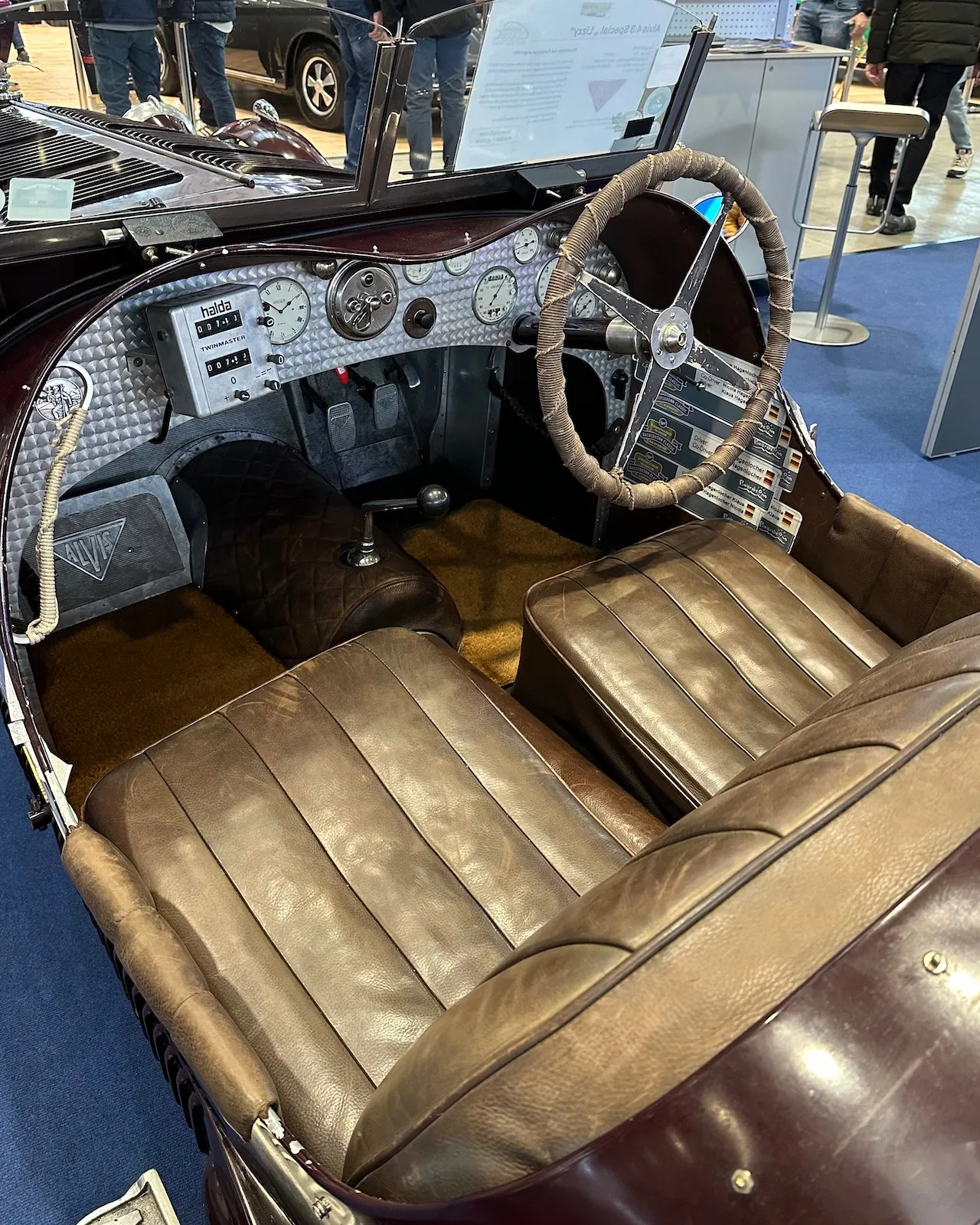
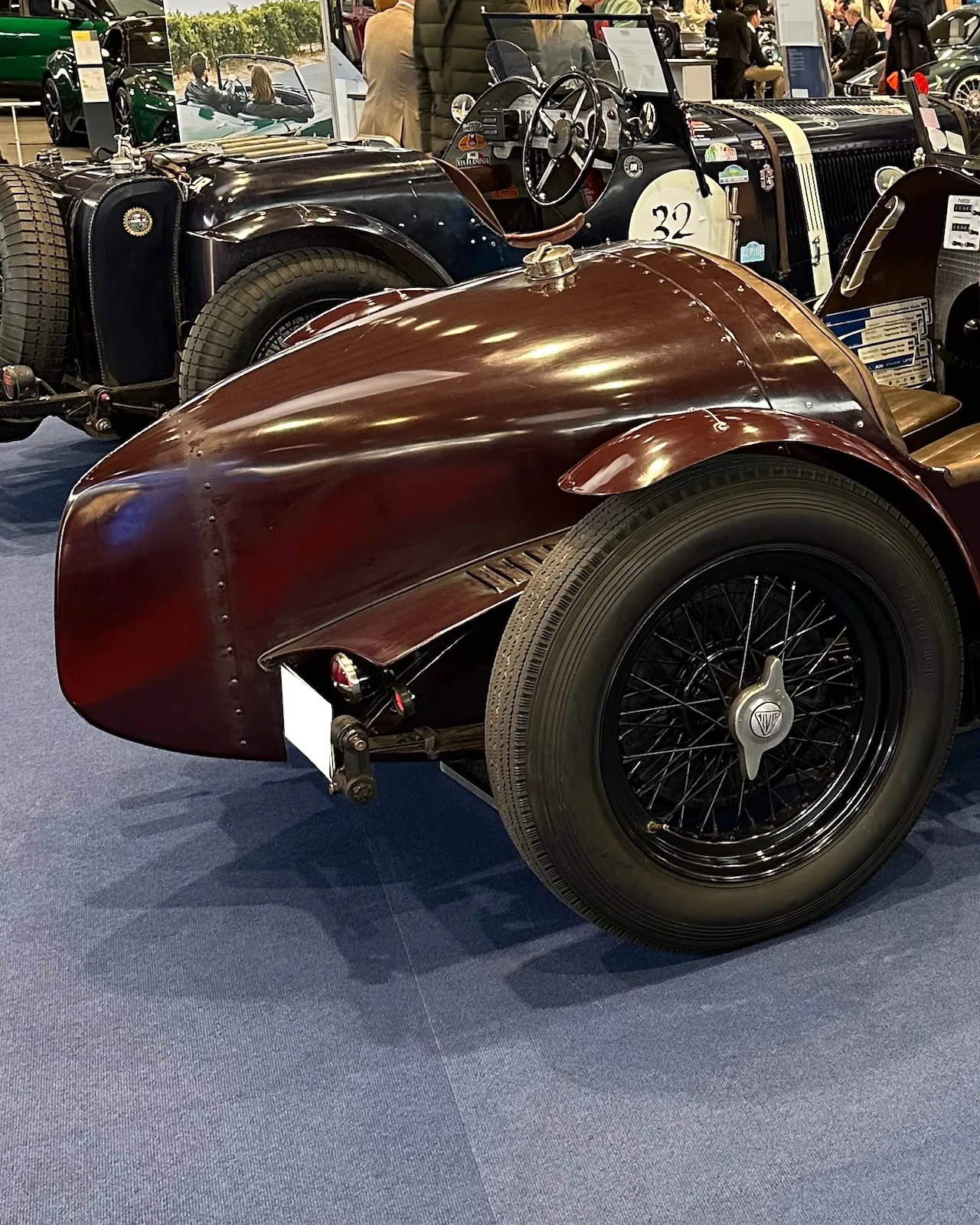
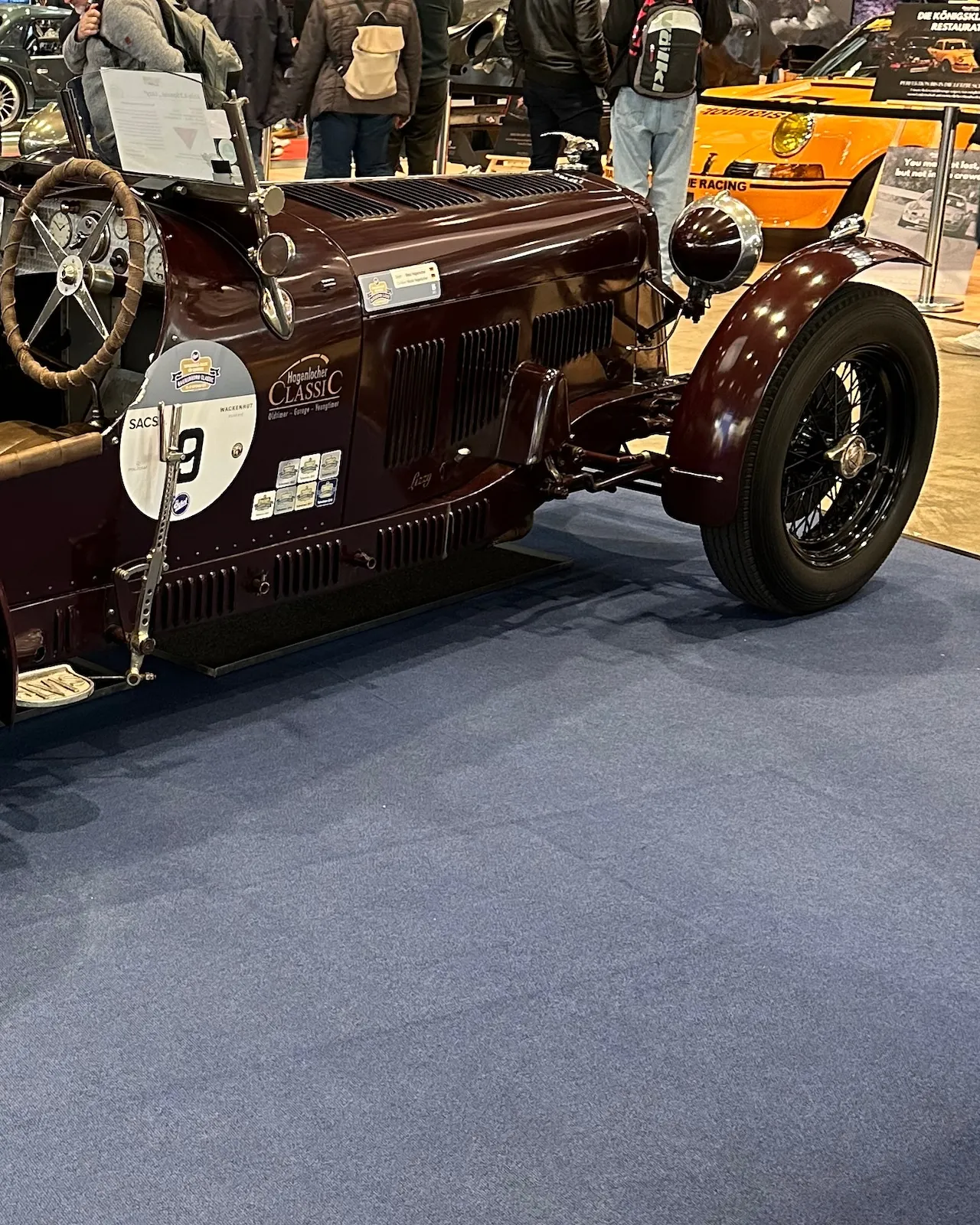
Yes, a Special again, and truly a splendid one. And really, who cares about labels?
The Alvis 4.3 Litre was one of the finest and most distinctive performance cars of the 1930s. The example shown here, seen at Retro Classics Stuttgart, is a remarkable Special built in England on a shortened Alvis Firefly chassis. It is powered by the legendary 4.3-litre straight-six engine, tuned to produce approximately 200 horsepower.
With its lightweight aluminum body and carefully selected Alvis components, this car achieves a thrilling combination: compact dimensions paired with formidable power. The result is a machine that perfectly captures the raw, mechanical spirit of pre-war performance motoring.
Special? Absolutely. Splendid? Without question. Now imagine it with the sound on.
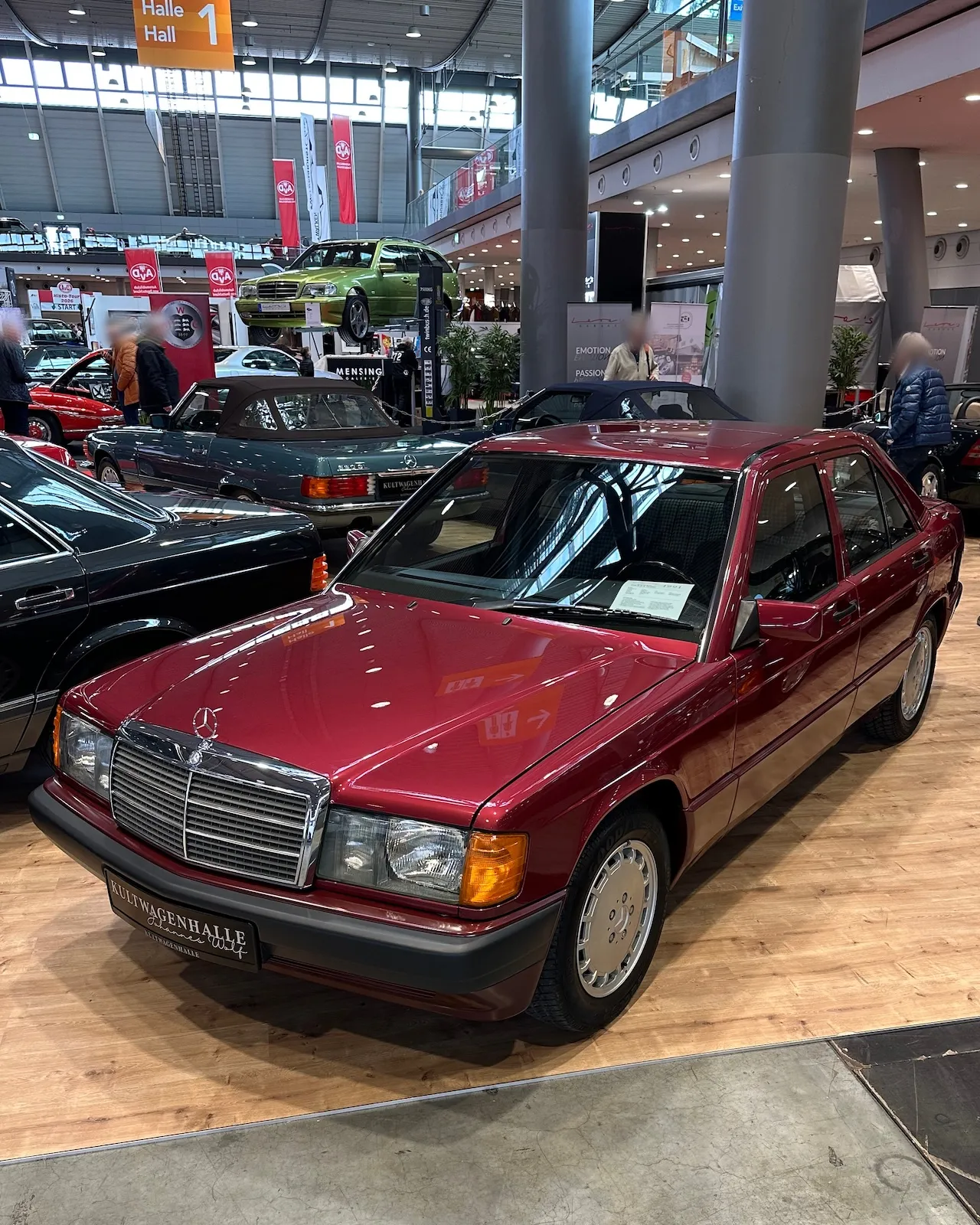
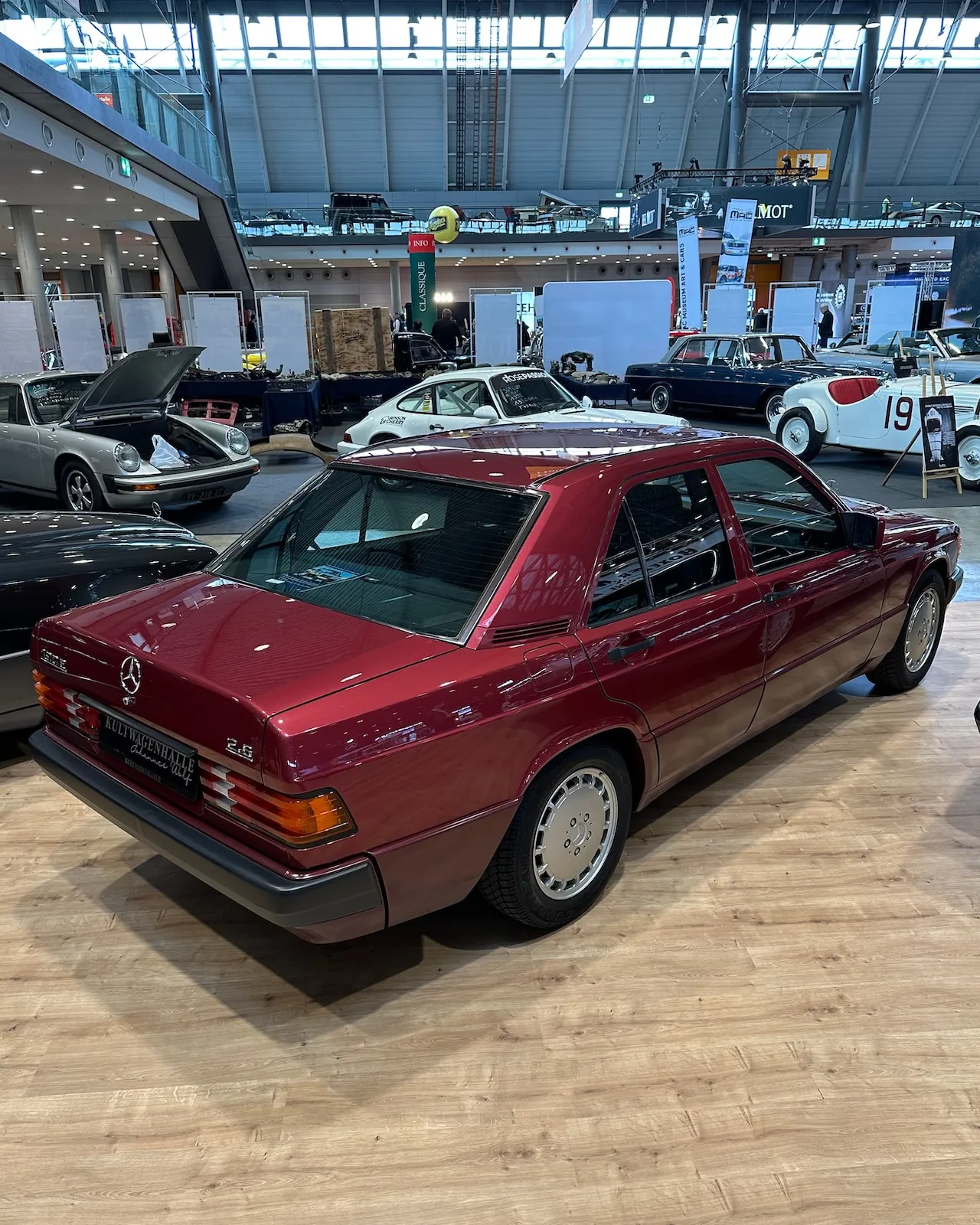
Another kind of rarity: a 1991 Mercedes-Benz 190E 2.6… with a manual gearbox. Nothing crazy, but a hell of a car for those who have class and don't want to show off.
This version paired the most powerful engine available in the standard range (excluding the 16V variants) with a manual transmission, i.e. a rare combination in the early-1990s baby Benz.
Some argue that Mercedes manual gearboxes of that era weren’t the best — long throws, not the quickest shifts — and would recommend the automatic instead. But there’s something special about having full control of the 2.6-liter straight-six.
The asking price at Retro Classics was EUR 24'500. Not cheap. But the car was beautiful and generously equipped with options. So… would you buy it?
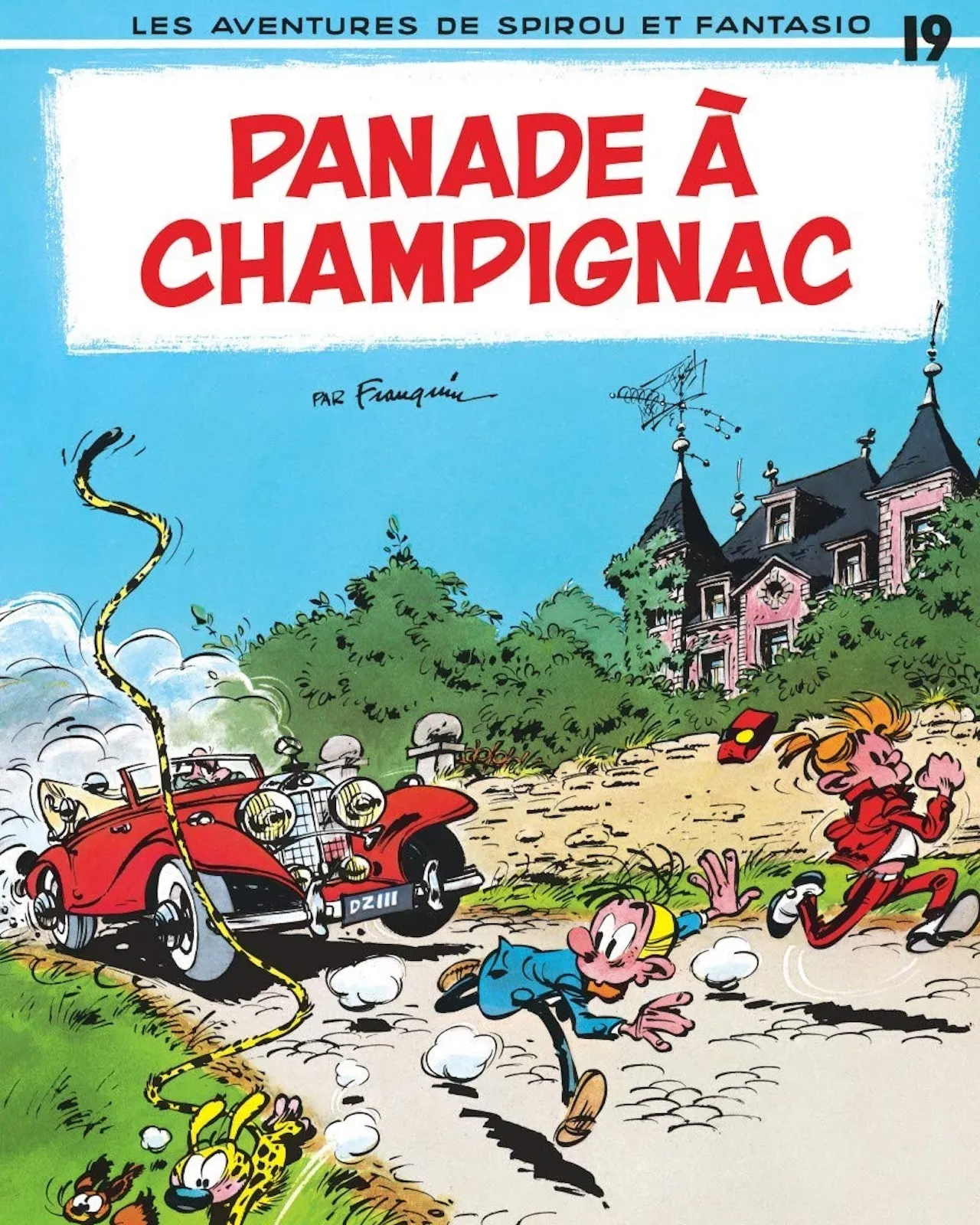
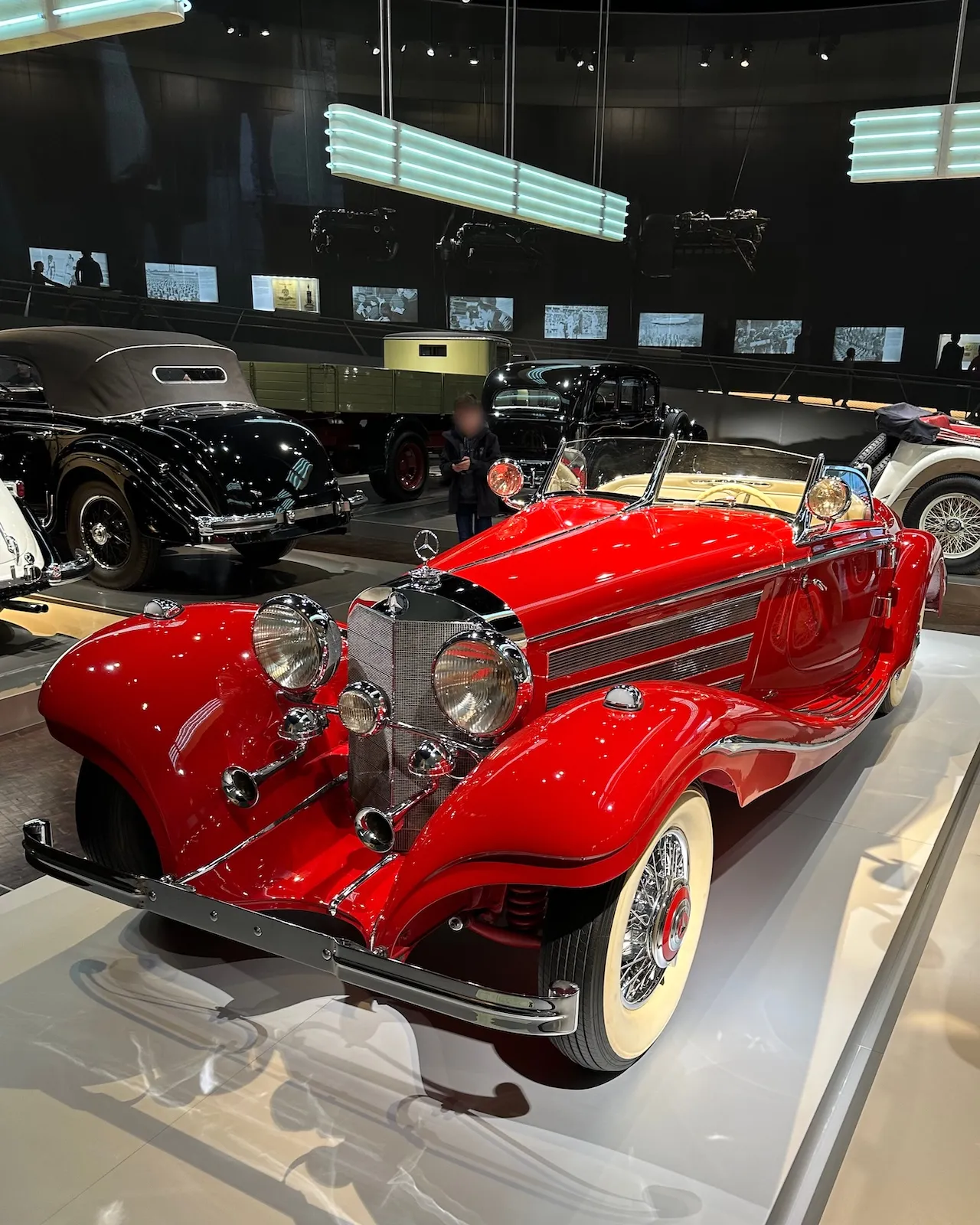
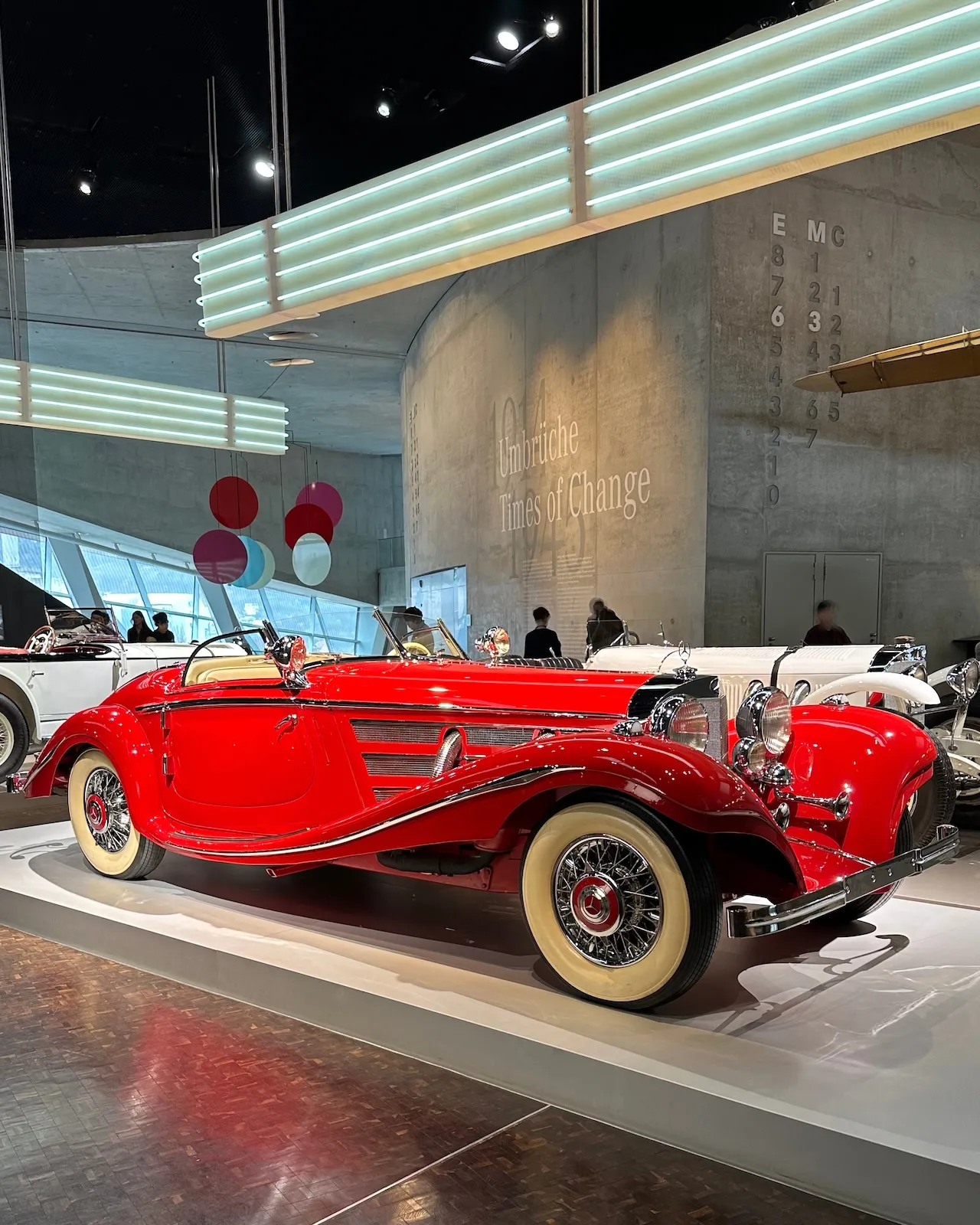
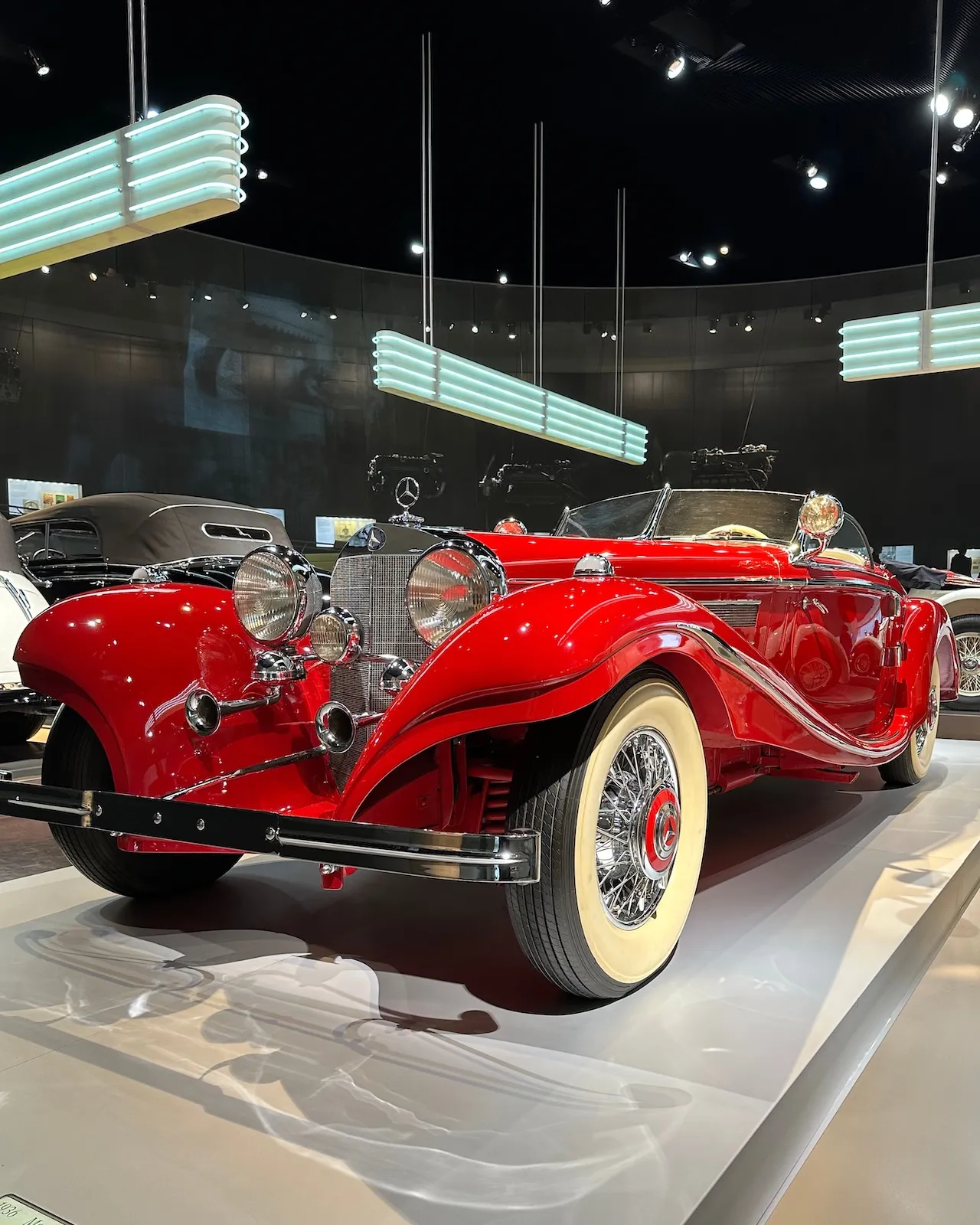
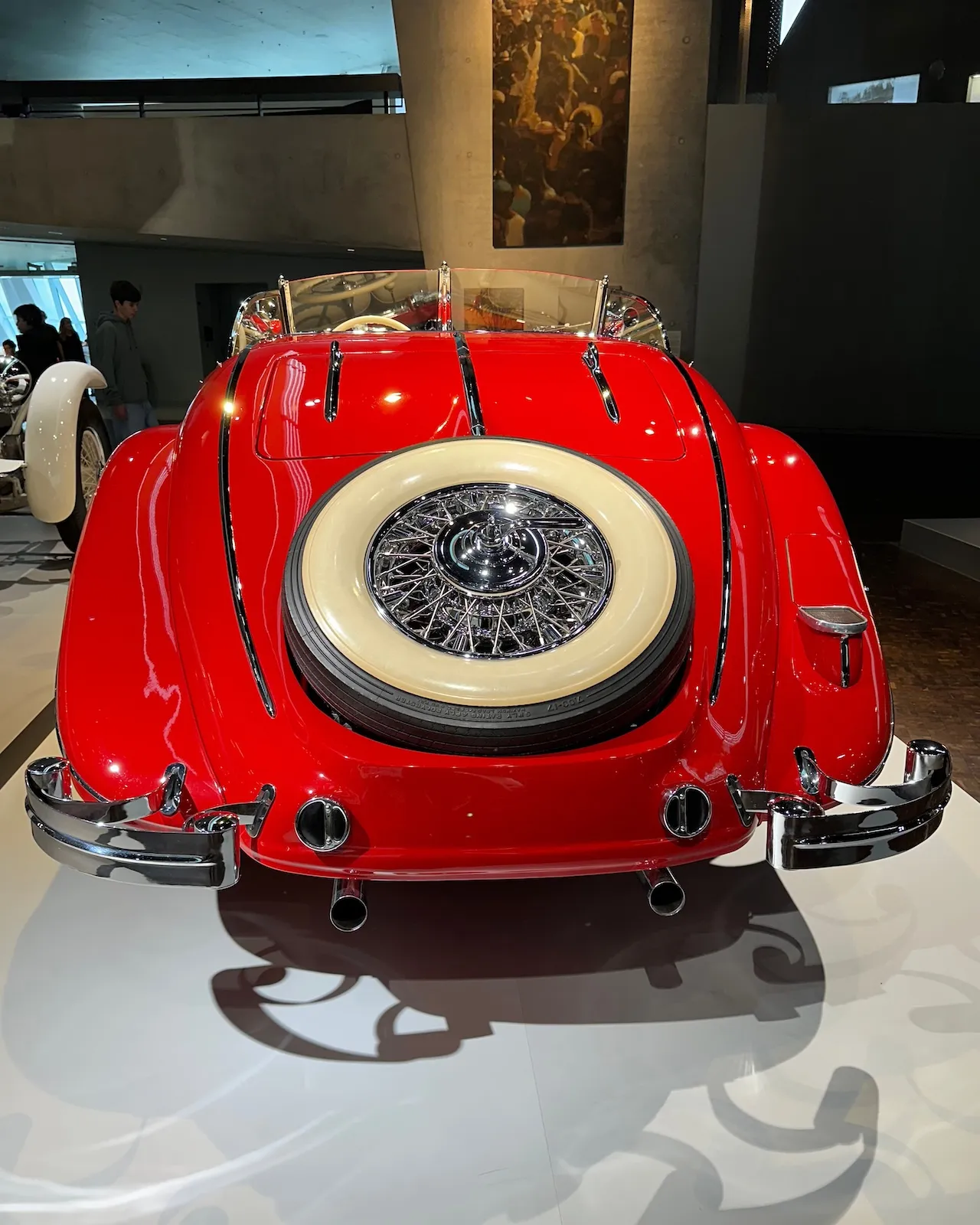
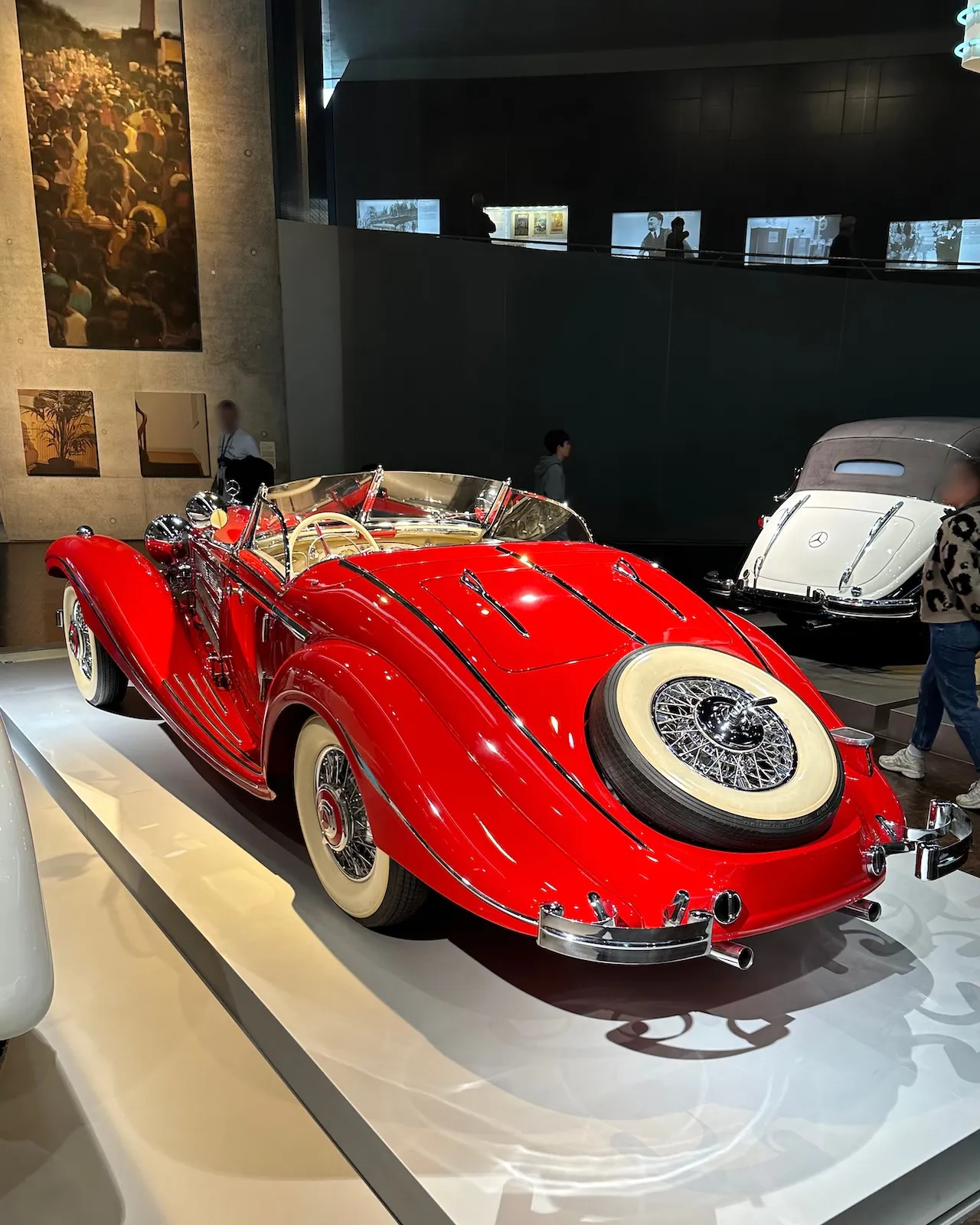
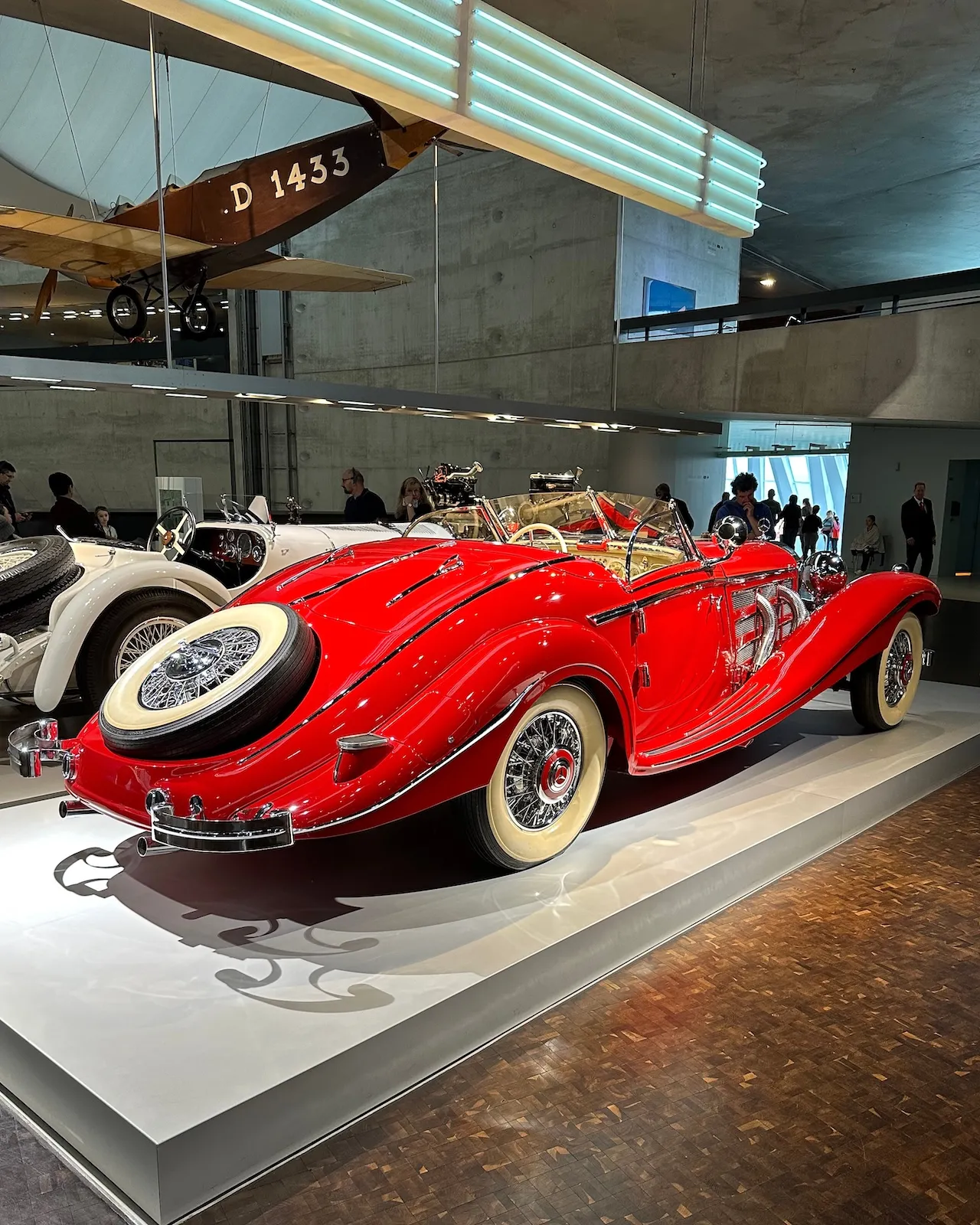
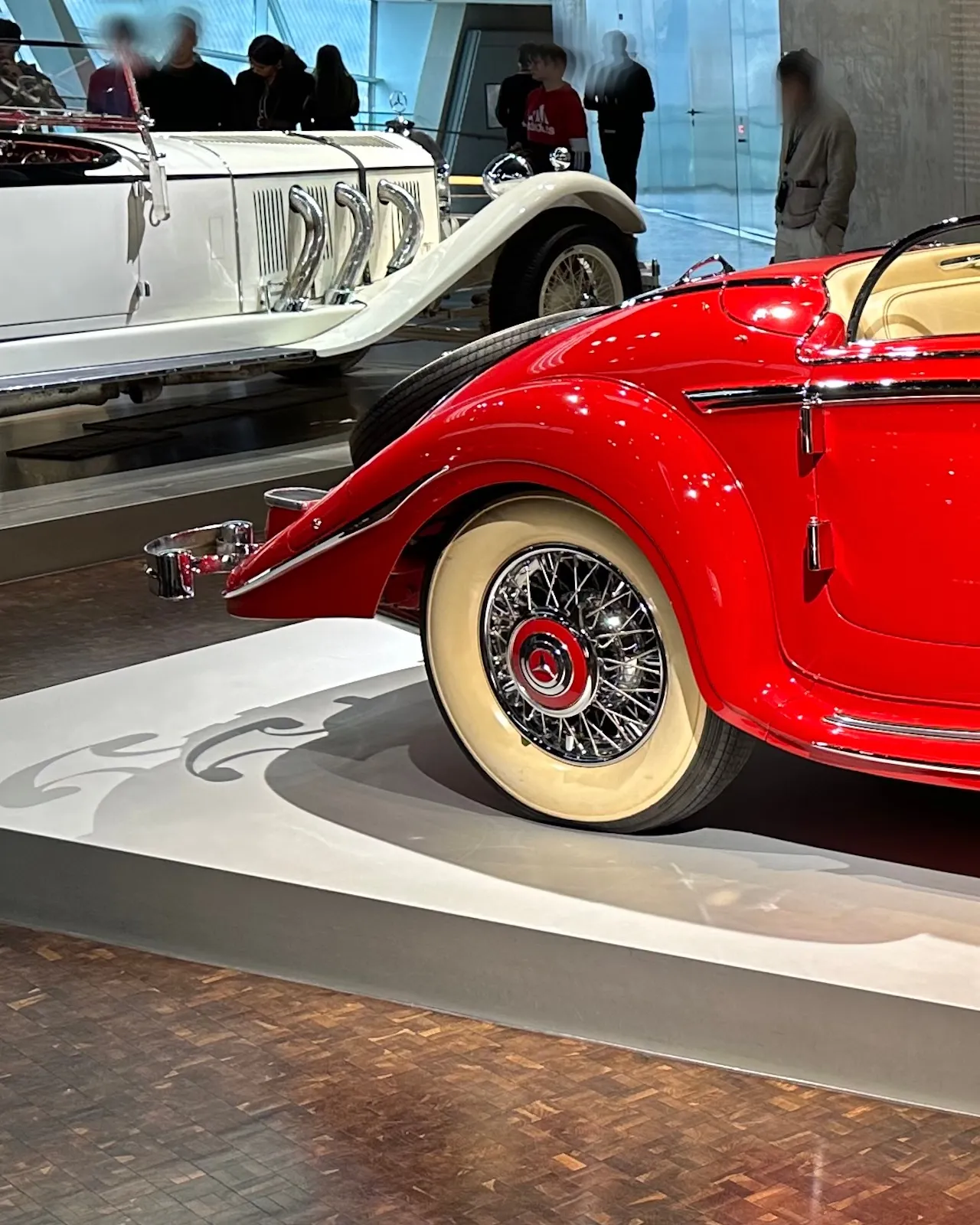
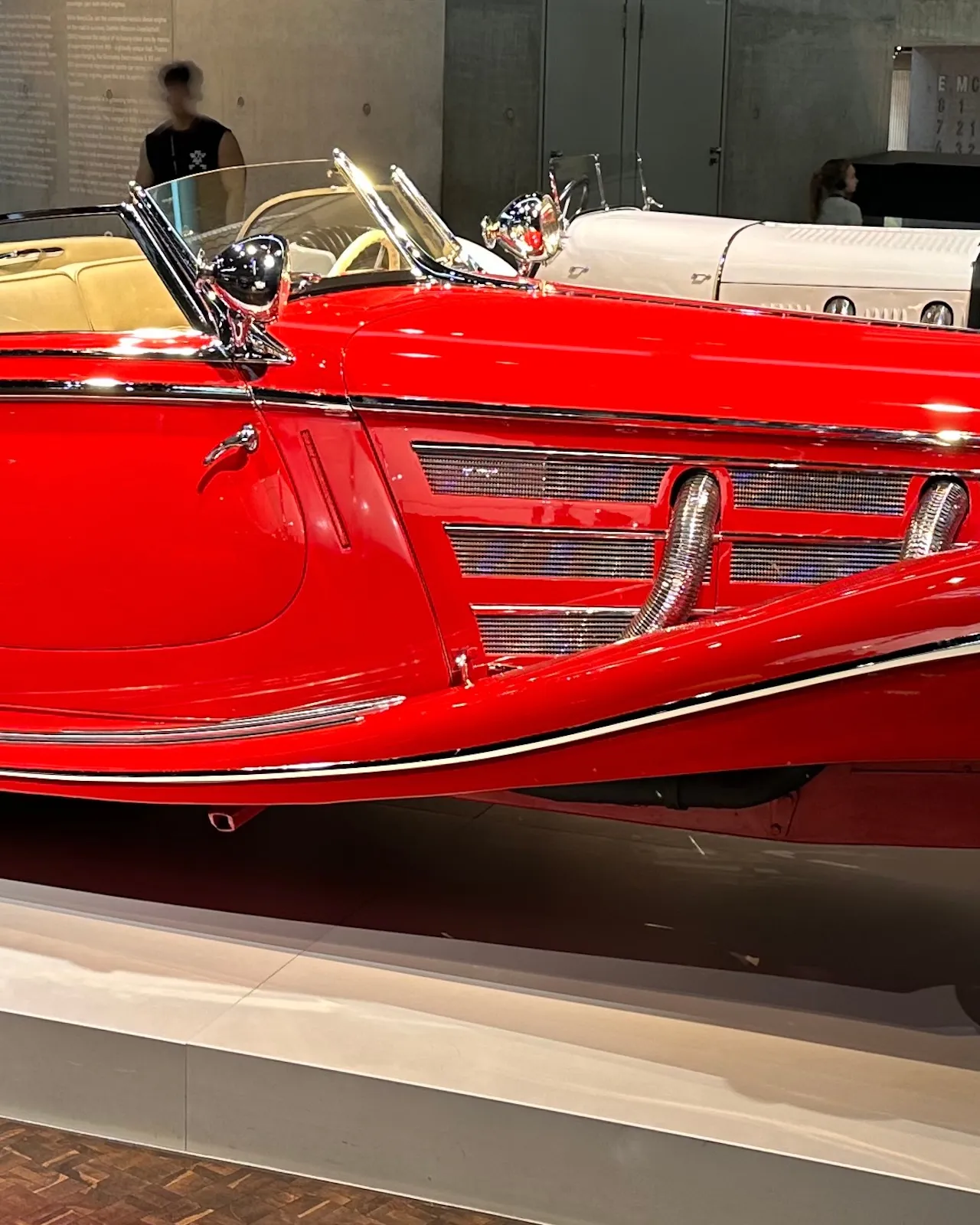
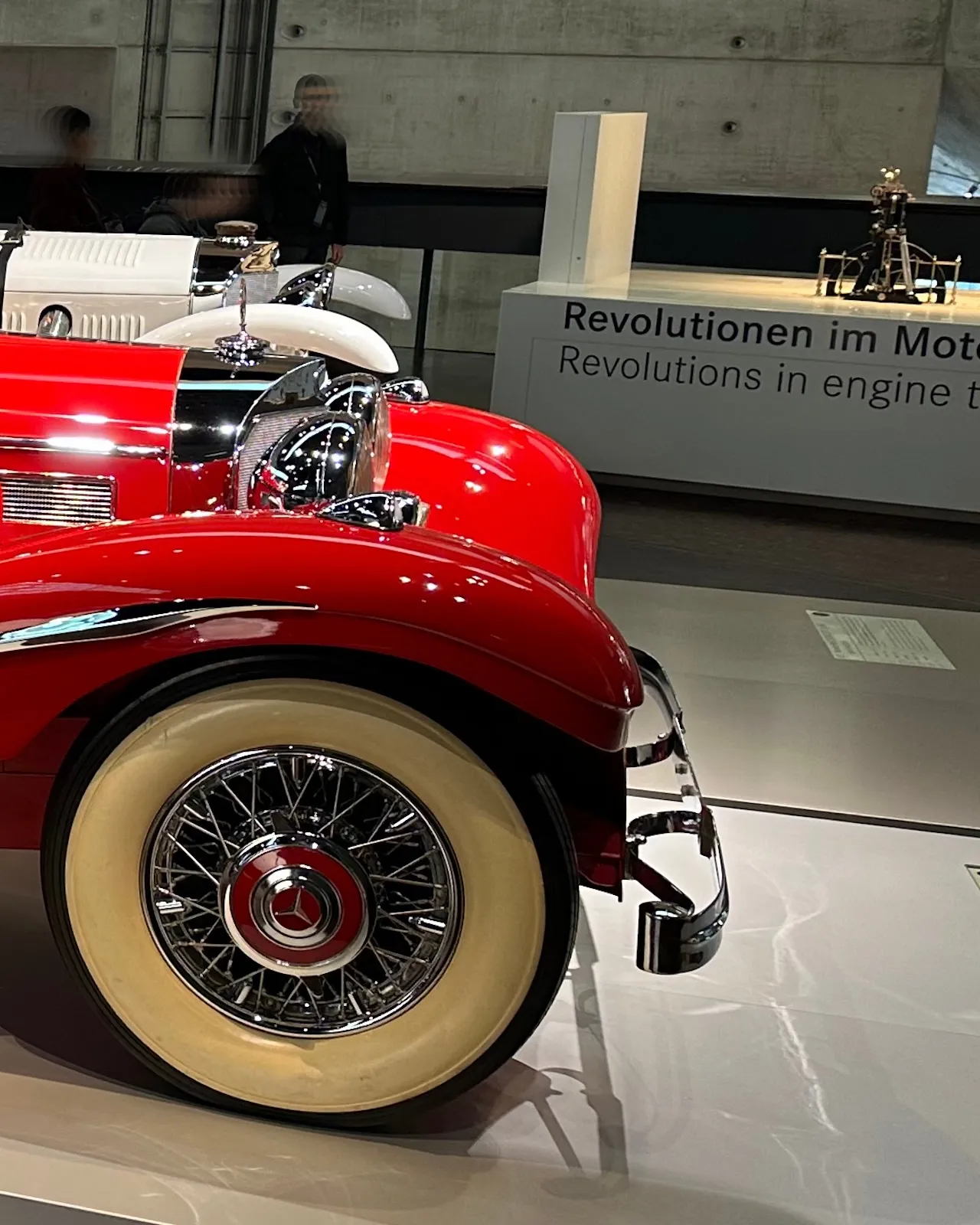
If you read comics, this post is for you.
In a Spirou et Fantasio story, Comte de Champignac drives a 1939 540K. The photos shown here, however, feature a 1936 500K Special Roadster (W29) seen at the Mercedes-Benz Museum. The car immediately brings to mind the world of Spirou.
The Mercedes-Benz 500K was the automobile of the rich and glamorous. In the 1930s, it stood as the brand’s showpiece. Of the eight different body styles available for the 500K, the Special Roadster was the most striking, the most refined, and… the most expensive. At the time, its price was nearly twice the cost of a modest family home in Germany.
Enjoy the pictures, and perhaps revisit Panade à Champignac (Babysitting in Champignac).
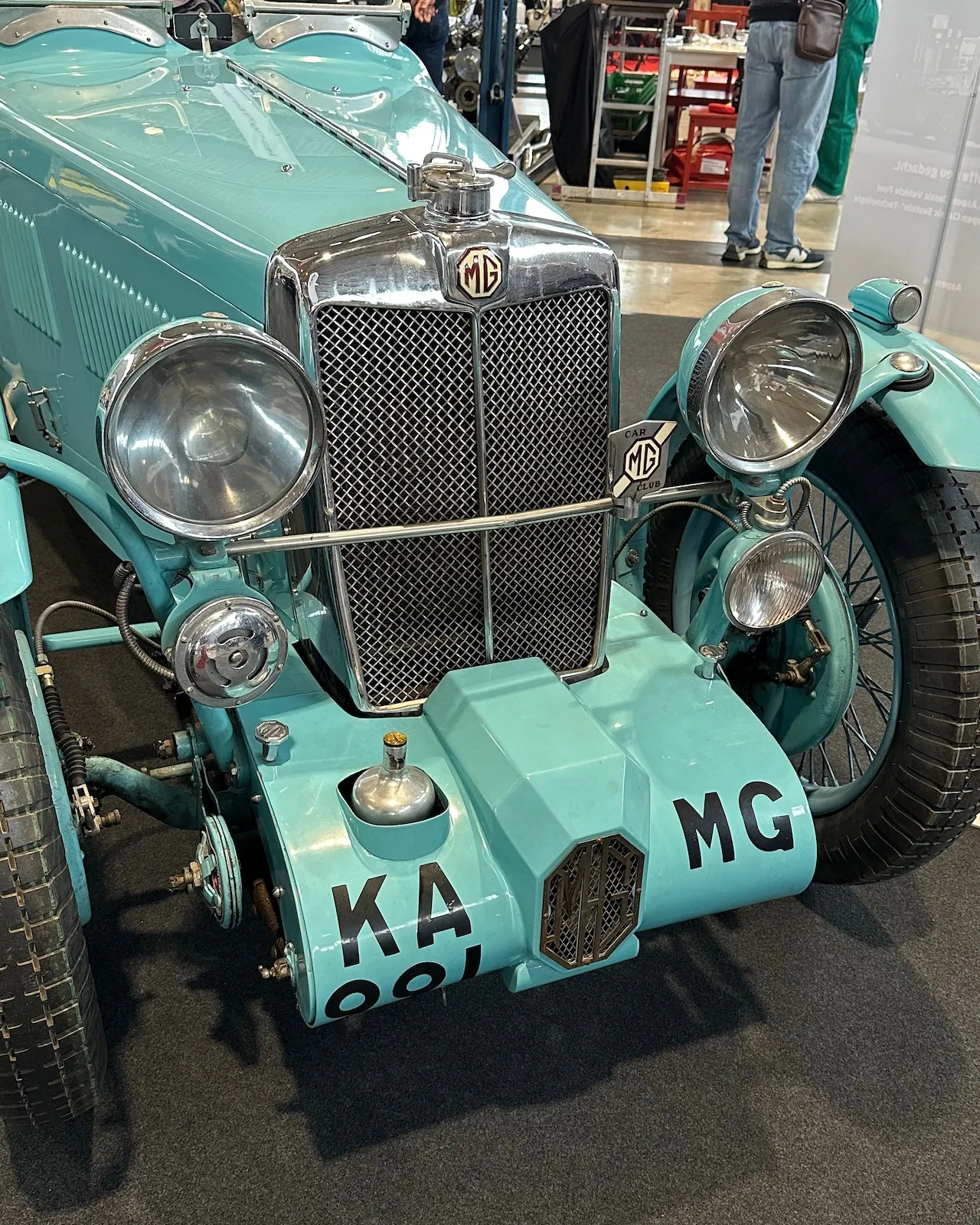
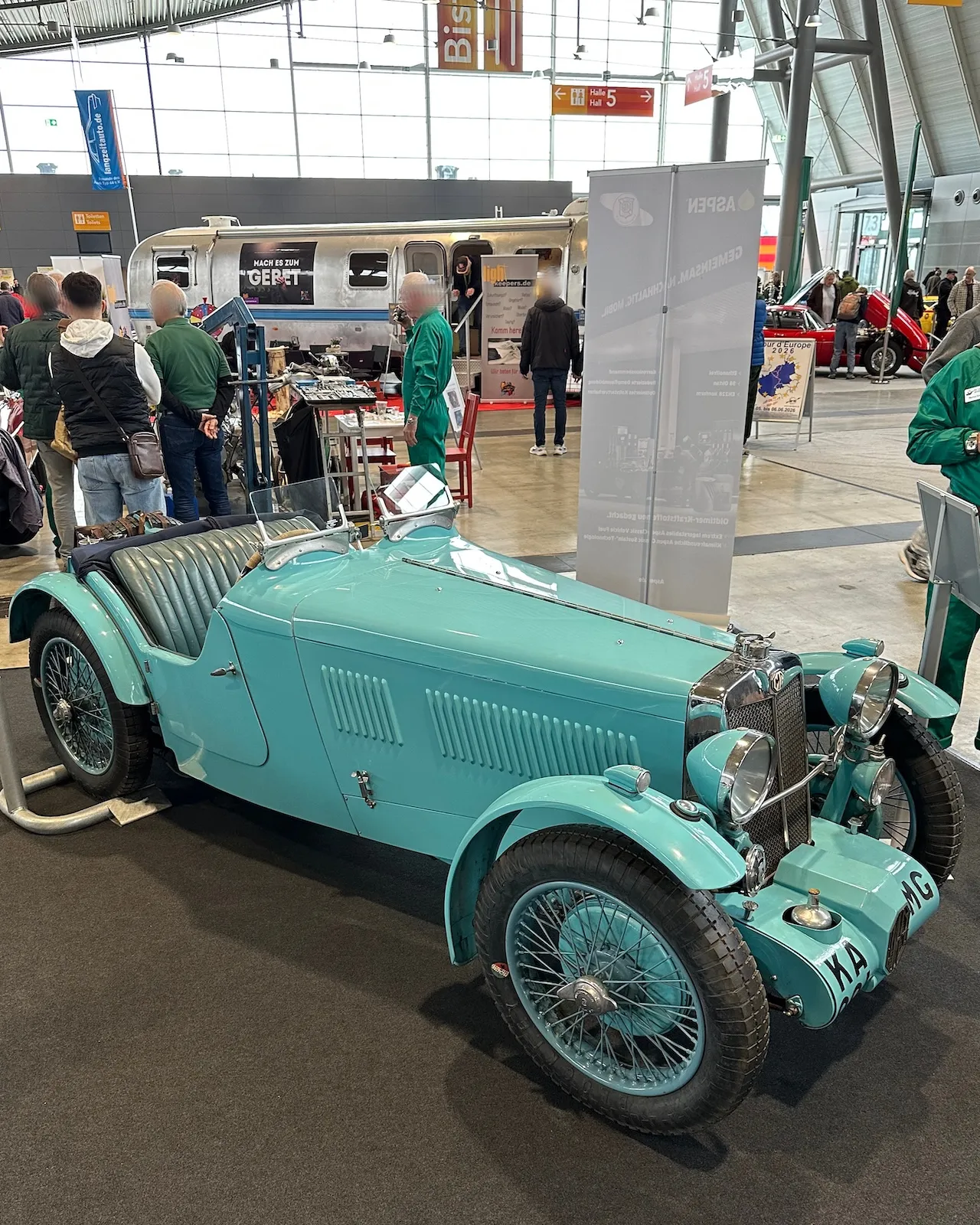
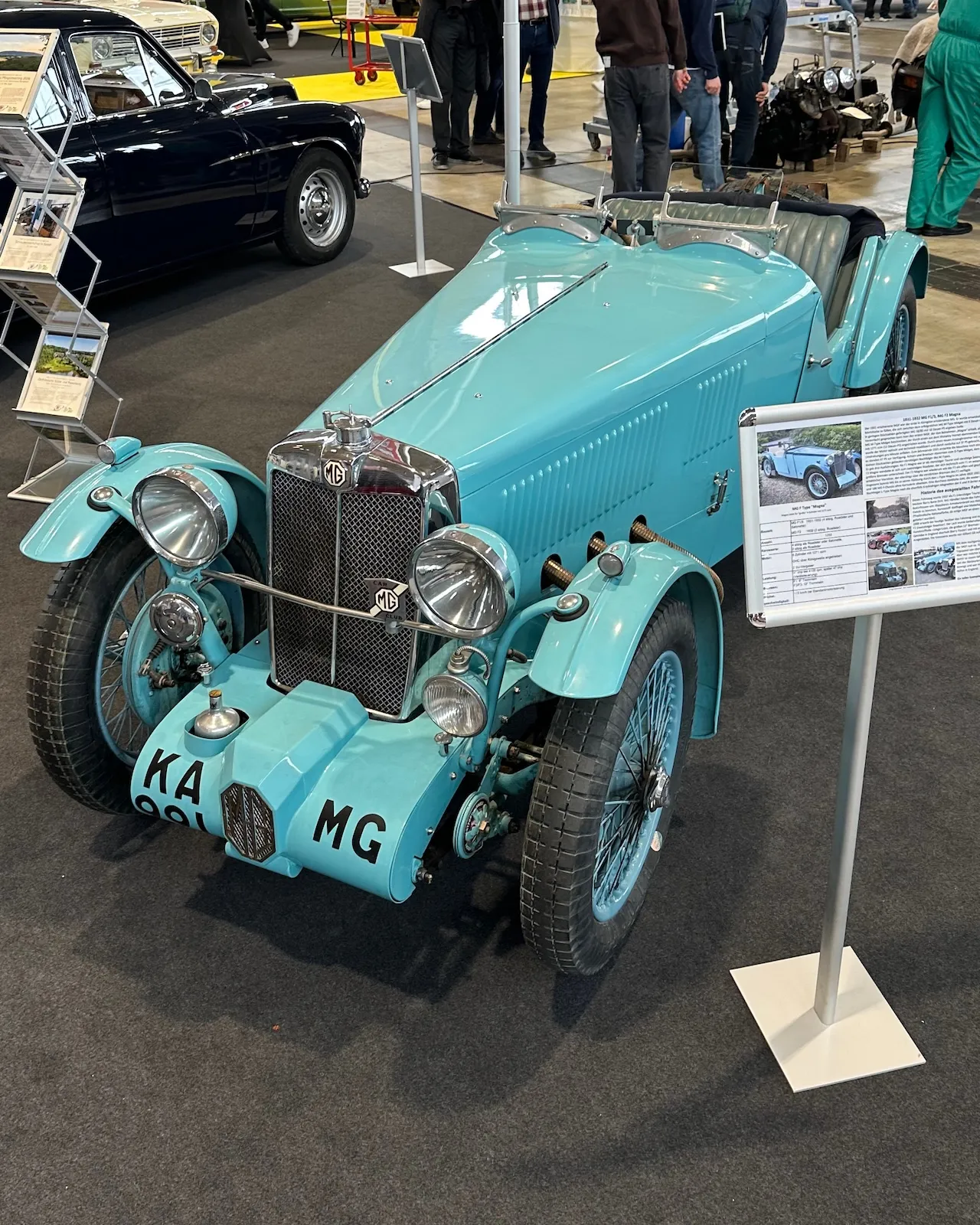
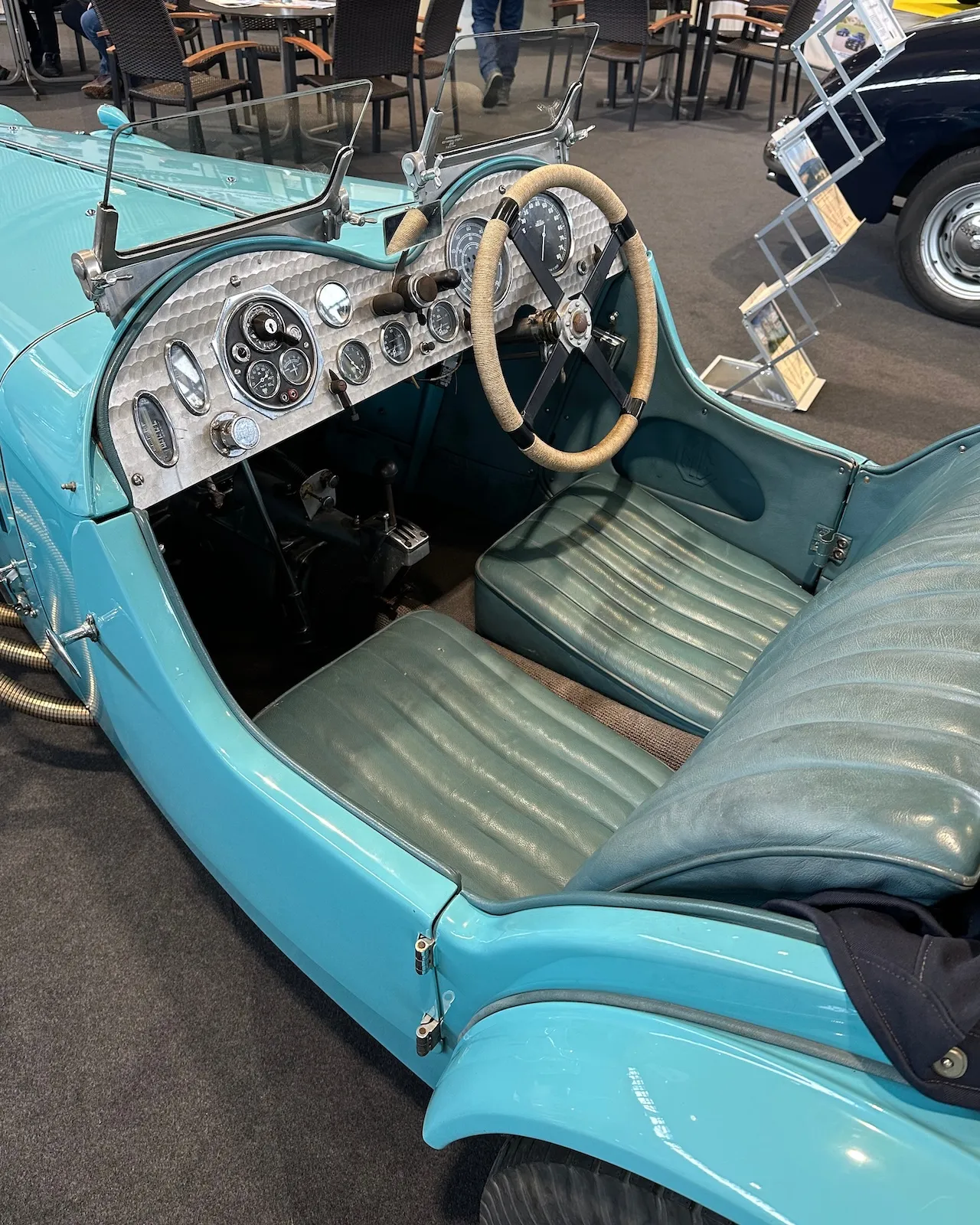
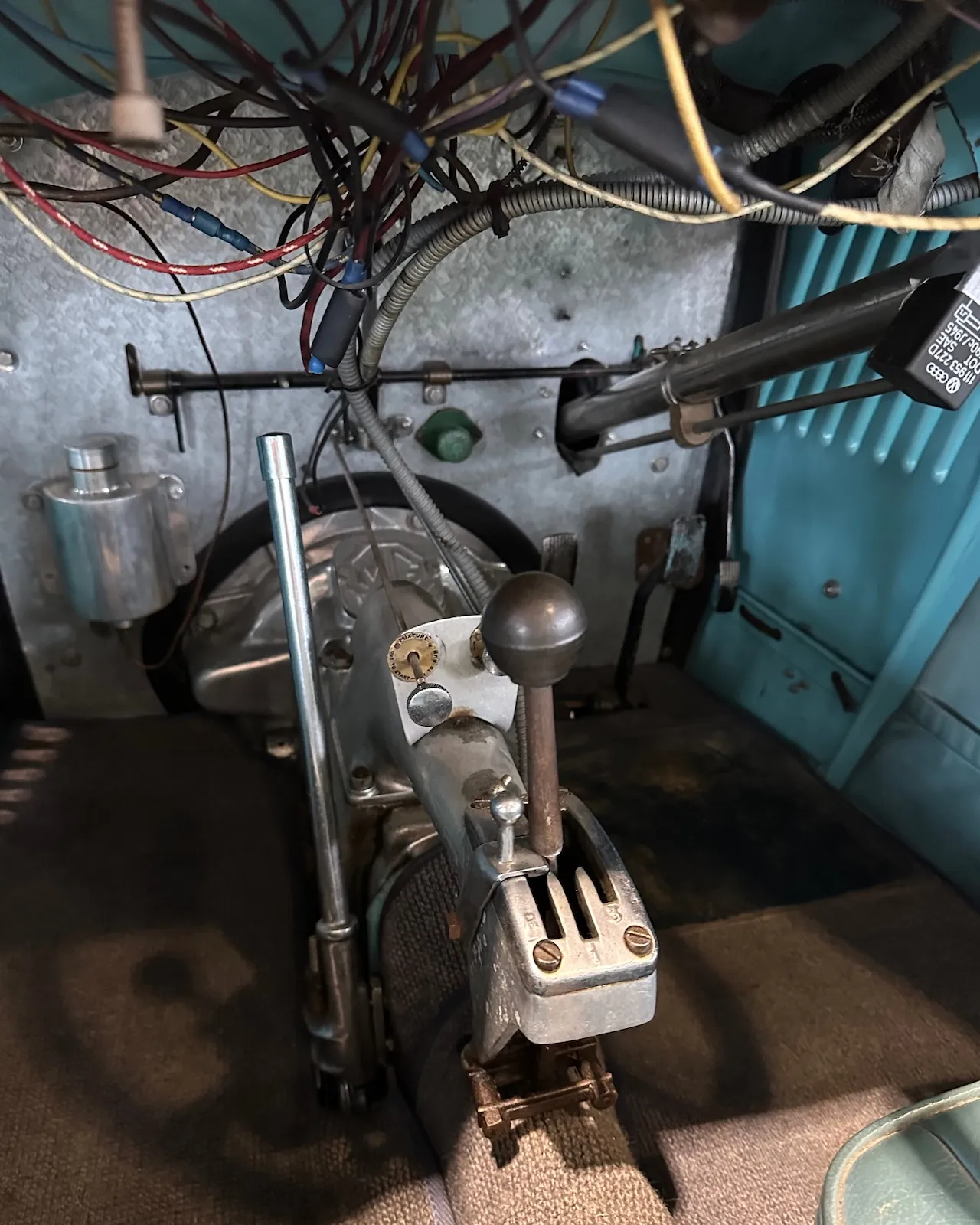
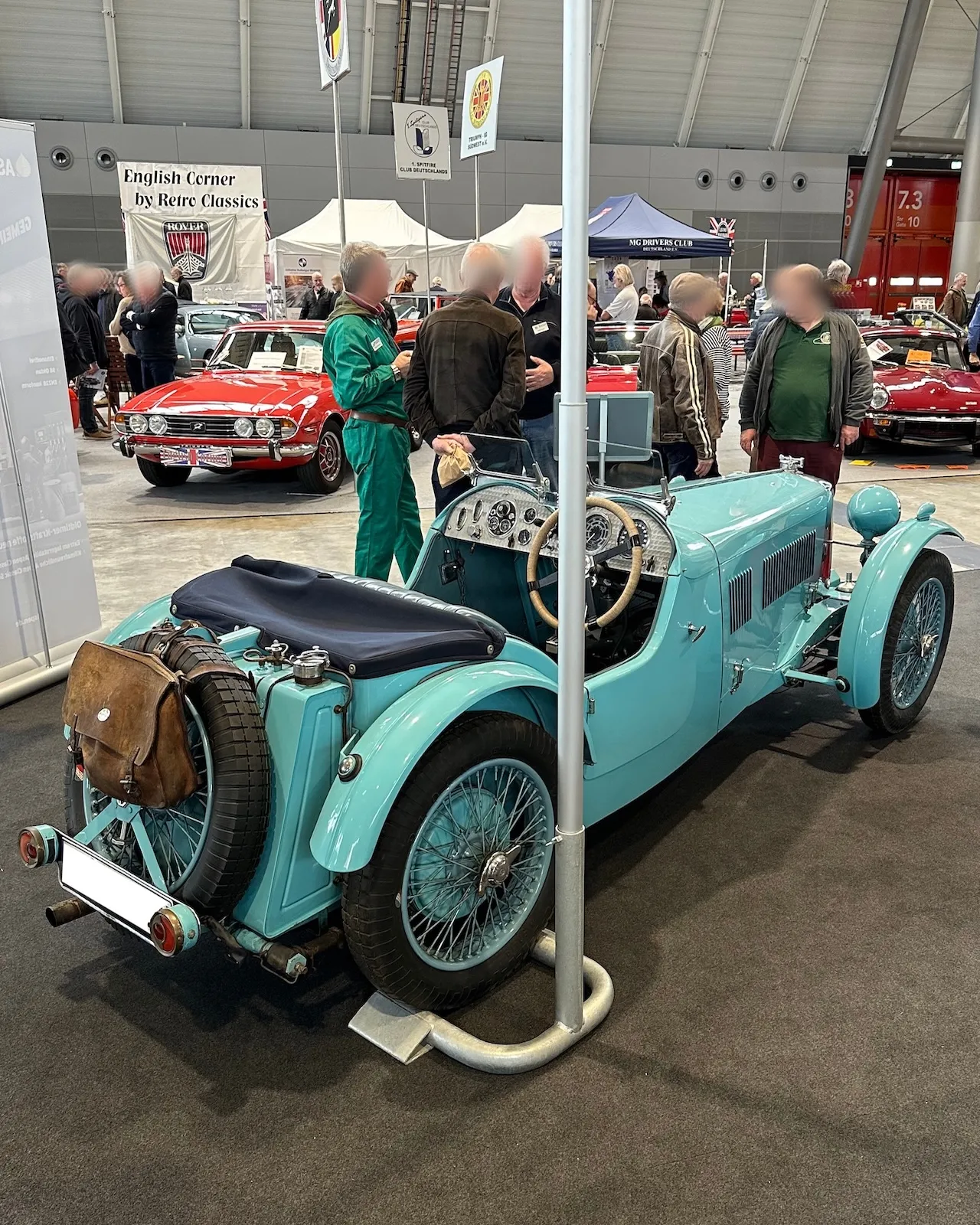
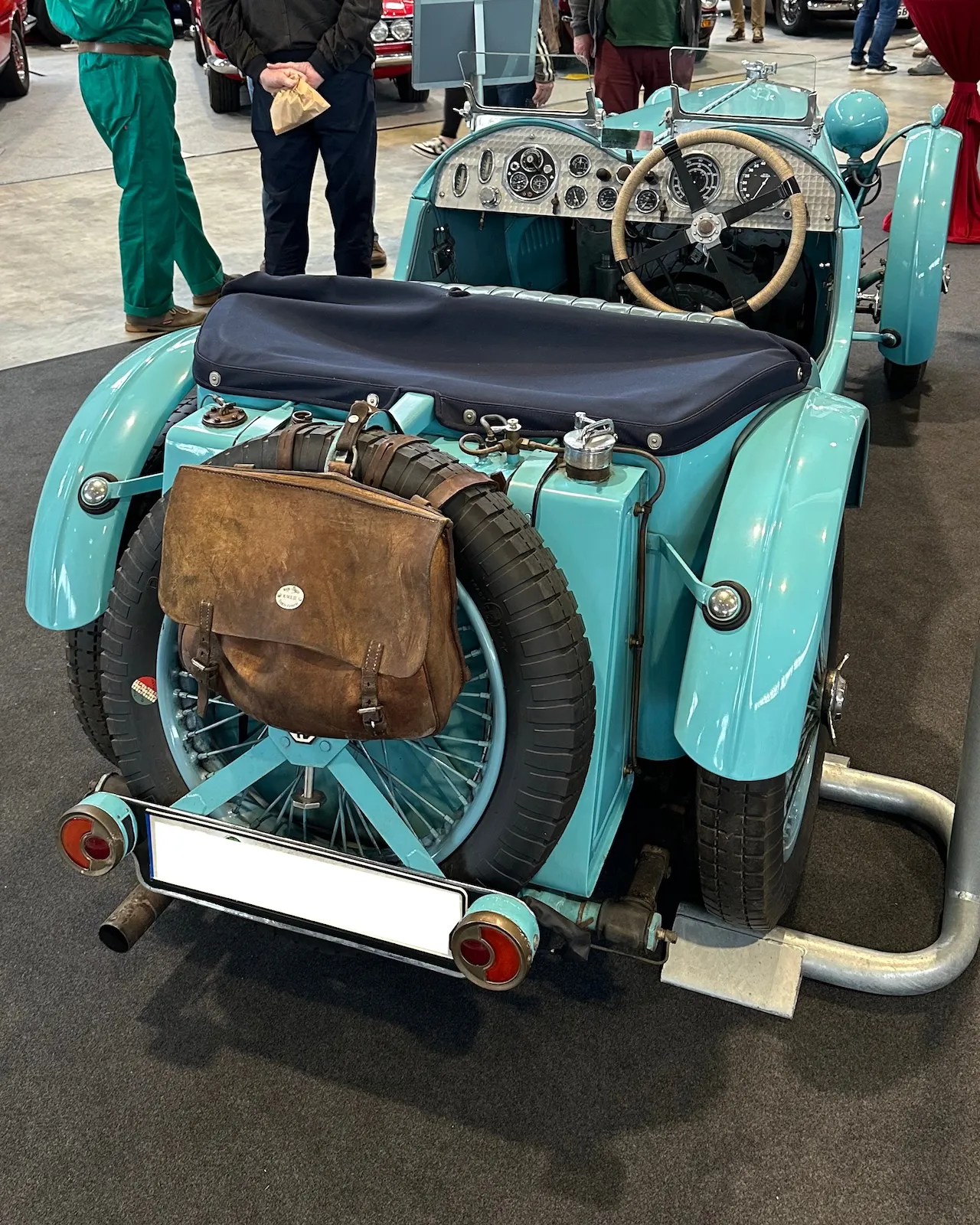
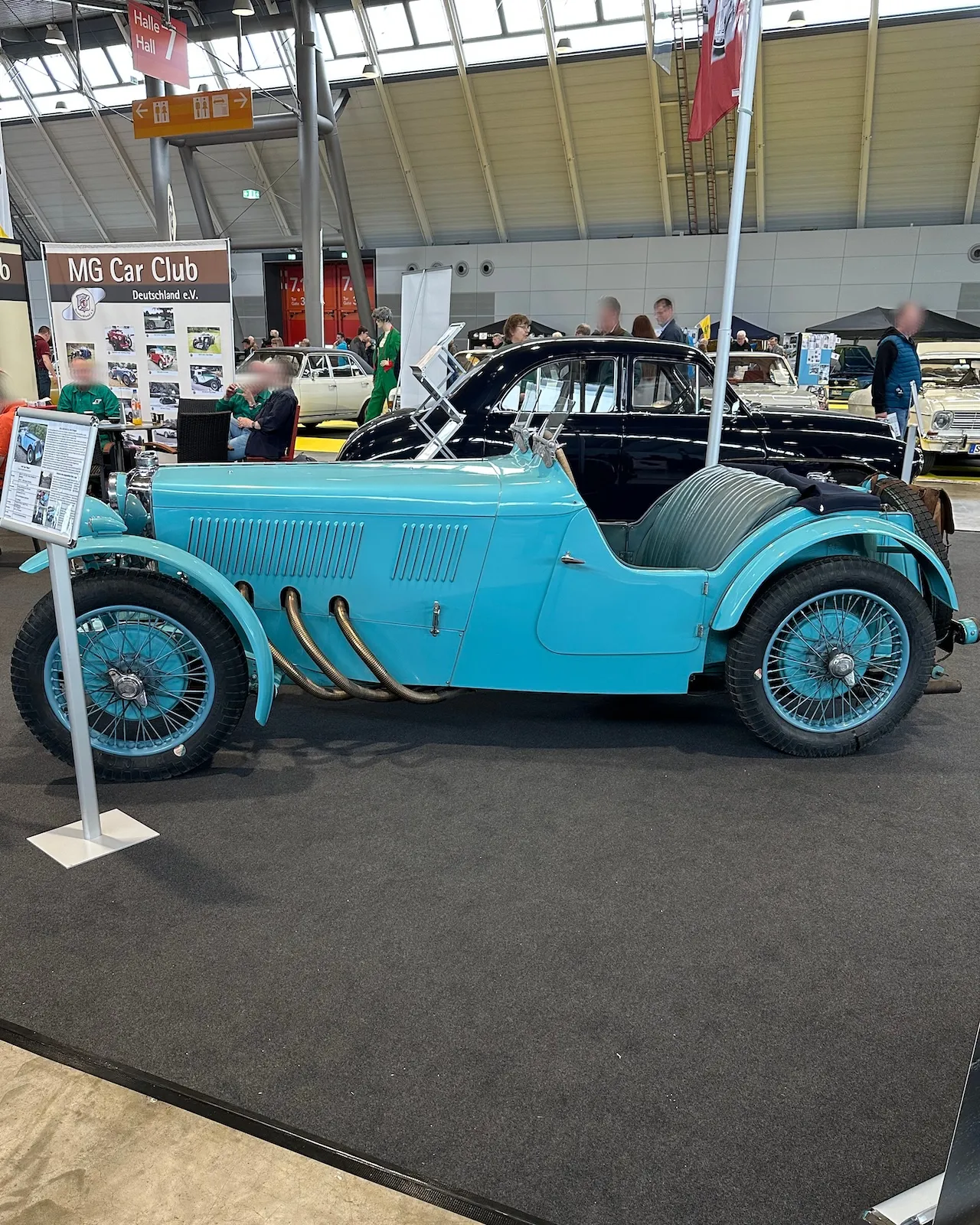
Rarity? Absolutely. This 1932 MG F-Type Magna was originally built as a four-seater F1 and later converted to two-seater F2 specification. Conversions from F1 to F2 were not uncommon, and this particular example was transformed during its restoration in the 1980s.
The two-seater F-Type models are especially rare. Of approximately 1200 F-Type cars produced in total, only around 40 were genuine factory-built two-seaters, making this example all the more noteworthy. And the color doesn't leave you indifferent, does it?
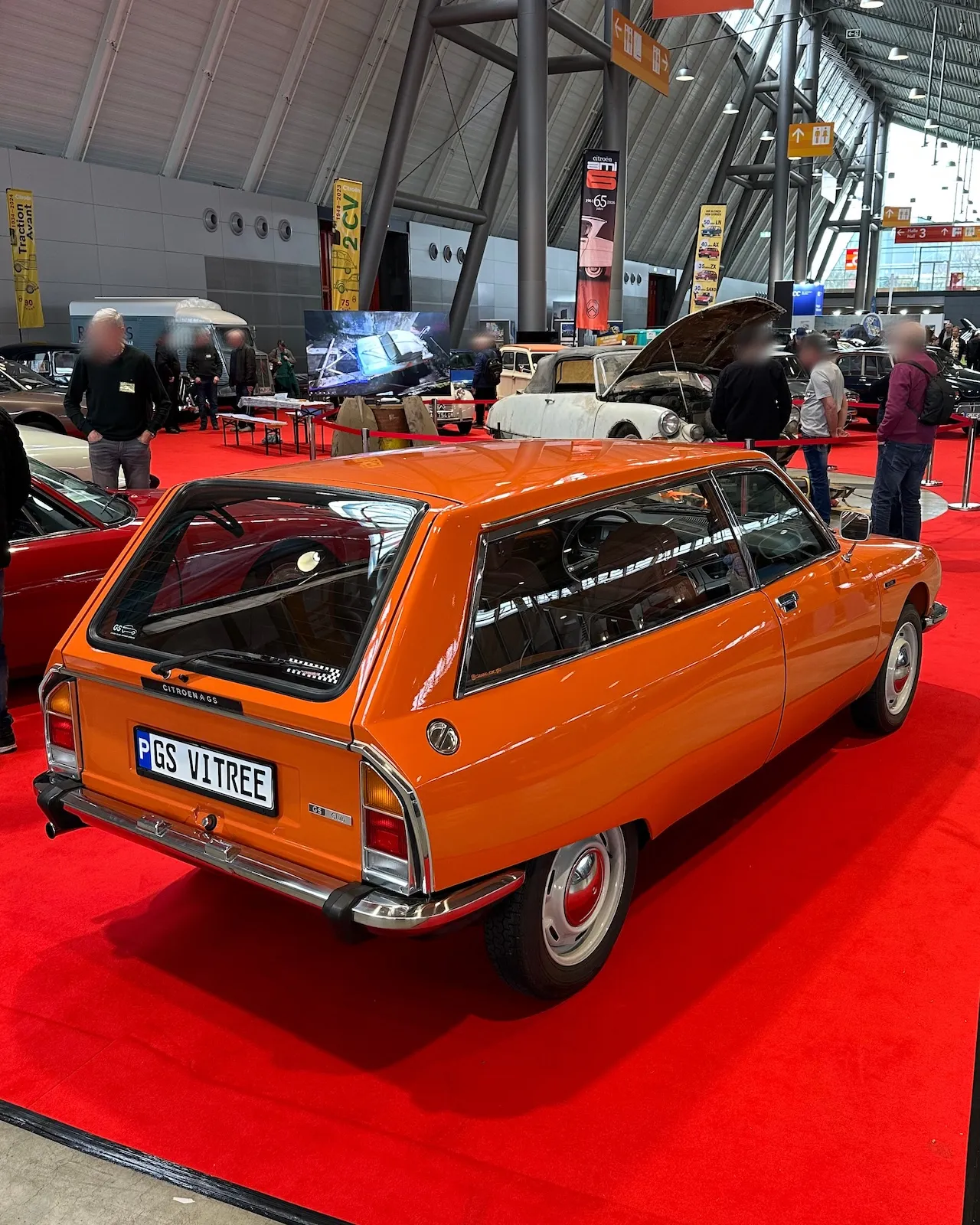
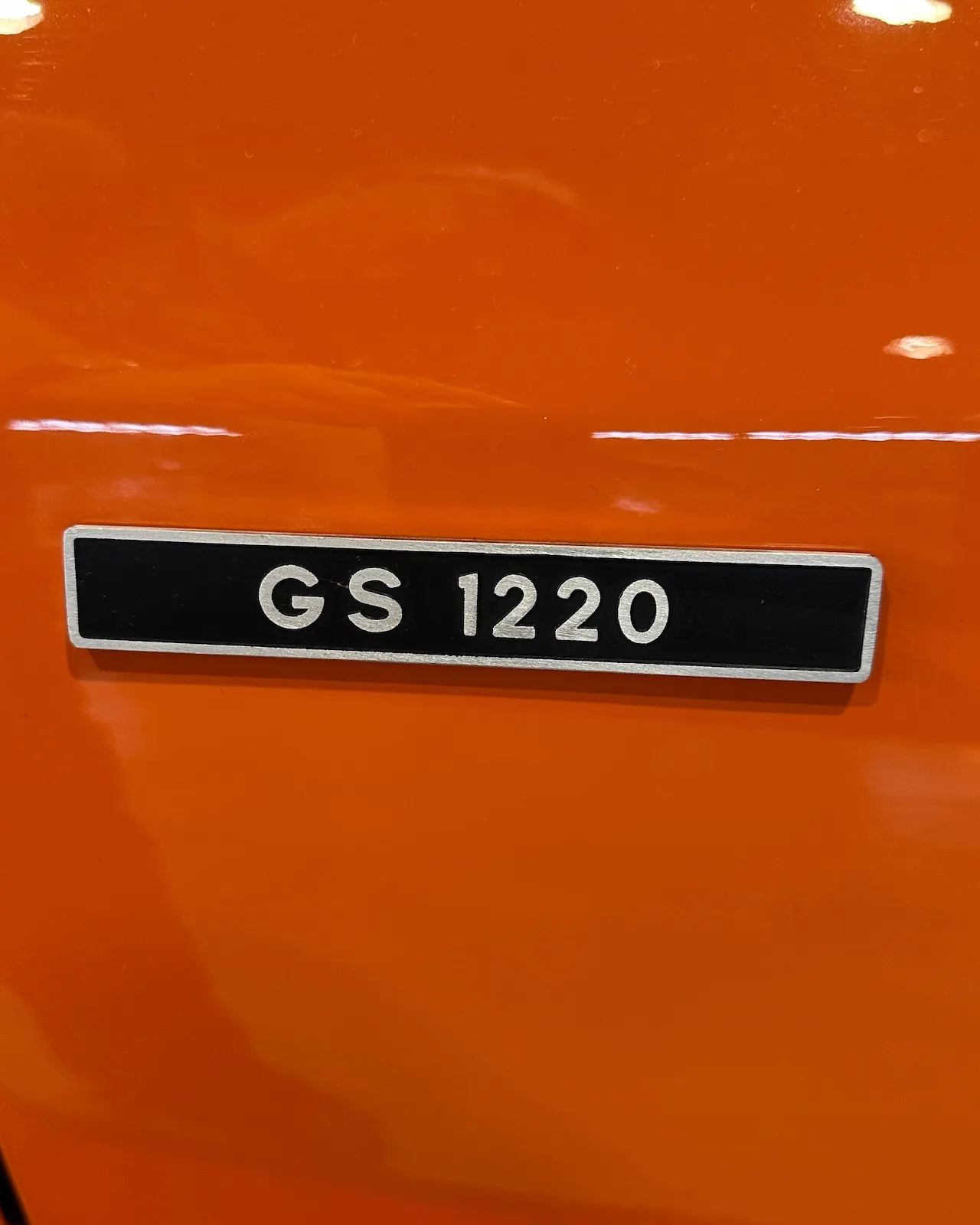
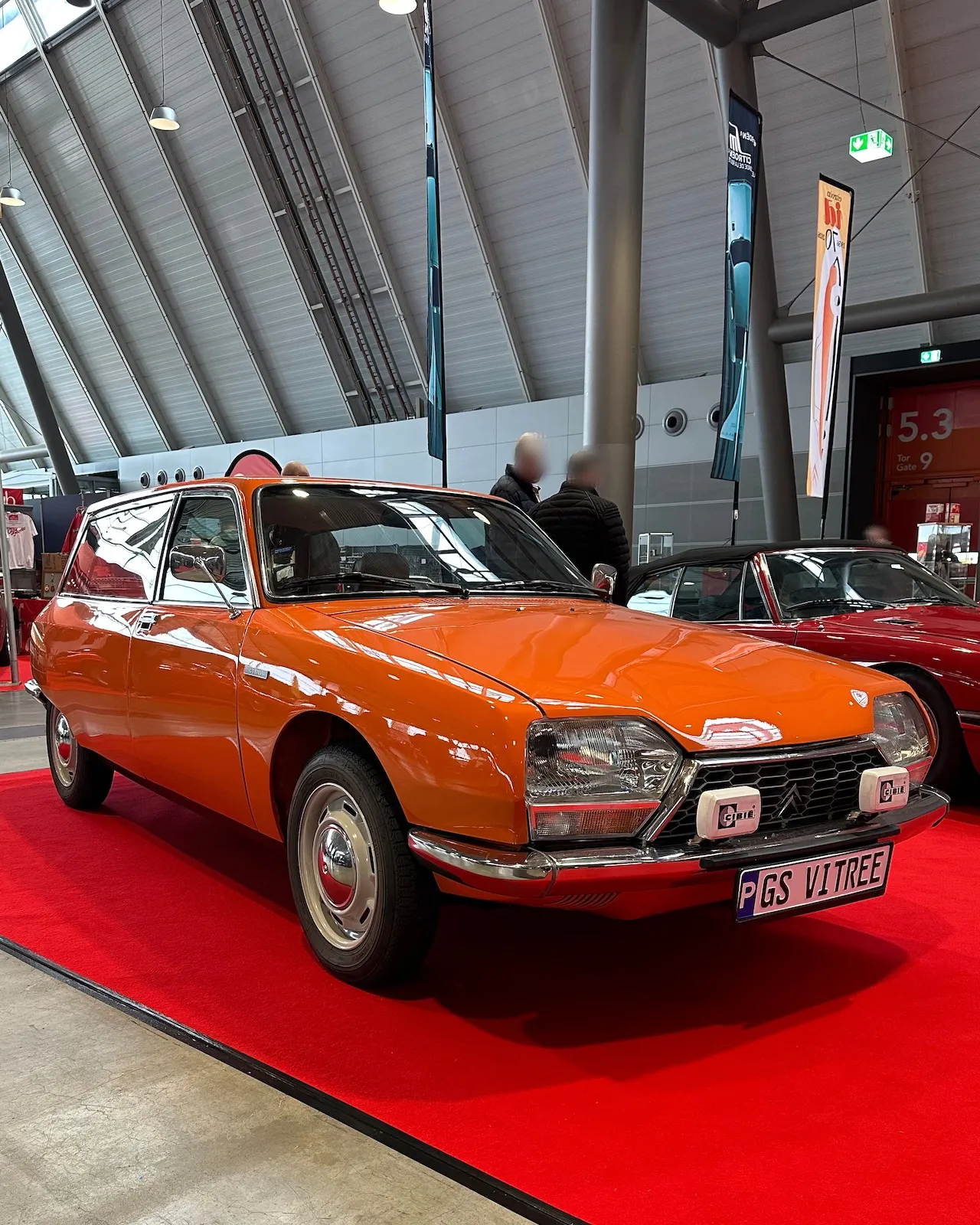
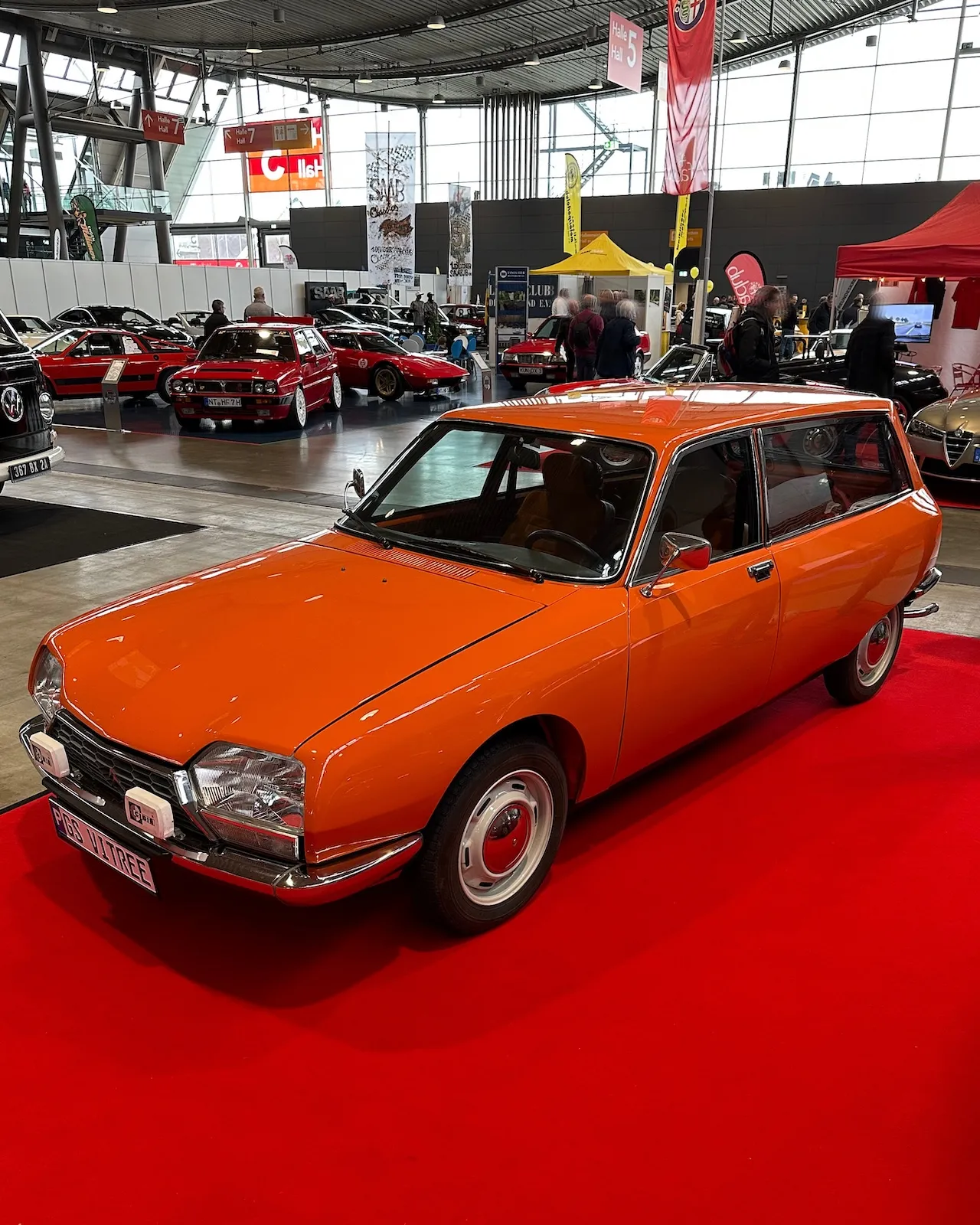
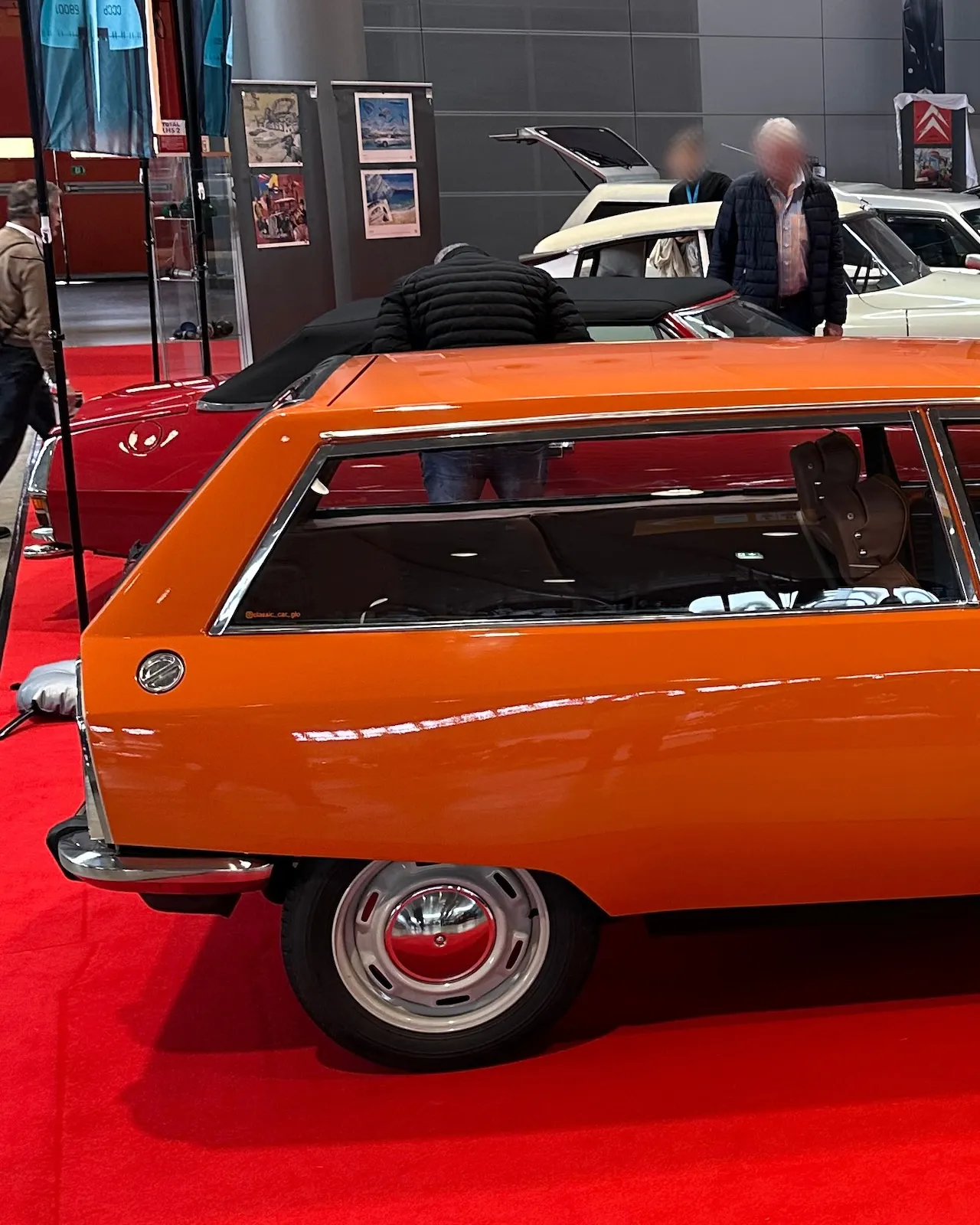
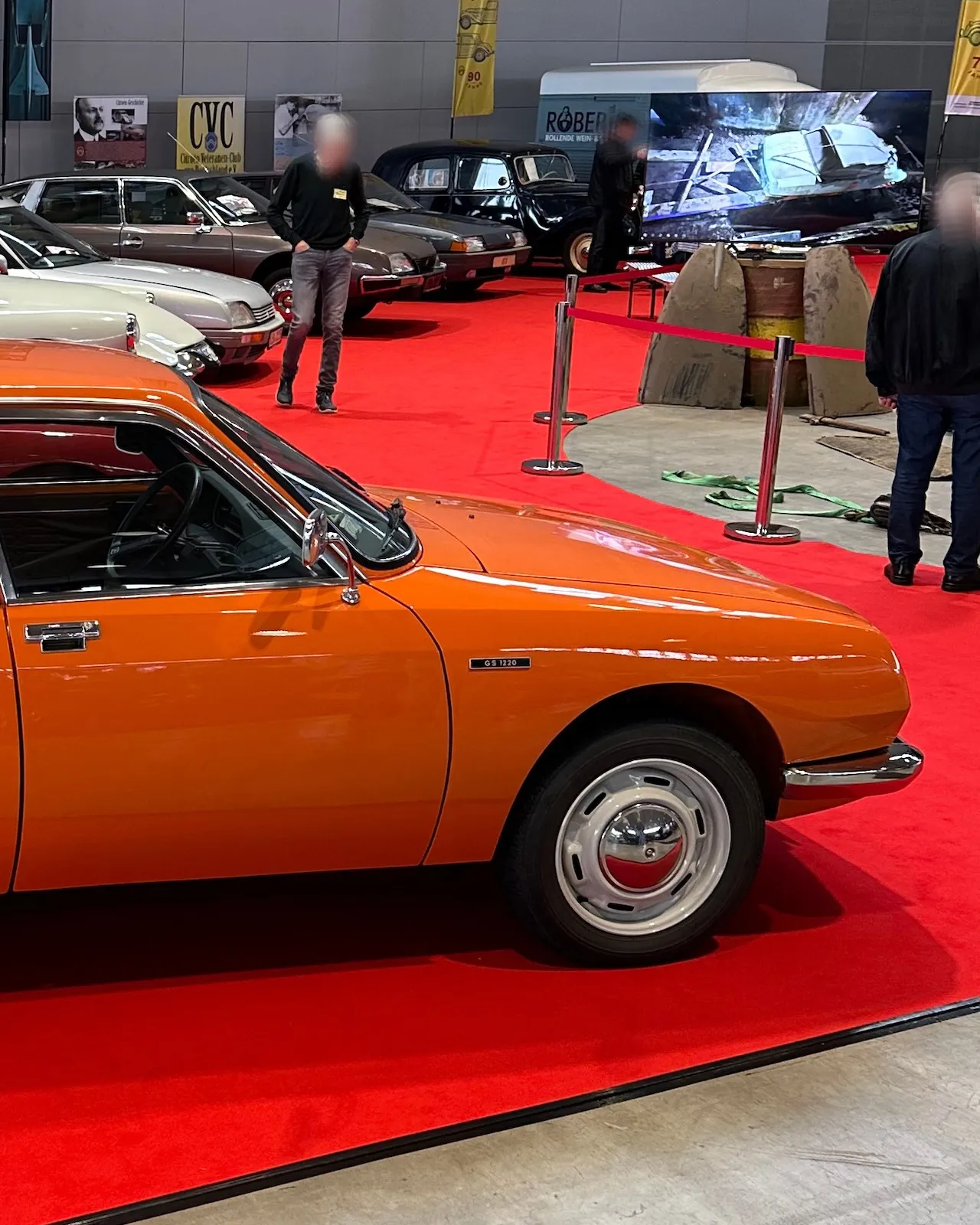
If you’re a fan of GS models, some might say the Holy Grail is the GSA X3 with the 1300cc engine, the special Basalte, or the Birotor with the twin-rotor Wankel engine. Maybe.
But for others, it’s the rare commercial versions, like this GS station wagon with windows (break service vitré), essentially the same as the panel van (break service tôlé) but fitted with two huge windows on each side.
The windowed version is especially rare, as it was produced only between 1972 and 1975. And in orange? That makes it even rarer.
What a pleasure to see this one at Retro Classics in Stuttgart.
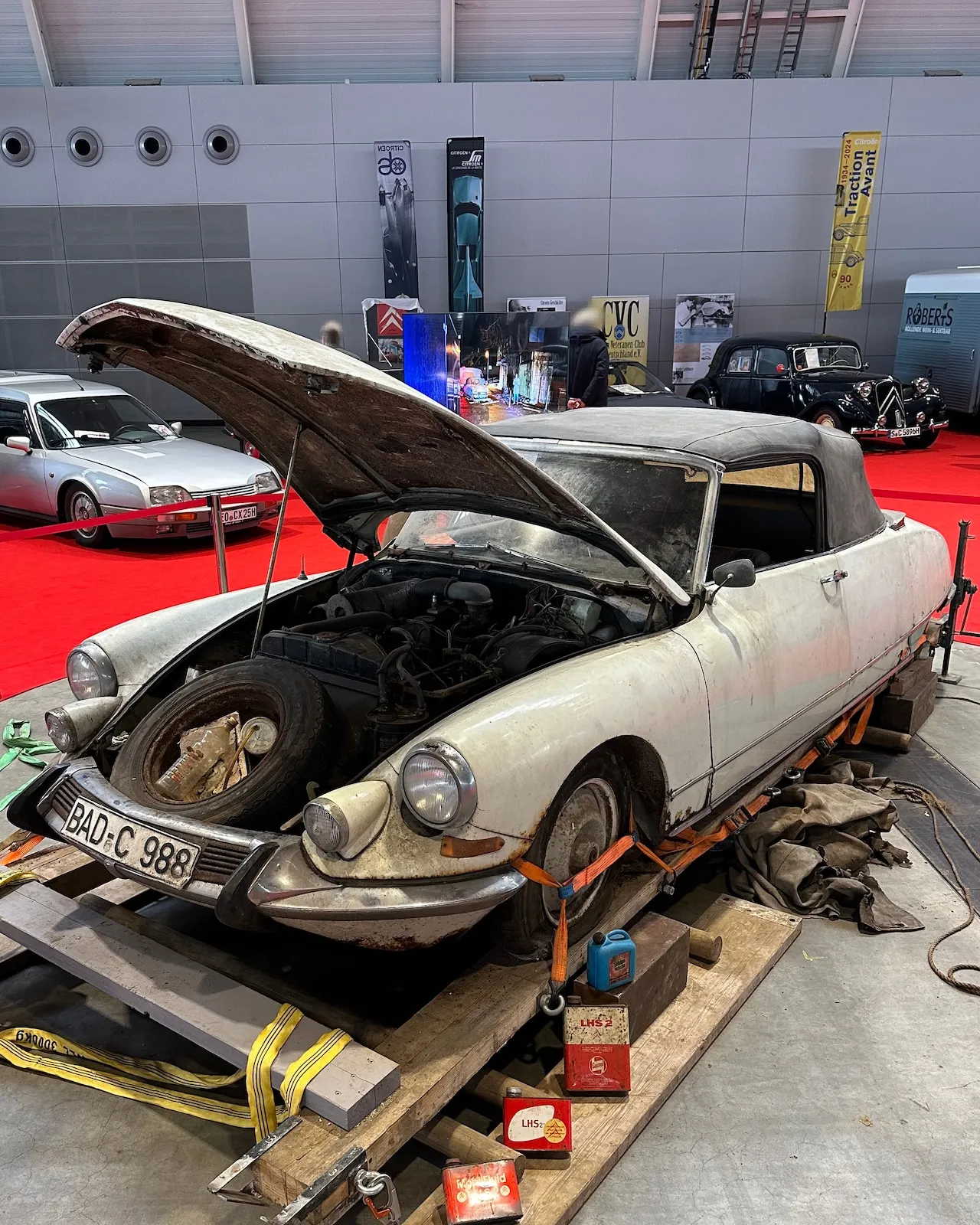
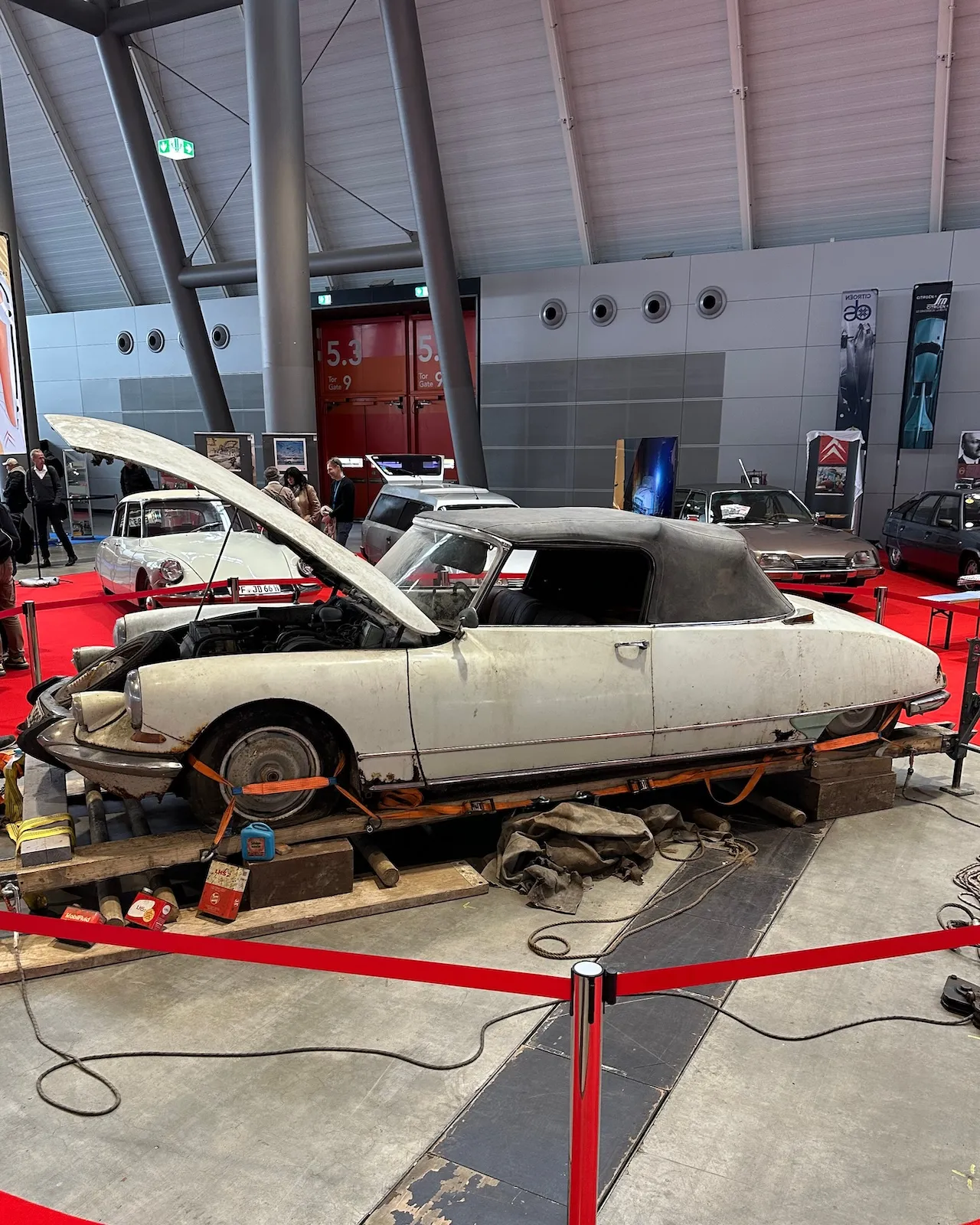
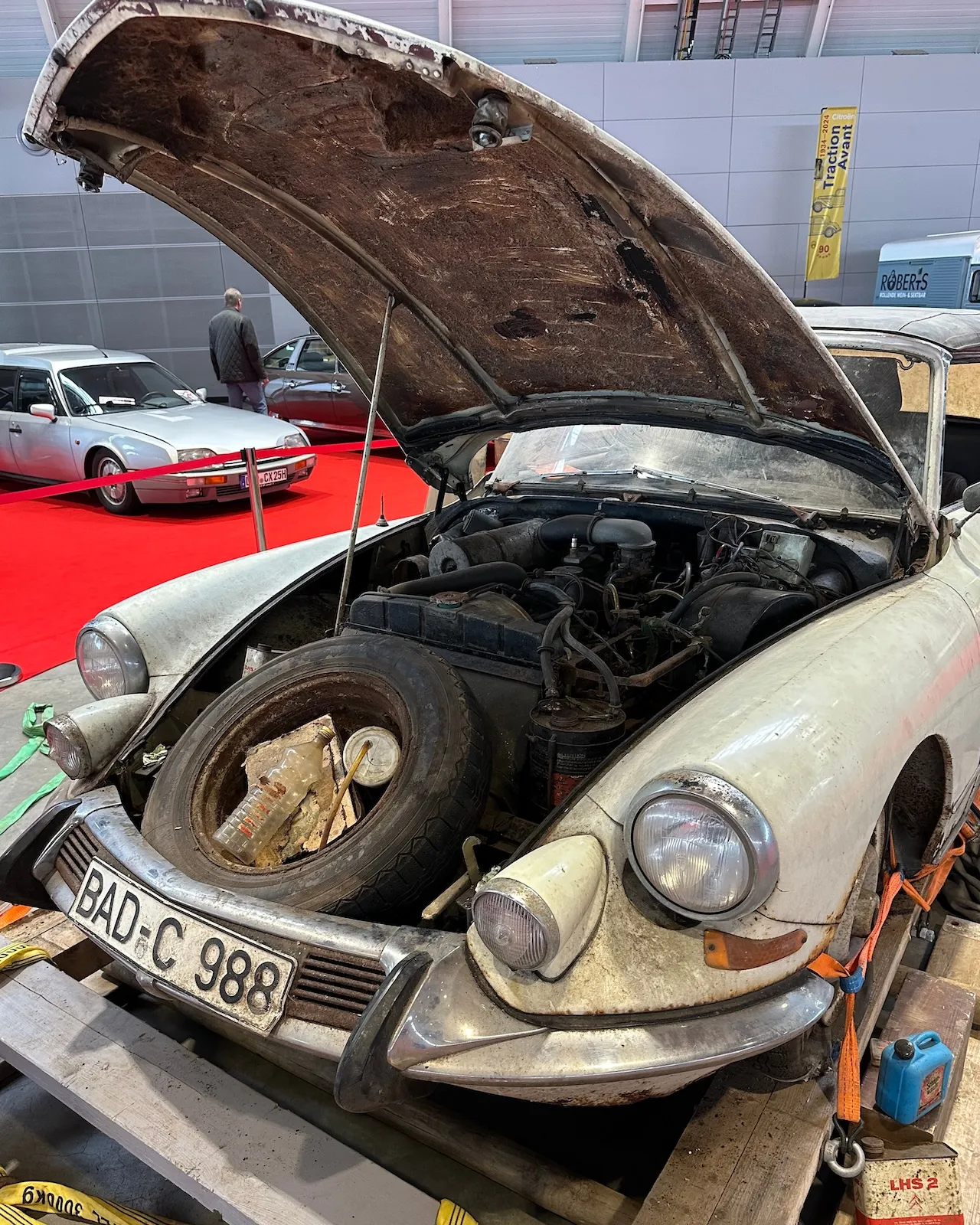
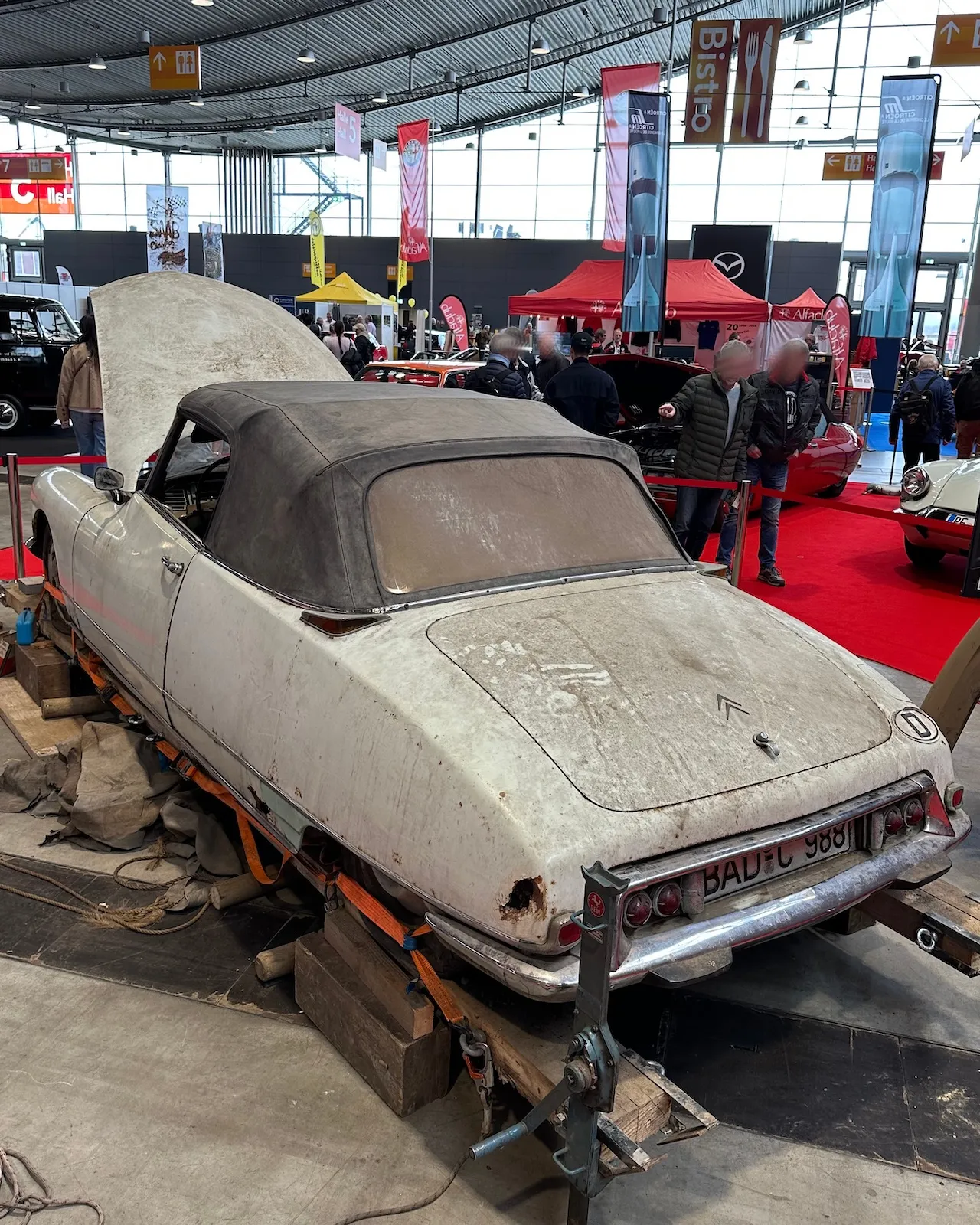
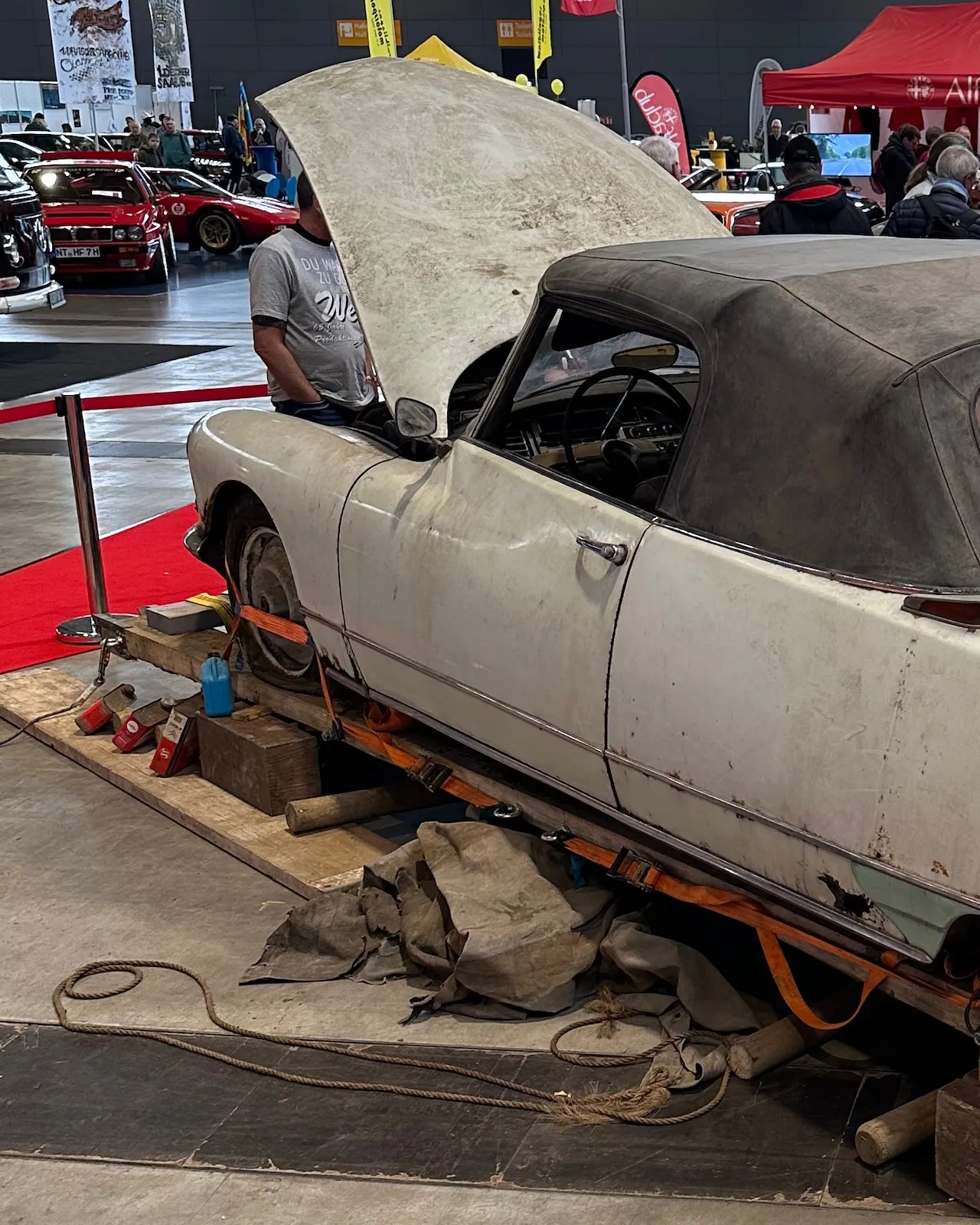
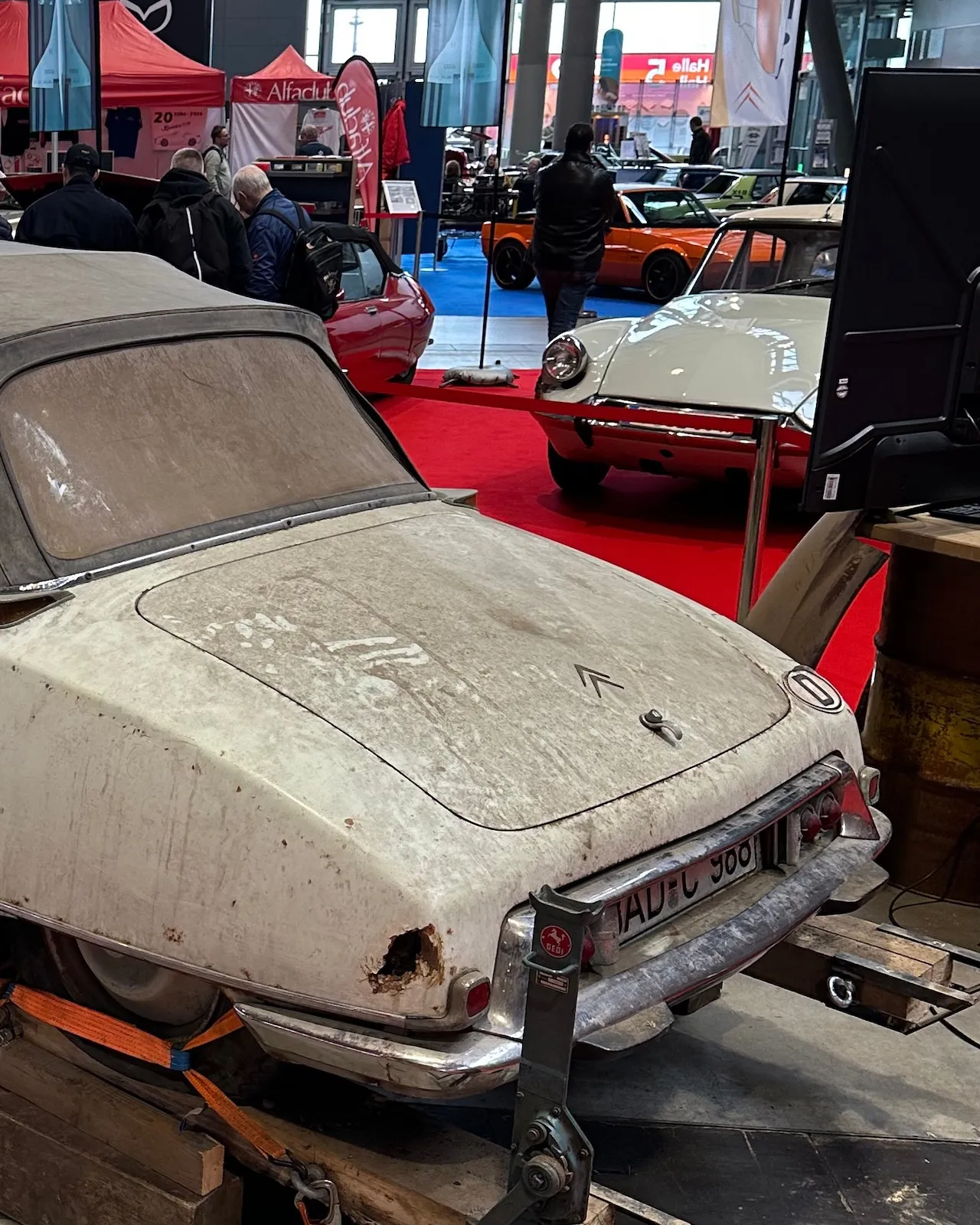
There’s really only one question: should this barn find be restored, or preserved exactly as it sits in your garage? It’s a tough call, isn’t it?
Here’s something to consider: how many Citroën DS Cabriolet are still tucked away in barns? Does that make the decision any easier? Not really.
Either way, it was an incredible sight, spotted at Retro Classics Stuttgart in Stuttgart.
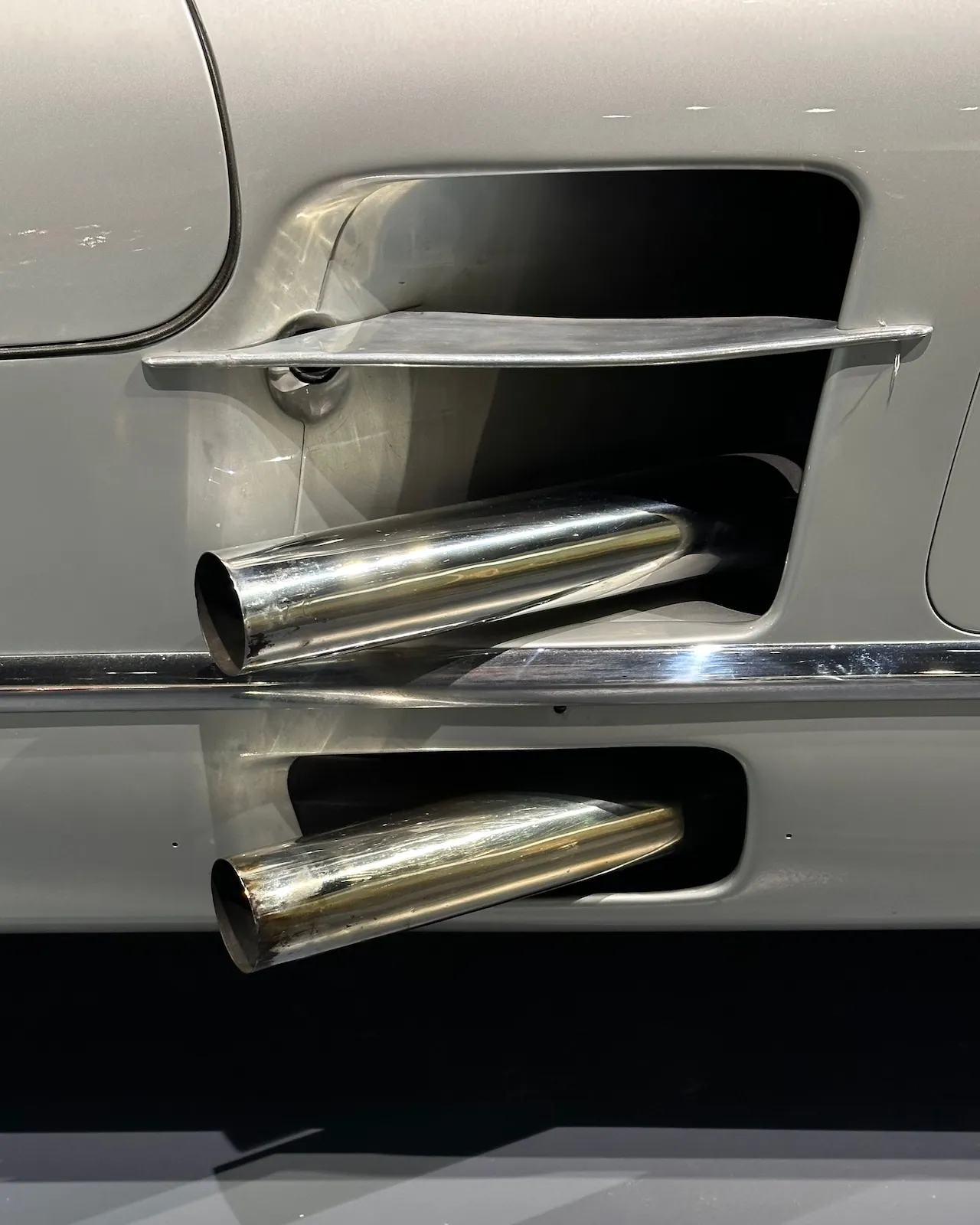
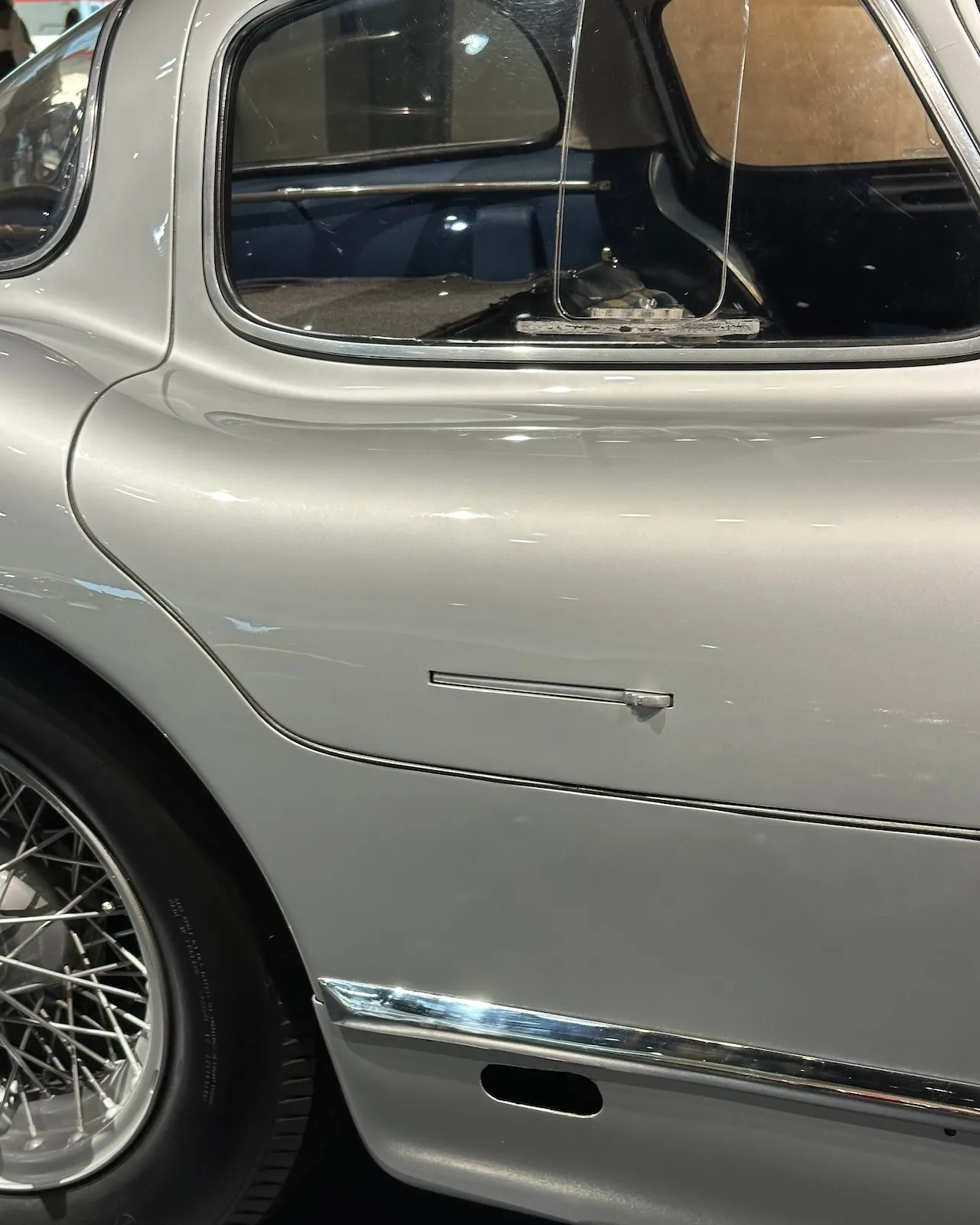
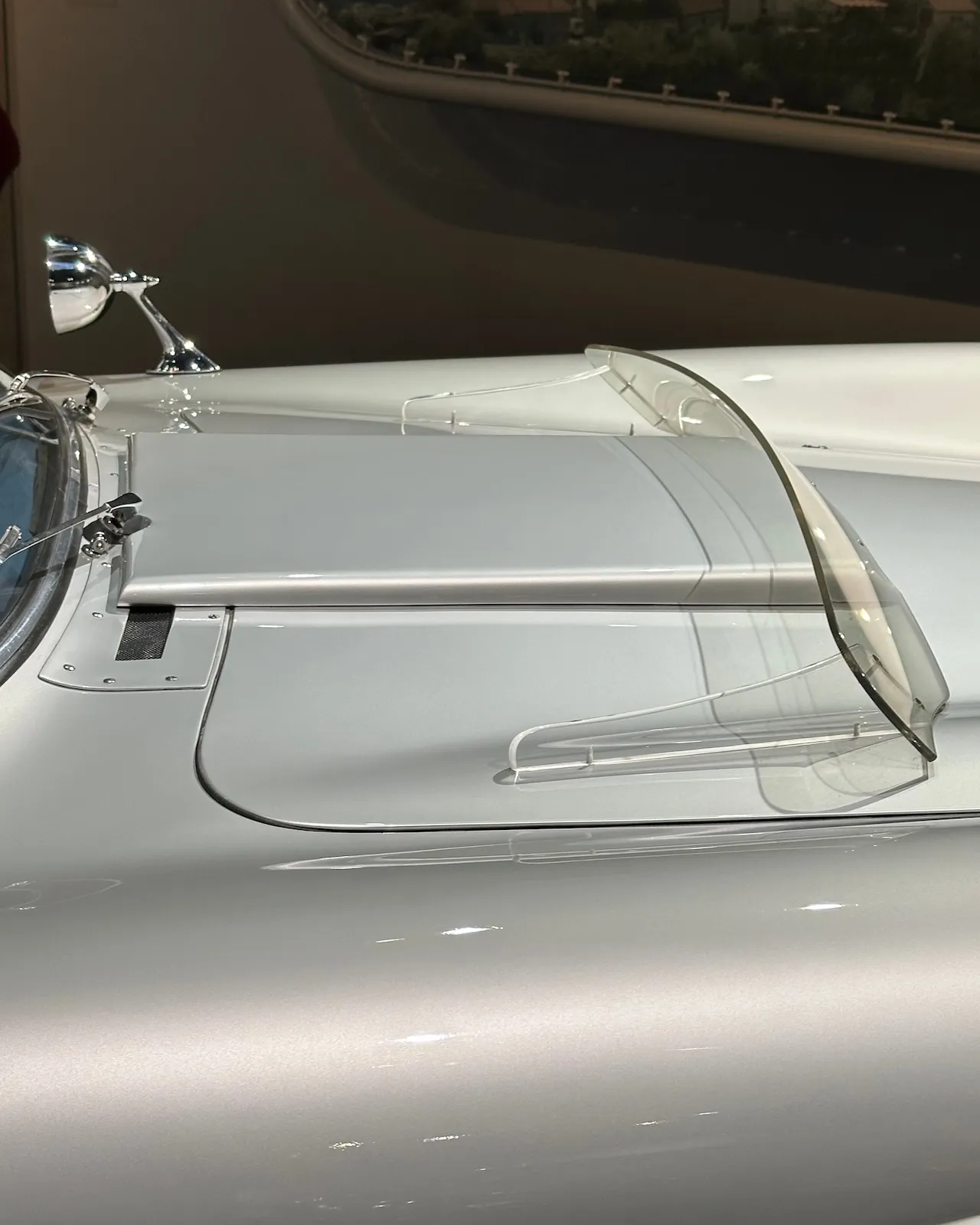
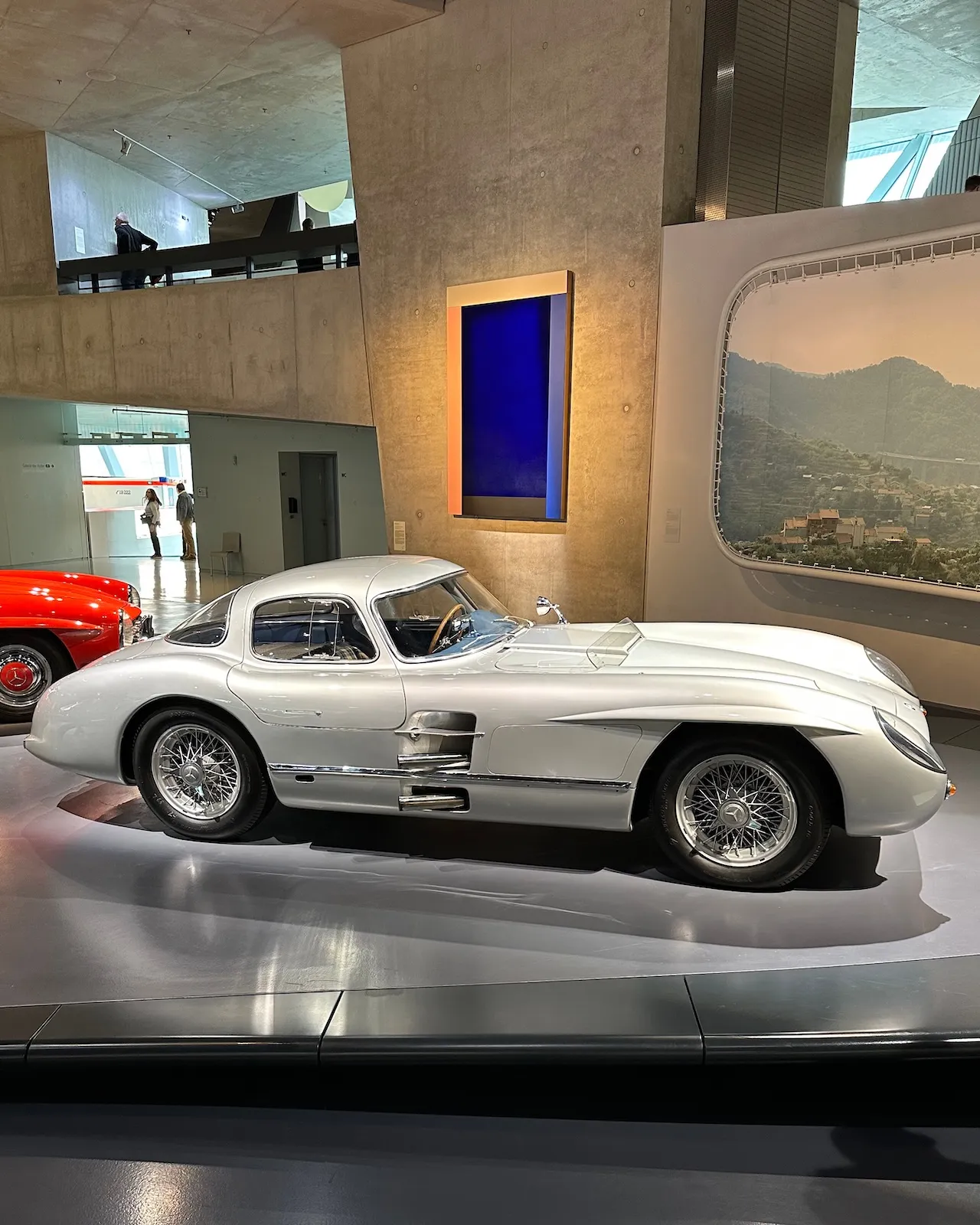
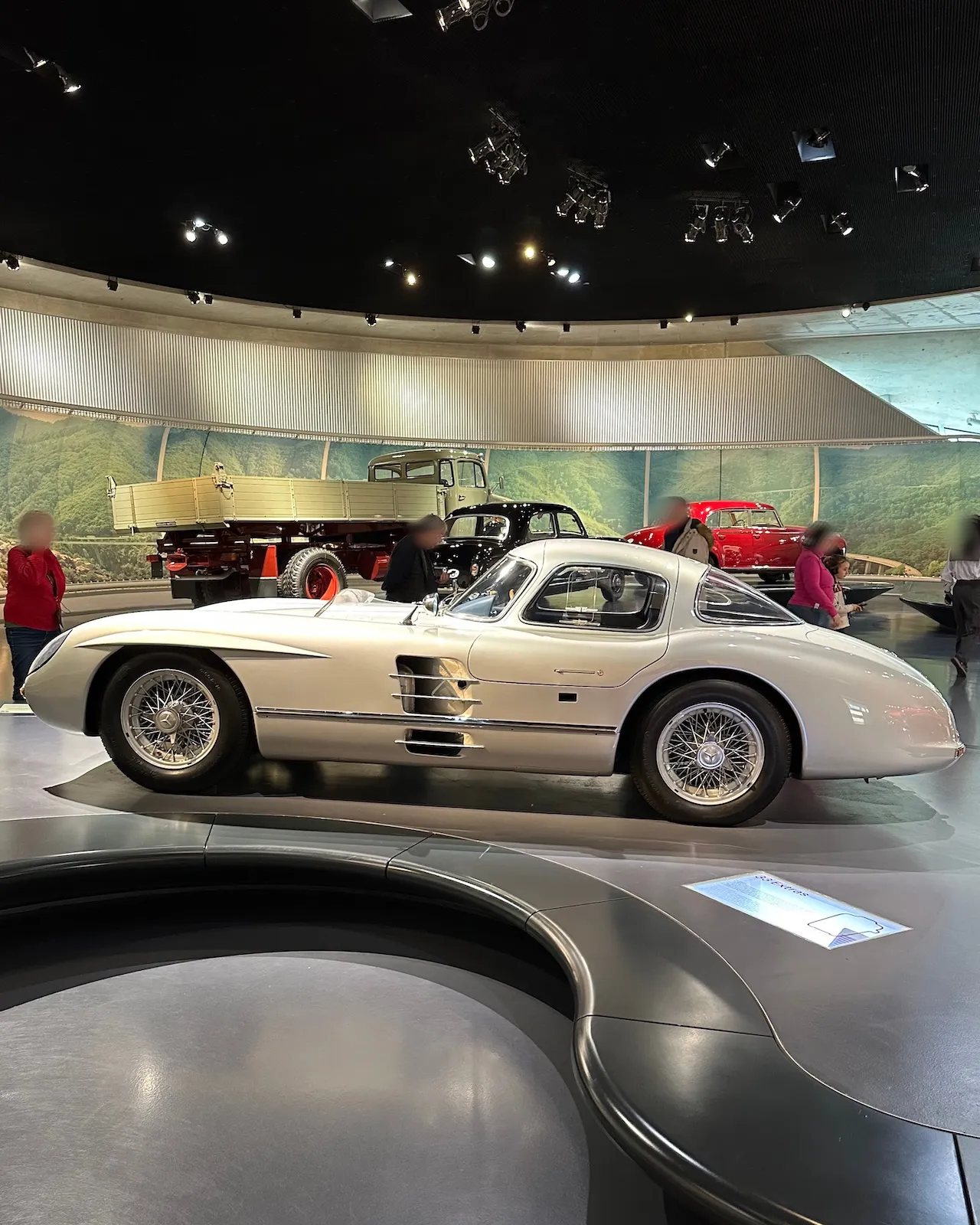
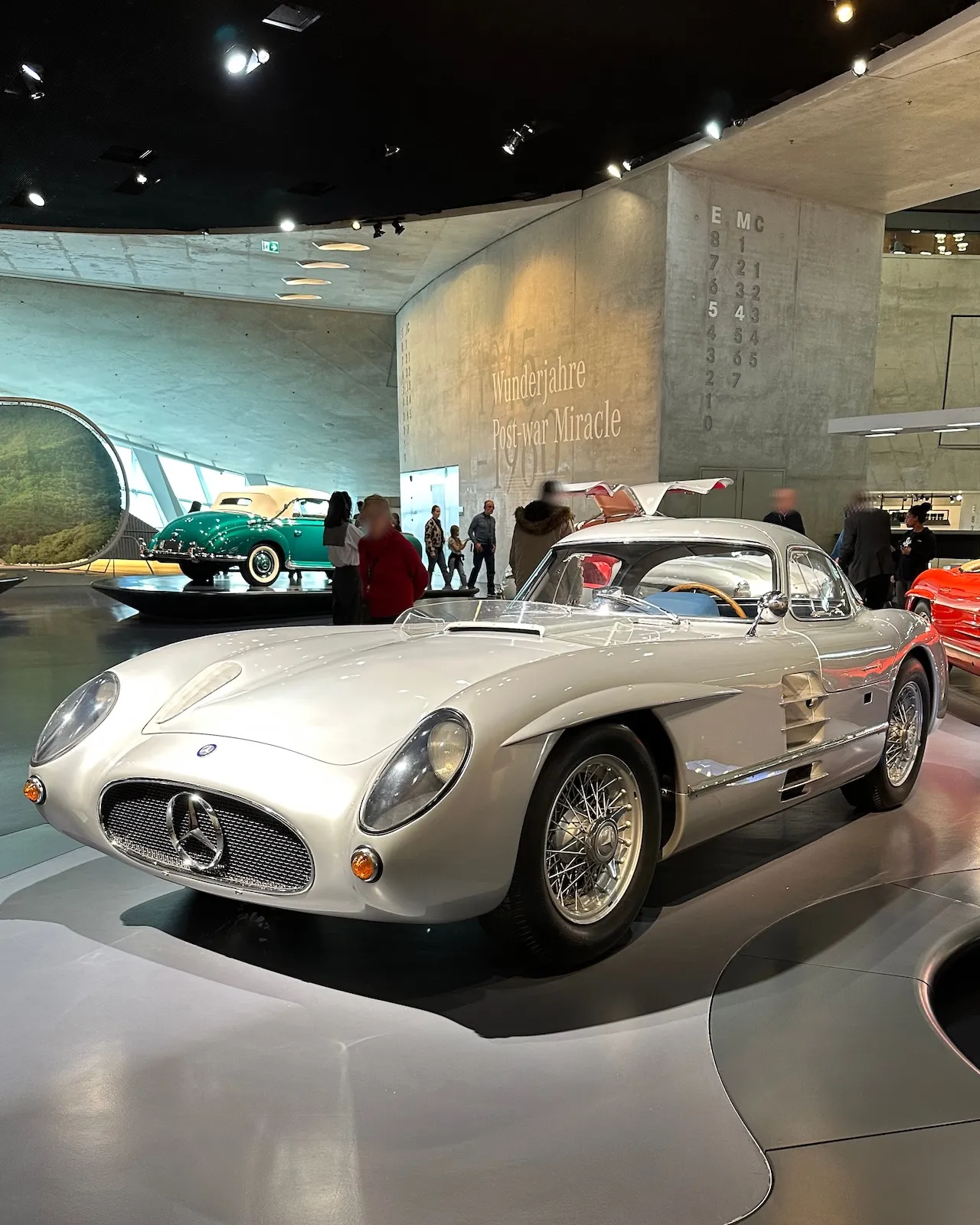
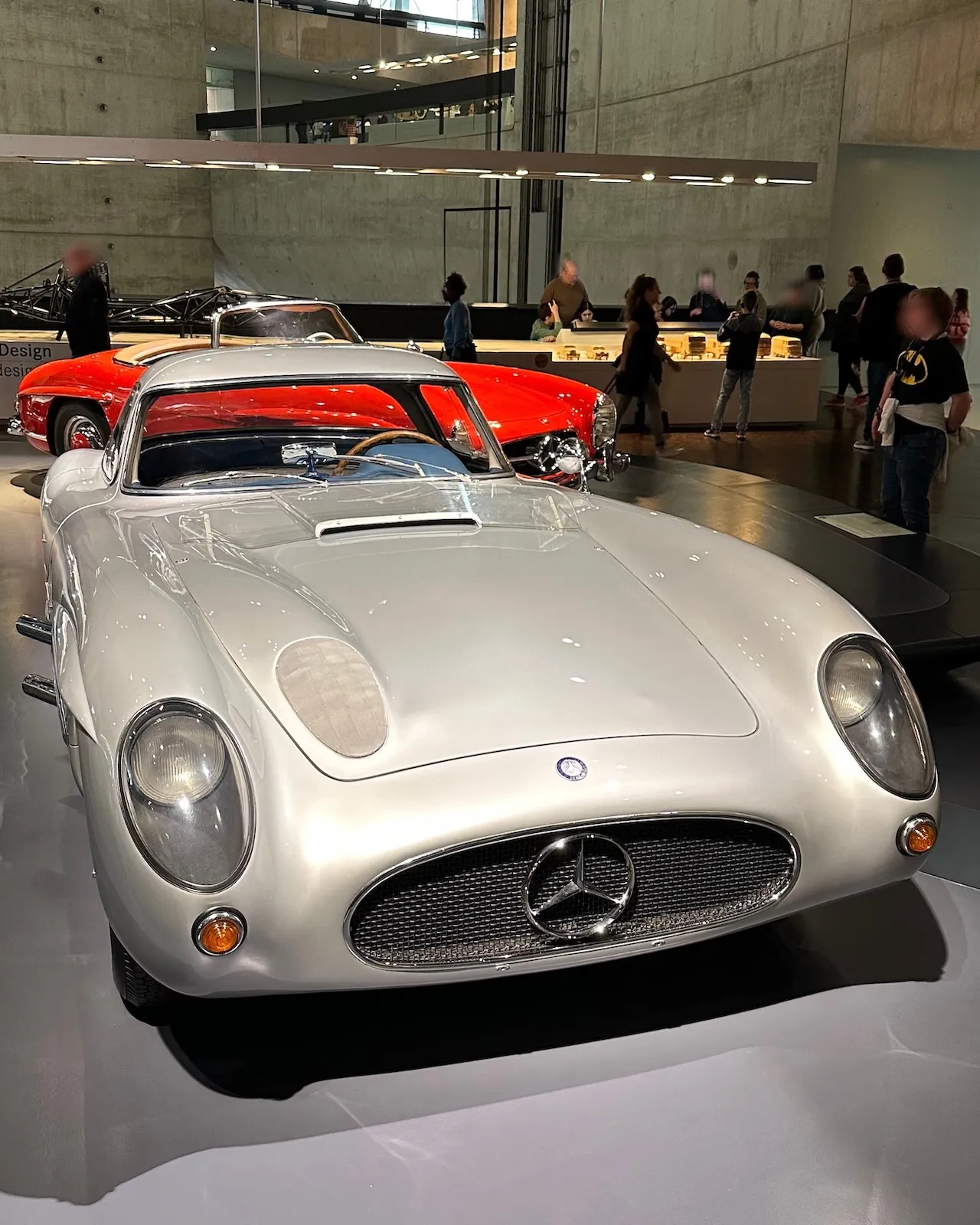
If you're passing through Stuttgart, stop by the Mercedes-Benz Museum, it's well worth a visit. It's a real trip back in time.
Want an example? 1955. The 300 SLR Uhlenhaut Coupé: more than 300 HP and a top speed of 290 km/h. In 1955.
Daimler-Benz developed this closed version of the 300 SLR racing sports car for the 1956 season. Two cars were built. However, they never competed, as the company decided to withdraw from motorsport at the end of the 1955 season (year of the Le Mans crash).
Instead, Rudolf Uhlenhaut, head of the test department, frequently used them for business trips—hence the nickname.