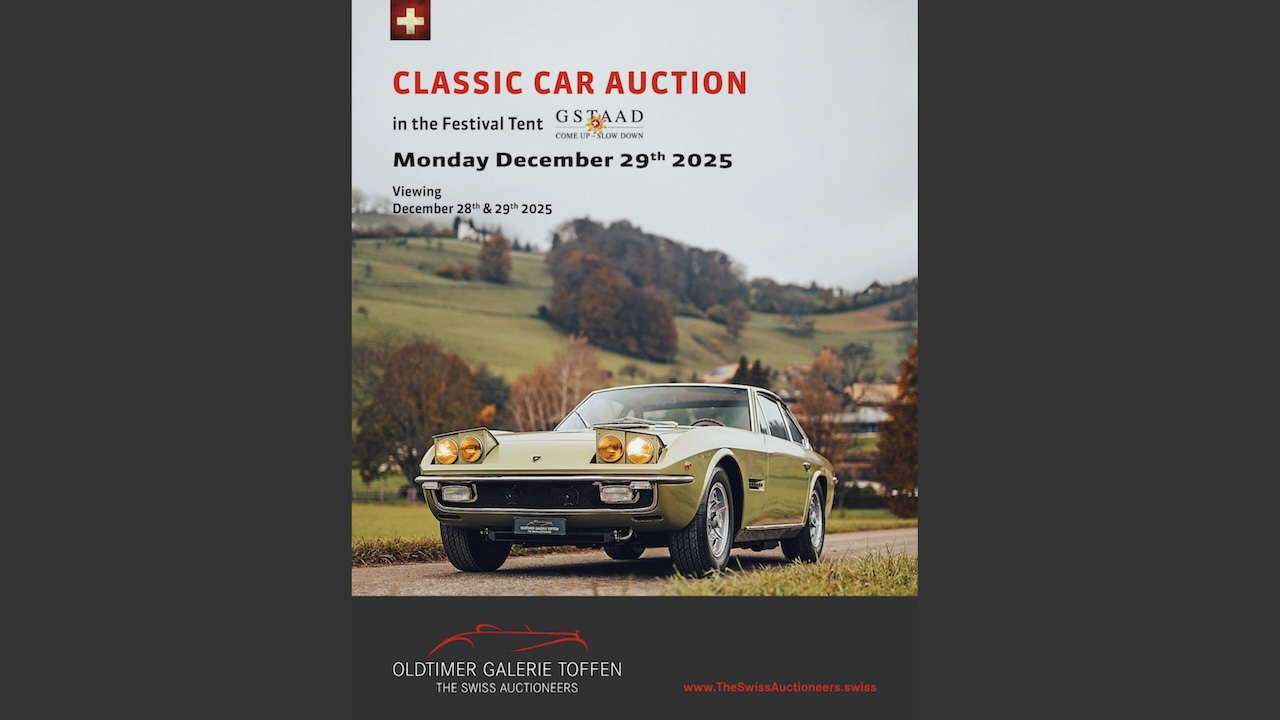


auction 25 OG Gstaad
For some events we share pictures to complete our communication on Instagram, Threads, and YouTube.

Pictures
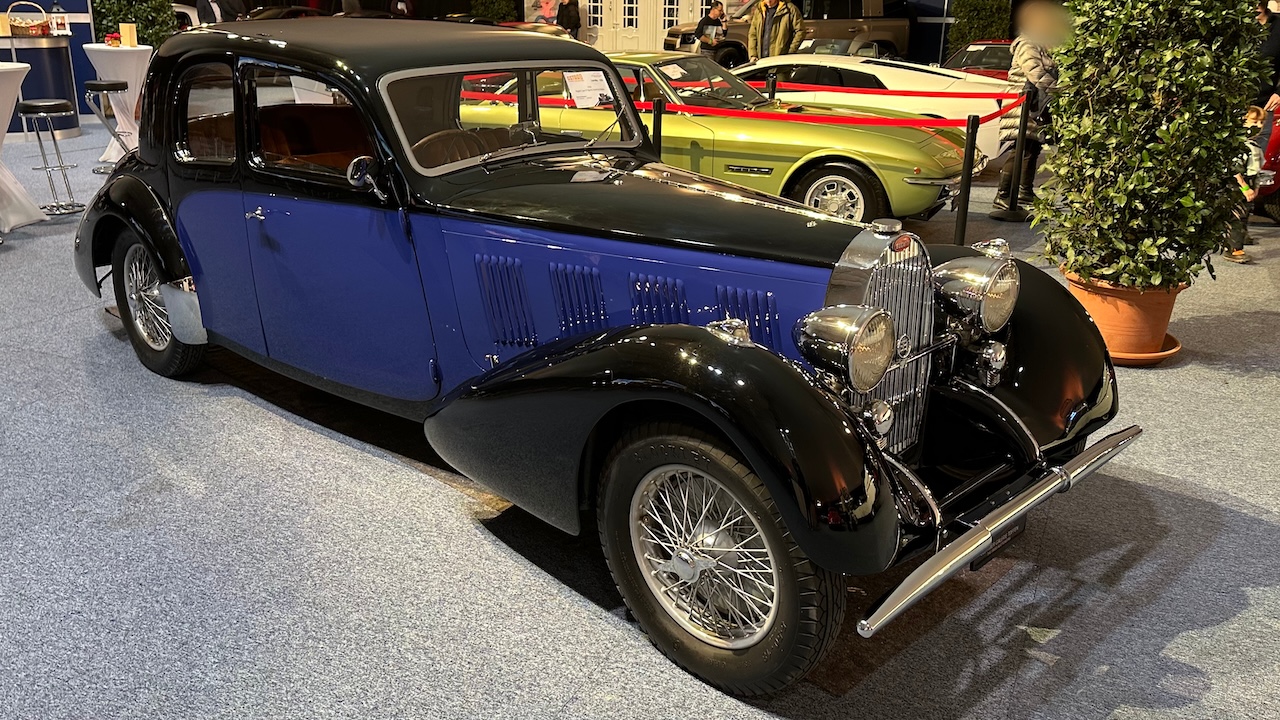
See the pictures for a nice sample of cars. To welcome you 1936 Bugatti Type 57 coachbuilt by Graber of Wichtrach.
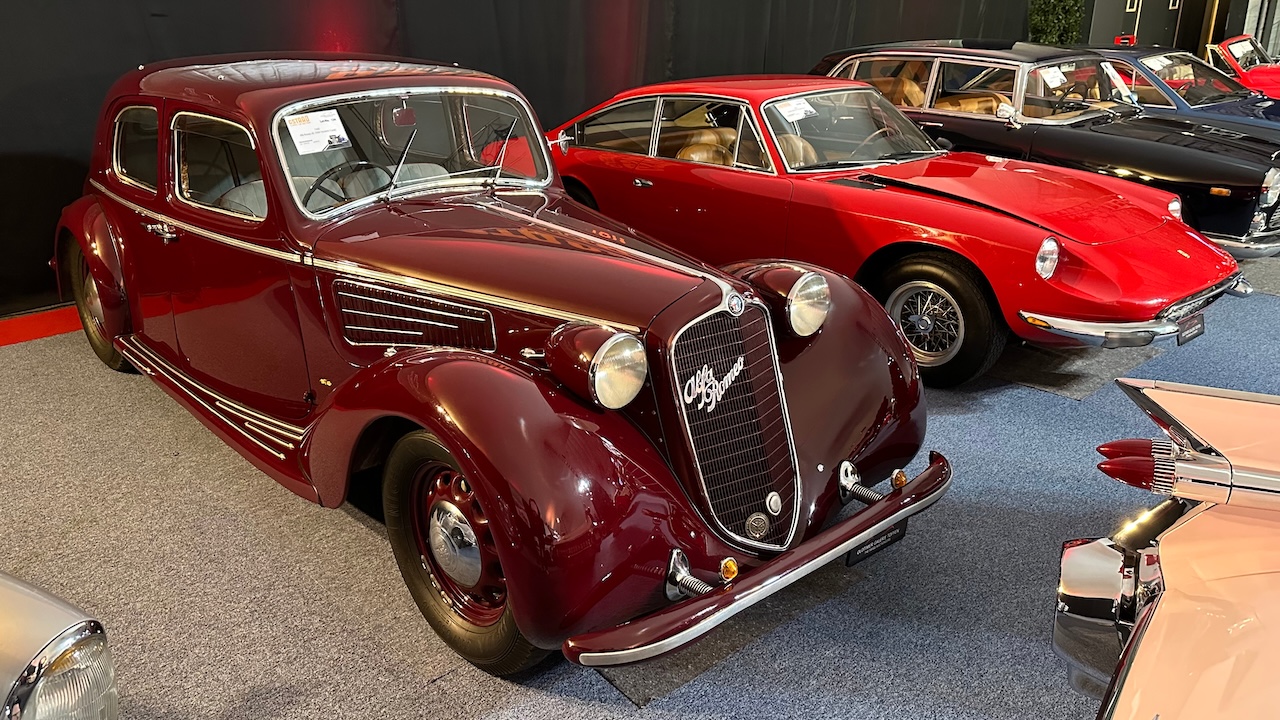
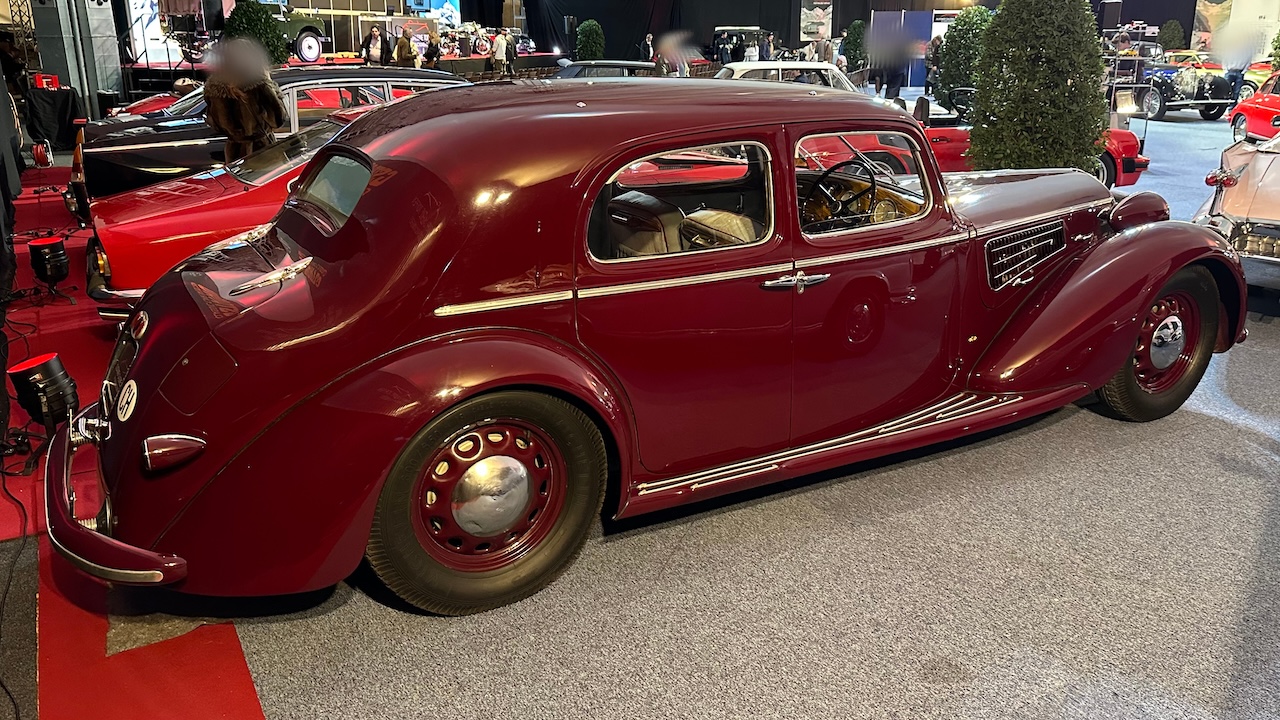
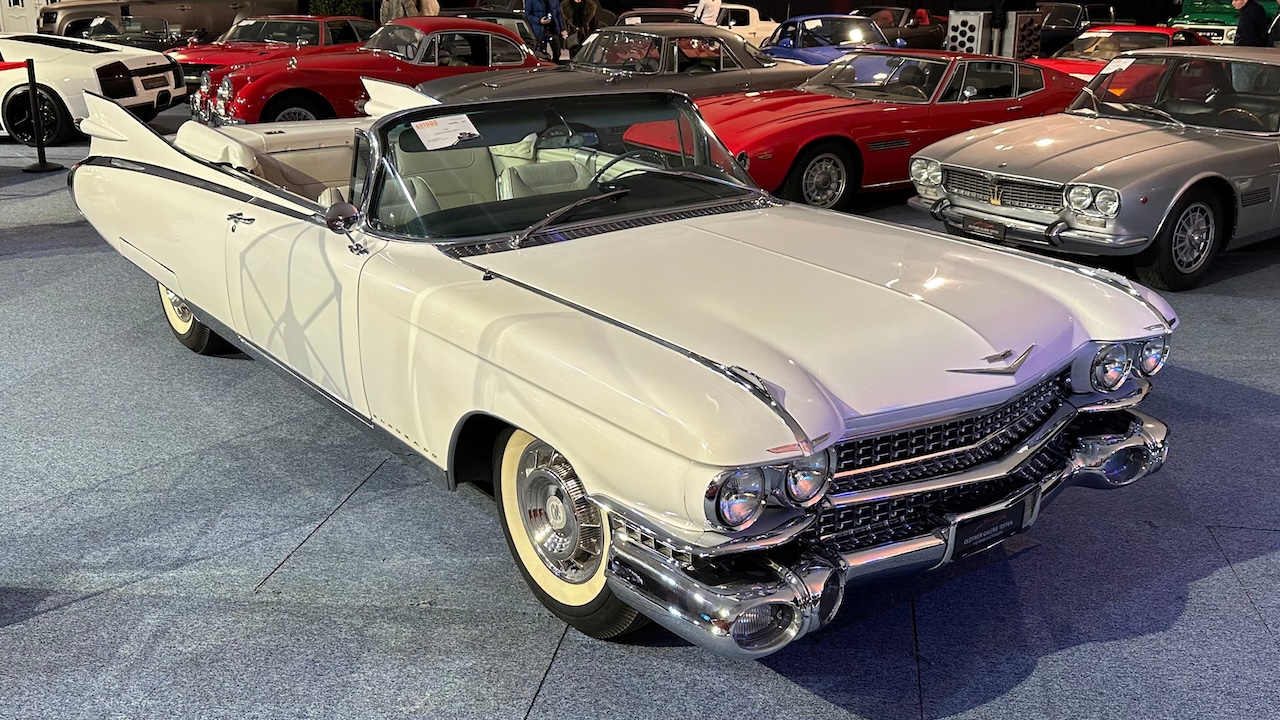
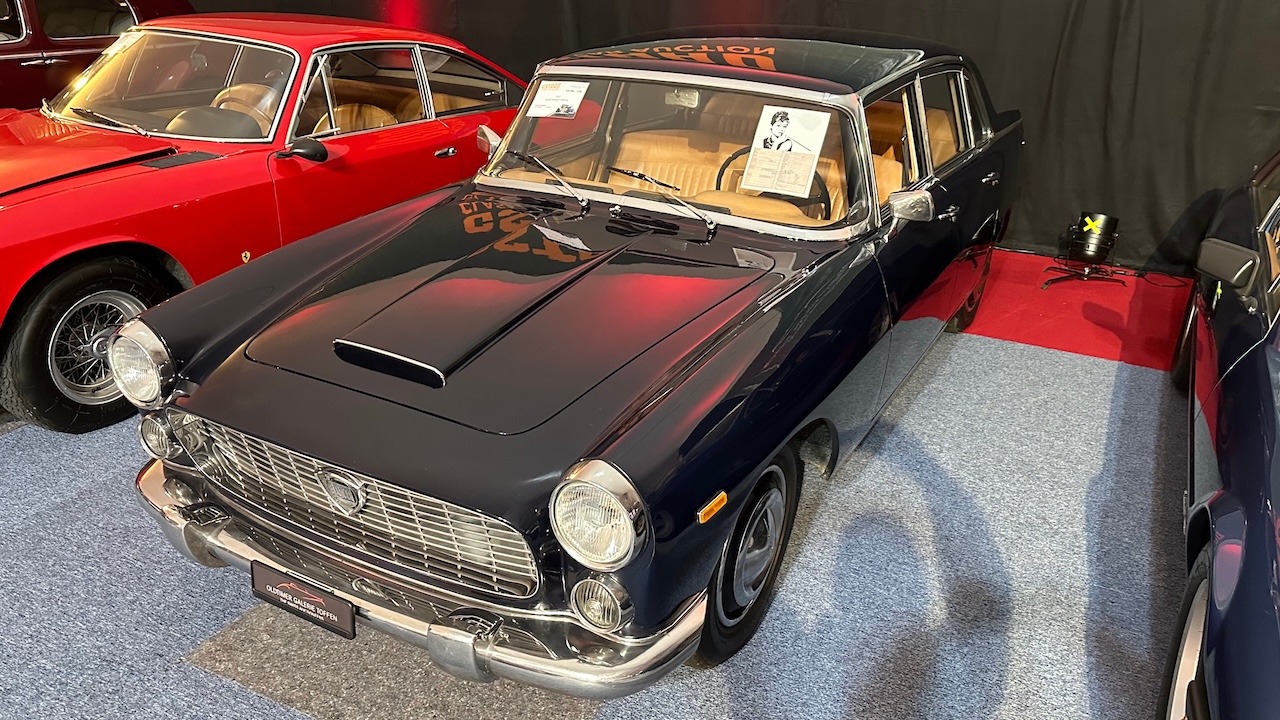
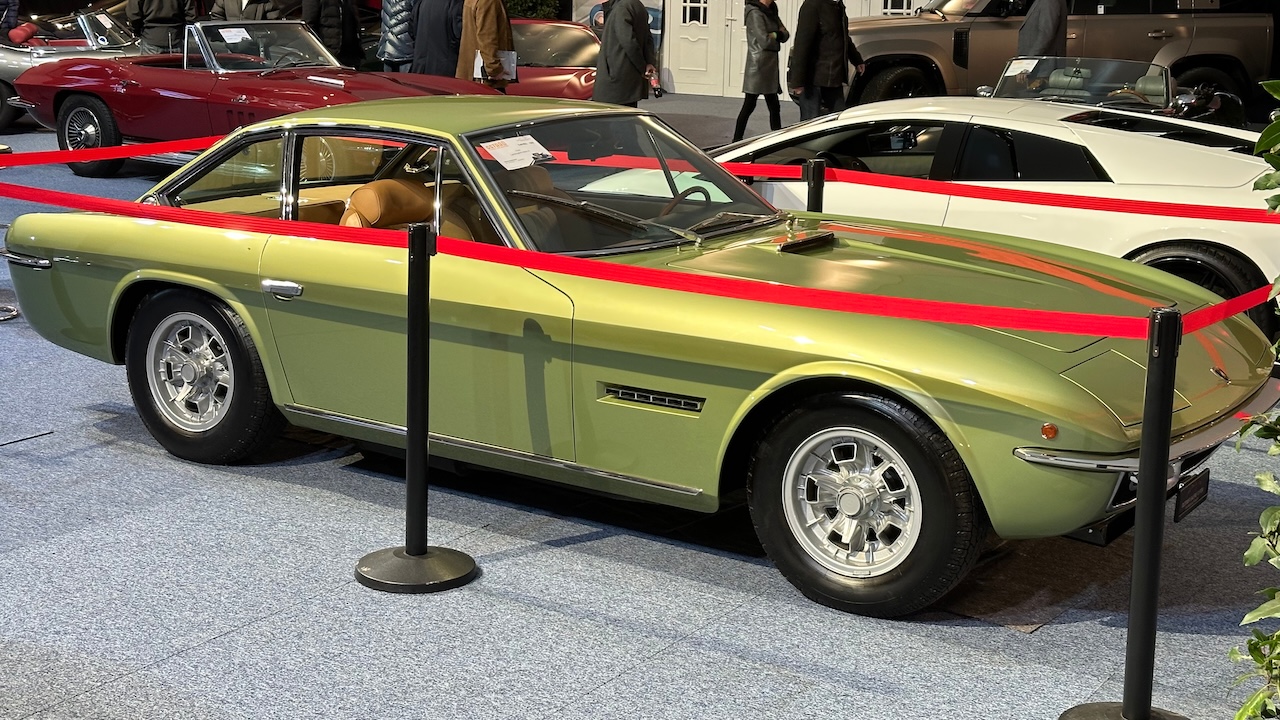
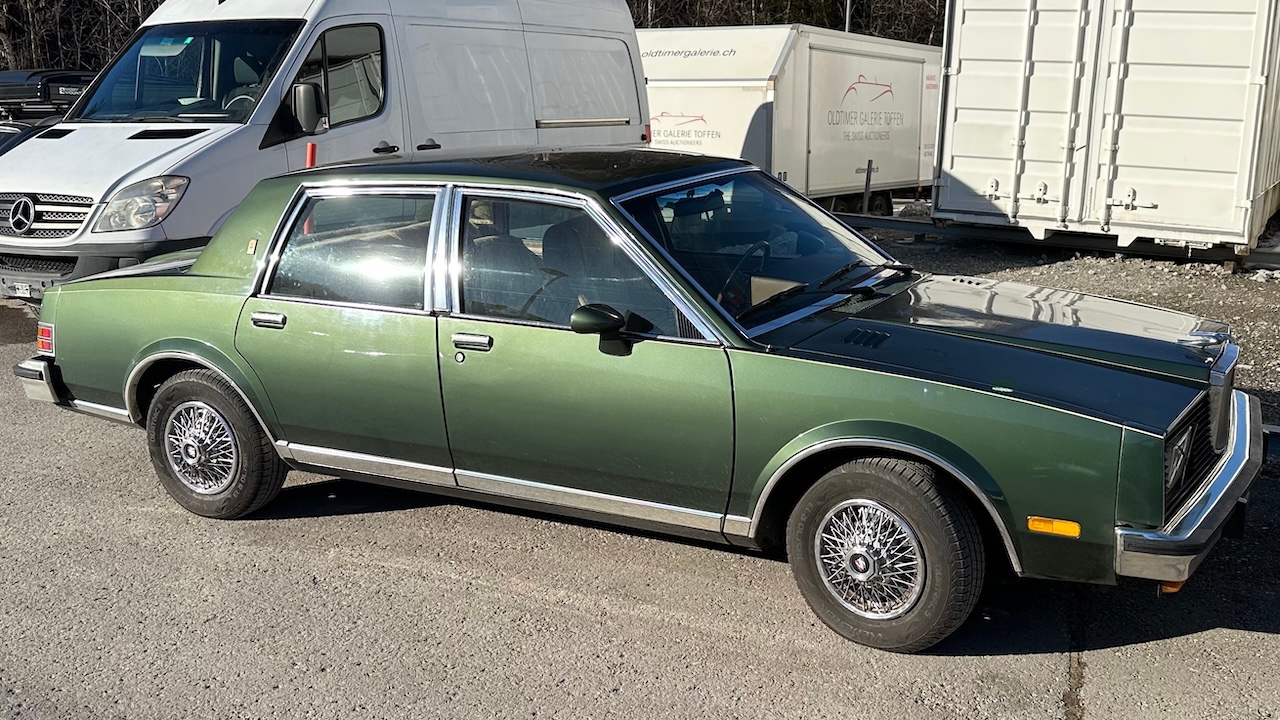
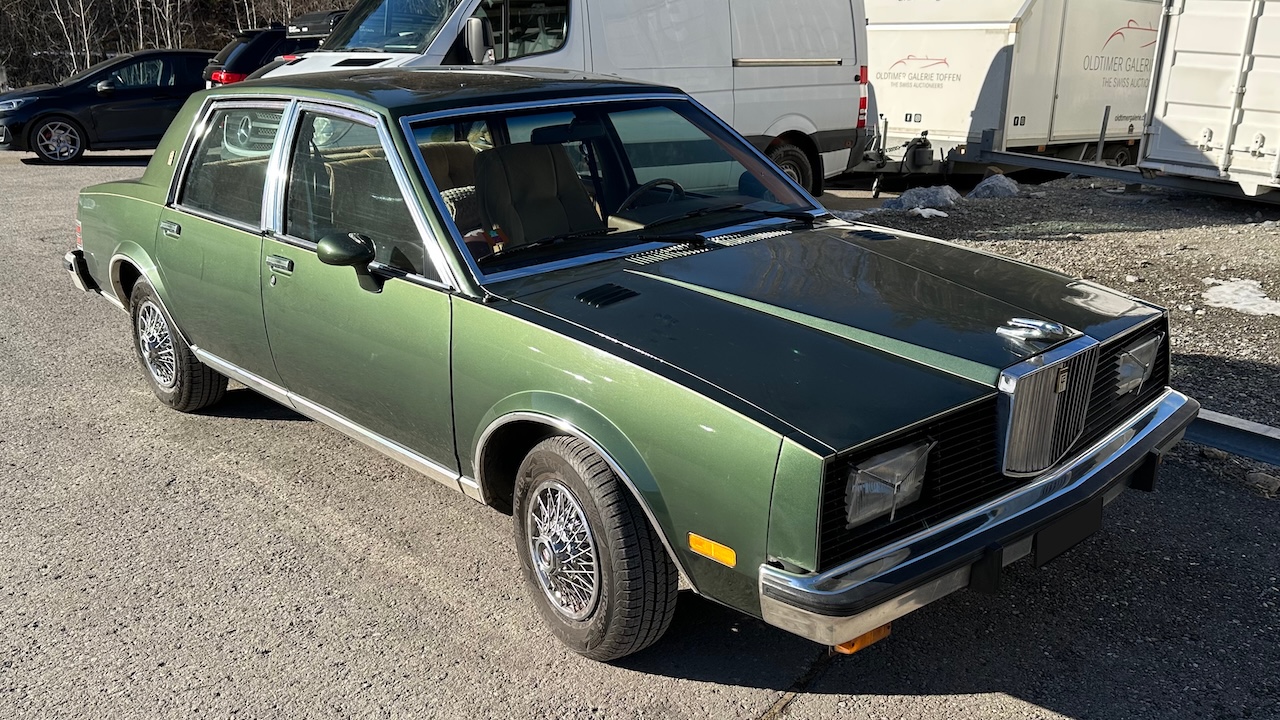
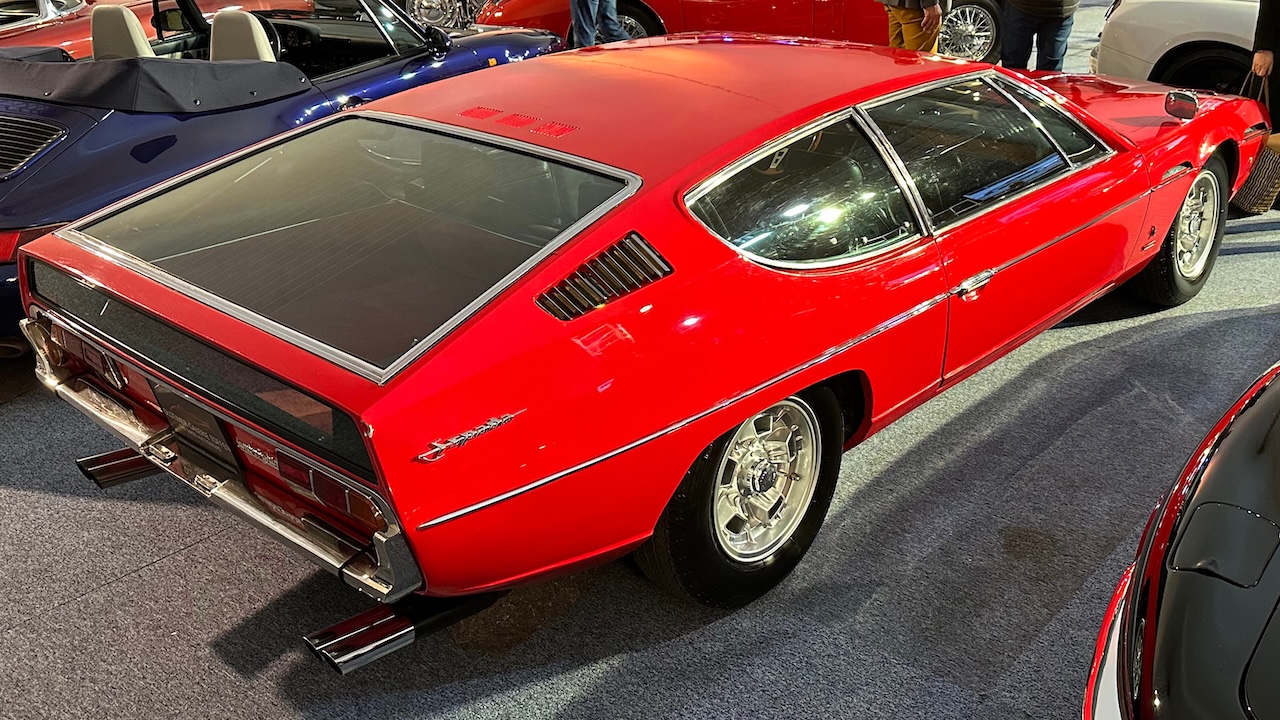
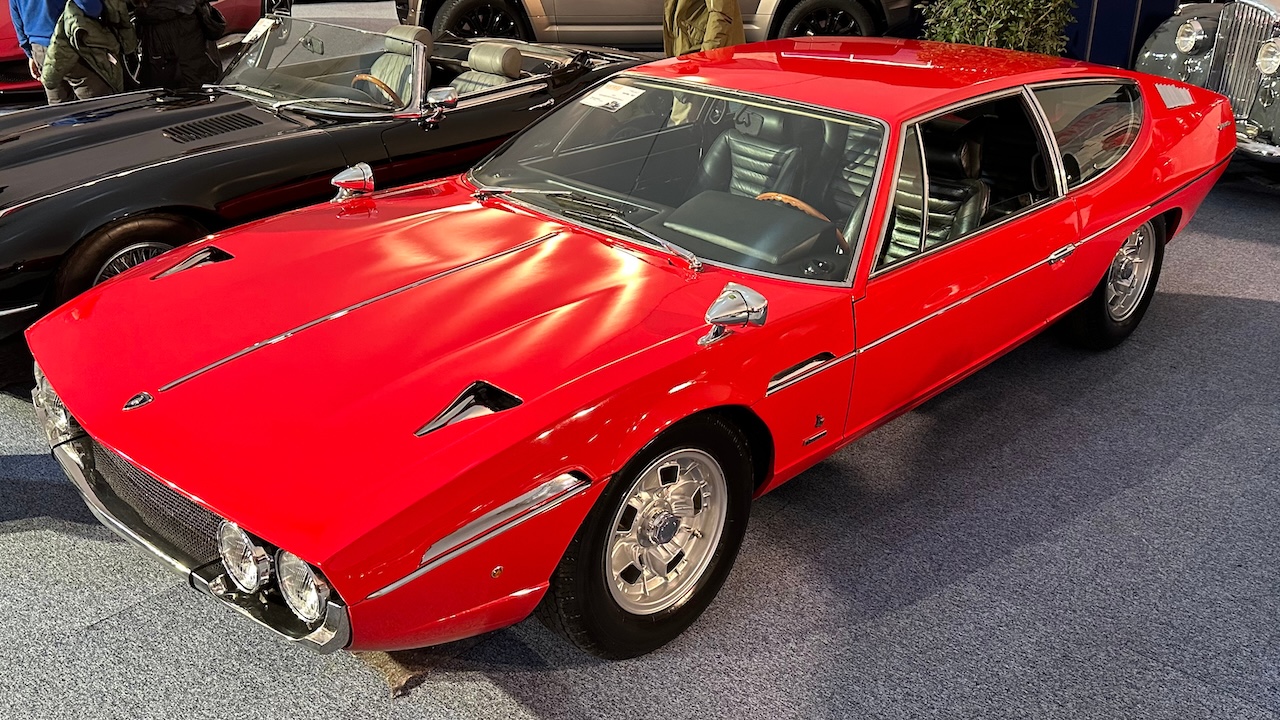
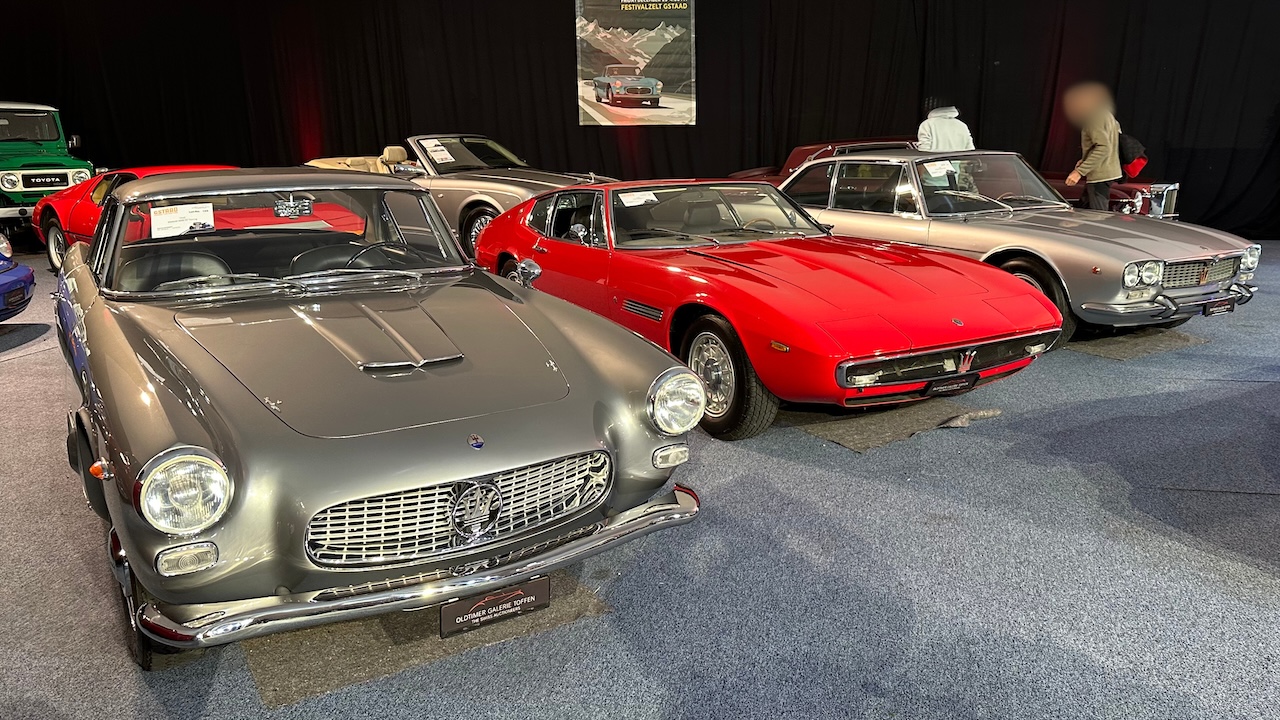
The other cars are: 1940 Alfa Romeo 6C 2500 Tourismo 5 posti; 1959 Cadillac Eldorado Biarritz; 1962 Maserati 3500 GT Touring; 1967 Lancia Flaminia 2.8 Berlina, owned by Audrey Dotti, better known as Audrey Hepburn, from 1969 to 1975; 1969 Lamborghini Islero S, one of only 100 examples built; seen outside a rarity, Felber Pacha, based on the Buick Skylark, around 1978; 1970 Lamborghini 400 GT Espada Series 2; trio of Maserati, 3500 GT, Ghibli 4.7, and Mexico 4200.
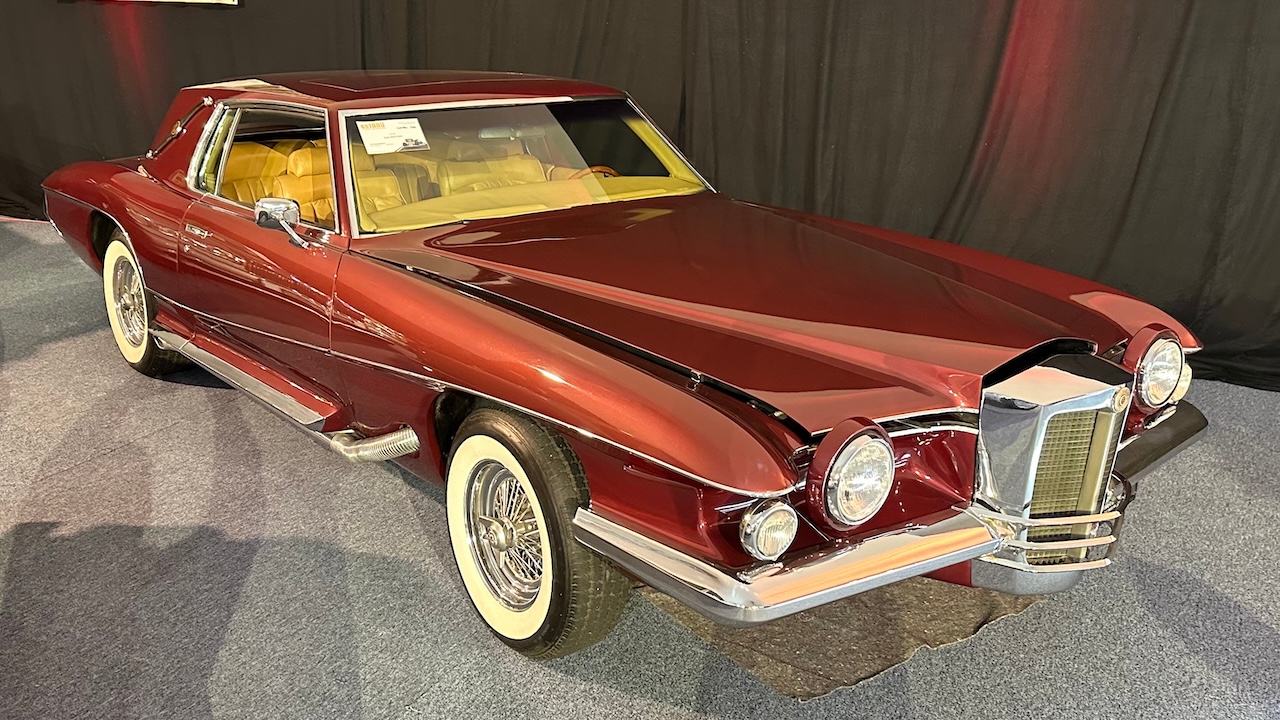
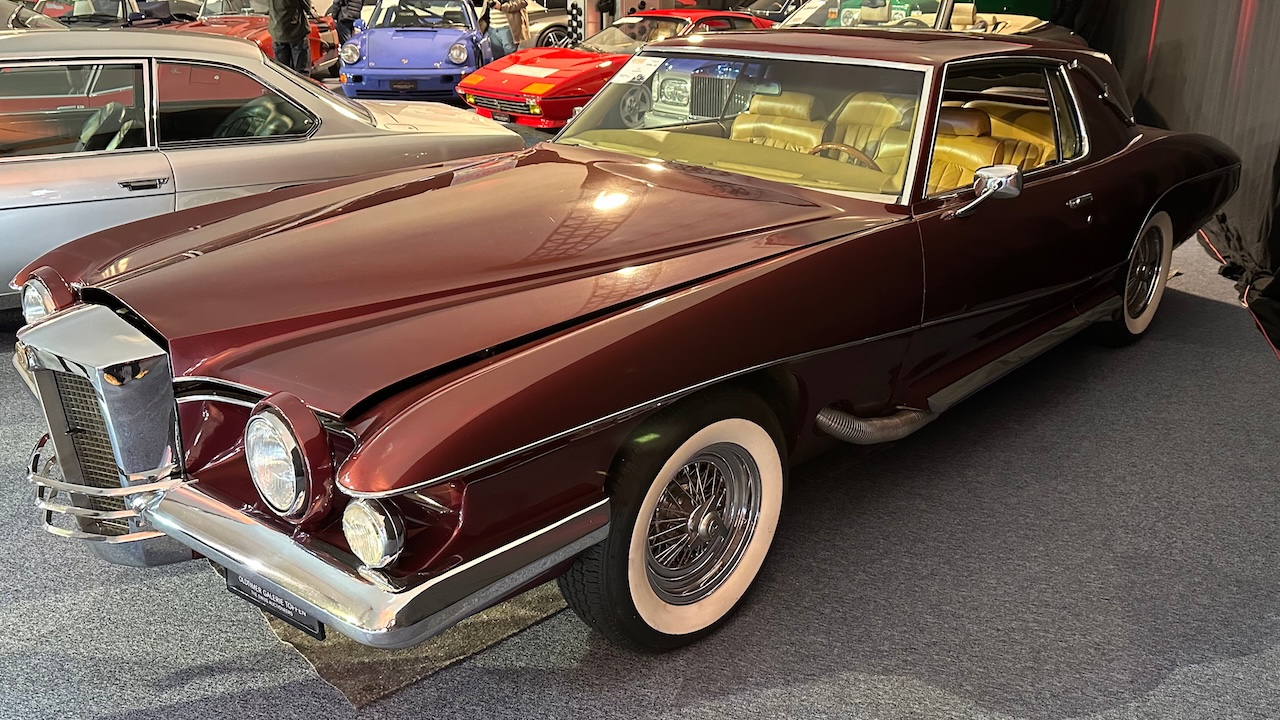
The last pictures show a 1972 Stutz Blackhawk with a Pontiac engine. Stutz Motor Car of America produced and sold expensive luxury vehicles from 1970 onwards, using American mass-production technology and independently designed bodies.
Links
More about this event on the official webpage.
More about this event can be found on our Instagram account or below in the virtual phone. To see the pictures, swipe them with your finger (mobile devices) or your mouse (desktop).
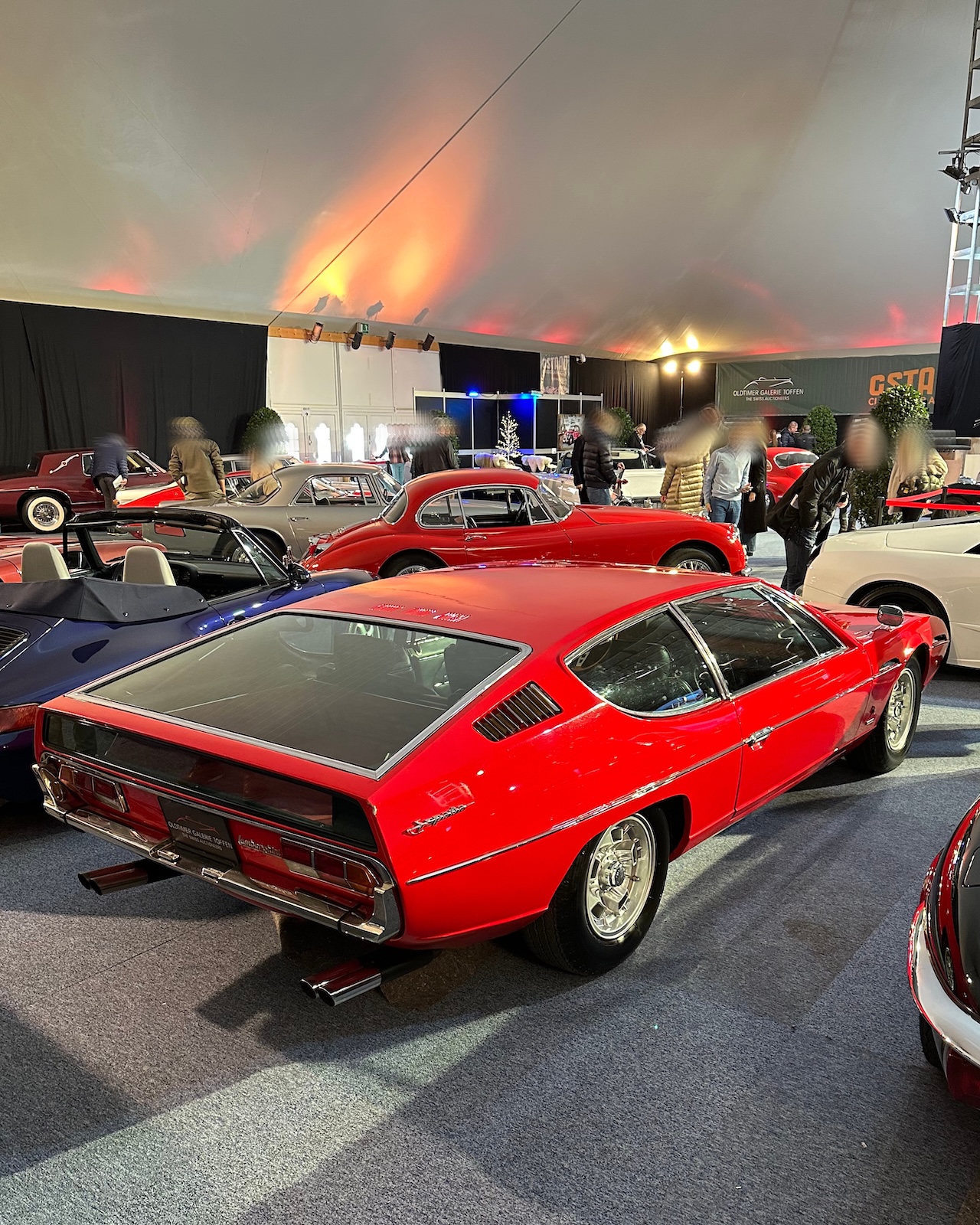
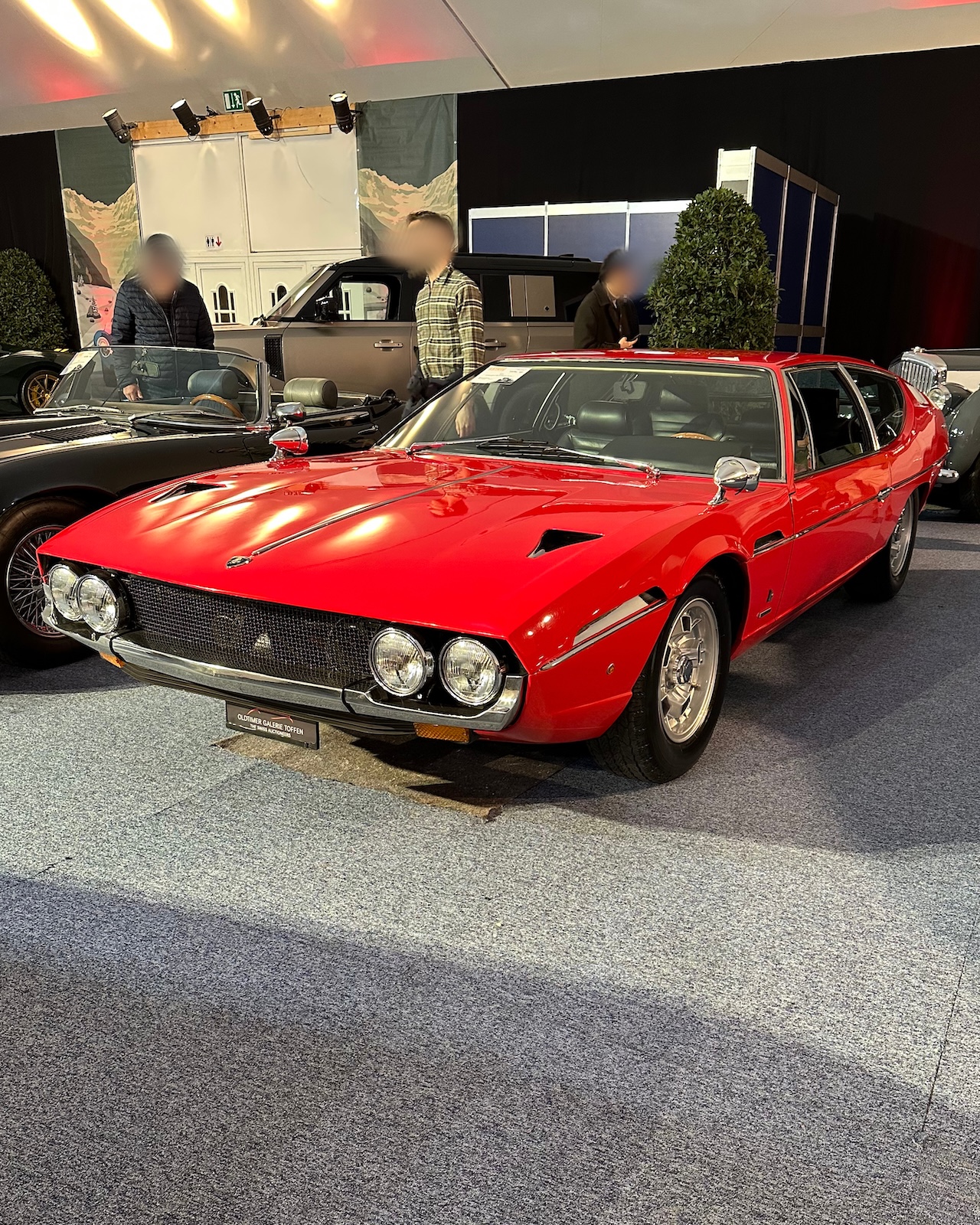
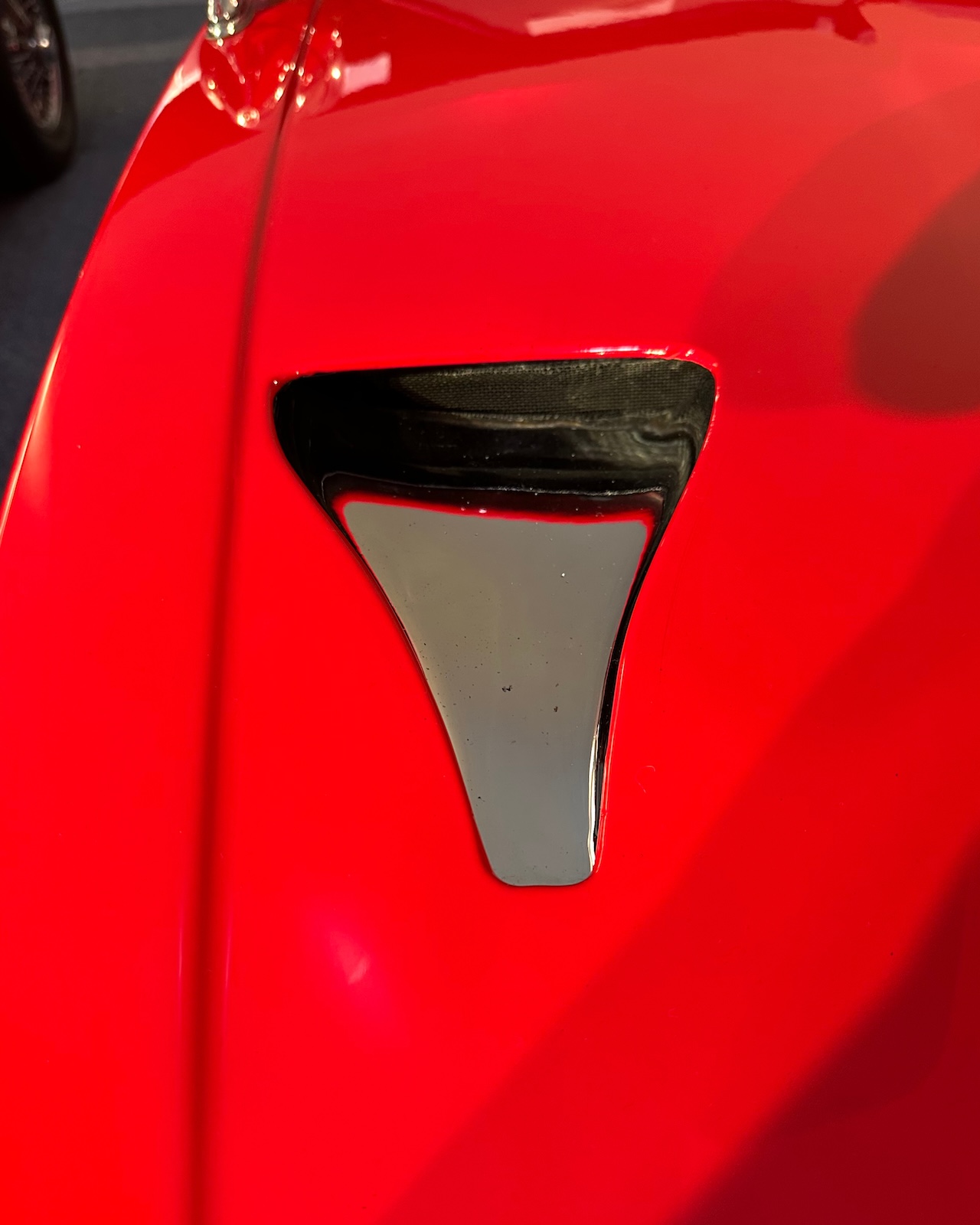
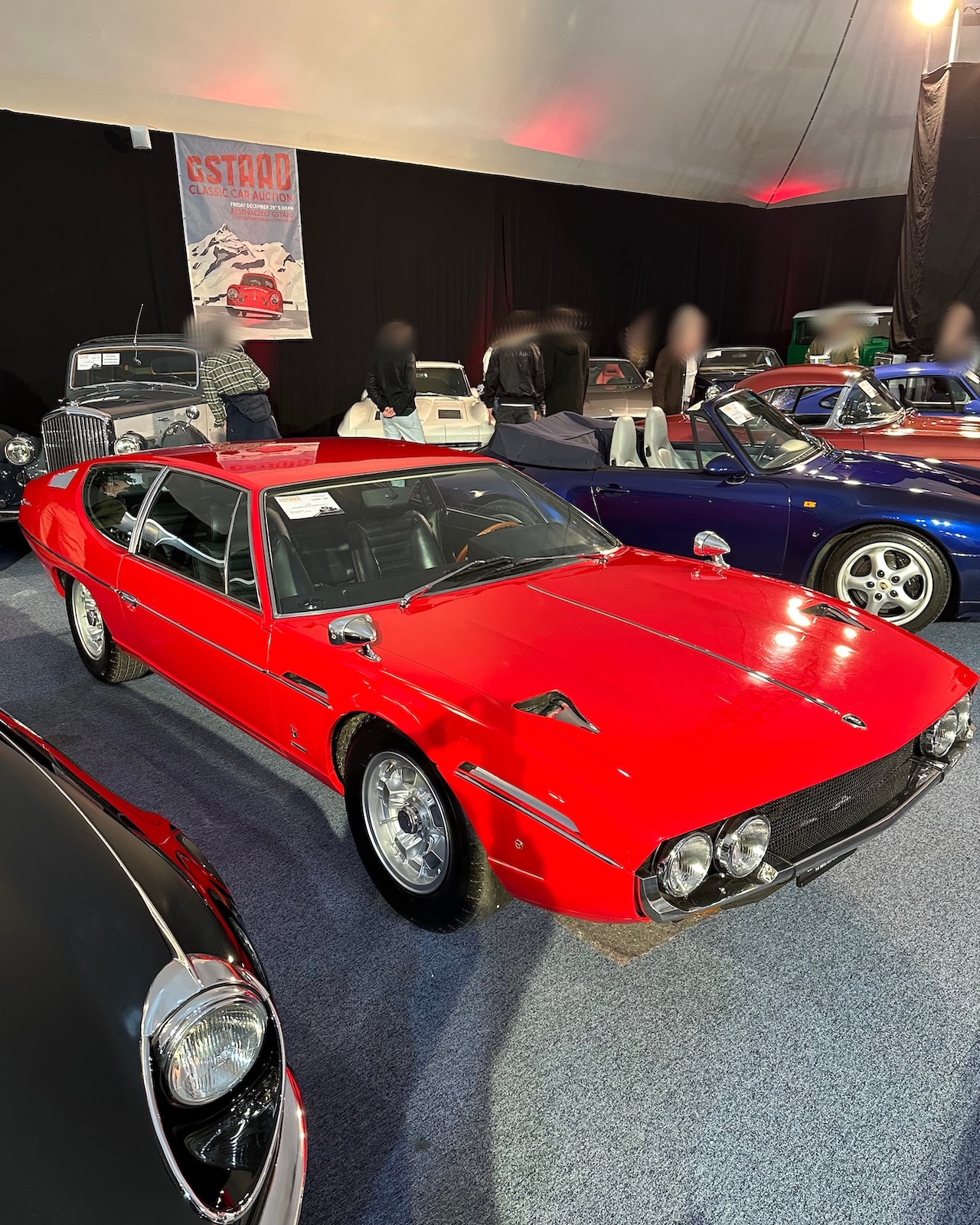
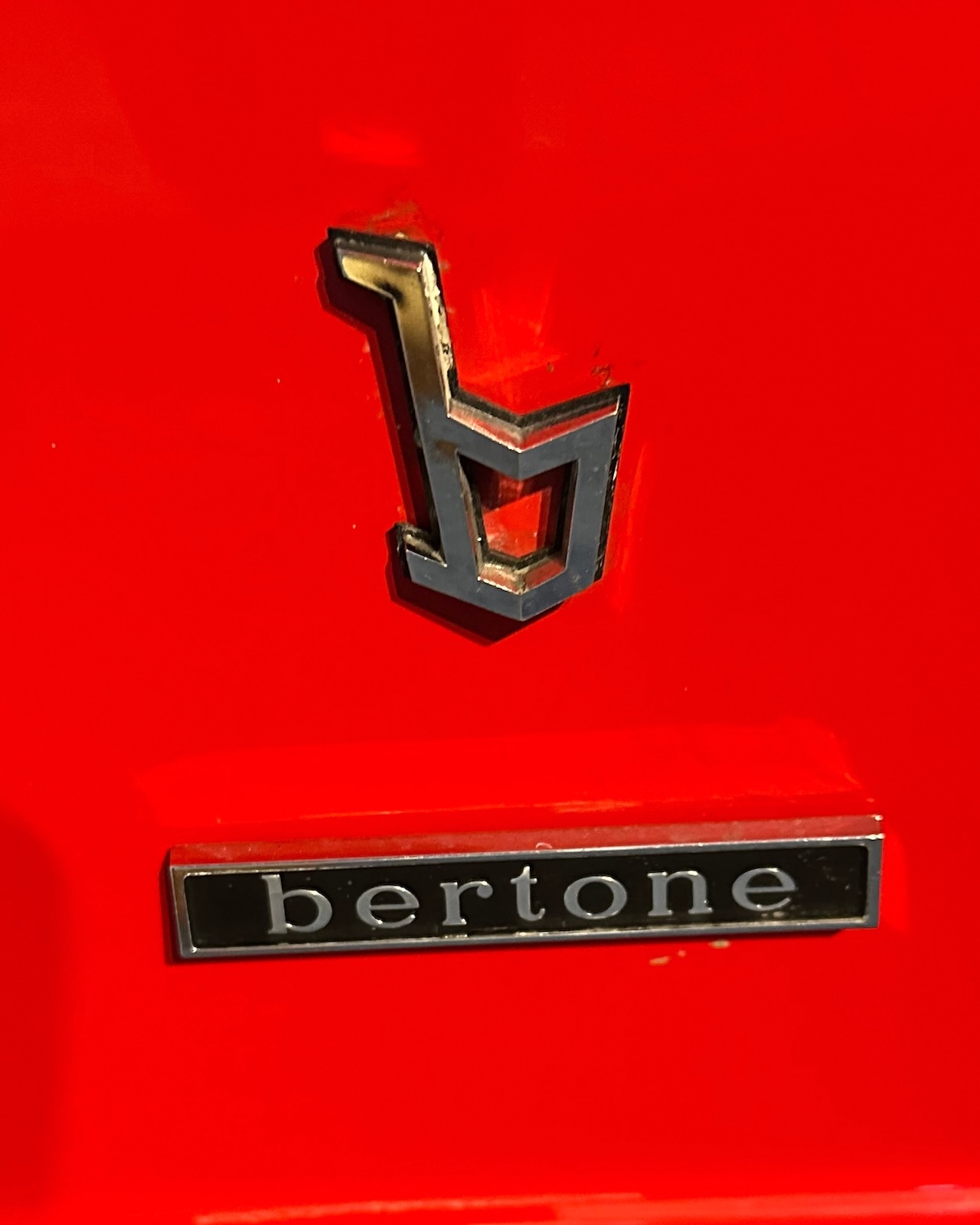
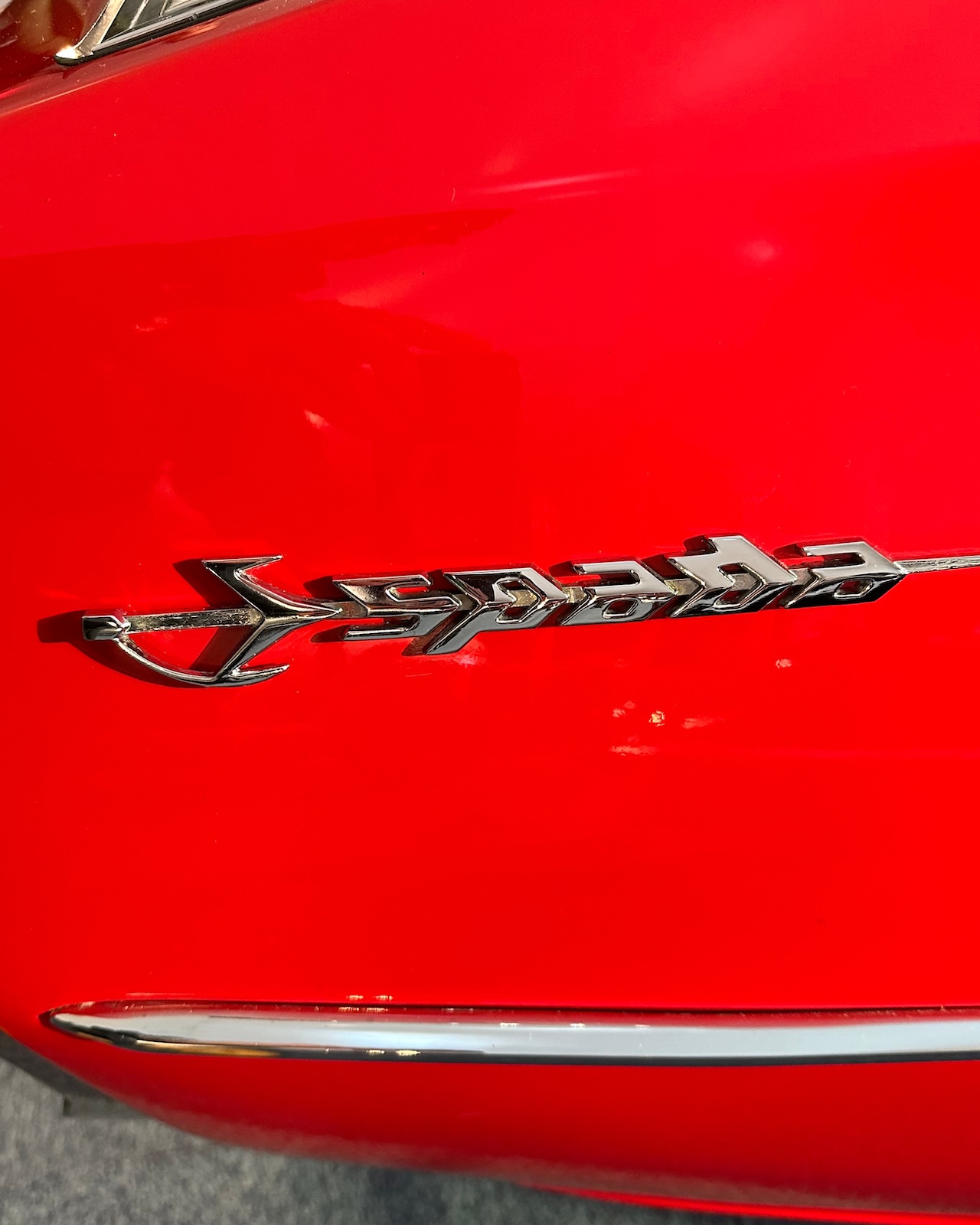
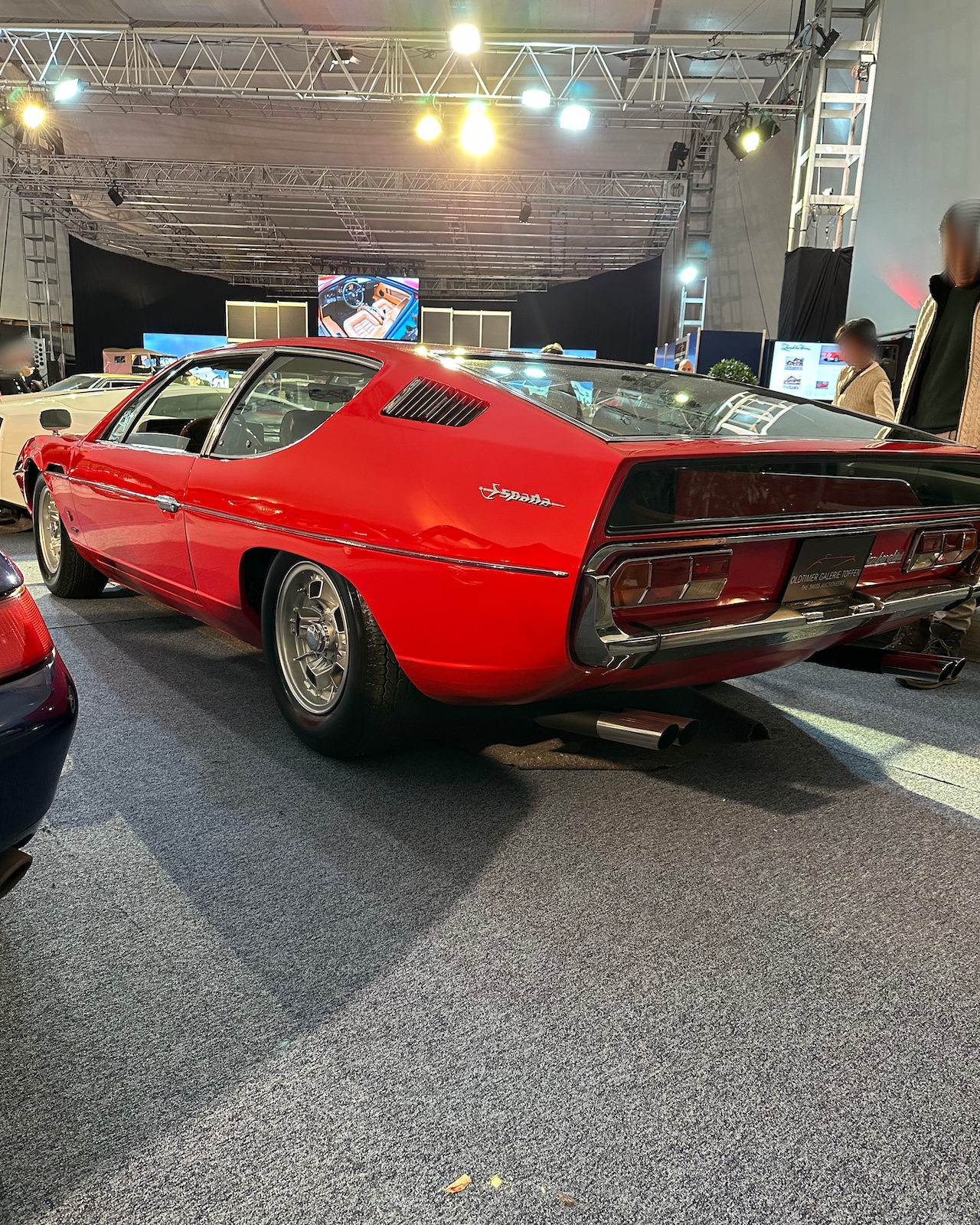
This car is a perfect illustration of the current market: price corrections for 1970s GTs, exemplified by this 1970 Lamborghini 400 GT Espada Series II.
It was sold in Gstaad last December. Optimistically estimated at CHF 115k–130k, it hammered at CHF 100k, or CHF 112k including the buyer’s premium. That is more than, for example, the Espada sold at Rétromobile in February 2025 by Sotheby’s for under EUR 70k.
Yet it’s a hell of a car, and a lot of car for the money, keep this in mind: Bertone design, around 1200 units produced over ten years (all series), a V12 with nearly four litres of displacement, approximately 350 HP, four real seats, extraordinary luminosity thanks to a glass surface the size of an apartment, hood air intakes, and breathtaking lines.
Cars like this will never be produced again. Yes, times are changing. And ultimately, that opens up possibilities. What was once reserved for a privileged few is now accessible to a wider, maybe even younger audience. Enjoy the beauty.
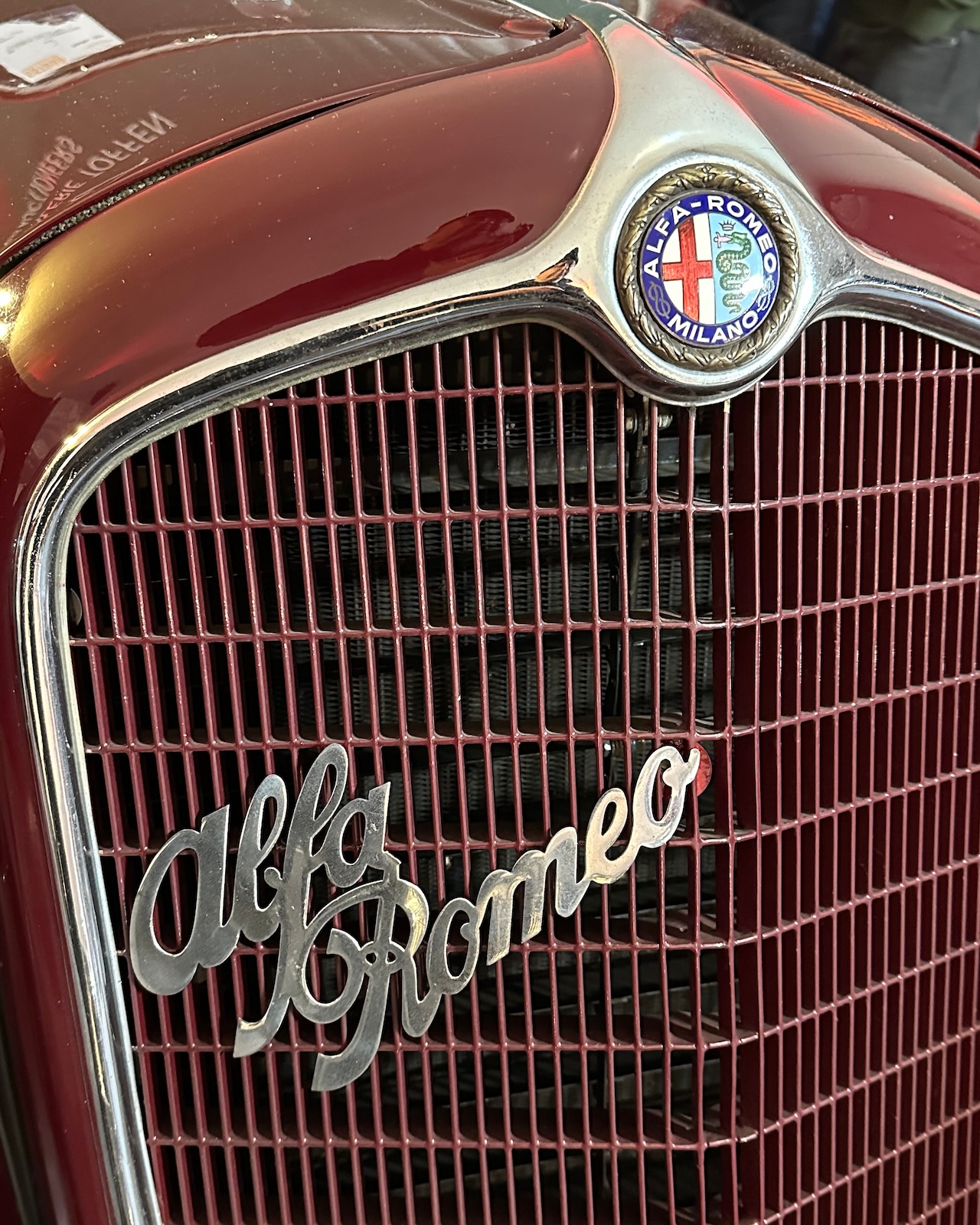
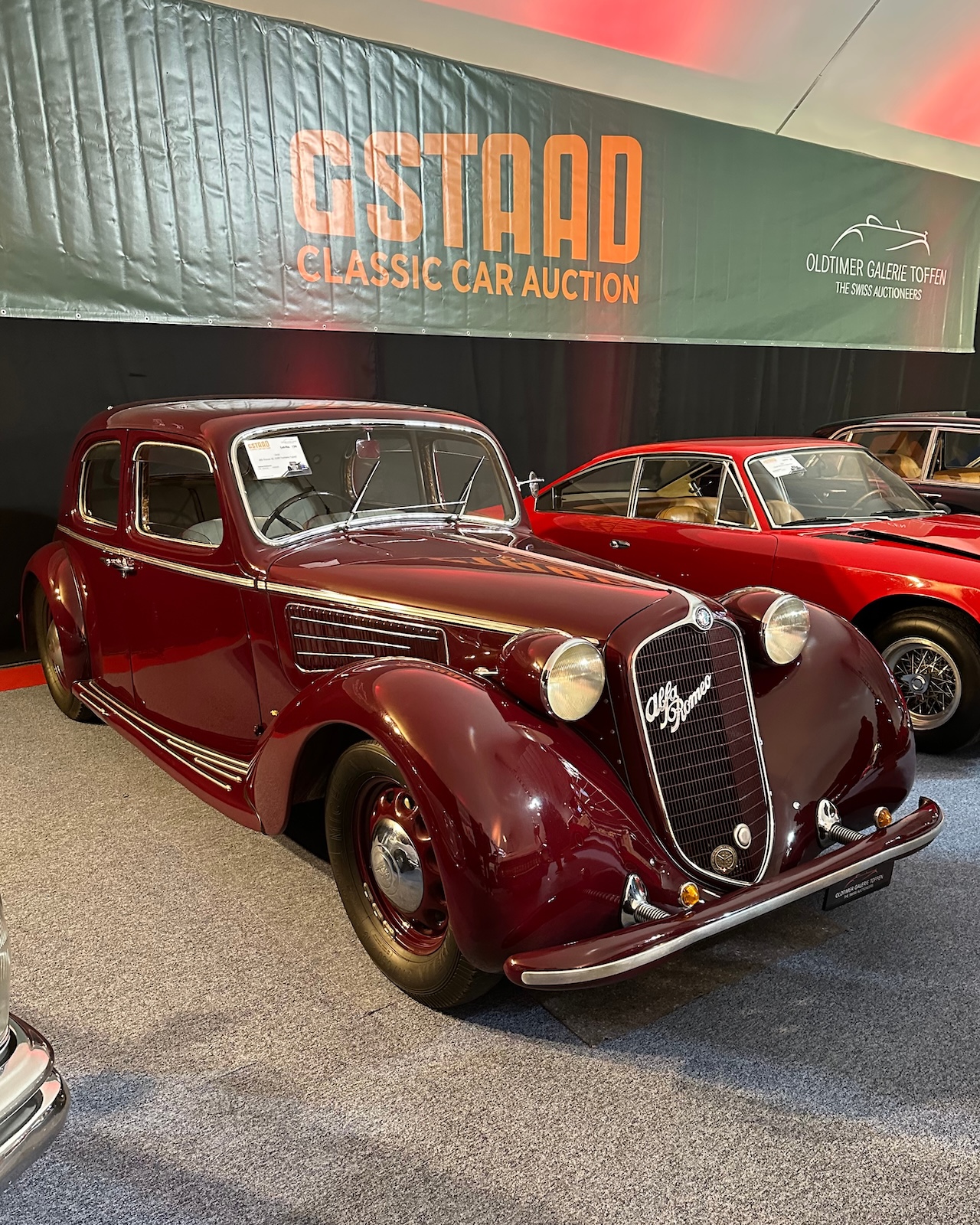
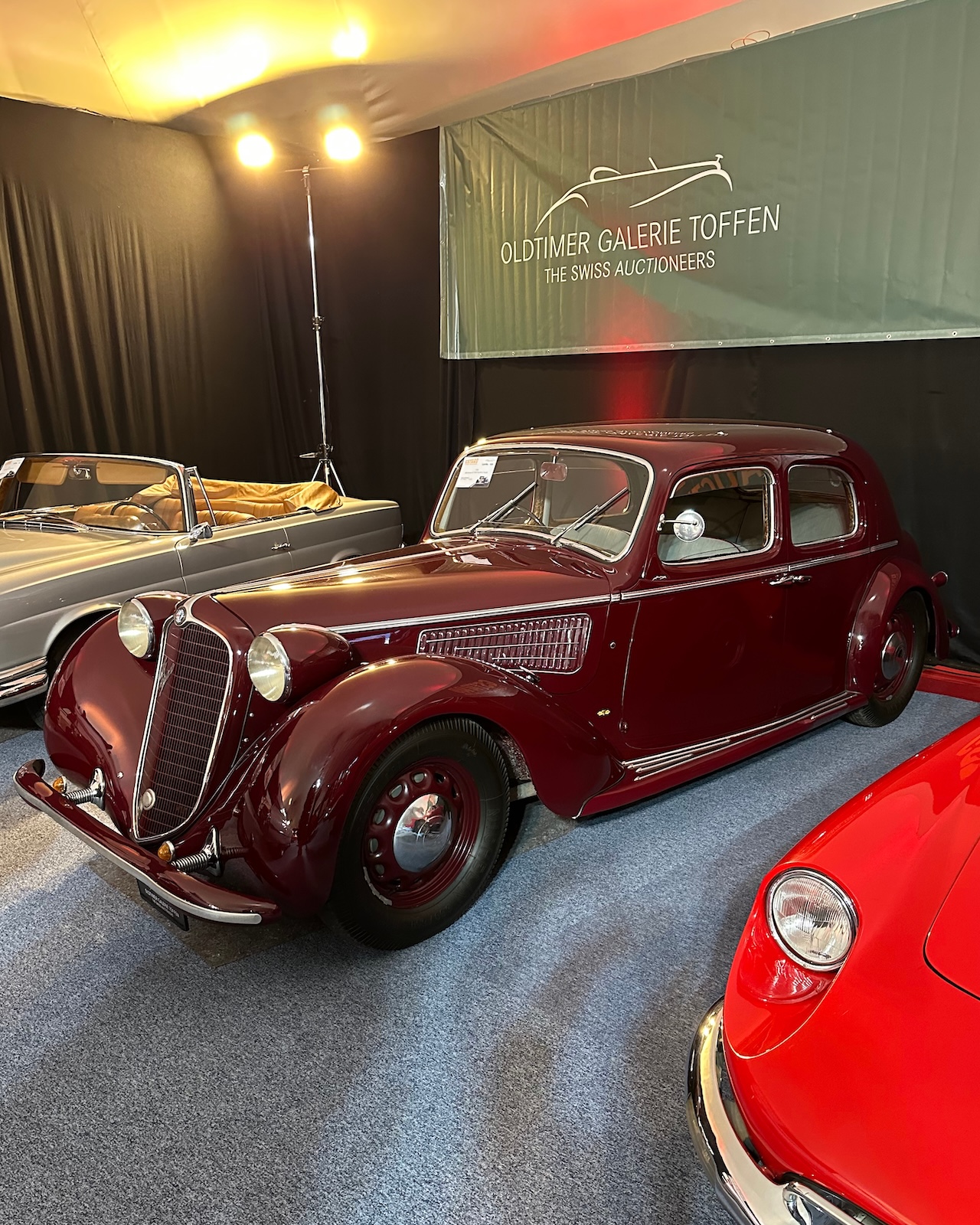
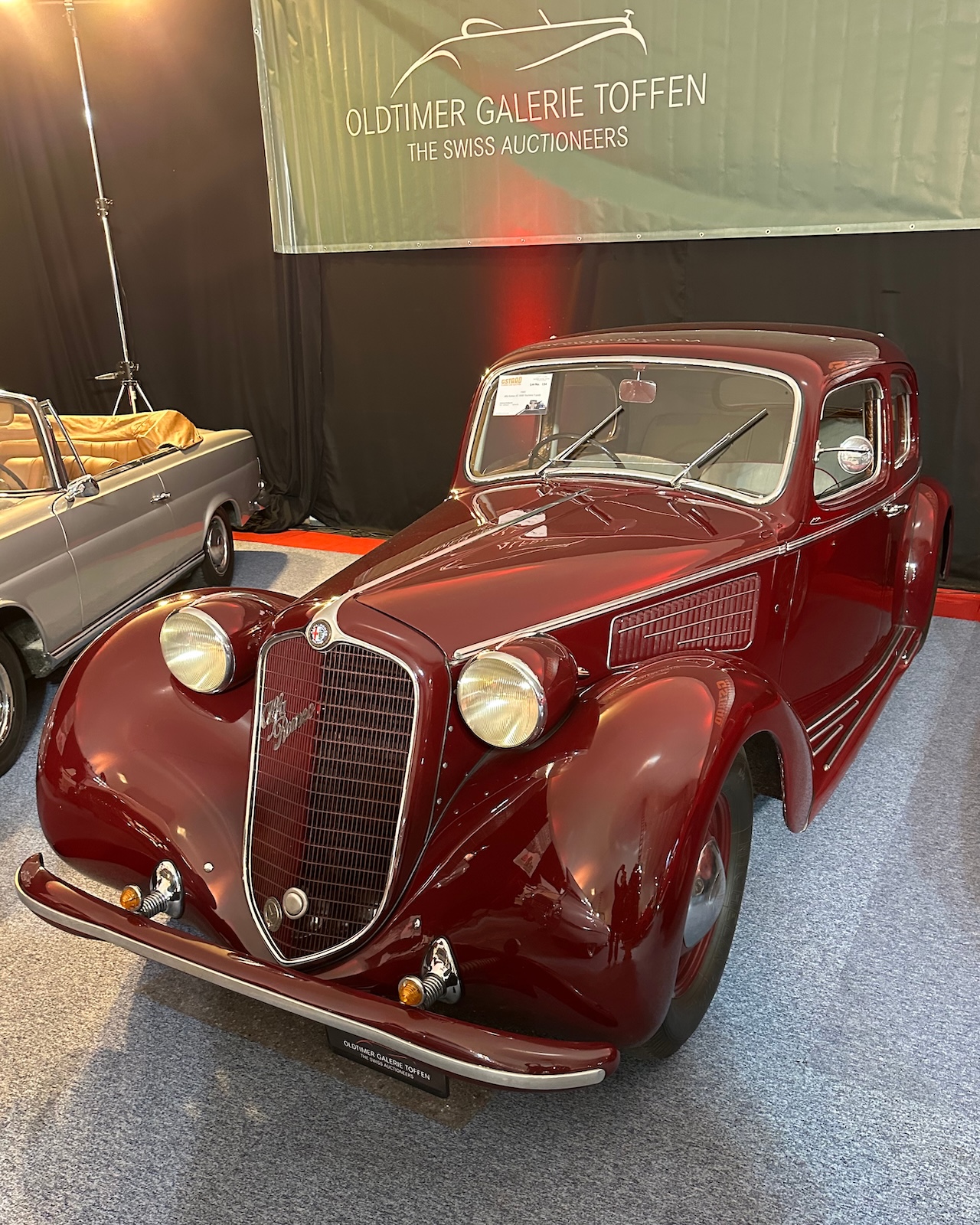
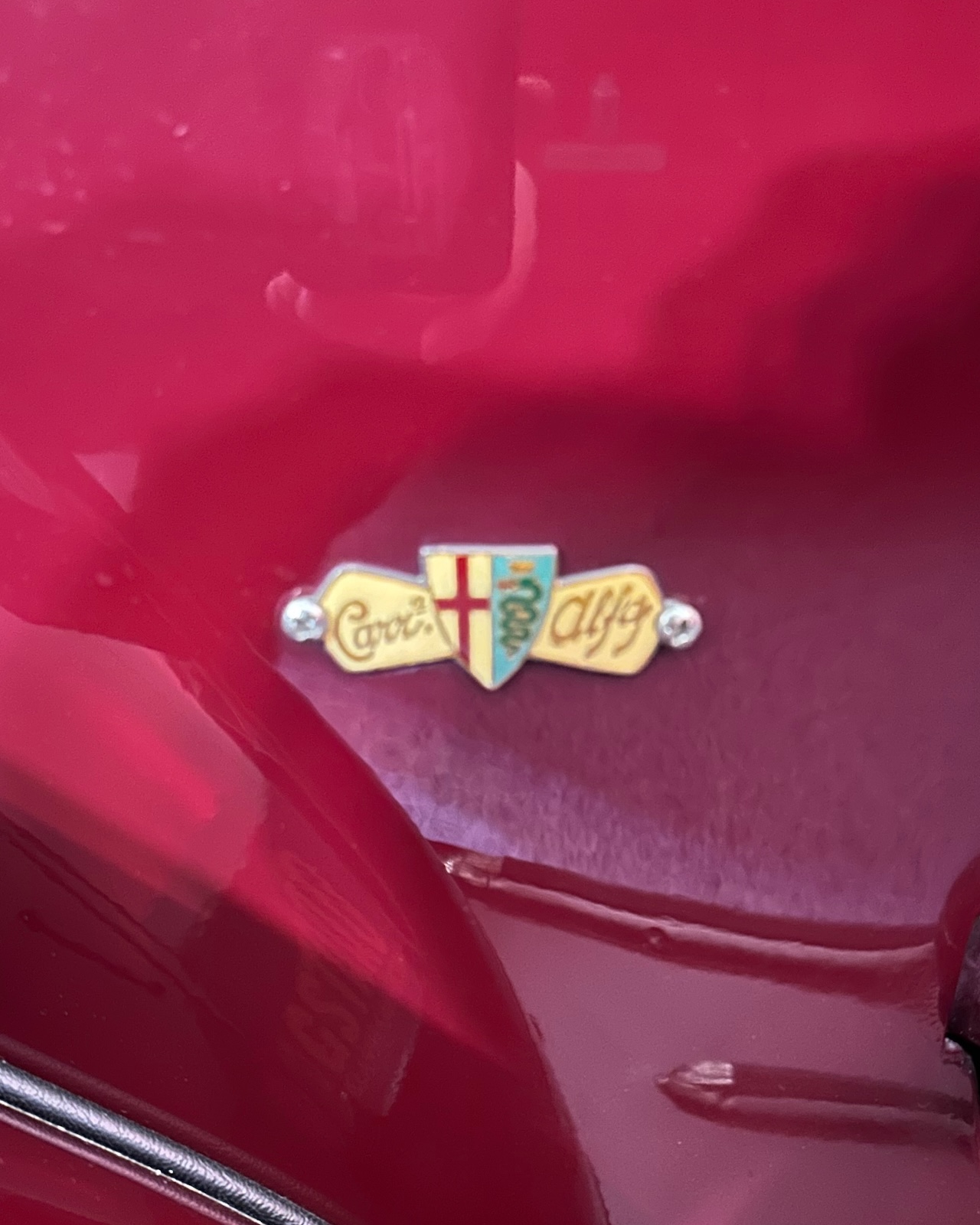
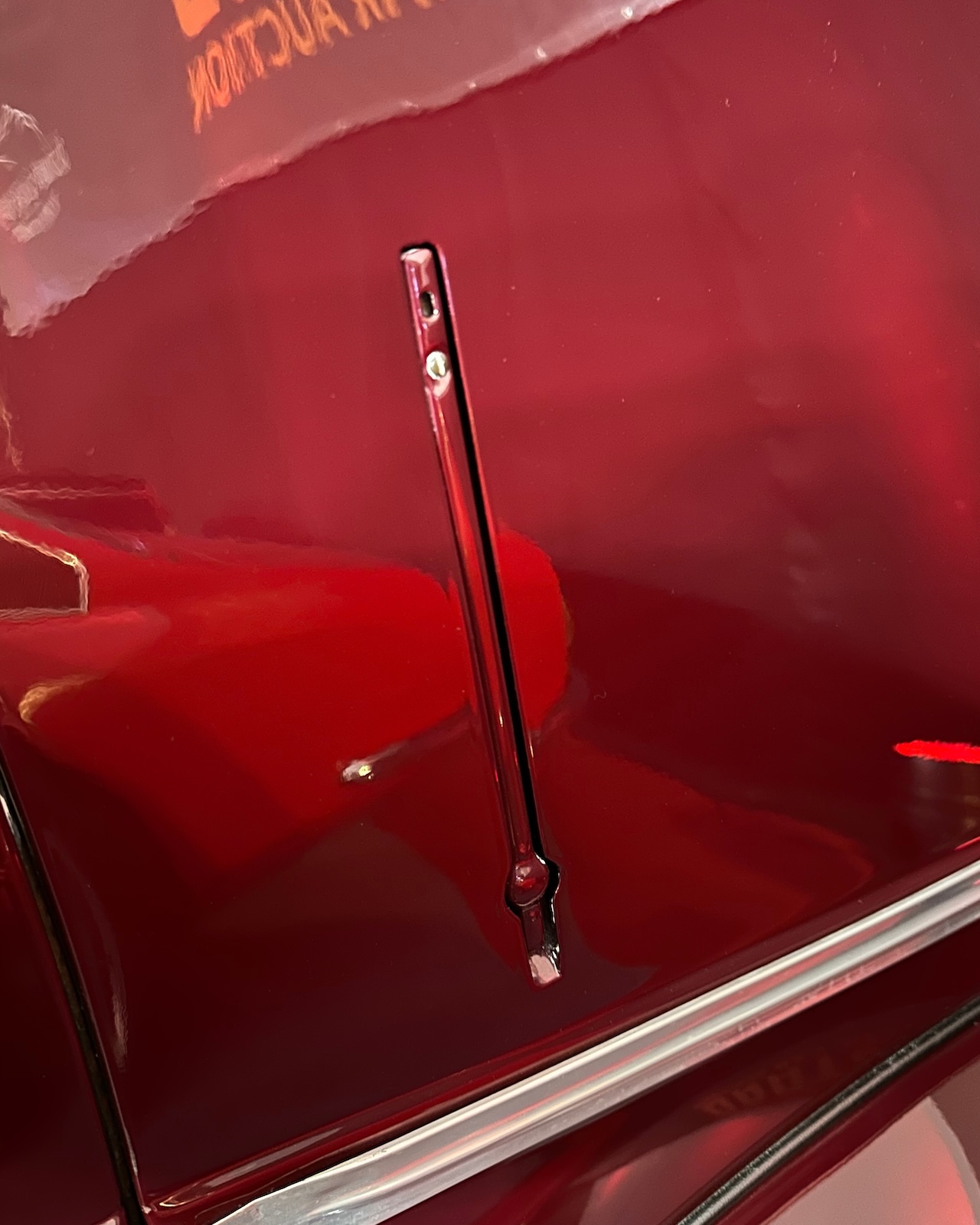
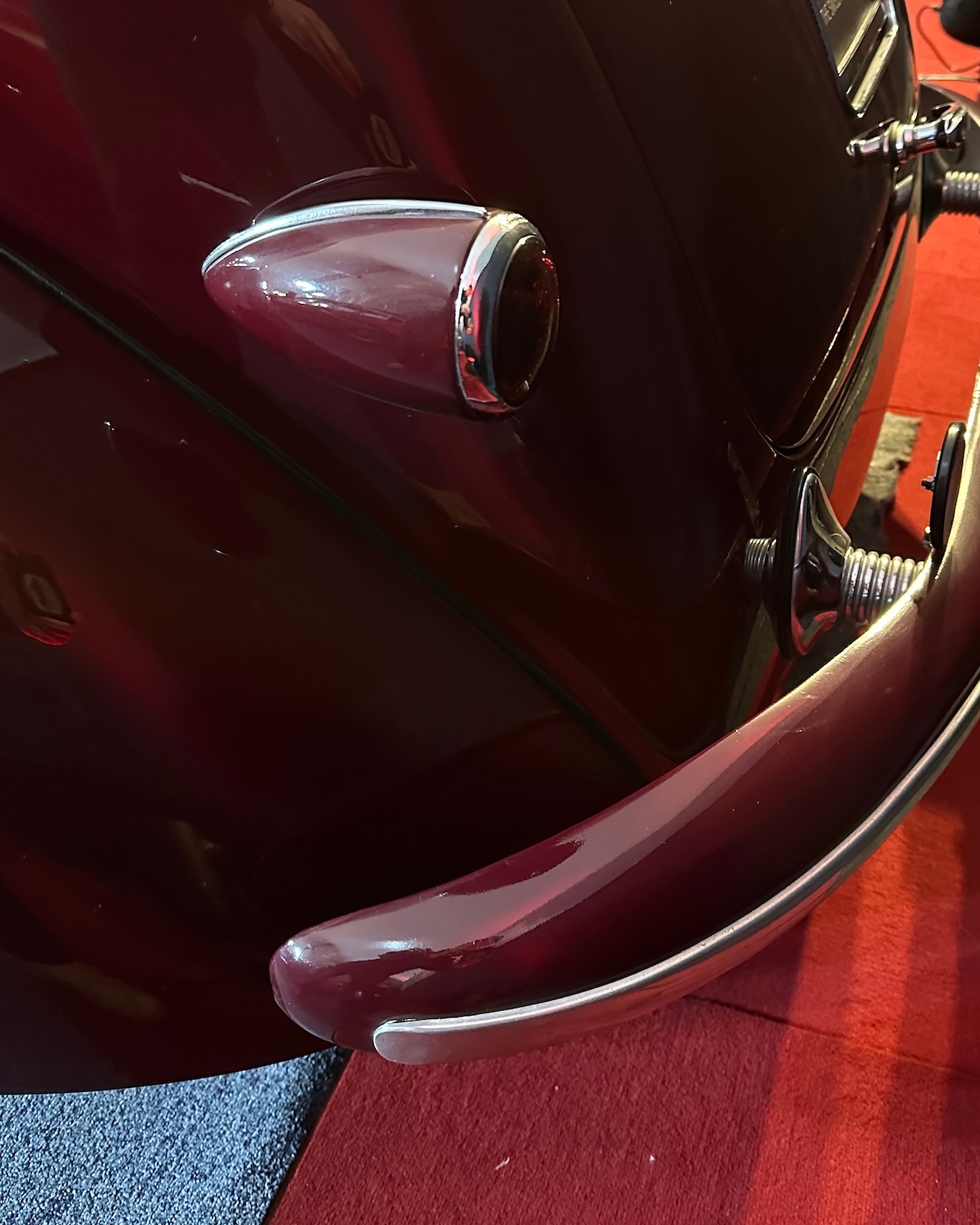
When you drive - or even race - a contemporaneous Alfa Romeo, do you ever wonder where that distinctive character, you know the one that gives you so much pleasure, comes from? It comes from its DNA, and more specifically from pre-war Alfa Romeo.
Take this 1940 6C 2500, for example, with its six cylinders and twin overhead camshafts (DOHC). The pleasure is the same, the feeling is the same, the presence is the same... as in a modern Giulia... OK, it is a bit exaggerated, but you get the point.
This particular car, which did not sell at the Gstaad auction last week (the highest bid was CHF 90'000.-), shows just how challenging the market currently is for prewar cars, even for ones of this caliber.
Back in the 1930s, if you wanted a car that was almost a race car yet capable of transporting your family or towing a caravan, this 6C was the winning ticket. Around 280 Tourismo 5 posti models were built with this factory bodywork. And don't forget: at the time, only a few lucky people could afford such a gem.
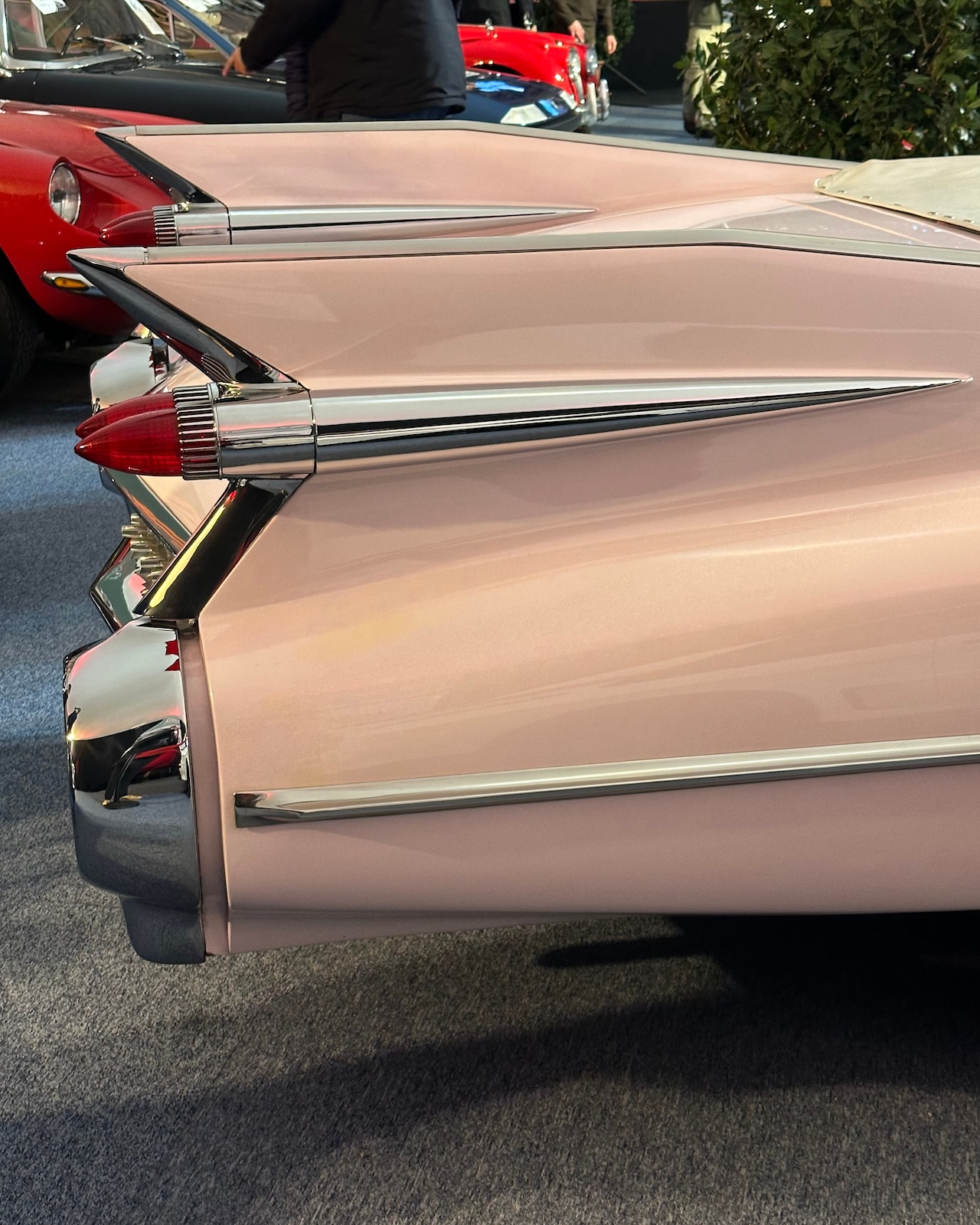
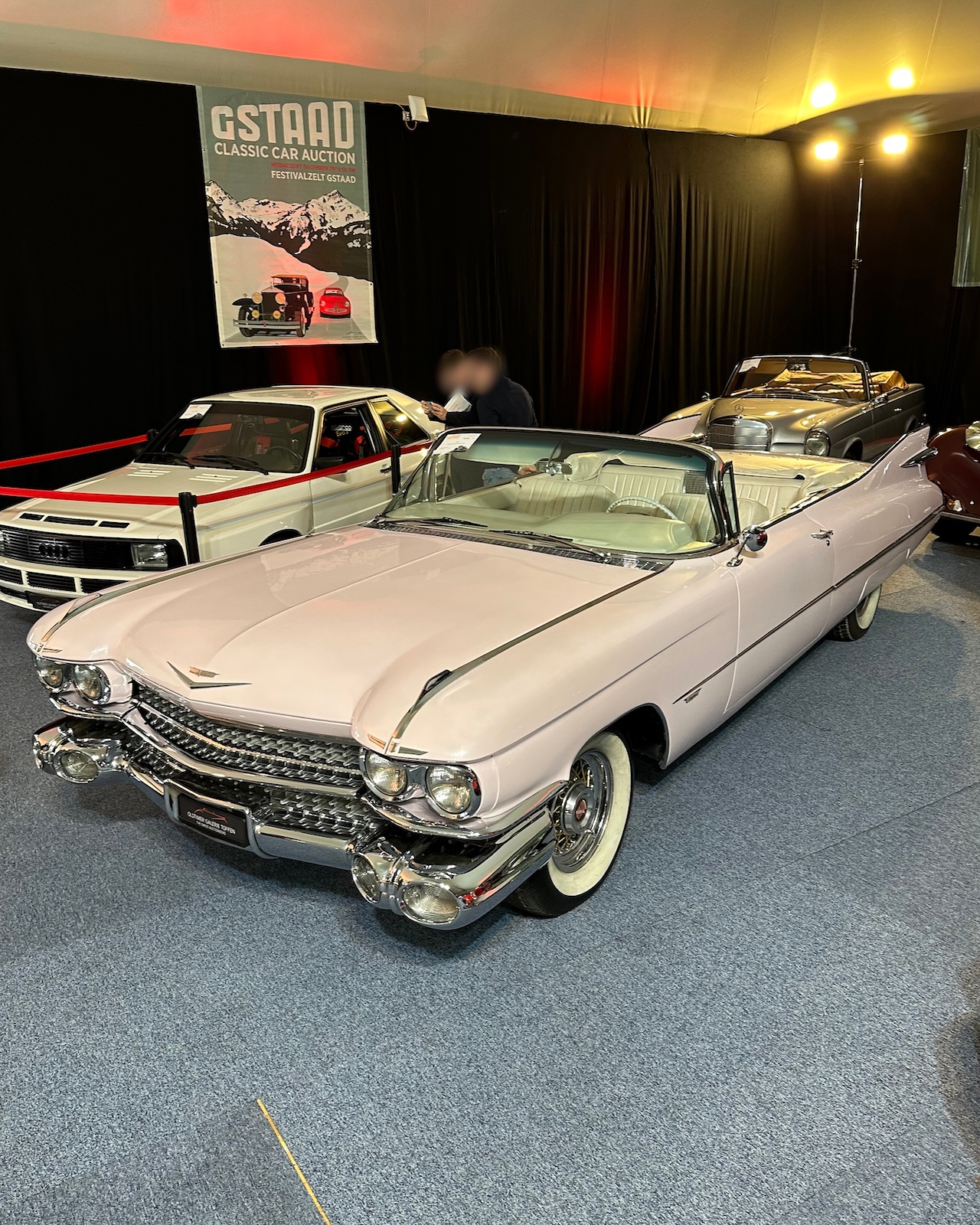
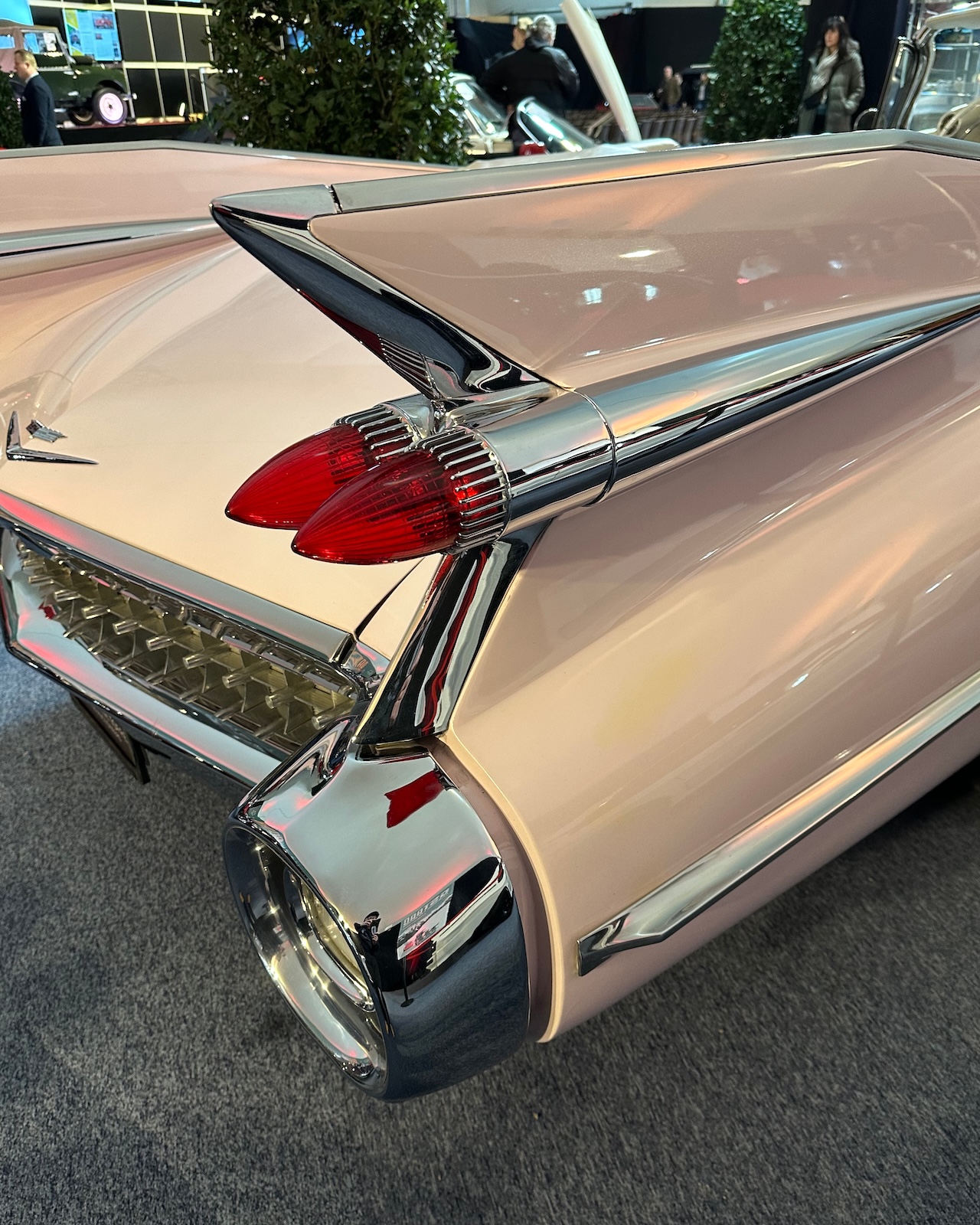
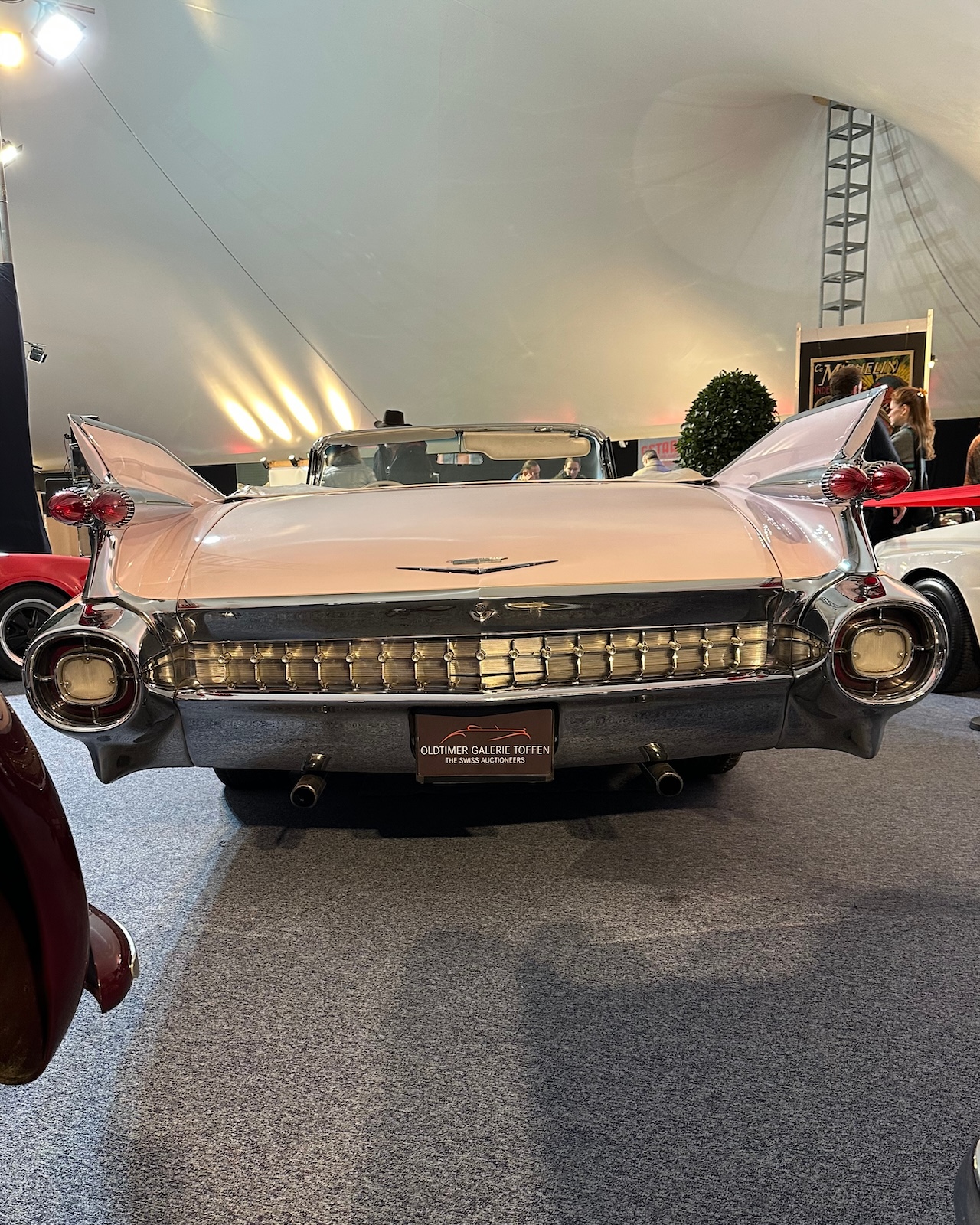
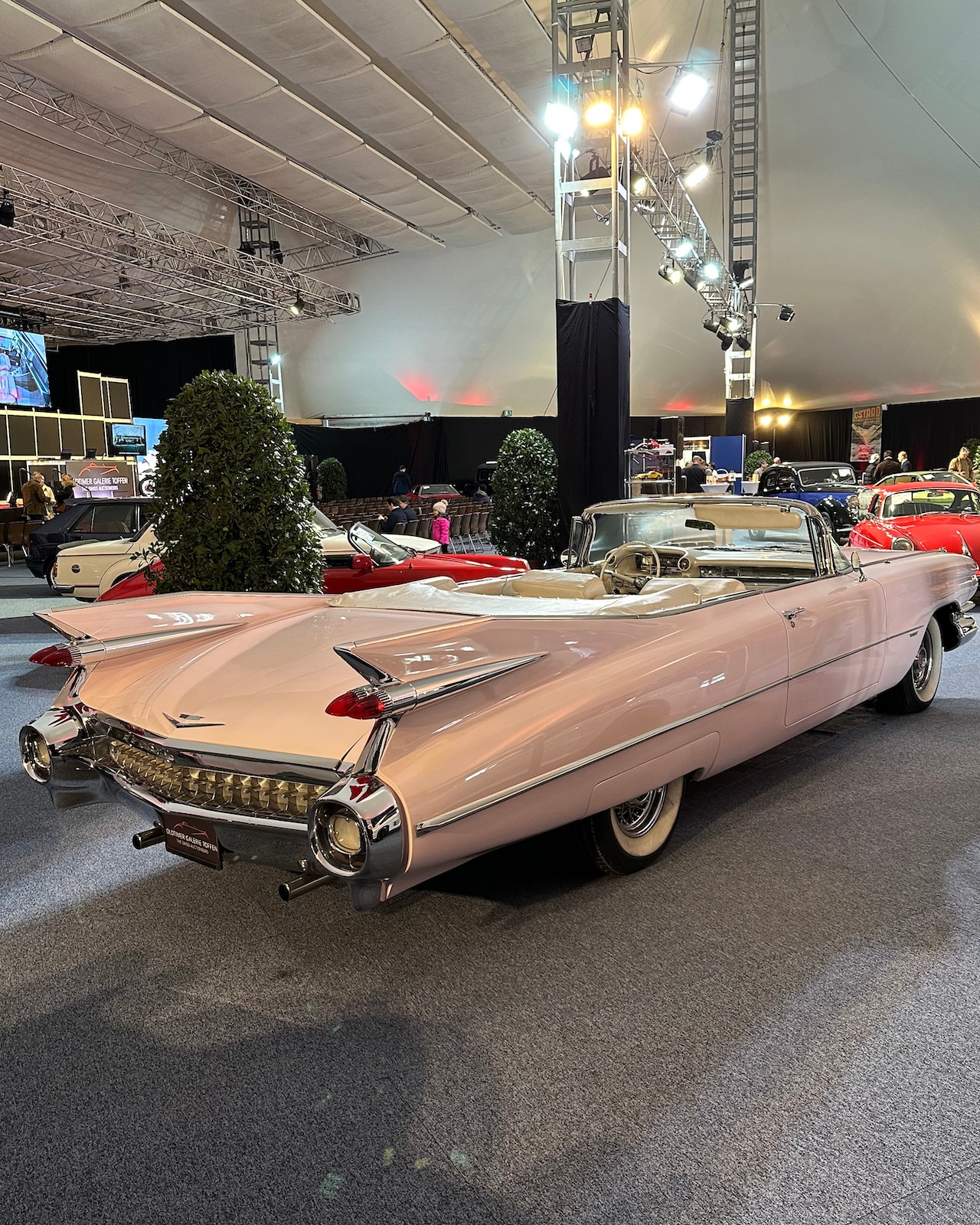
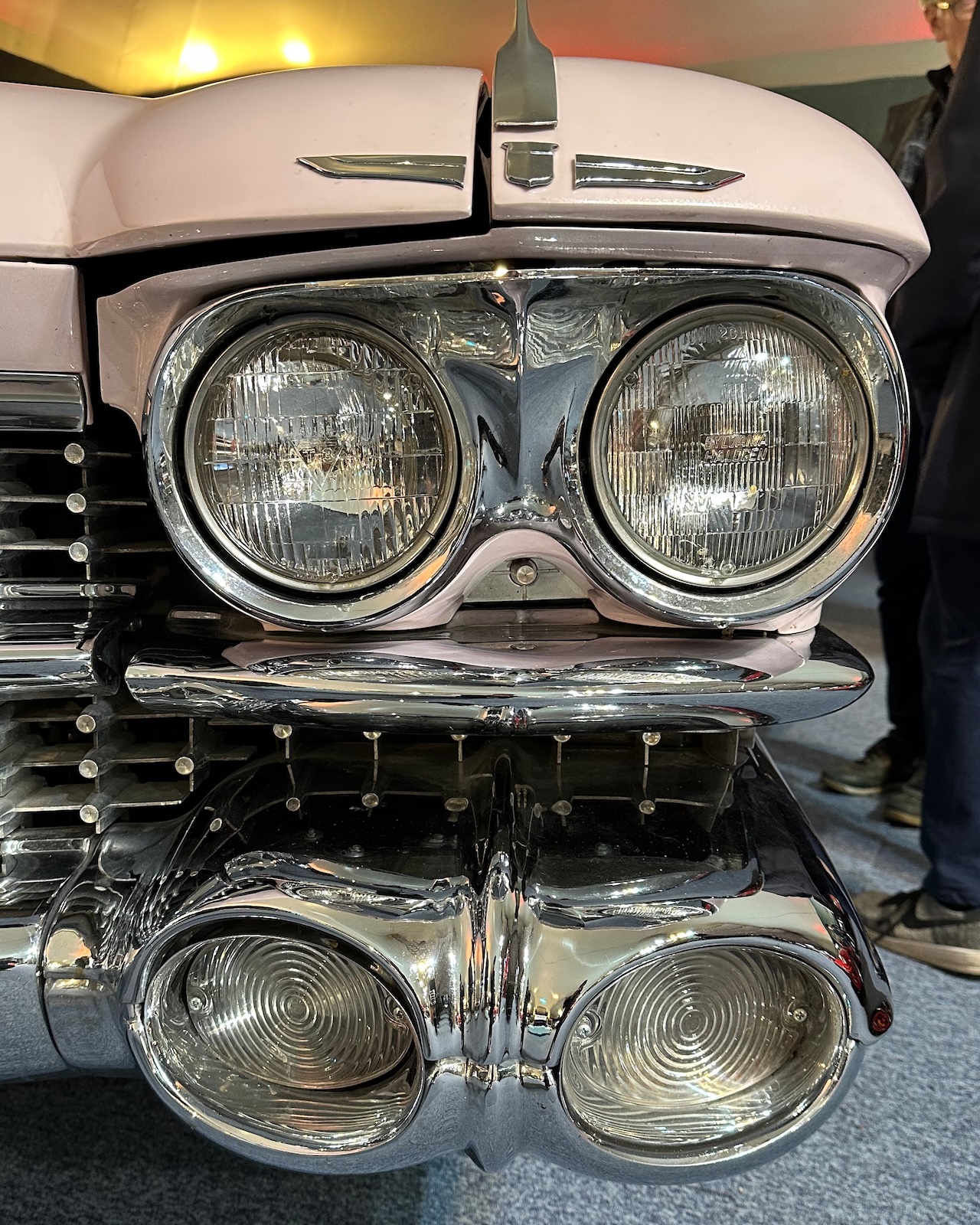
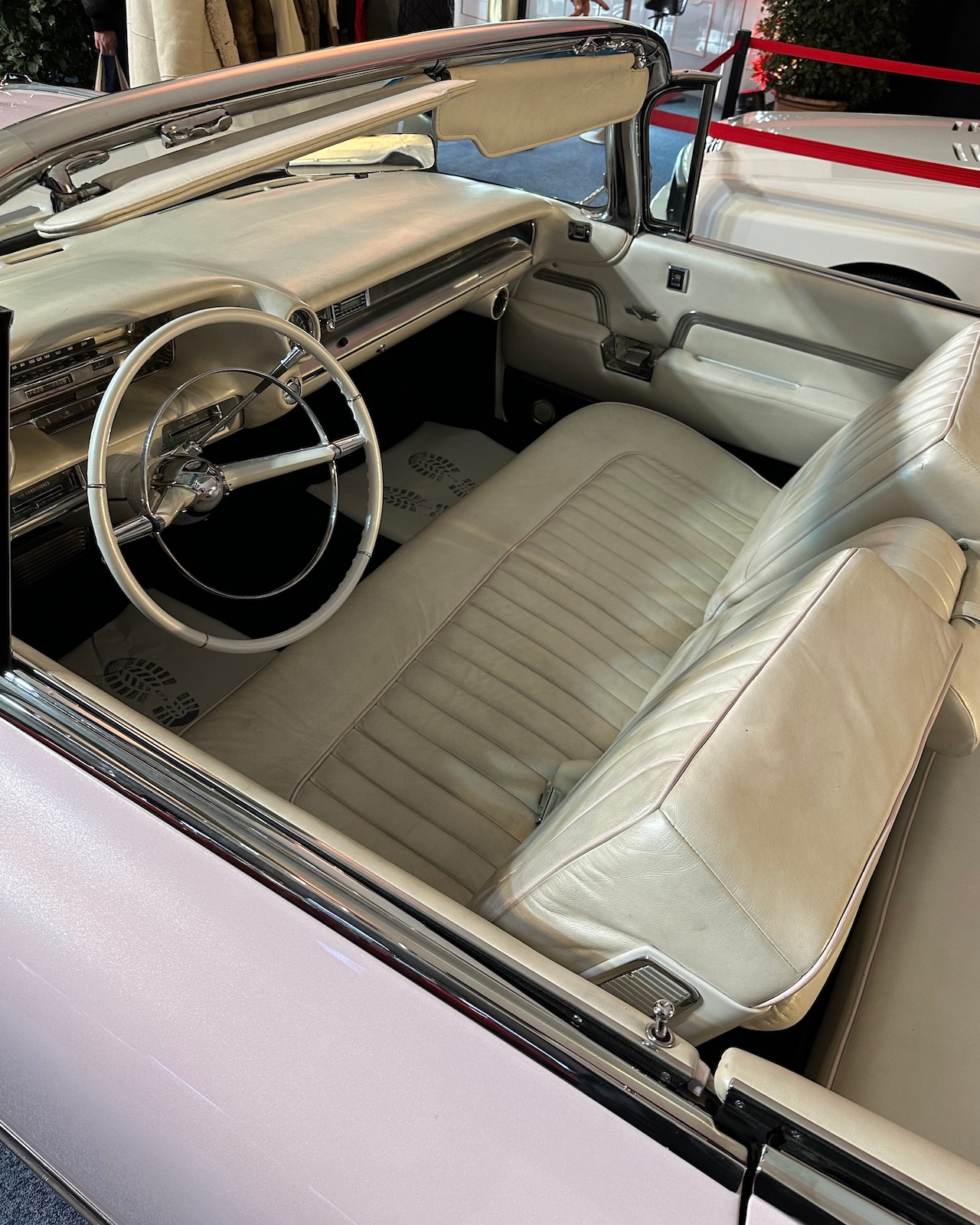
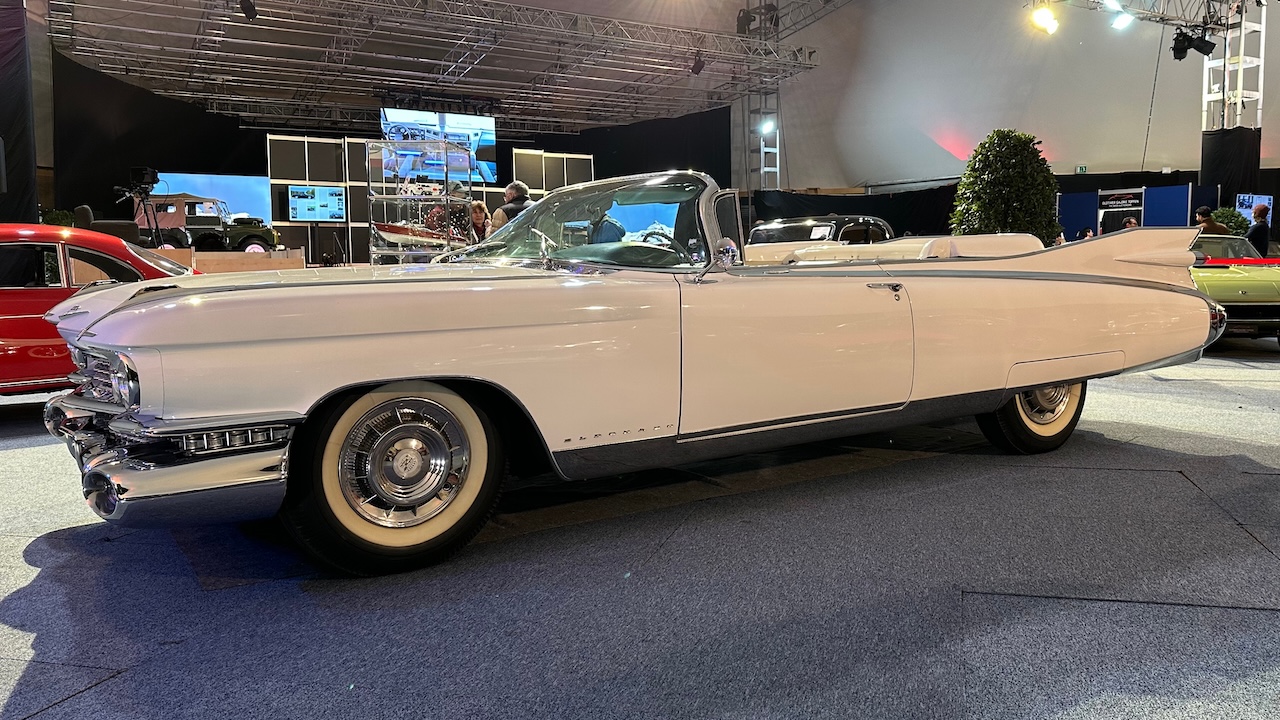
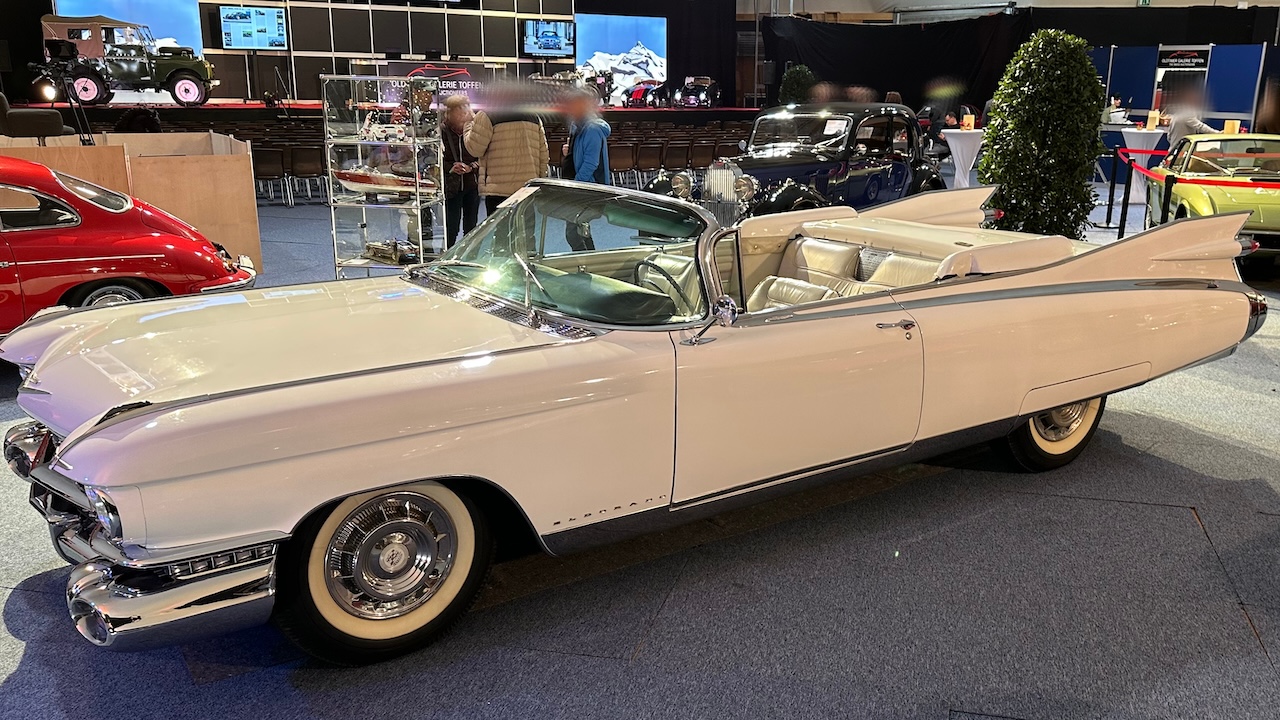
Can you ever grow tired of these tail fins? Impossible. They possess an unmistakable feminine allure, the kind that holds your gaze for hours.
Bold, outrageous, and unmistakably jet-inspired, the dramatic fins and twin bullet taillights define the very peak of America's tail-fin obsession.
For any Cadillac enthusiast, this is the model to have. These legendary fins belong to a 1959 Cadillac Series 62 Convertible (sixth generation), shown at the Gstaad auction last week, though surprisingly left unsold. This car should have a 390ci engine (6.4 litres).
The color combination only heightens the drama, elegant, confident, and unforgettable. Yes, a true feminine beauty.
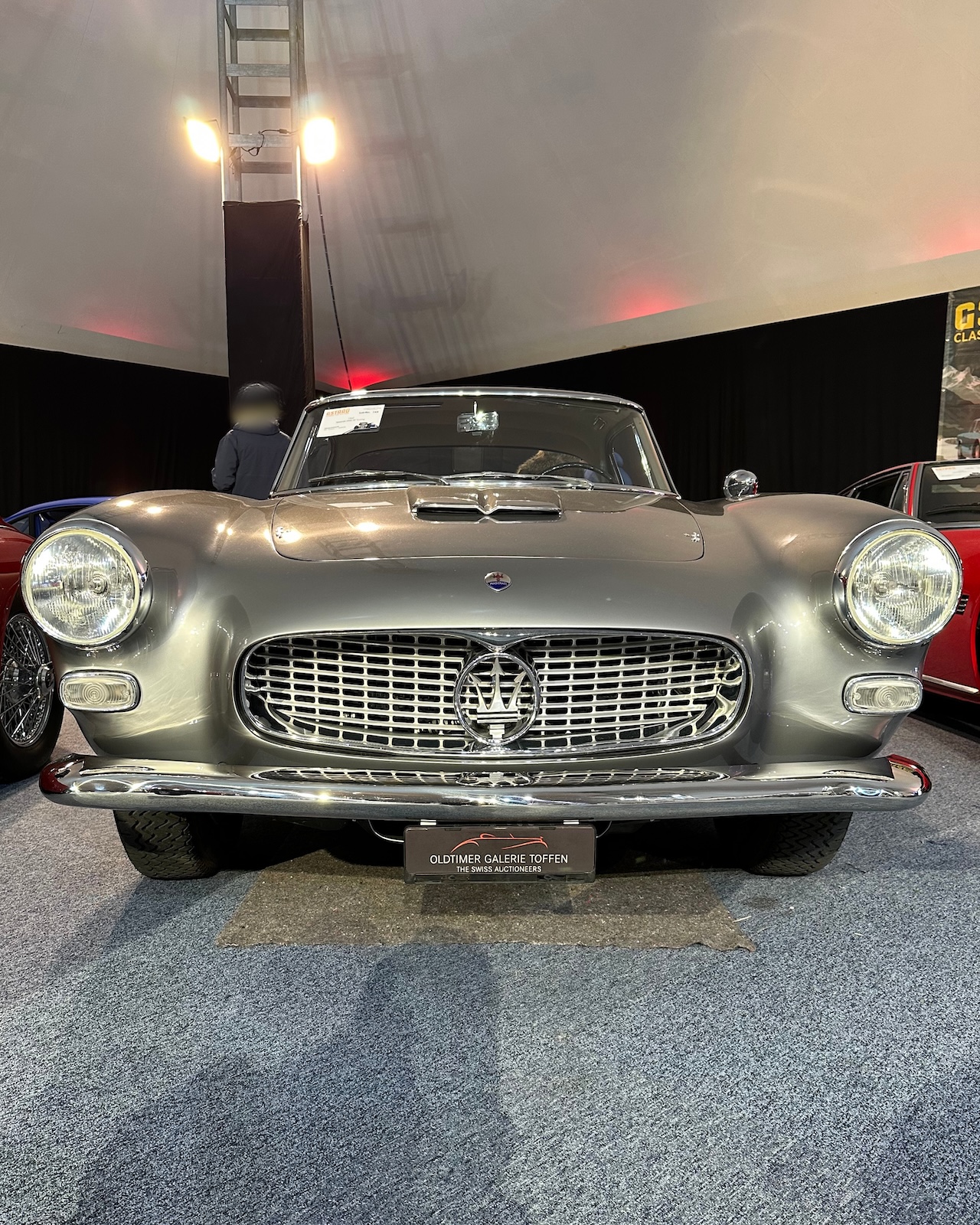
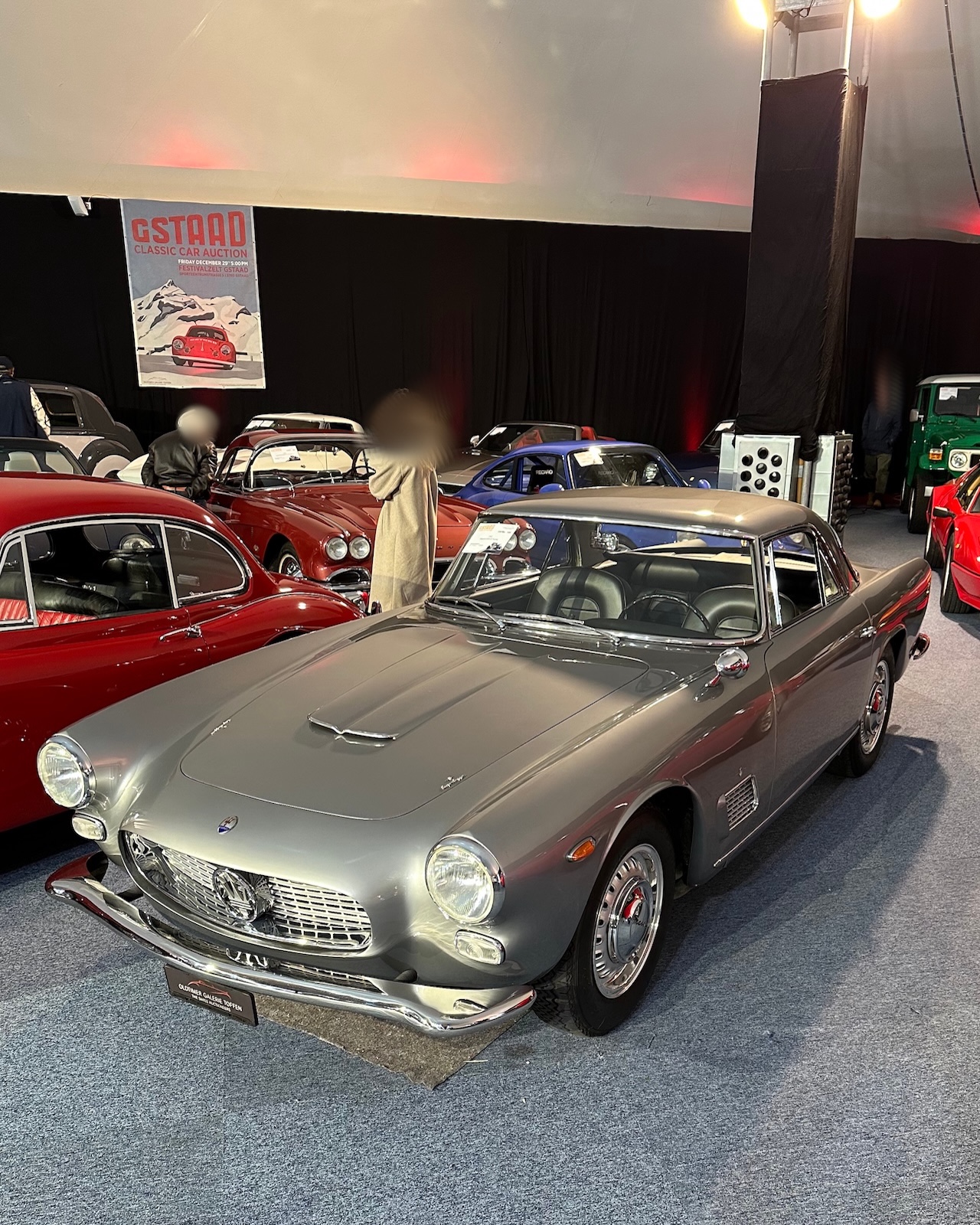
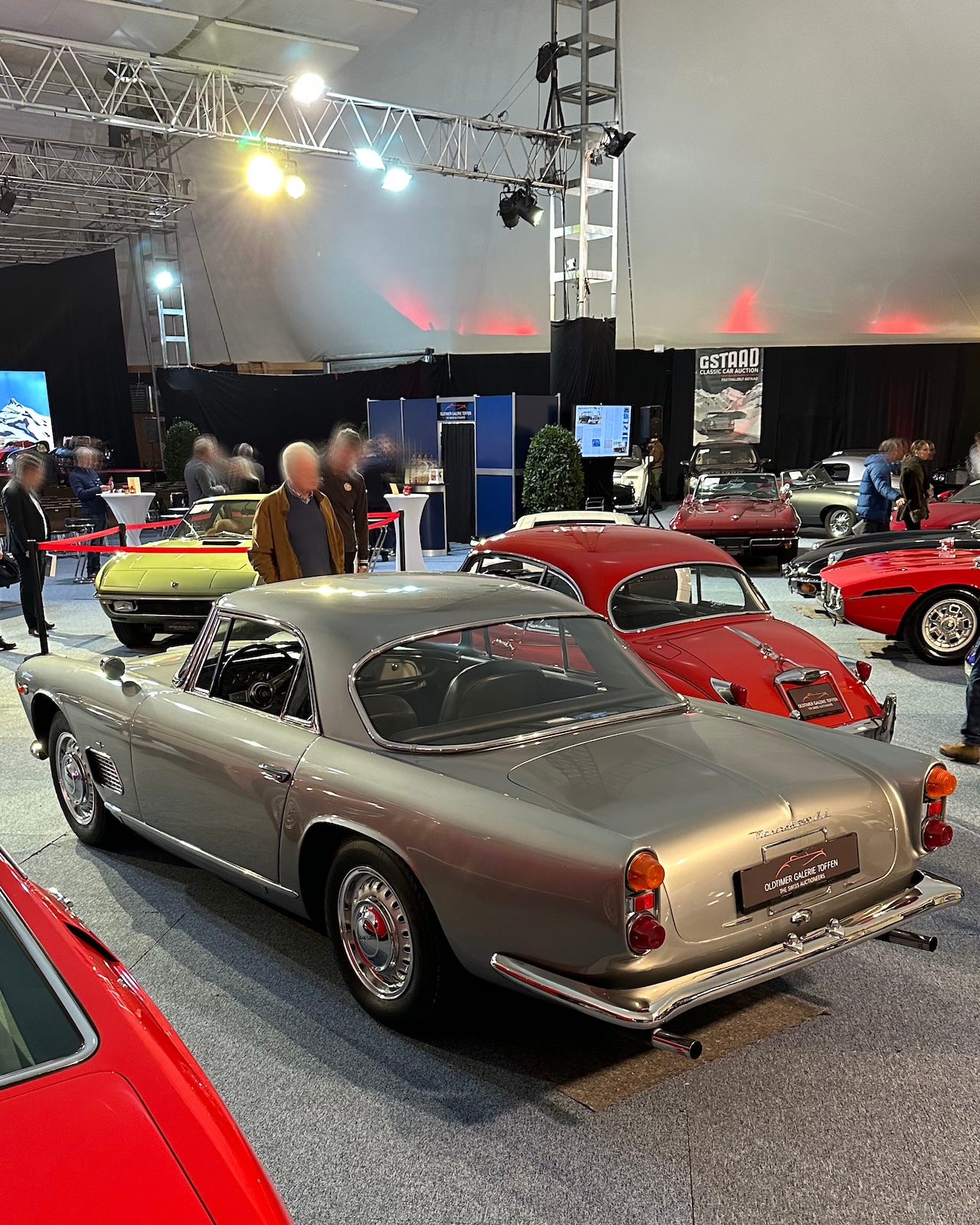
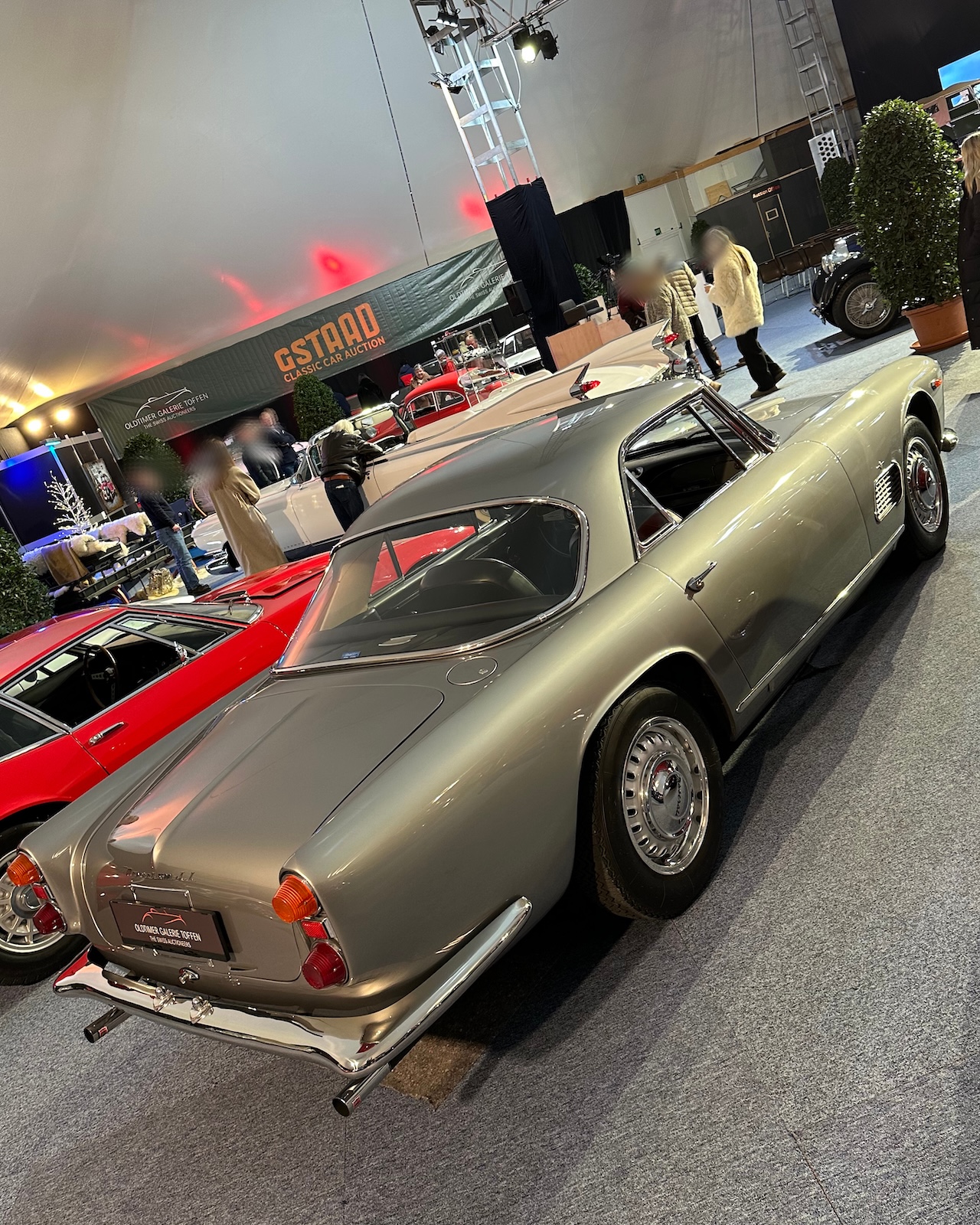
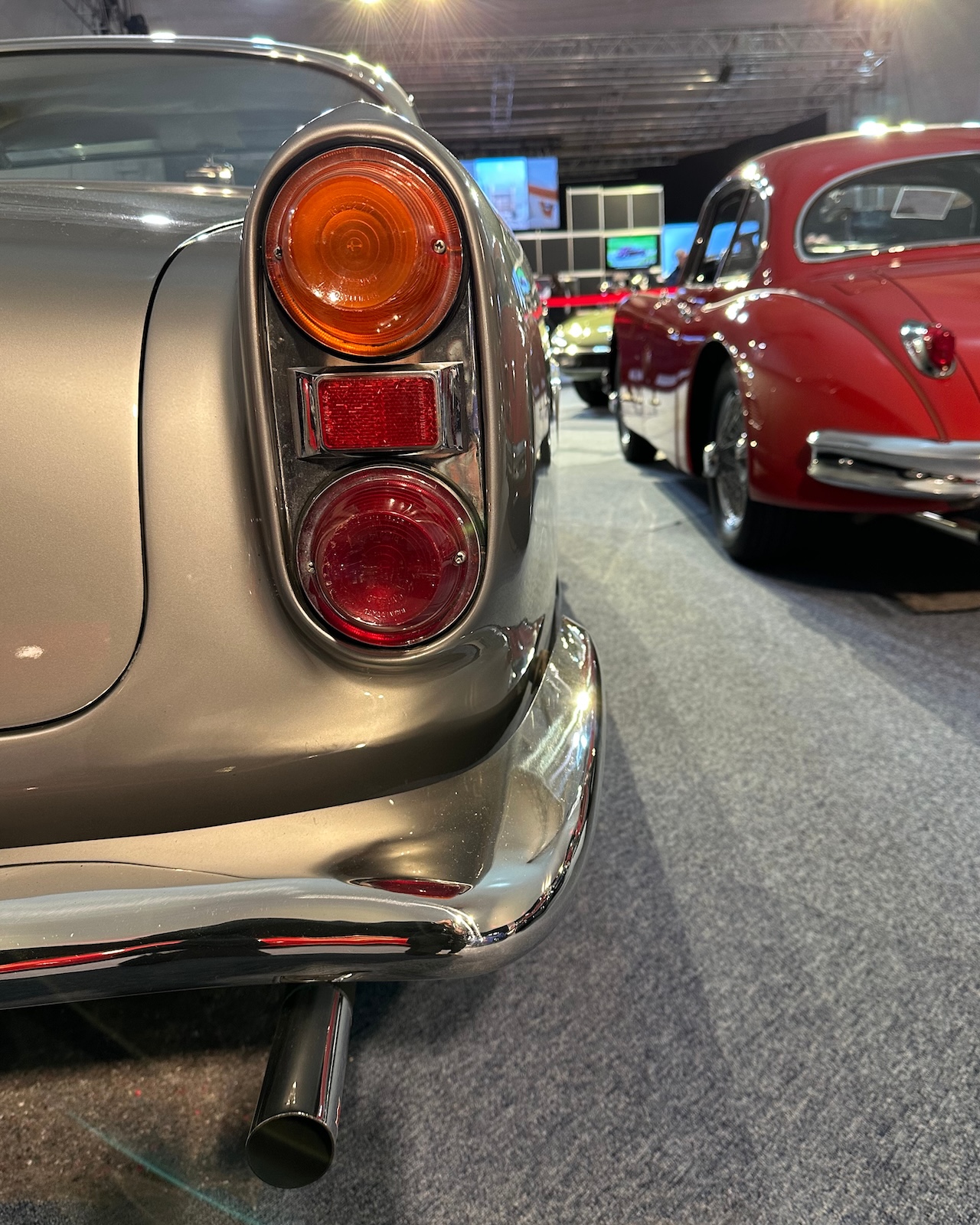
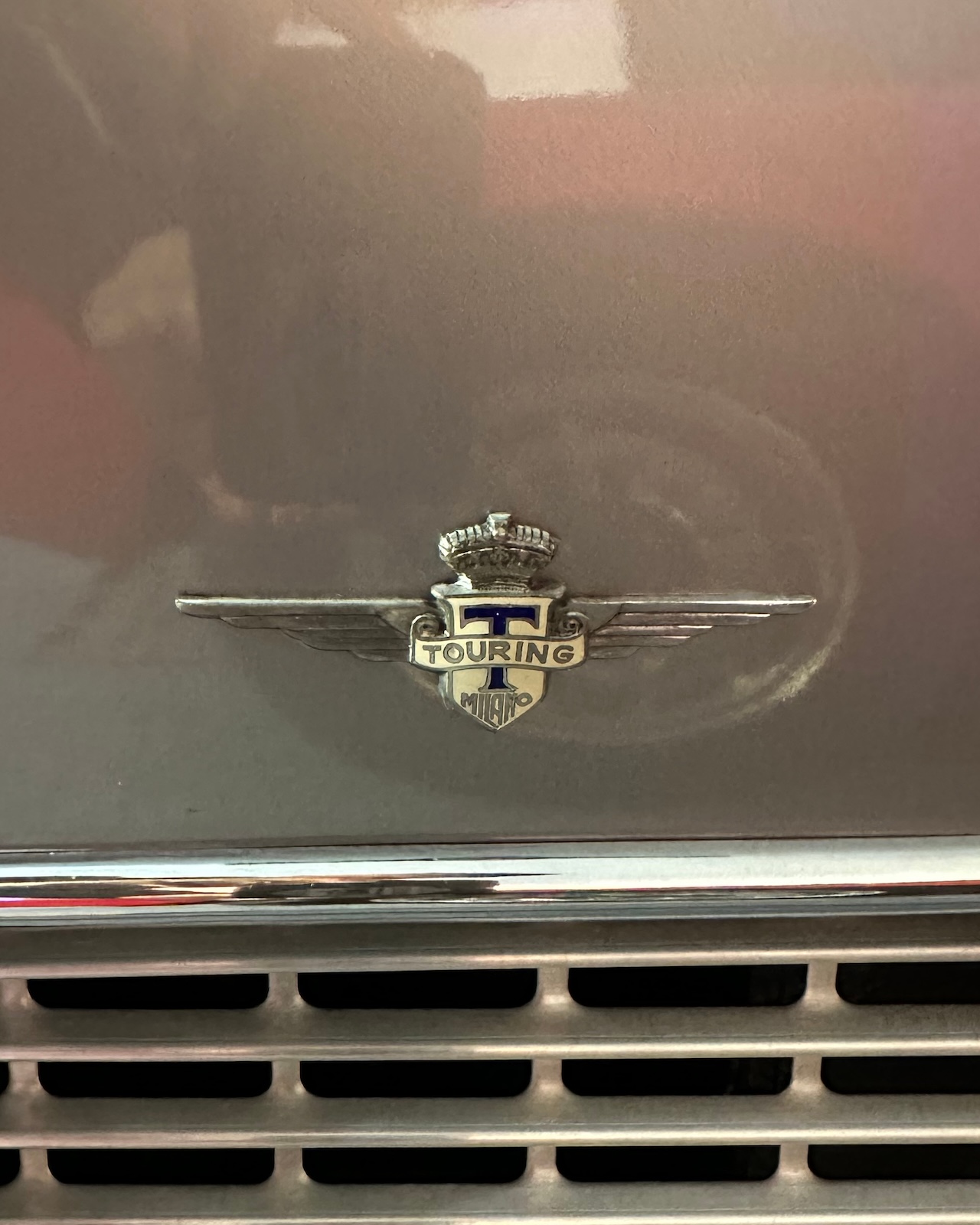
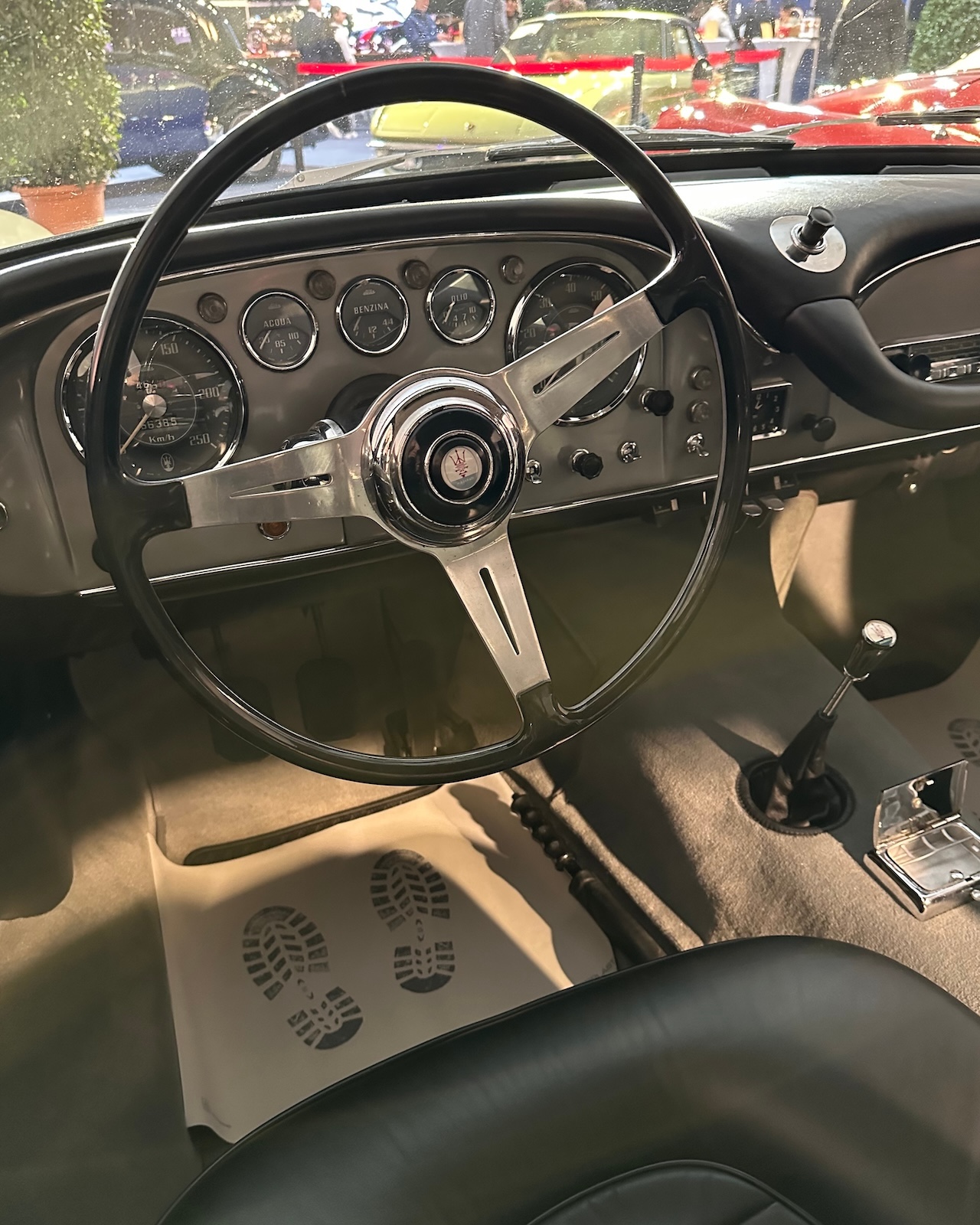
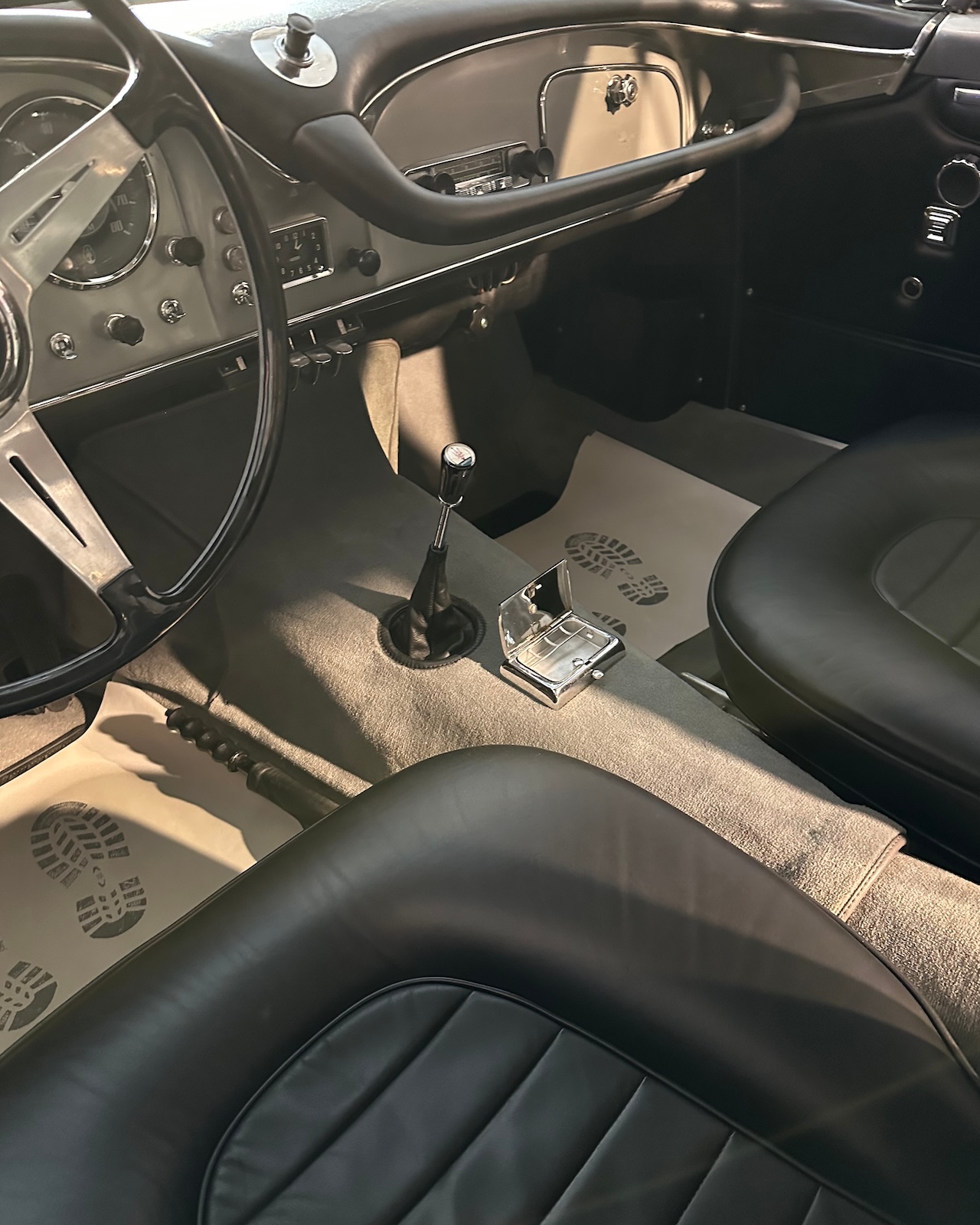
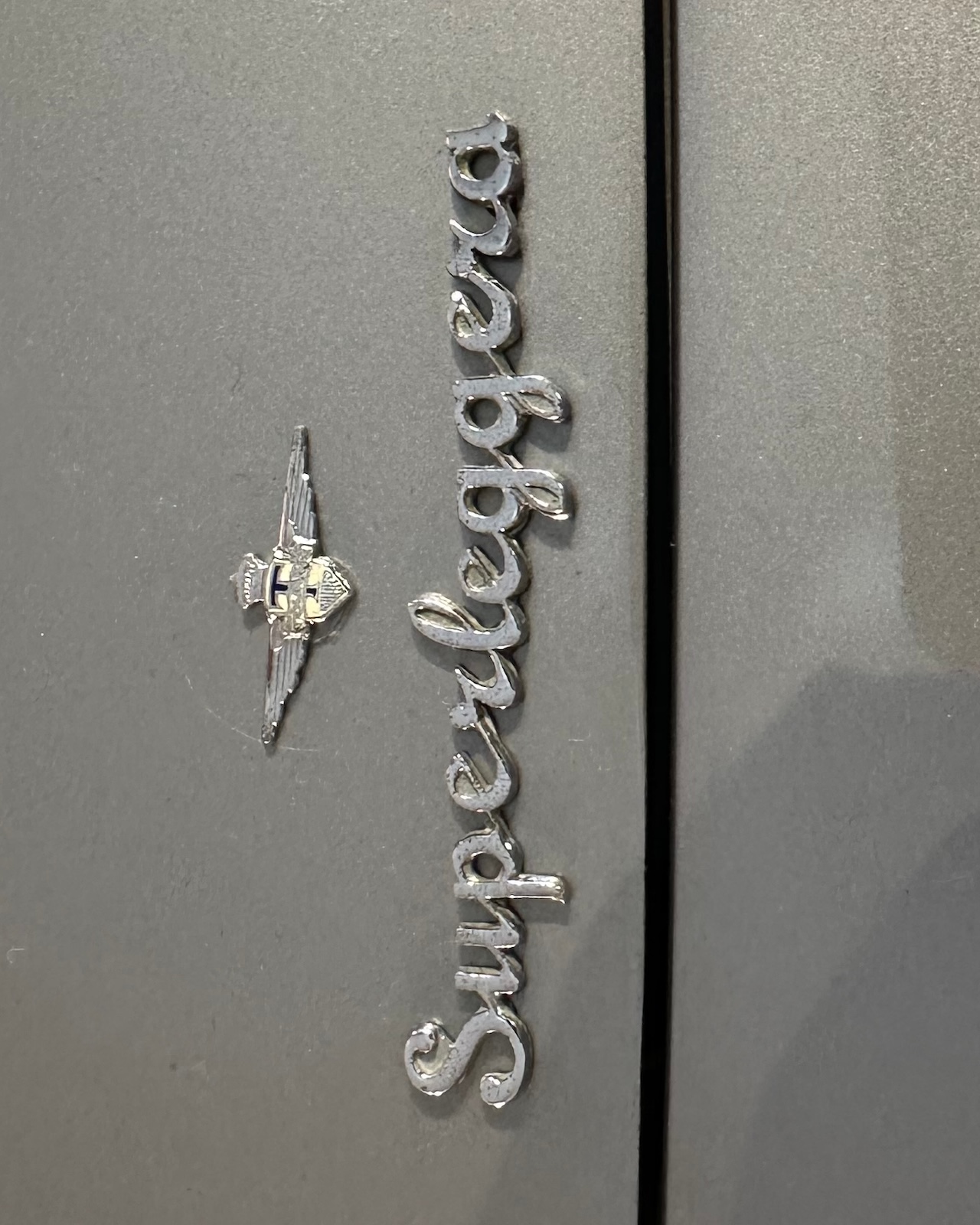
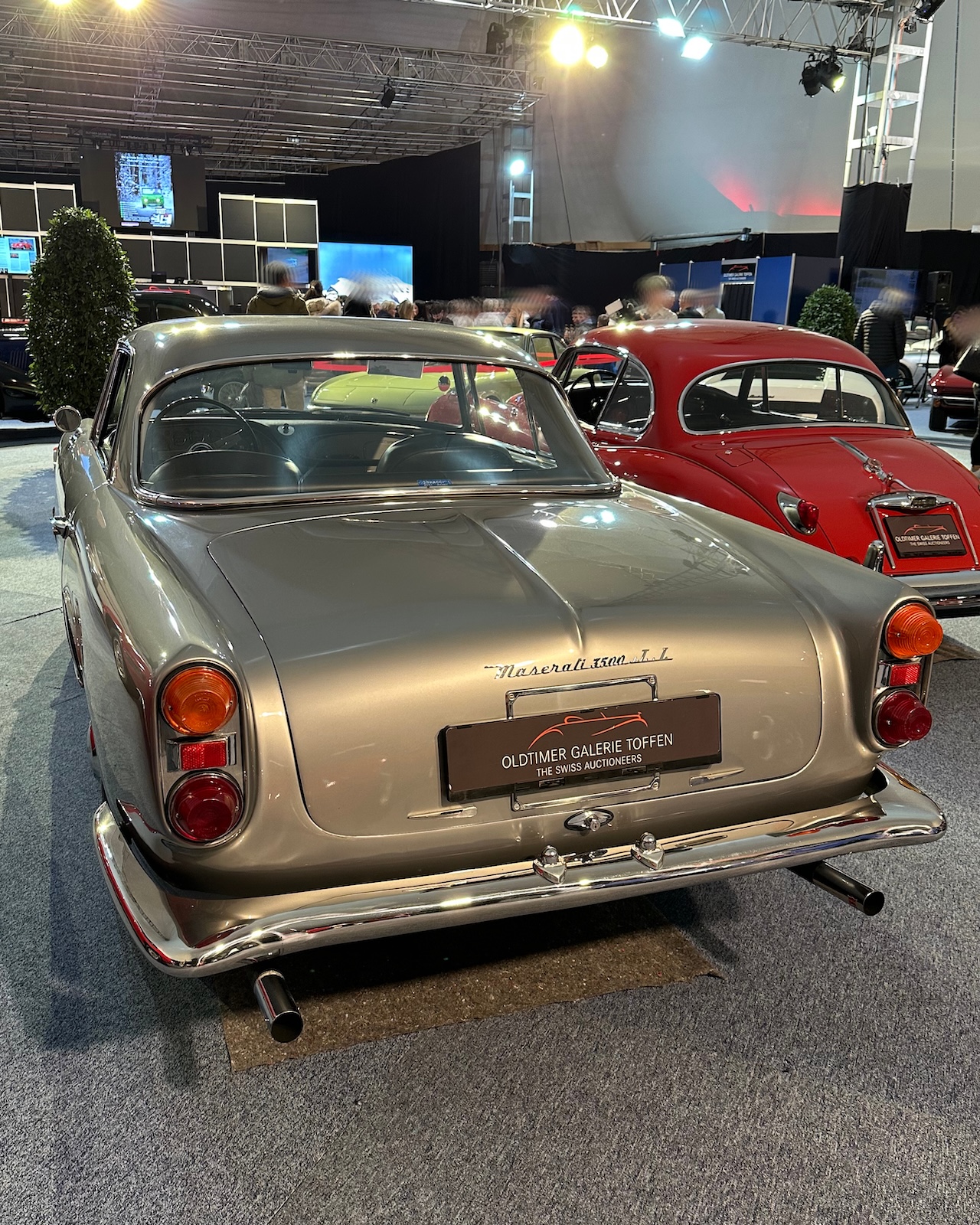
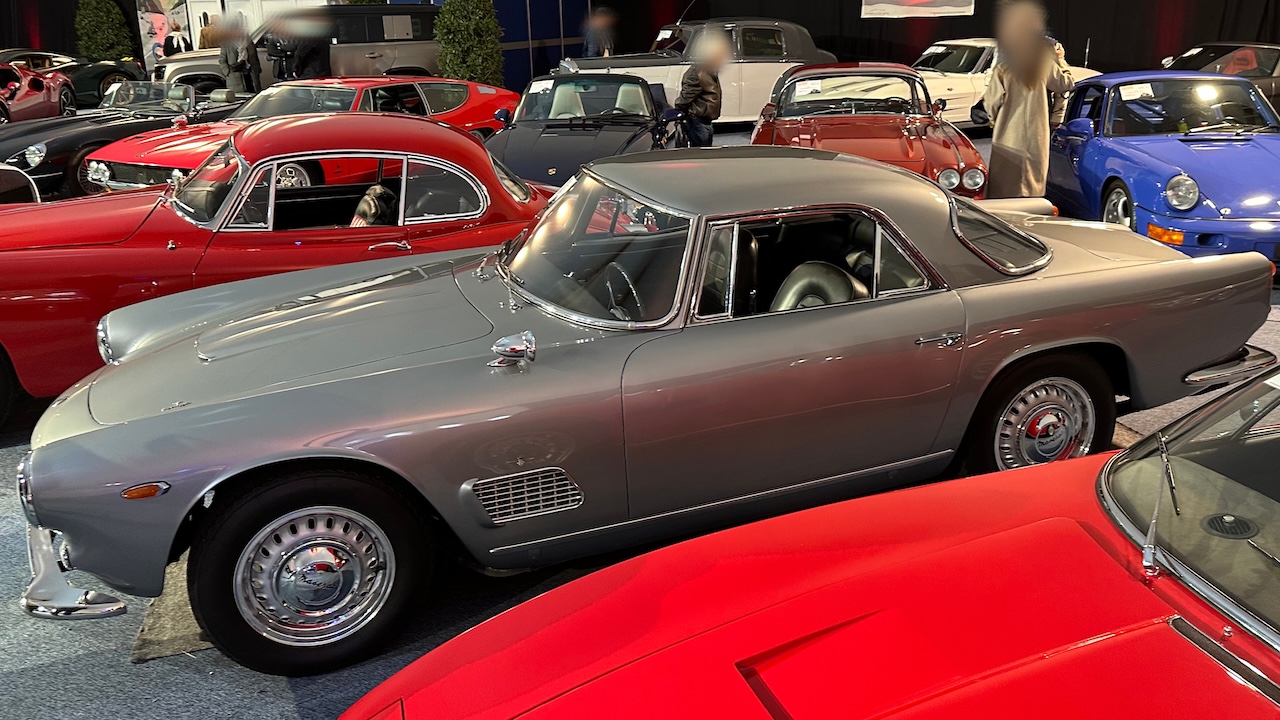
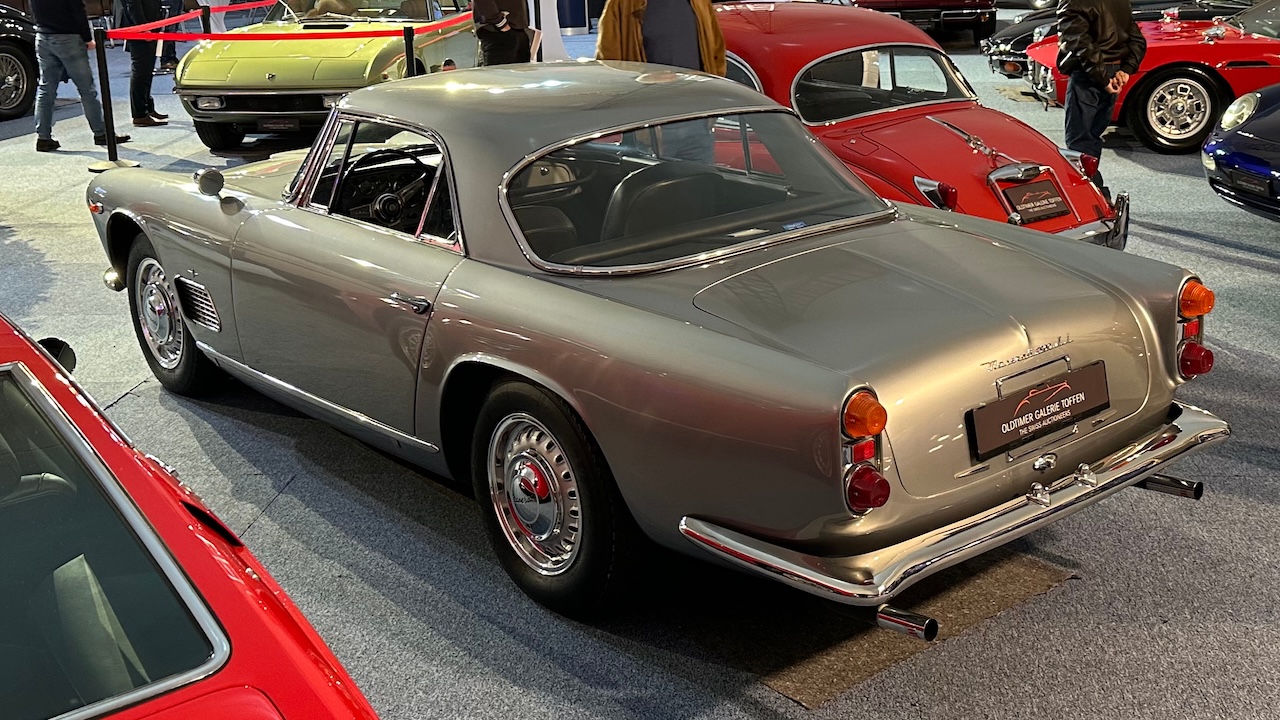
How much would you pay for an Italian diva? The highest bid at the Gstaad auction last week for this splendid 1962 Maserati 3500 GT was CHF 130k, implying a buyer's price just under CHF 150k. The car remained unsold.
If you look at the various published valuations, the bid was clearly below the suggested price range. So what do you think? Are these cars losing value due to demographic shifts and changing tastes? Or was the audience simply tired after a sunny day on the slopes?
And let's not forget what we are talking about here: Maserati, Touring, twin overhead camshafts, three carburetors, racing pedigree, a perfect color combination, and last but not least, that marvelous ashtray. It must count for something, mustn't it?
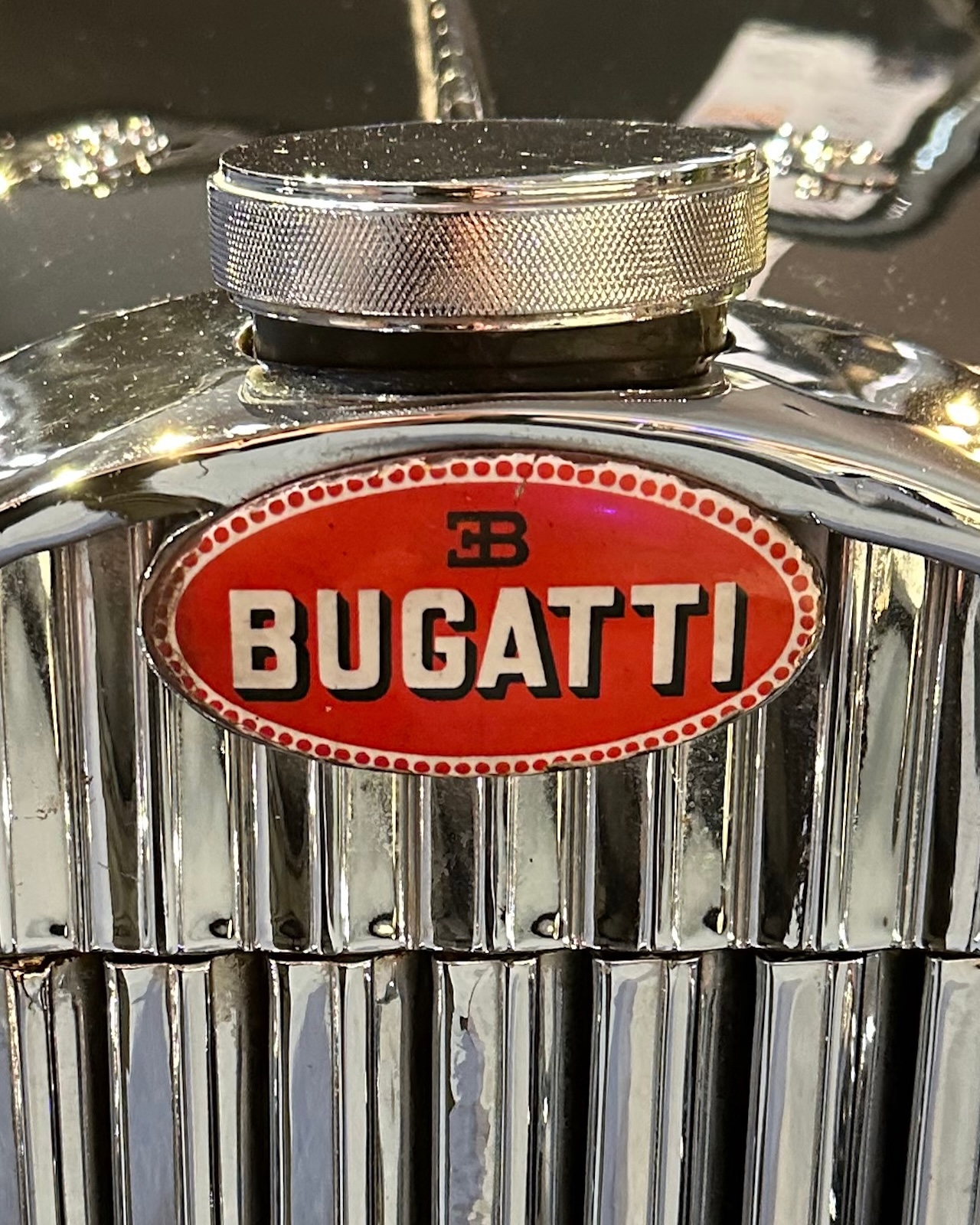
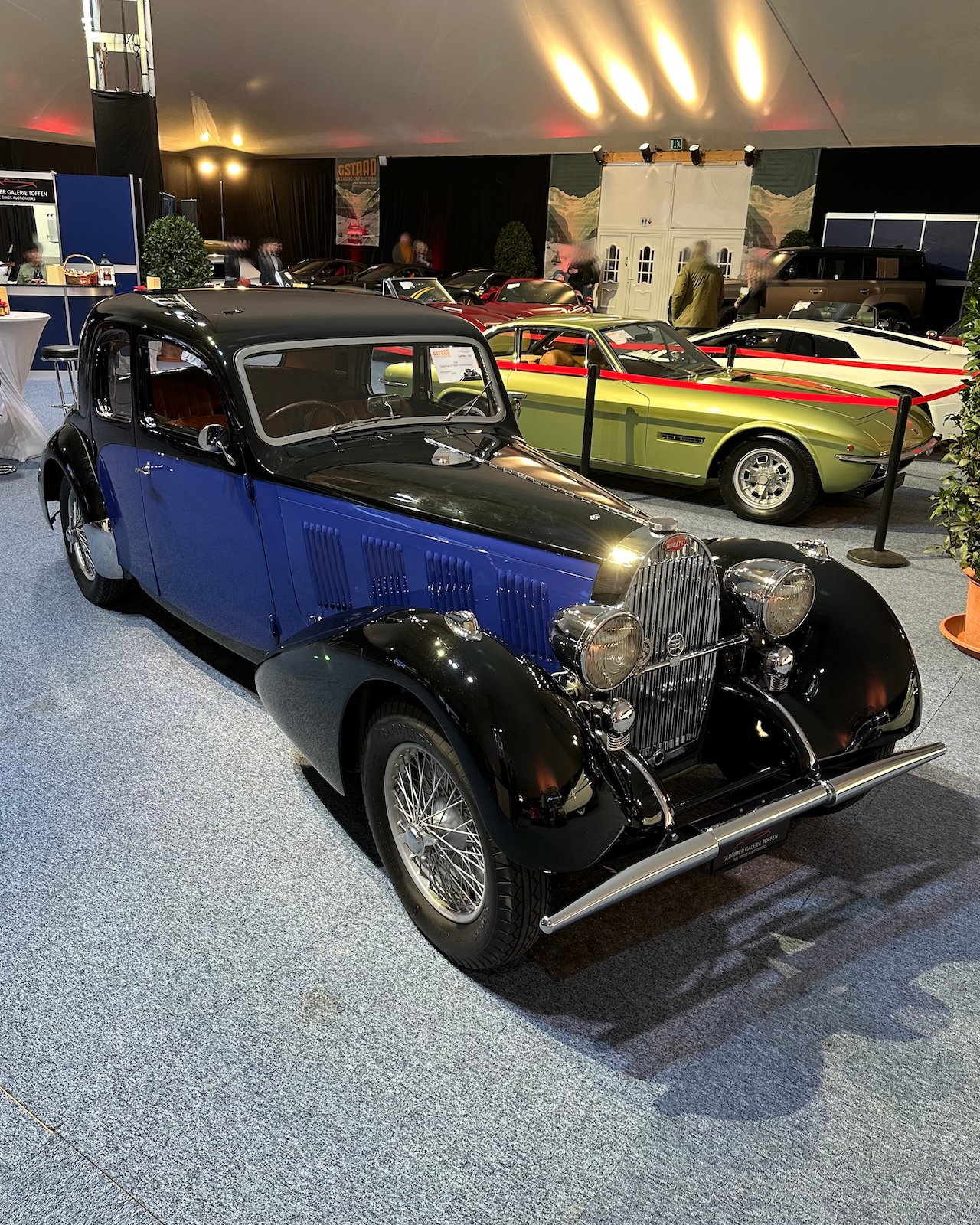
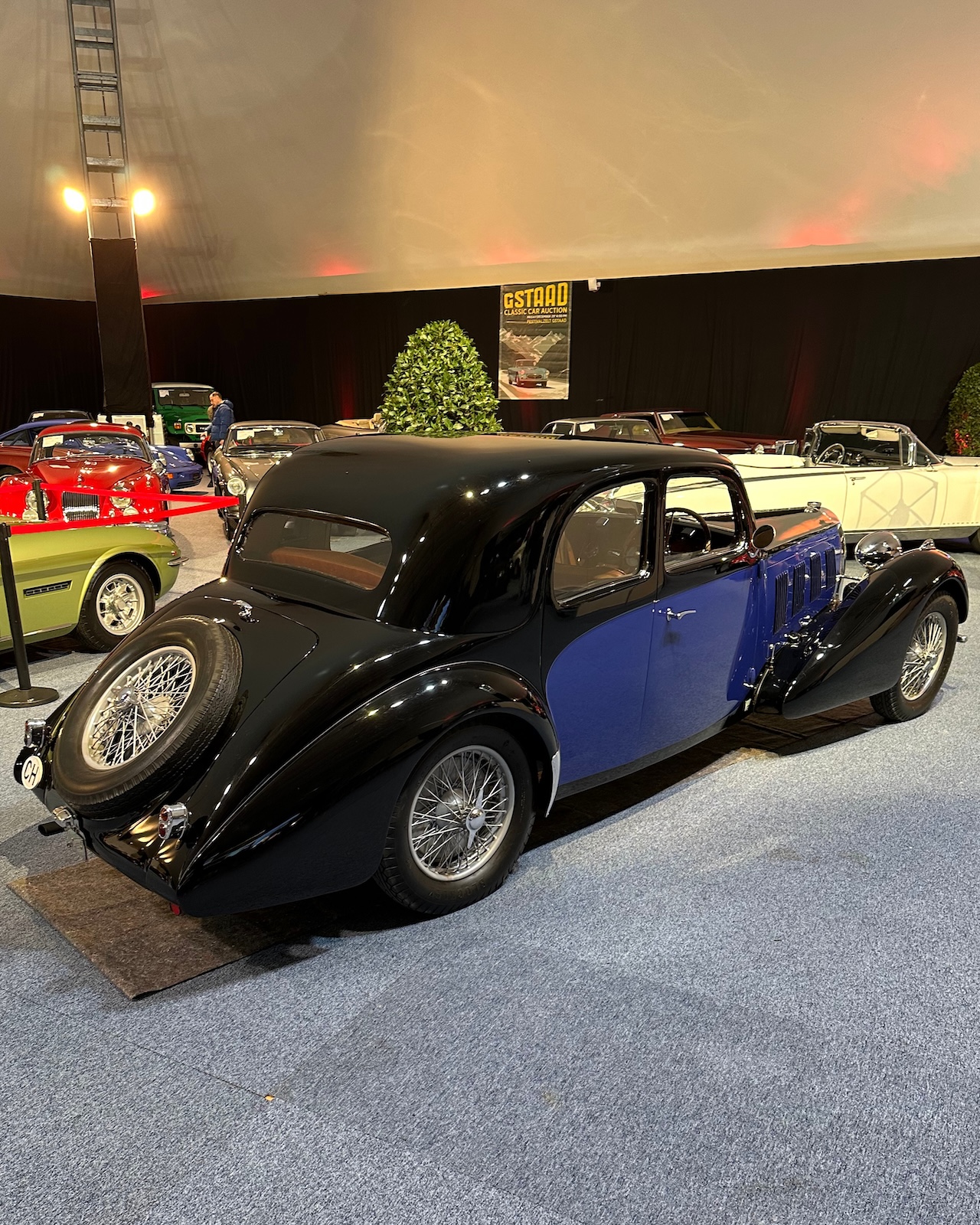
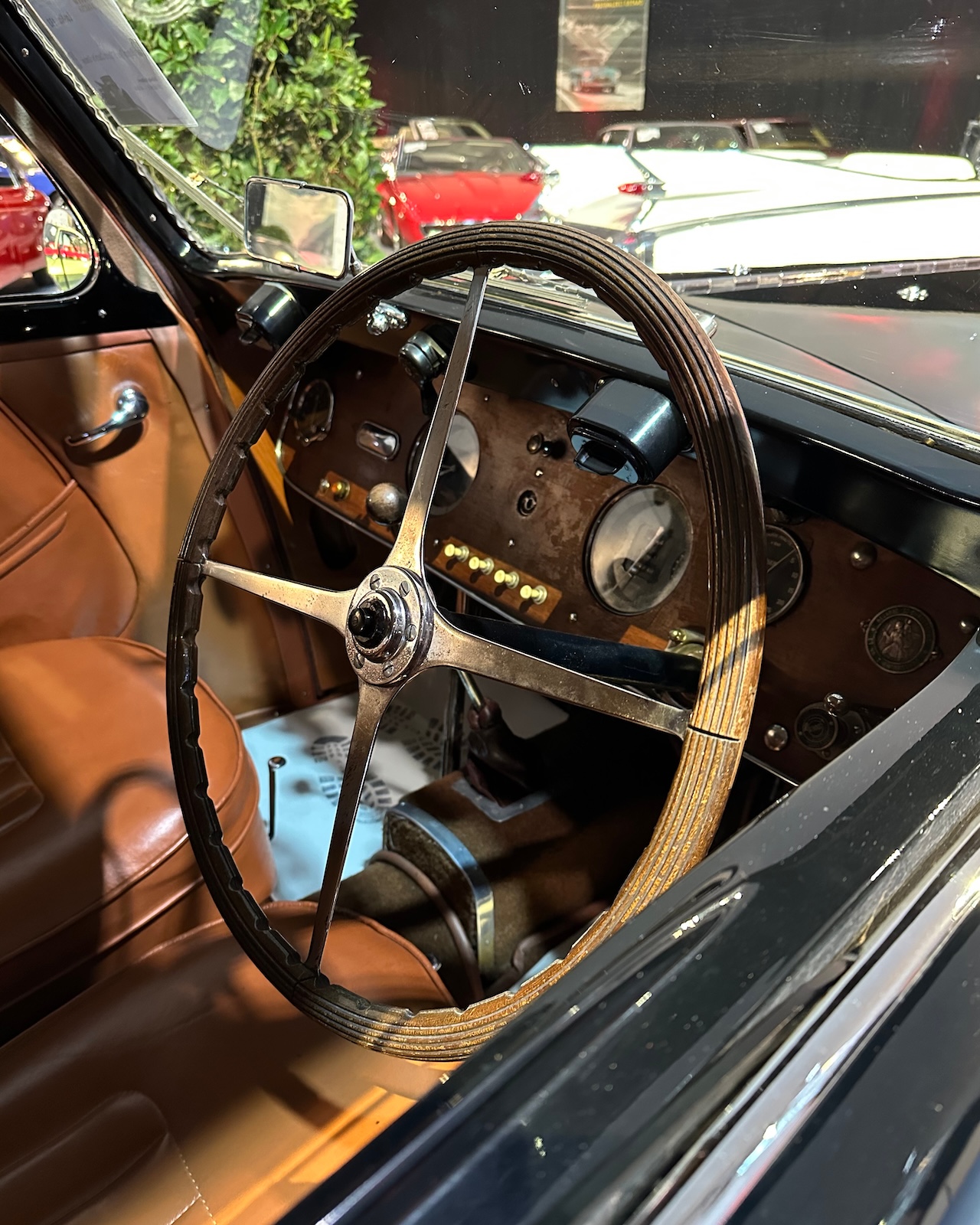
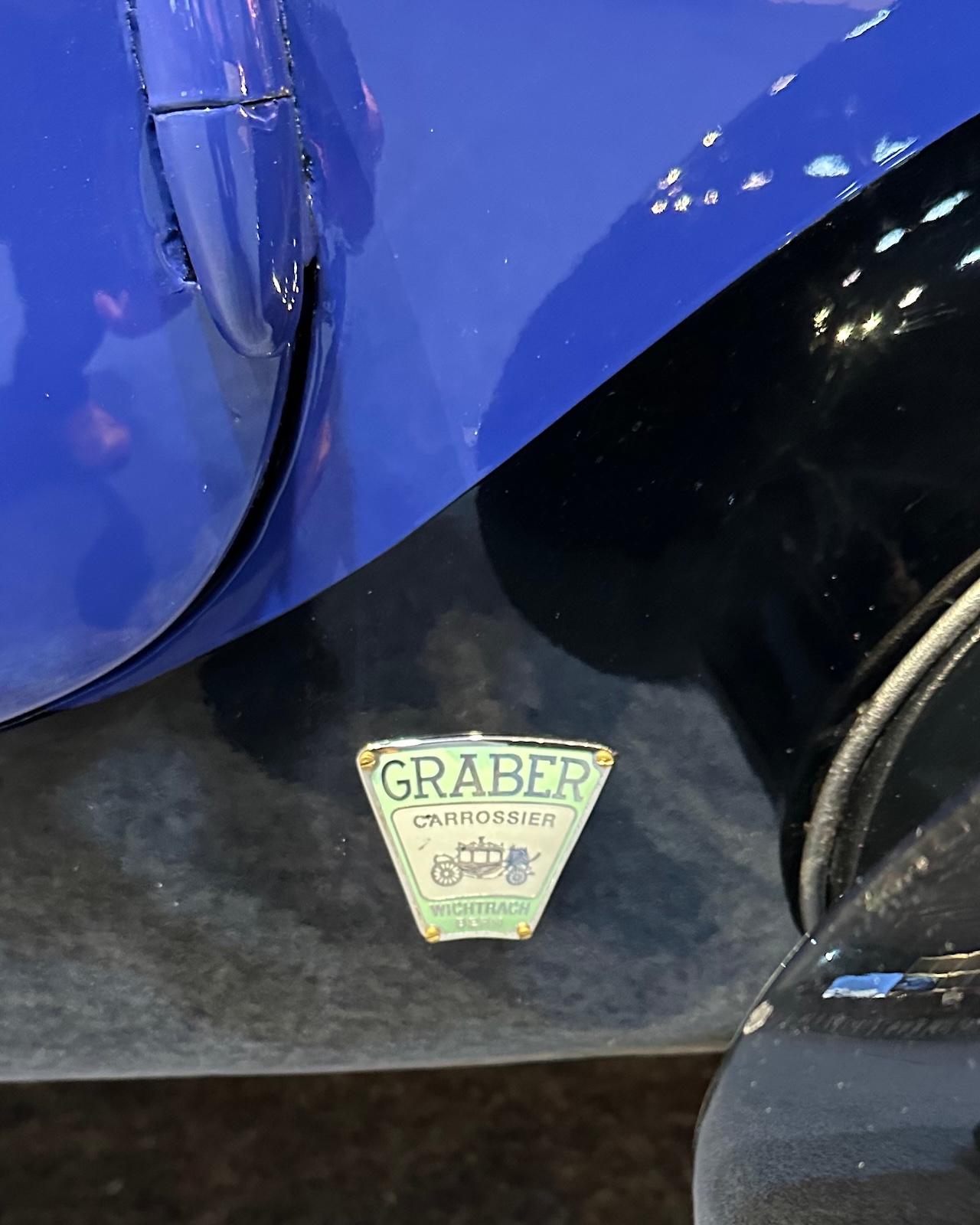
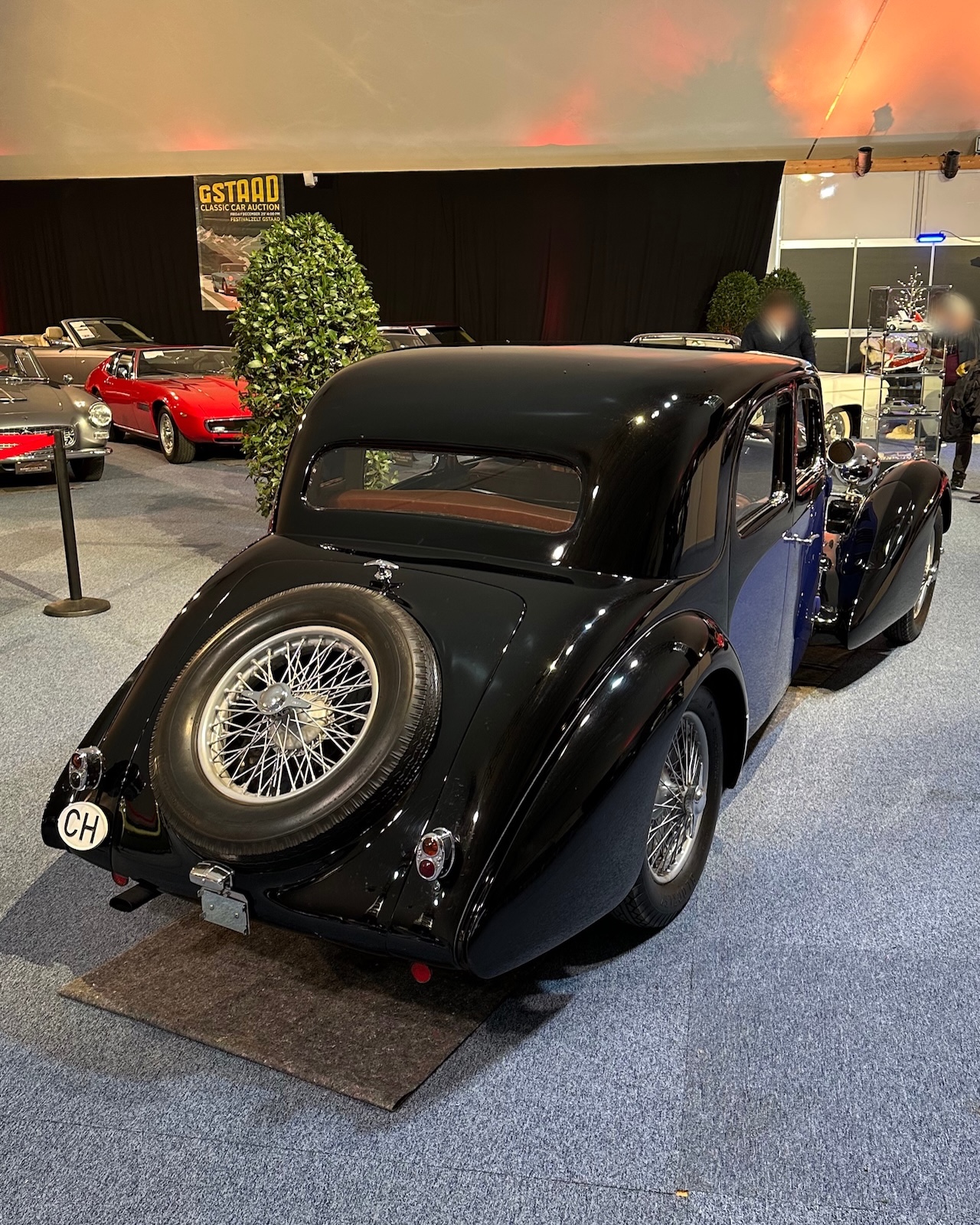
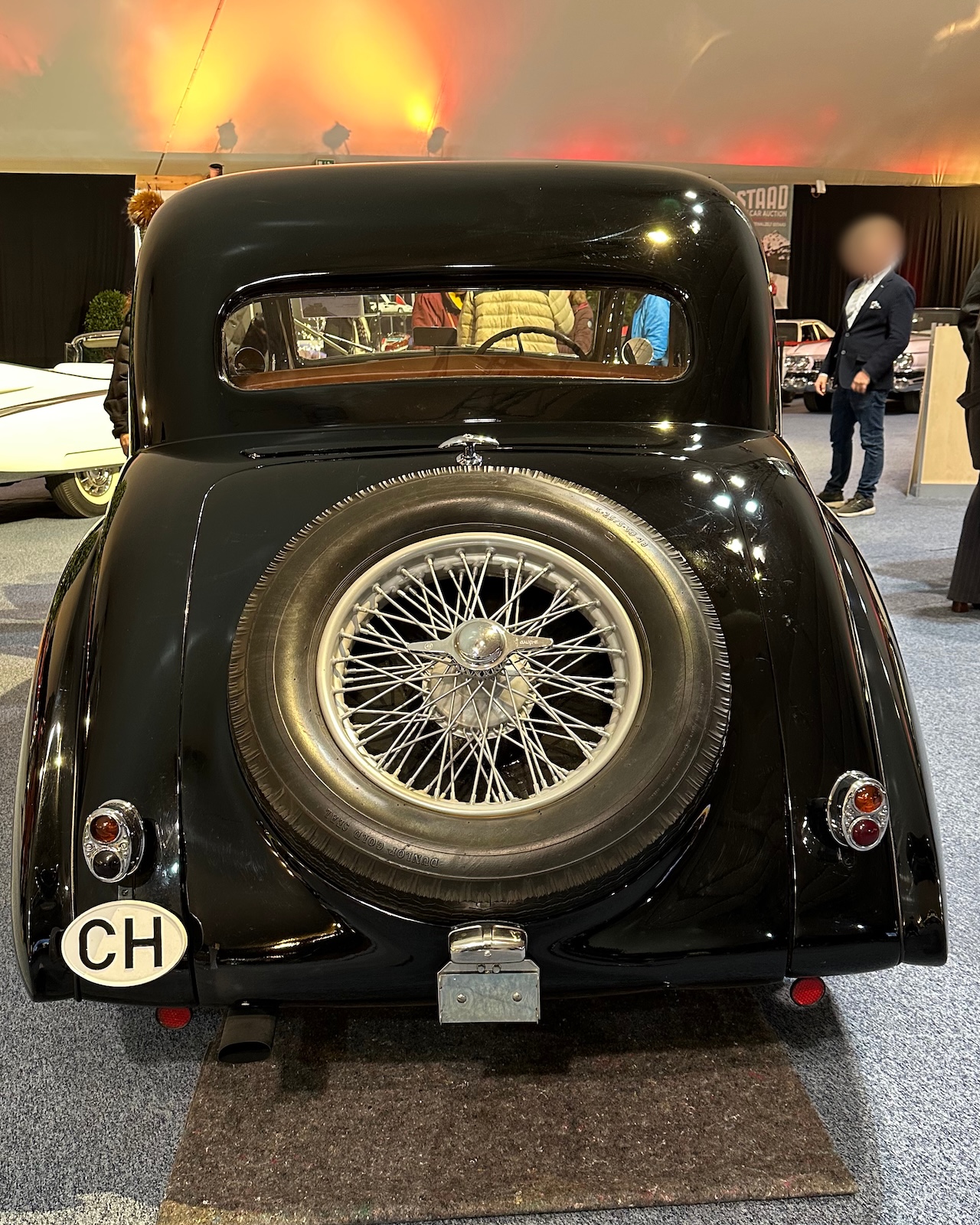
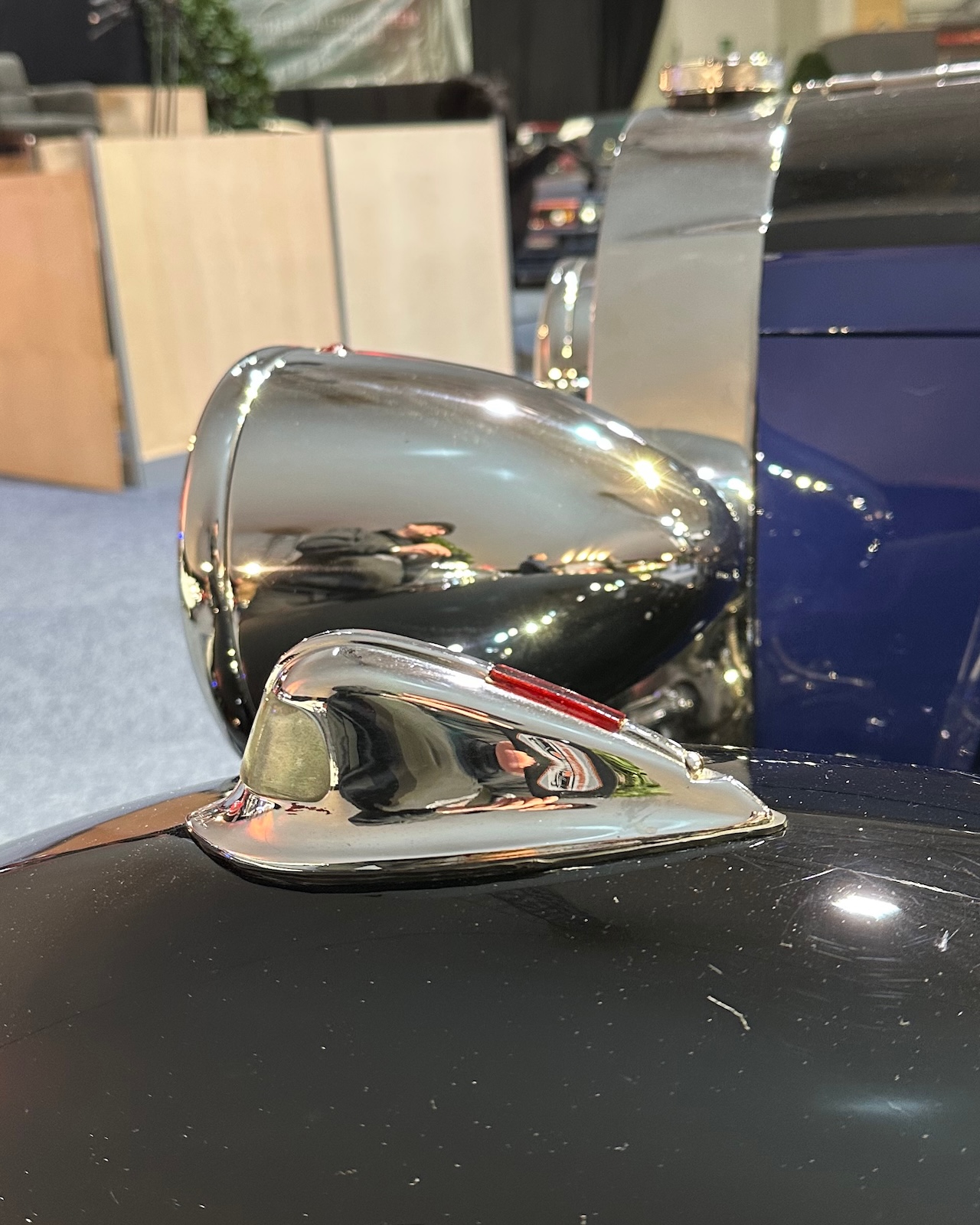
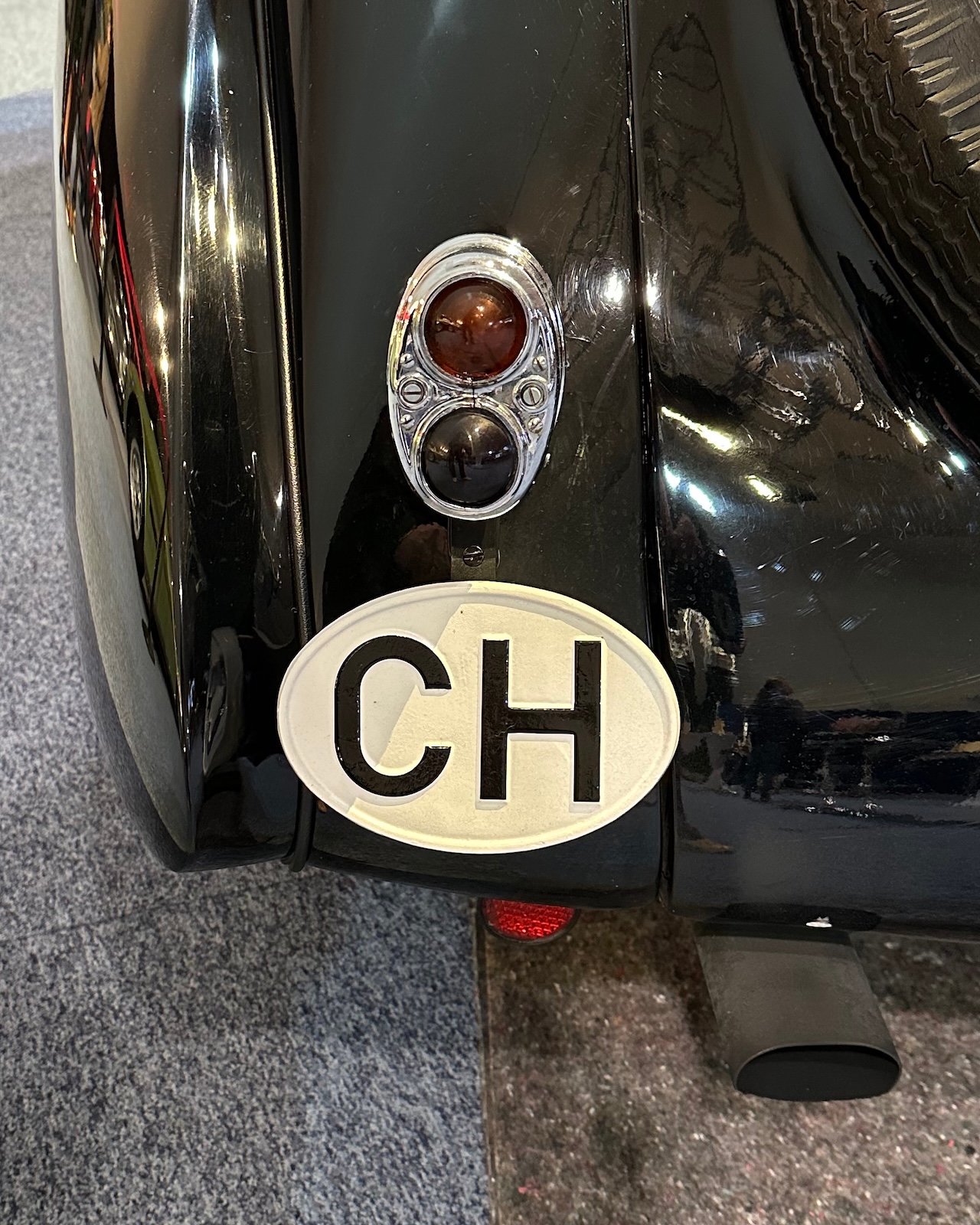
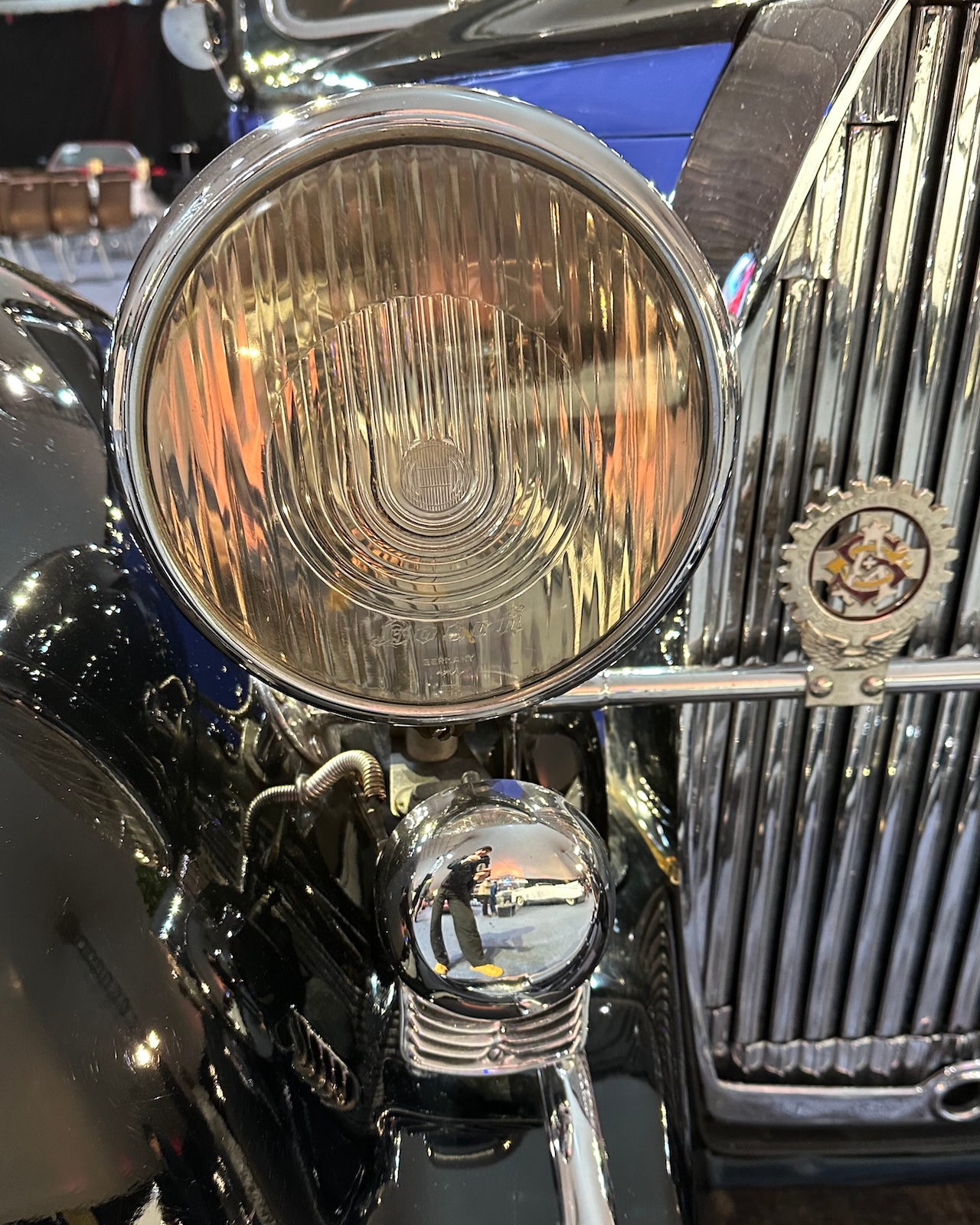
What represented the highest level of achievement in automotive terms in the mid-1930s? Just look at the pictures, they say it all: ordering a Bugatti chassis and asking Hermann Graber to coachbuild it.
This Type 57 (if not mistaken, a S version, fitted with the 175-HP 3.3-litre inline eight-cylinder engine) was delivered in 1936 as a rolling chassis to the renowned coachbuilder Graber in Wichtrach. At the request of the first owner, the chassis was fitted with a two-door (actually four, but pillarless) sports coach body.
The car was auctioned yesterday in Gstaad but remained unsold. According to the auctioneer, although Graber built several Bugatti Type 57, only three examples were produced with this specific body.
Truly a masterpiece of craftsmanship, design, taste, engineering, and elegance, arguably the highest level of automotive achievement in the mid-1930s.