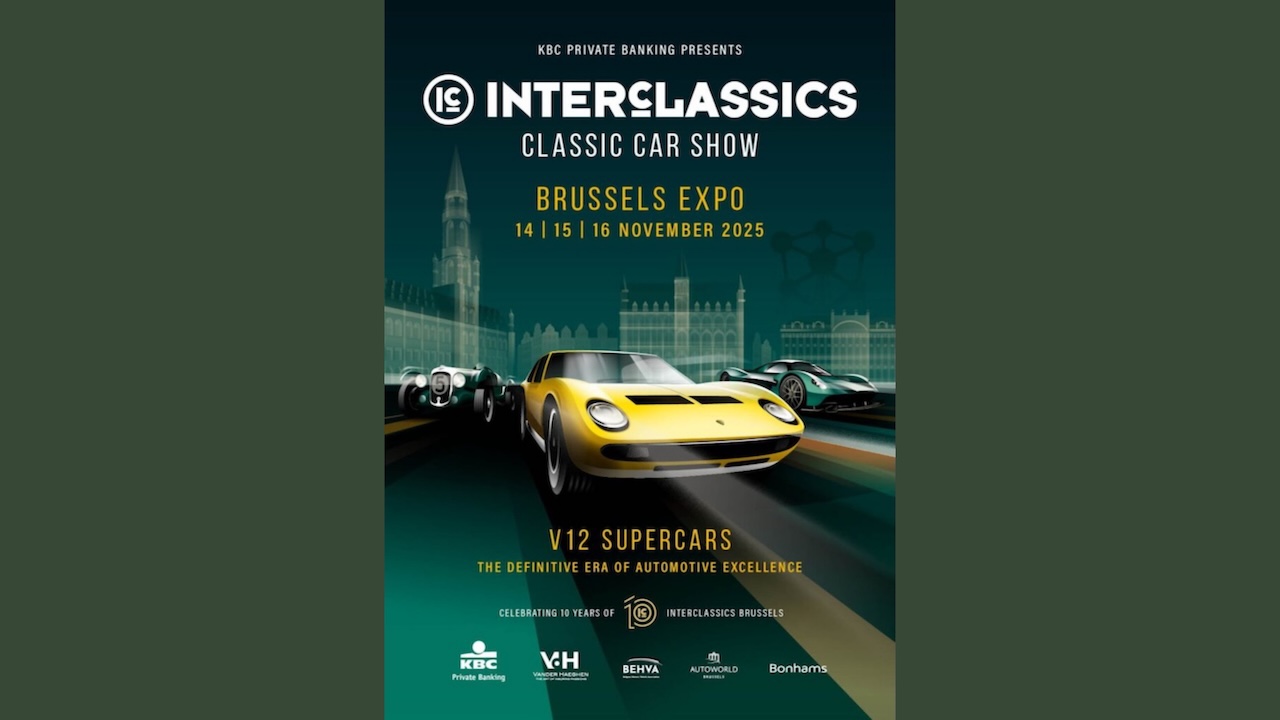


salon 25 InterClassics
For some events we share pictures to complete our communication on Instagram, Threads, and YouTube.

Pictures
See the pictures for a nice sample of cars. To welcome you Mercedes-Benz 560 SEC.
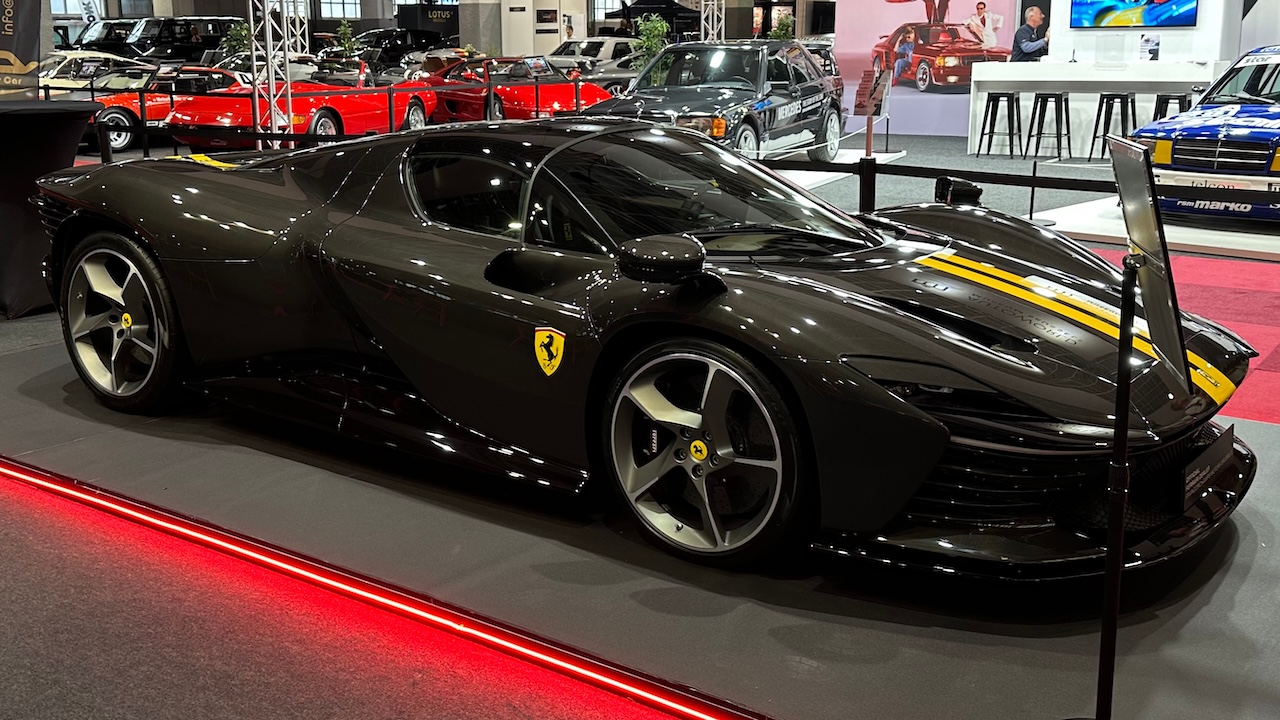
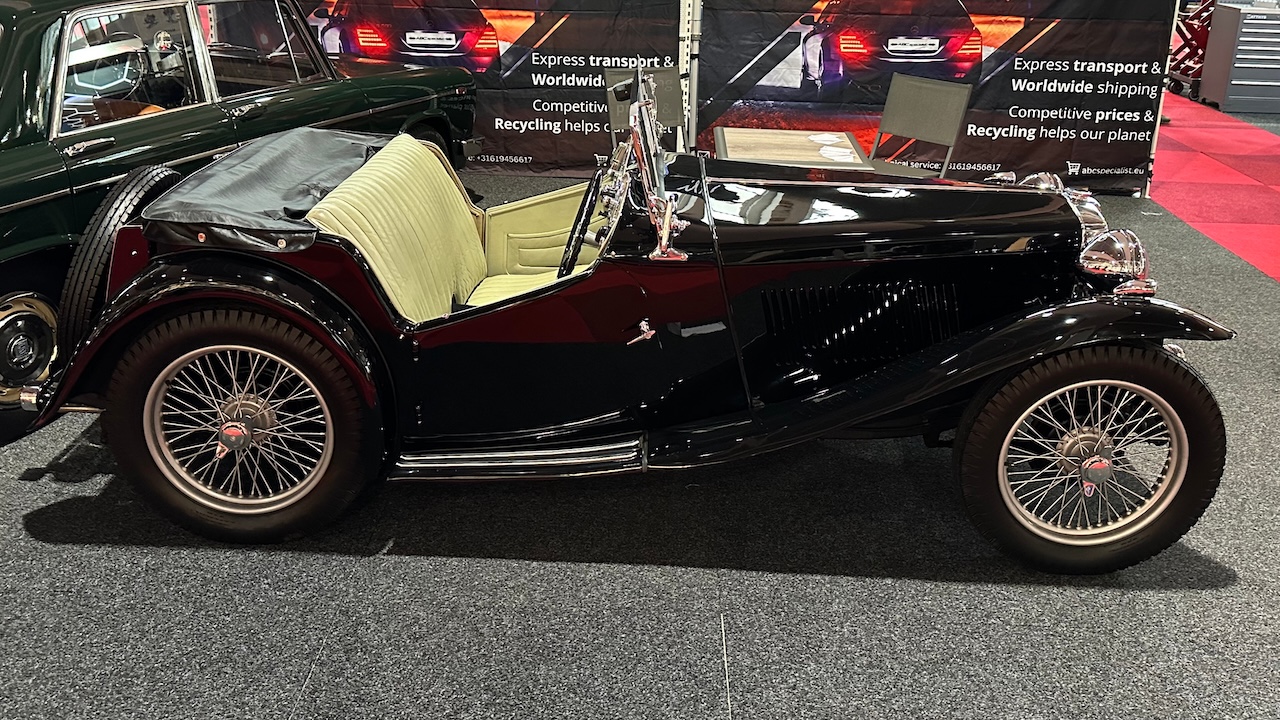
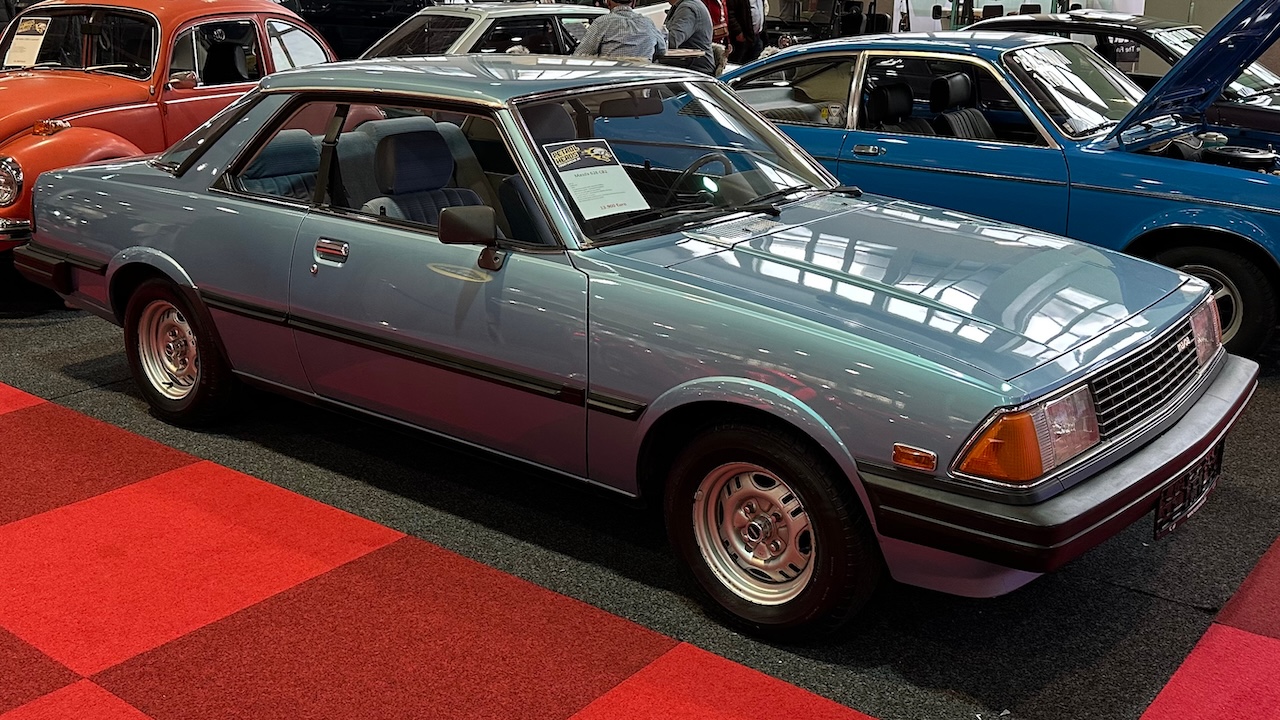
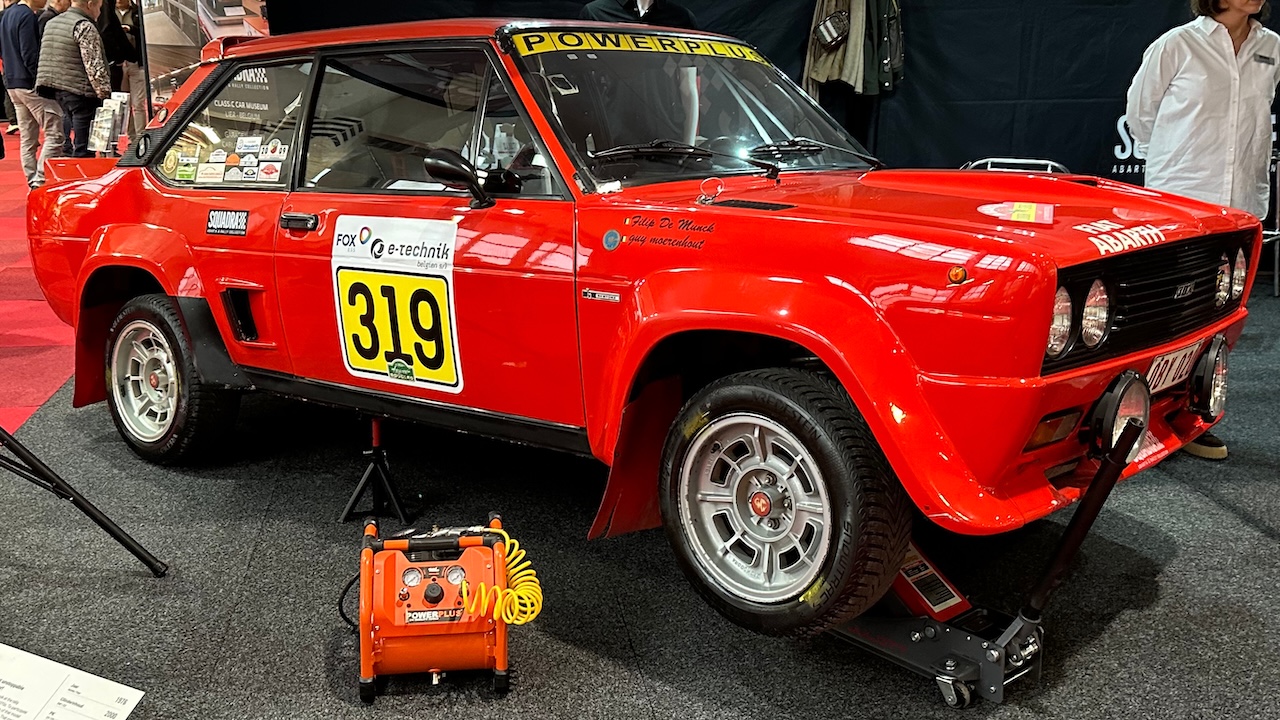
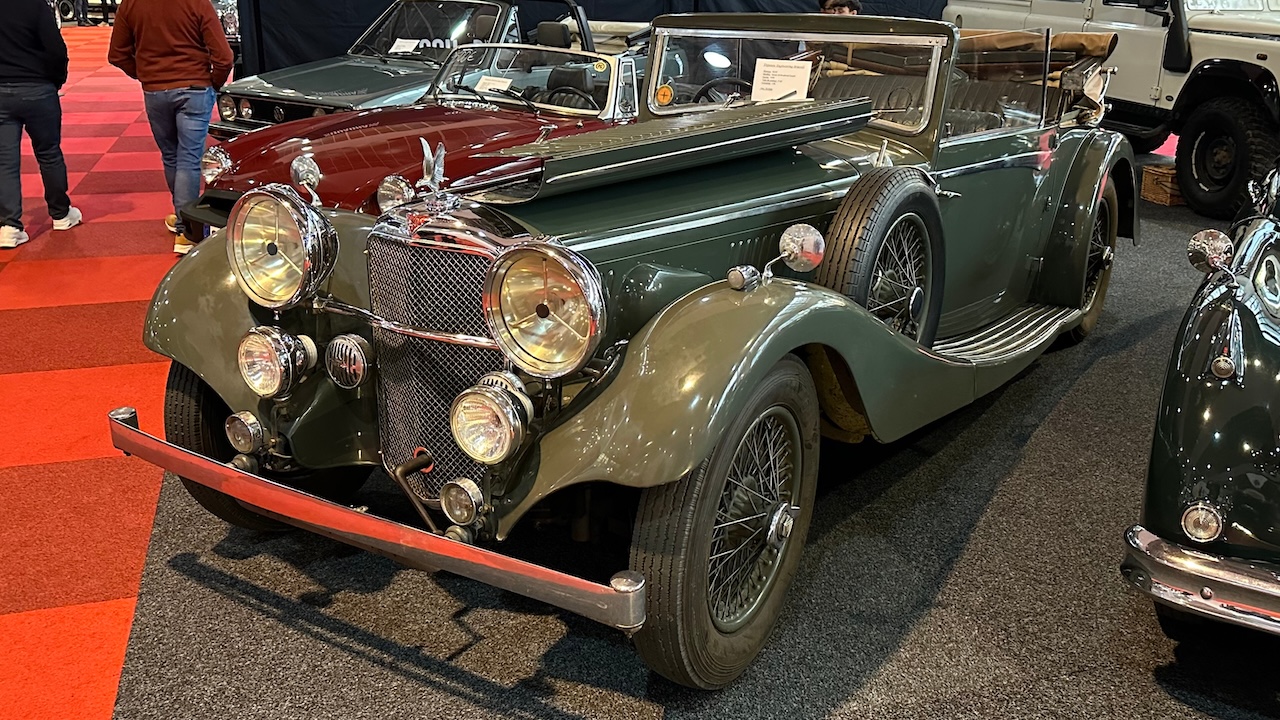
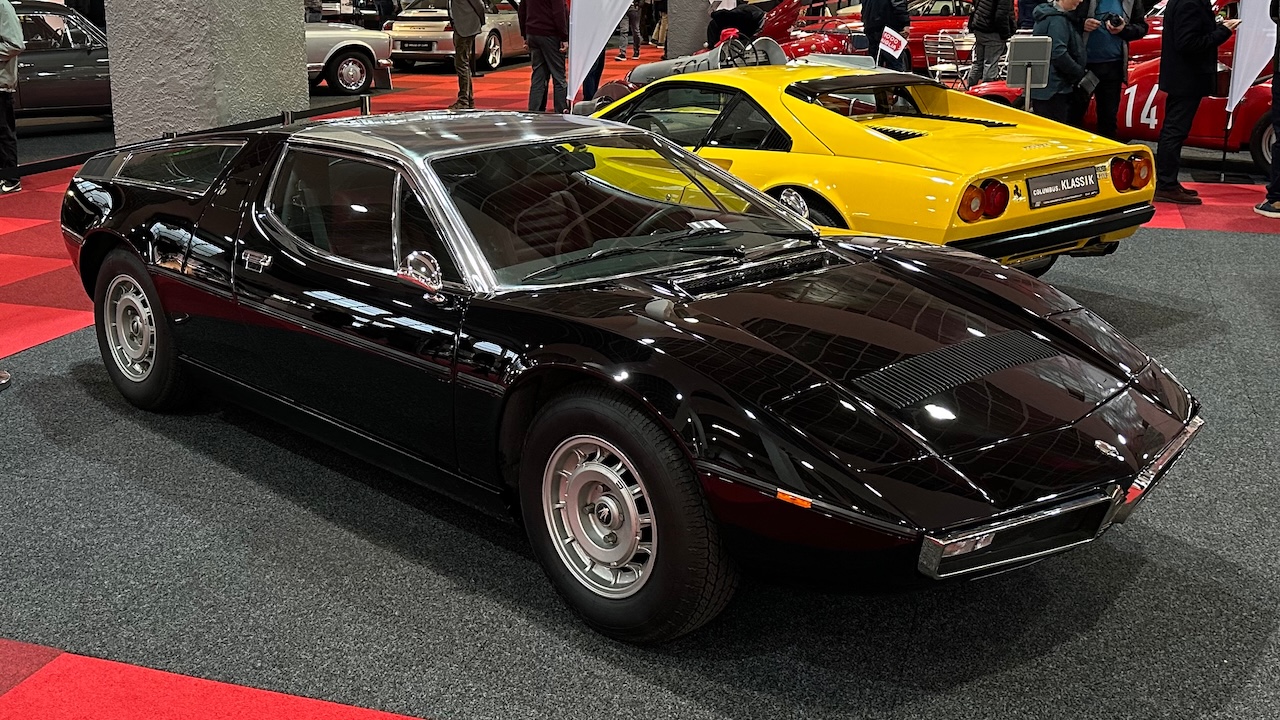
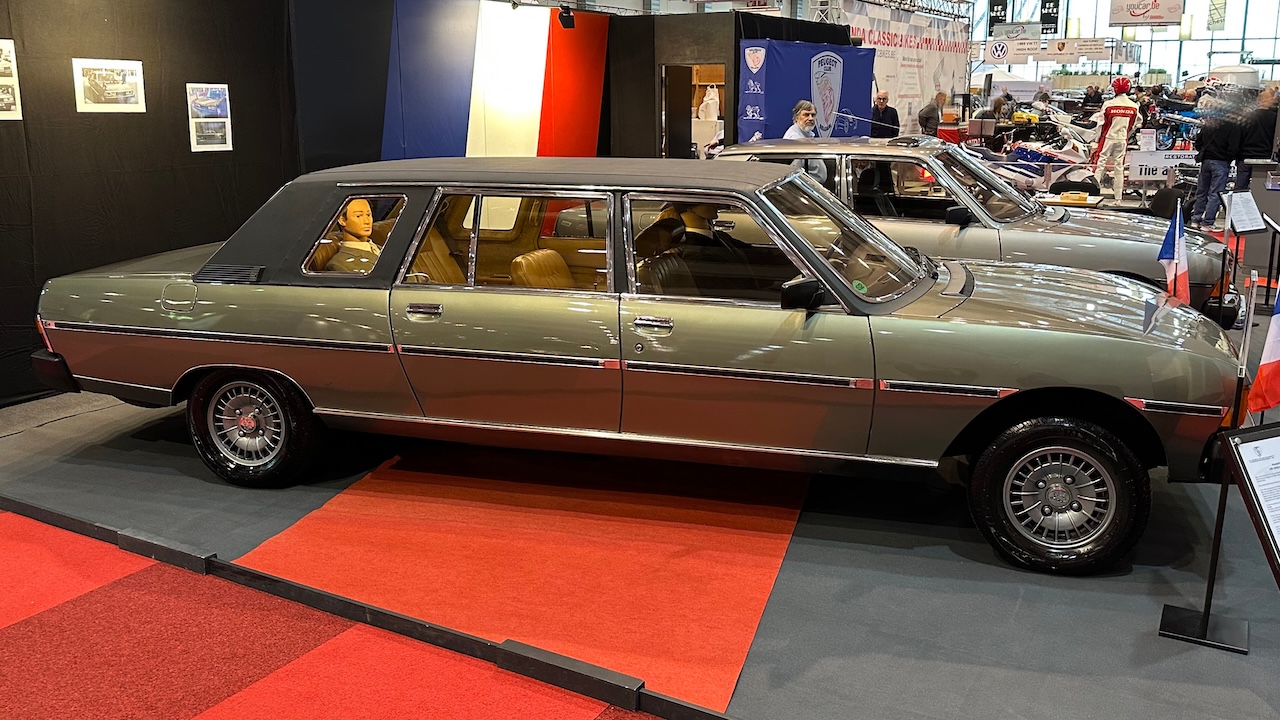
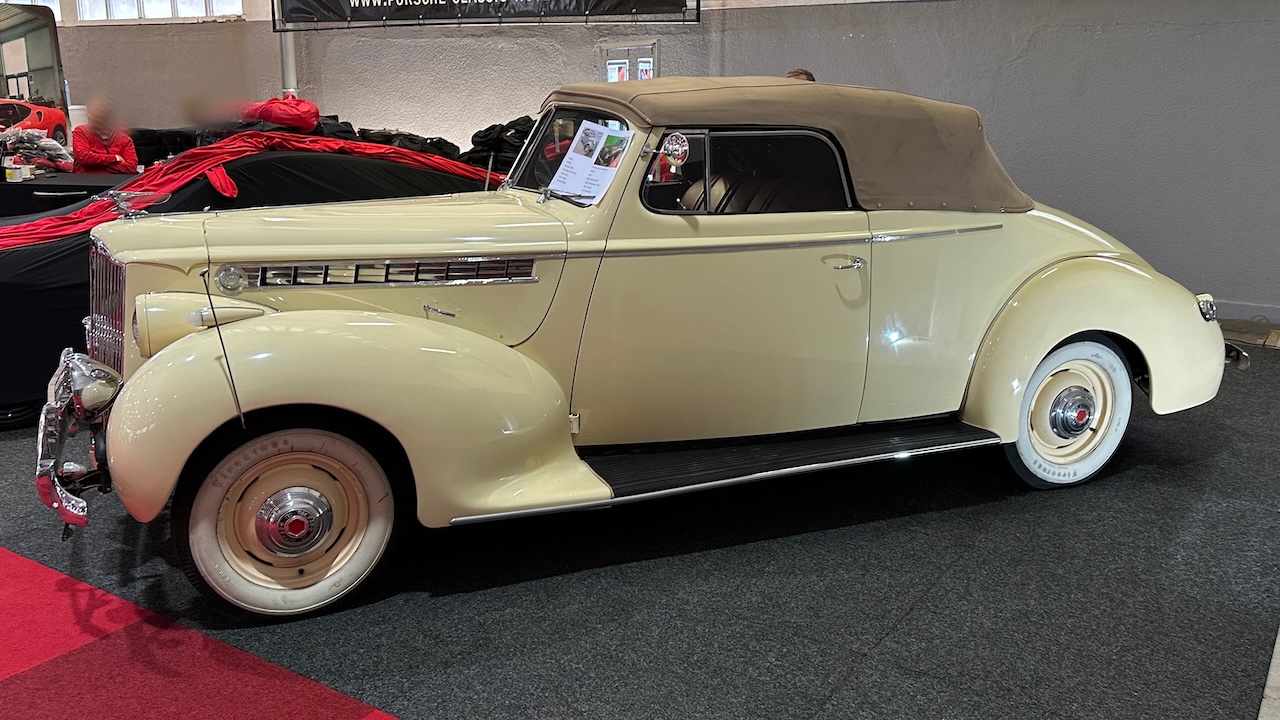
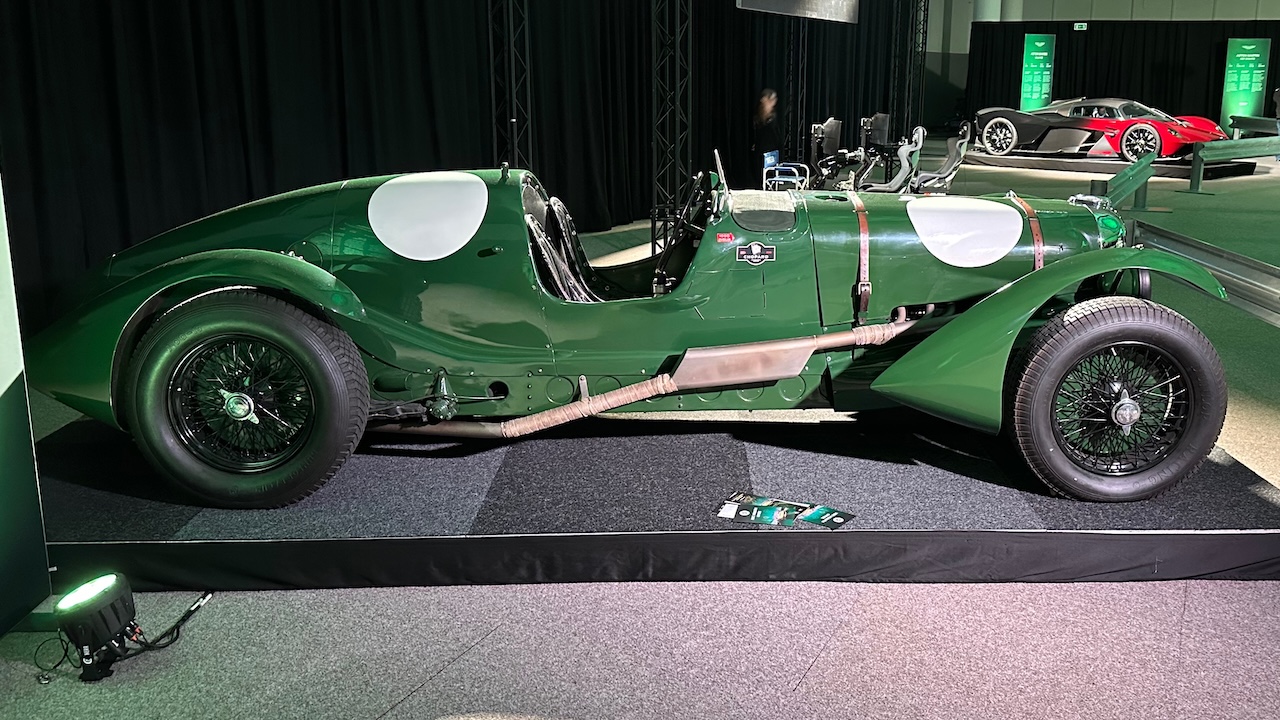
The other cars are: Lagonda V12; Ferrari SP3 Daytona; MG TC; Mazda 626 Coupé; Fiat 131 Mirafiori; Alvis Speed 20; Cheetah; Maserati Bora; 308 Cabriolet; Ferrari 250 GT; Alvis 4.3; MG TC; Peugeot 604 Heuliez; Packard.
Links
More about the is event on the official webpage.
More about this event can be found on our Instagram account or below in the virtual phone. To see the pictures, swipe them with your finger (mobile devices) or your mouse (desktop).
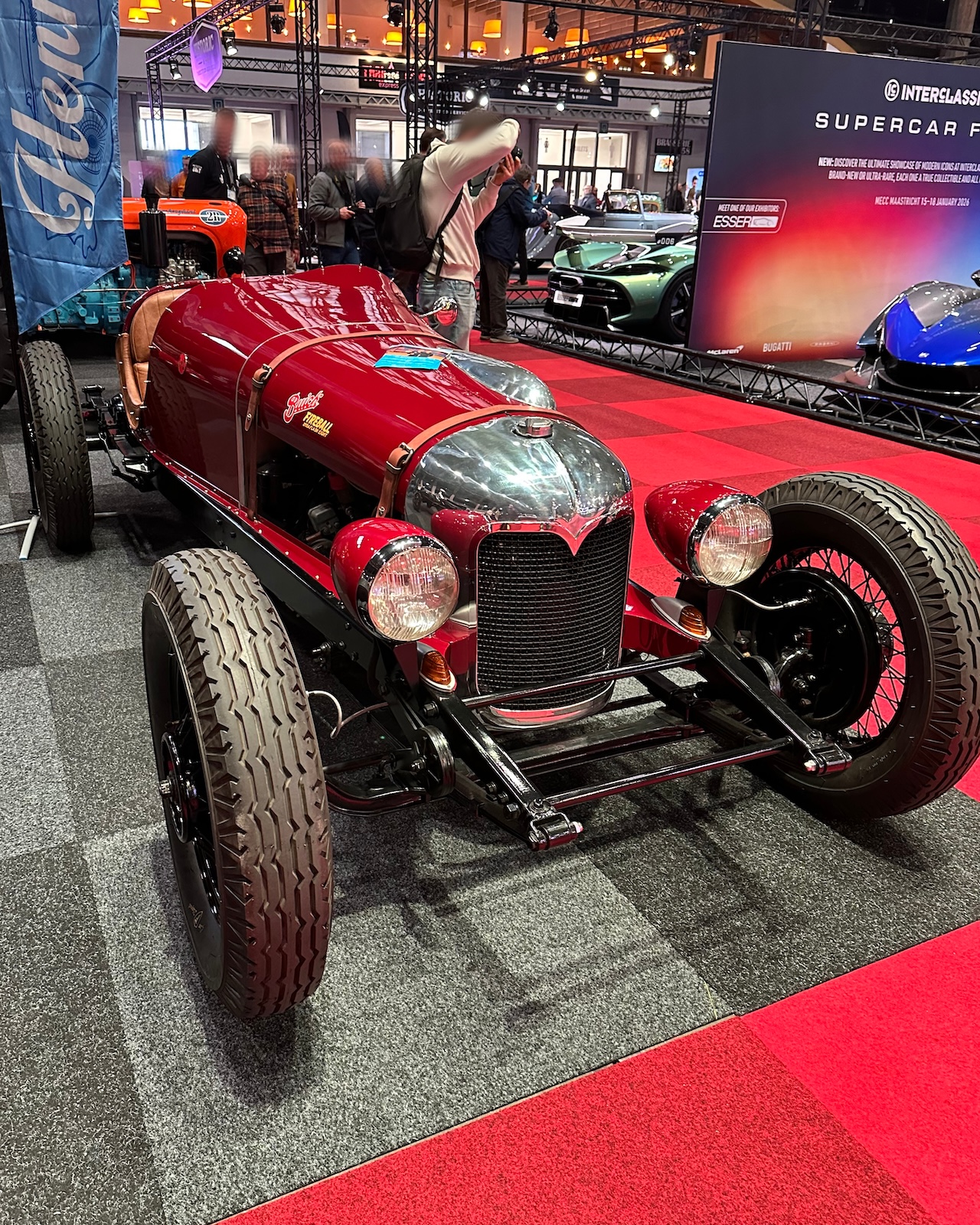
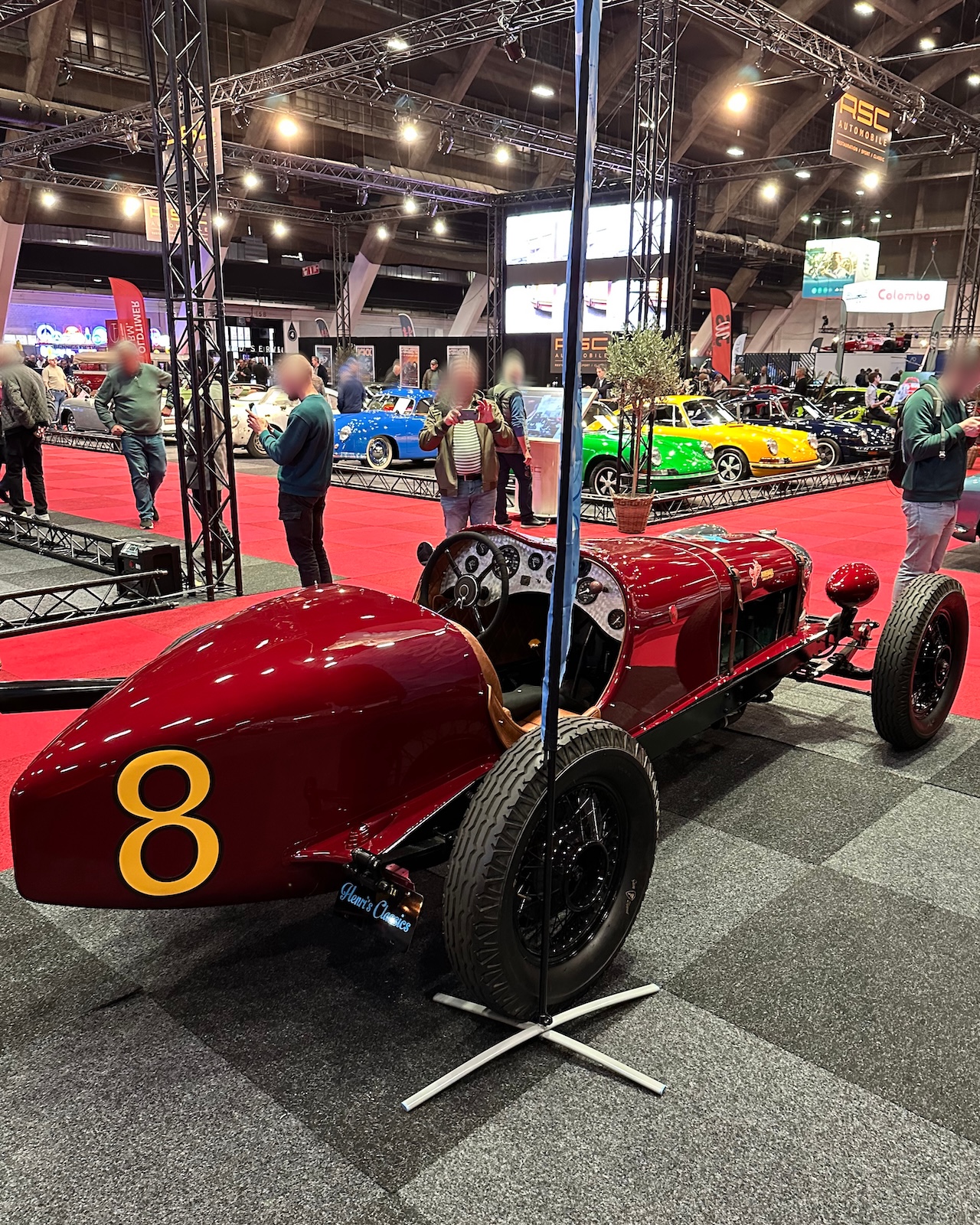
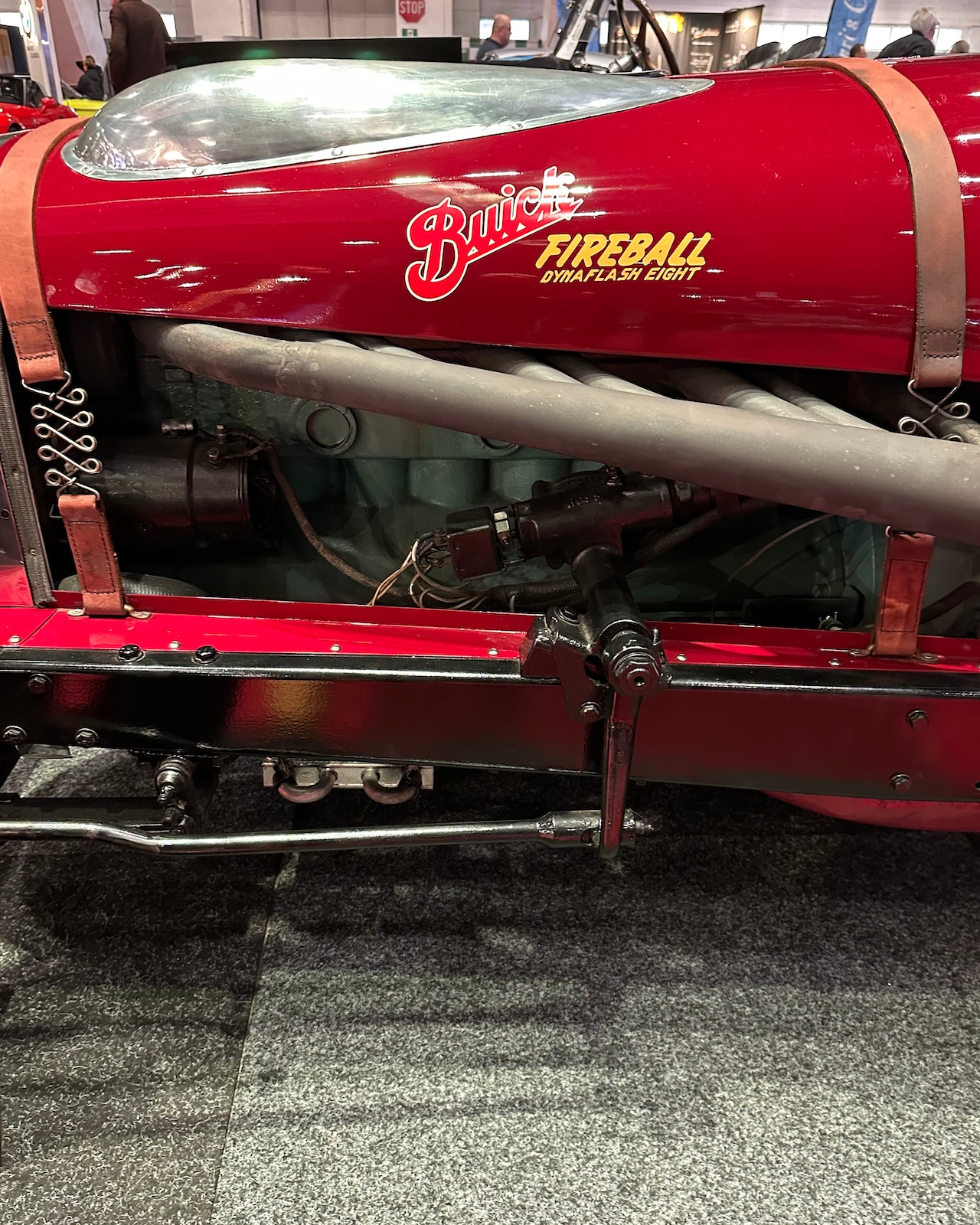
Everybody talks about hybrid cars, but what exactly is a hybrid car?
Here is a good example spotted in Brussels at InterClassics: 1931 Buick Racer. This gorgeous car was built from the blueprints of a 1931 Indianapolis 500 winning Miller race car.
It features handmade, all-aluminum coachwork and is constructed using early Studebaker and Graham mechanical components, combined with a Buick 248ci straight-eight overhead-valve engine. Look at the gorgeous headlights, you can easily imagine a huge Buick saloon car from the mid-1930s.
Yes, this is a true hybrid car.
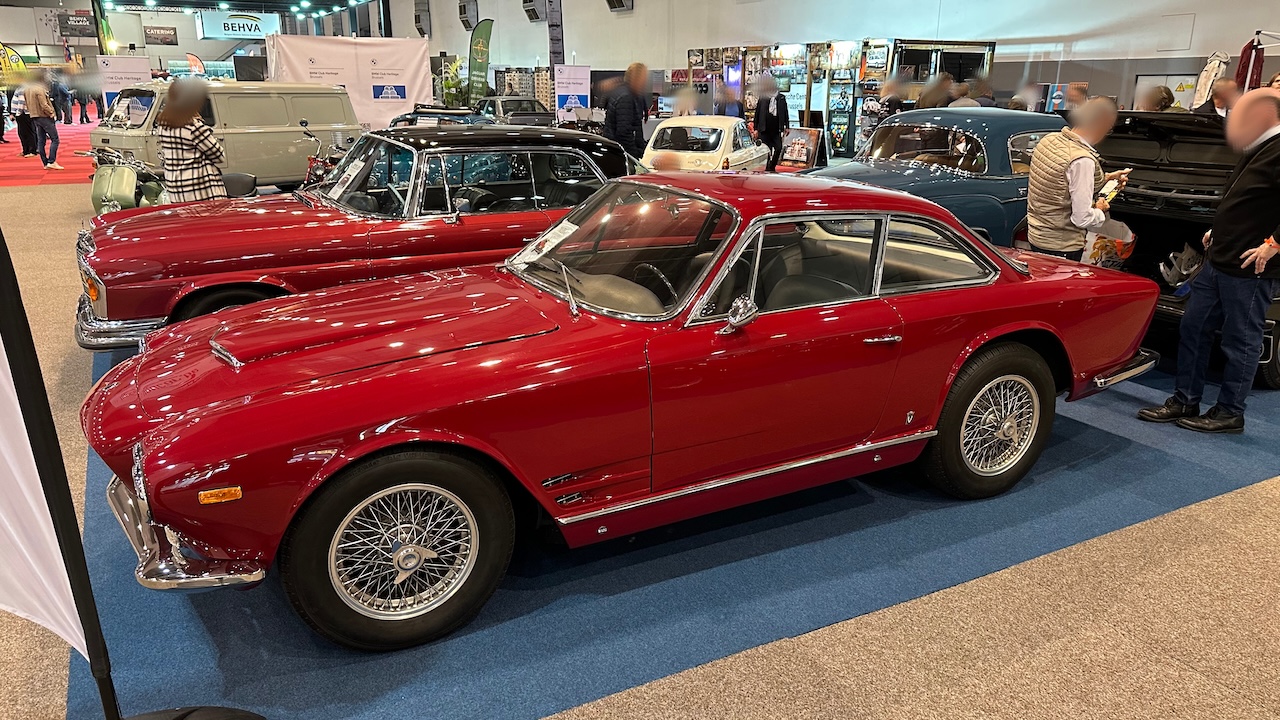
1963 Maserati 3500 GTI S, first series, 3.5-litre 6-cylinder engine. Another beauty seen in Brussels, InterClassics.
For me, these Maserati sum up what a GT (Grand Tourer, Gran Turismo) should be, i.e. a luxury sports car built for high-speed, long-distance comfort, and performance.
The body was manufactured by Carrozzeria Vignale. The prevailing opinion is that the design came from Alfredo Vignale himself. However, some sources assume that Giovanni Michelotti actually designed the body for Vignale. If you know better, please tell us. Have a nice weekend.
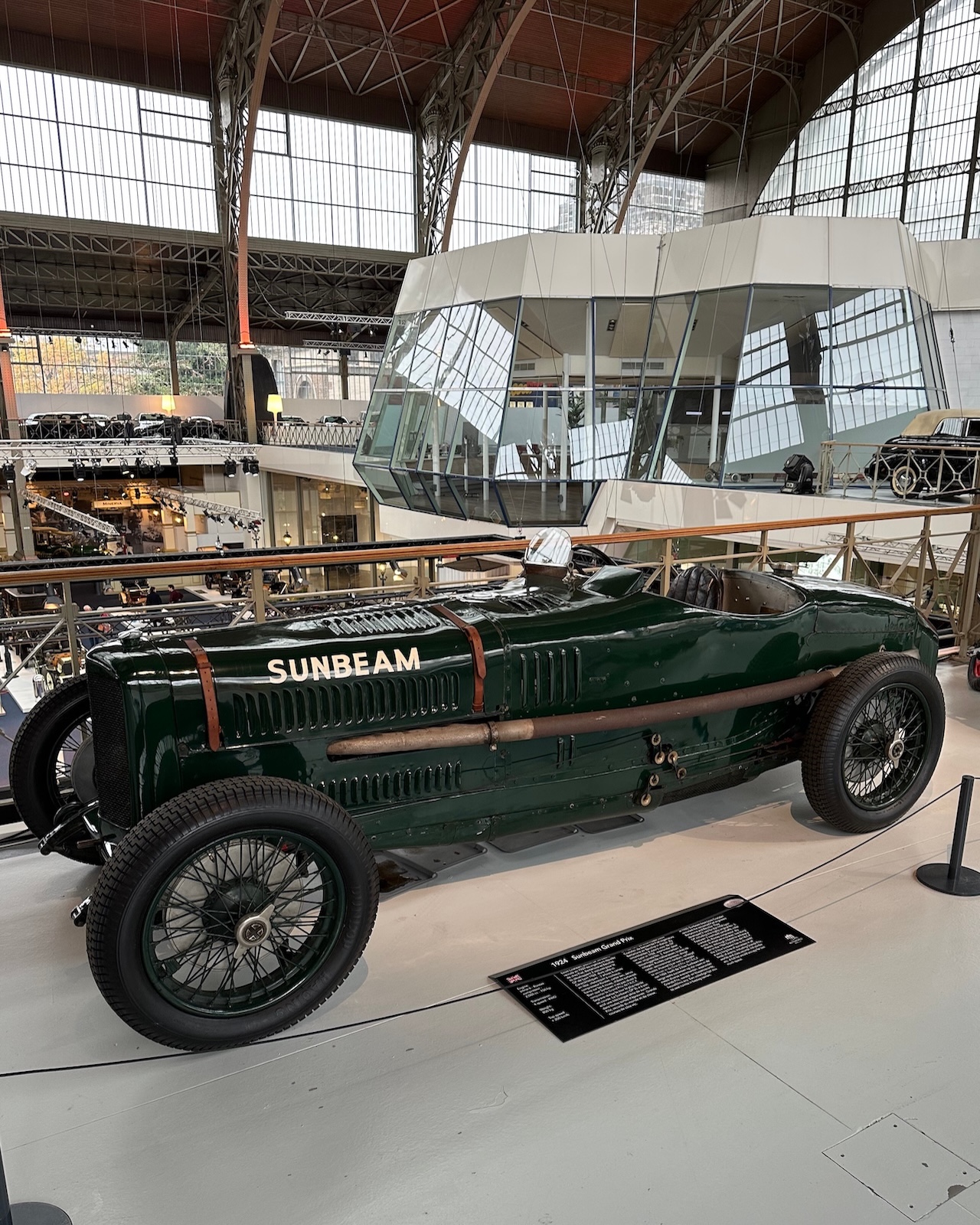
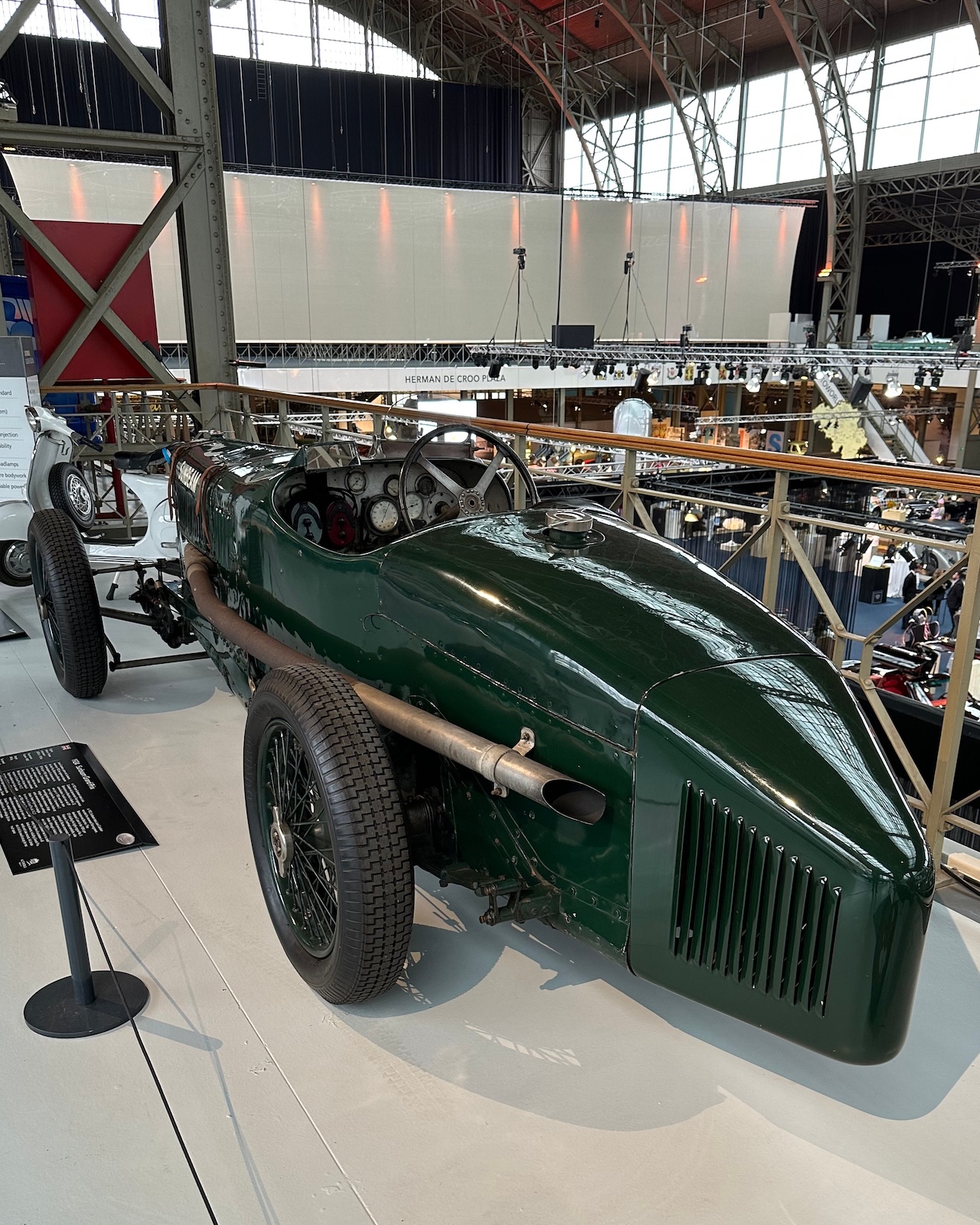
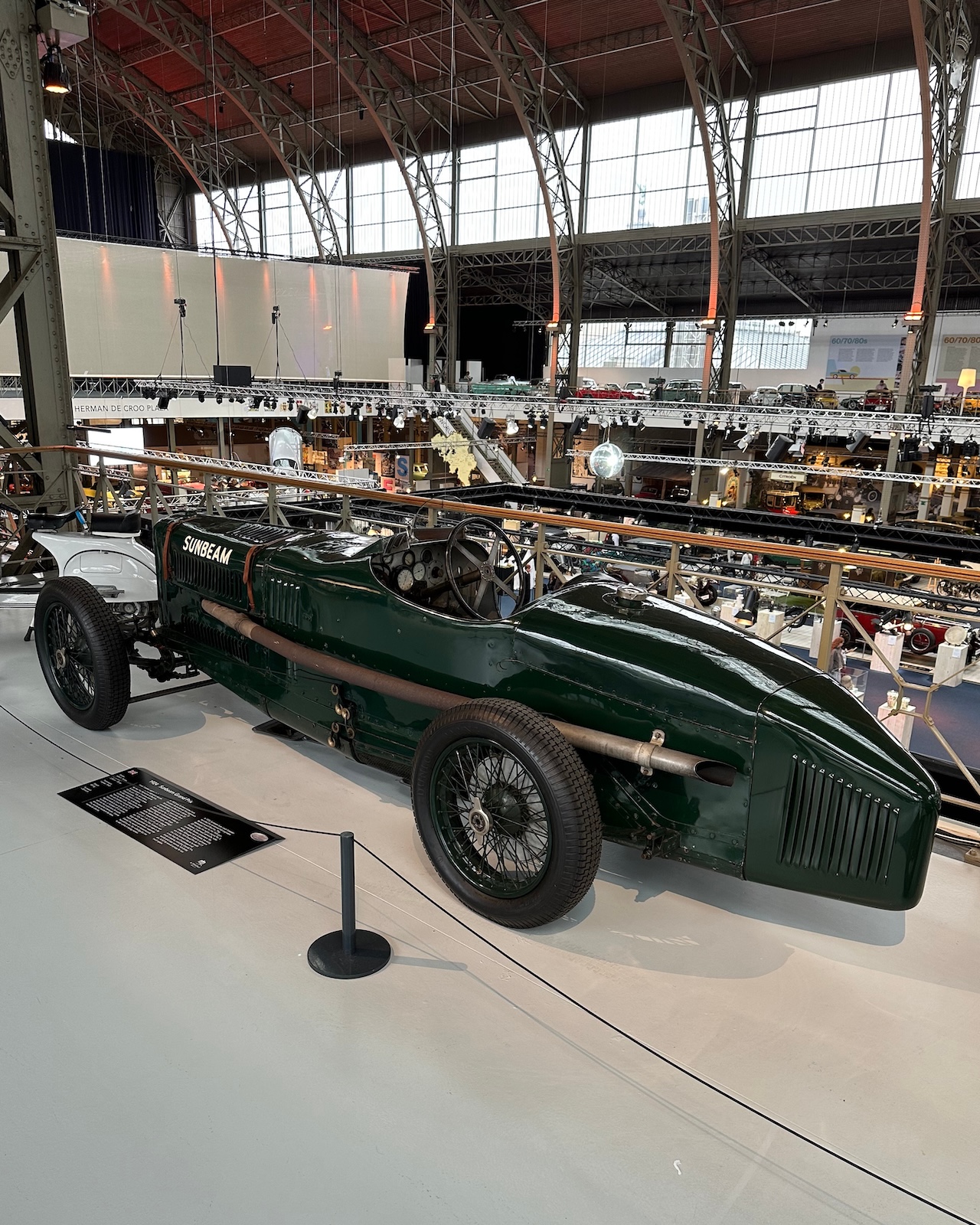
In 1923, Sunbeam with Louis Hervé Coatalen, brillant French engineer, developed three cars for the 1924 Lyon Grand Prix de l'ACF (Automobile Club de France) including this highly original Number 3 seen in Brussels (Autoworld Museum).
This beauty is a real beast. According to the museum it features 2 overhead camshafts, a roller crankshaft, a Roots compressor, a dry sump, 4-wheel servo brakes, and a low-slung chassis.
Although it failed to achieve a win on the Circuit de Lyon, the 2-litre Sunbeam has to its credit a very long line of successes in all kinds of events, including Grands Prix, world and class records, and hill climbs. Enjoy.
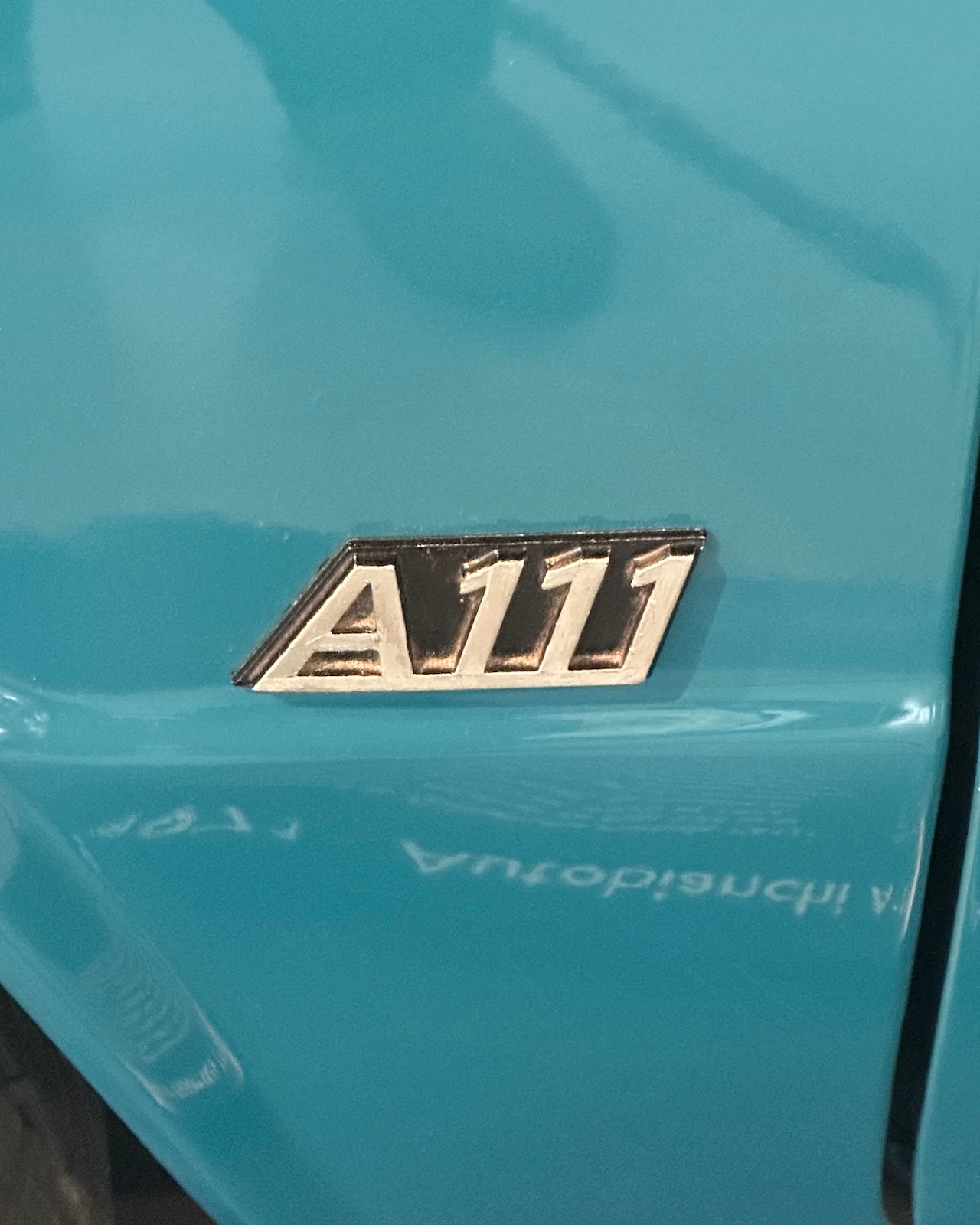
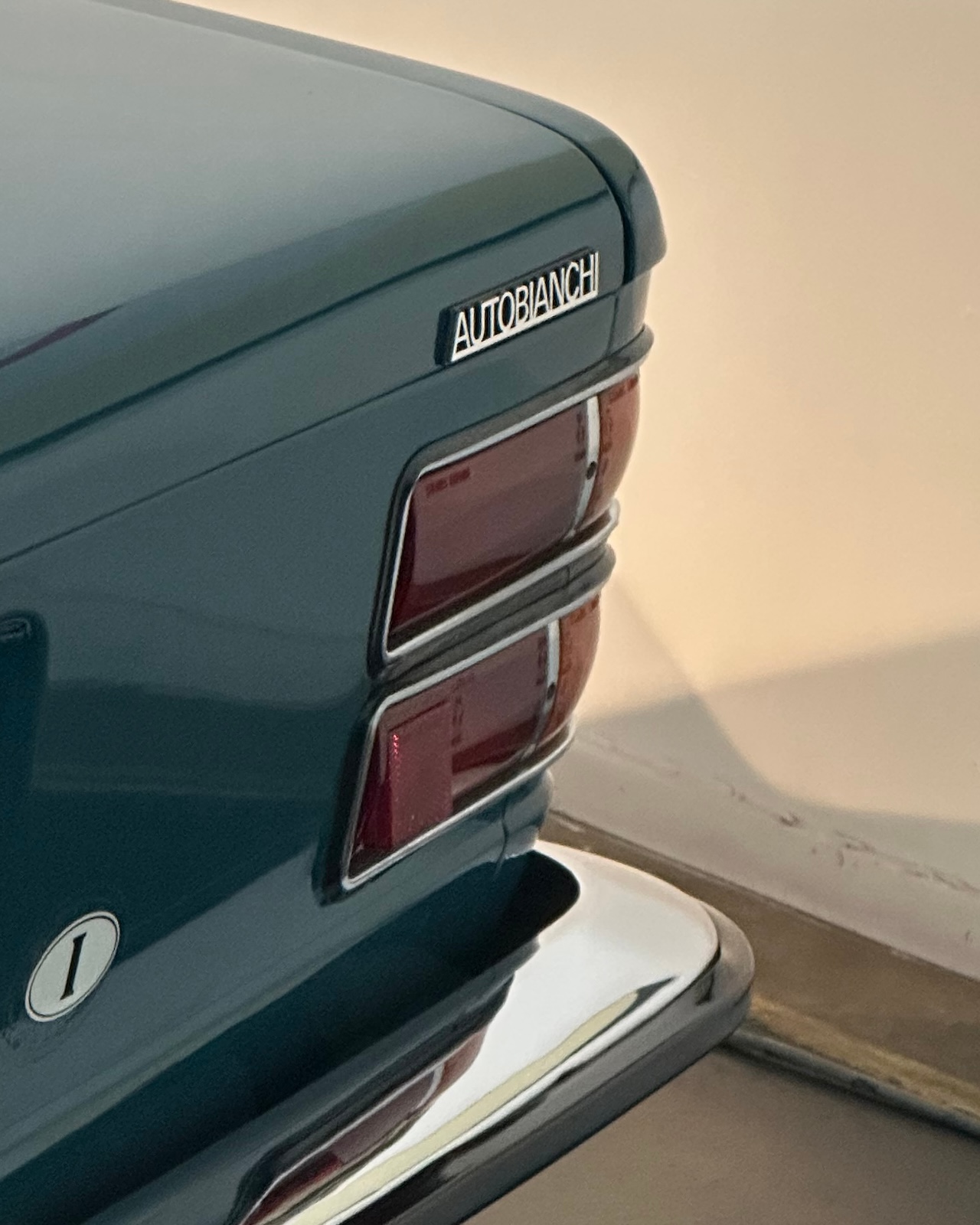
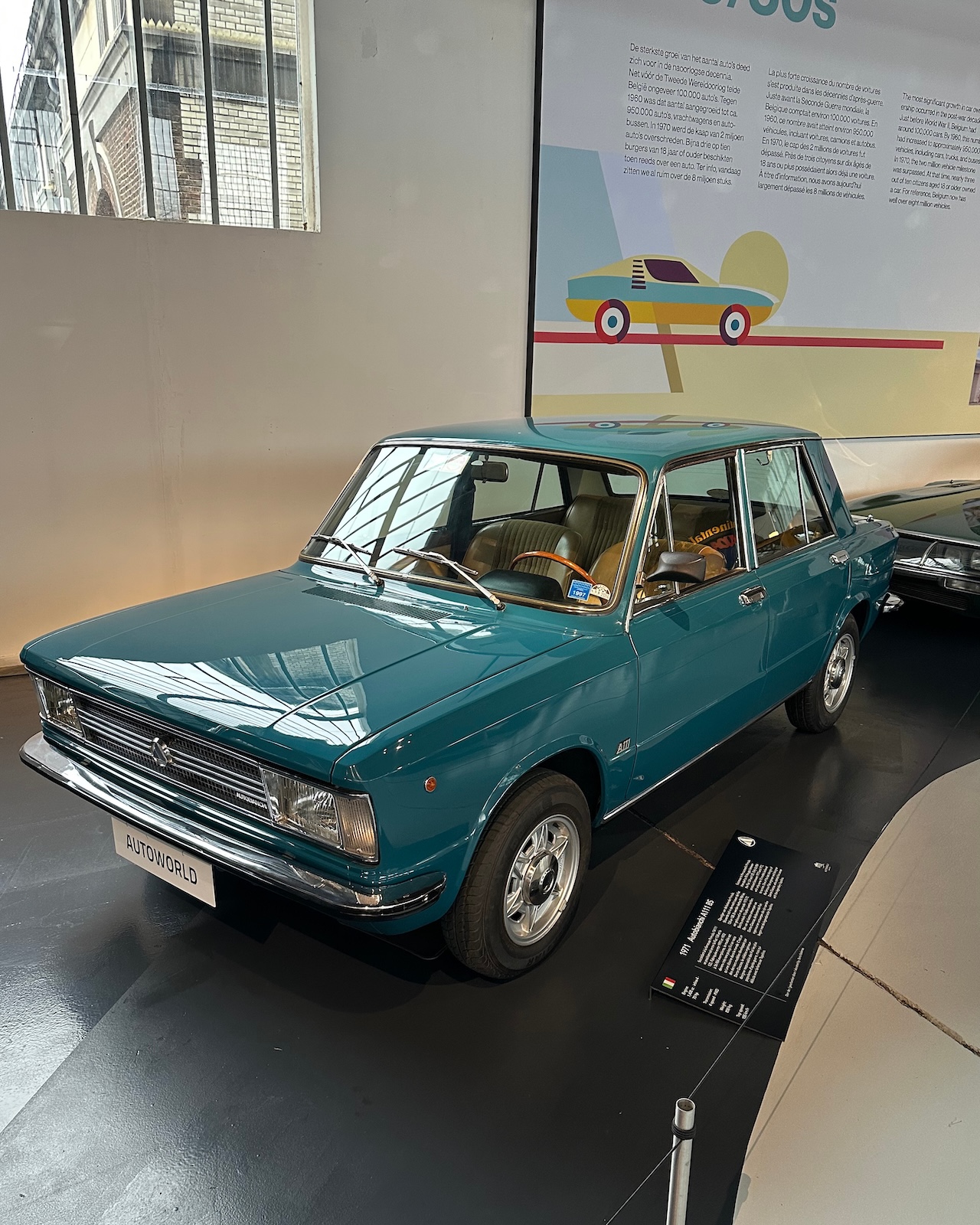
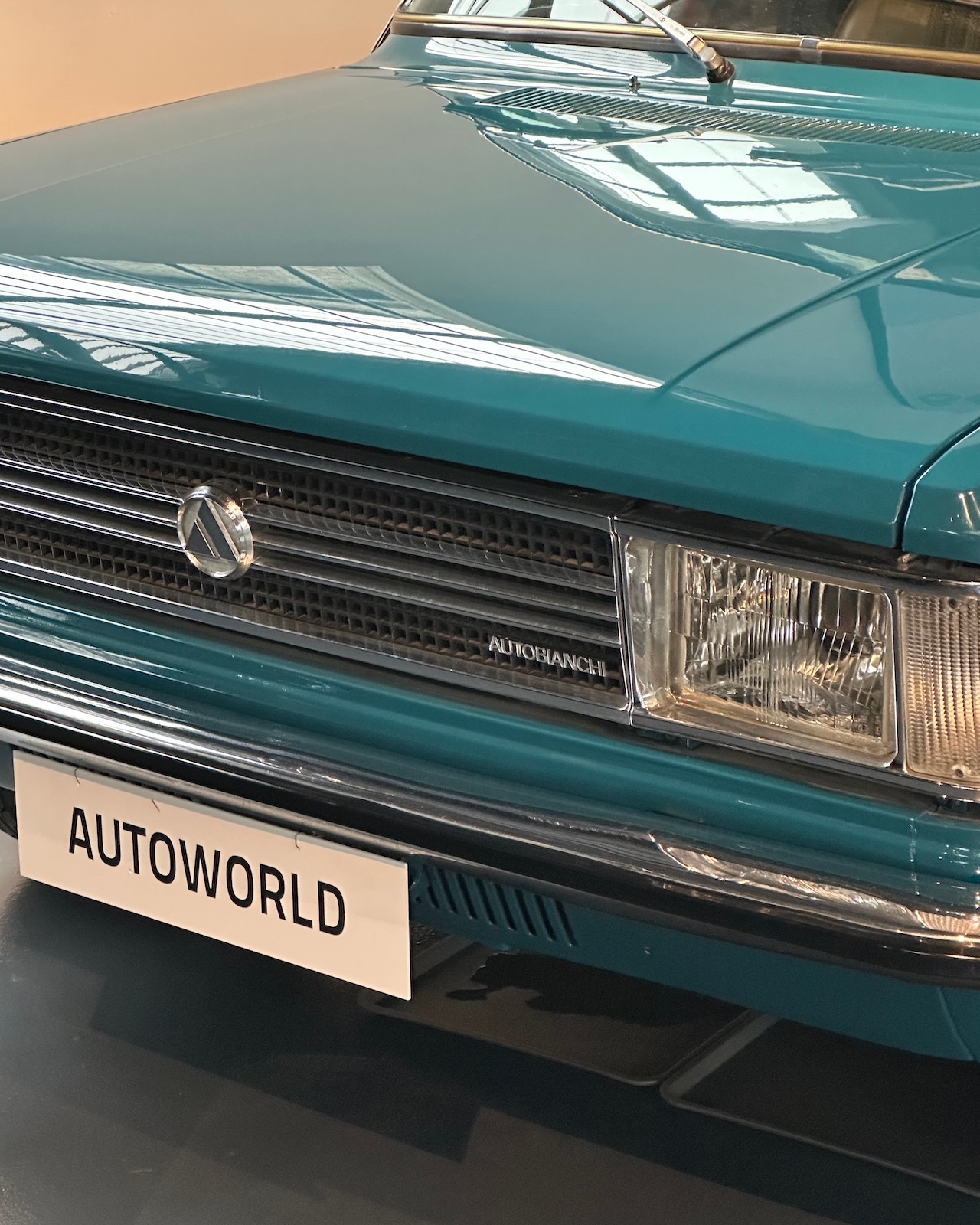
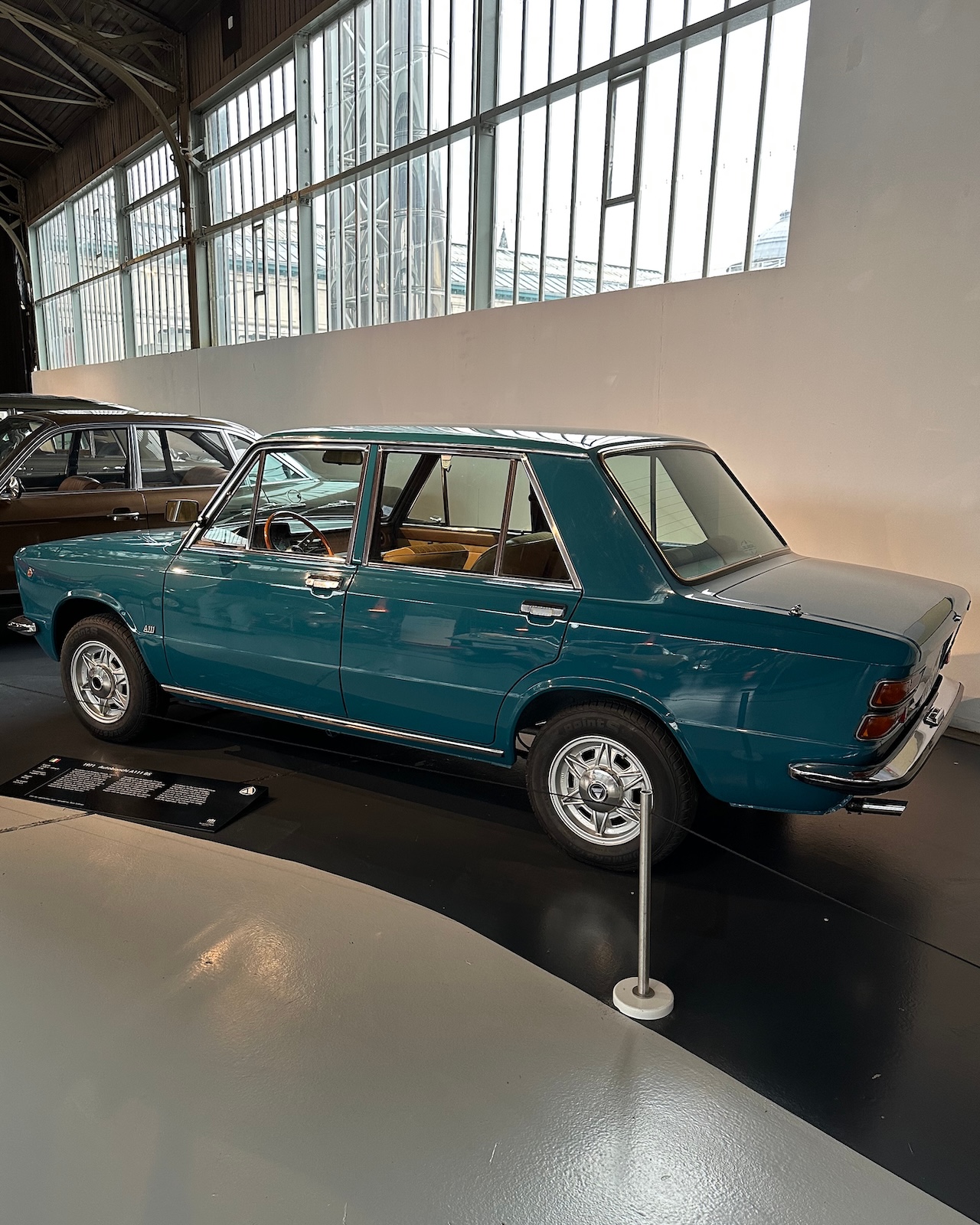
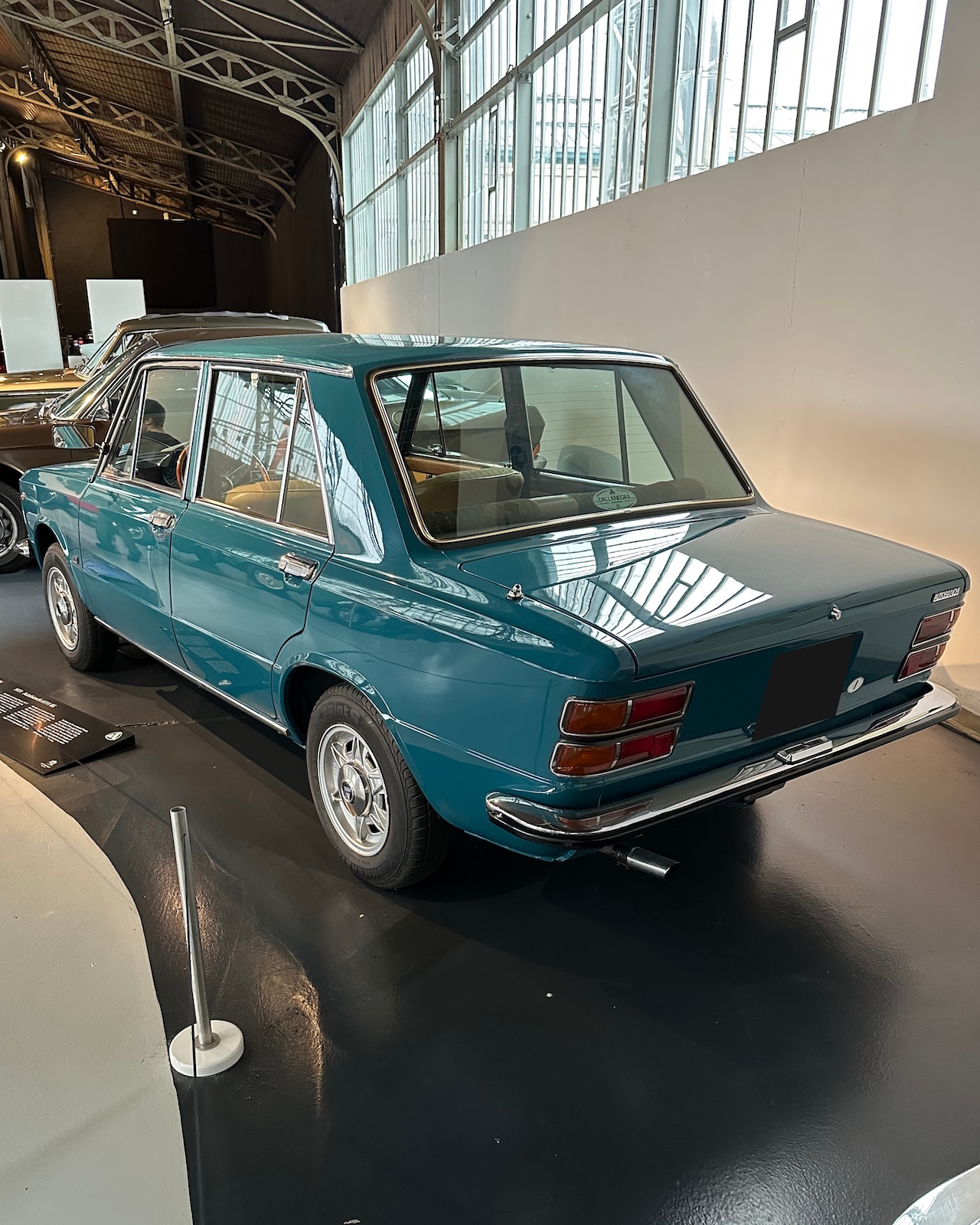
Second A111 I see within a month, after the one seen at Auto d'Epoca (see previous post). This one sits in the museum Autoworld, 1971 Autobianchi A111 BS.
Replacing the modern Primula, the A111 stood between the Fiat 124 and the Fiat 125. Manufactured between 1969 and 1972, the model is now quite rare, with only a few remaining, according to the museum. It is one of the last models developed by Dante Giacosa, the deus ex machina of Fiat. Still an amazing car.
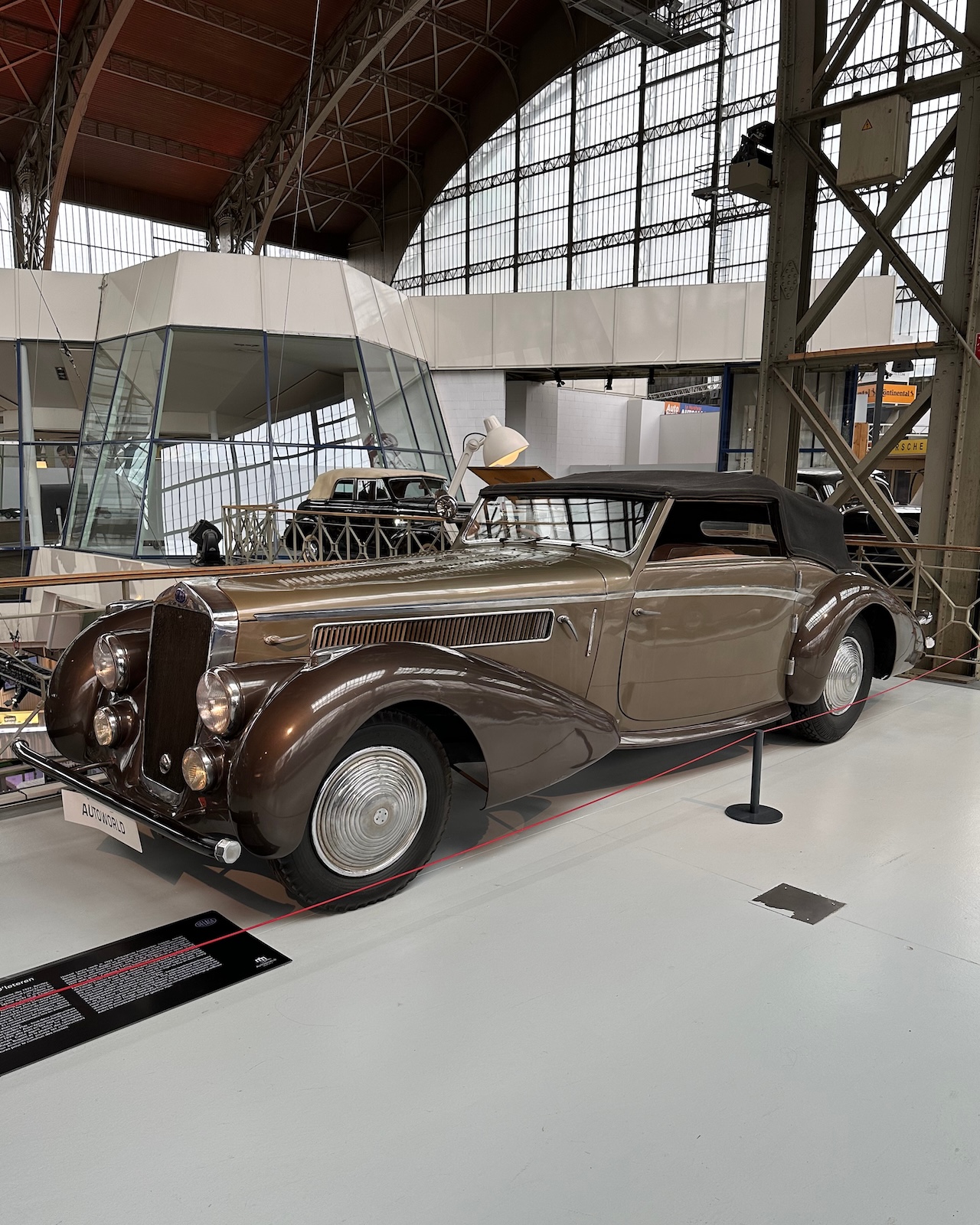
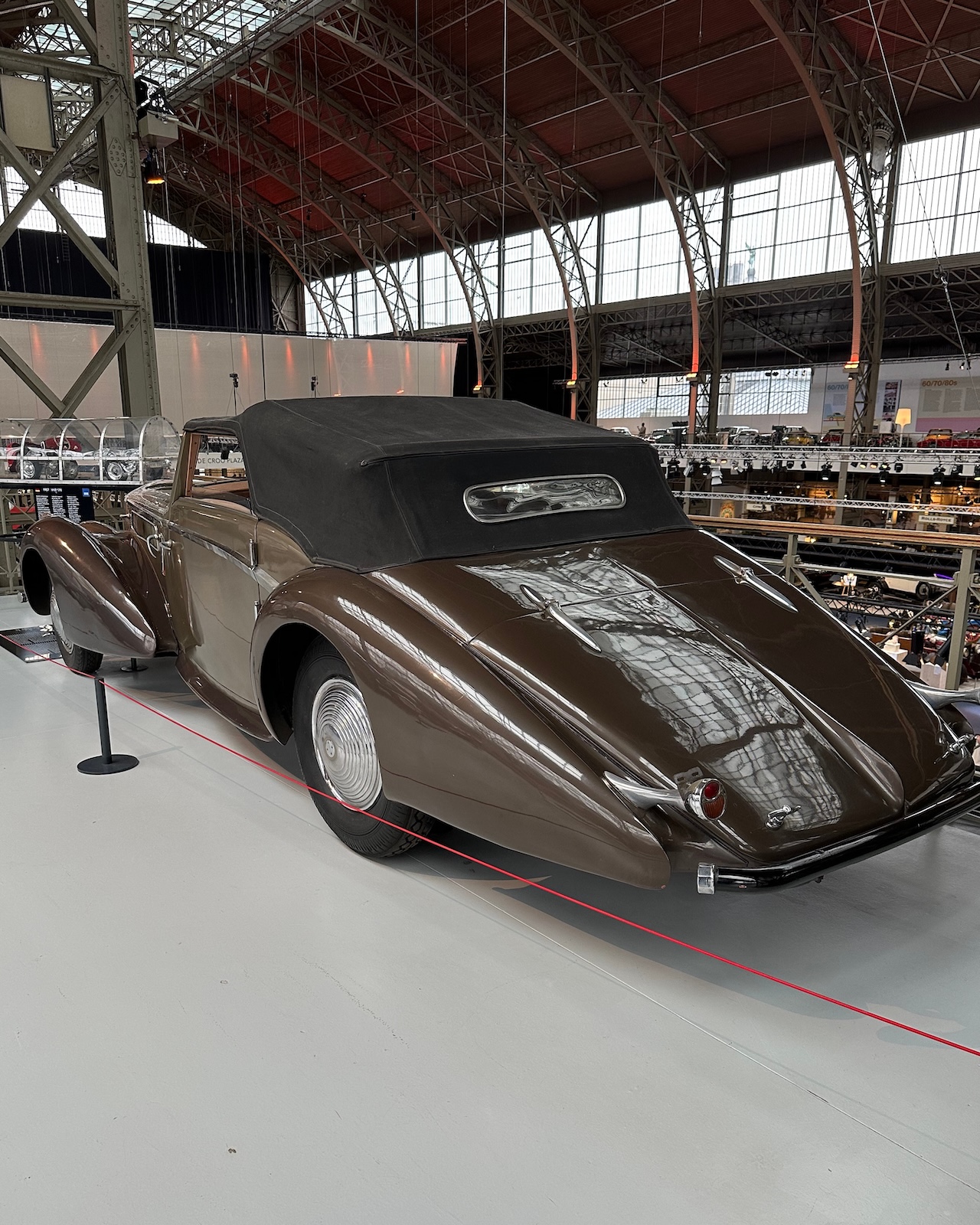
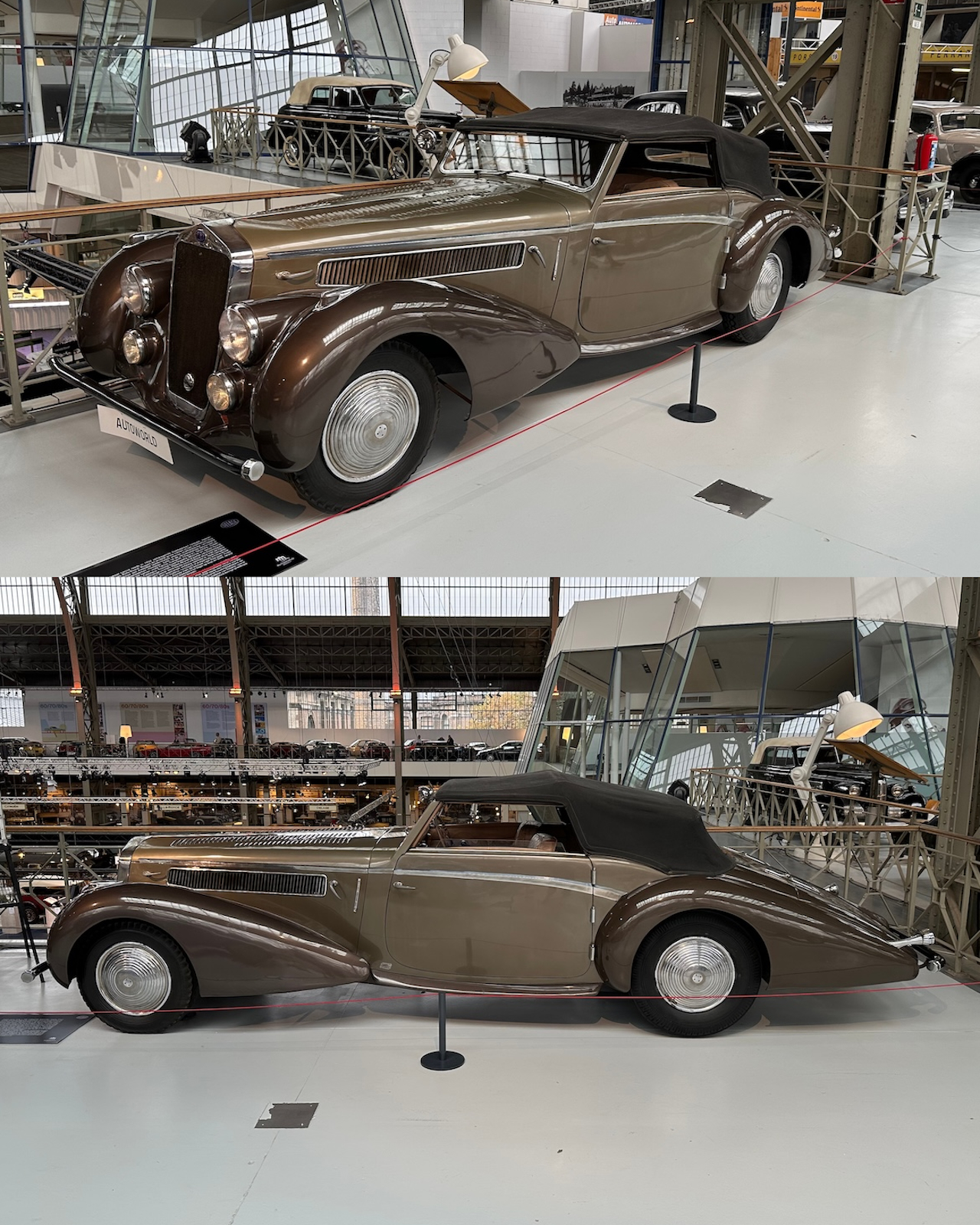
Another rarity seen in Brussels, 1939 Delage D8-120 D'leteren. If I am not mistaken, the engine should give around 120 HP (actually the 120 S engine, feel free to correct me). The shape is just splendid. Thanks, D'leteren.
As breathtaking as this car may be, it was already a dinosaur that failed to grasp the changing times. This narrow-mindedness spelled the death knell for manufacturers as Delage and most coachbuilders. Moreover, the economic situation before and after WWII forced manufacturers to develop cars for the masses.
However, in the 1920s and 1930s, these monumental carriages often won prestigious prizes at Concours d'Elégance, after which the winners were snapped up by high society. And as with the great fashion brands, it was the name of the coachbuilder that was prominently displayed, while the real designers usually remained anonymous. Enjoy.
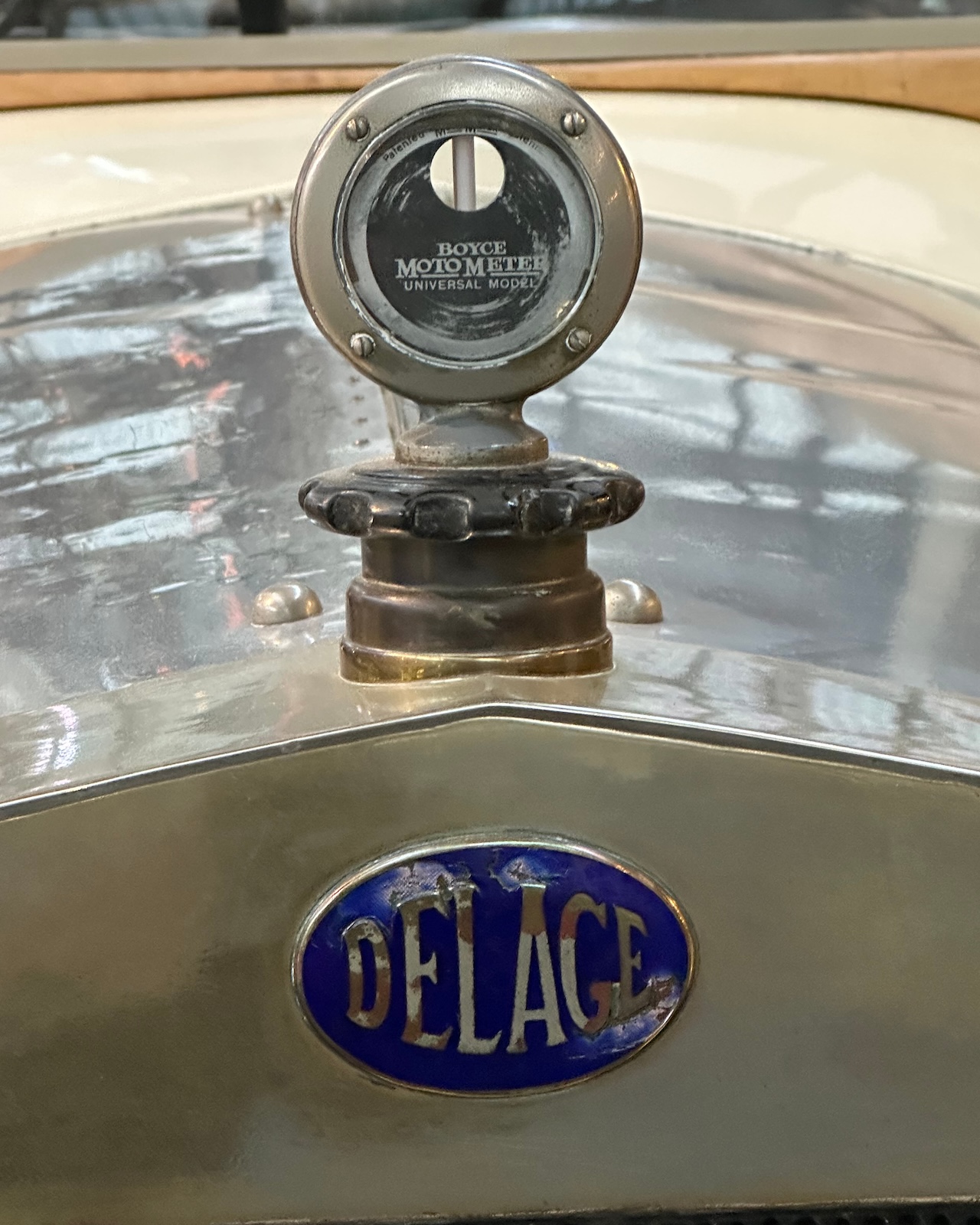
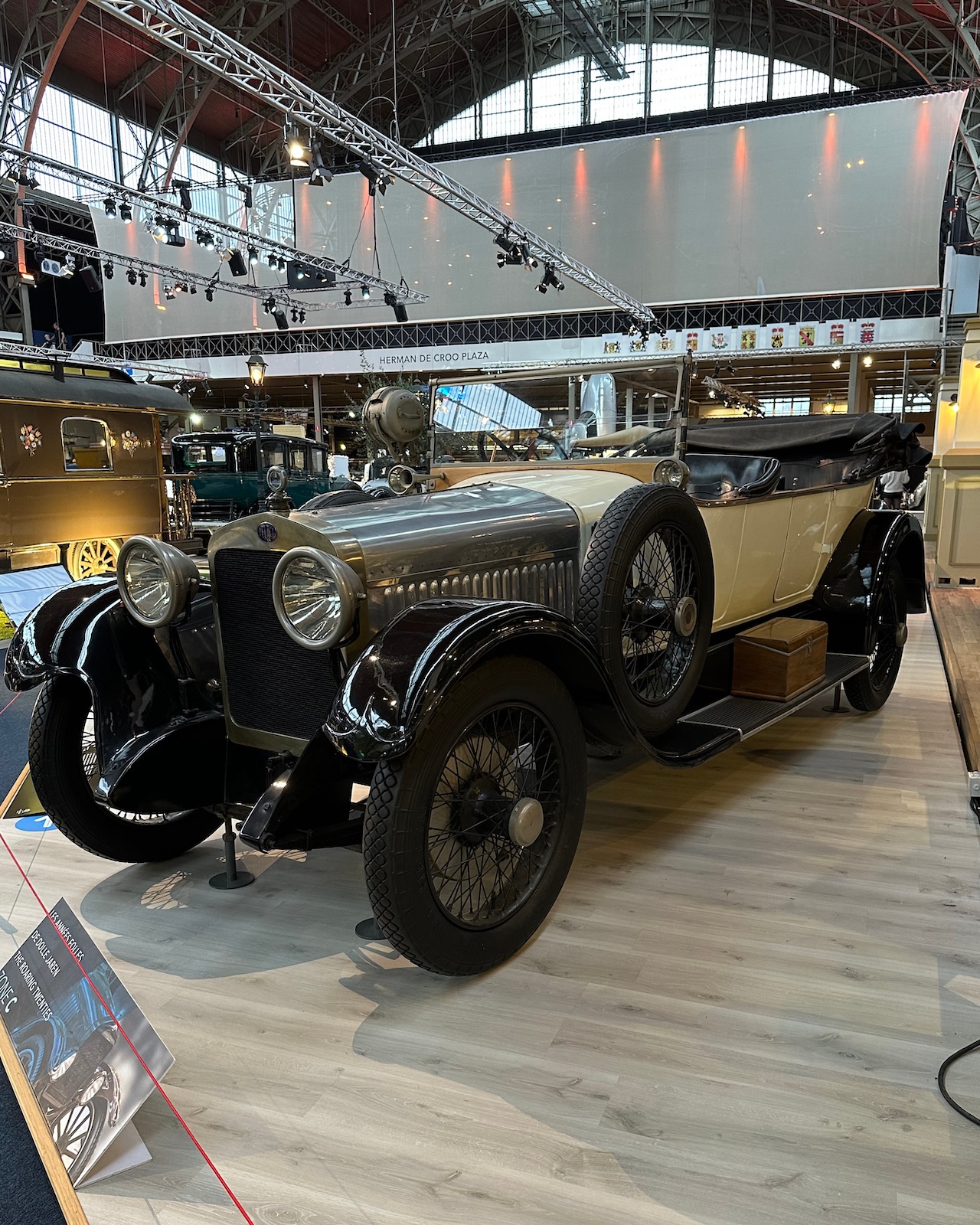
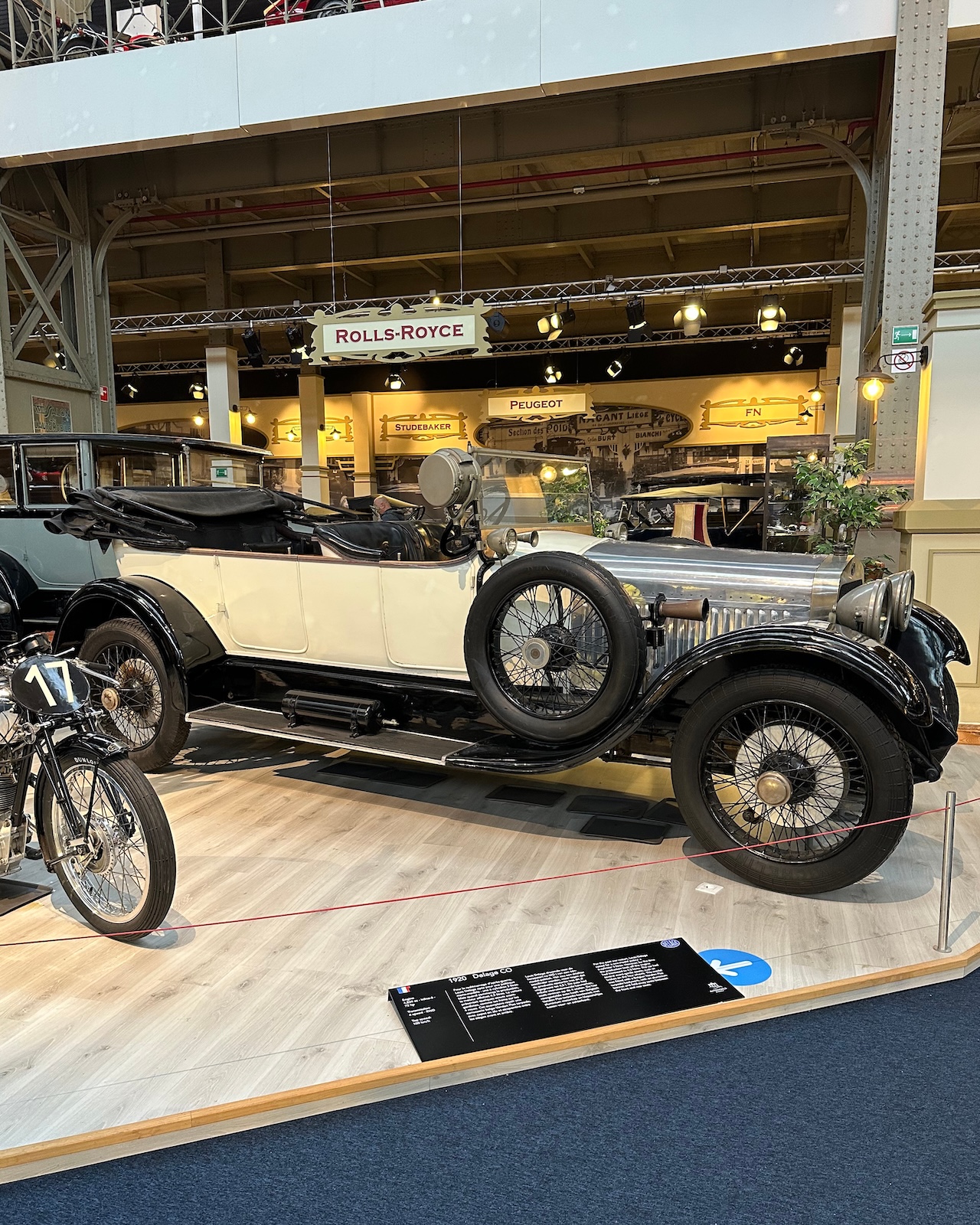
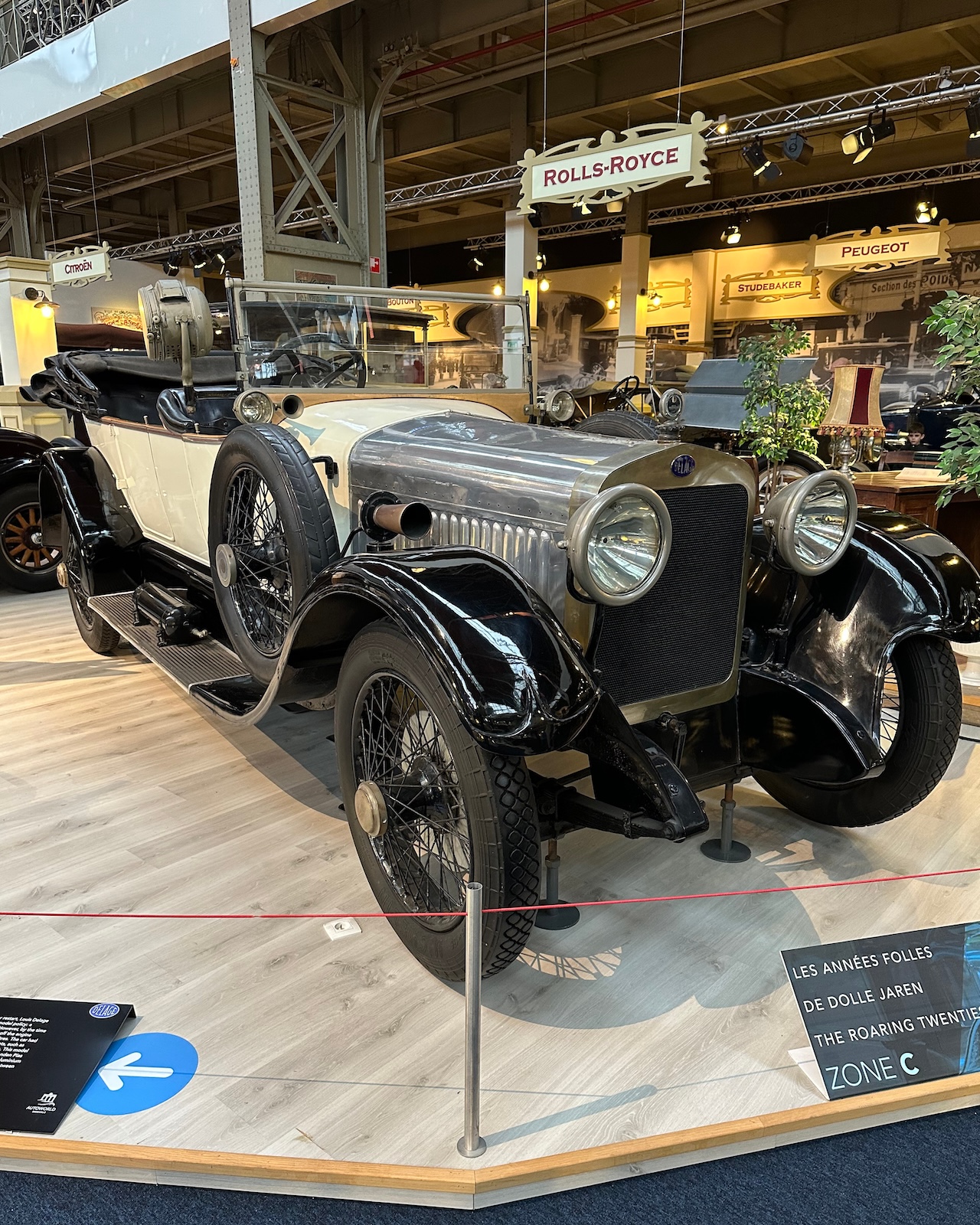
After WWI, Louis Delâge opted for a one-model policy: a 6-cylinder 3-litre engine. However, by the time the production took off the engine had increased to 4.5 litres.
The Delage CO had the distinction of being among the first cars fitted with front-wheel brakes, a testament to the company's racing prowess... implying four-wheel brakes... Its almost 80 HP do not sound extraordinary, but max power arrives at a low 2400 rpm and thus makes the CO both a formidable performance car and a stately touring machine.
This model, 1920 Delage CO, seen at Autoworld, is fitted with a Belgian Vanden Plas torpedo bodywork, with an aluminium bonnet and fold-away seats between the front and rear seats. Splendid.
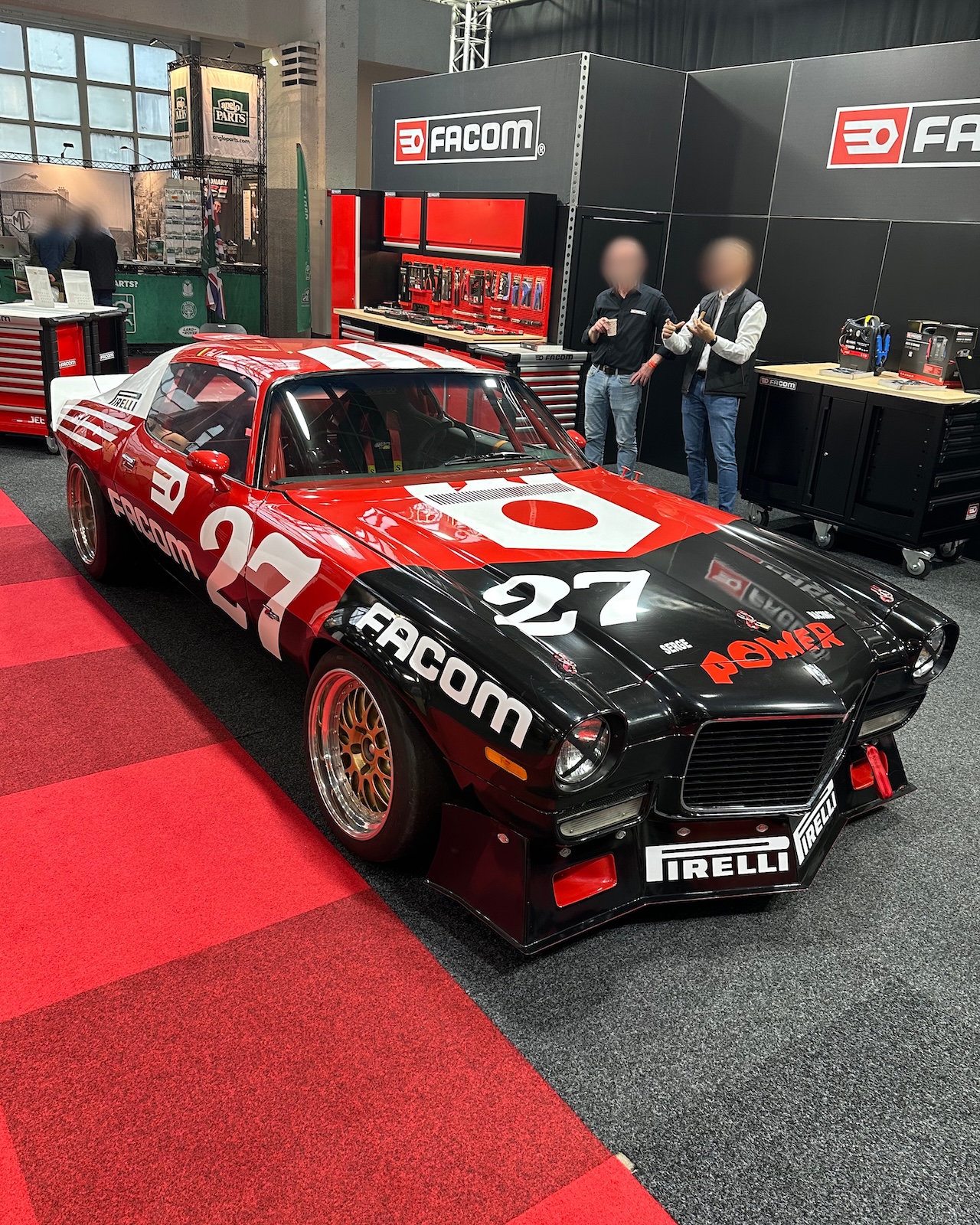
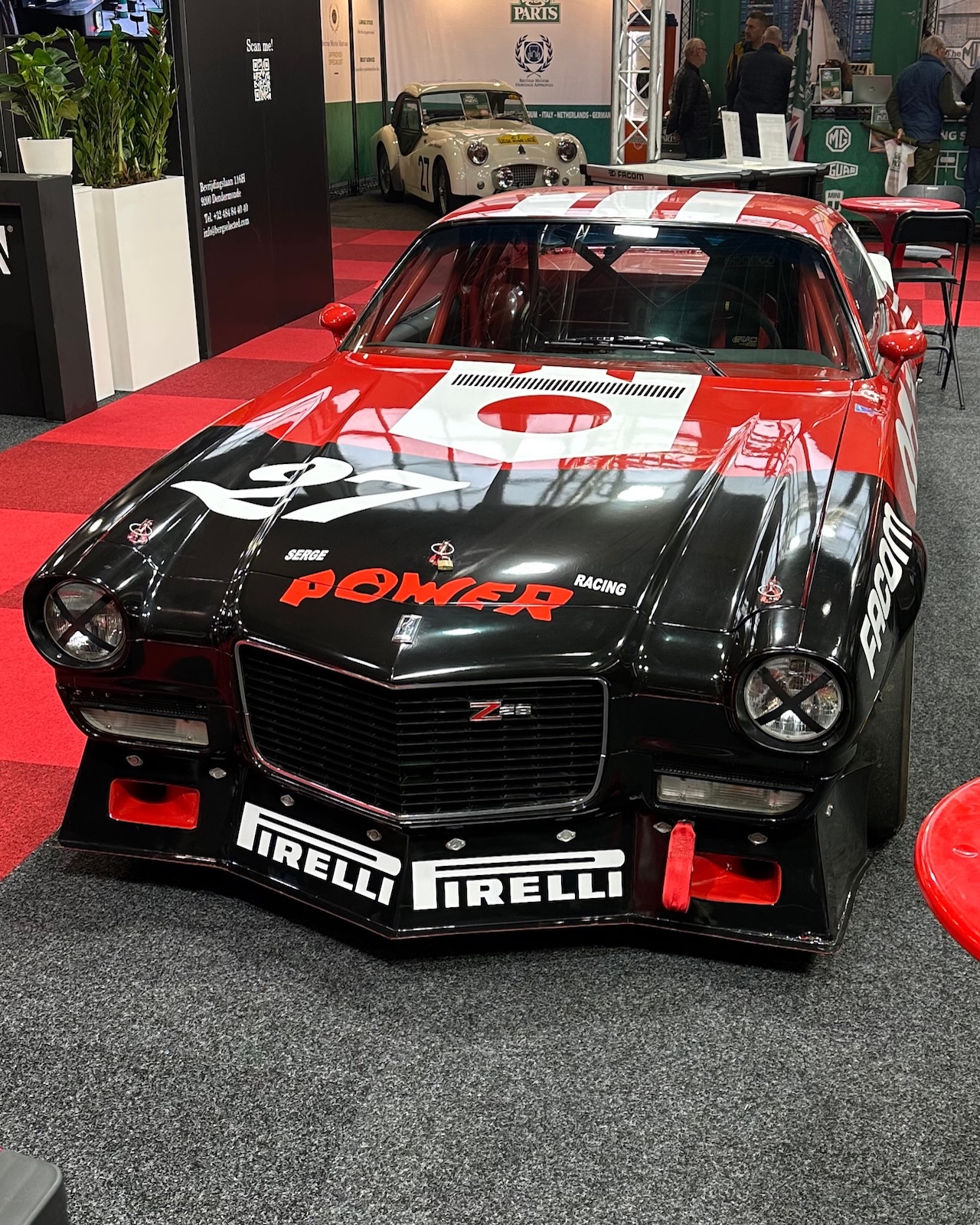
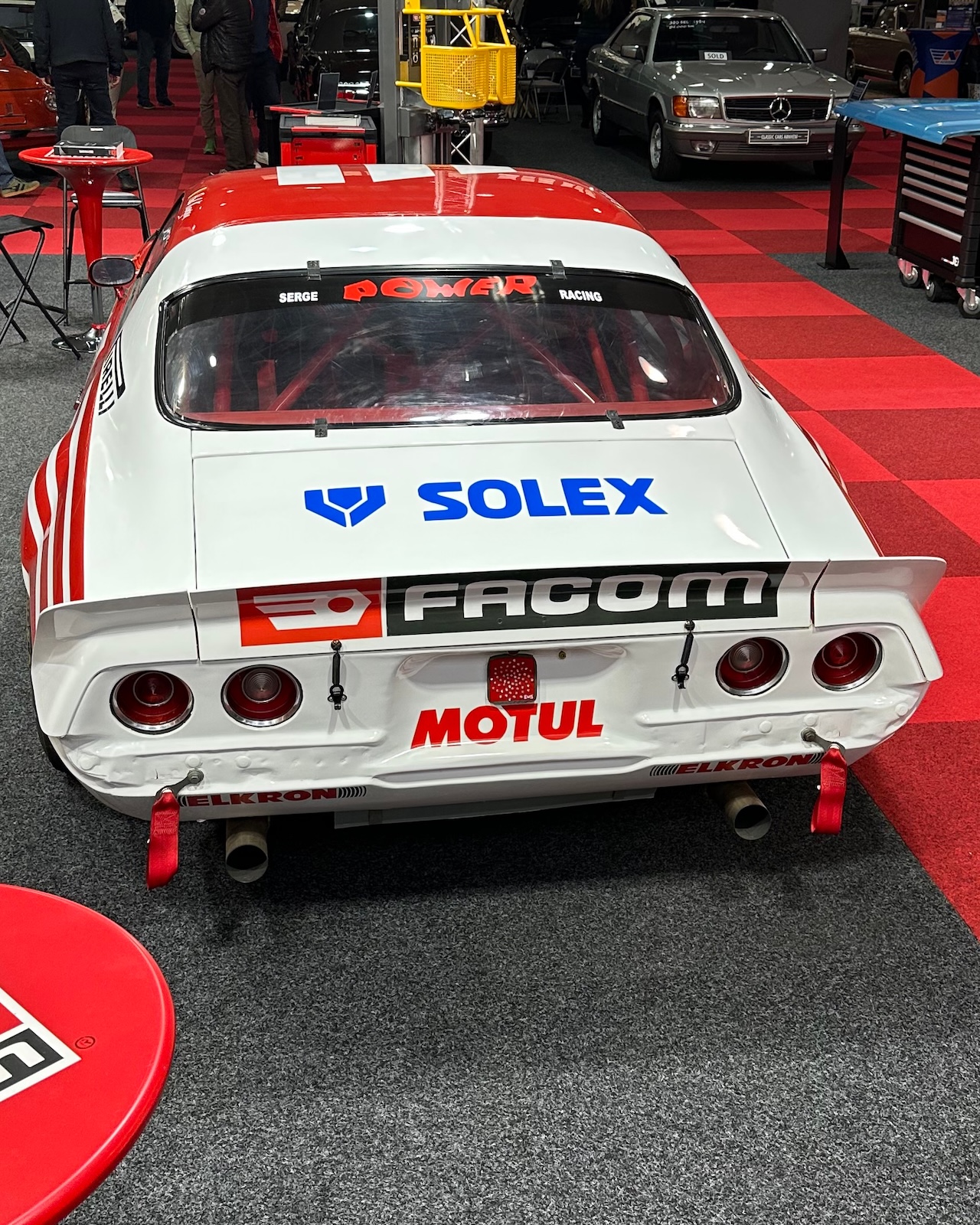
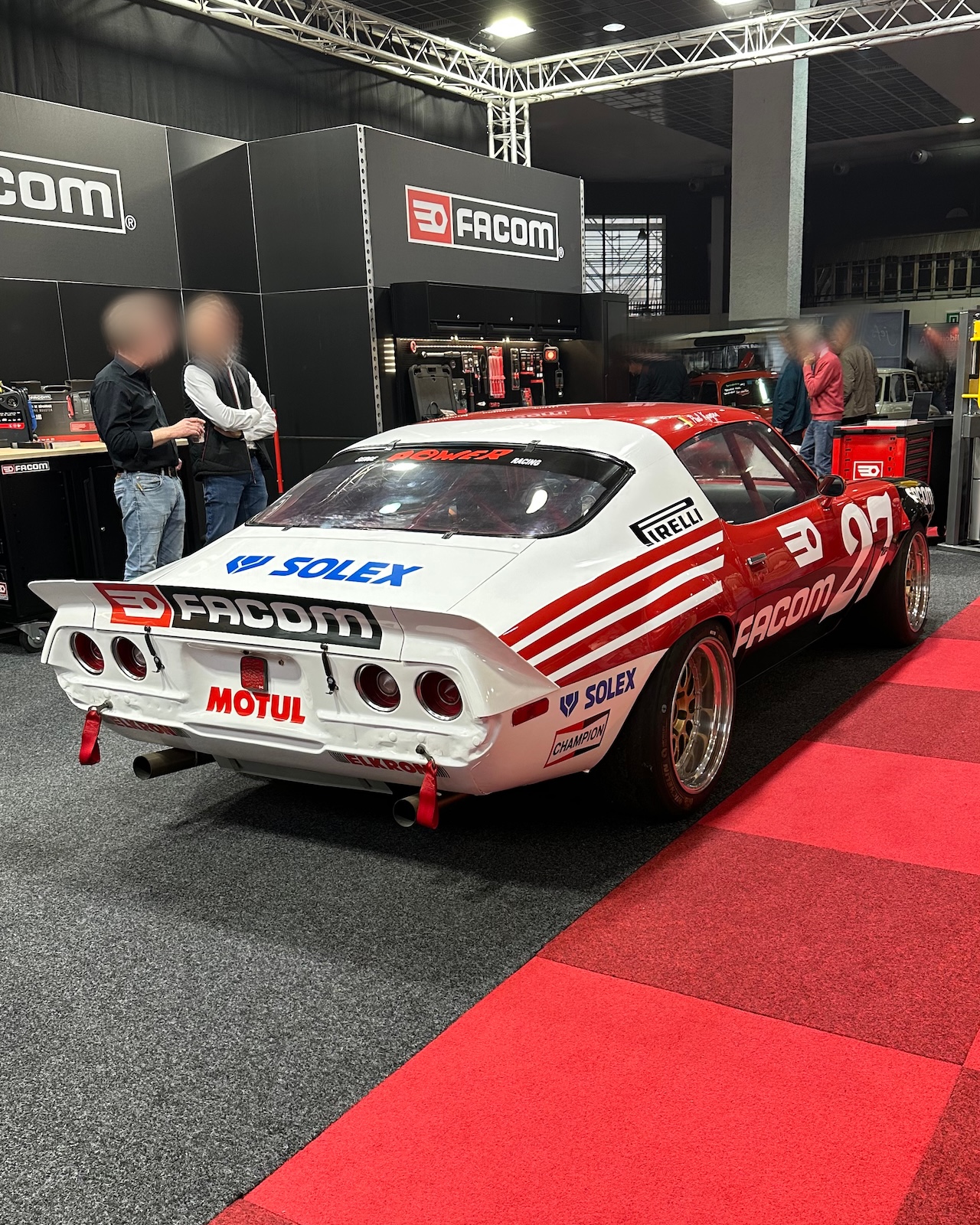
On the stand of this tool manufacturer, at InterClassics, a splendid Z/28 (second generation) was exposed.
I do not know if original or copied, but clearly in the livery of Jean-Pierre Jarier's Camaro during the Championnat de France in the mid-1980s.
I remember this car vividly, because it was the largest, had the biggest engine, and was very loud. And of course, with 'Godasse de plomb' at the steering wheel, races were not always victorious, but at least entertaining. Thanks Mr Jarier.
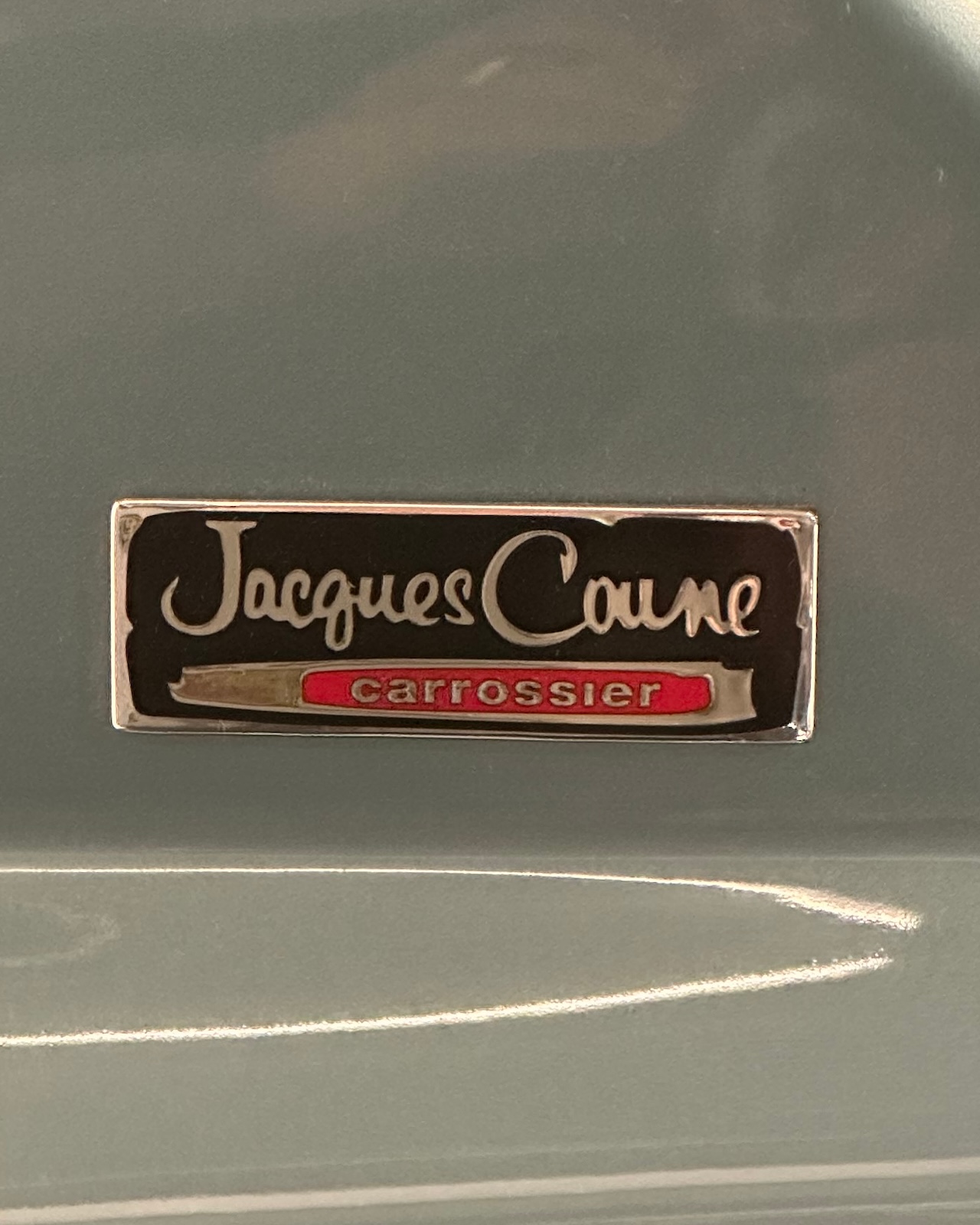
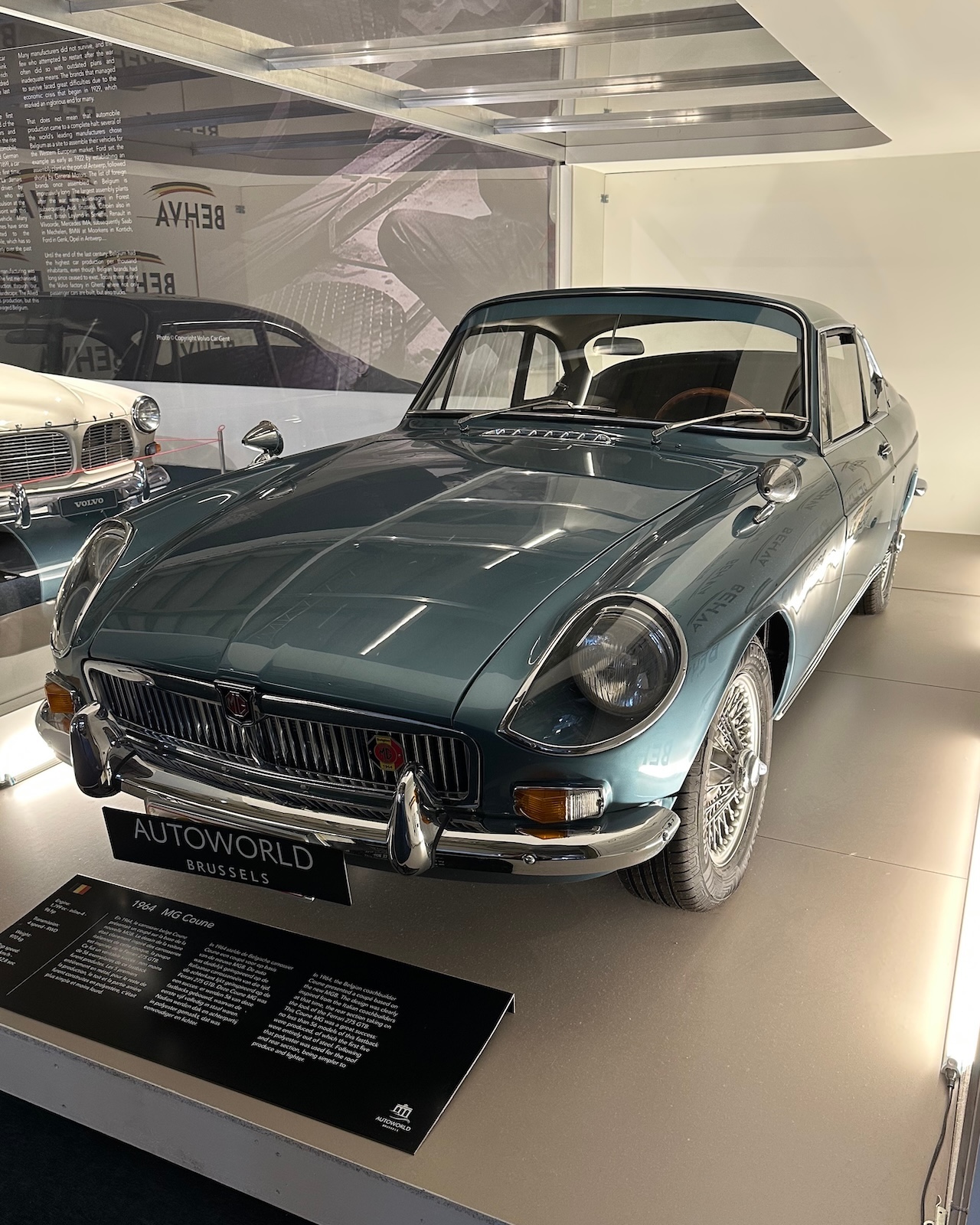
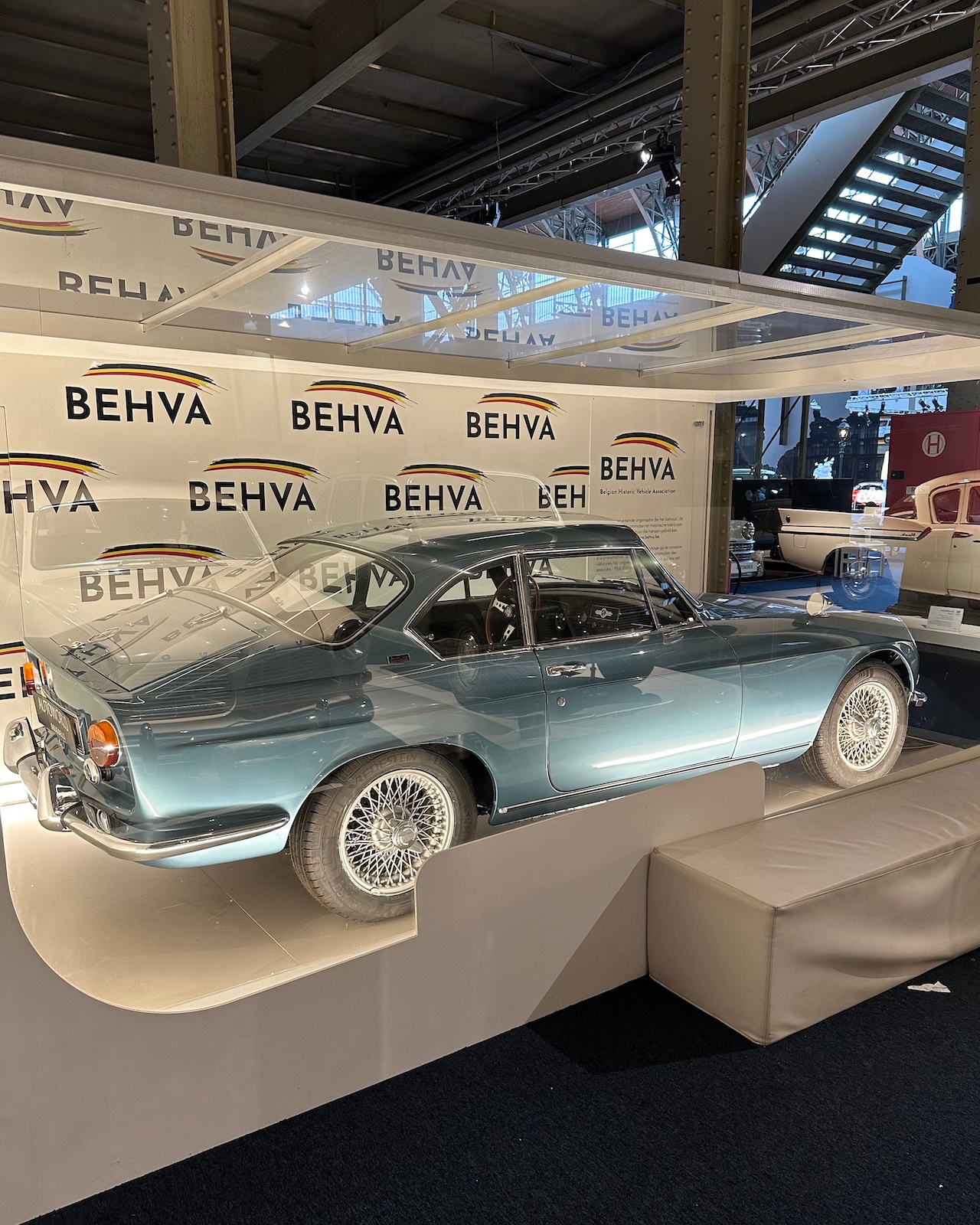
1964 MG B Coune. Jacques Coune was a Belgian coachbuilder who designed and built a variety of cars.
In 1964, his most famous work was shown at the Belgium Motor Show. The MG B Berlinetta was based on the B roadster, and was launched before MG's own B GT. Coune even discussed the car before BMC developed and produced in 1965 the 'official' MG B GT with - if not mistaken - the help of Pininfarina. Around 60 B Coune cars were produced.
I saw this one - a première for me - at the Autoworld in Brussels. Enjoy.
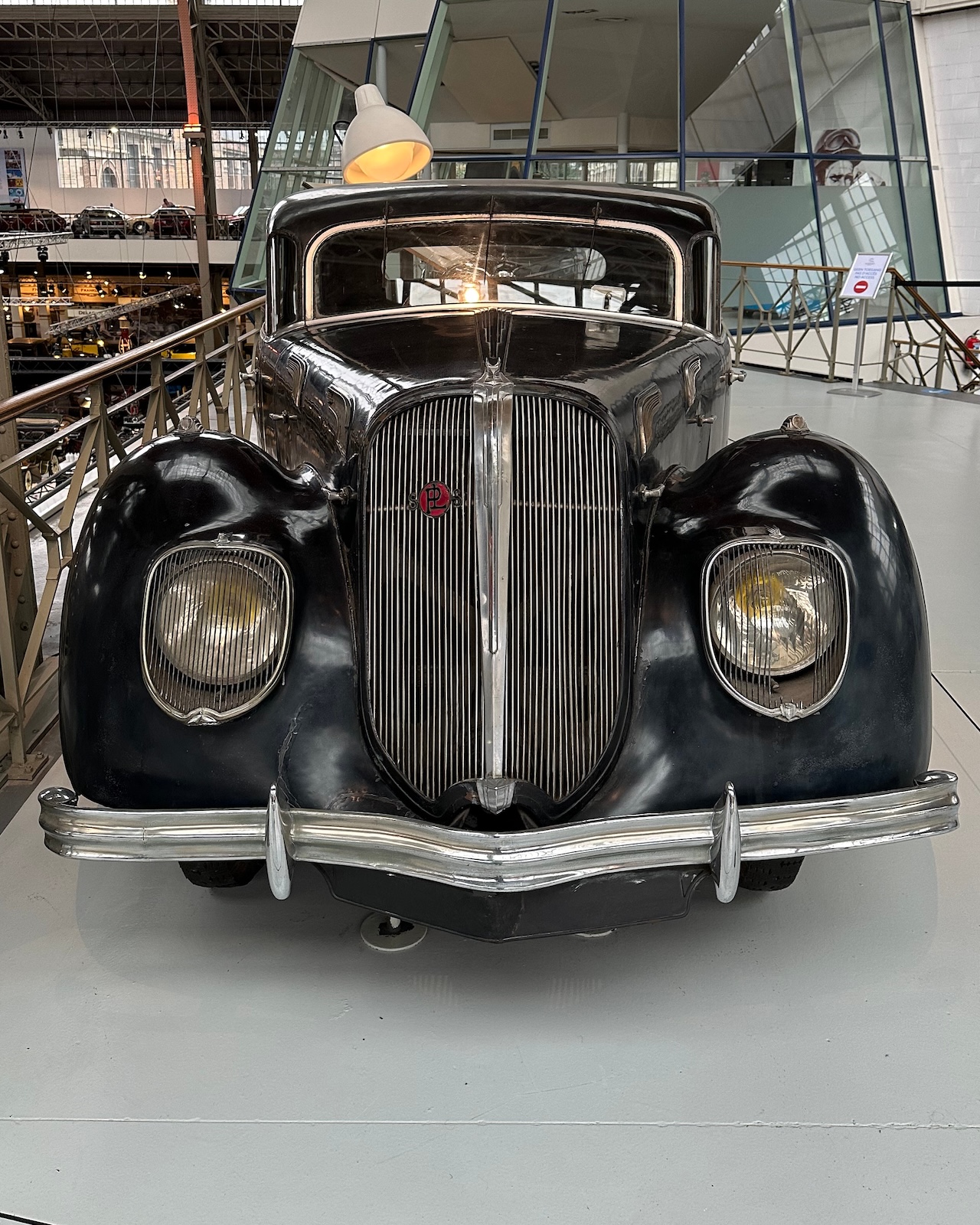
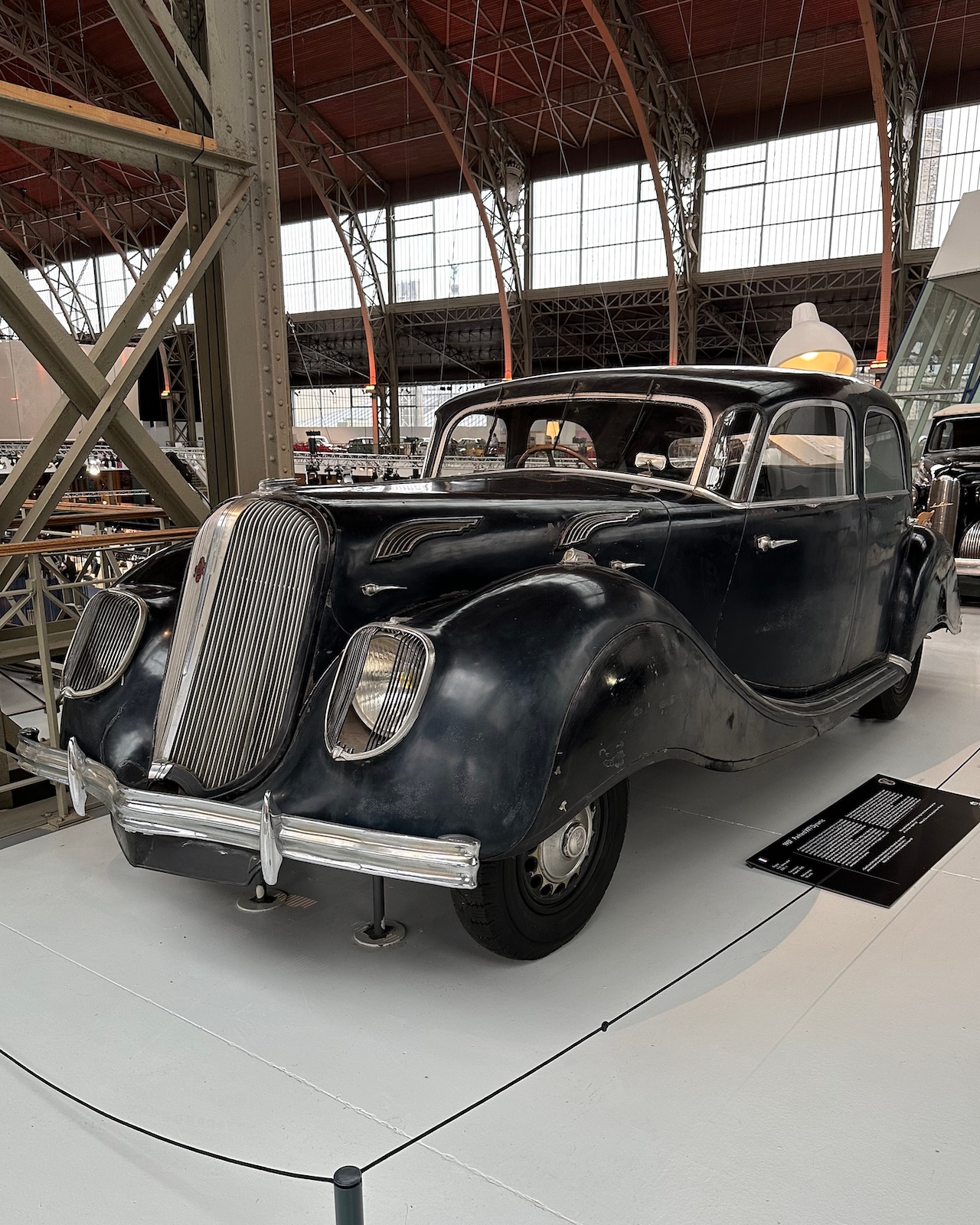
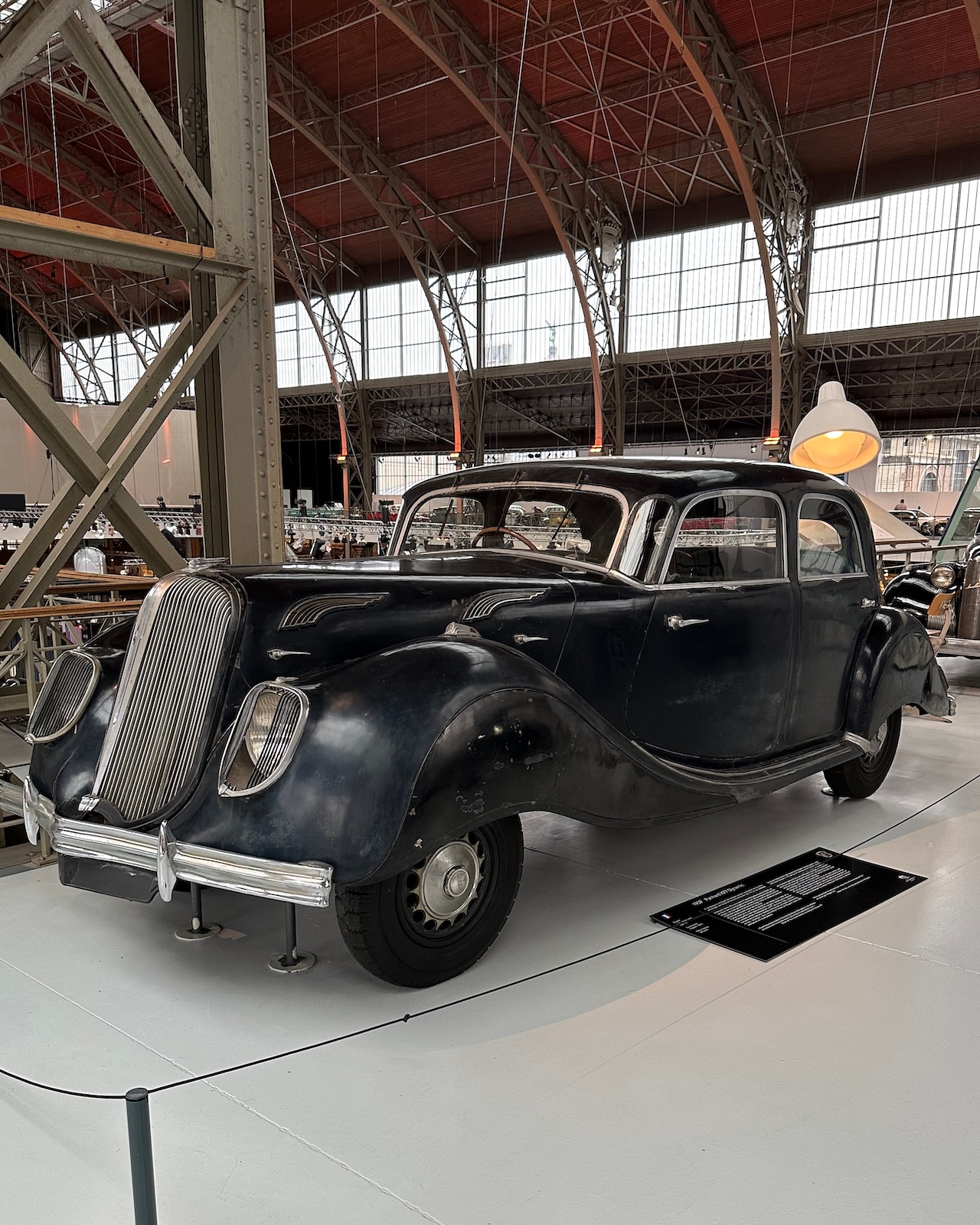
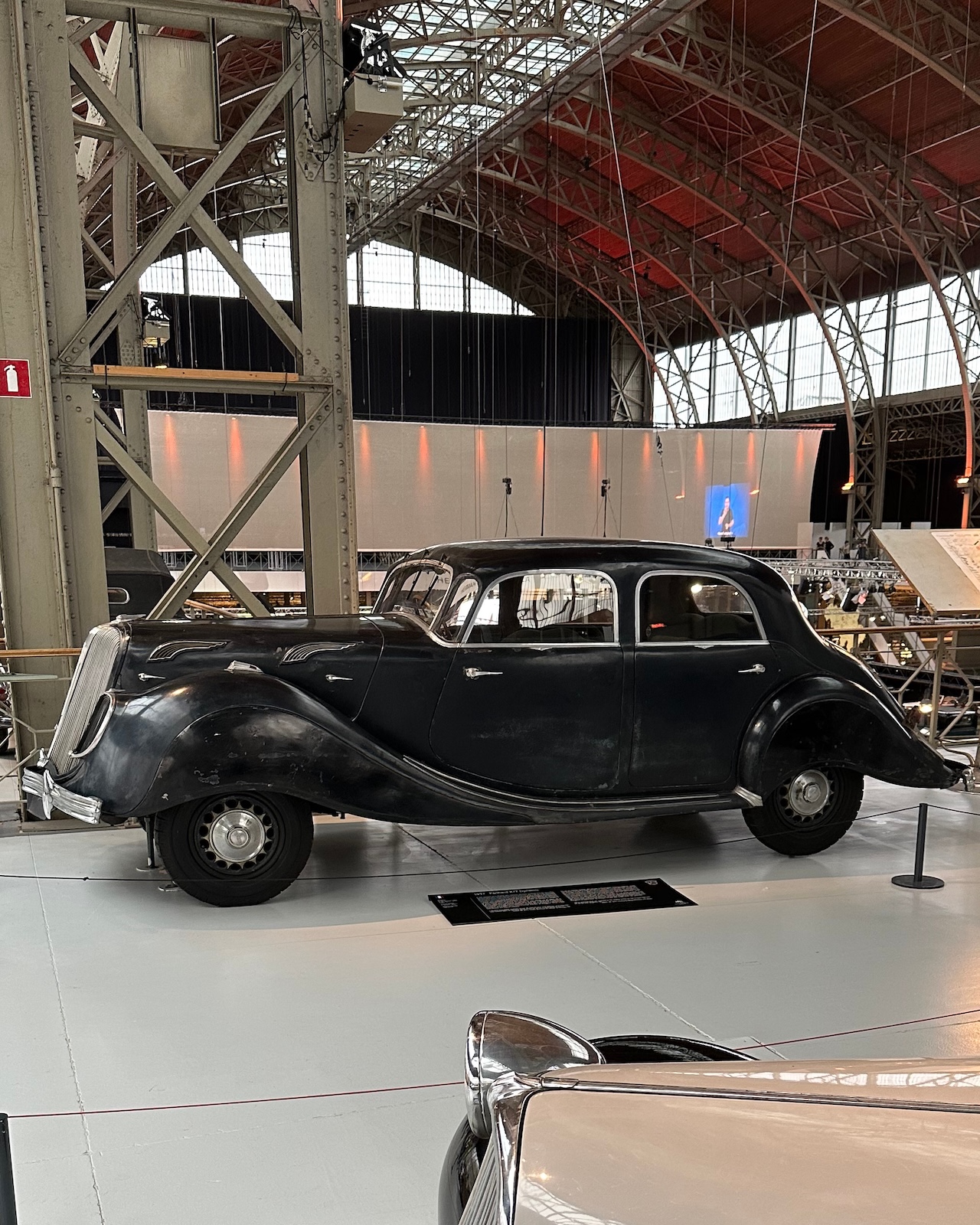
1937 Panhard X77 Dynamic. The Dynamic (... Panhard used the English spelling) is pure Art Déco with its streamlined body, headlamps concealed behind grilles that match the radiator grille. It also has a near centrally-placed steering wheel and the front wheels are also slightly covered.
When it was launched, for some people too modern, for other not enough special or too small compared to the traditional models of the 1930s. I like it very much, I saw this one at the Autoworld museum in Brussels. Enjoy.
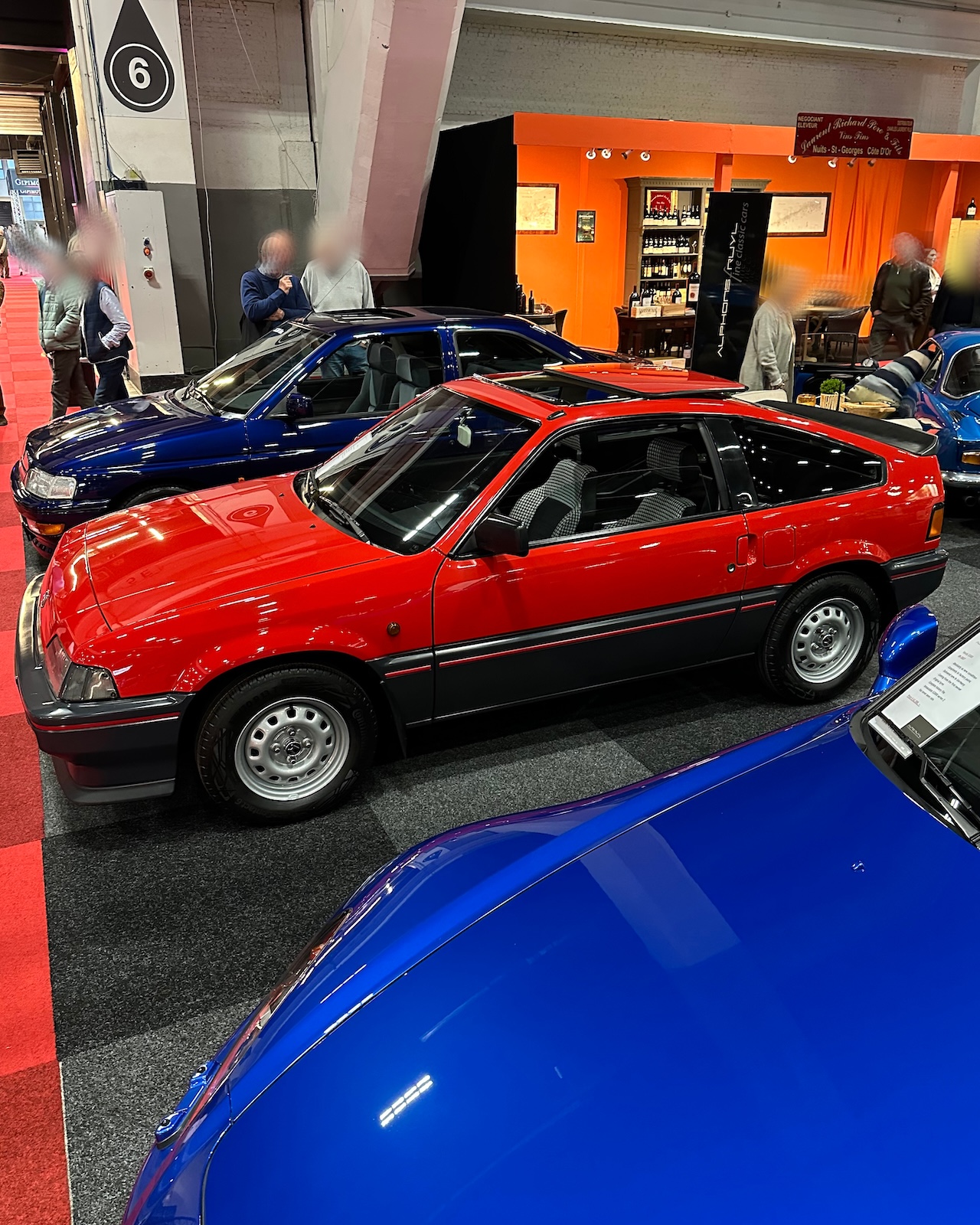
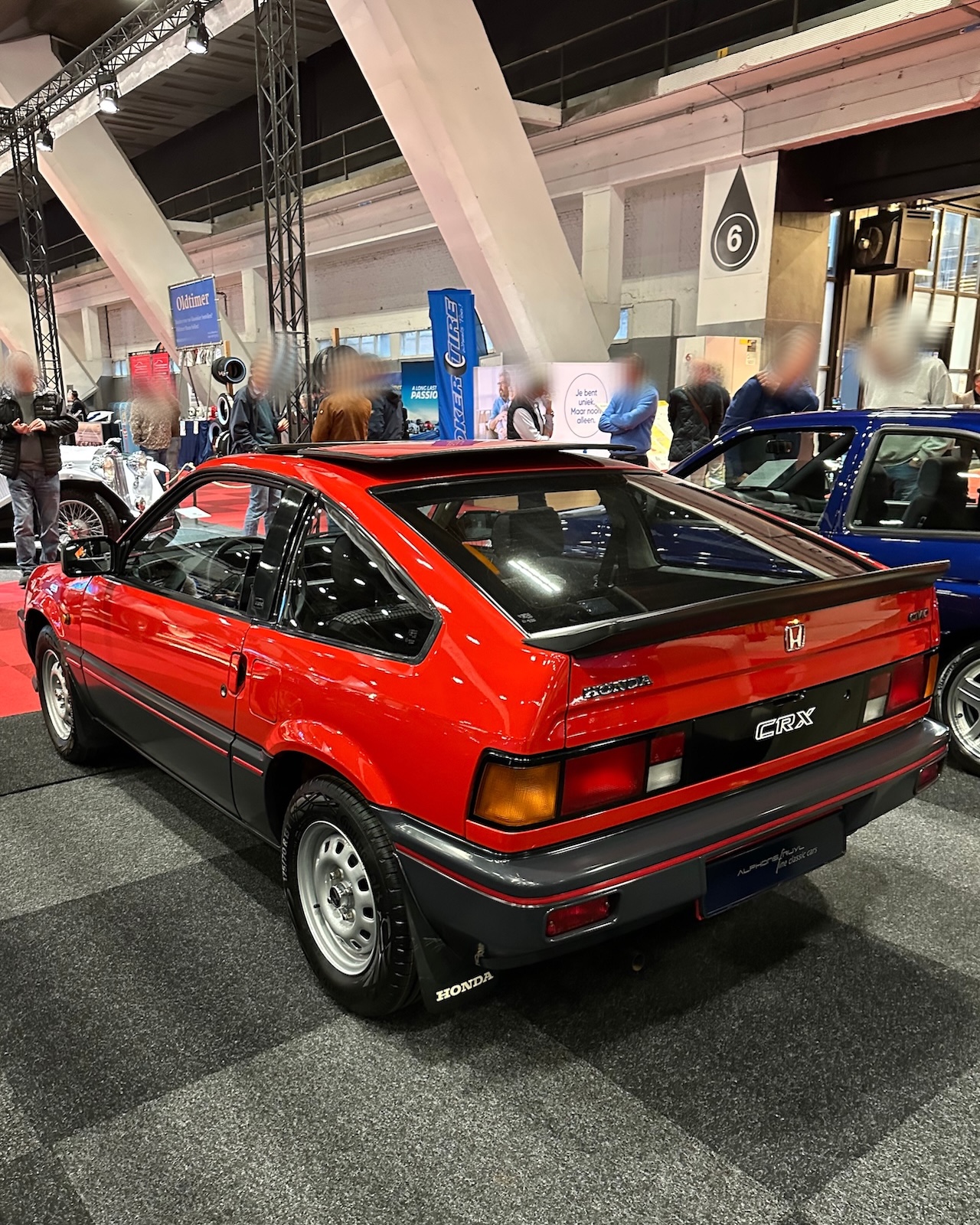
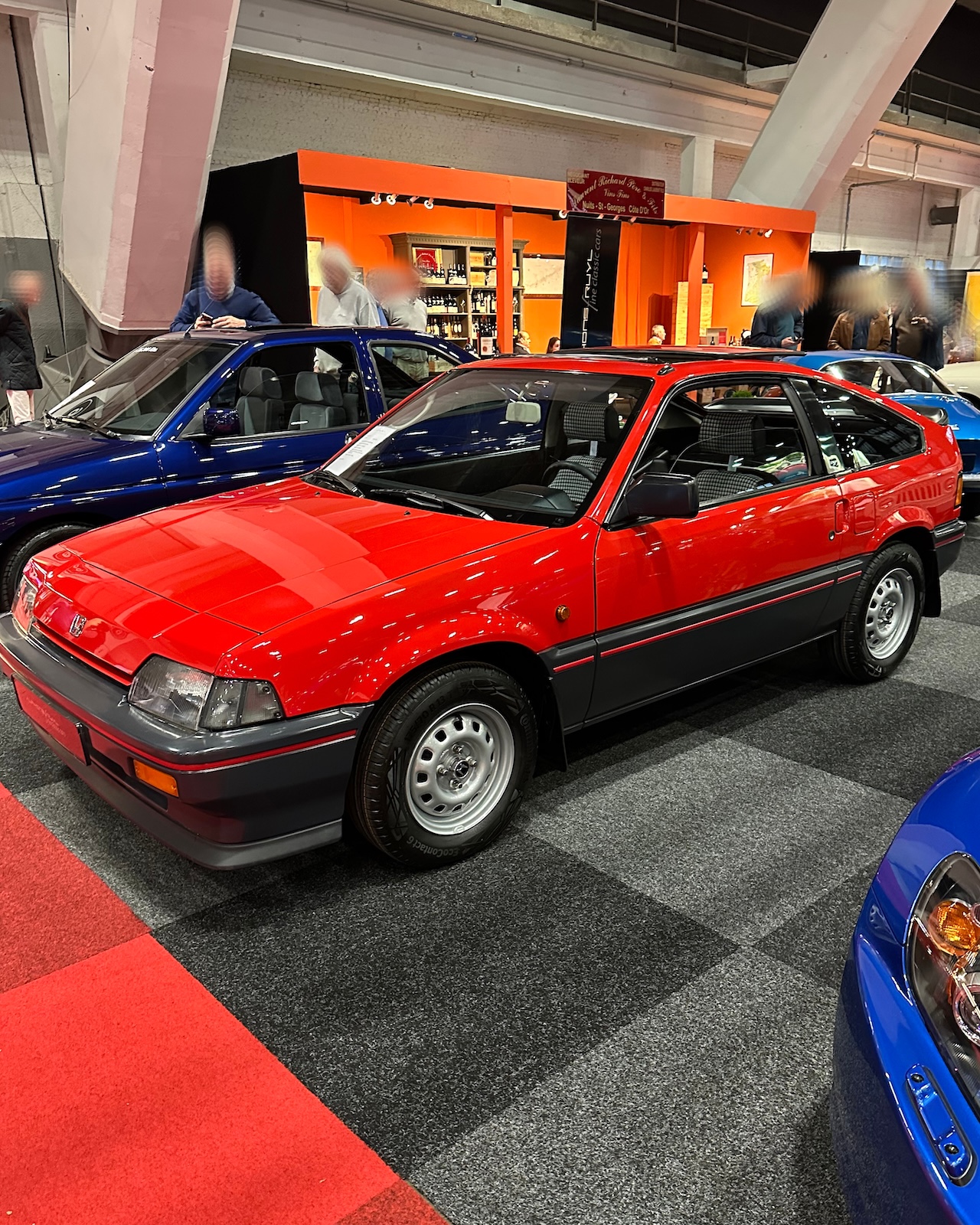
1984 Honda CR-X 1.5i. When Japanese manufacturers knew how to make affordable sports cars for the masses. I have never driven one, but I can imagine the fun this little bomb can deliver.
This car features an aluminum 1.5-litre 12-valve engine and a 5-speed manual. You can read that the CR-X design was inspired by the Alfa Romeo GT Junior Zagato. Enjoy. Have a nice Sunday.
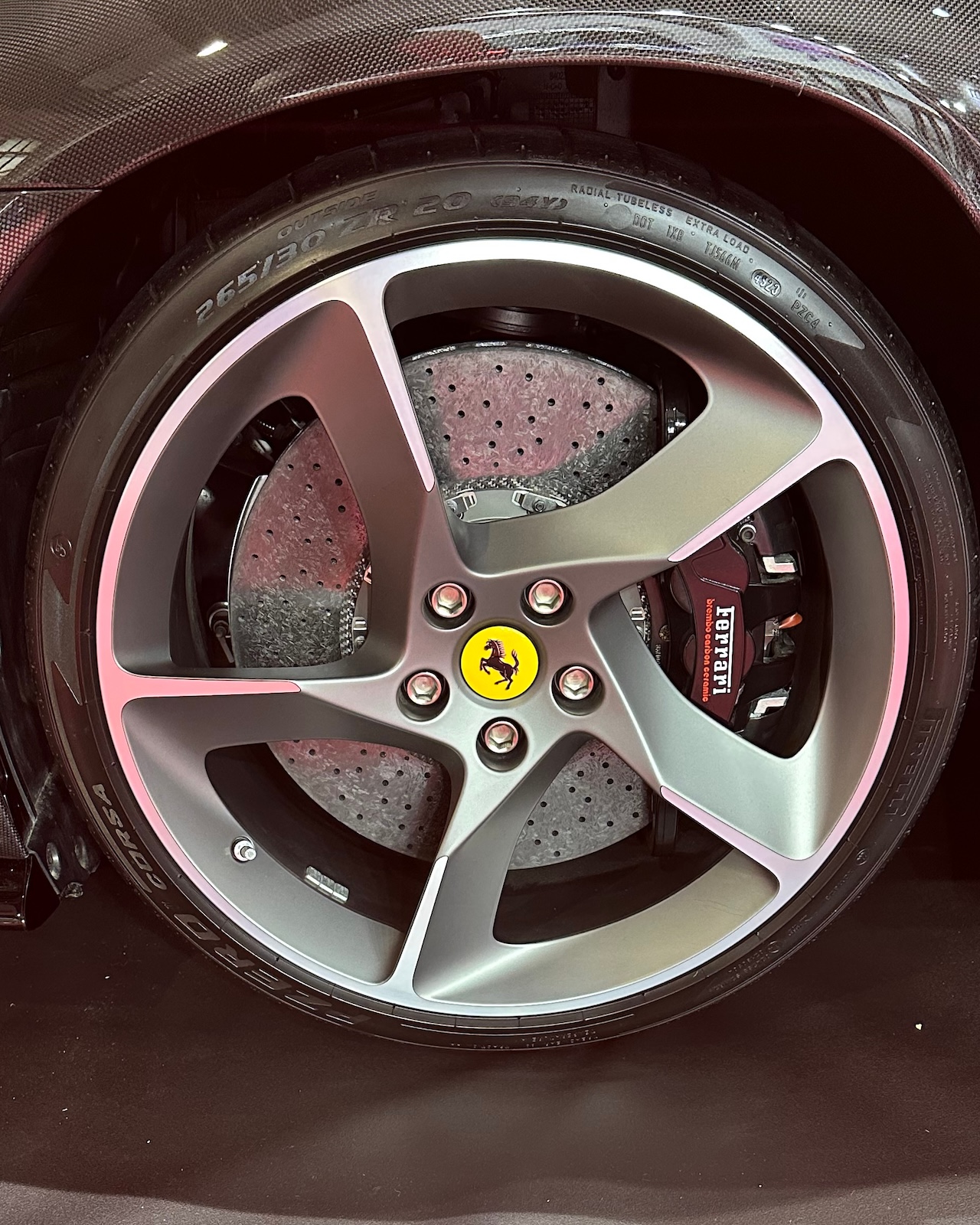
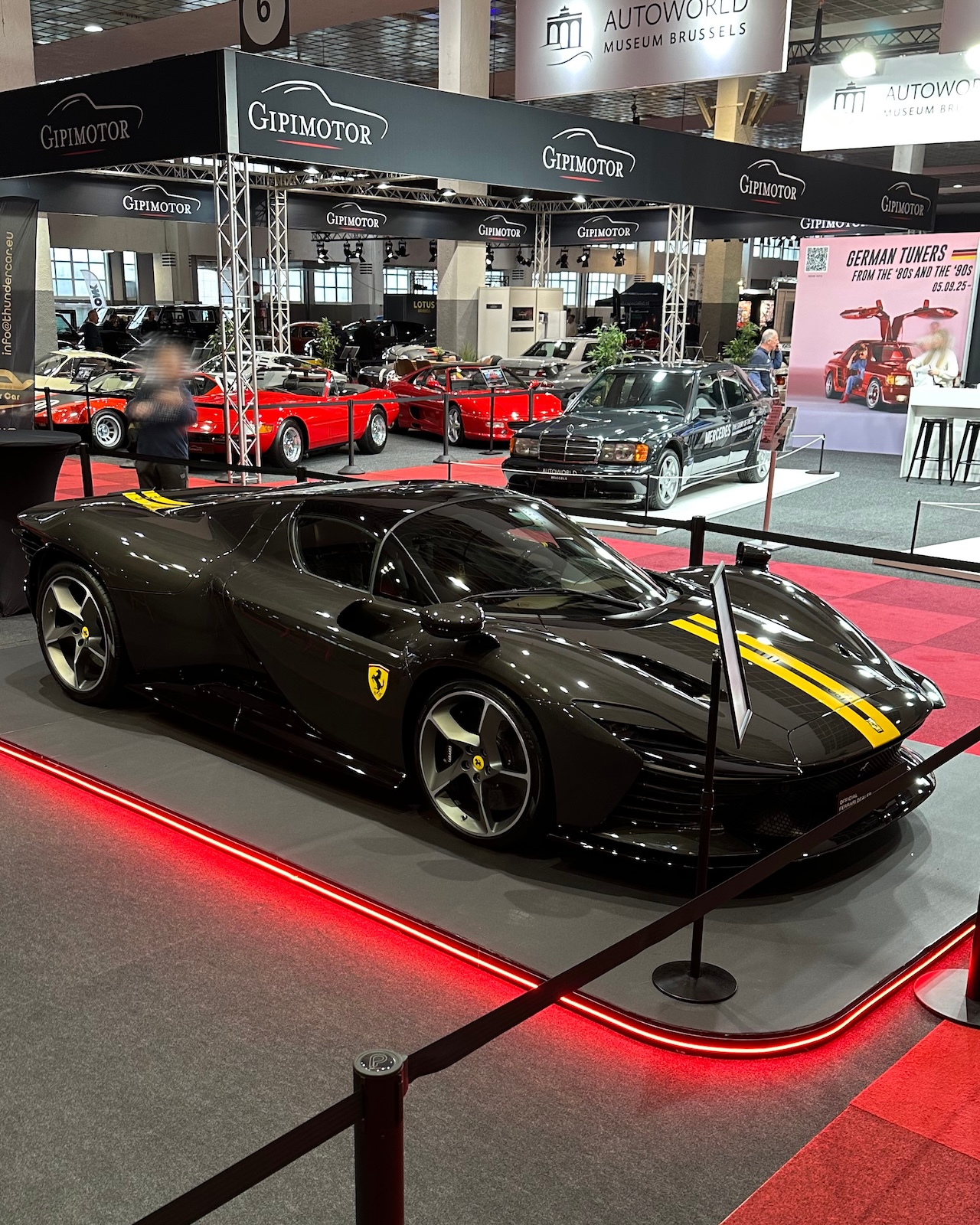
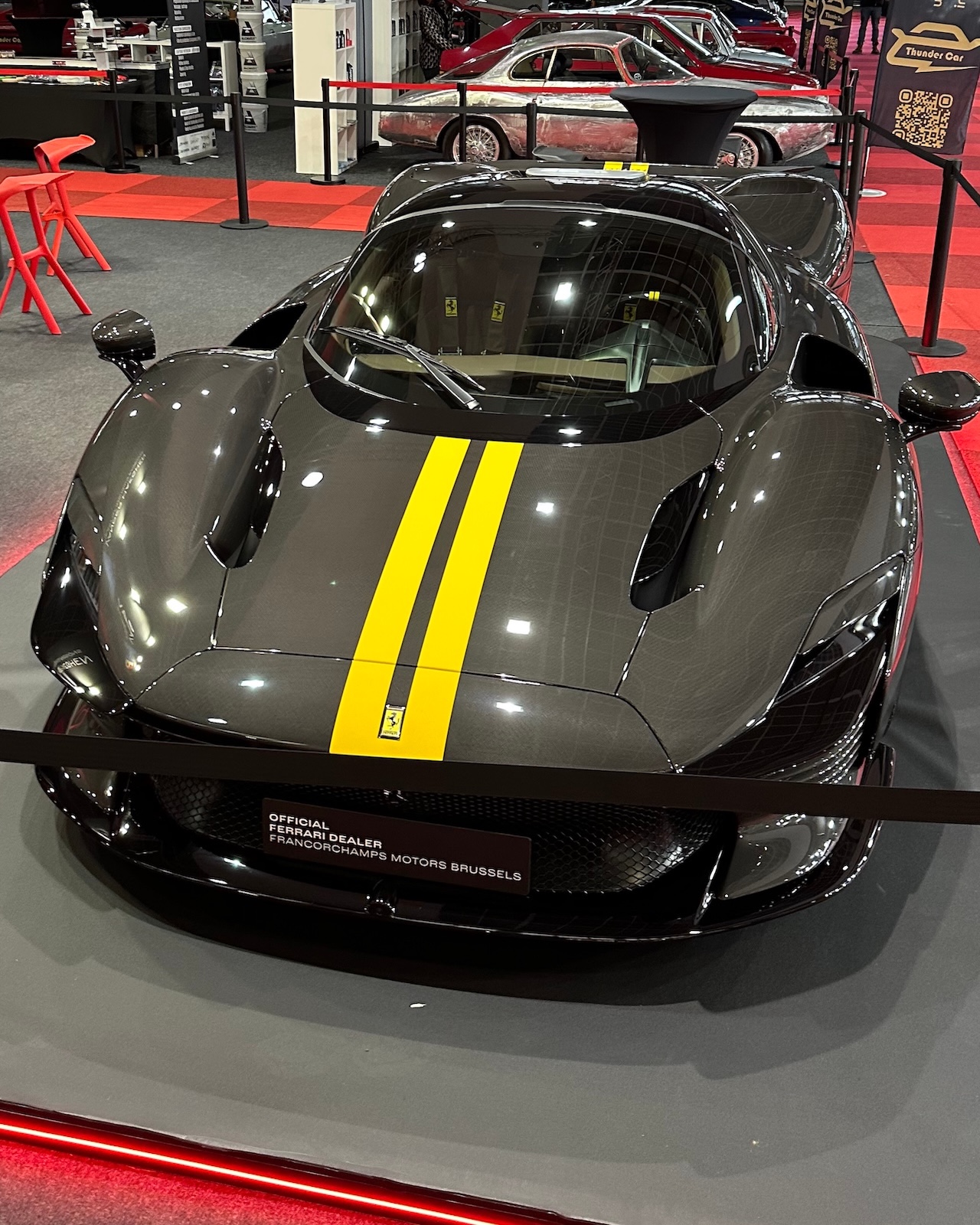
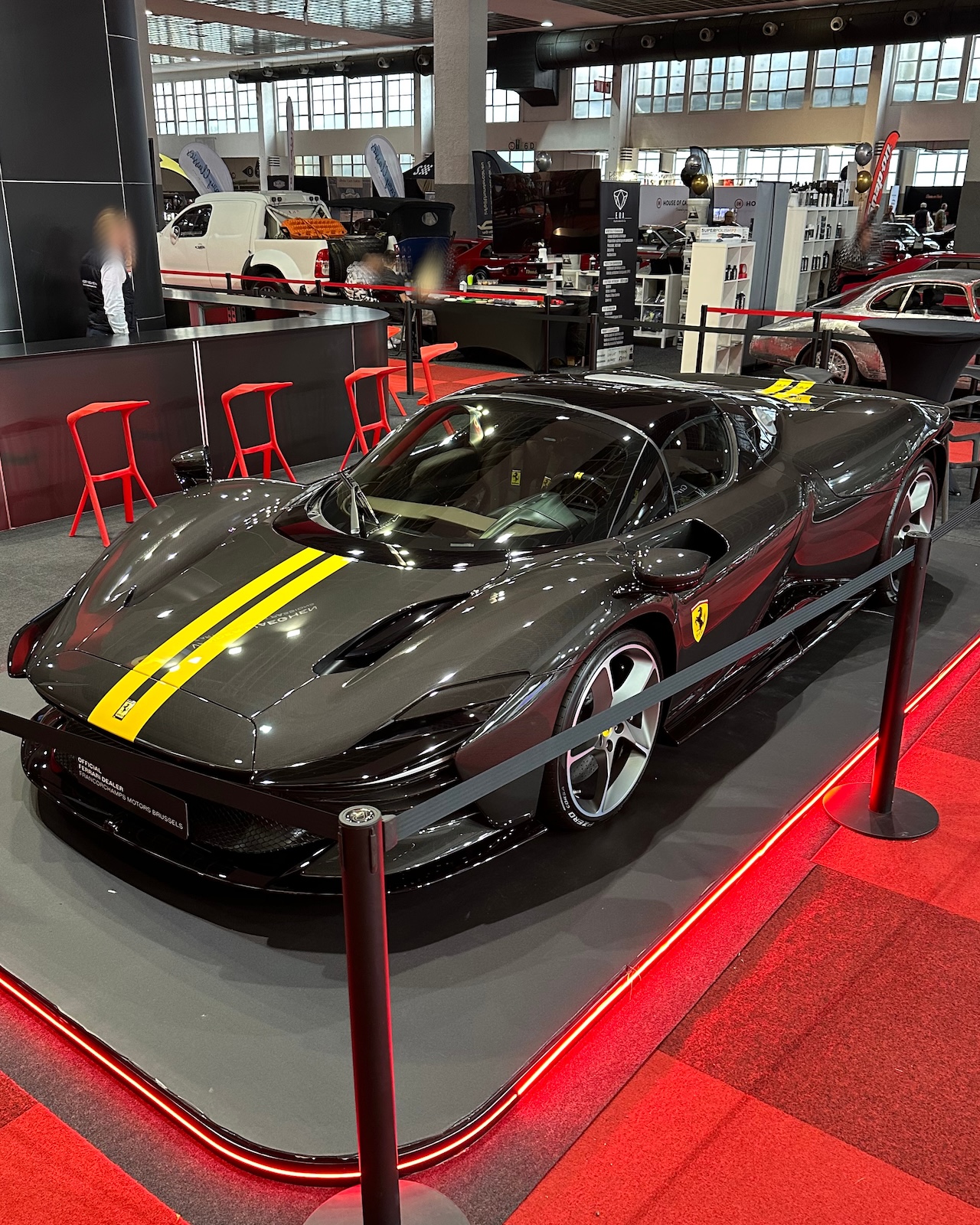
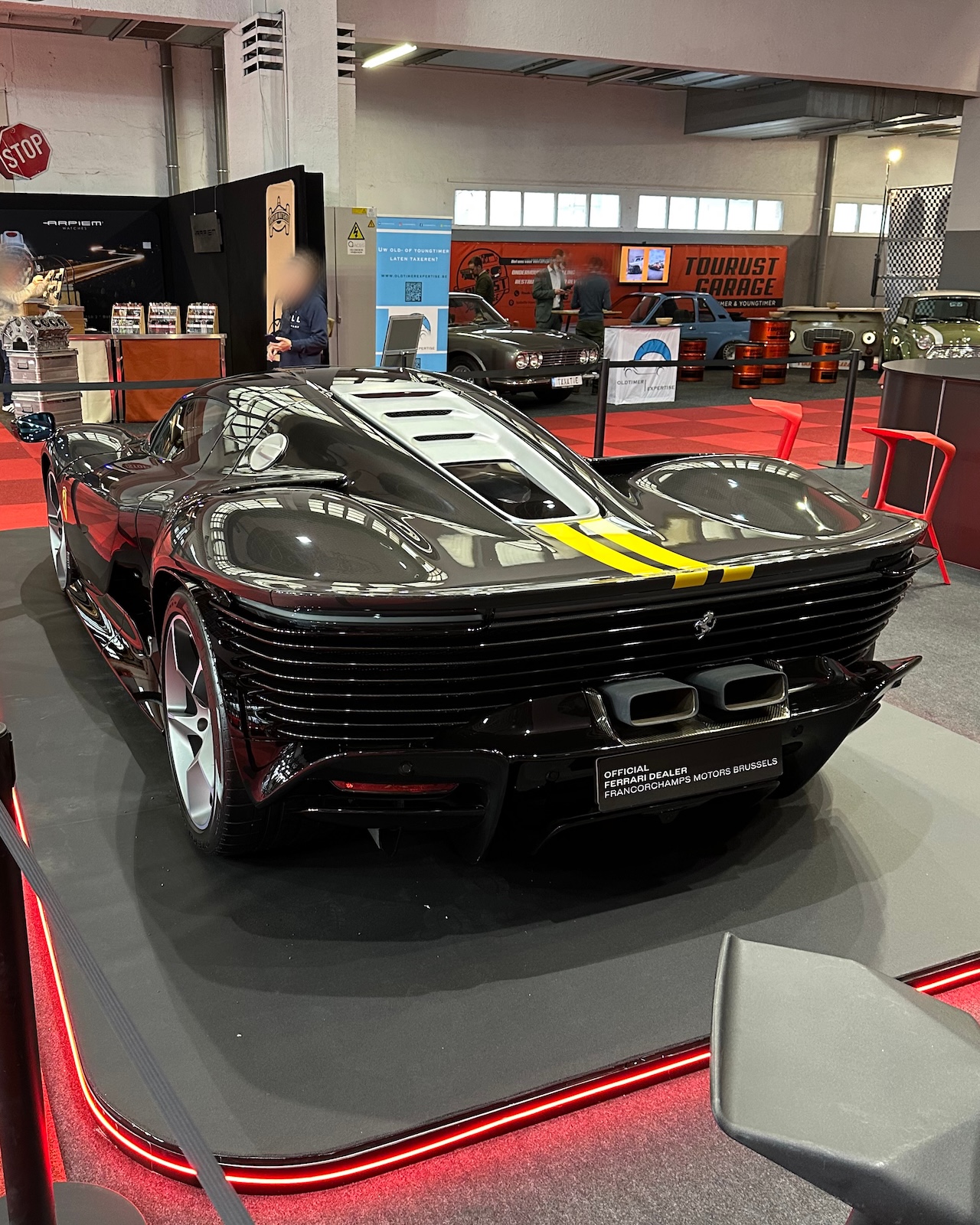
2025 Ferrari Daytona SP3. The first time I see one in real life, at the InterClassics. This sort of car is not my cup of tea, but still a rarity, and a masterpiece of engineering and creativity.
Behind the driver roars - mid-engine - the most powerful naturally aspirated V12 ever crafted by the Prancing Horse. 840 PS. This engine can climb to 9500 rpm. The SP3 stands as a kind of monument, where design and performance transcend into pure art.
PS: Look at the front, brake disc, yes, we are talking serious business here.
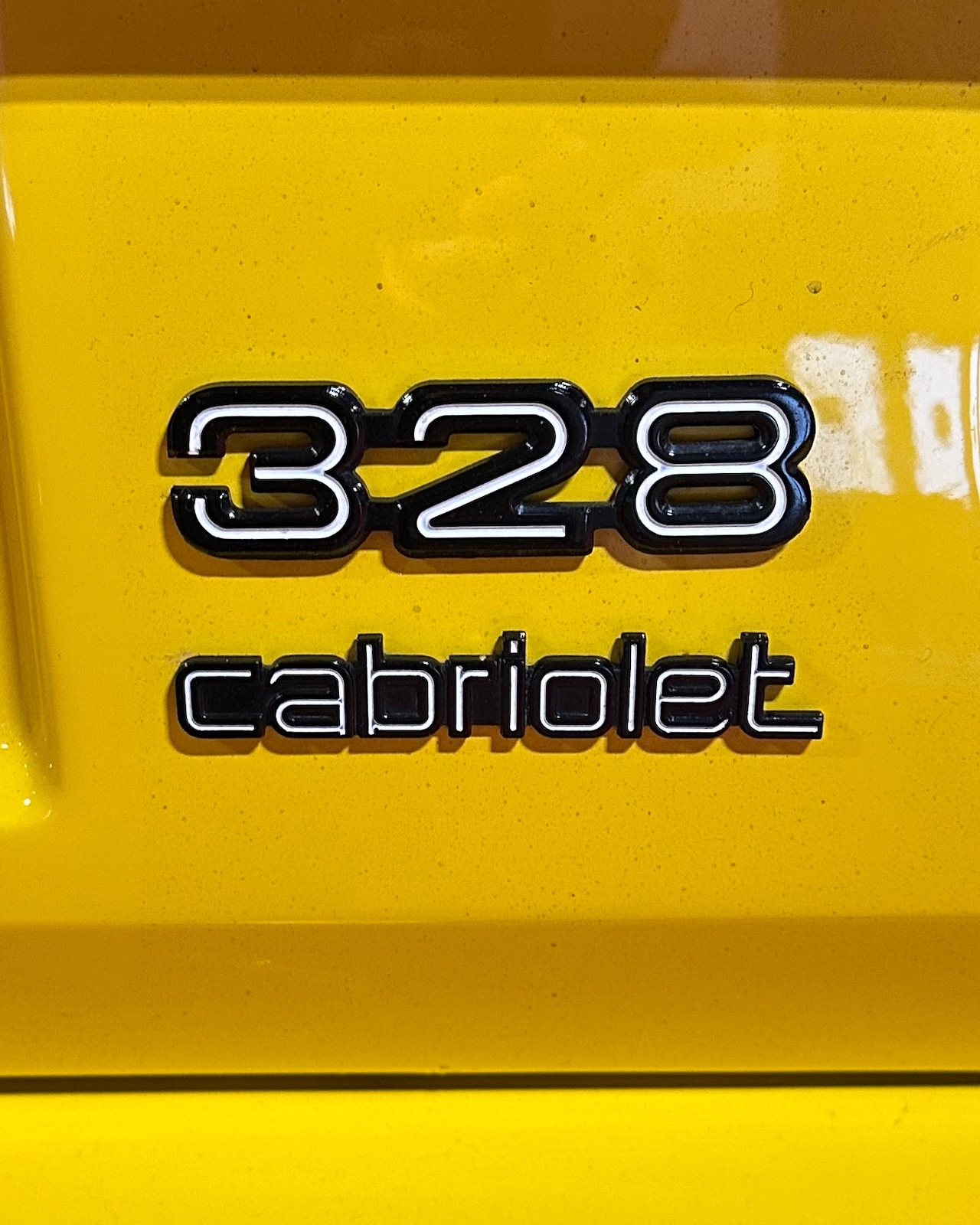
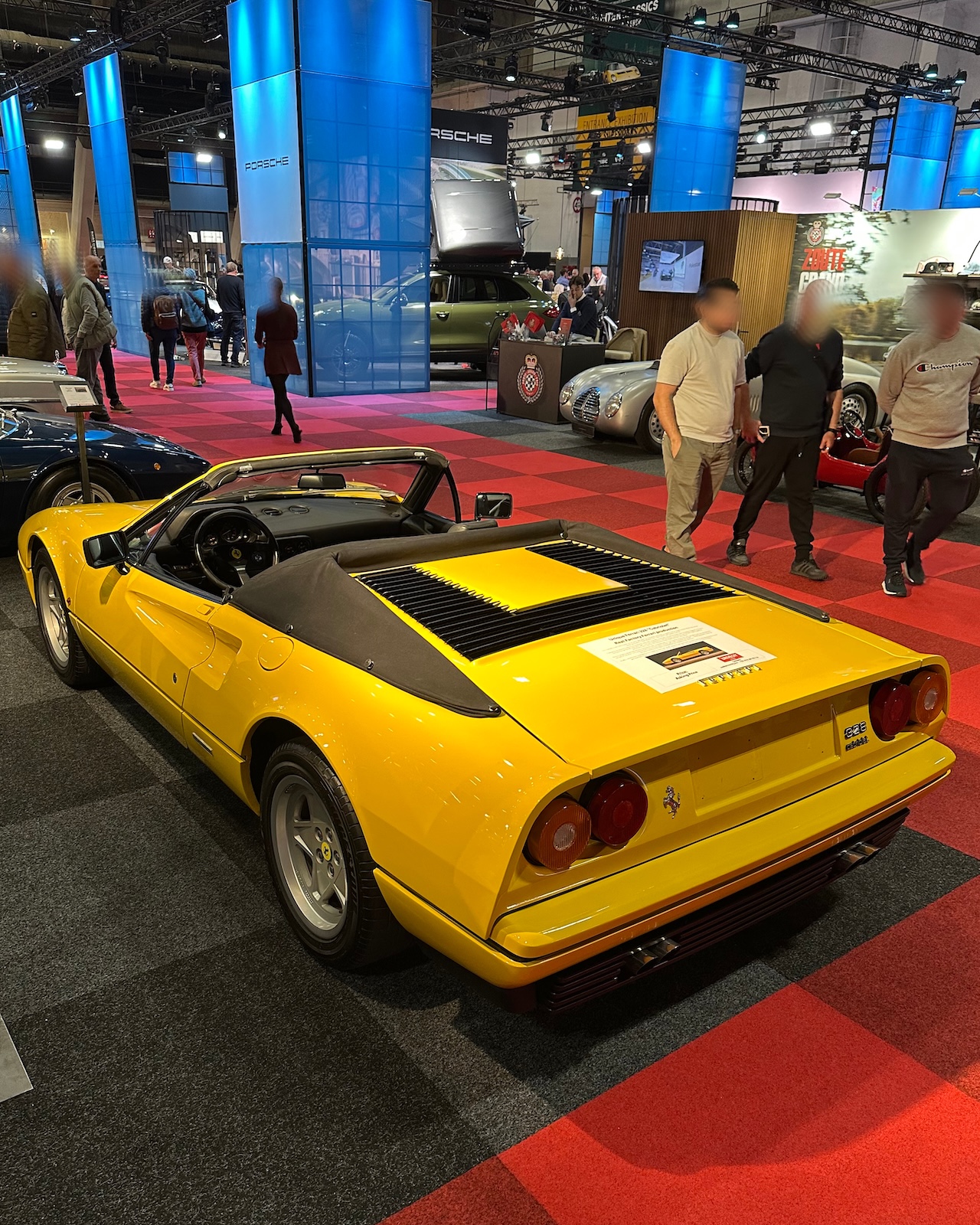
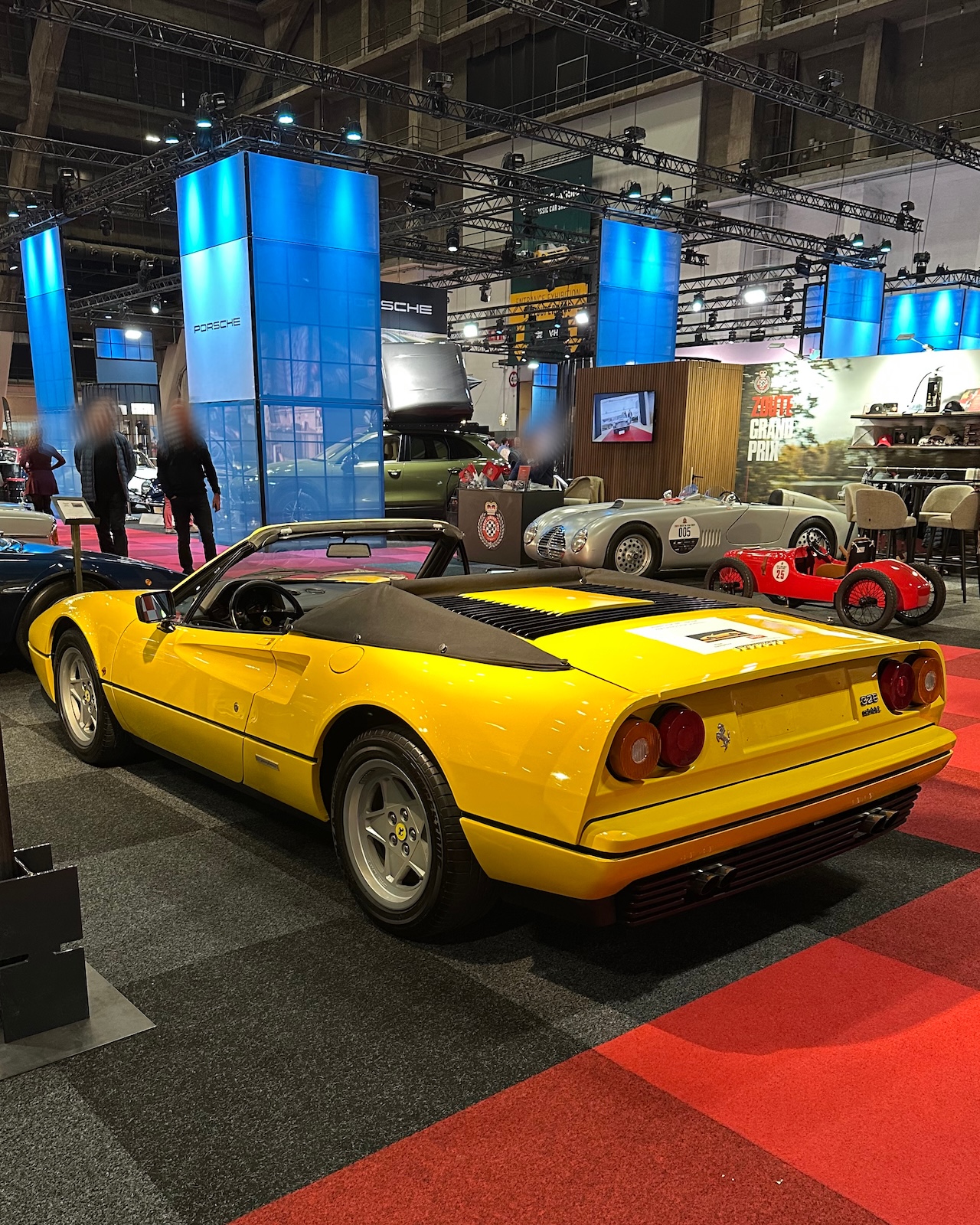
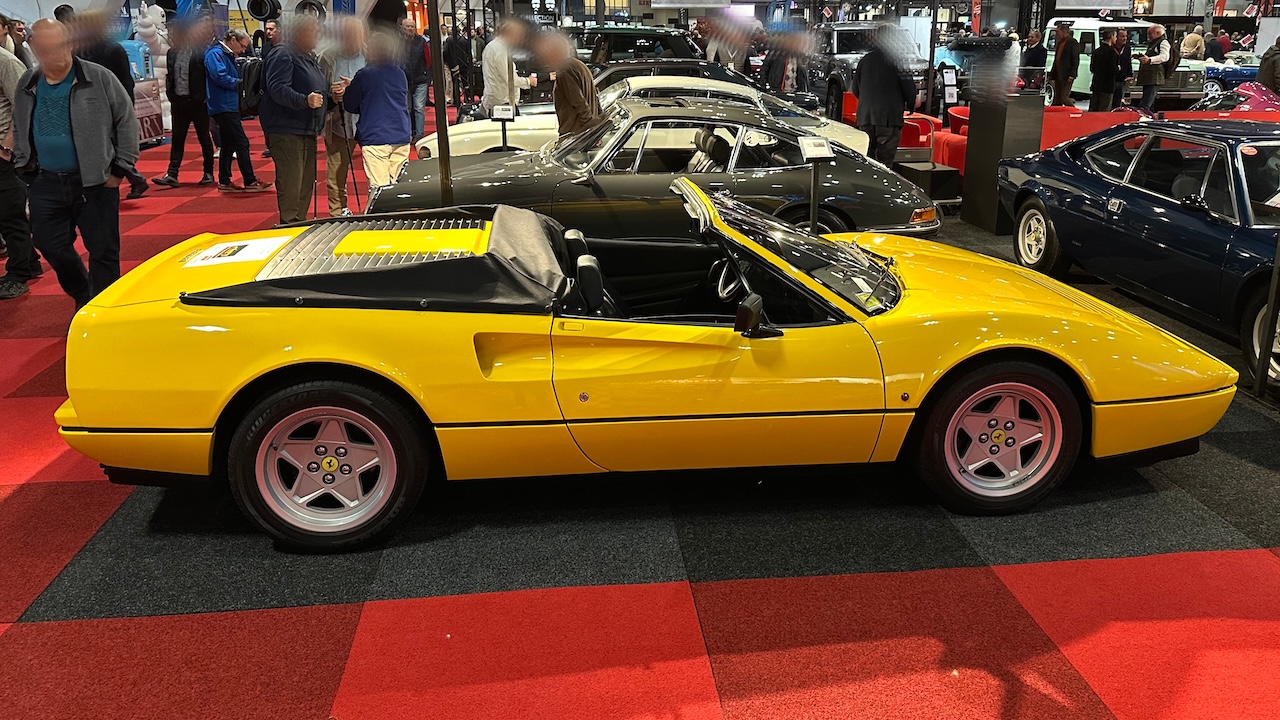
Apparently, the world's only Ferrari 328 Cabriolet. This one-off was designed from the start as a cabriolet, and was built in 1984 - not sure, to be checked - but never made it to production. I do not know exactly why, because I think a market was available.
Ferrari's own Carrozzeria Scaglietti in Modena built the car. A fascinating glimpse into what could have been, in particular in this nice color 'giallo Modena'. Great. Magnum P.I. would have like it.
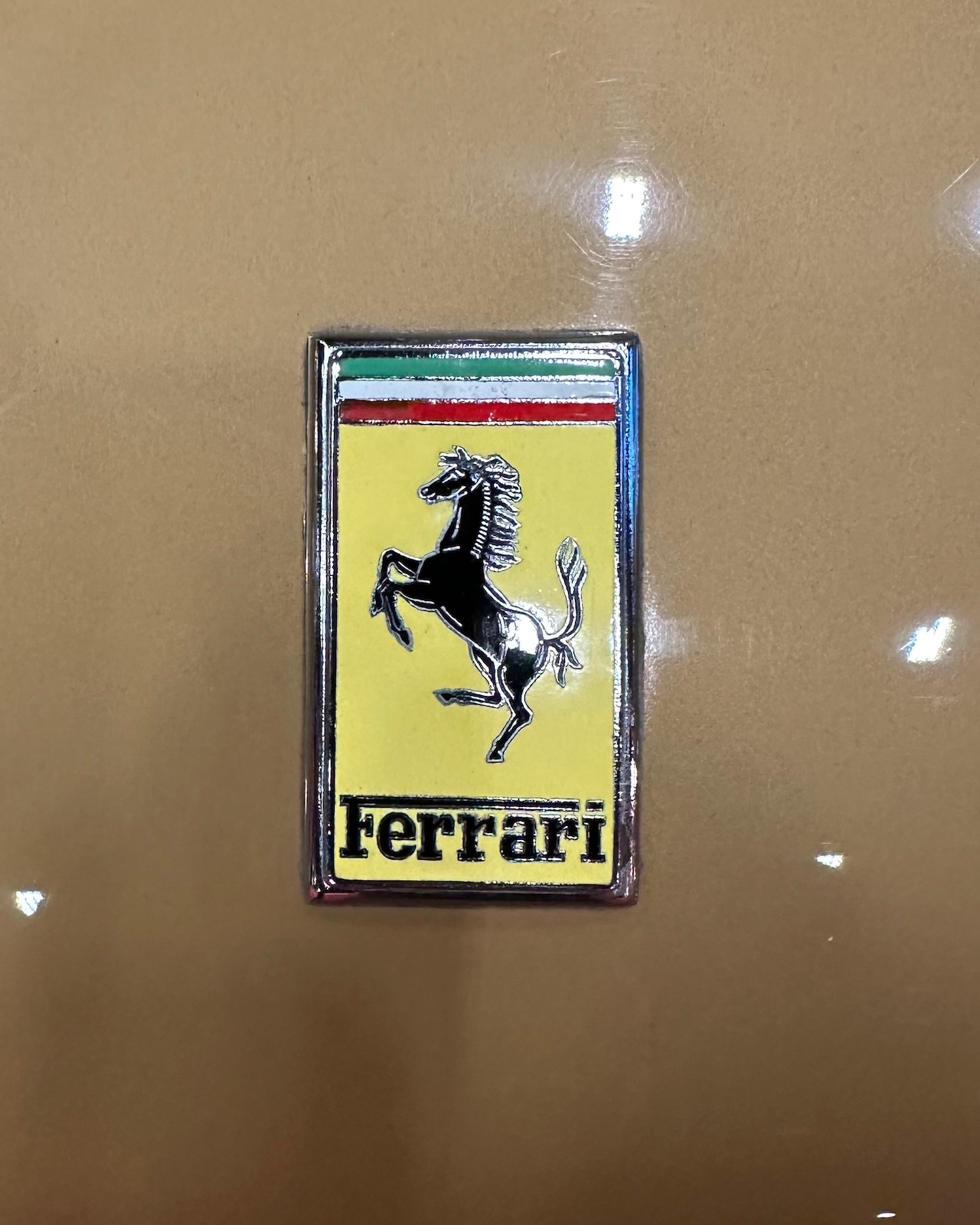
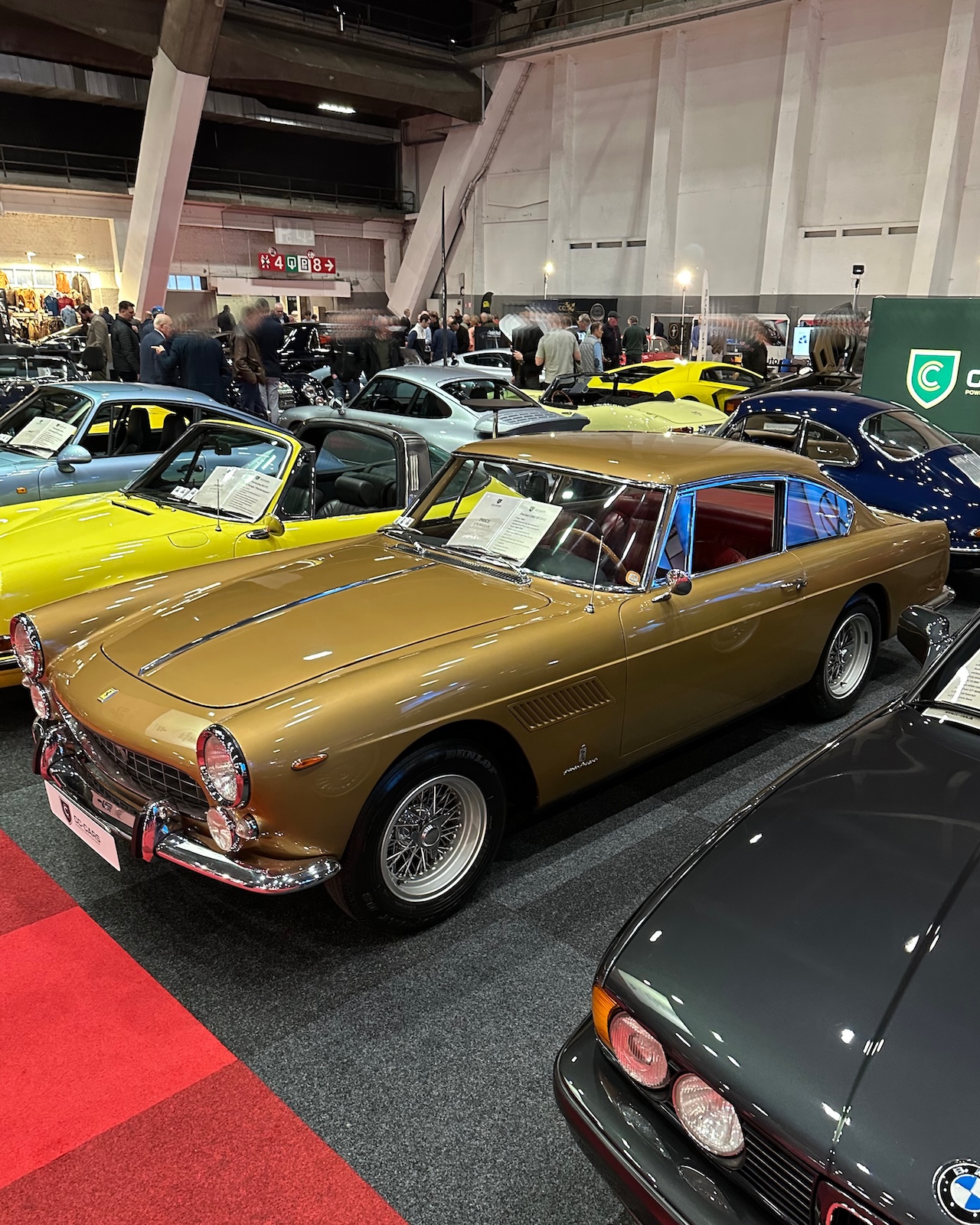
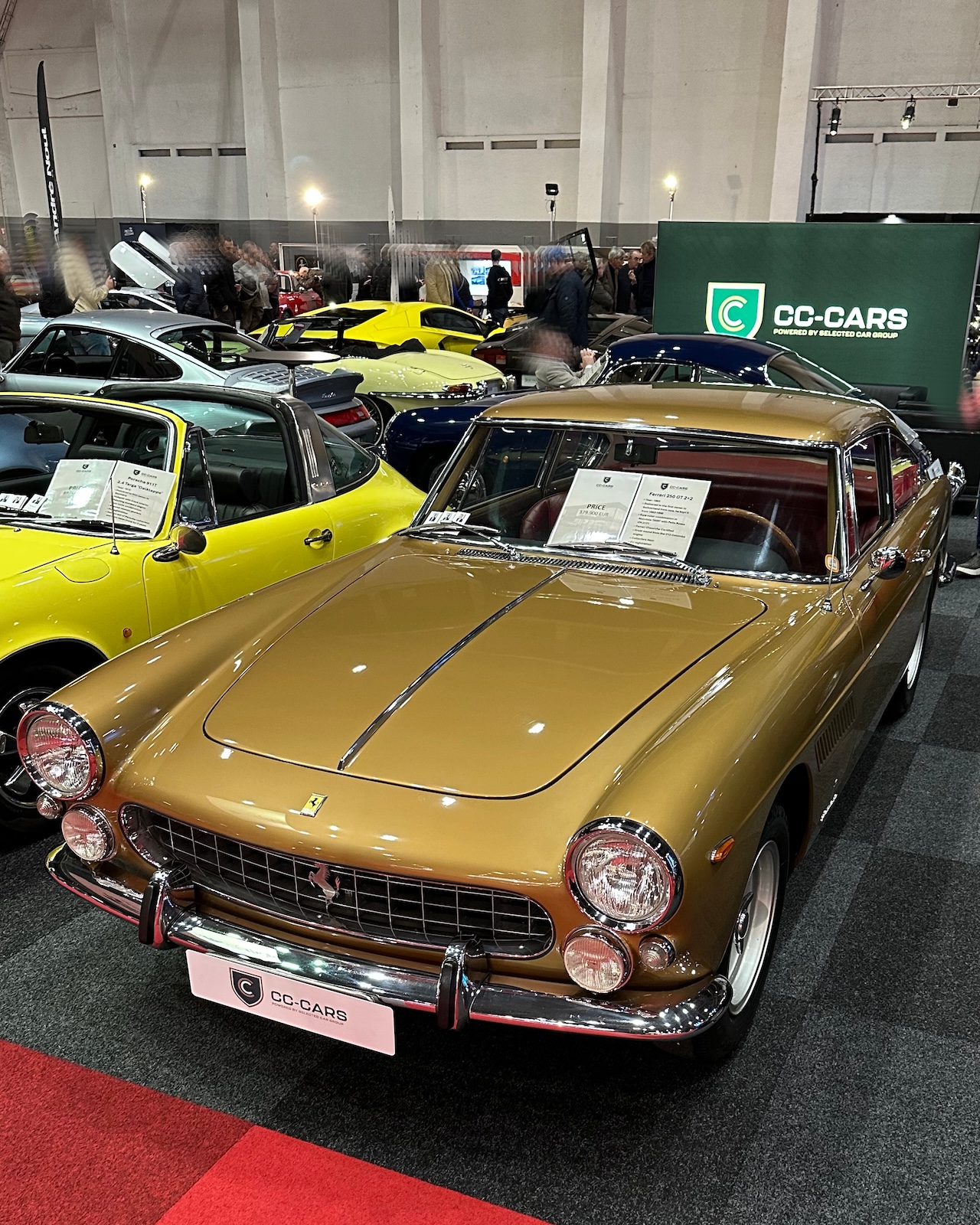
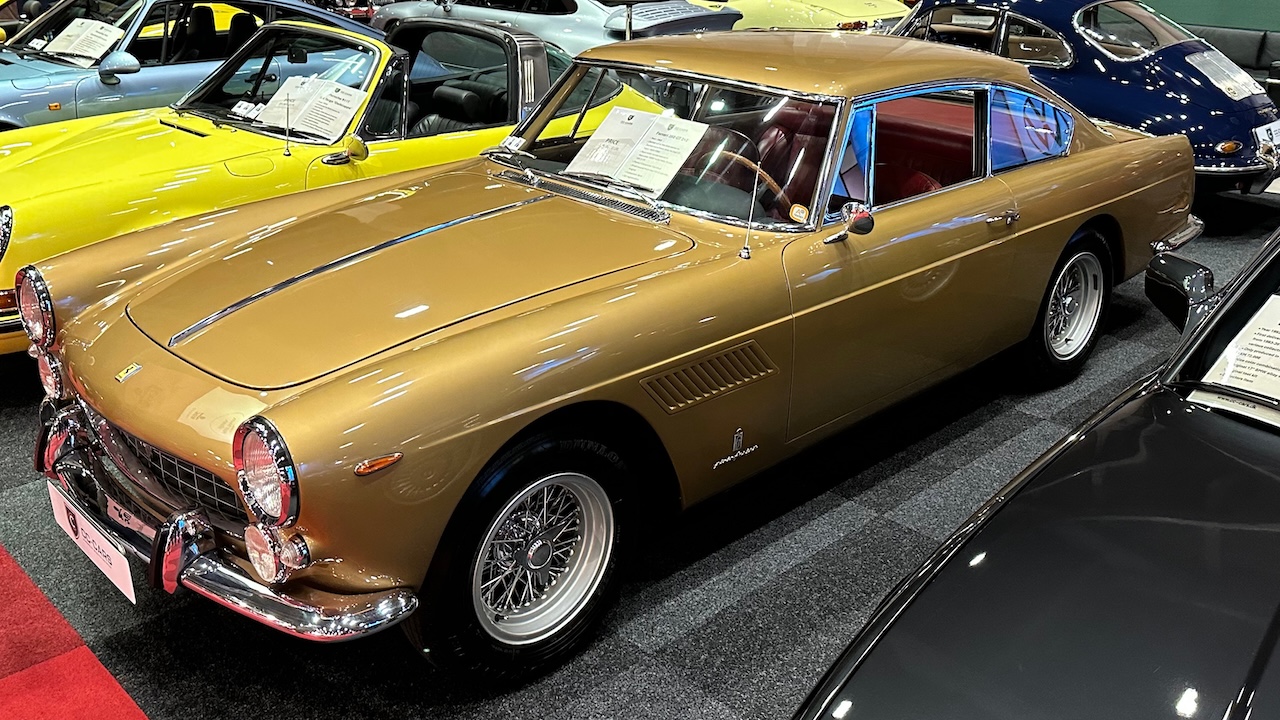
And some other pictures of the 1963 Ferrari 250 GT 2+2 'nocciola' seen in my previous post. This sort of brown color is just amazing, and quite rare. This shows that a Ferrari does not always need to be red. Enjoy.
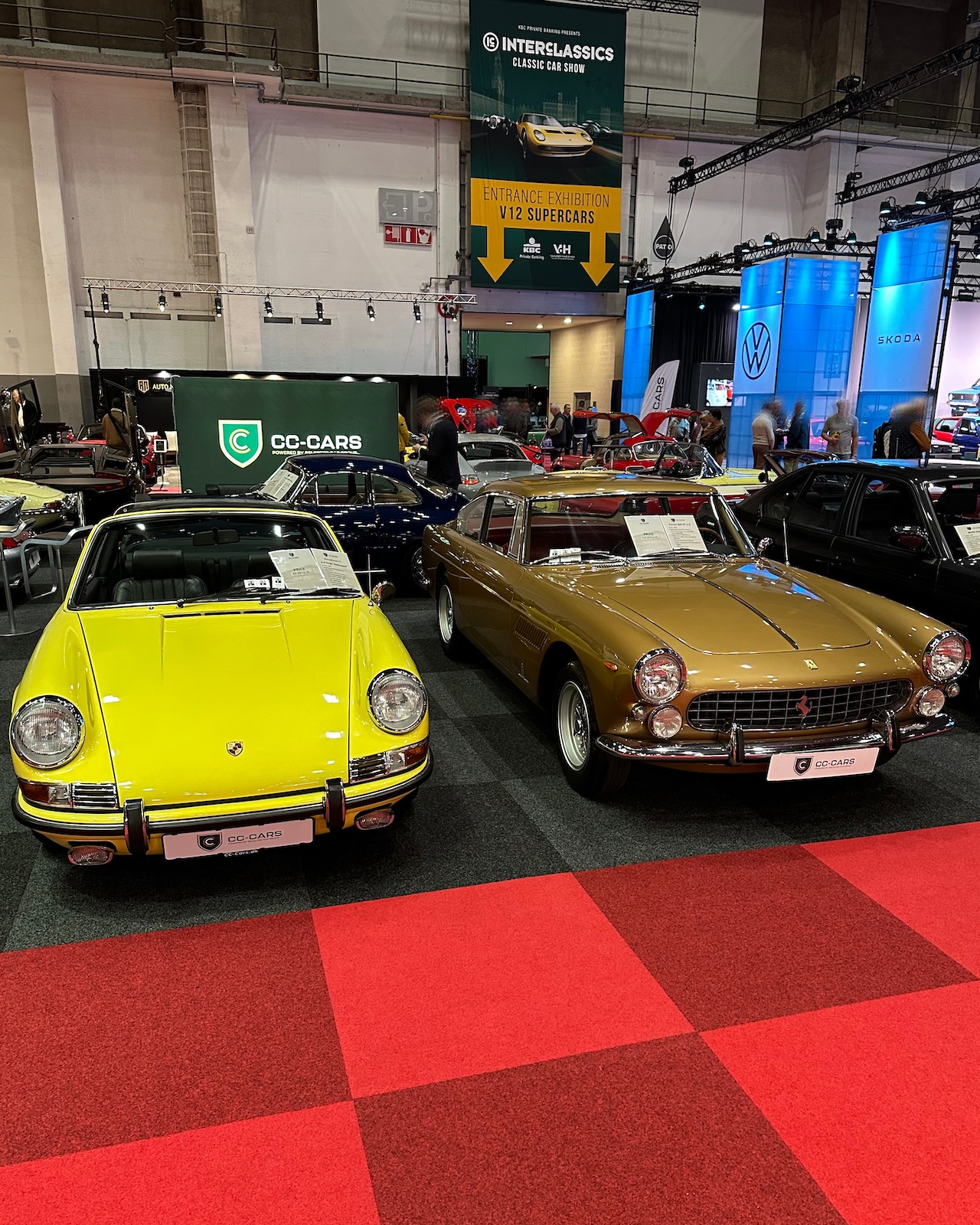
Even traditional sports cars can have crazy colors, both seen in Brussels.
On the left, 1972 Porsche 911T 2.4 Targa 'hellgelb'. On the right, 1963 Ferrari 250 GT 2+2 'nocciola'. Splendid. Enjoy.
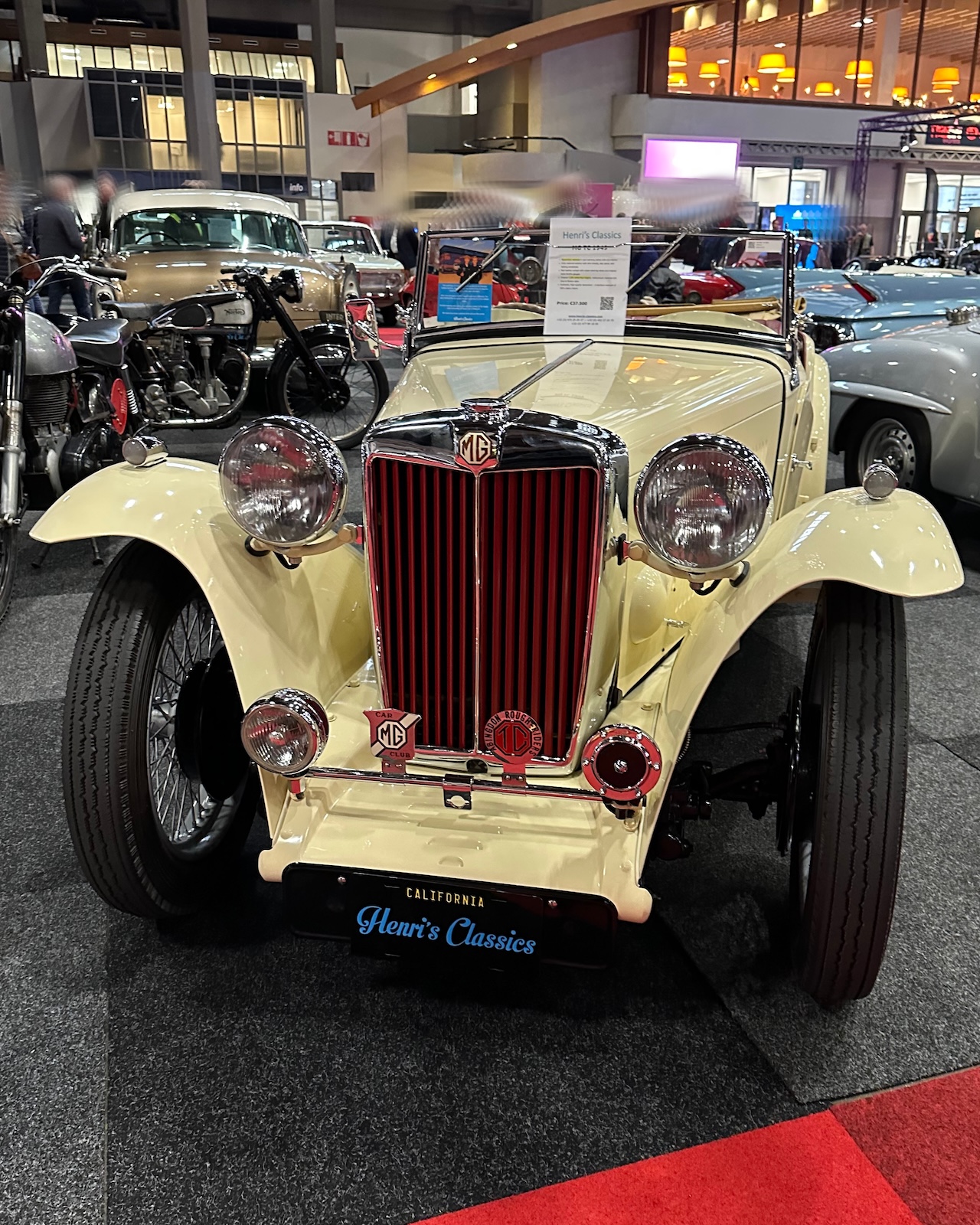
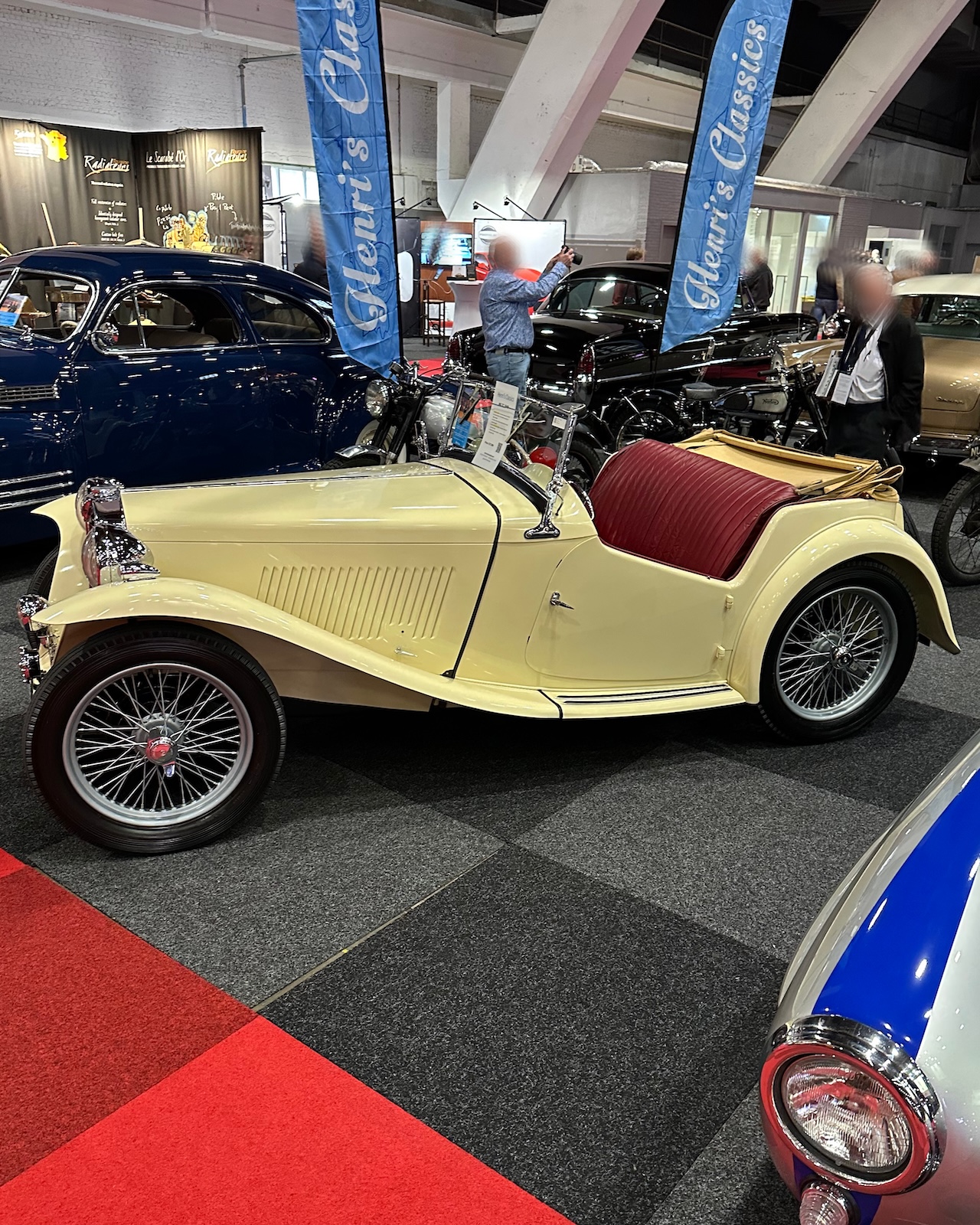
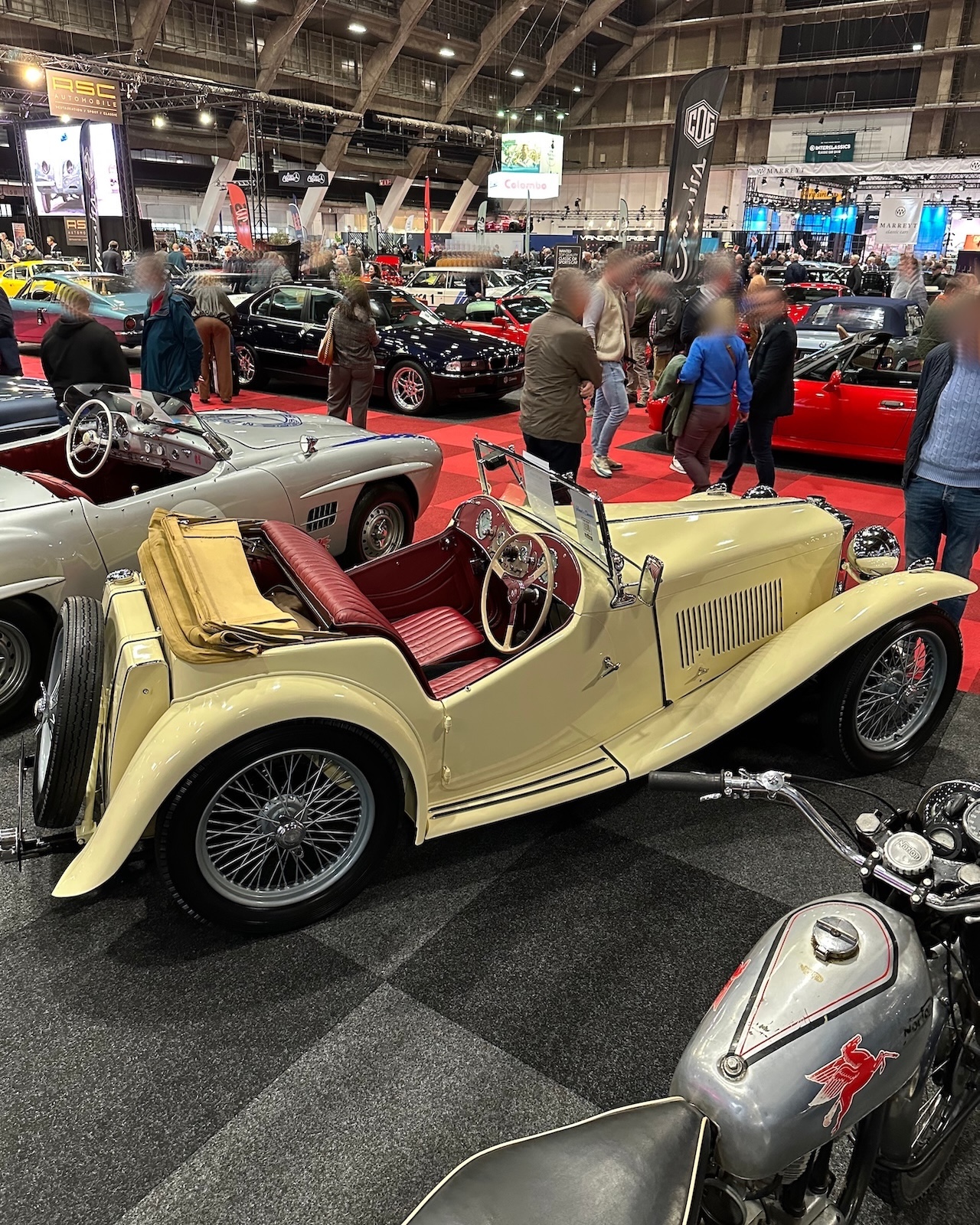
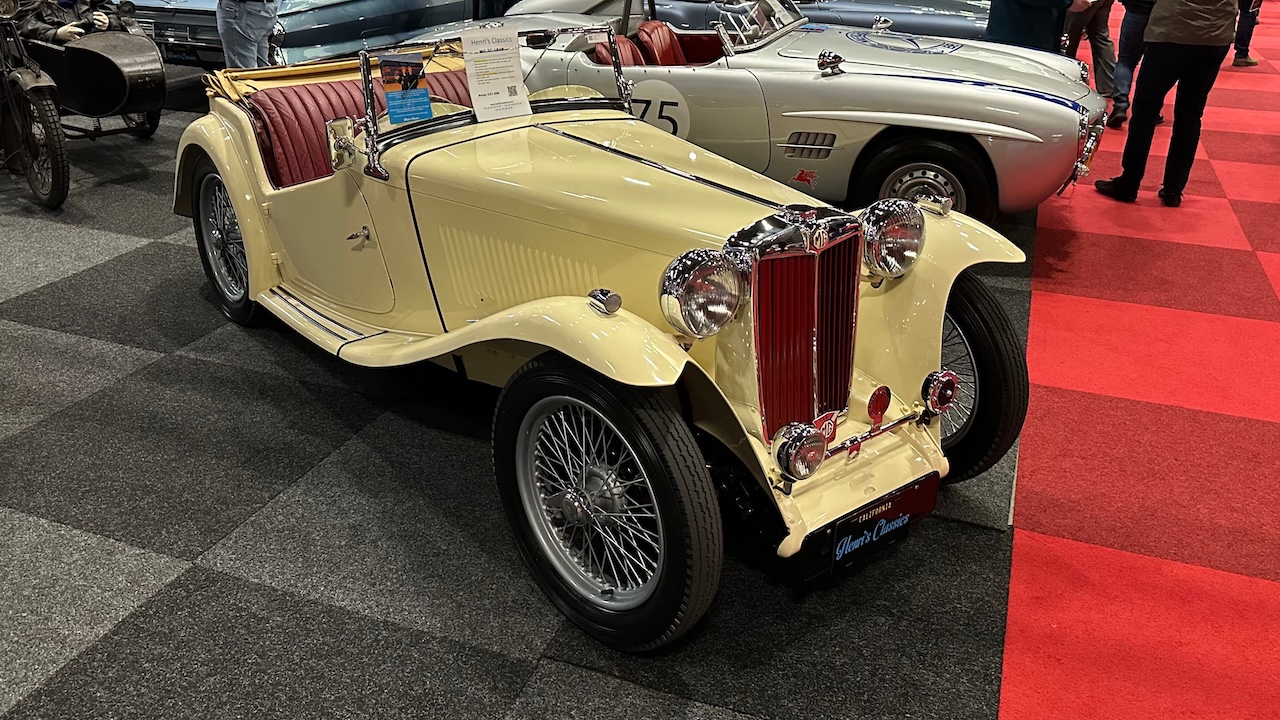
1949 MG TC seen at InterClassics Brussels.
The MG TC Midget is one of the best known MG to come out of Abingdon. As soon as WWII was over, the factory resumed car production with the TC. Its basis was the prewar TB, with a similar engine (XPAG), gearbox, and axles. The only significant change was the body, widened by nearly 4 inches across the seats without changing the basic chassis, wings, running-boards, or facia layout.
A fun fact is that the TC was probably responsible for starting the American craze for the British sports cars. Nearly 2000 TC were exported to the US. Enjoy.
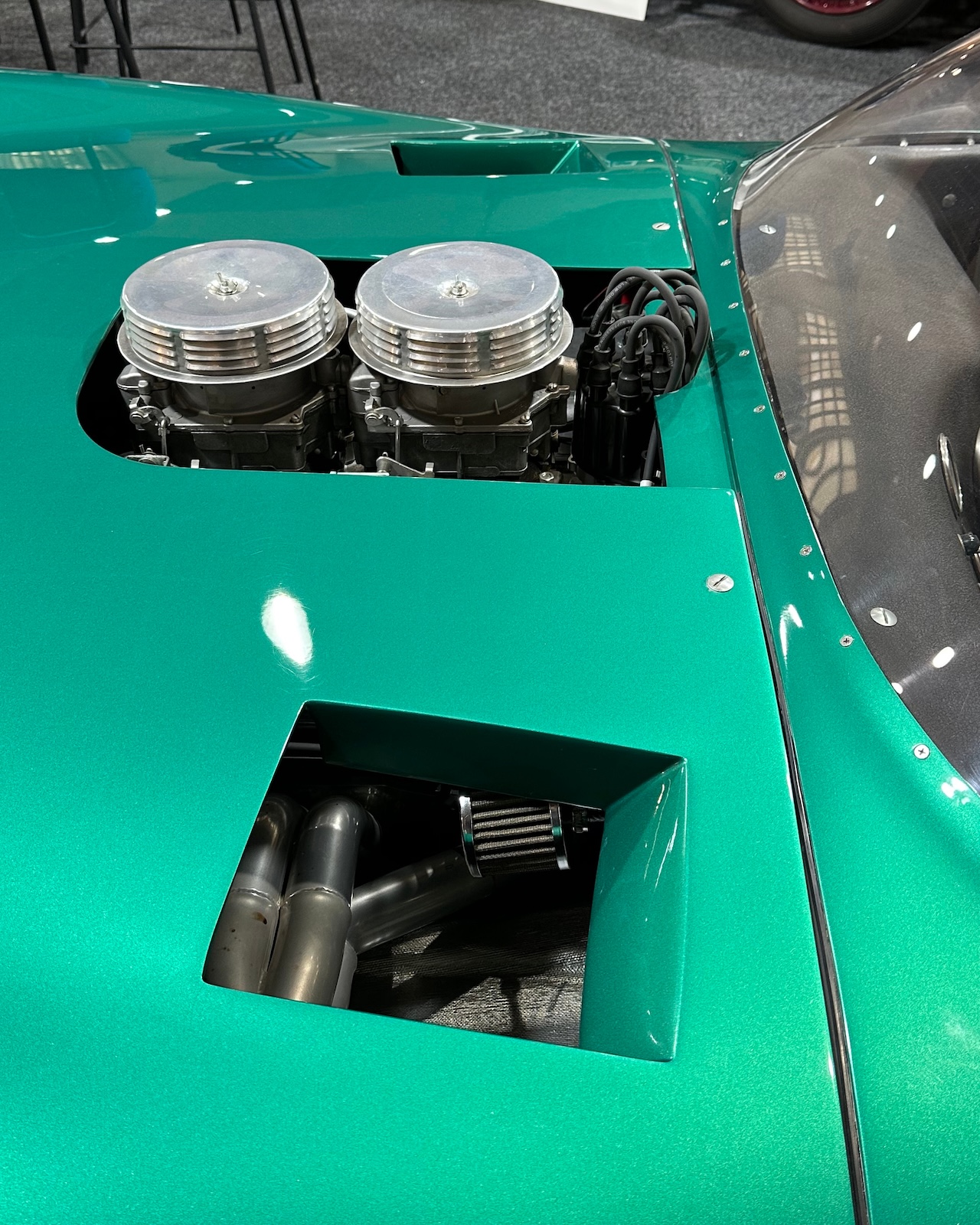
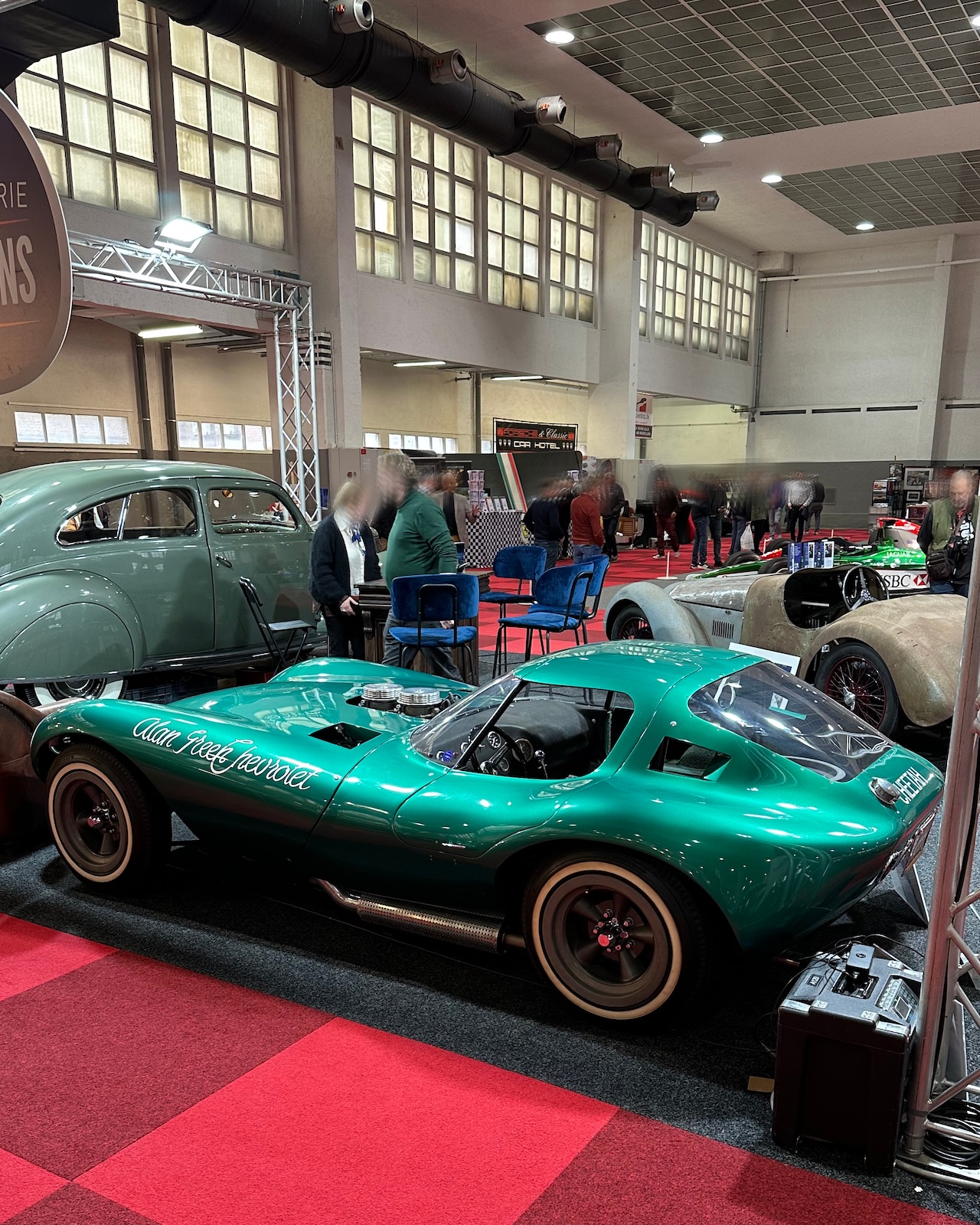
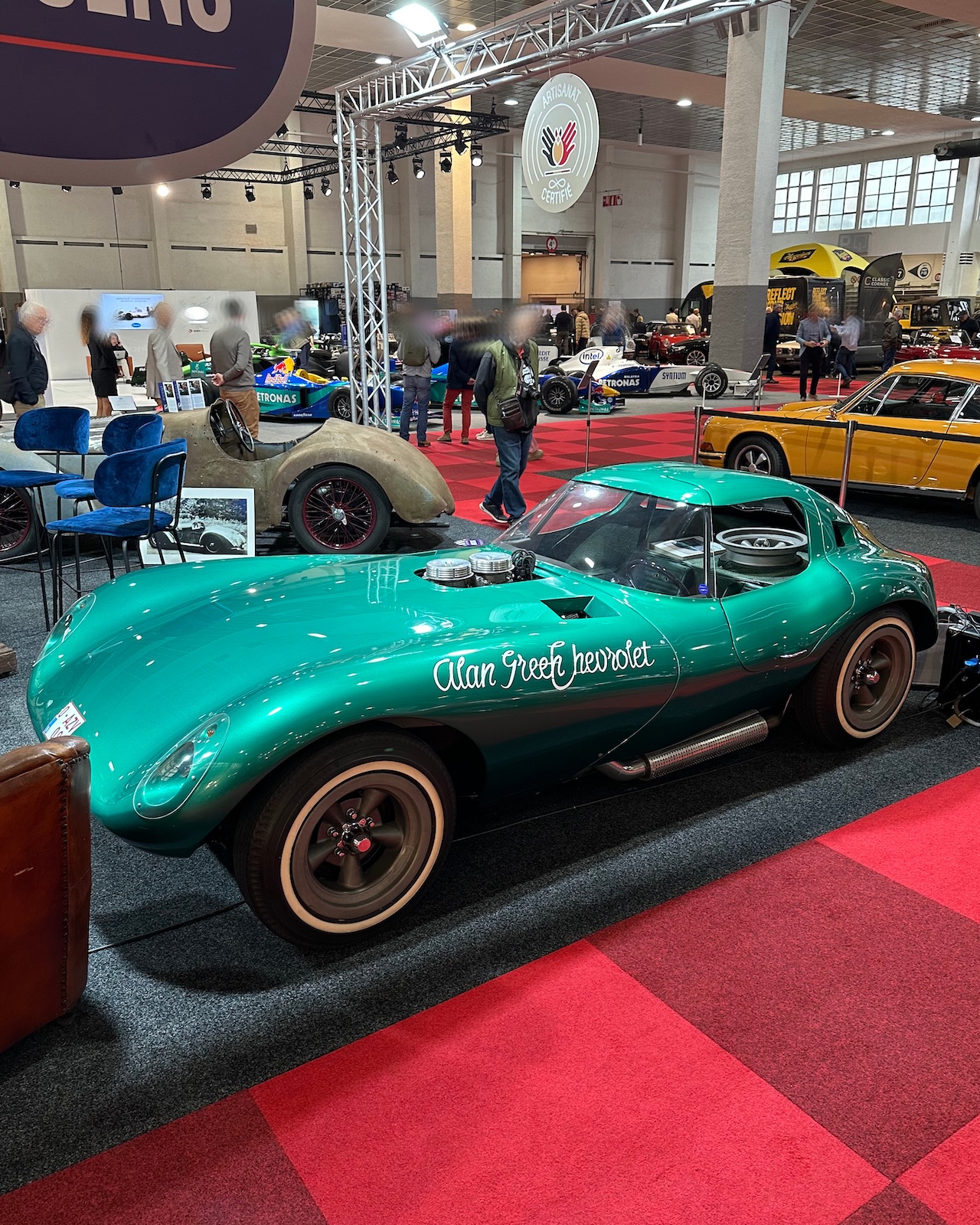
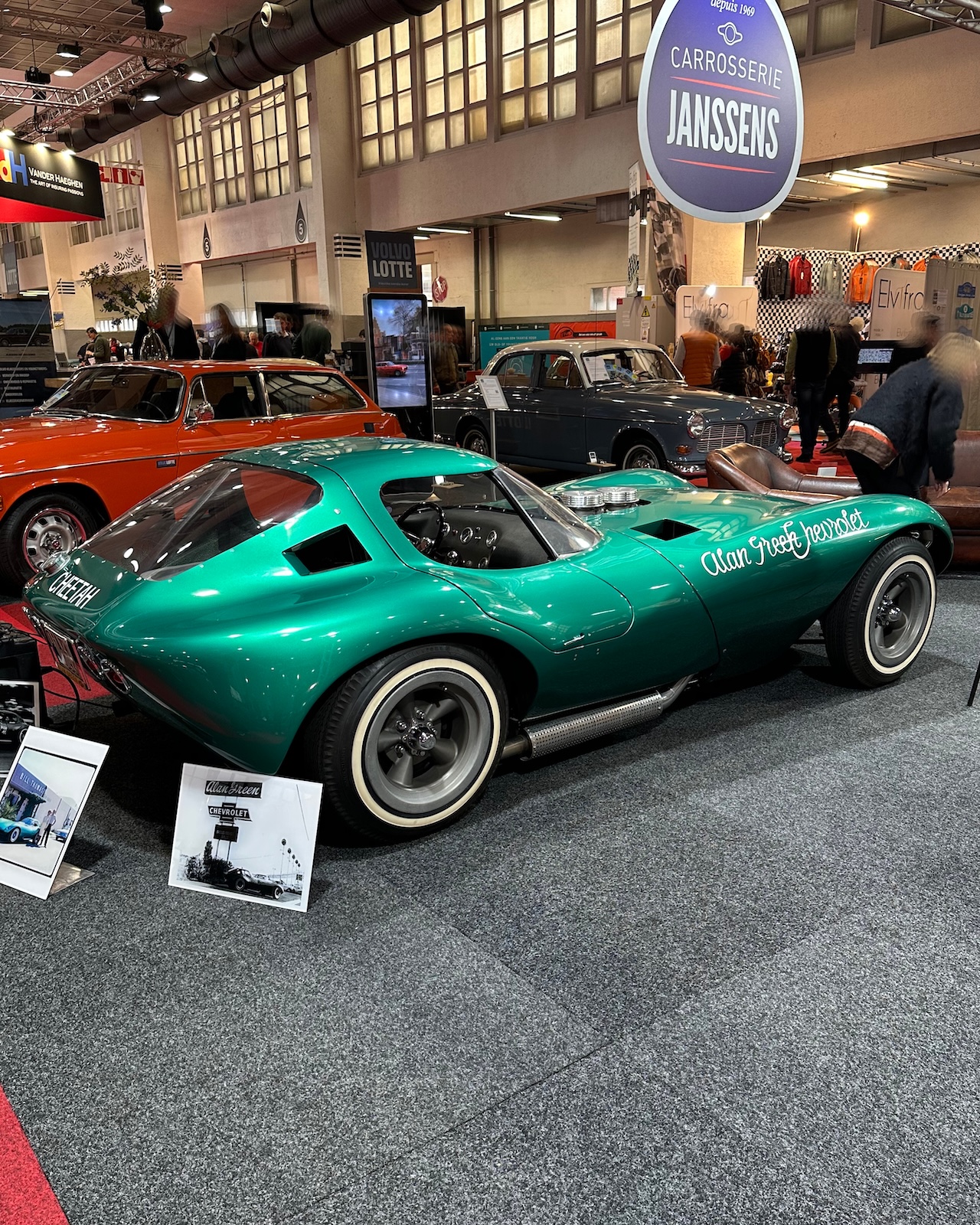
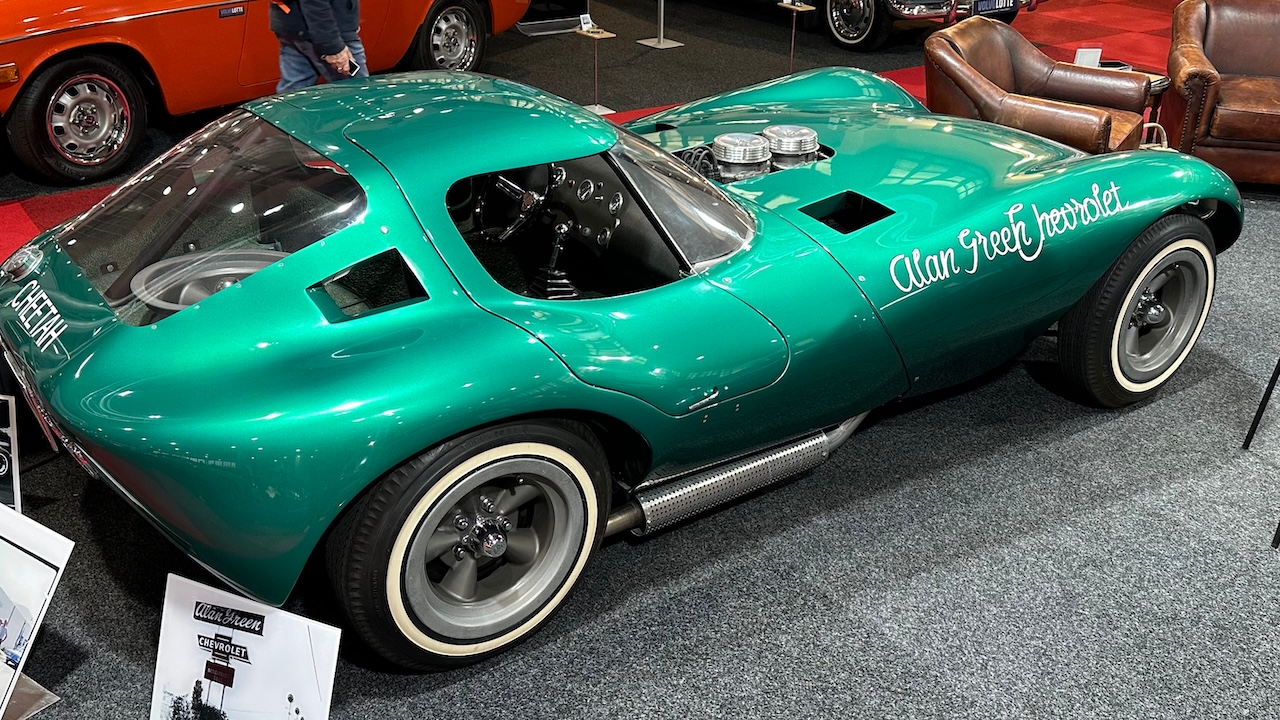
What is going on when you put a front, yes front, mid-engine (of course a V8) in a (sort of) tubular chassis? You get a Bill Thomas Cheetah, produced between 1963 and 1966 as a competitor to the AC Cobra of Carroll Shelby.
Despite my time spent in the US, this is the first I saw, and it was at the InterClassics in Brussels during the weekend. I have no clue whether it is an original one or a replica. They are very rare, around 30 pieces were made. But it does not matter, I wanted to see one, and now it is done. Actually, it looks like a mini dragster. Amazing. Enjoy.
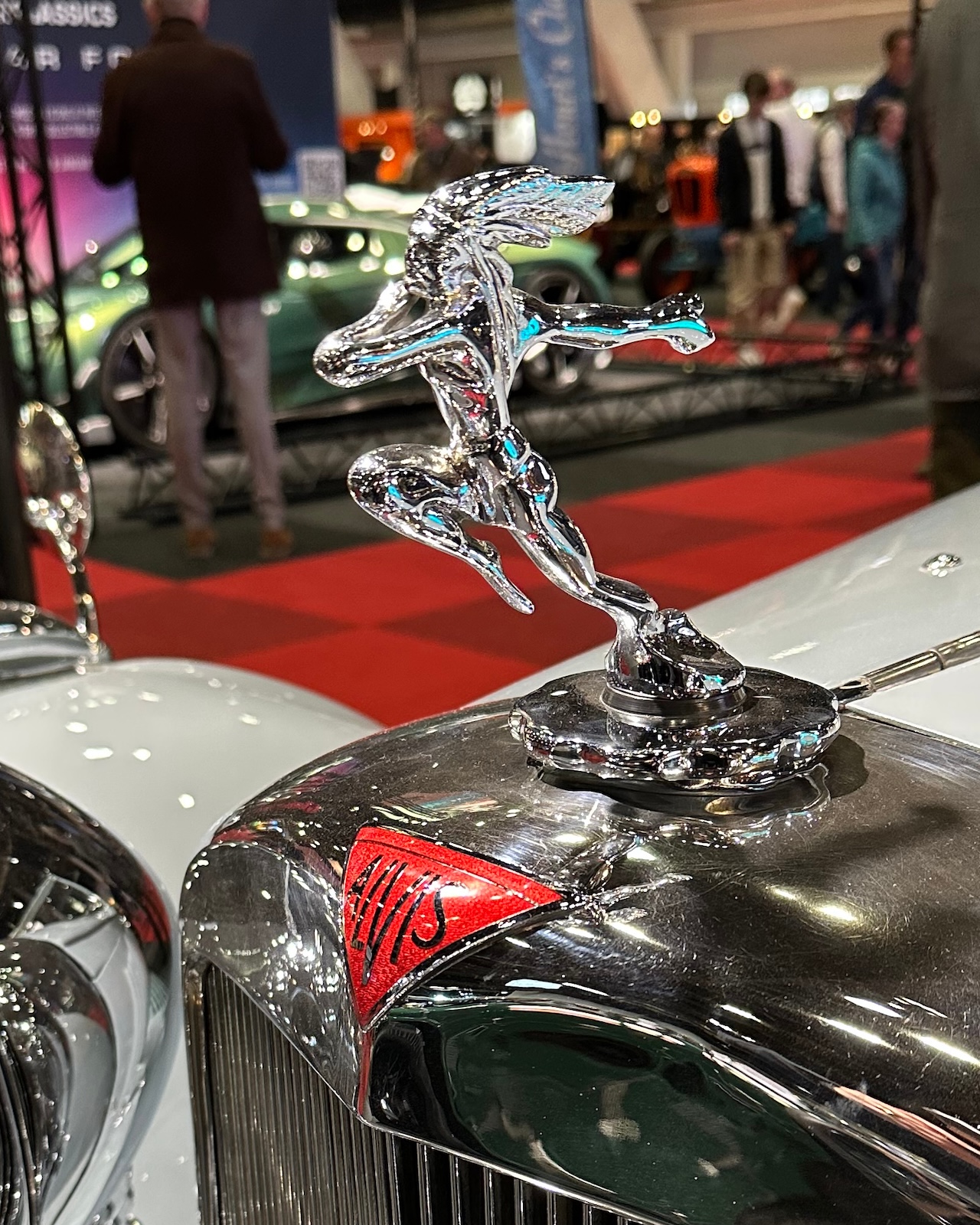
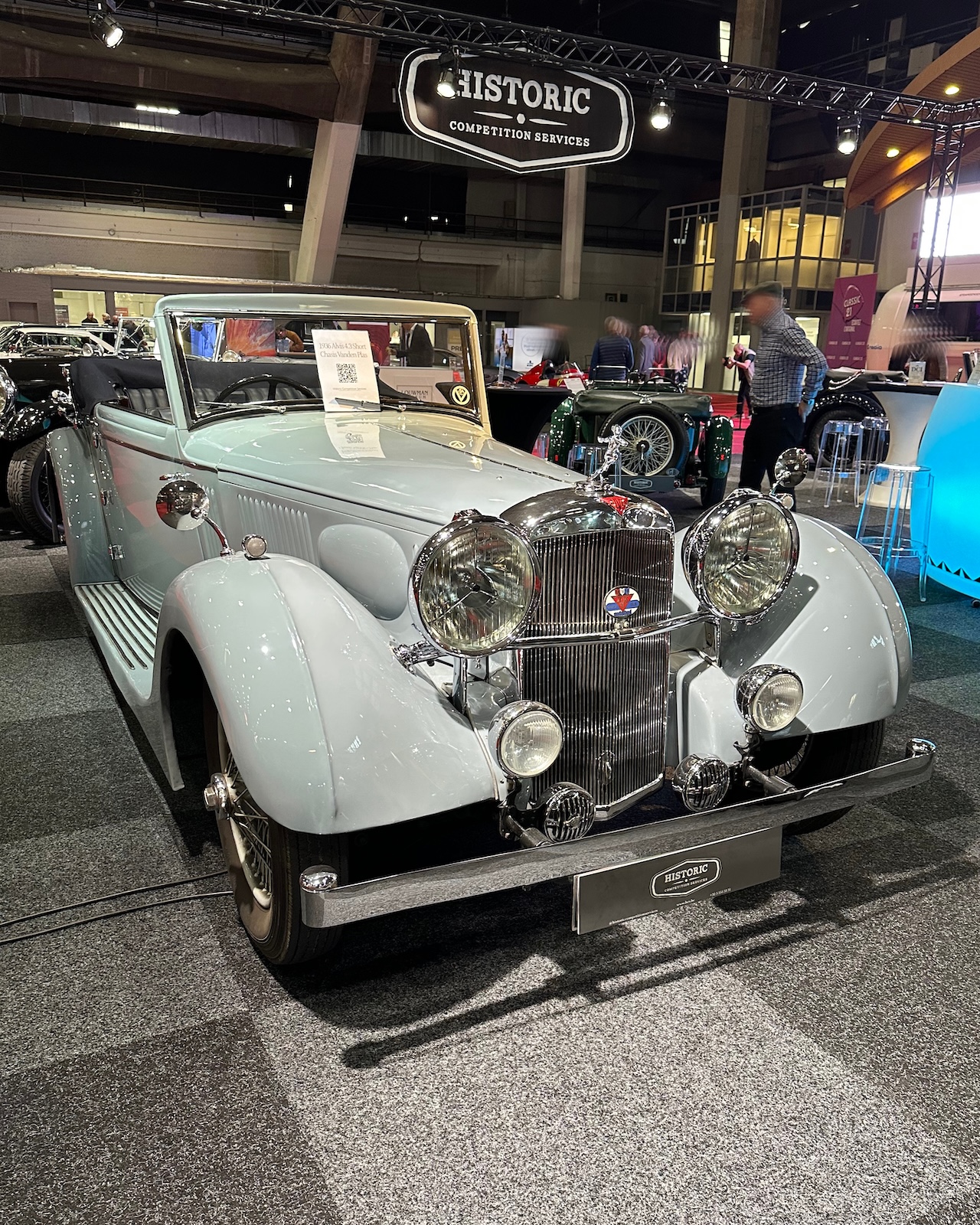
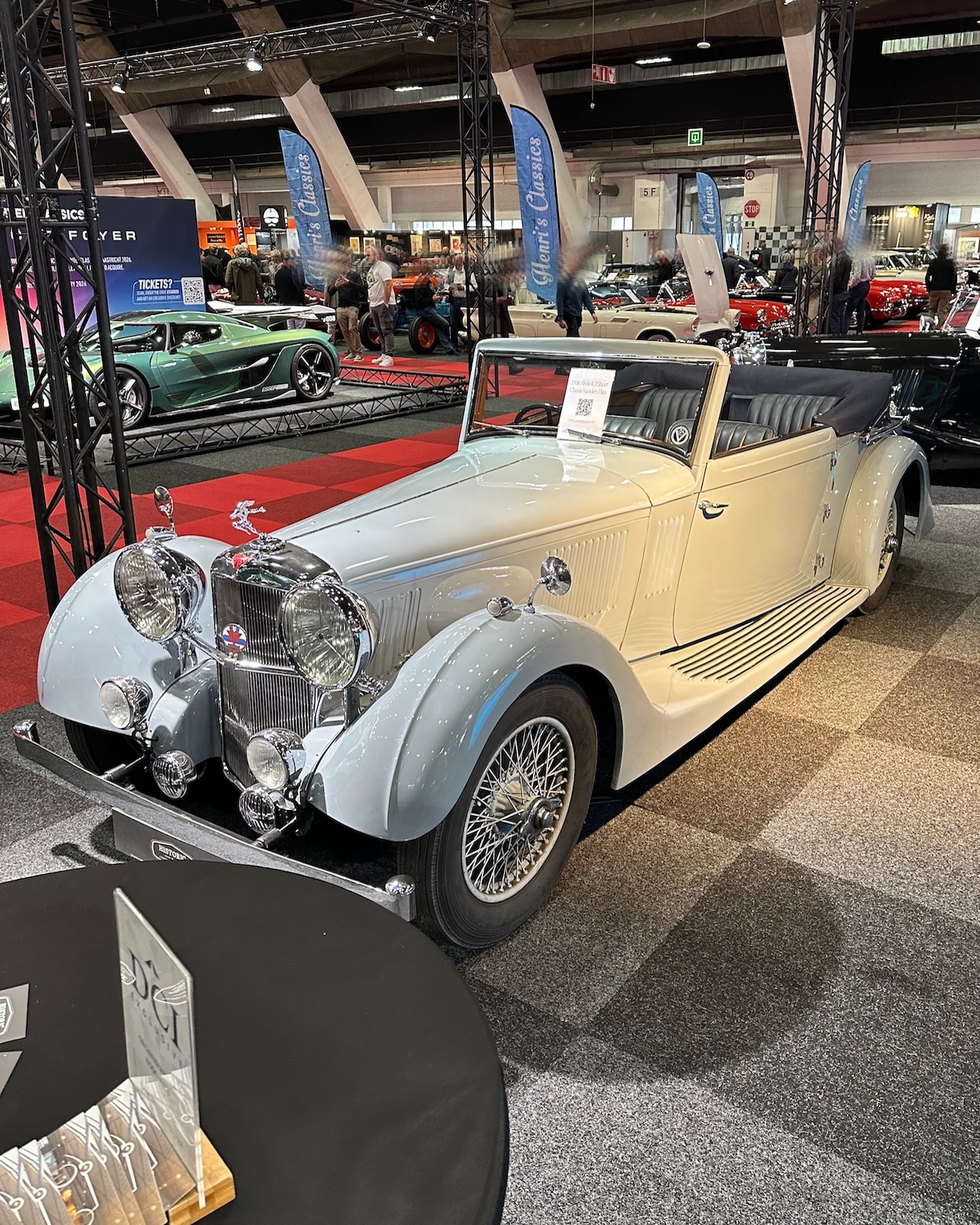
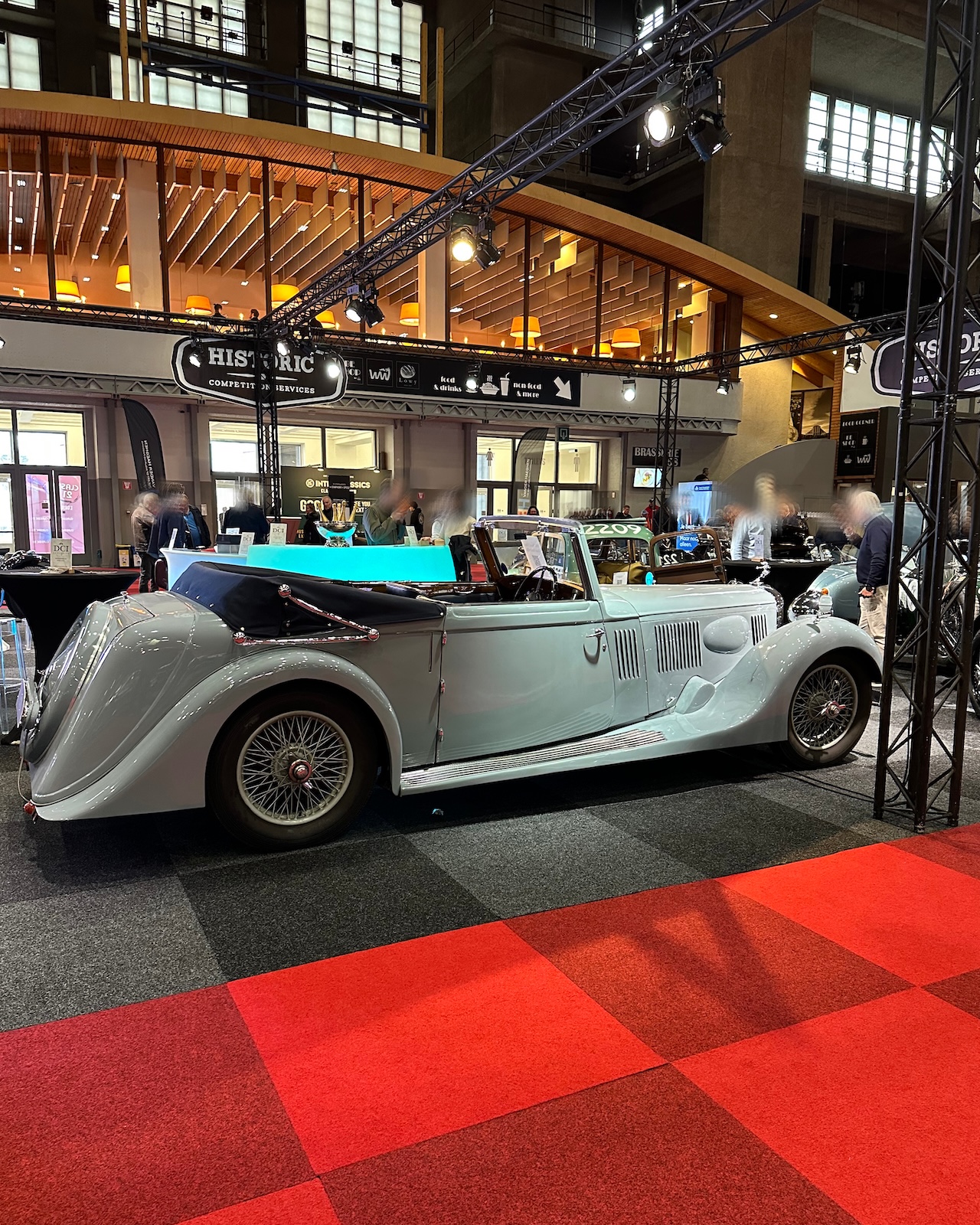
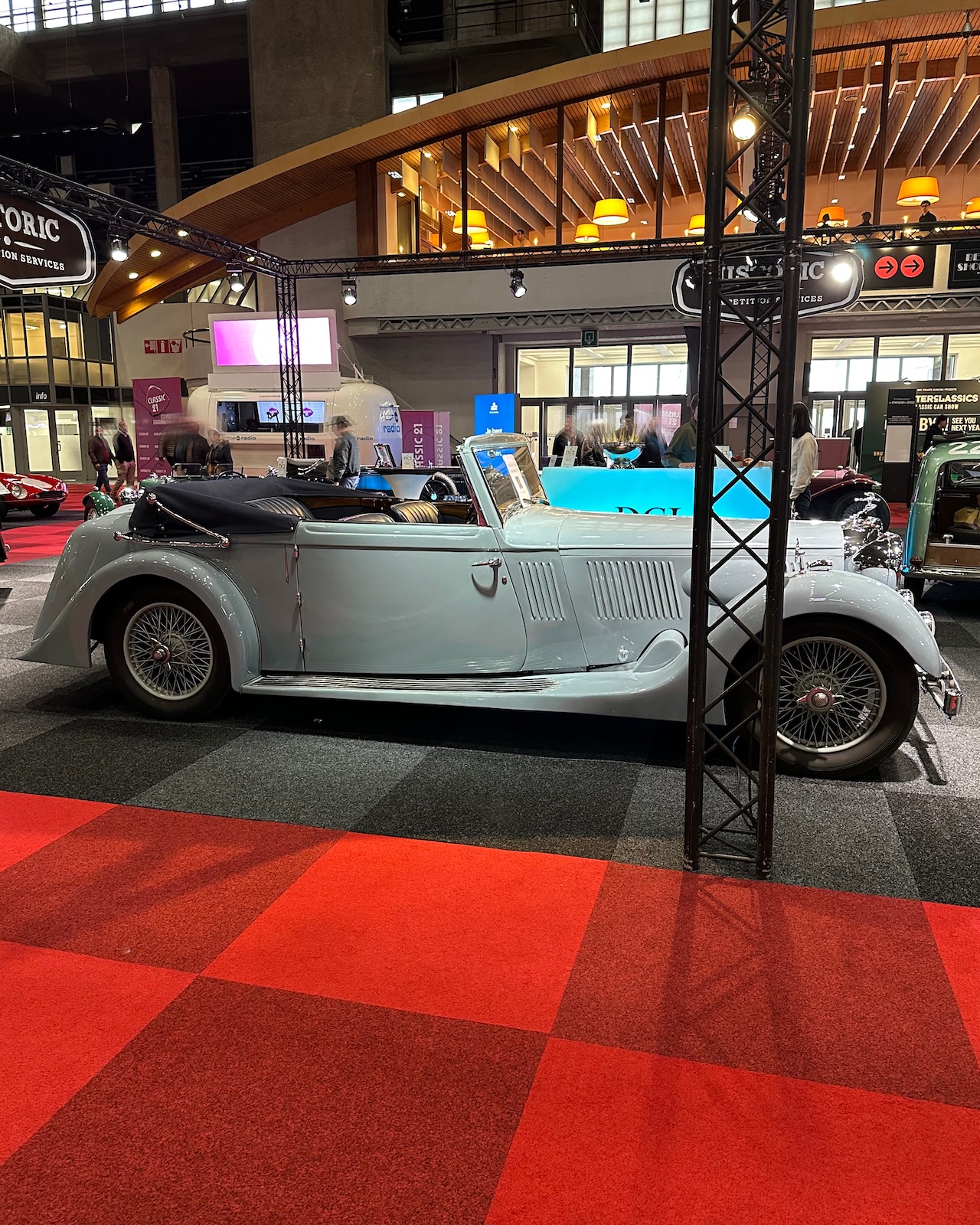
Another splendid Alvis was to be seen at the InterClassics Brussels 2025, this very rare 1936 Alvis 4.3 Short Chassis Vanden Plas.
According to the seller, one of only 24 Short Chassis 4.3 Alvis produced, and only 12 being bodied by Vanden Plas, and the only one as a DHC. Therefore, a super rare Alvis. The quite stiff, asking price rather reflects the rarity and the condition of the car than the current, bear market for prewar cars, and in particular for Alvis cars.
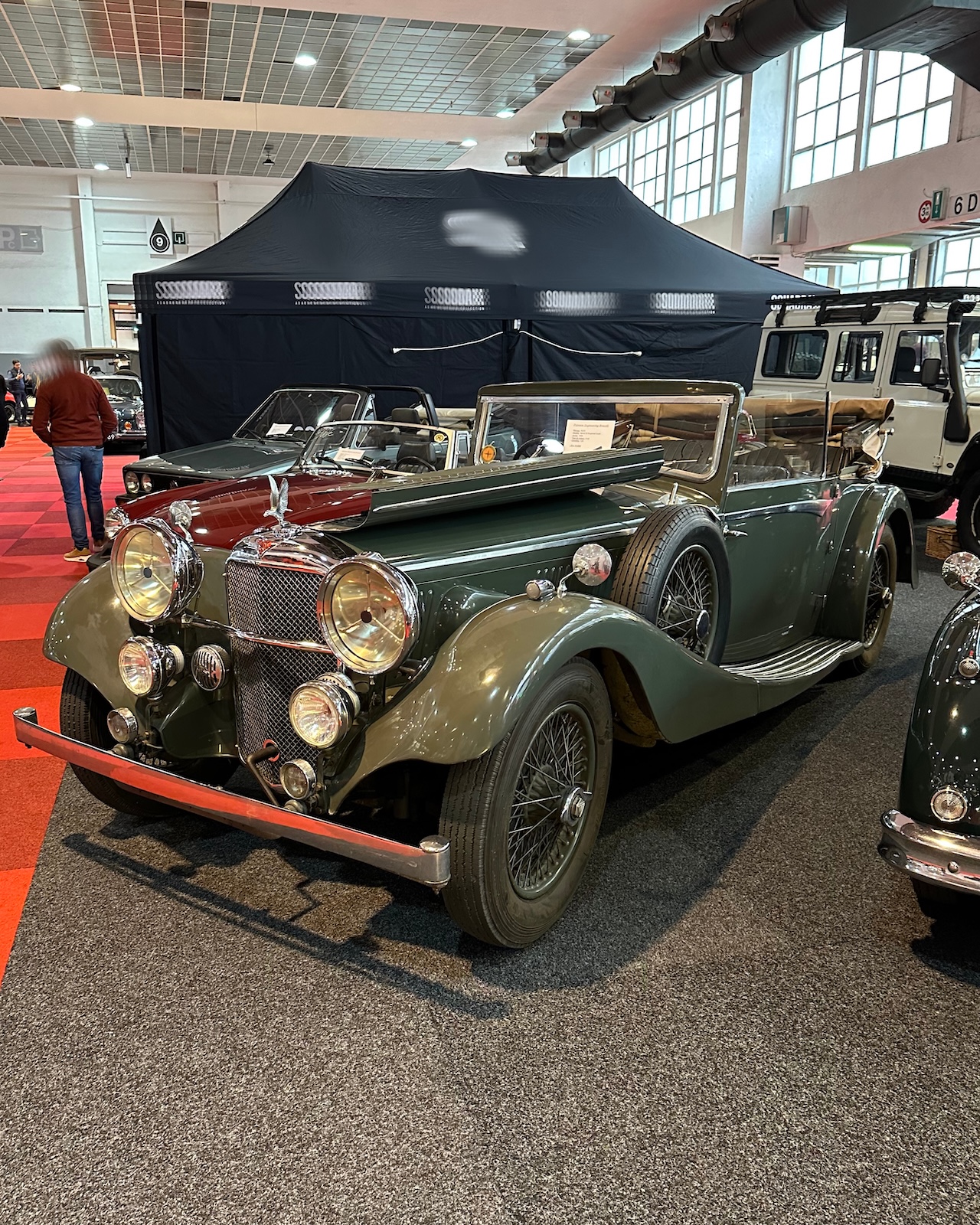
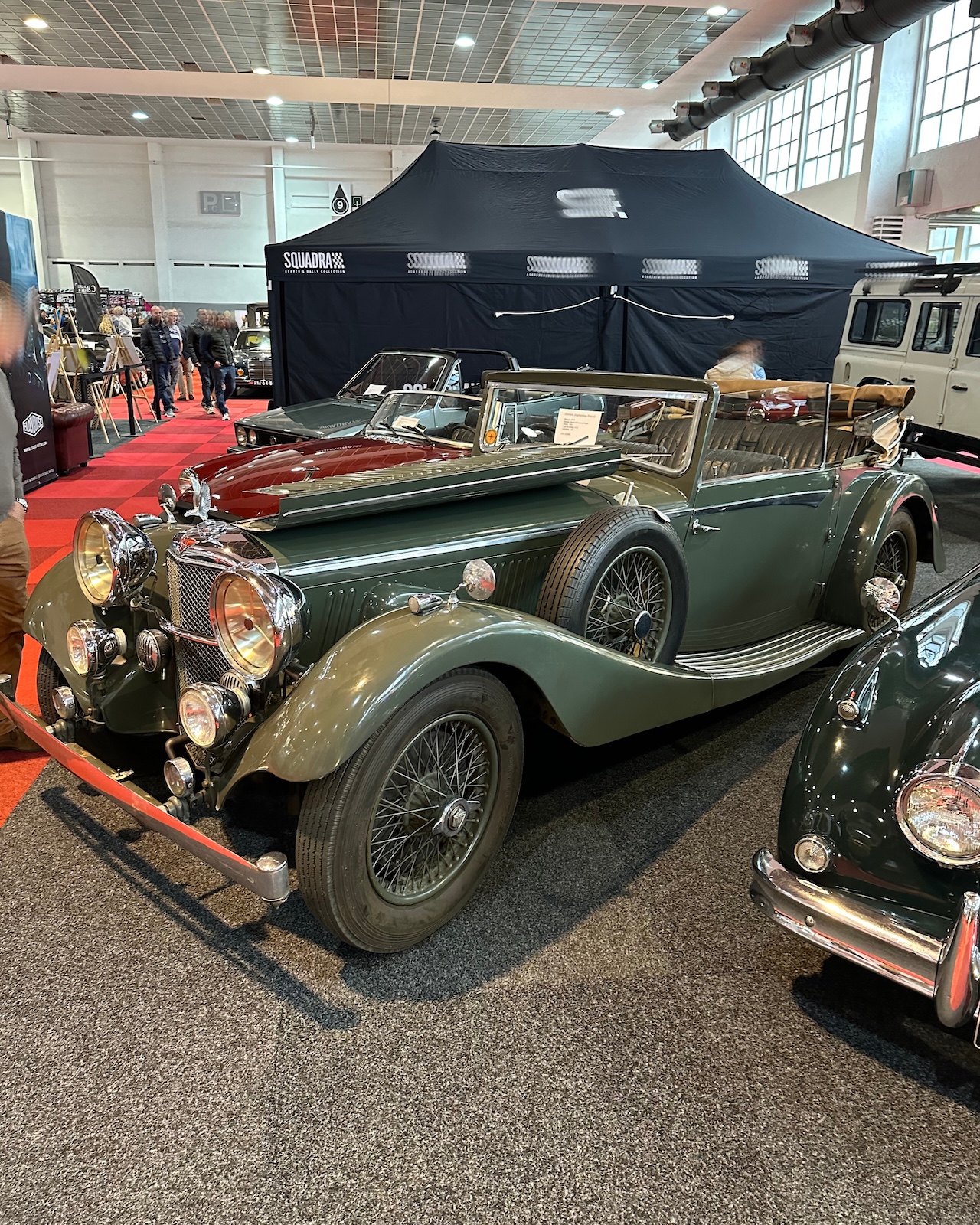
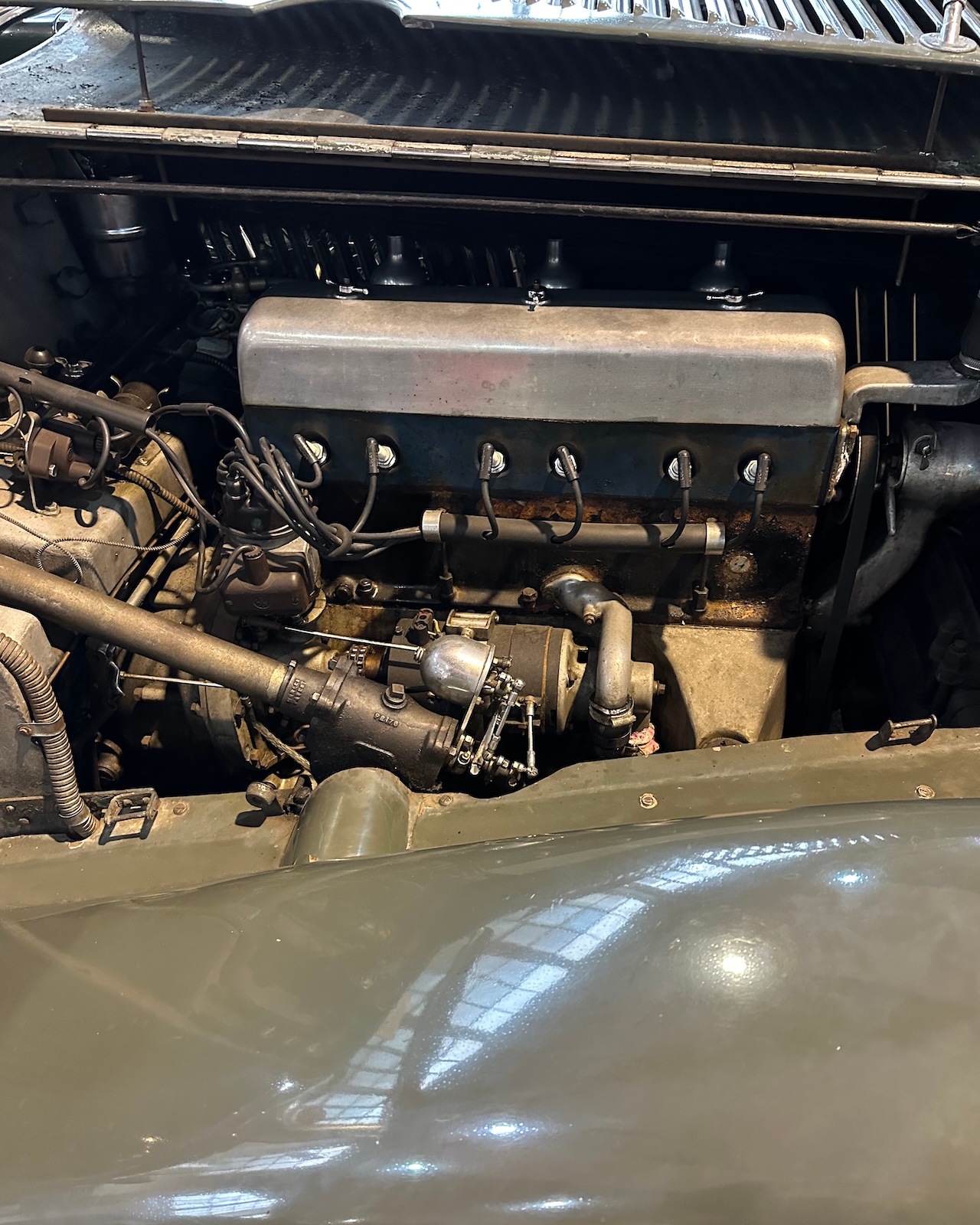
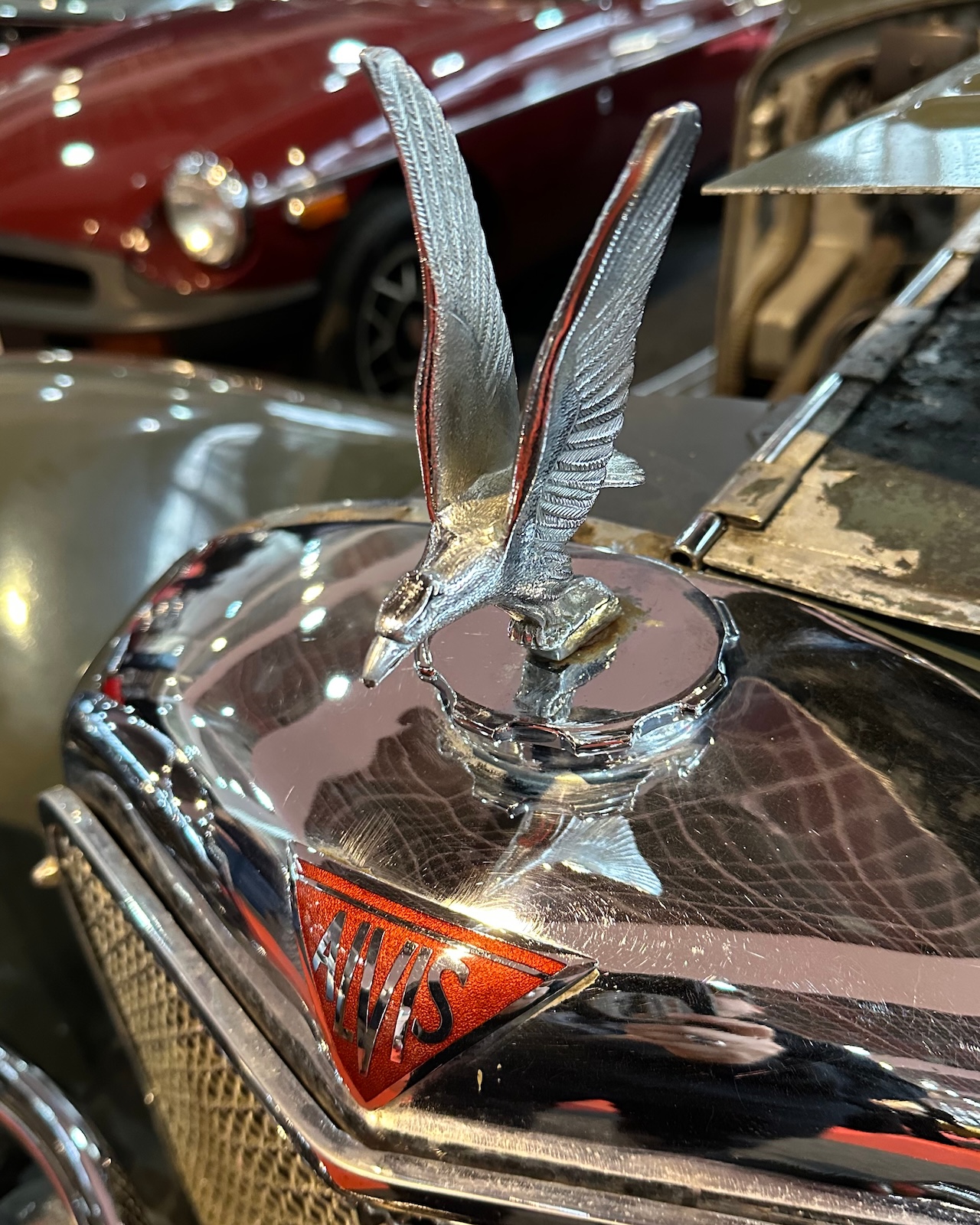
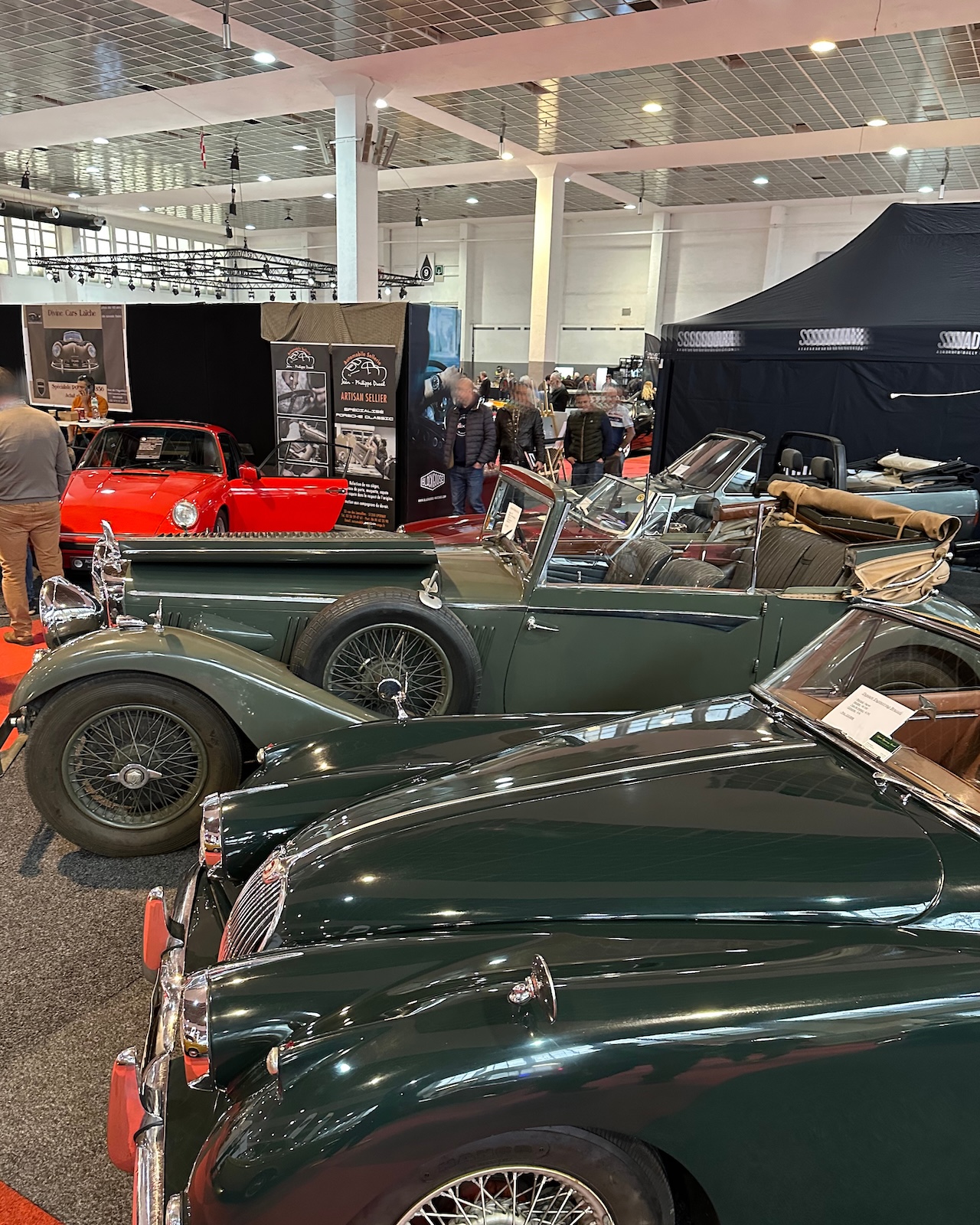
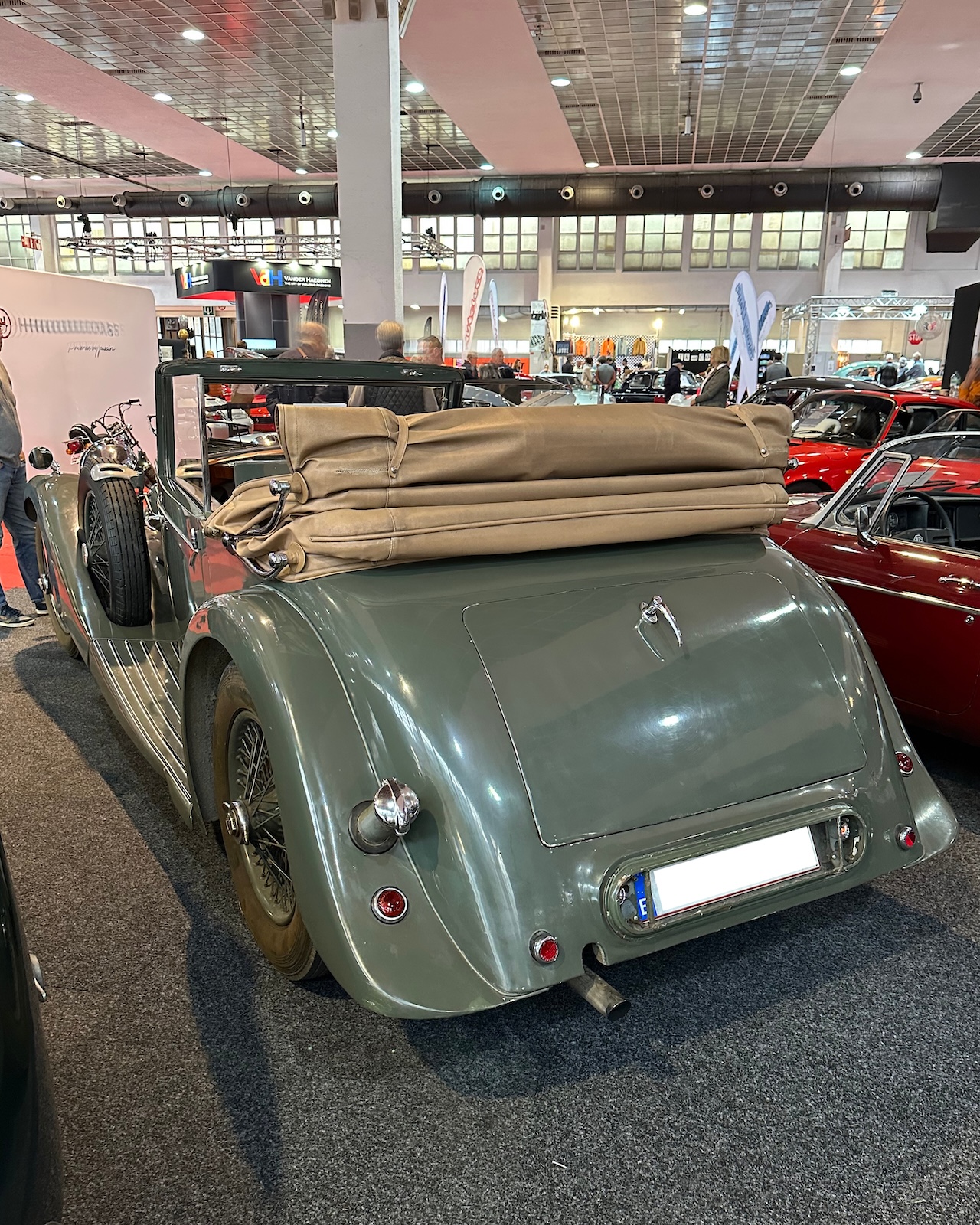
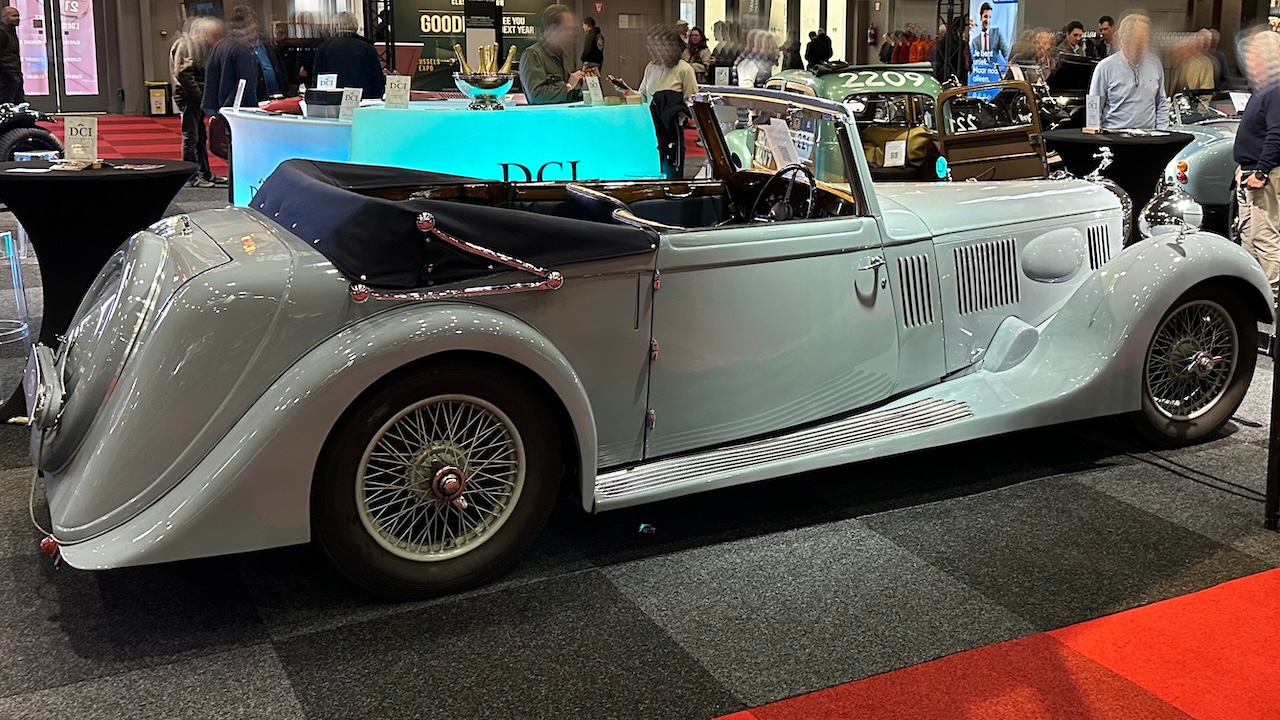
Fantastic Alvis on the stand of a local restoration workshop. 1935 Speed 20 SC Charlesworth DHC.
The car was particularly nice thank to its patina. The car was apparently never off the road except during the years of war and scarce petrol. It was rebuilt by Red Triangle in the seventies.
PS: InterClassics Brussels 2025 was one of the best salons I attended this year: right size, very nice people, great selection of cars, a lot of book sellers... and great food and beers. Thanks to the organizing team.