

salon 24 Epoqu'auto
For some events we share pictures to complete our communication on Instagram, Threads, and YouTube.

Pictures
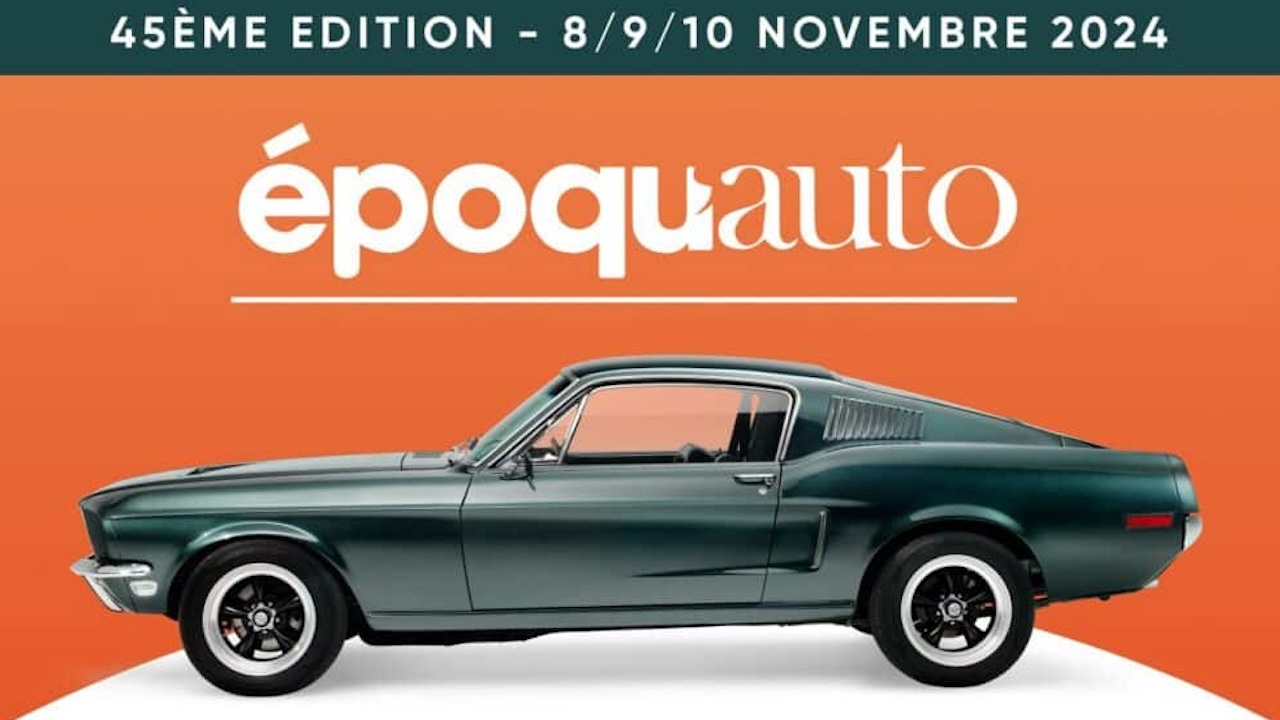
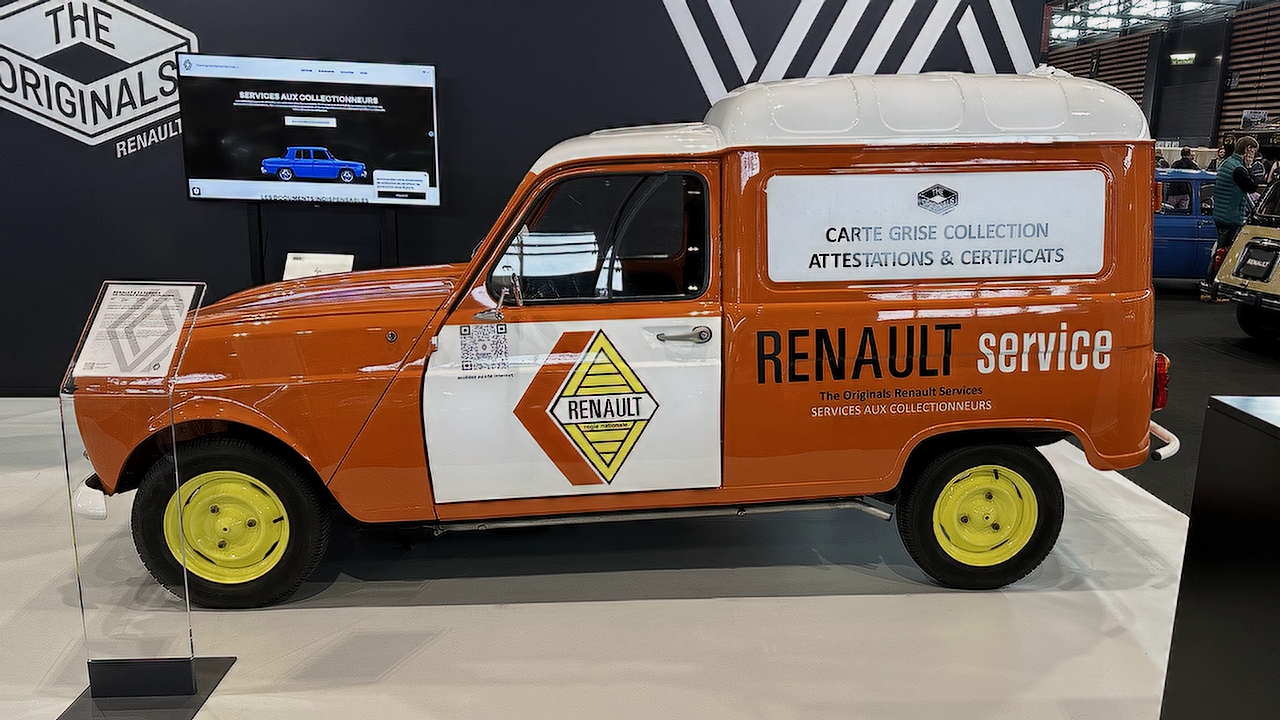
See the pictures above for a nice sample of cars. On the banner, a 2005 Toyota Century with a 5-litre V12 engine and a 6-speed automatic transmission. Less than 10'000 units produced in ca. 50 years.
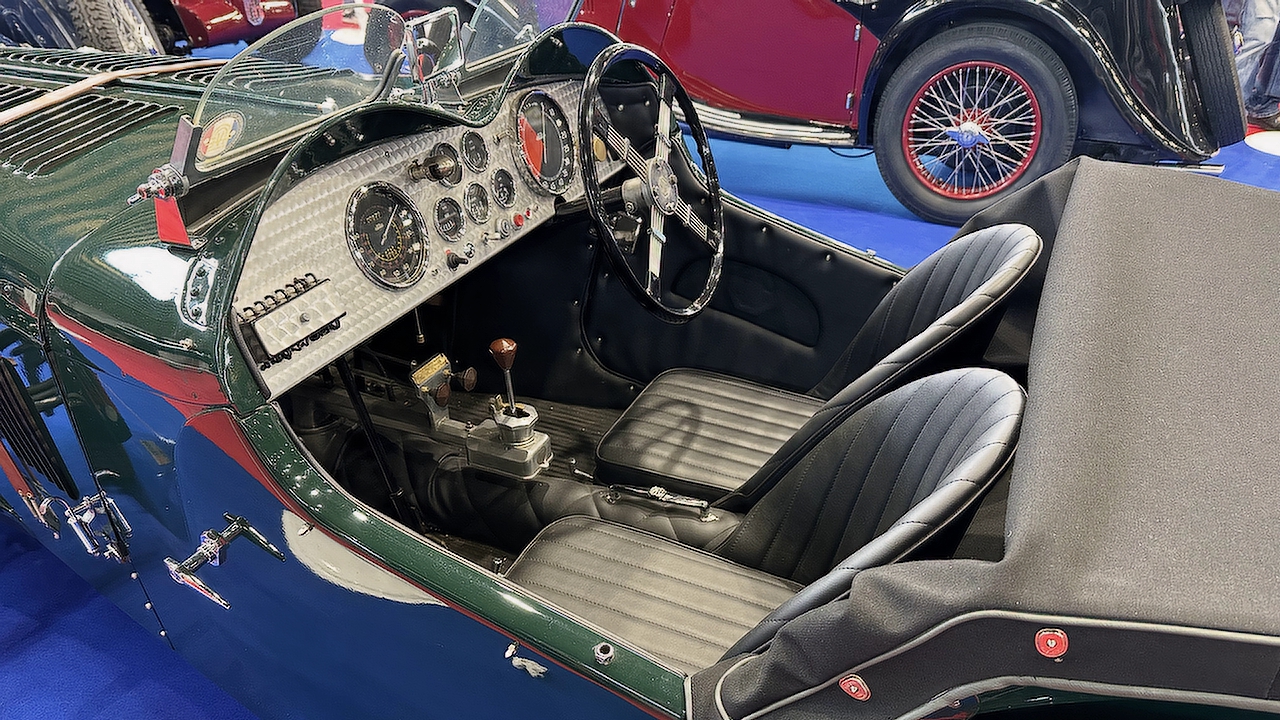
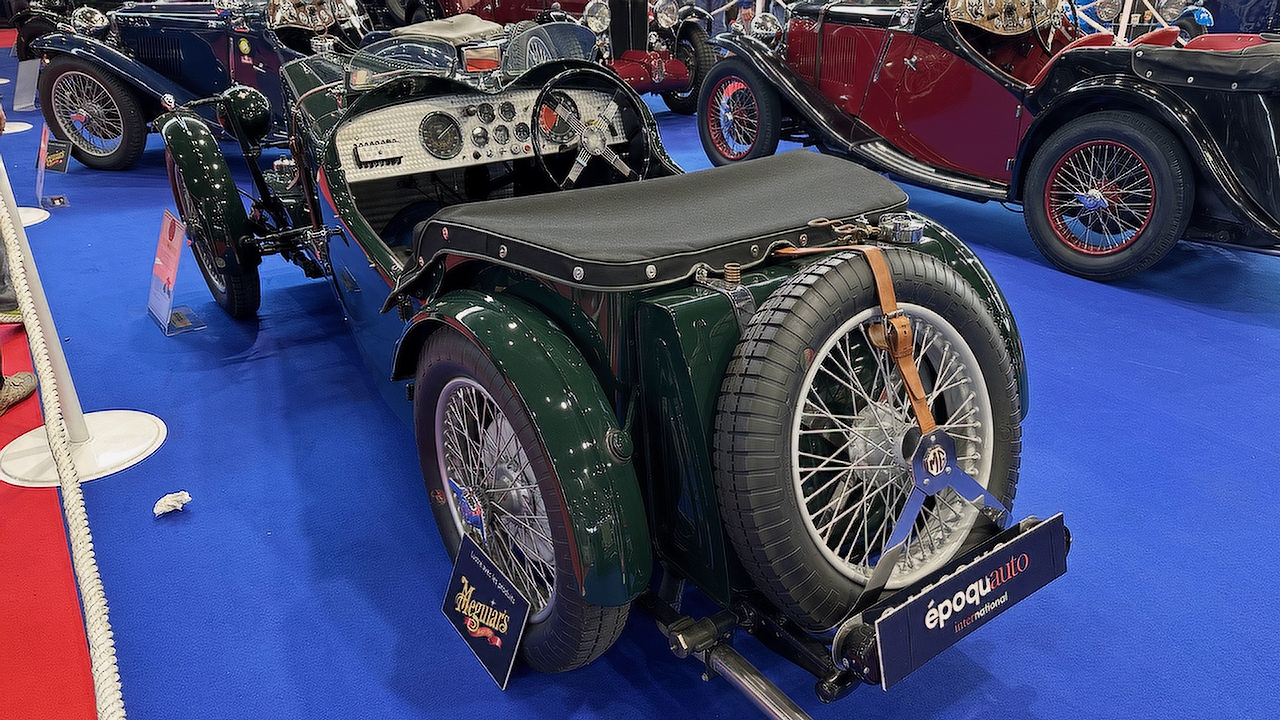
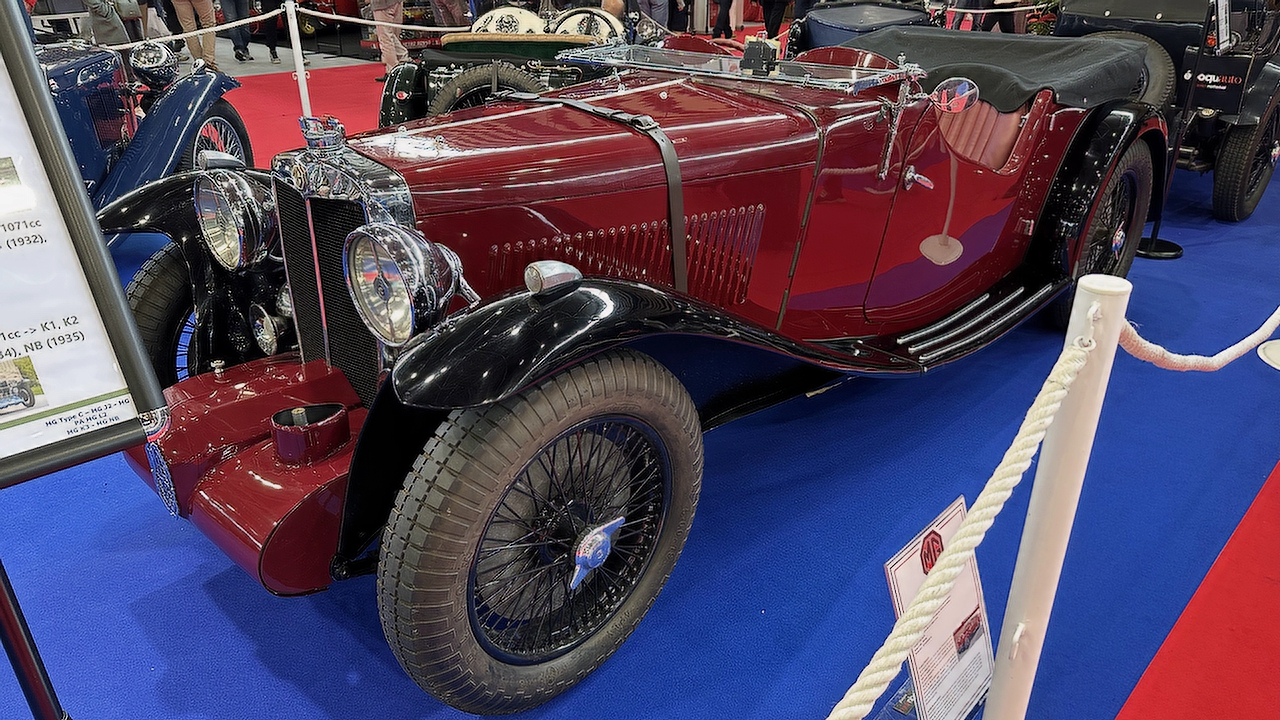
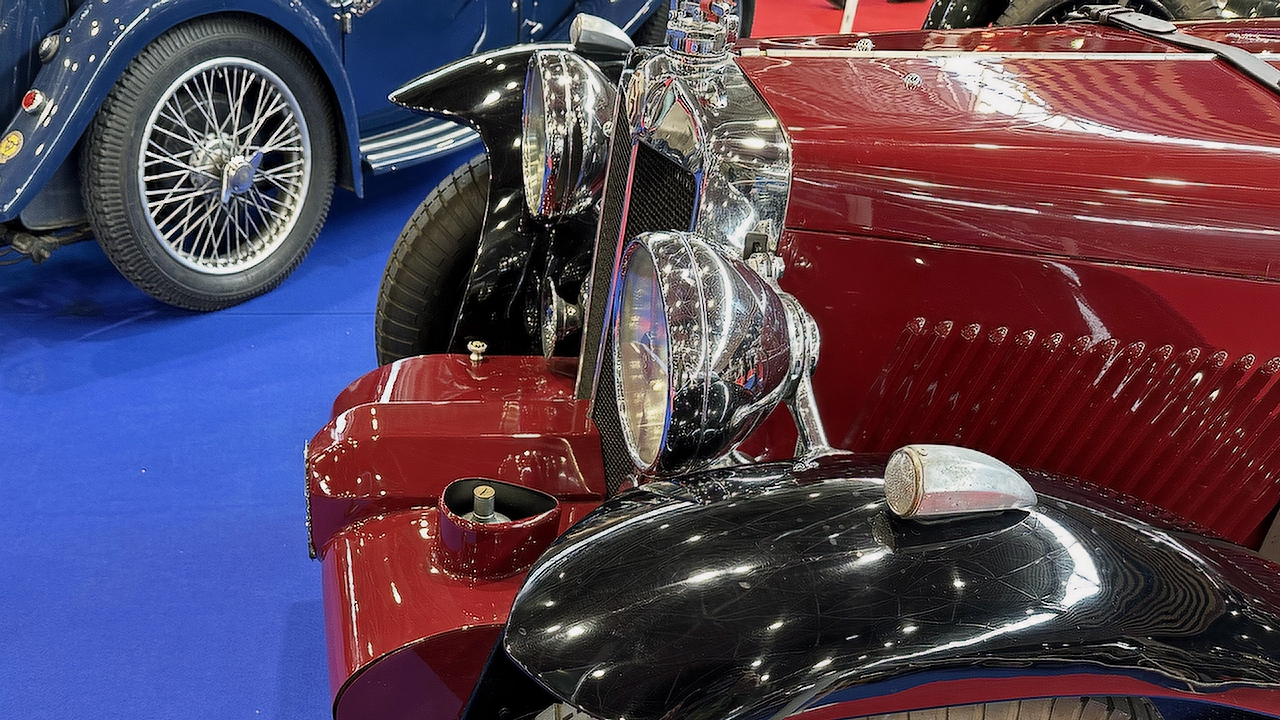
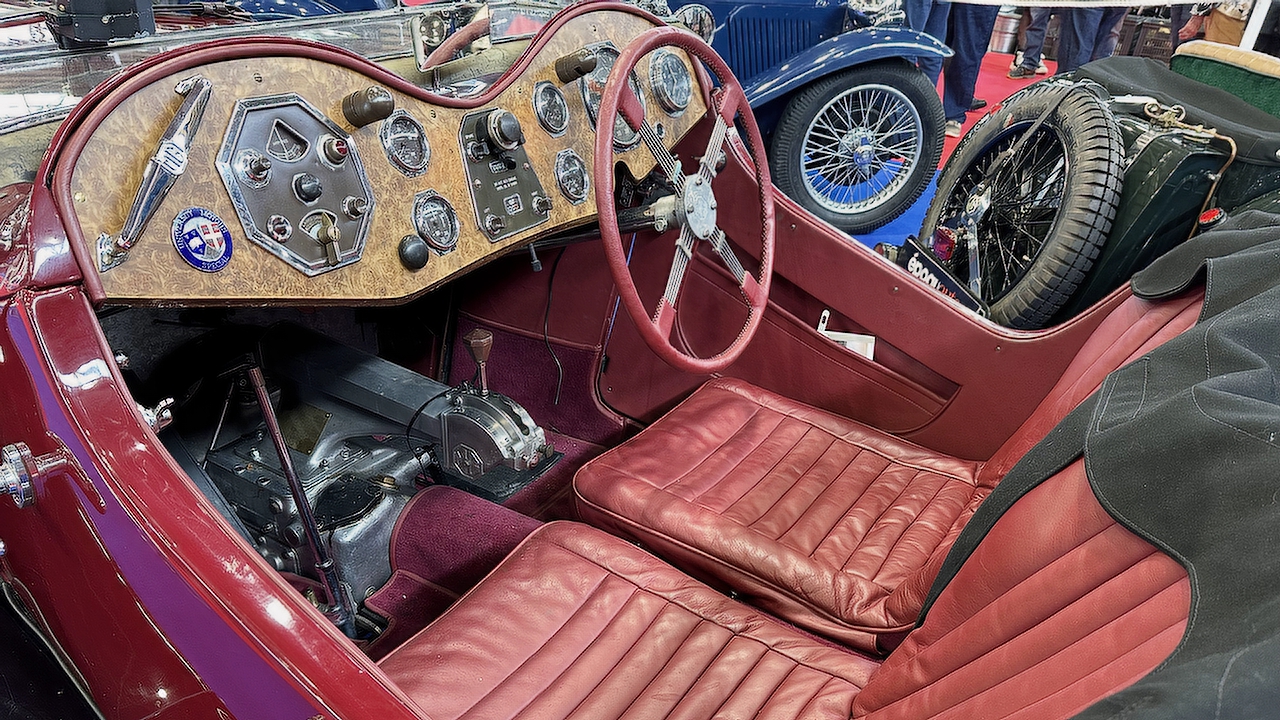
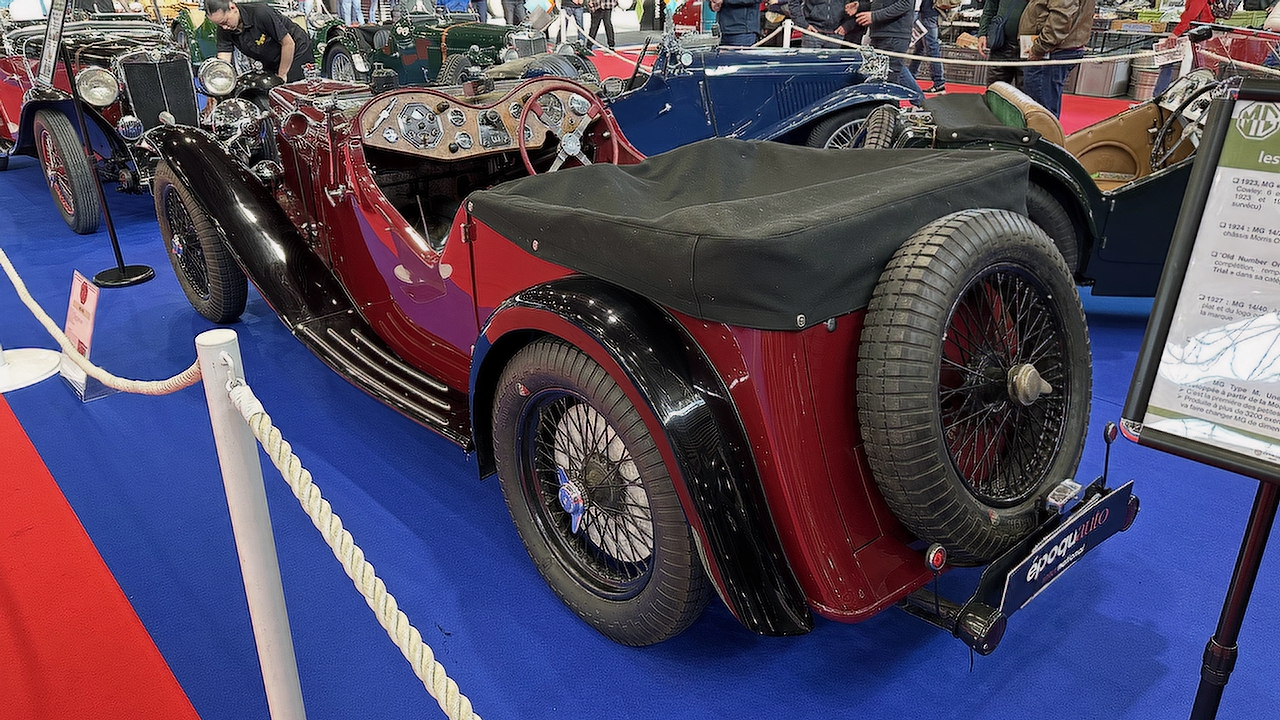
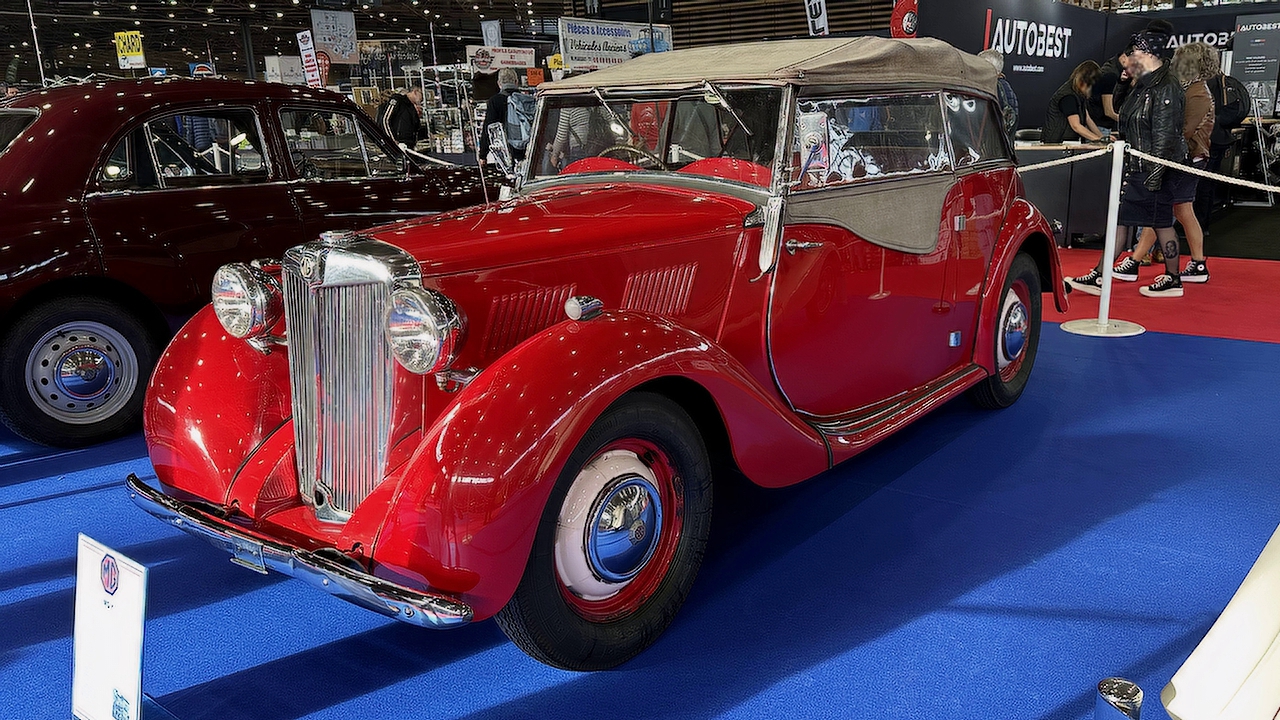
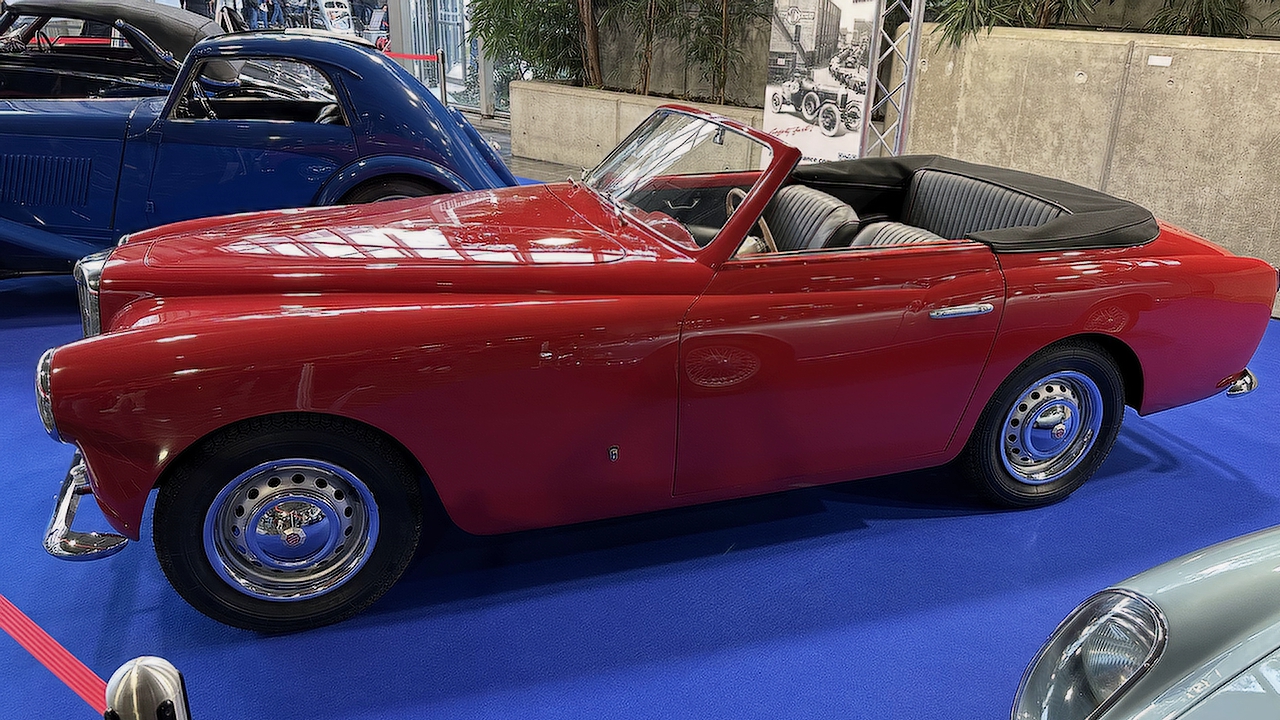
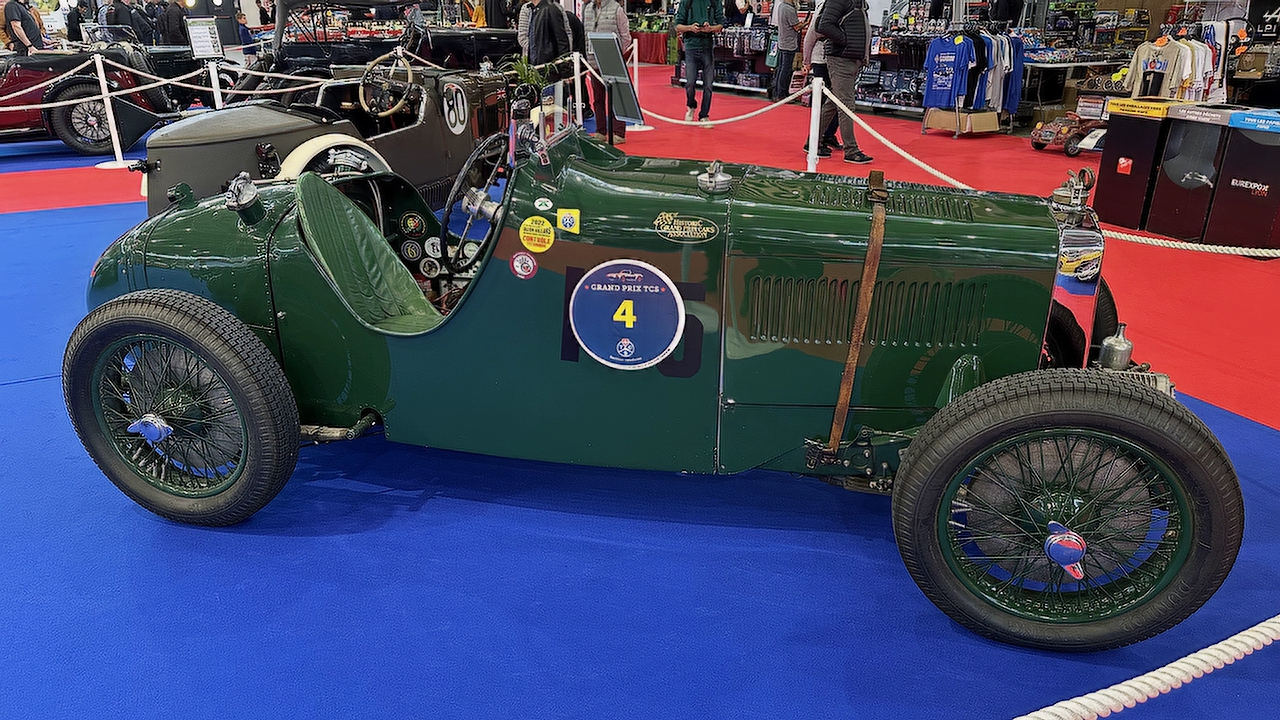
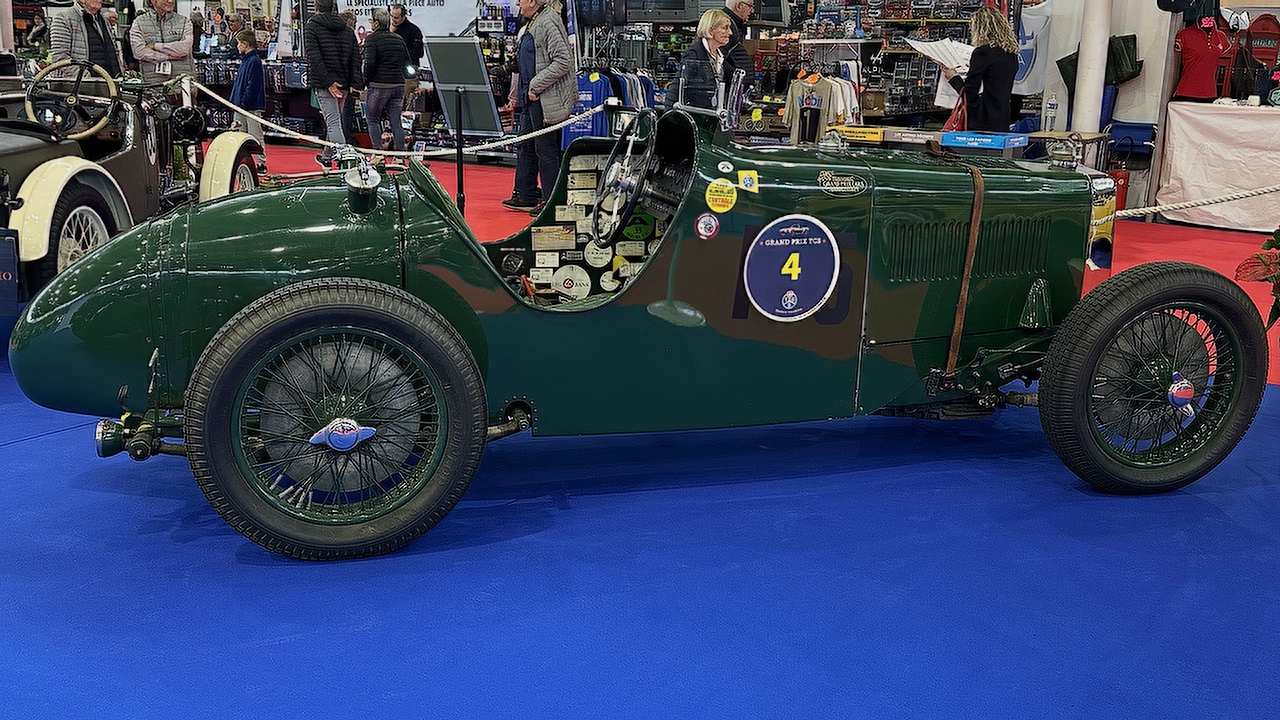
The other cars are: R4; several MG, a green 1933 MG L2 Magna (two-seater roadster, I6 engine), red 1934 MG KN Magnette (four-seater tourer, KD I6 engine), red 1948 MG Y (four-seater tourer, I4 engine), red 1953 MG TD Arnolt (designed by Bertone for Harold Arnolt).
Another MG got my attention. A green 1934 MG K3. I like the MG K3 very much, especially the 1933 form. The 1934 model, with the pointed tail, is also great, too. This car, K3026, was also exhibited at Retromobile 2024. Since the 1980s, this famous car has been registered in Switzerland.
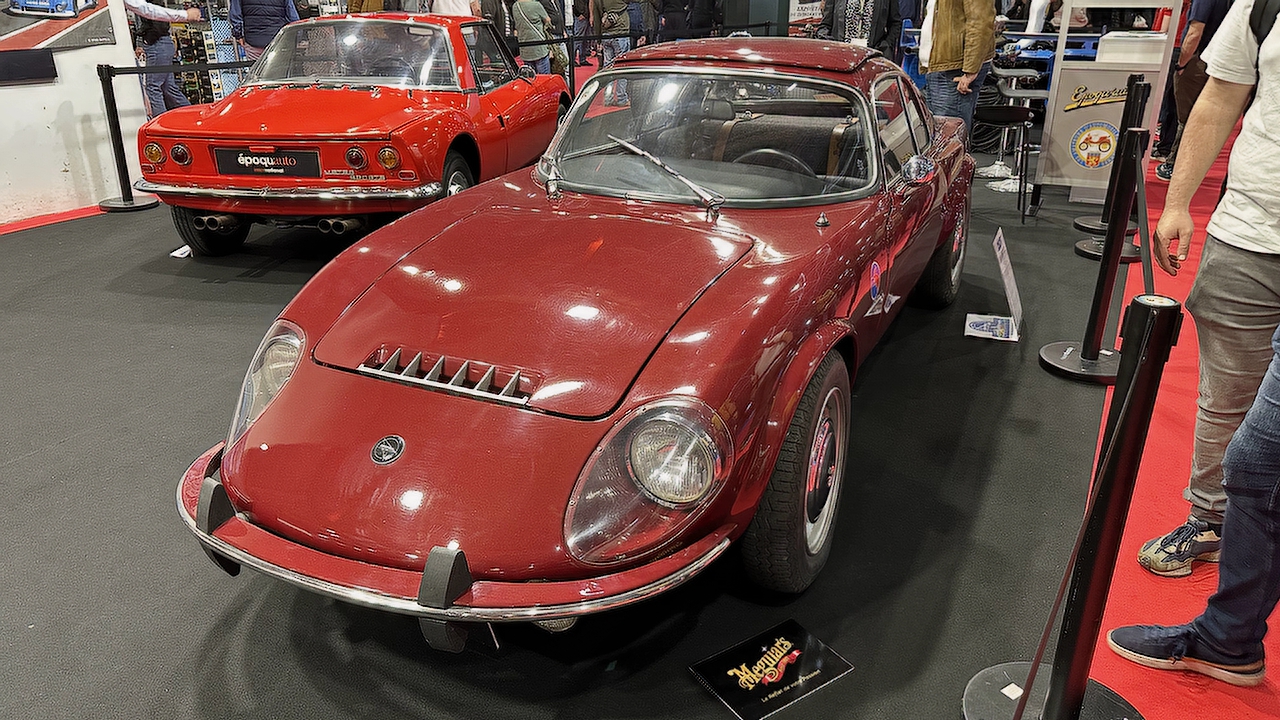
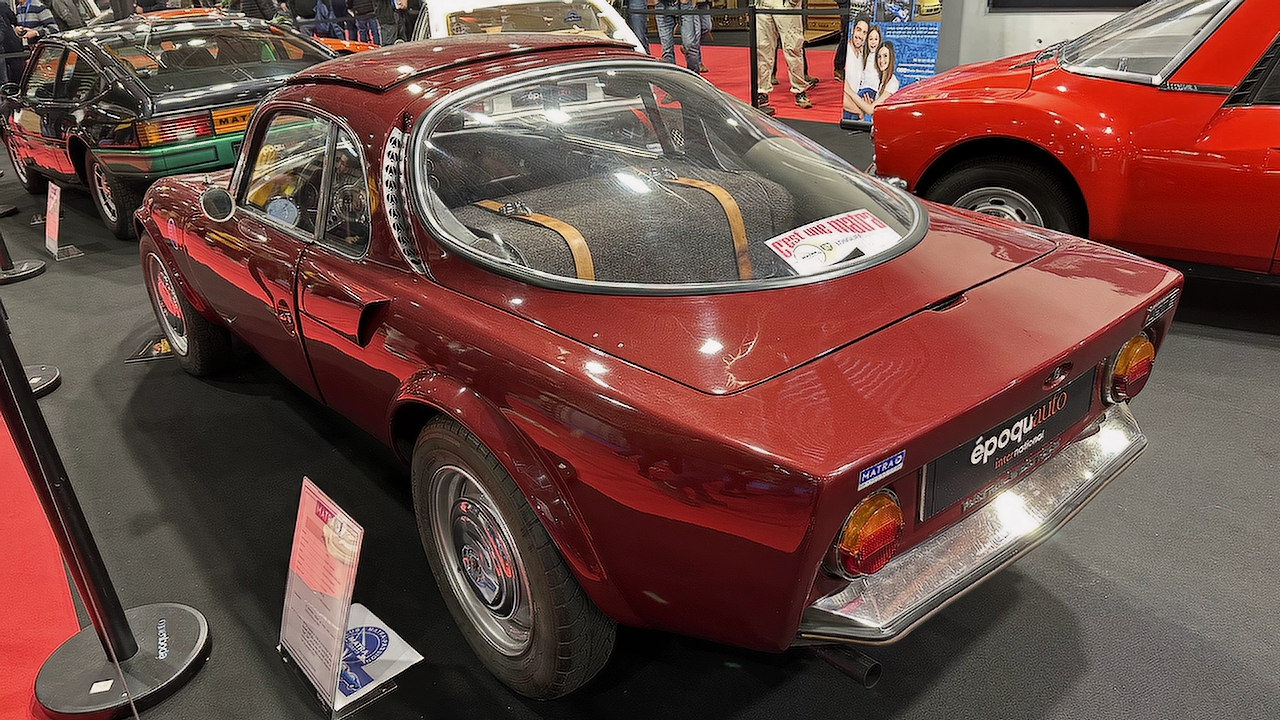
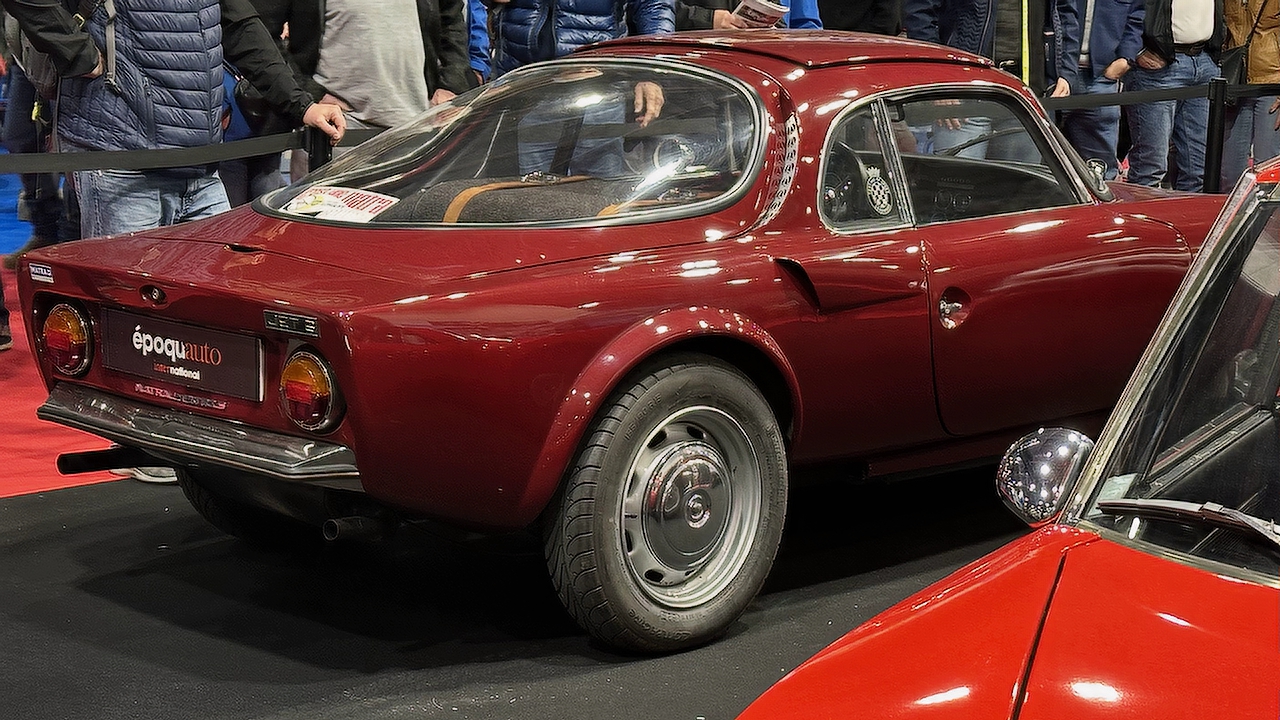
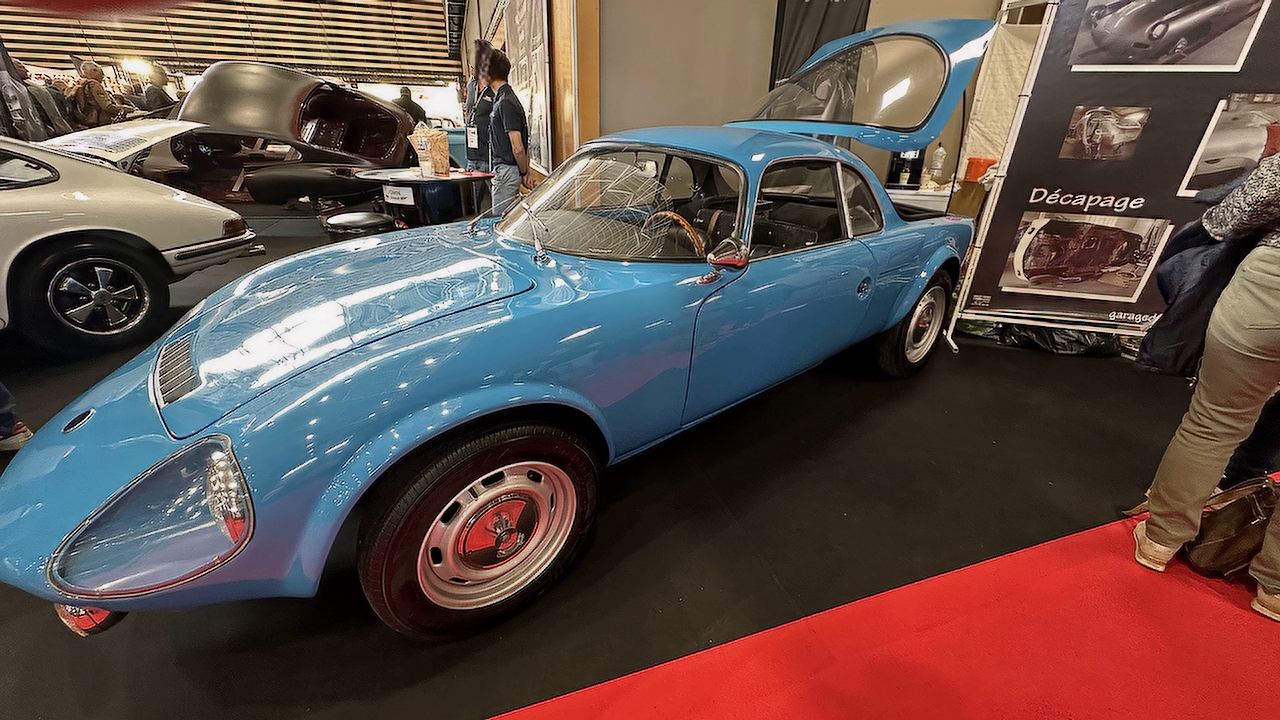
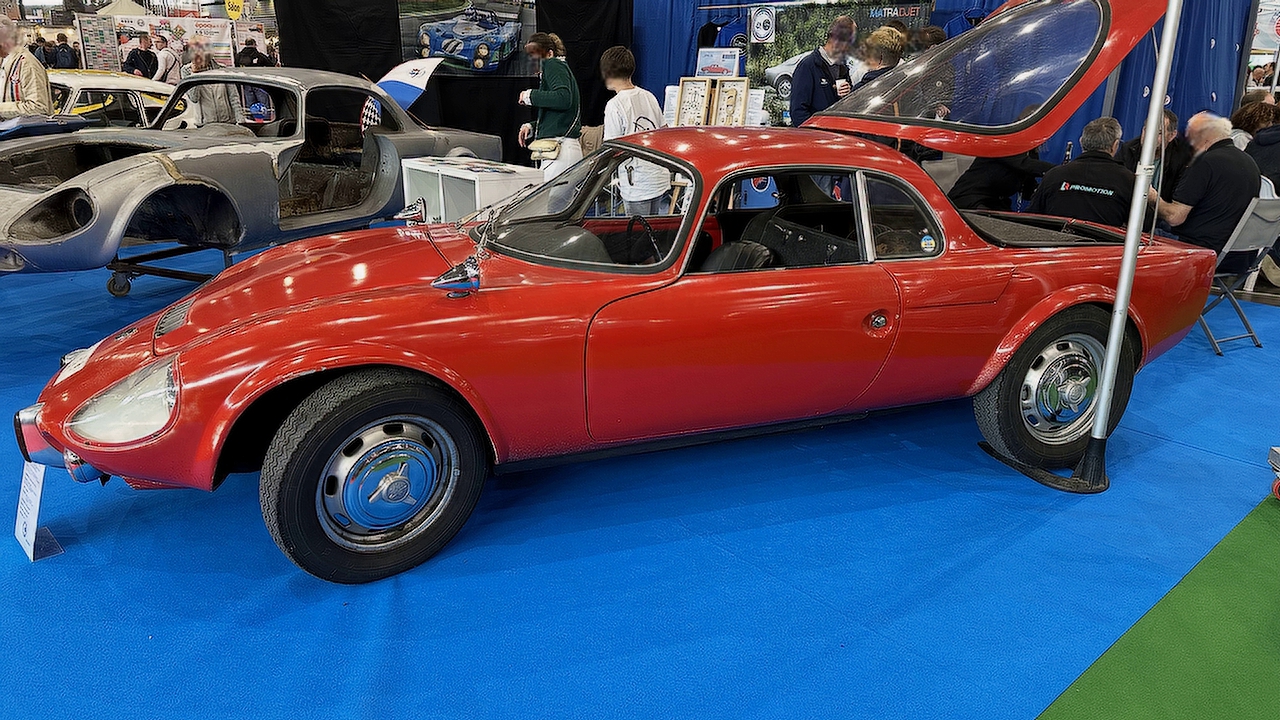
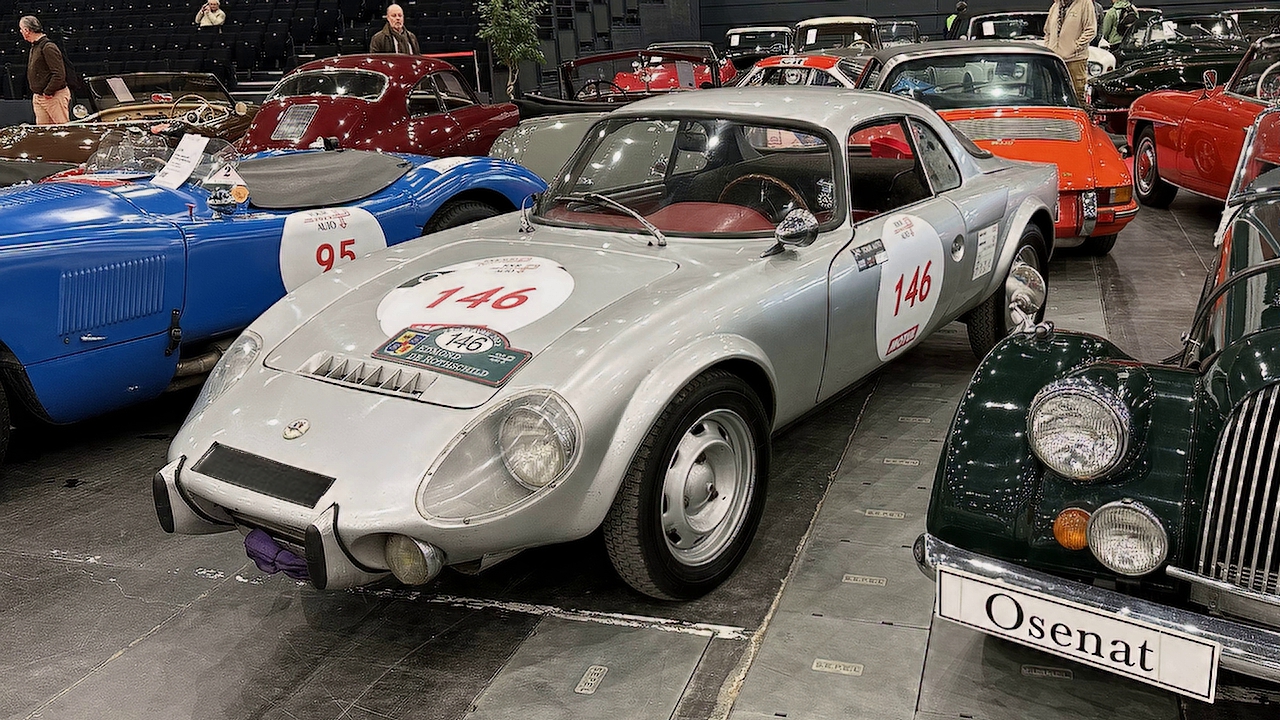
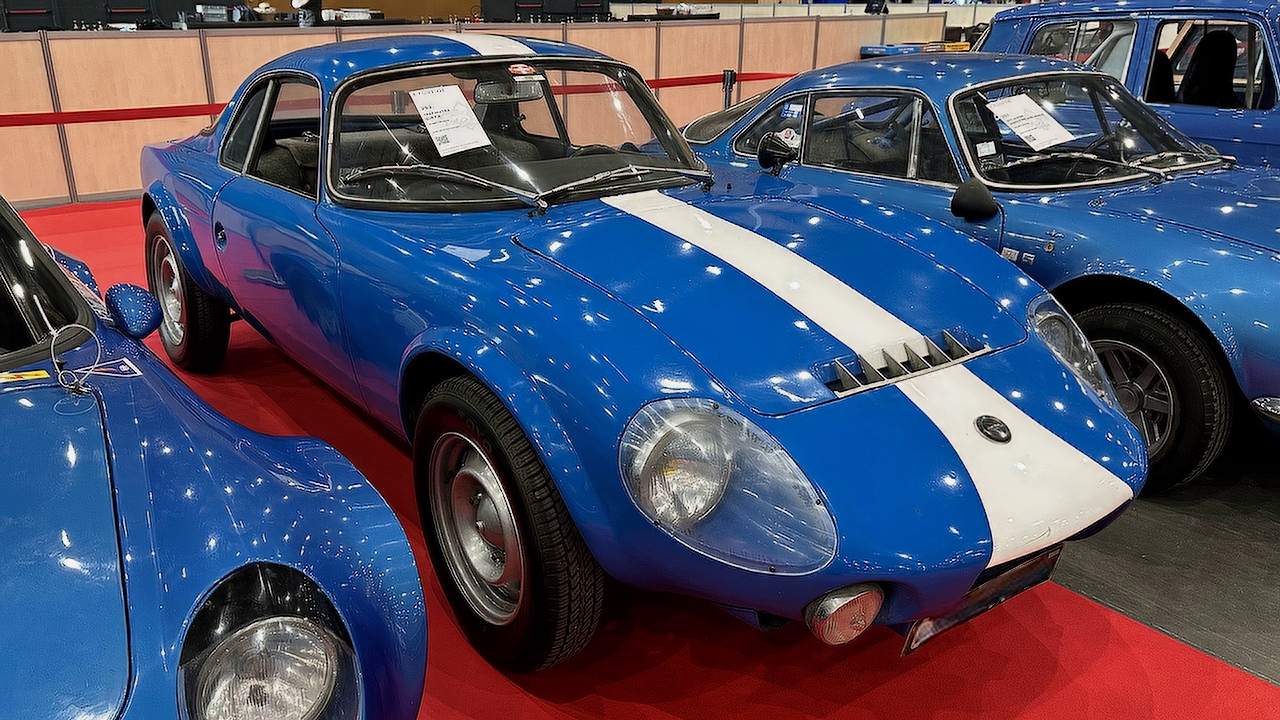
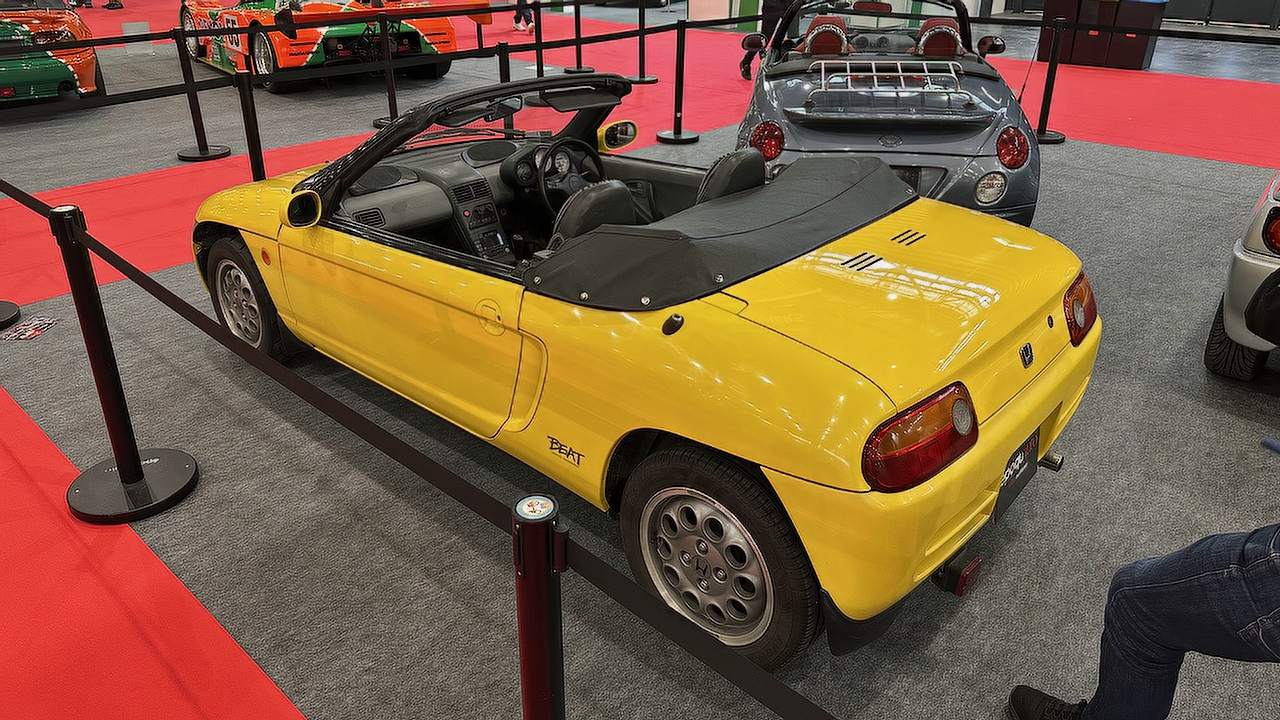
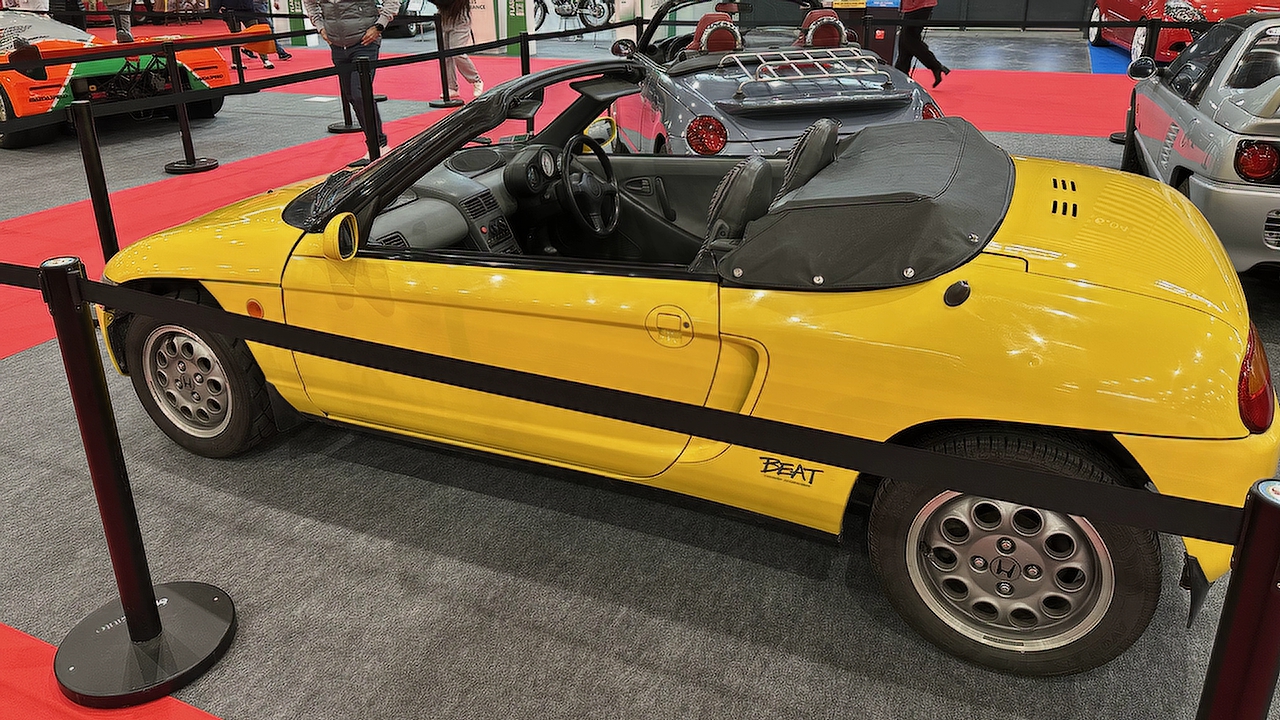
And to finish, we have a bunch of Matra/René Bonnet Djet/Jet (at least seven were exibited) and a quite rare Honda Beat.
Links
More about the is event on the official webpage. About the organizing team, see the club's webpage for more details.
More about this event can be found on our Instagram account or below in the virtual phone. To see the pictures, swipe them with your finger (mobile devices) or your mouse (desktop).


Did you think MGs were only for young rebels craving freedom? Not entirely. MGs can also be truly elegant GT cars, for ladies and gentlemen, like this Berlinette by Coune, based on the MG B Roadster.
Jacques Coune was a Belgian coachbuilder who designed and built a variety of cars. He presented his Berlinette concept before BMC developed and launched the official MG B GT in 1965. Around 60 MG B Coune cars were produced.
Thanks Mr Coune. Very stylish. Very classy.
PS: This 1964 model was exposed at Epoqu'auto 2024.


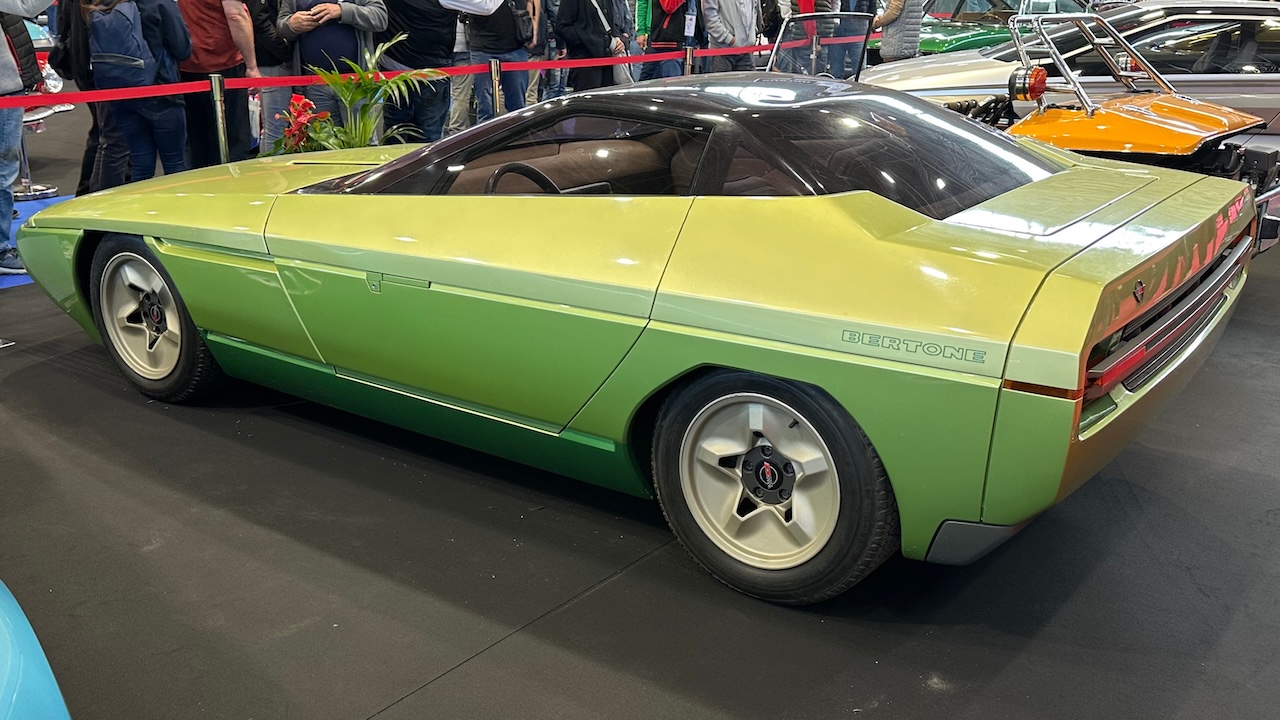
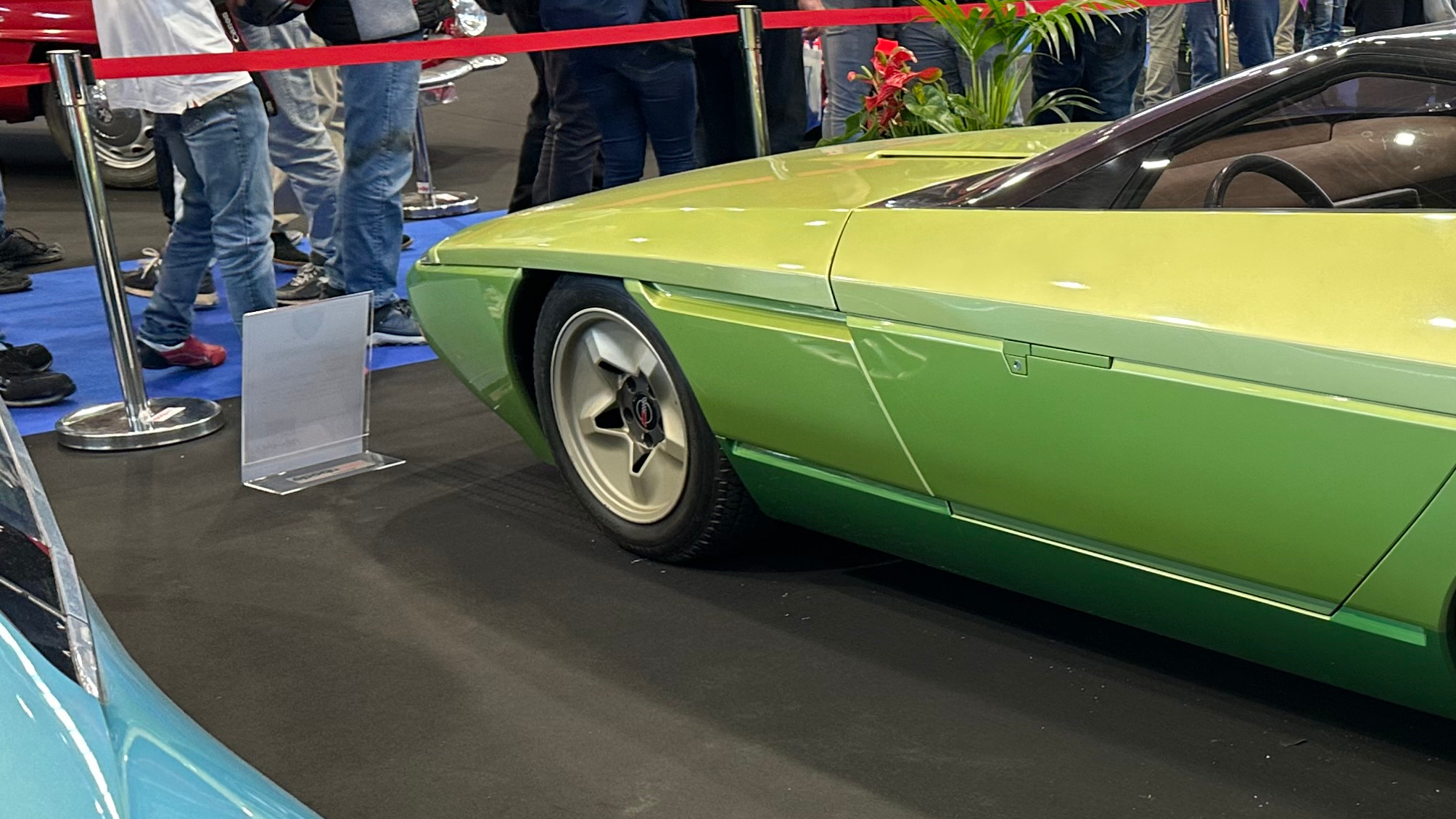
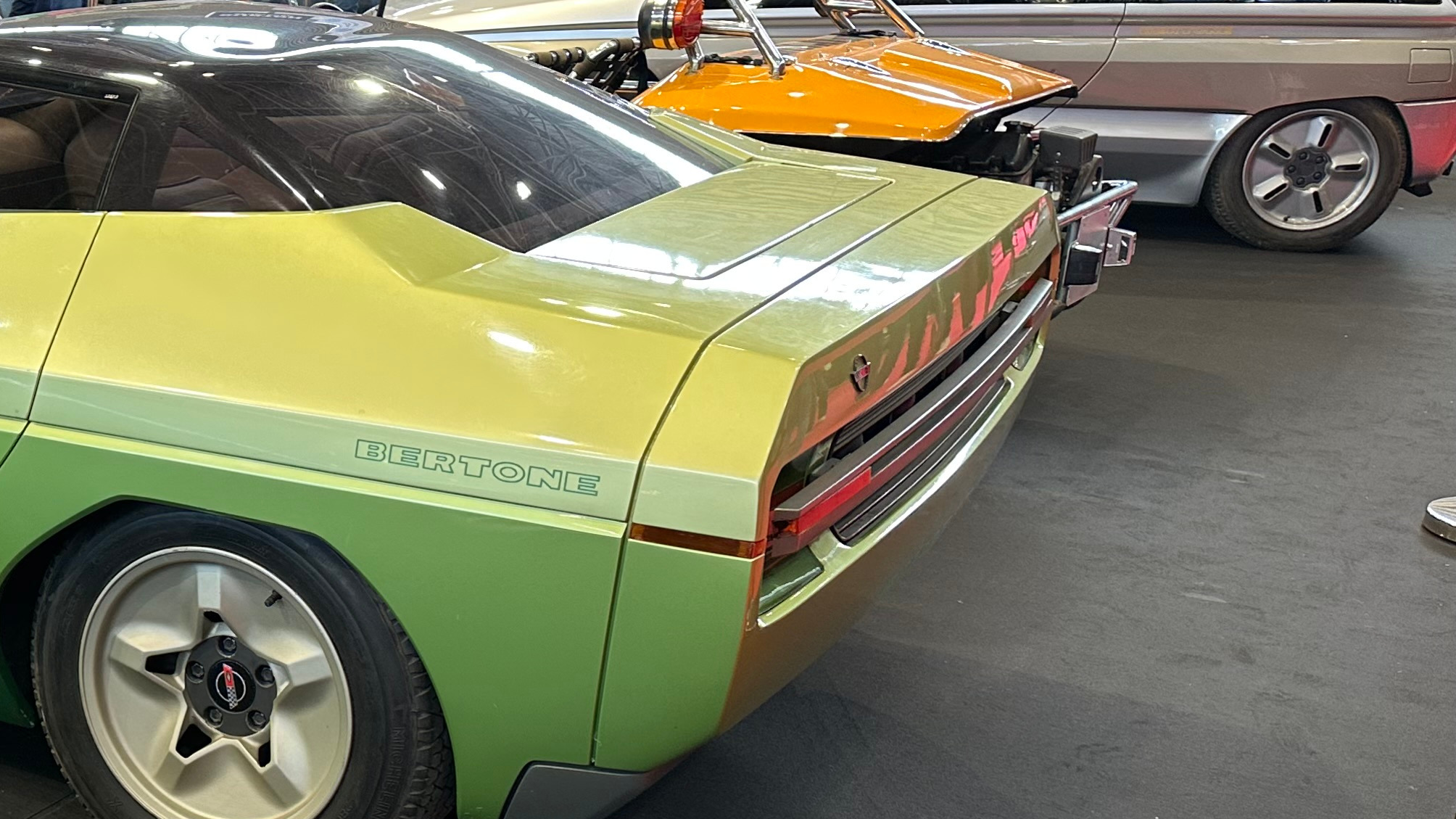
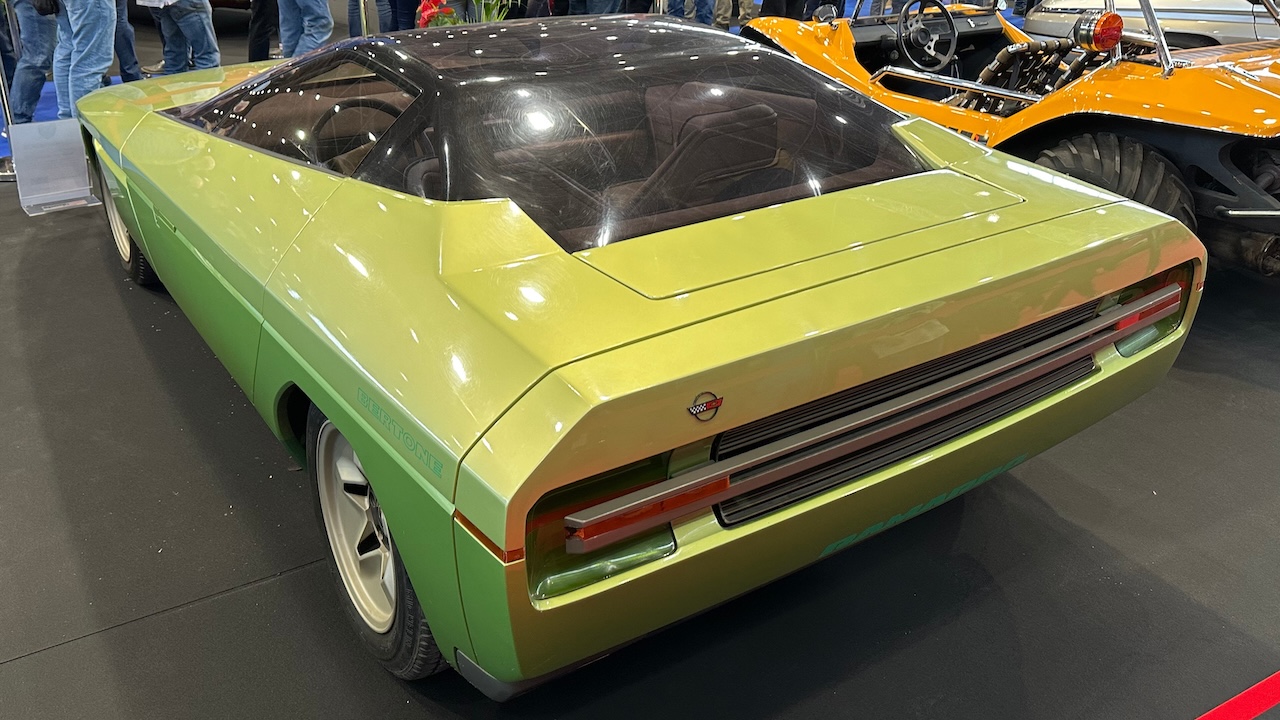
Last night, I was digging through my pictures and found this great Bertone Ramarro Corvette. It is a one-off concept car created by the Italian Carrozzeria Bertone in 1984. It is a Corvette C4, but with Bertone's unique styling twist. The Ramarro (meaning green lizard in Italian) featured a bold, aerodynamic design with a sleek, low profile and distinctive lines that made it stand out from the standard Corvette. Its body had an aggressive, wedge-like shape with sharp angles. While it was never intended for production, the Ramarro Corvette shows Bertone's ability to reimagine an American icon with European flair and style. Thanks, Bertone.


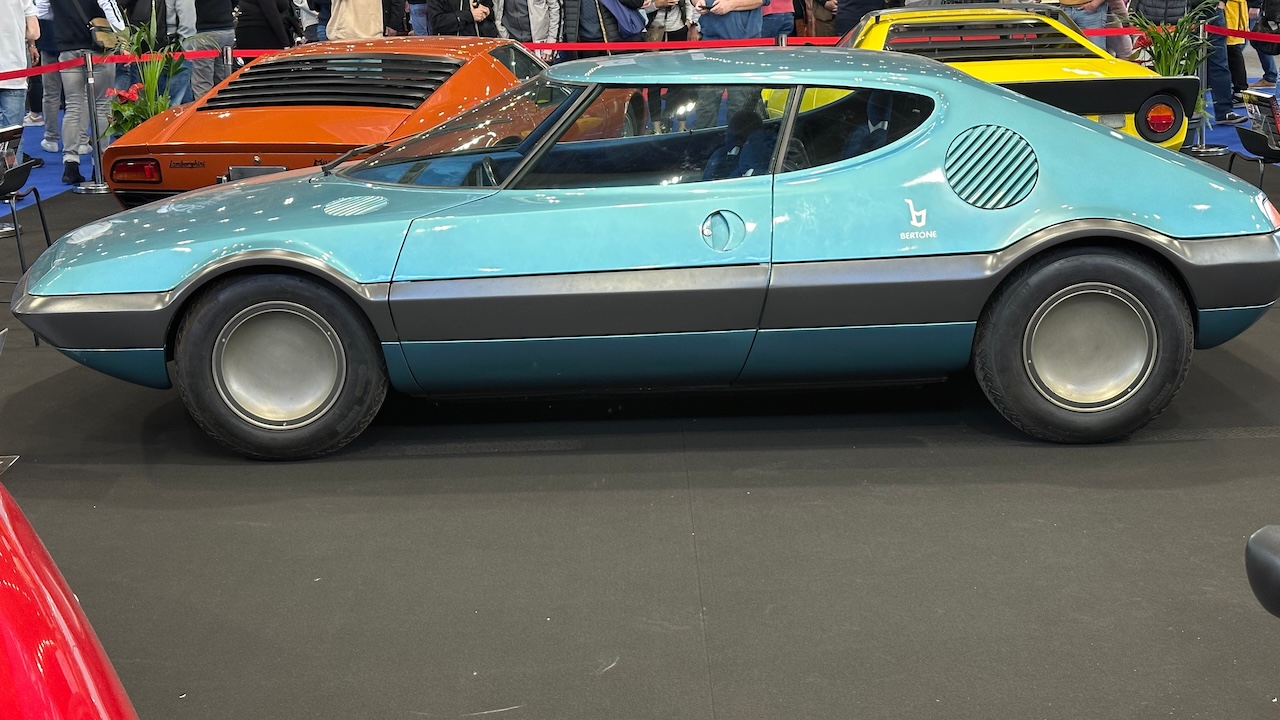
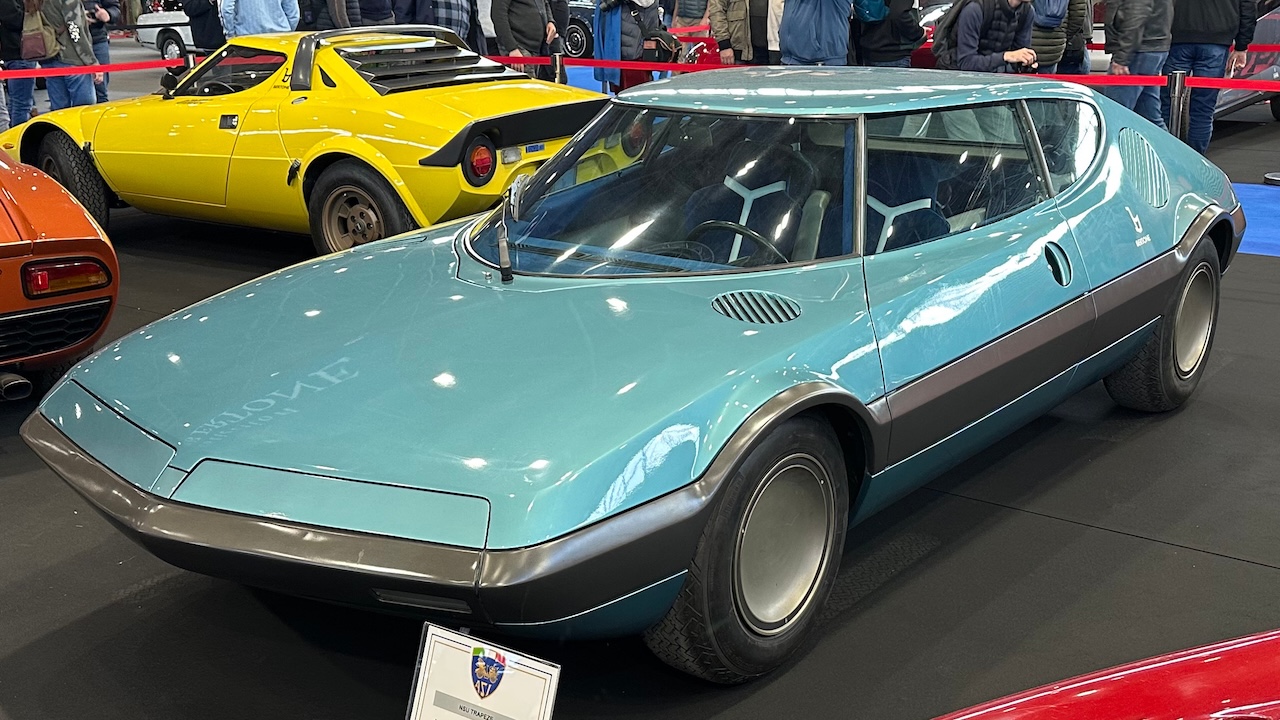
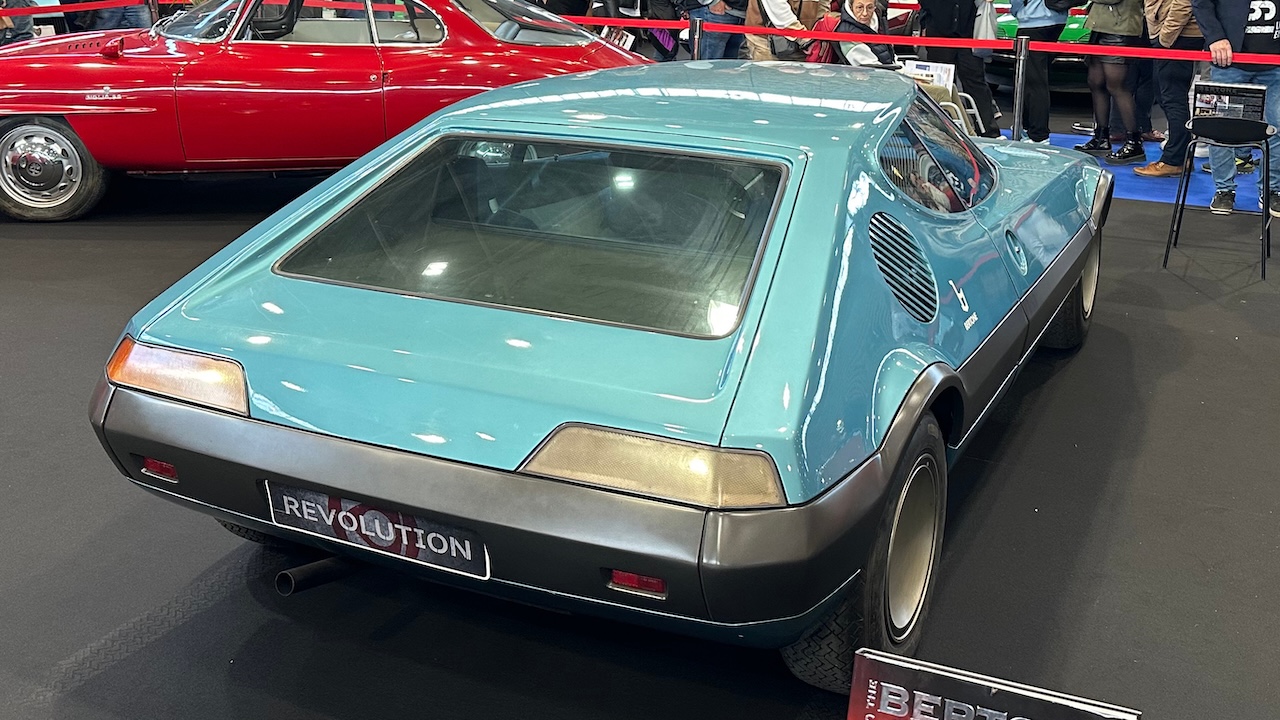
What's that? A concept car. The NSU Trapeze was designed by the Italian Carrozzeria Bertone in 1973. It shows a strikingly futuristic design for its time. It is a two-door coupe with a radical approach to styling, including sharp angles, a smooth roofline, and a helmet-visor-like wraparound window. Between the rear pair of seats, the compact Ro80 Wankel engine lays amidship. This powertrain placement puts the four seats in a trapezoid-like layout (hence the name, Trapeze). Though the Trapeze never made it into production, it remains a memorable example of Bertone's creative vision. Thanks, Bertone.


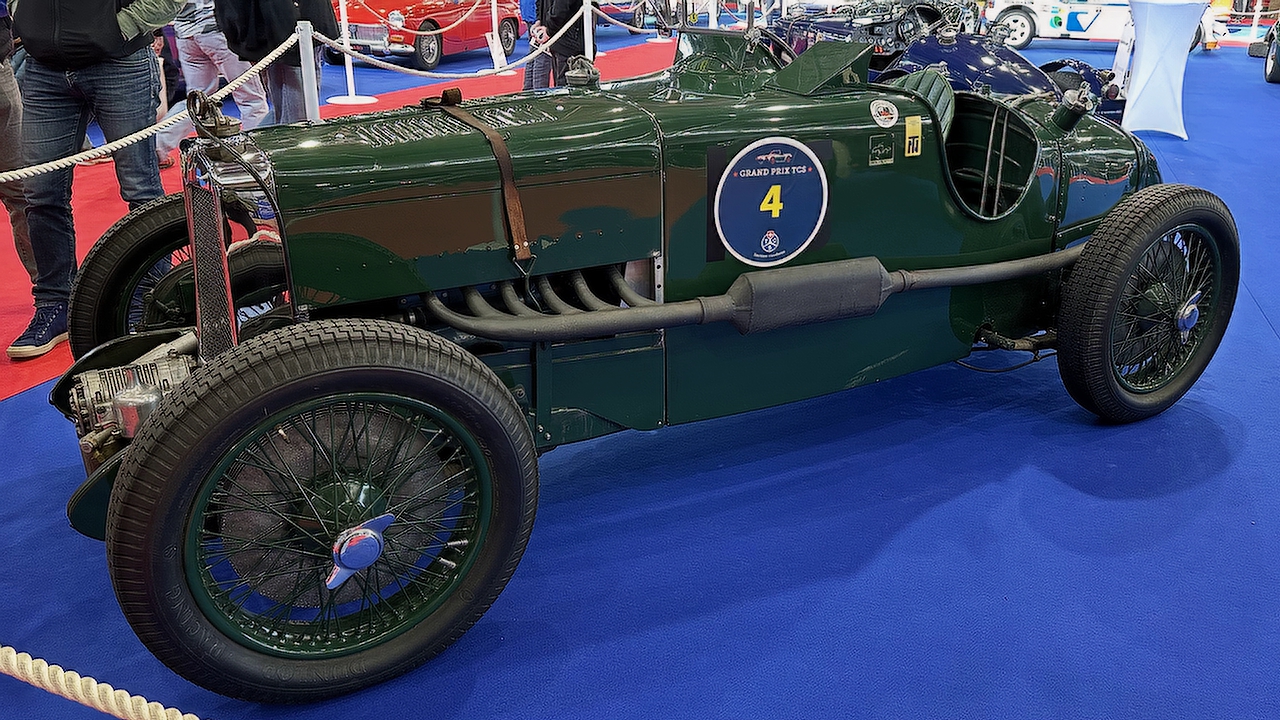
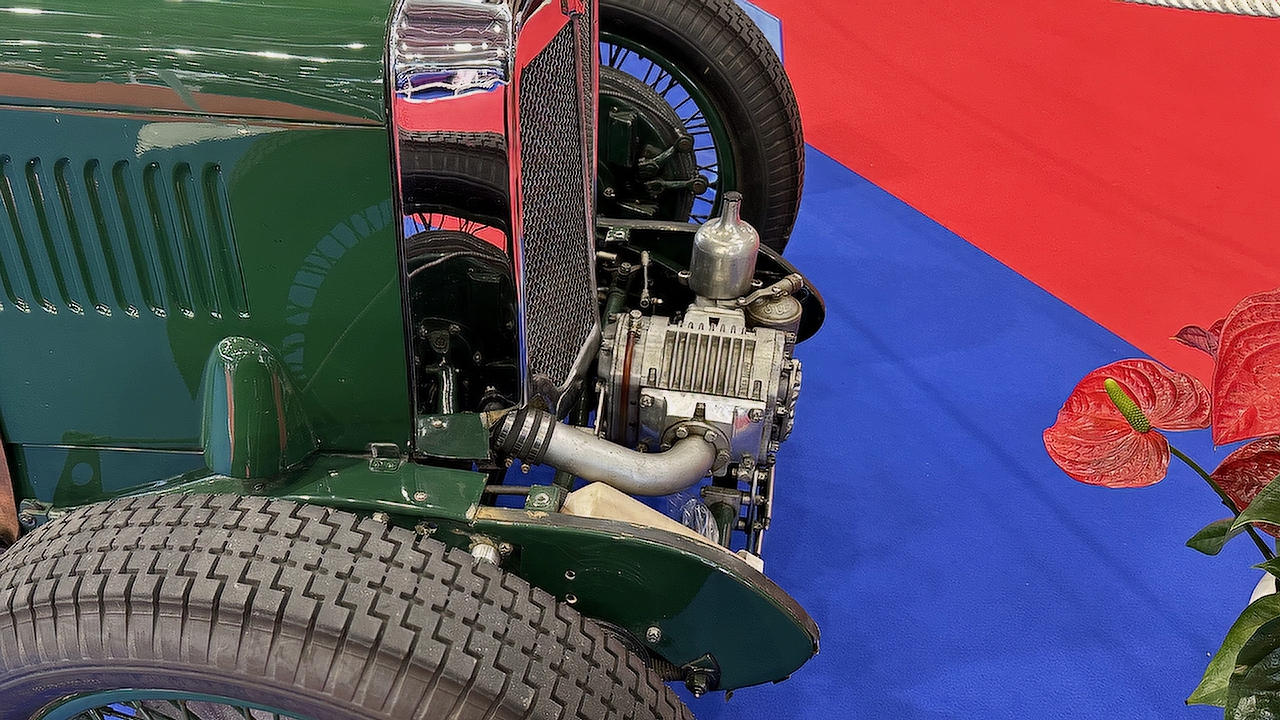
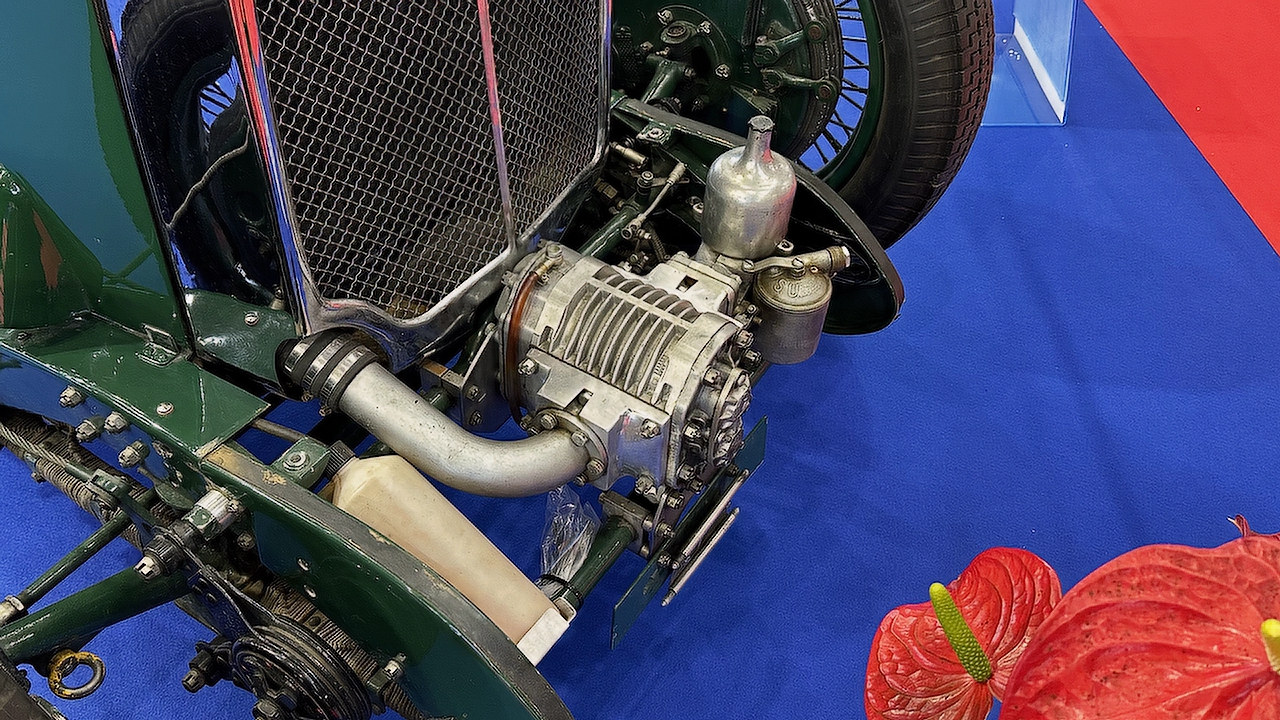
Amilcar C6. French sport car produced between 1927 and 1931 or 1932 depending on the sources. Elegant design and advanced engineering for its time. This C6 features a supercharged 1.1-liter 6-cylinder engine, offering a blend of power and smooth performance that made it a popular choice for racing and high-end road driving. In a nutshell, this is the client version of the CO and MCO racing versions. Splendid.


V12 Century by... Toyota, seen here at Epoqu'auto 2024. G50, second generation, produced between 1997 and 2017. The details are as interesting as the bespoke V12 engine: logo on the c-pillar, Japan-styled mirrors on the front fenders, and shades with laces and embroideries for the rear and side windows. I read that the rear seat occupants are able to move the front passenger seat from controls in the back, to ensure optimal positioning of the foot and leg rest. My local Toyota dealership would be surprised if I'd show off with such a car... I keep dreaming about it.


These pics show the magnificent, painted metallic champagne, Citroen GS Camargue, a concept car first revealed at the 1972 Geneva motor show. The name comes from a region on the south coast of France. The 2+2 GS Camargue Coupé wowed with its bold geometric lines, elegant roofline, and wheels and rims that looked like giant bass speakers. It was designed by the Italian company Carrozzeria Bertone and uses GS mechanical components. The car was a bit wider and markedly lower than the original GS. The car retains Citroën’s trademark stance of a more pronounced overhang in the front than at the rear. Nice touch. Great car. Great concept.


R4 Parisienne, produced between 64 and 68. A luxurious, small car. So luxurious, maybe not, but a good point for the marketing division of Renault. This is amazing how the wickerwork pattern on the sides transform the car. The concept - in a nutshell being nice to female customers - came originally from the French fashion magazine Elle. Very nice.


R4 F4 Service (fourgonnette). Just a personal note here. It reminds me of my vacations in the South of France as a kid in the 1970s, when the local dealerships used to have such vehicles as service cars, with similar colored motifs. This picture, not the car itself, is in fact a time machine. Thanks, Renault.


Another car built by Chapron, Salmson Randonnée Cabriolet G72 Ter 1954. Splendid, Cotal gear box, DOHC, double-barrel Weber carburetor, alloy engine. Not bad. According to the owner, 13 cars were produced. The brand disappeared in 1957. Although I will be happy to own and drive this beauty, this car illustrates the beginning of the end: expensive, prewar design, separate chassis frame, or even RHD in France. A few months after this car was produced, Citroën presented the DS 19 at the Paris motor show. You understand what I mean. This car, seen in Lyon, was also displayed in the French Mag Gazoline in April 2022. Vraiment très jolie.


And here again, several Panhard at Epoqu'auto 2024. 24CT. Twice. The 24 was the last model built by Panhard. You know, the brand shamefully killed by Citroën... if you are short-sighted. The real story was a bit more complicated than that. By the way, have a look at the excellent book Un mariage de raison?. The book is worth reading anyway.


Panhard. A lot of Panhard at Epoqu'auto 2024. This one is a PL17, which follows the Dyna Z. It was produced at the end of the 1950s and beginning of the 1960s. PL means Panhard et Levassor, the brand creators. 17 means - fasten your seat belts - the sum of six seats, six litres for 100 km, and 5 CV (French tax system), which makes 17. I am not sure, this is true, but it clearly makes sense.

MG WA 1939. All WA are rare, but this one was built by Reinbolt and Christé, famous coachbuilder in Basle, Switzerland. They used to run the business from 1900 to the 1960s. Although this is a recreation, based on a saloon WA, this roadster is quite unique, because it was built at the end of the seventies by a well-known, Swiss body shop with help of former employees of Reinbolt and Christé. A very nice story.

Splendid Hotchkiss presented at Epoqu'auto 2024. This is a 1936 Coupé basque 680. Designed by Alexis Kow, this was the star of the Paris motor show. It is powered by a 6-cylinder engine giving around 85 hp. According to the new naming scheme adopted the same year, 680 means 6 cylinders and a bore of 80 millimeters. Très belle automobile.


CX 2000 Super, color delta blue, if I am not mistaken. So it should be a 1975 or 1976 model, years when this color trim was offered. Quite a rare view. I like it because, this is almost the base version.

Epoqu'auto 2024 was an event for families, according to the organizing team. Here is an example. A grandmother with her grandchild. Two Riviera built by Buick. The left car is a late sixties model (second generation), while the right car is a model from the late nineties (eighth generation). Actually not a lot in common in terms of drivetrain, displacement, or number of cylinders. However, Buick's spirit, fast with class, is well embodied in these two cars.


A selection of GS which attended Epoqu'auto 2024. Why? Because I grew up with several GS Station Wagon. All colors, all trims, from the 1015 model with the round door handles (inside) to the GSA range. A great journey. Thanks, dad.


Ahh, not a R12 again! Wrong. This is a Dacia. It looks like a R12, it smells like it, and it probably drives like it, but it is not a Renault. Just check the logo, right? However, do not ask its name, it may be quite confusing. If I am not mistaken: 1210, 1300, 1310, 1410, Denem, Cristal, Galidi etc.


Renault 12 Station Wagon. R12 pour les intimes. Everybody goes for the Gordini R12, which I fully understand. But if you want to attend Epoqu'auto 2024, discretely, making an understated appearance, this blue, cubic diamond is the entry ticket. And this is the lower trim. So great. Thanks to the driver. The R12 was a family car produced by Renault between 1968 and 1980. Available as a sedan and station wagon, it was also produced in many countries across the globe into the early 21st century.

And the same green car as before.


Alpine Ravage. Custom-made Alpine. Seen at Epoqu'auto 2024. The Ravage is almost a 100-percent Made in France car. It smells like Groupe 3 and Groupe 4 rally championship cars of the 1970s and 1980s. And the colors, hmm, so great. Thanks, guy. I am sure René Barjavel would have like it.


And another Hotchkiss Grégoire exhibited at Epoqu'auto 2024, after the Coupé Chapron (see previous post), here is the berline Chapron. This one is a 1952 model. Also designed by Carlo Delaisse, if I am not mistaken, and produced by Chapron. Splendid. Only three pieces were produced.


Rare de chez rare! And seen in the parking space at Epoqu'auto 2024. La Licorne. La Licorne was a French car maker founded in 1907 (actually in 1901 if you consider the brand Corre) in Levallois-Perret near Paris by Jean-Marie Corre. Cars were produced until the end of WWII.


And another Volvo Coupé 262C seen at Epoqu'auto 2024. I like them a lot, see my October 8 post to see two of them. Let's focus on the quad-headlight setup installed on American cars. If I am not mistaken, from 1939 until 1983, all cars sold in the US were required to use sealed beam headlights, i.e. a small enclosed piece containing a bulb and a reflective lens behind a protective glass. Moreover, they used to be round. In the mid-1970s the law allowed the use of rectangular headlights.


The Hotchkiss Grégoire featured front-wheel drive as well as a cast aluminum frame and firewall, if I am not mistaken, i.e. very modern and revolutionary features in the 1950s. In spite of being technologically advanced, sales were quite low, probably due to heavy prices. The company introduced at the 1953 Salon in Paris a Chapron-bodied streamlined Coupé with a sort of panoramic rear window. It was designed by Carlo Delaisse and Chapron produced... seven cars. This car was exhibited at Epoqu'auto 2024.


Peugeot 404 Pick-up, produced between 67 and 88. No comment about the cars. I share the pictures, just to illustrate the variety of visitors attending Epoqu'auto 2024. These two cars look great in the visitor parking space and a bit at odds with other cars.


CX 2200 Pallas, first series with chrome bumpers. Quite a rare view. Seen here in the parking space at Epoqu'auto 2024. The 2200 was the most powerful engine for model years 74 and 75. The 2400 engine appeared later (1976).


I like the MG K3 very much, especially the 1933 form. The 1934 model, with the pointed tail, is also great, too. Here 1934 K3026 seen at Epoqu'auto 2024. It was also exhibited at Retromobile 2024. Since the 1980s, the car has been registered in Switzerland. Splendid. Thanks for showing us this beauty.


Now, it's done. I have seen it. At Epoqu'auto 2024. The concept car Runabout by Bertone. The original one, 1969, not the recreation, 2022 Pebble Beach Concours d’élégance. The original Runabout has a special place in car design history. It is one of the most iconic wedge designs, and a prime example of Bertone's ability to execute a spectacular shape with brilliant simplicity. The small two-seat, mid-engined car was the inspiration for the Fiat X1/9 that appeared in 1972. By the way, it is an Autobianchi. Sort of, because a lot of parts came from Fiat, e.g. 128 and 850 Spider.

Ironic picture? Why? Both Renault had limited success in their time, but for opposite reasons. The left car was too crazy and the right one was too boring. Both seen in the parking space at Epoqu'auto 2024. Nice picture, isn't it? I like both of them.


1939 MG VA Tourer, in the MG stand at the Epqu'auto 2024. Among the prewar saloon cars, SA, VA, and WA, the VA is the little sister, i.e. she has only a four-cylinder engine (around 1500cc) and not a six-pot engine like her siblings. The four-seater Tourer is quite rare, and this one is probably the only one in France.


Seen in Epoqu'auto 2024, Delage D8 Châssis long 1931, 105 CV. From an era when French cars used to lead the world. Have a look at the splendid radiator mascot. However, I do not know if it is a genuine Lalique's Victoire Spirit of the Wind. Anyway, it looks great. This Delage was exhibited on the stand of the Virée d'Antan, museum in Auvergne.


Still browsing the parking space at the Epoqu'auto 2024. Where do you see three Renault Fuego together? The gray one is a 2-litre GTX, the red one a GTL, and the white one a TL. The genius Robert Opron did it again. She was produced in Europe between ca. 1980 and 1986. The R18 was the basis for this Coupé. If I had the choice, I'll go for a Turbo one with US specs. It is not forbidden to dream.
Epoqu'auto 2024. Greatest salon of the year. In the parking lot, I spotted this fabulous Simca 1100 TI. She can be seen somewhat as a harbinger of modern hot hatches such as the Golf or the 205. If I am not mistaken, the engine is the Poissy engine but with two spicy carbs (deux carburateurs double corps).
The Renault everybody loves to hate. Not me. A beautiful diamond in the rough, a R6. When launched, probably not really better than a R4, but more expensive, and not a clear social rank improvement. But now, this is something else. I thank the drivers of such cars, because they stand for their ideas and know how to enjoy these cars.