


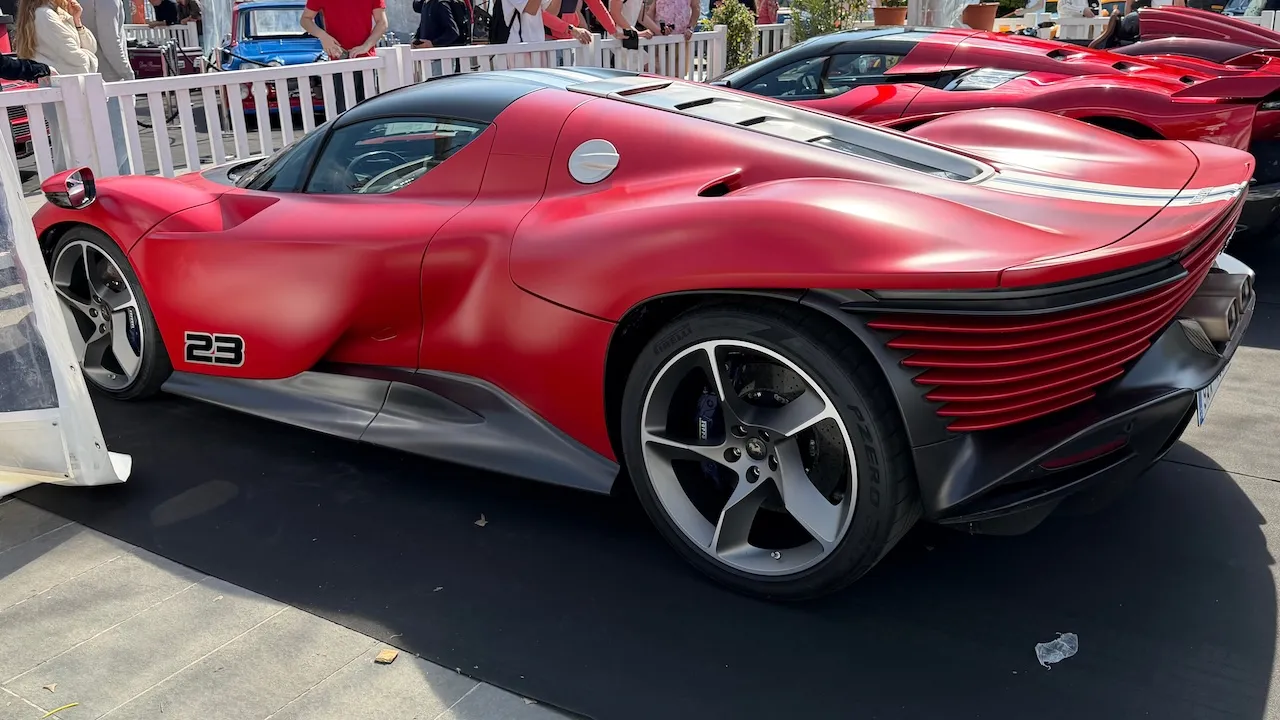
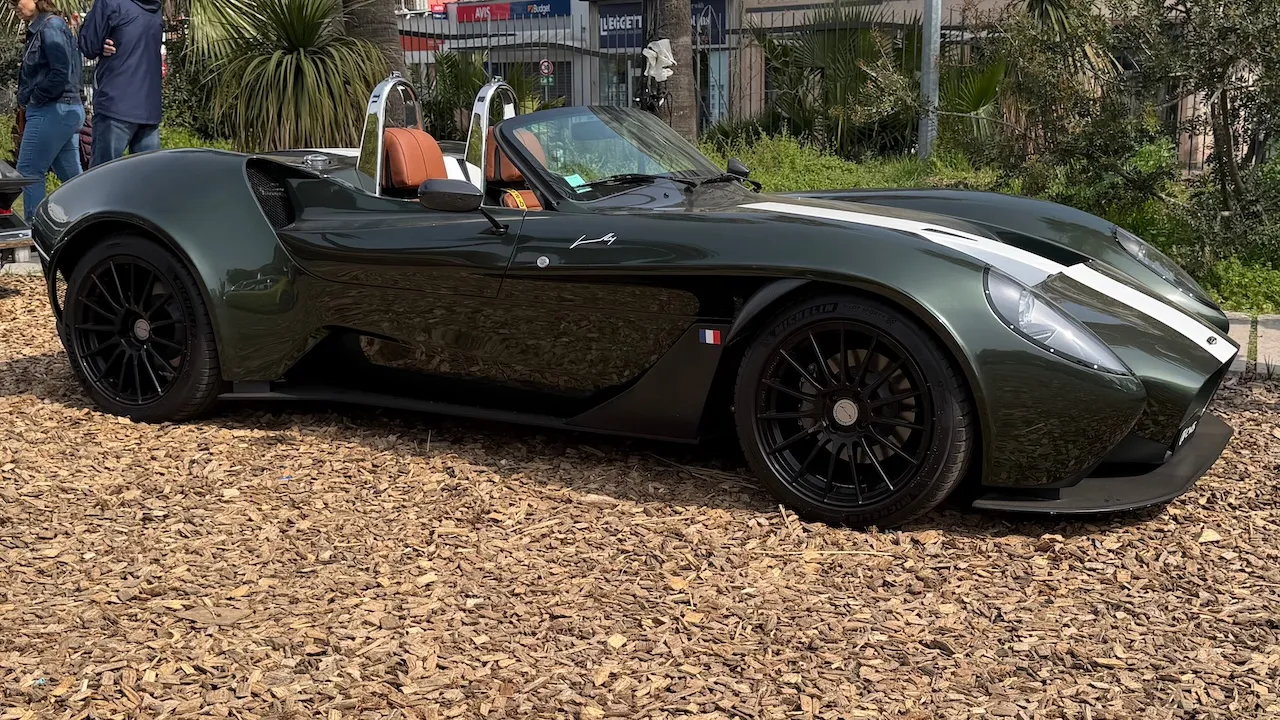
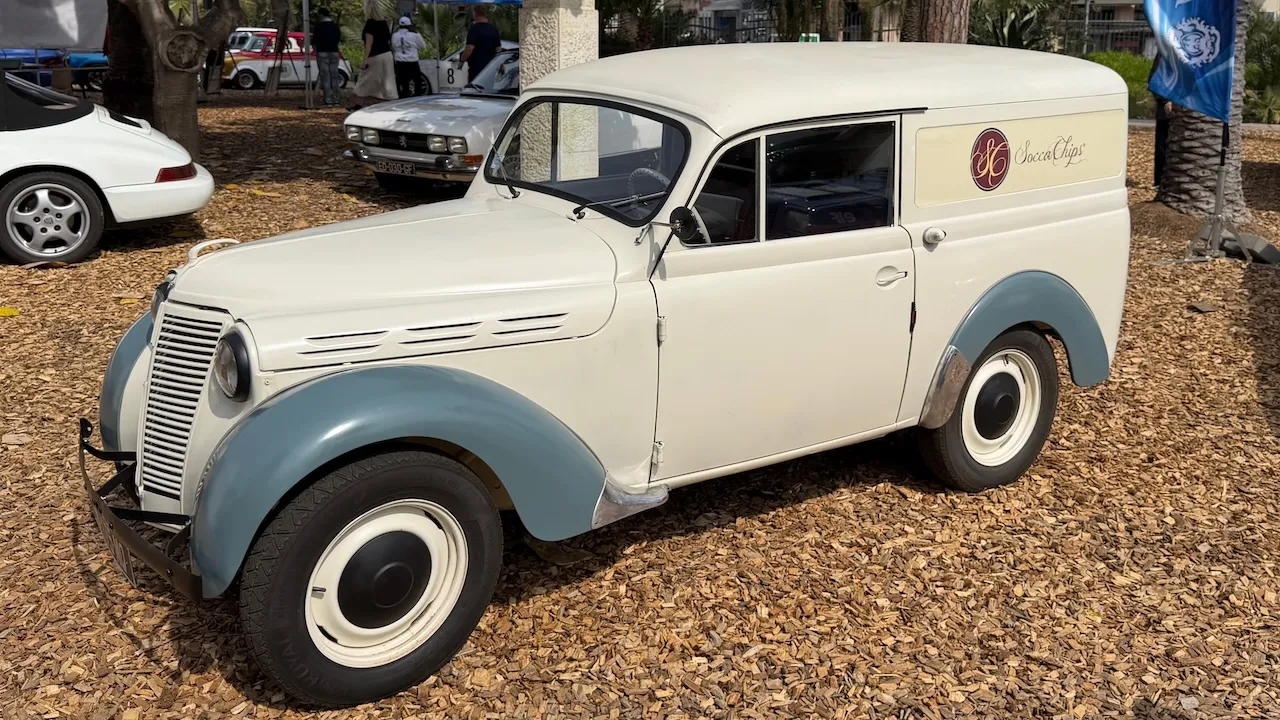
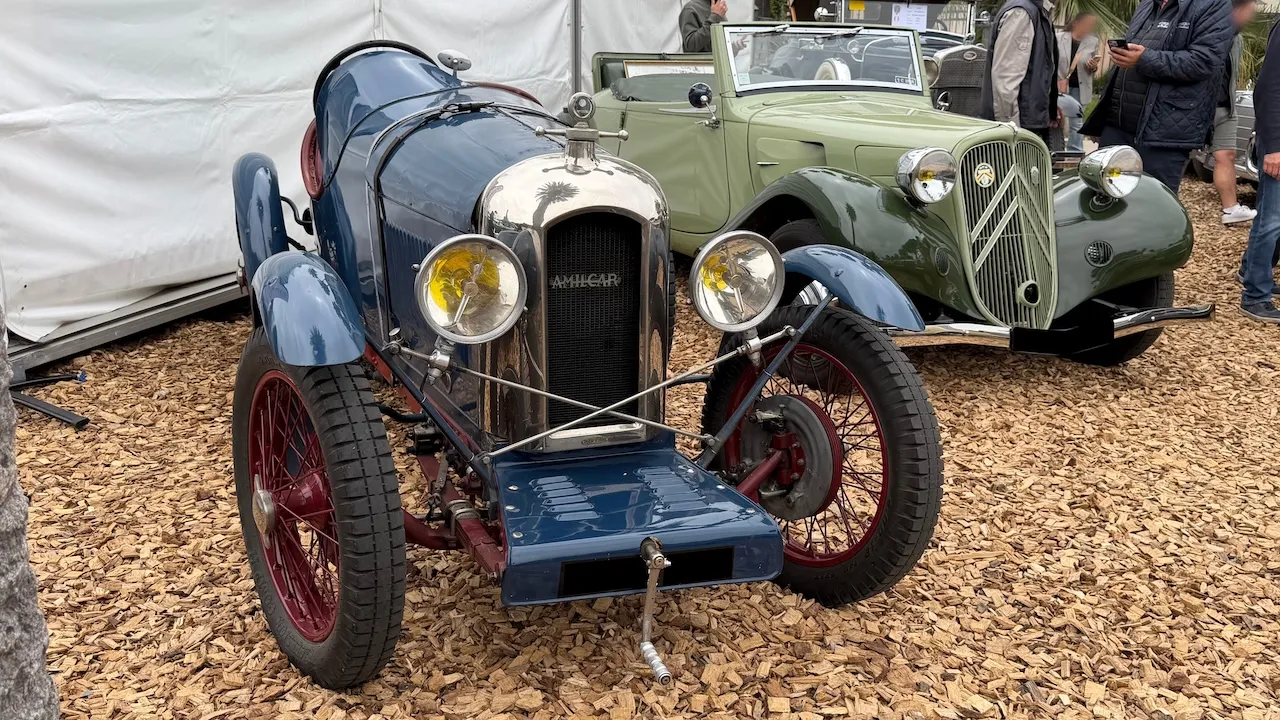
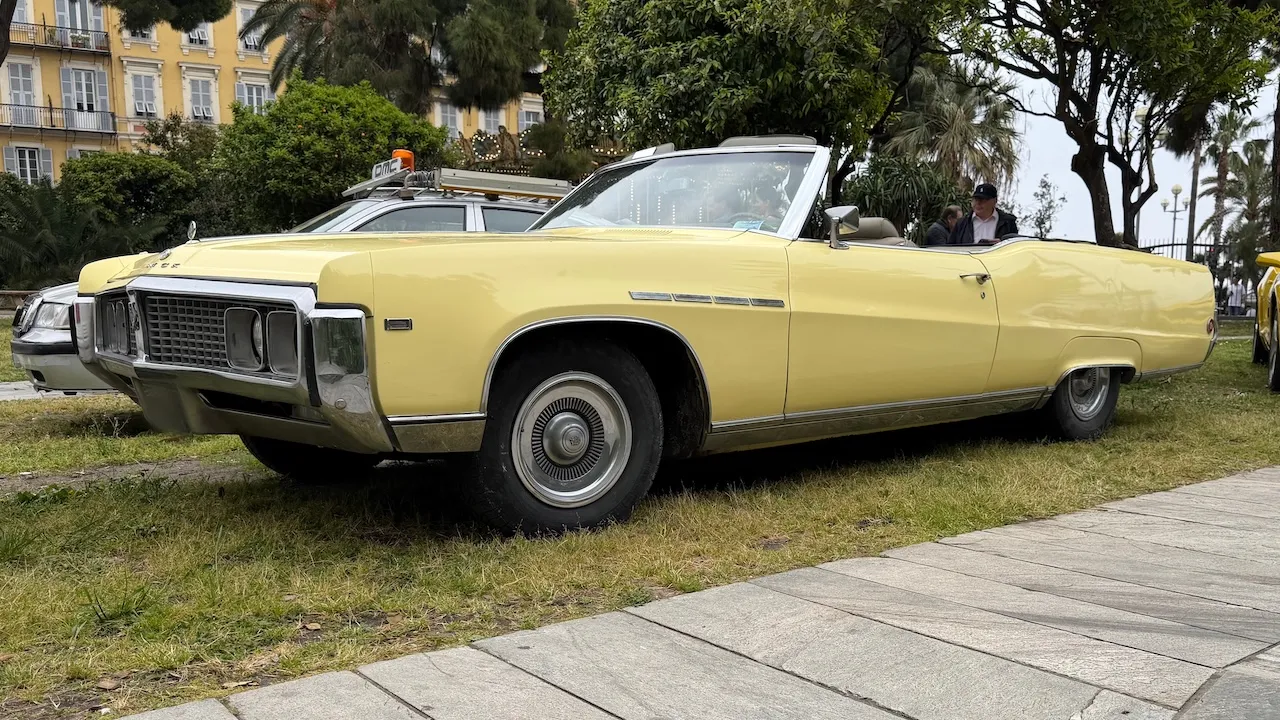
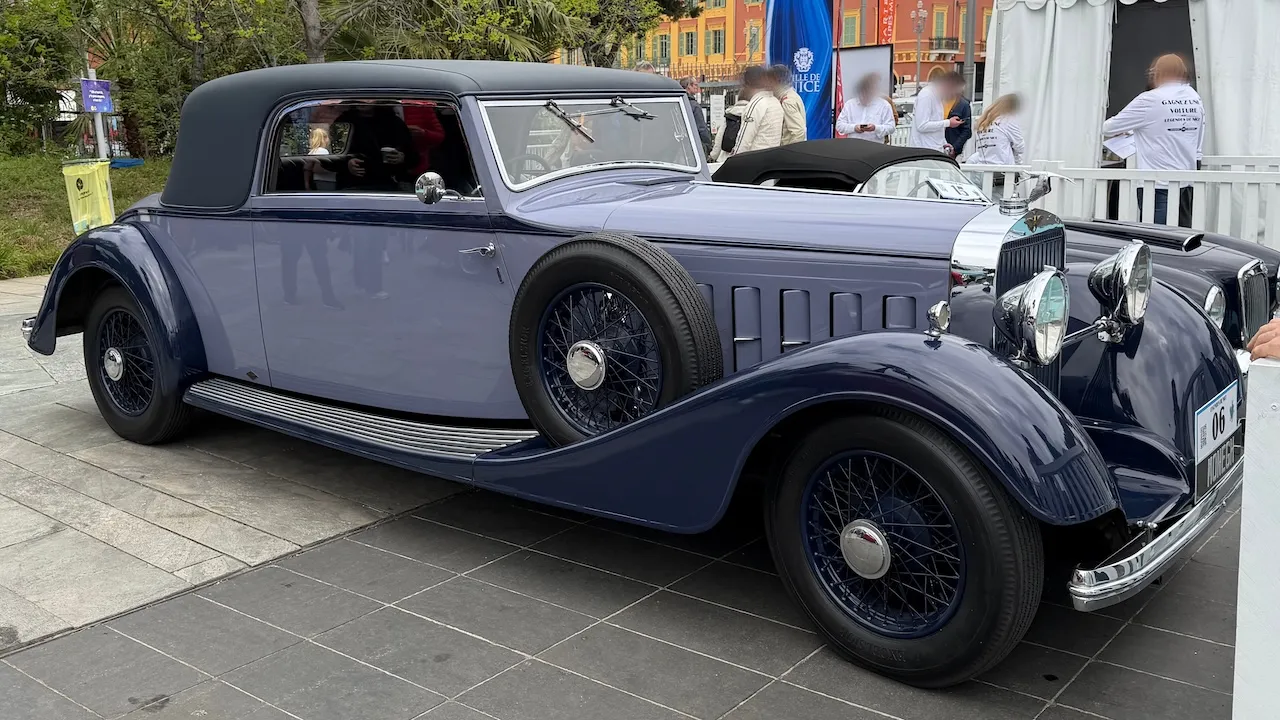
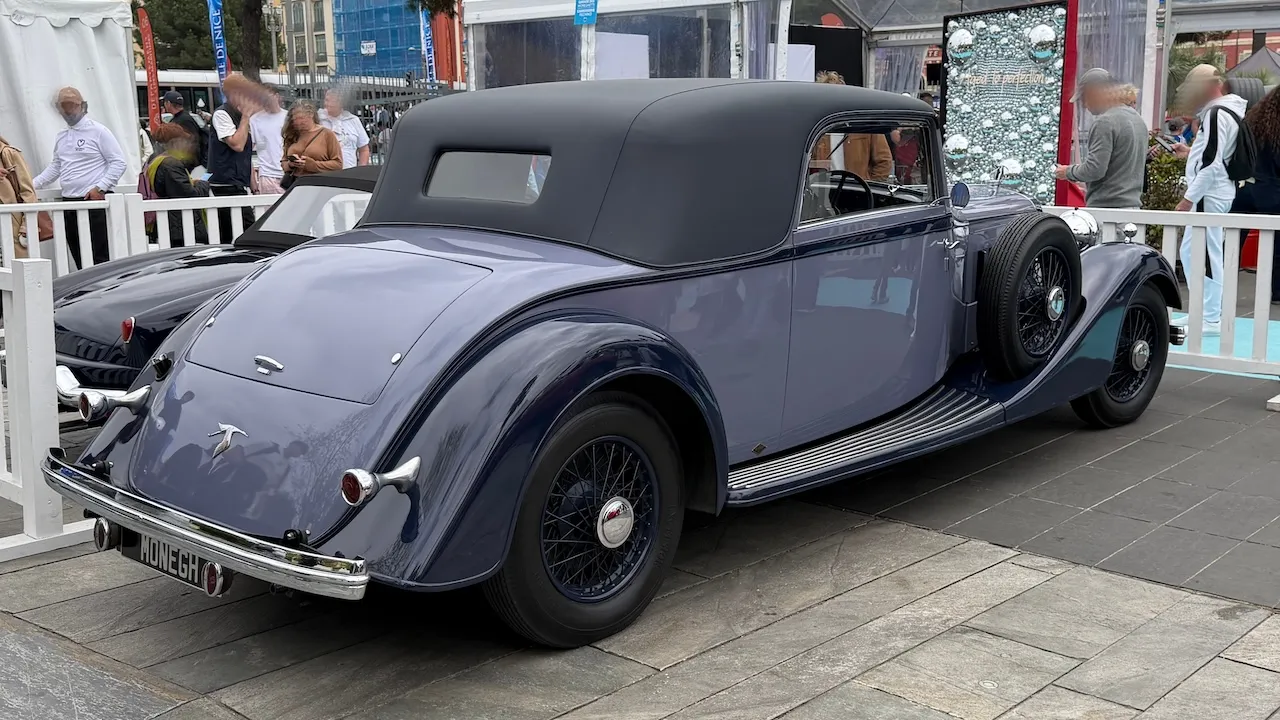
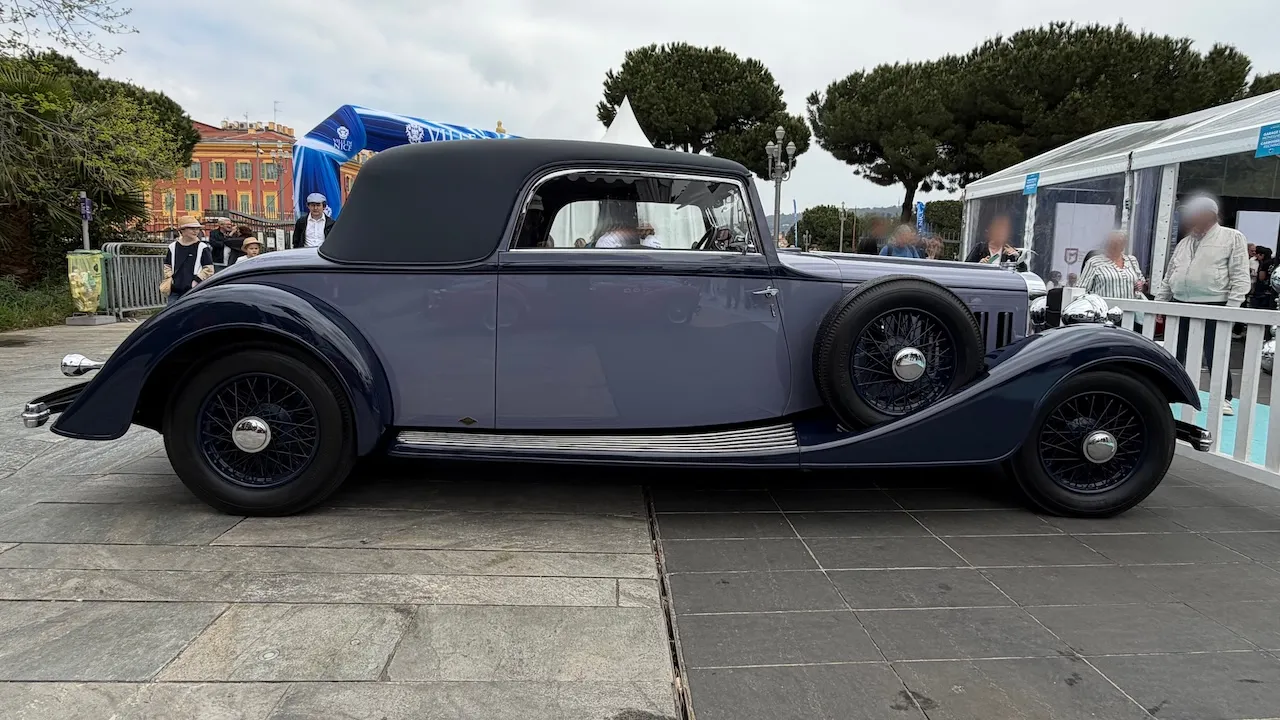
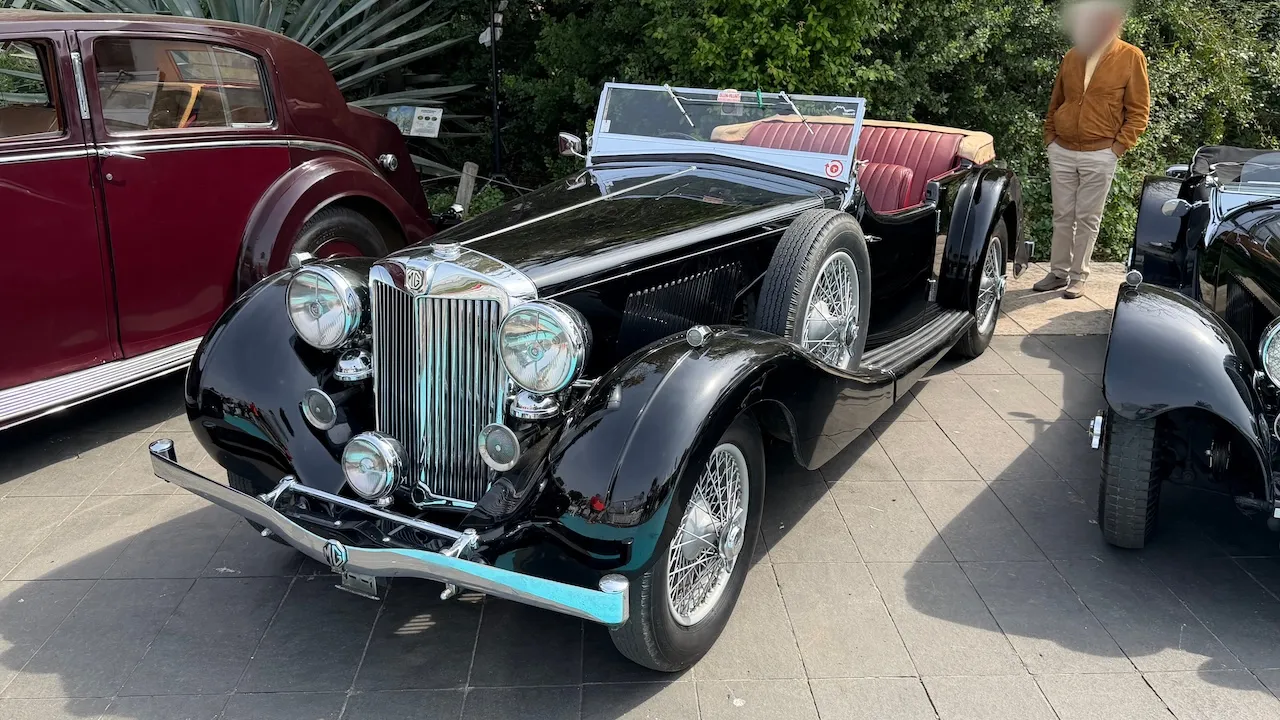

See the pictures for a nice sample of cars. To welcome you, a splendid Alfa Romeo 2600 Sprint.
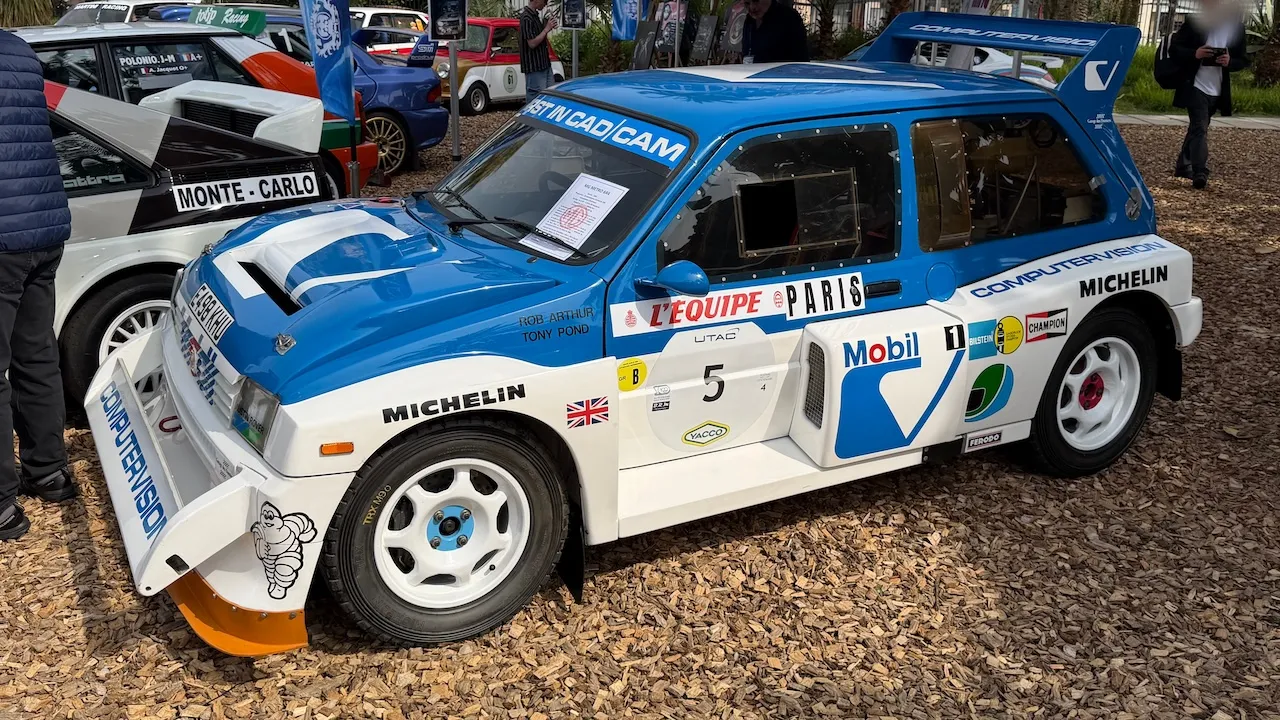
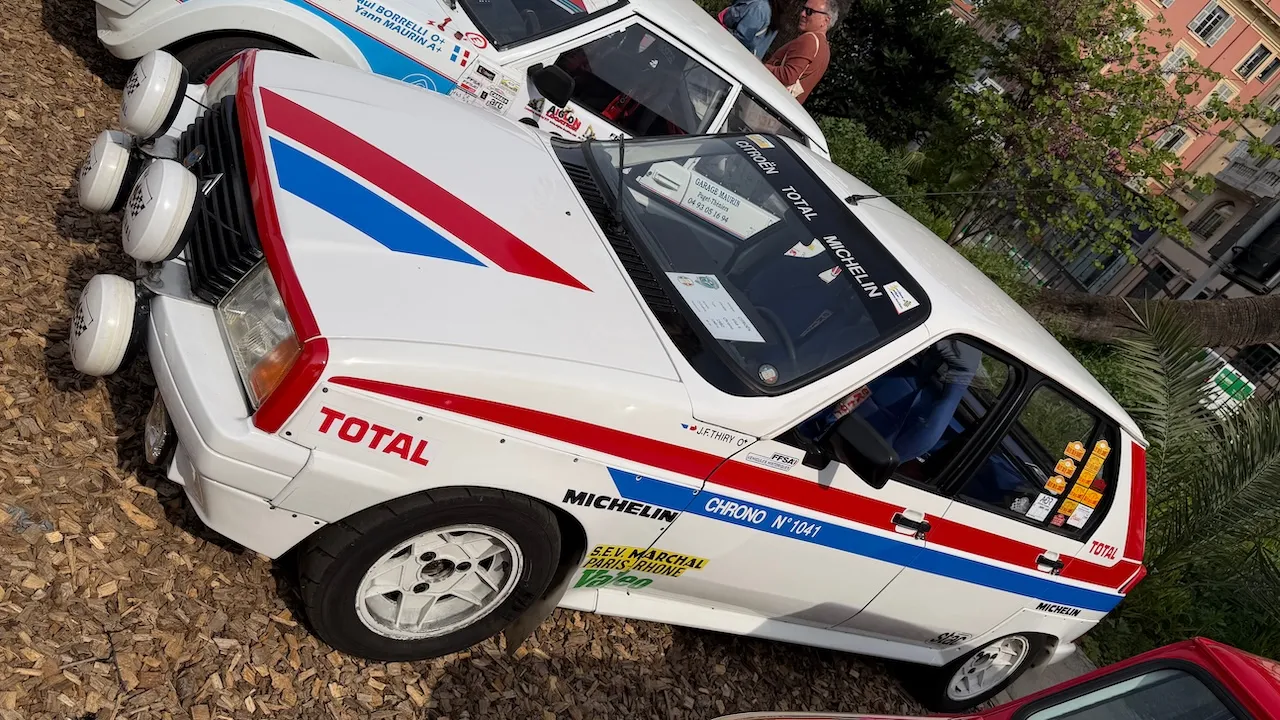
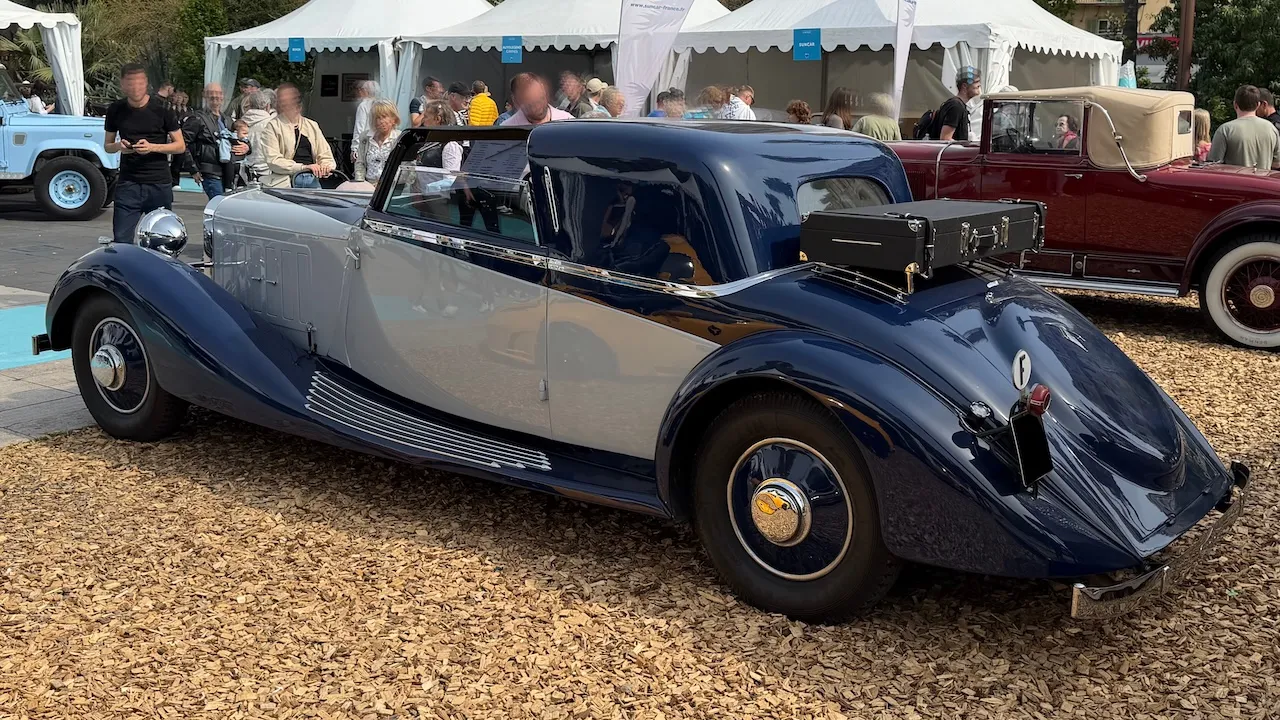
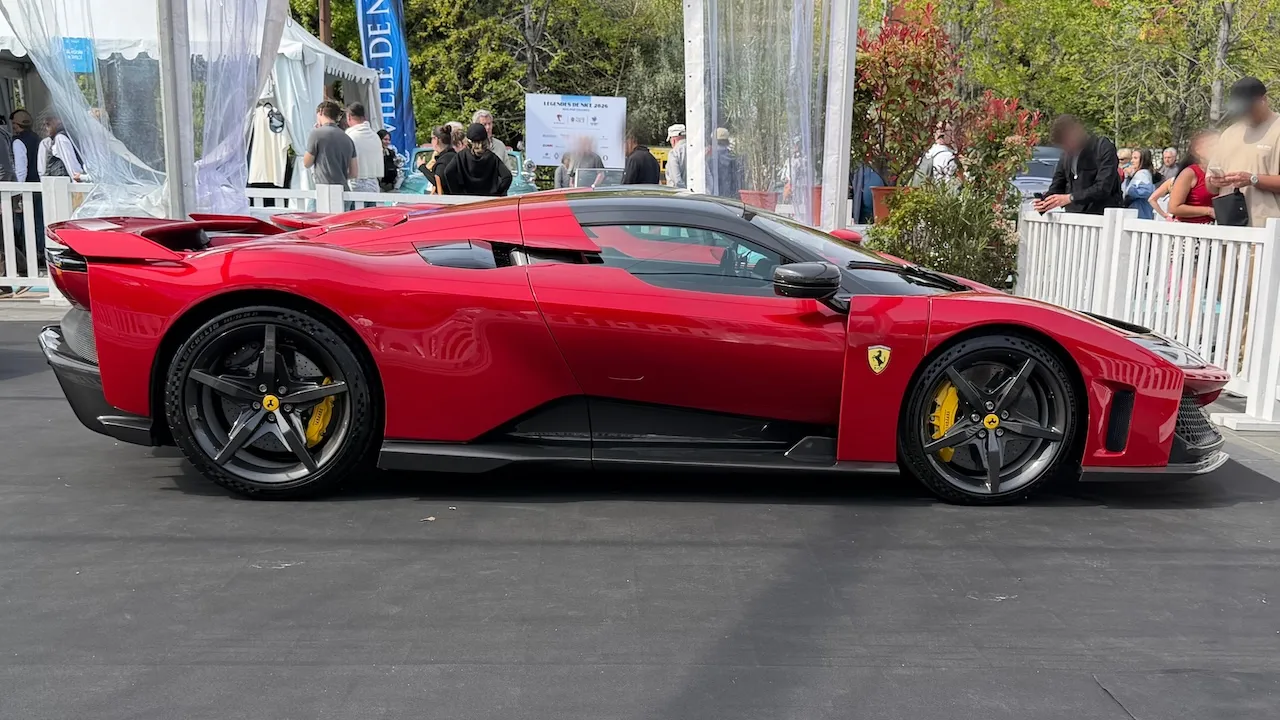
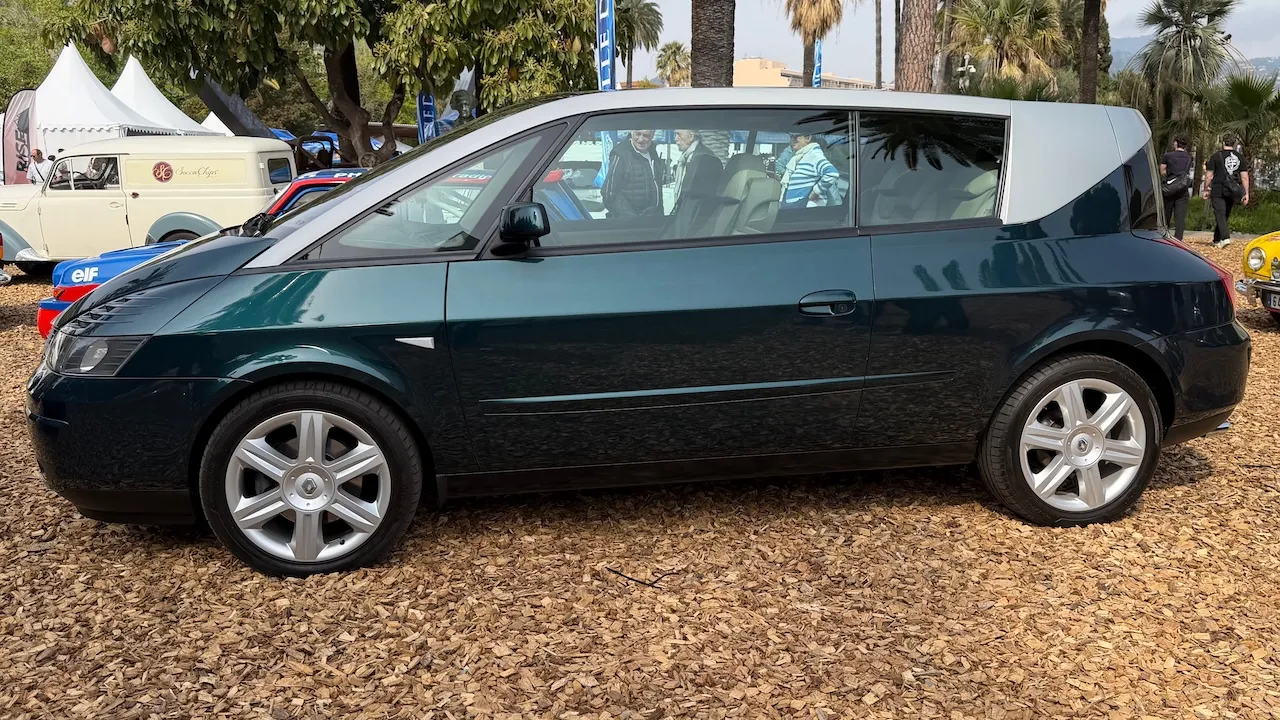
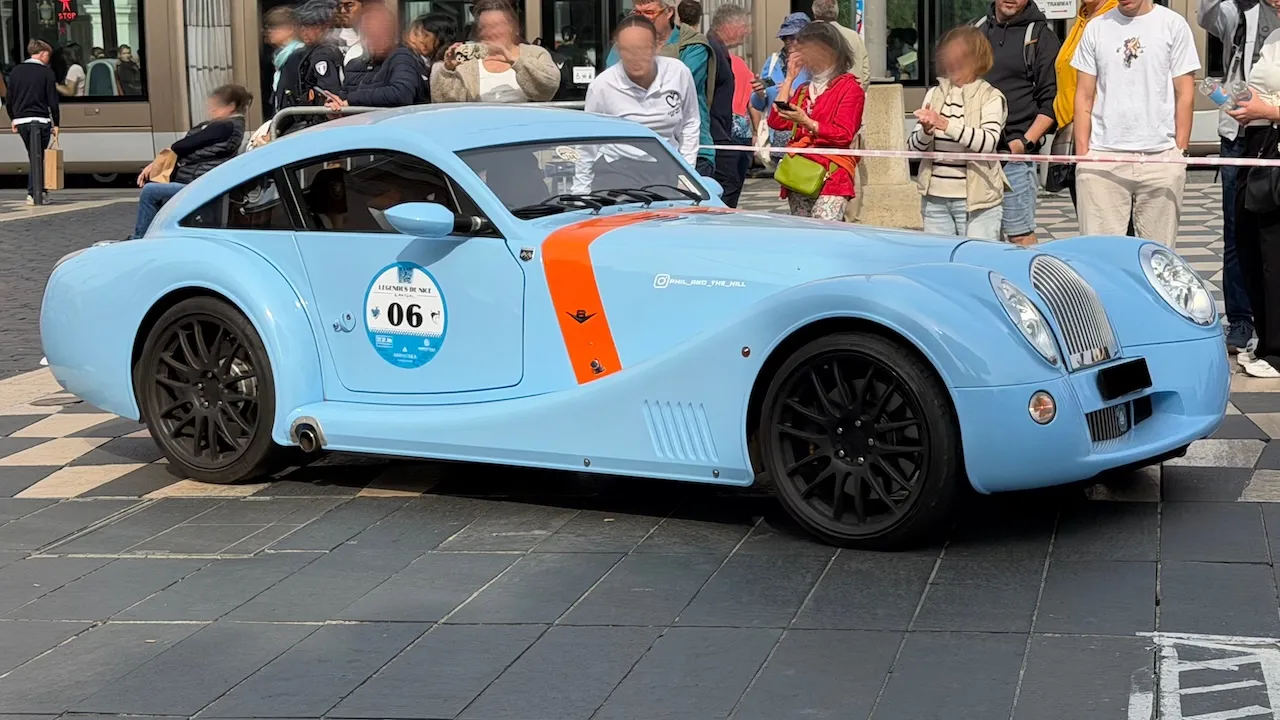
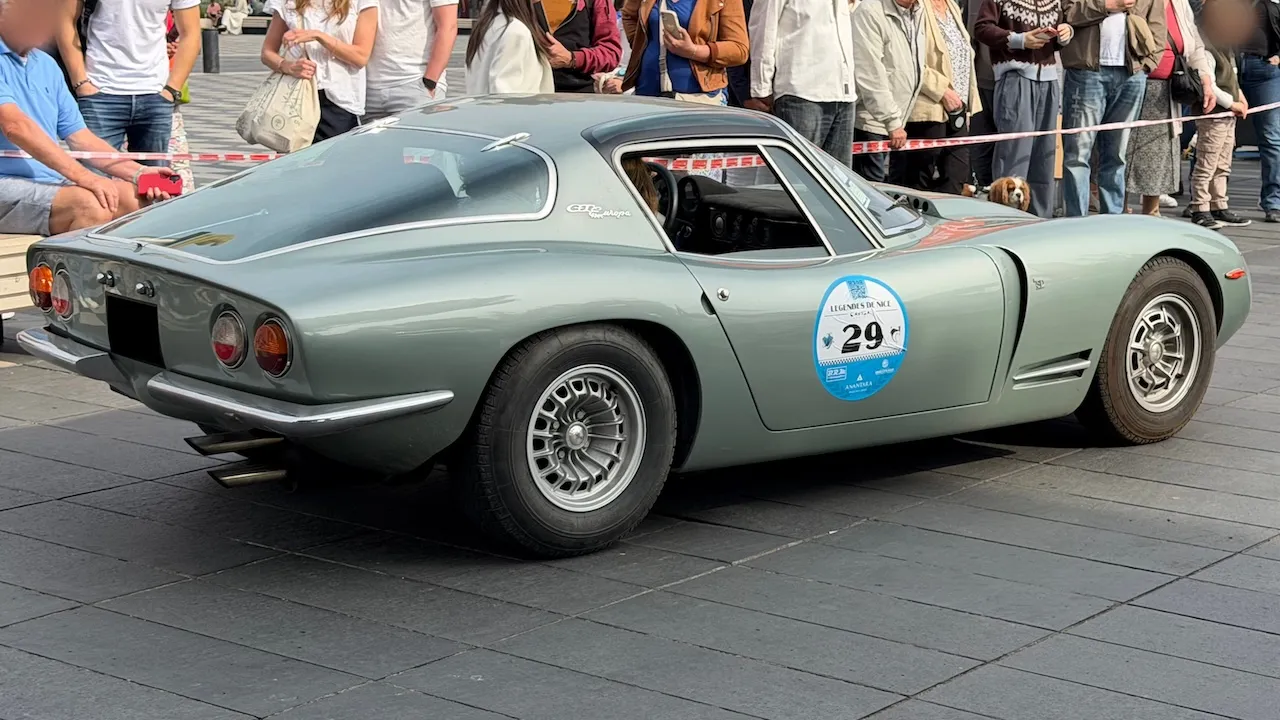
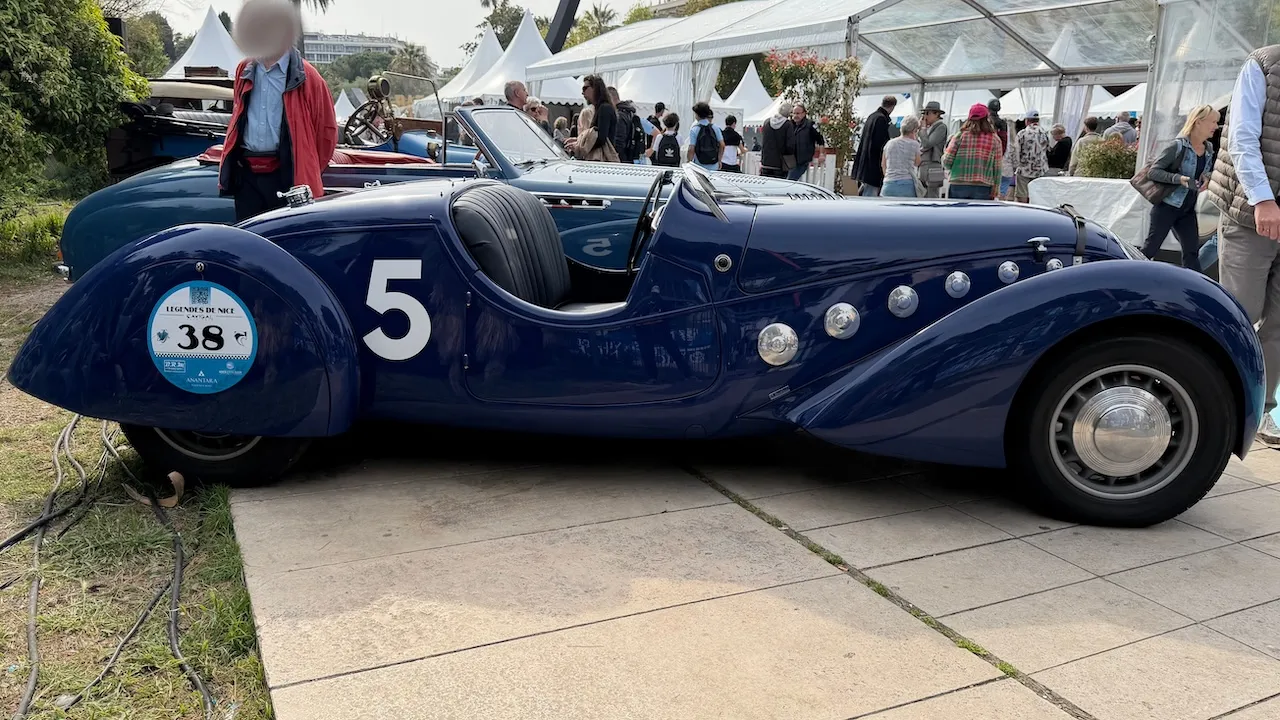
The other cars are: Ferrari SP3 Daytona; Jannarelly Design-1; Juvaquatre Renault; MG Metro 6R4; Citroën Visa II Chrono; Hispano-Suiza Fernandez Darrin; Ferrari F80; Renault Avantime; Morgan Aeromax; Bizzarrini 1900 GT Europa; Peugeot 302 Darl'mat; Amilcar and Traction; Buick Electra 225 Convertible; Hispano-Suiza Binder; MG SA Tourer by Charlesworth.
More about this event on its official webpage.
More information on Instagram or below. Swipe the pictures with your finger (mobile devices) or mouse (desktop).
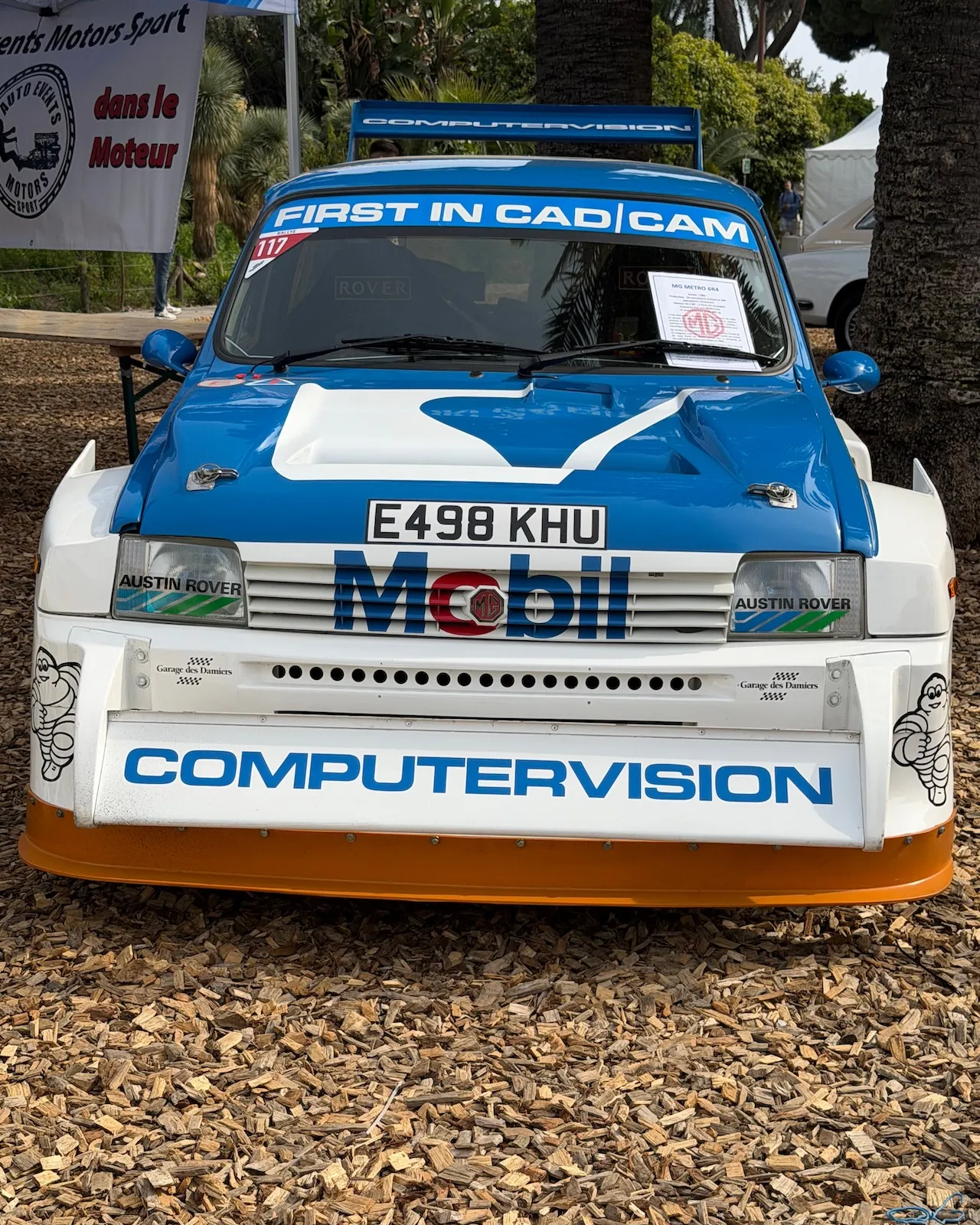
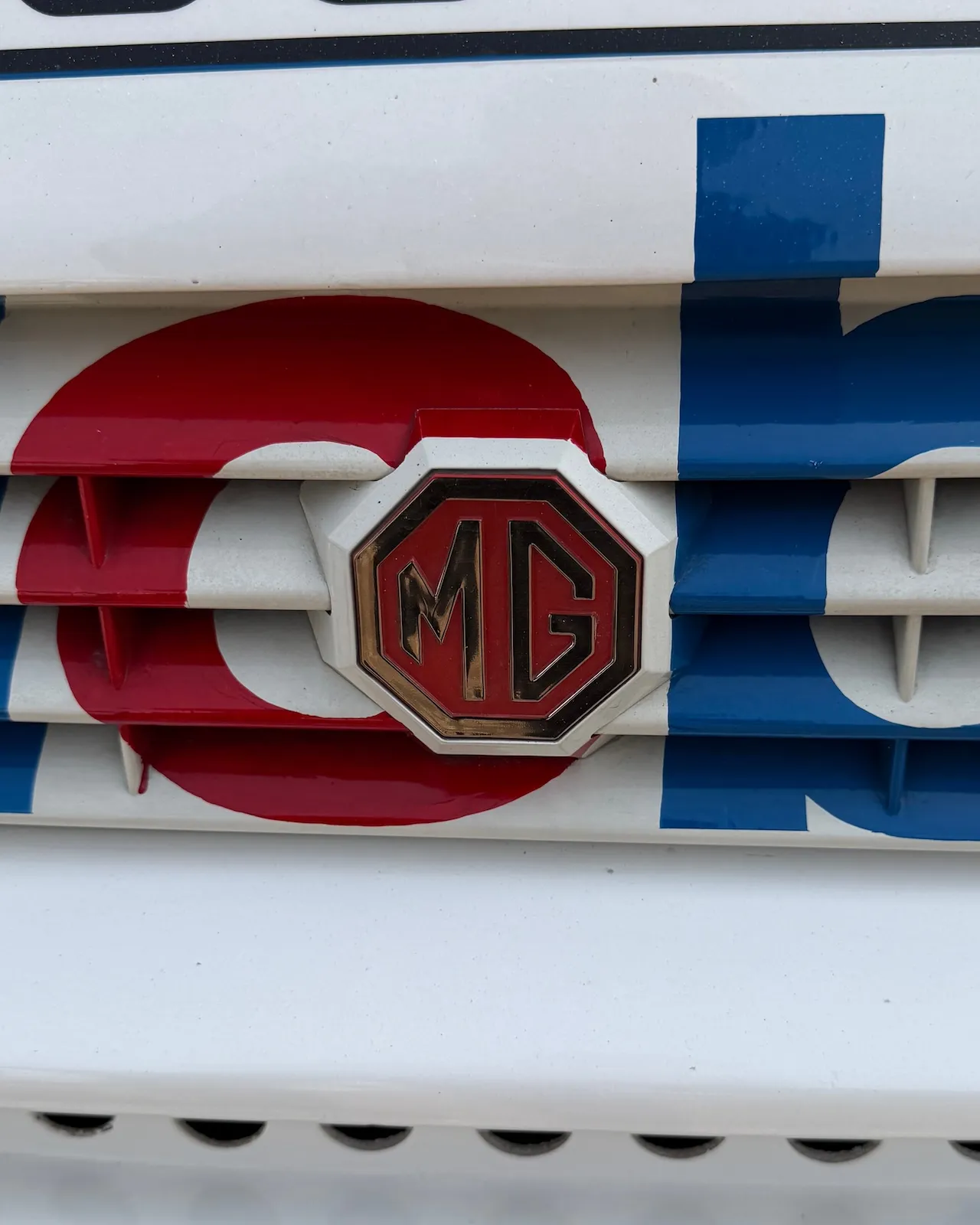
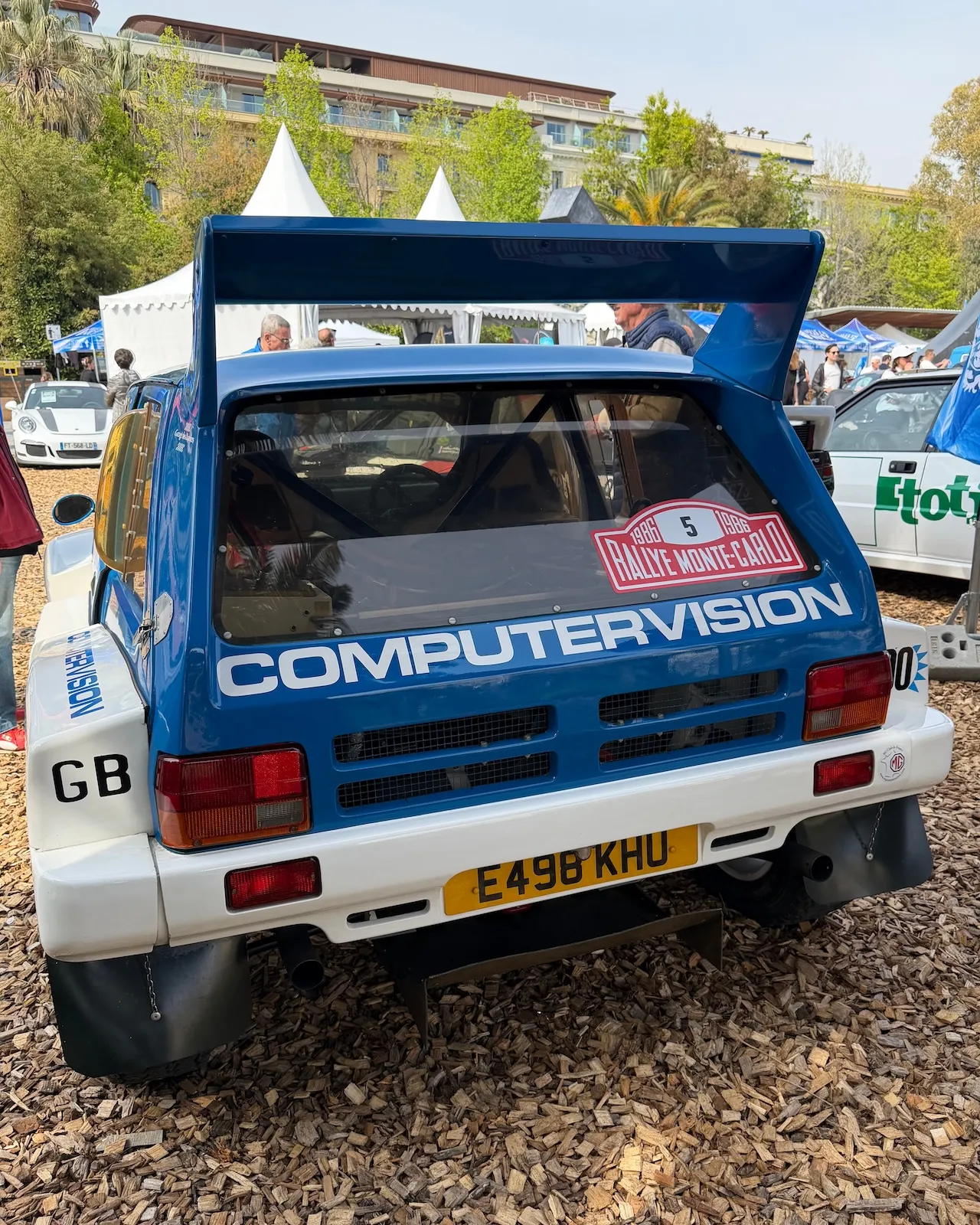
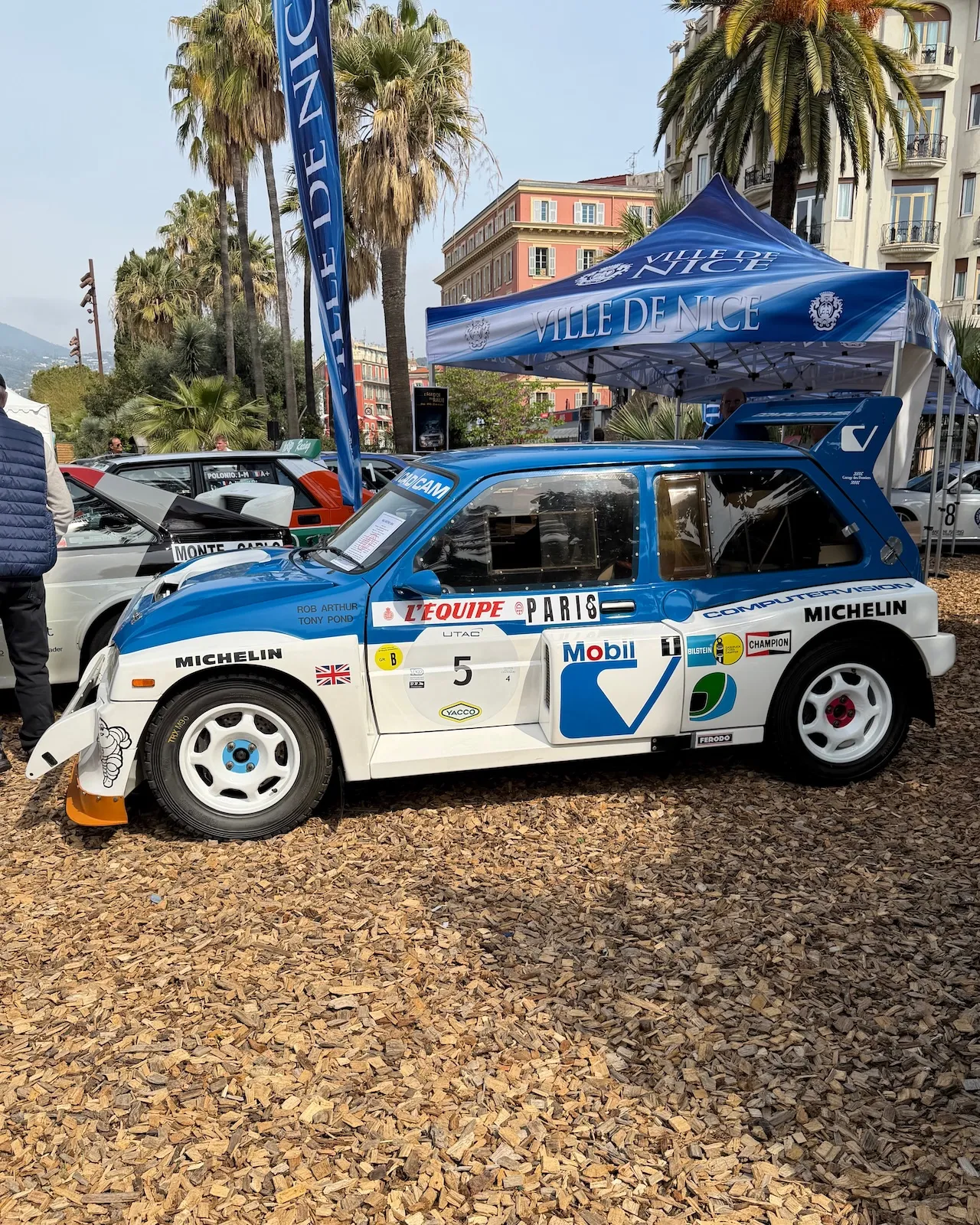
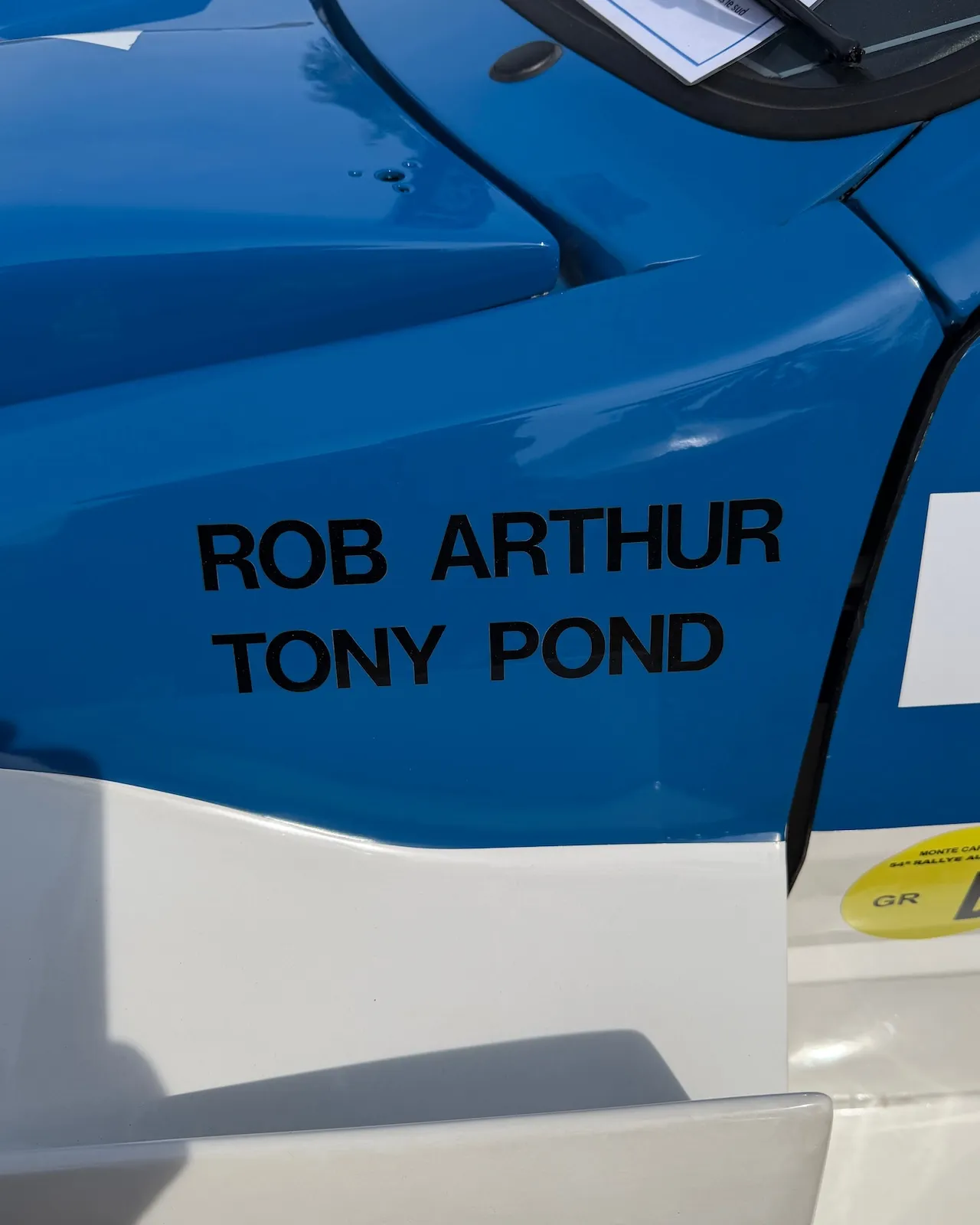
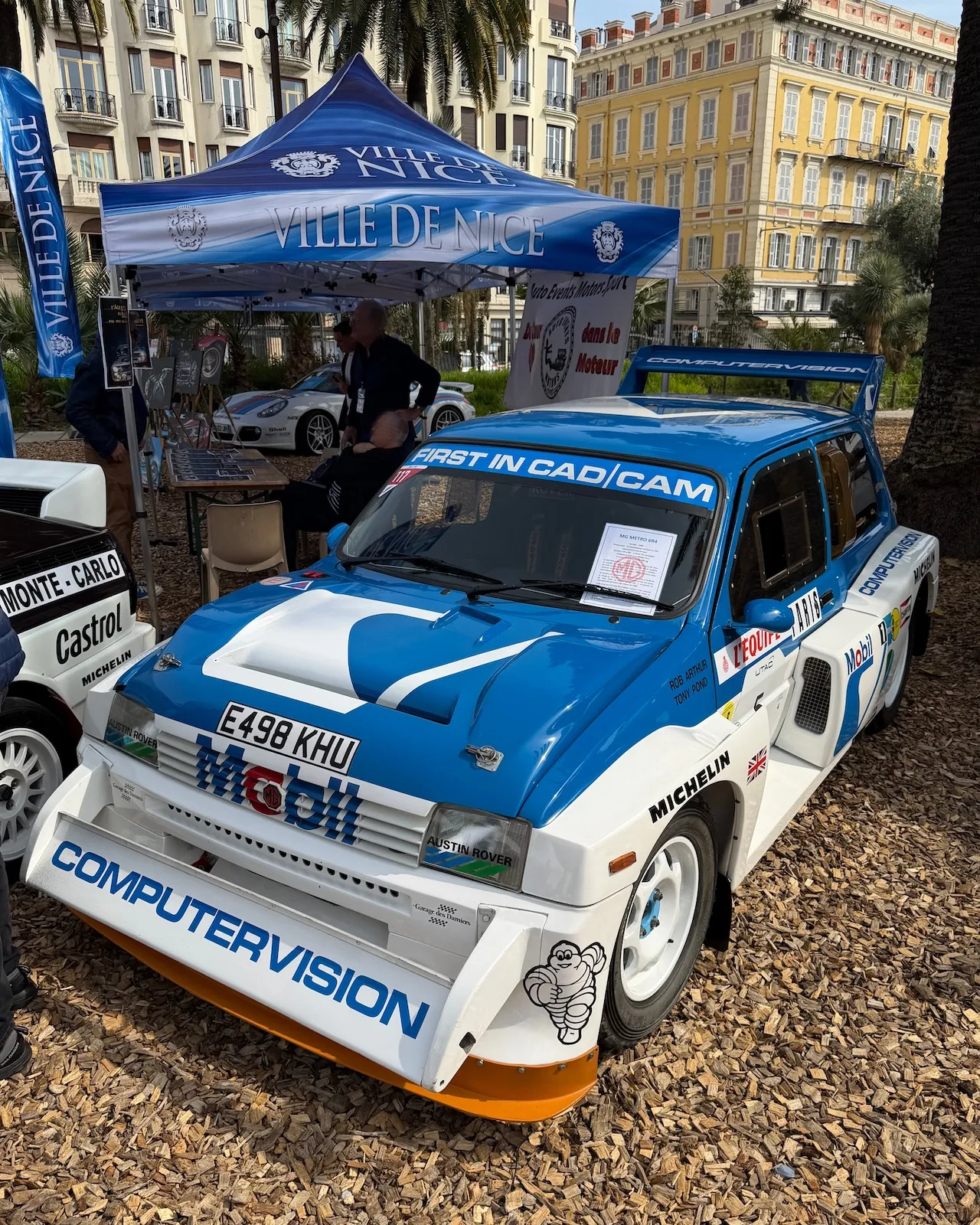
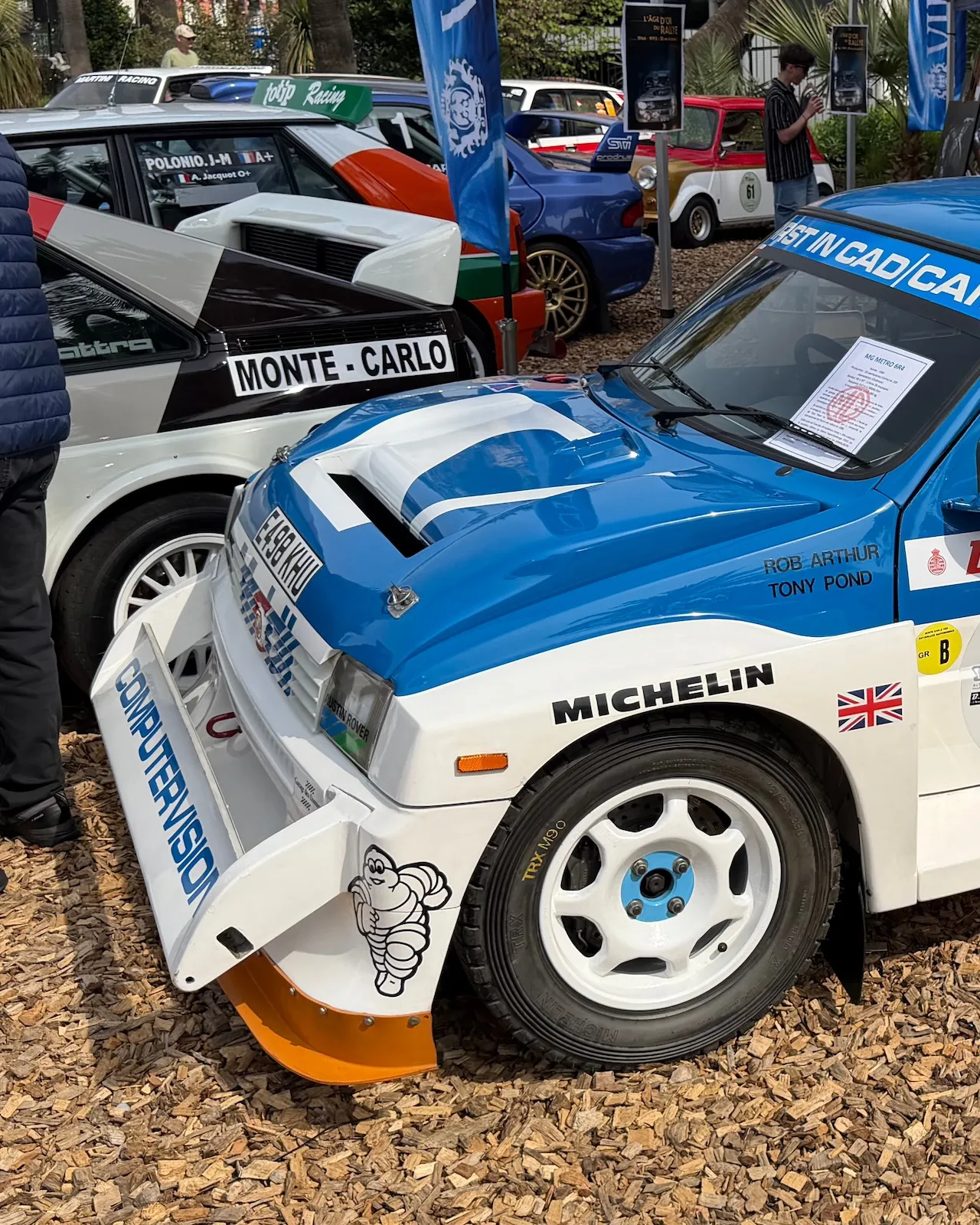
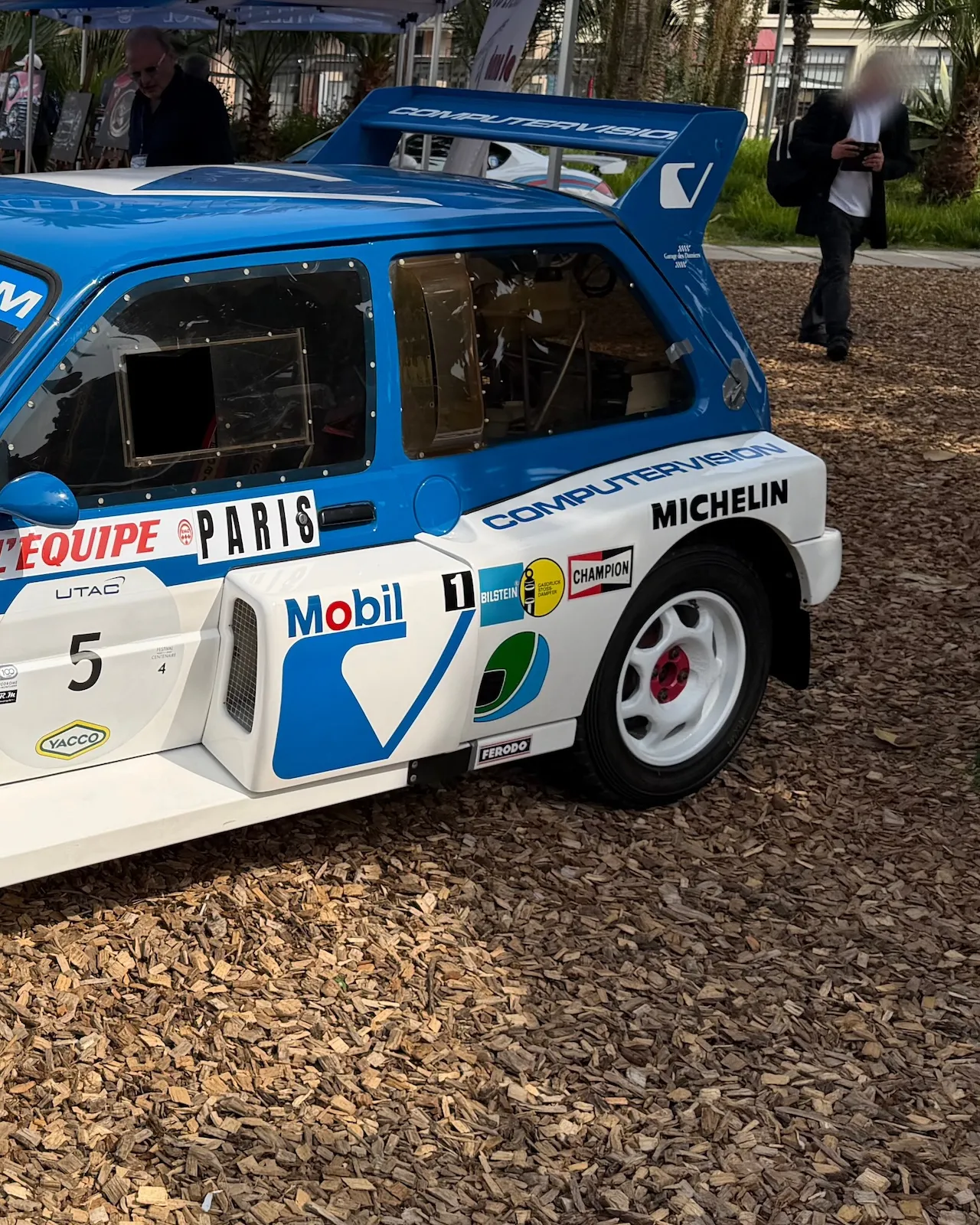
The MG Metro 6R4, a wild child of the Group B era.
Built for rally dominance, it packs a 3-litre V6 in a rear mid-engine layout, a tubular chassis, and four-wheel drive. To meet homologation rules, 200 Clubman road versions (250-300 HP) were produced, but the real magic lived in the factory cars.
This one, spotted last week at Légendes de Nice, is among the 20 works machines pushing more than 400 HP at a screaming 9000 rpm. Built by a 100-strong team at Austin Rover's Longbridge plant in the mid-80s, it represents a brief but unforgettable chapter in rally history.
Its career was cut short with the end of Group B, but in the hands of great drivers like Tony Pond and Didier Auriol, it still made its mark. What a machine… and yes, it's an MG. And a Metro. Can you imagine that?
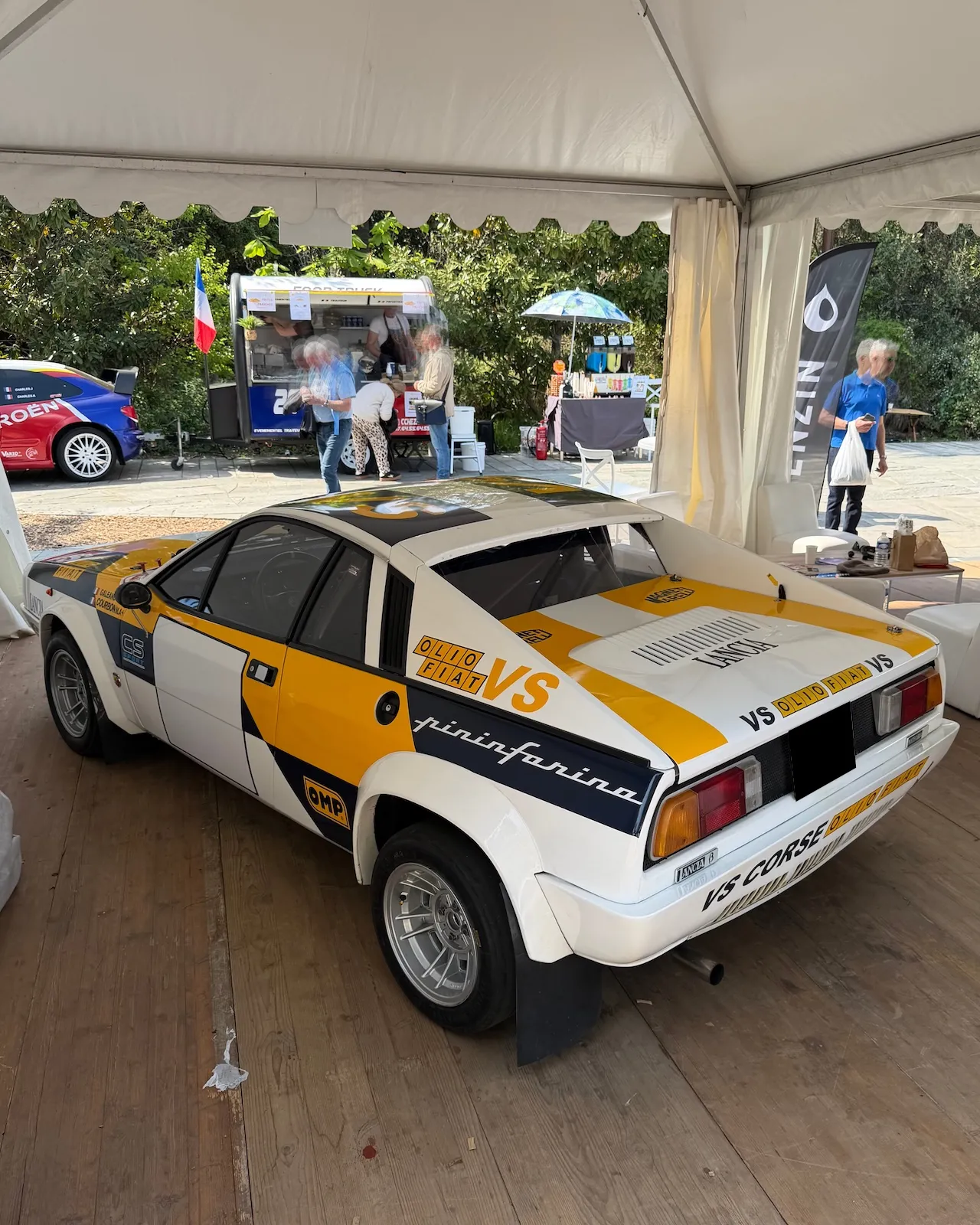
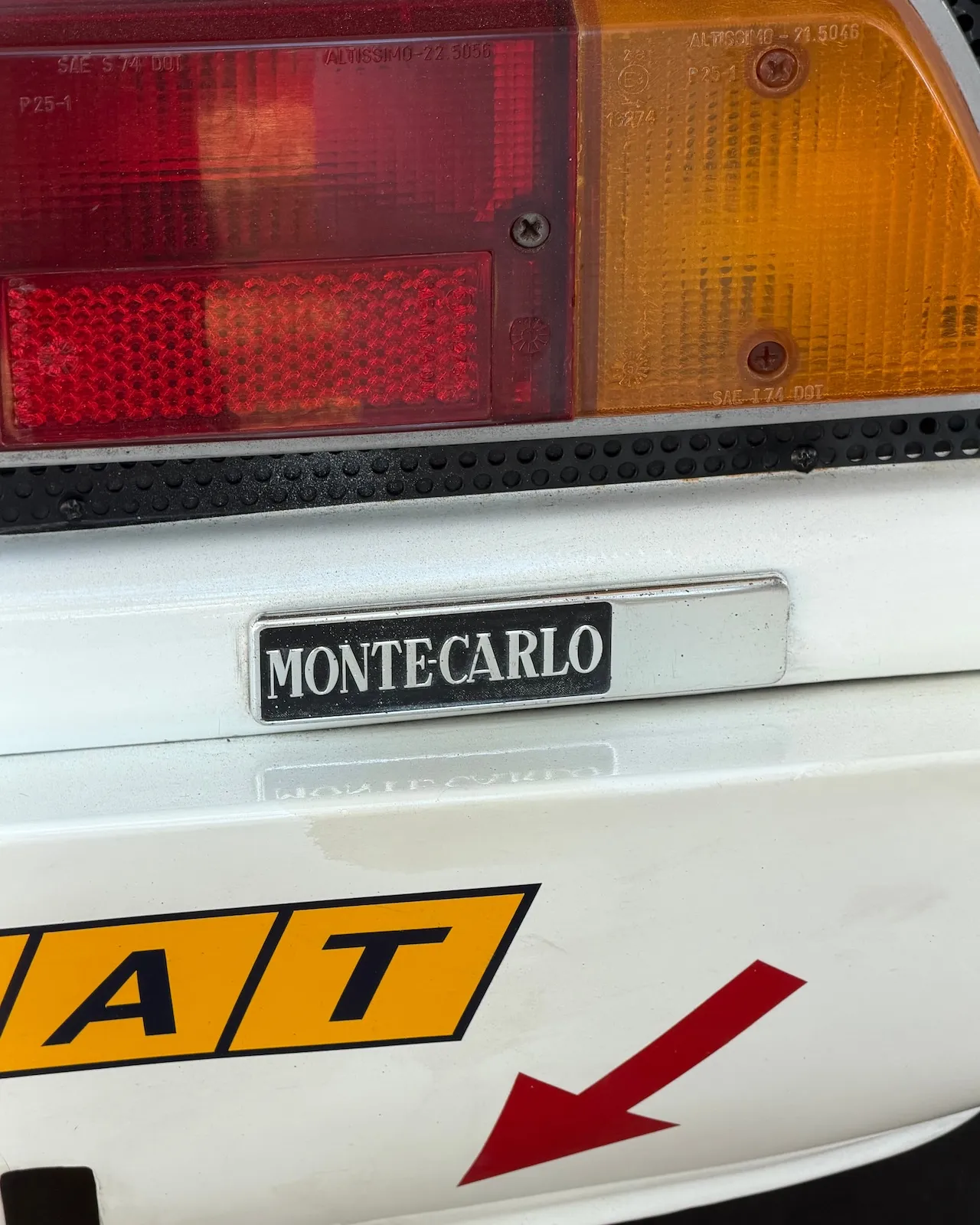
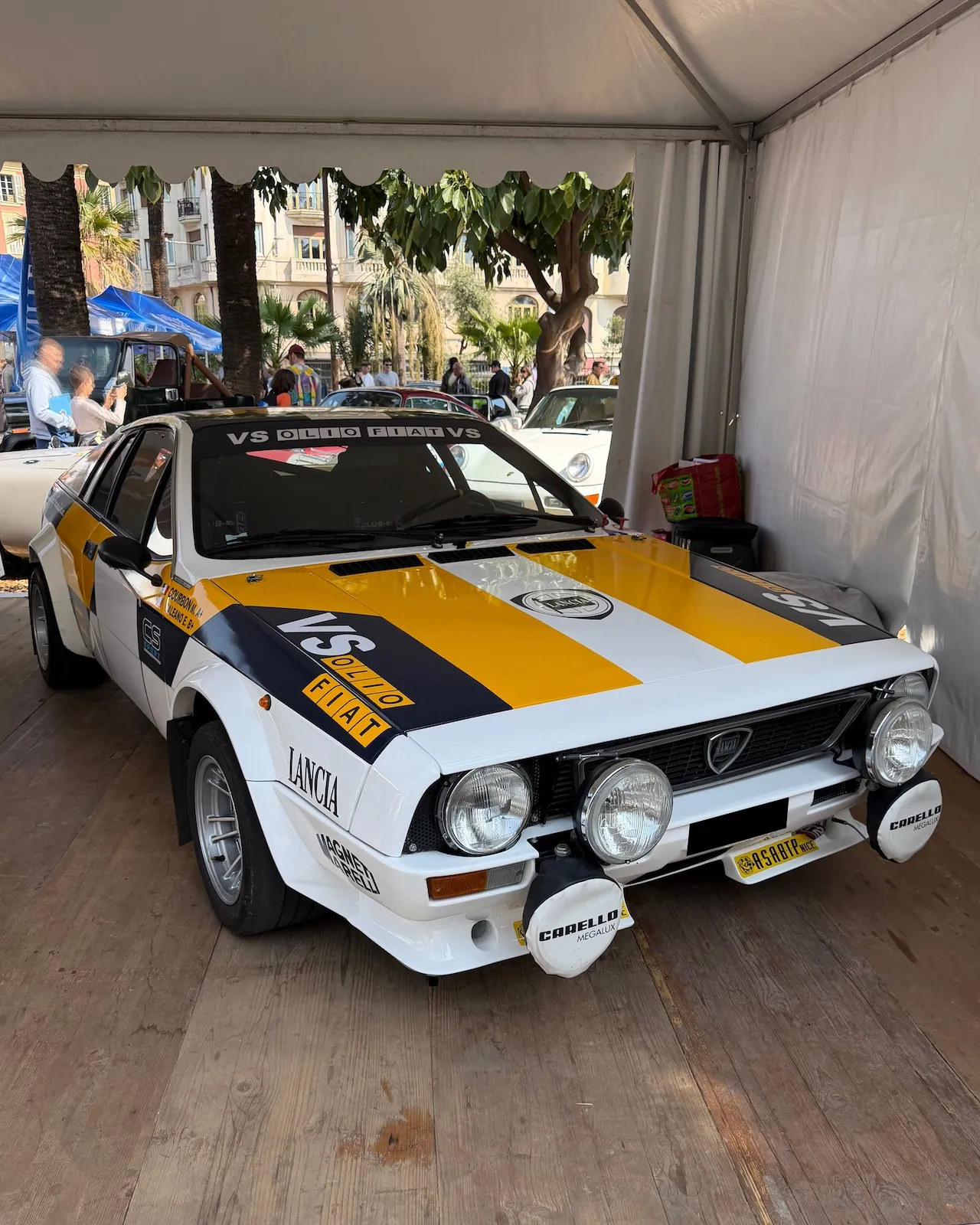
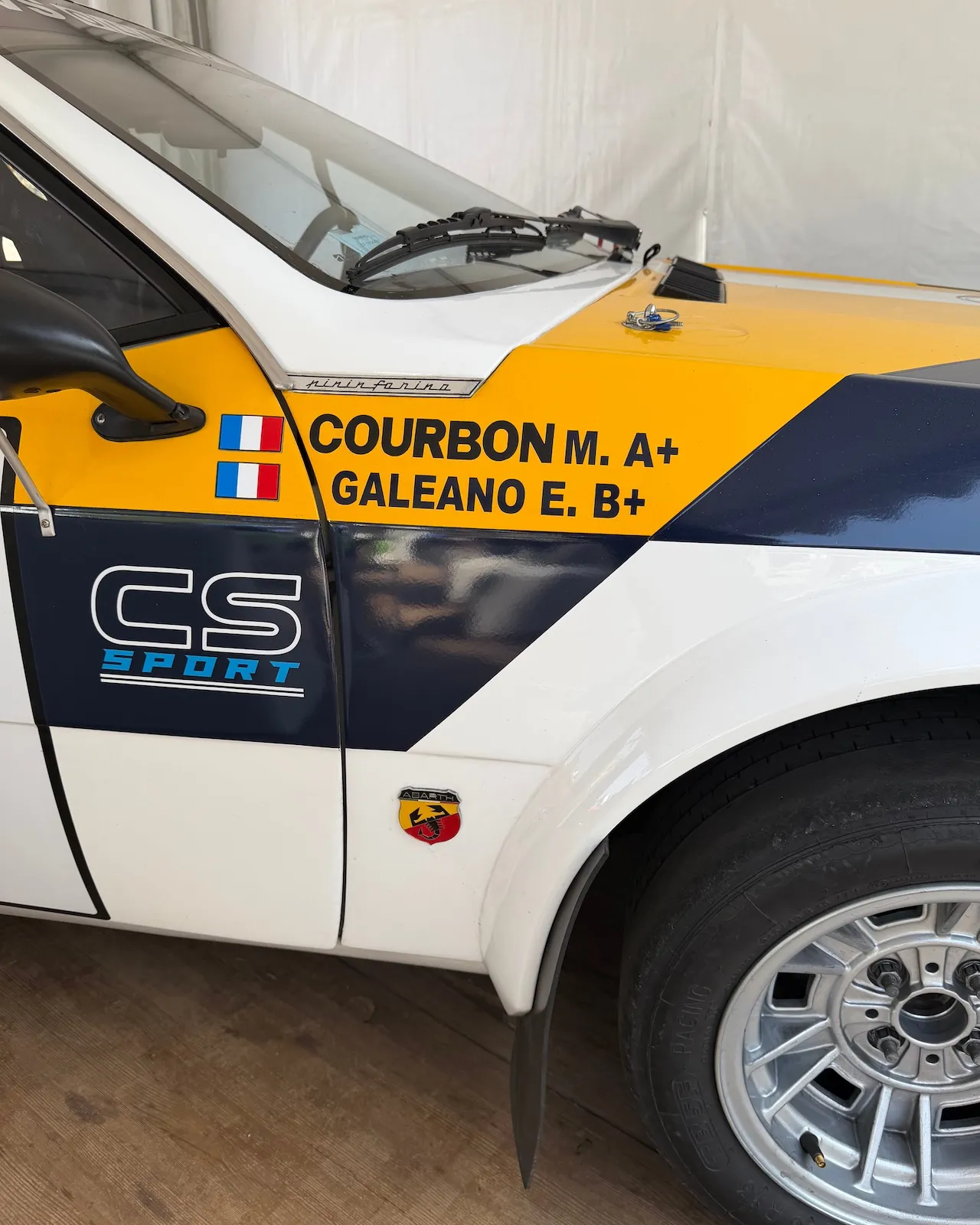
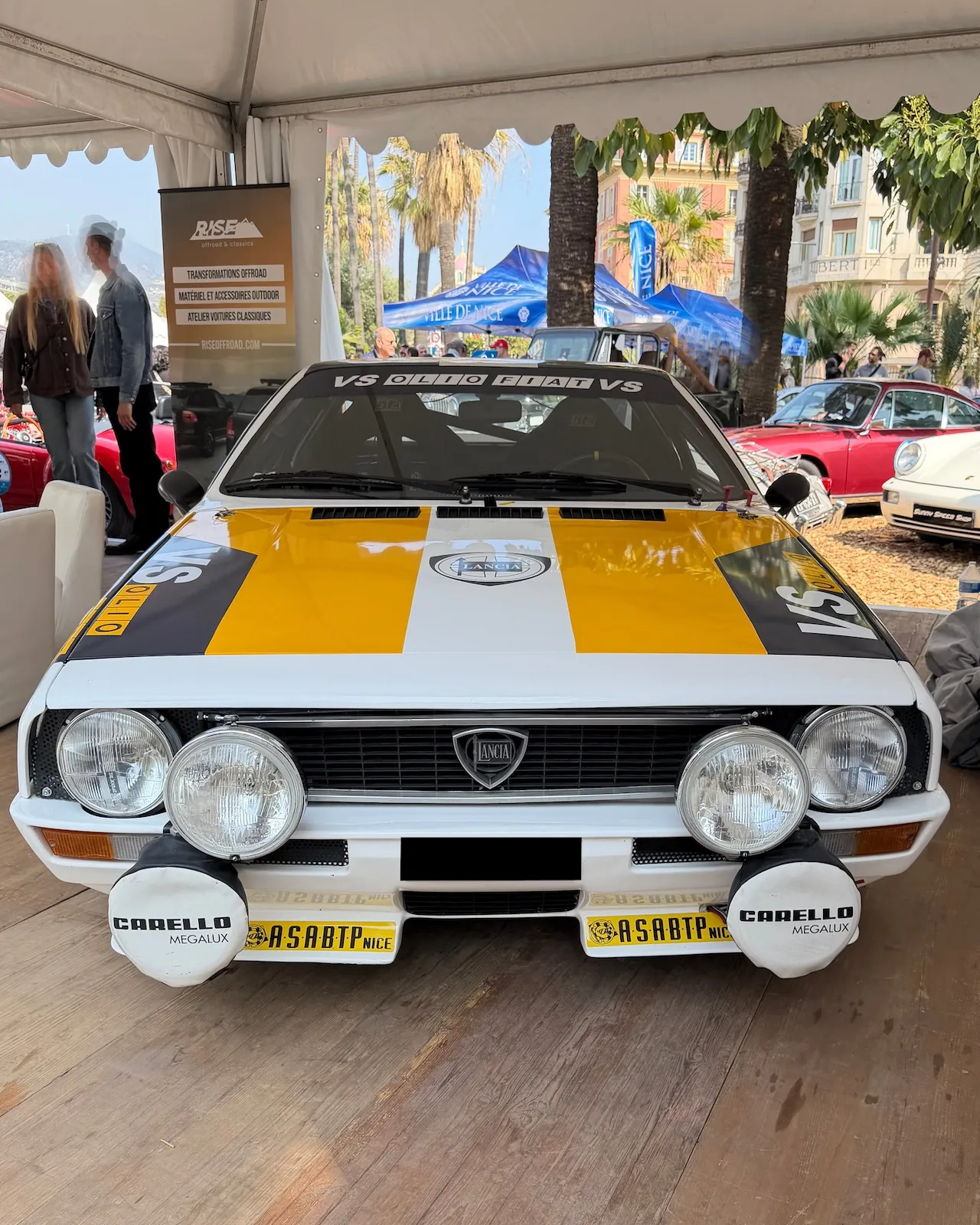
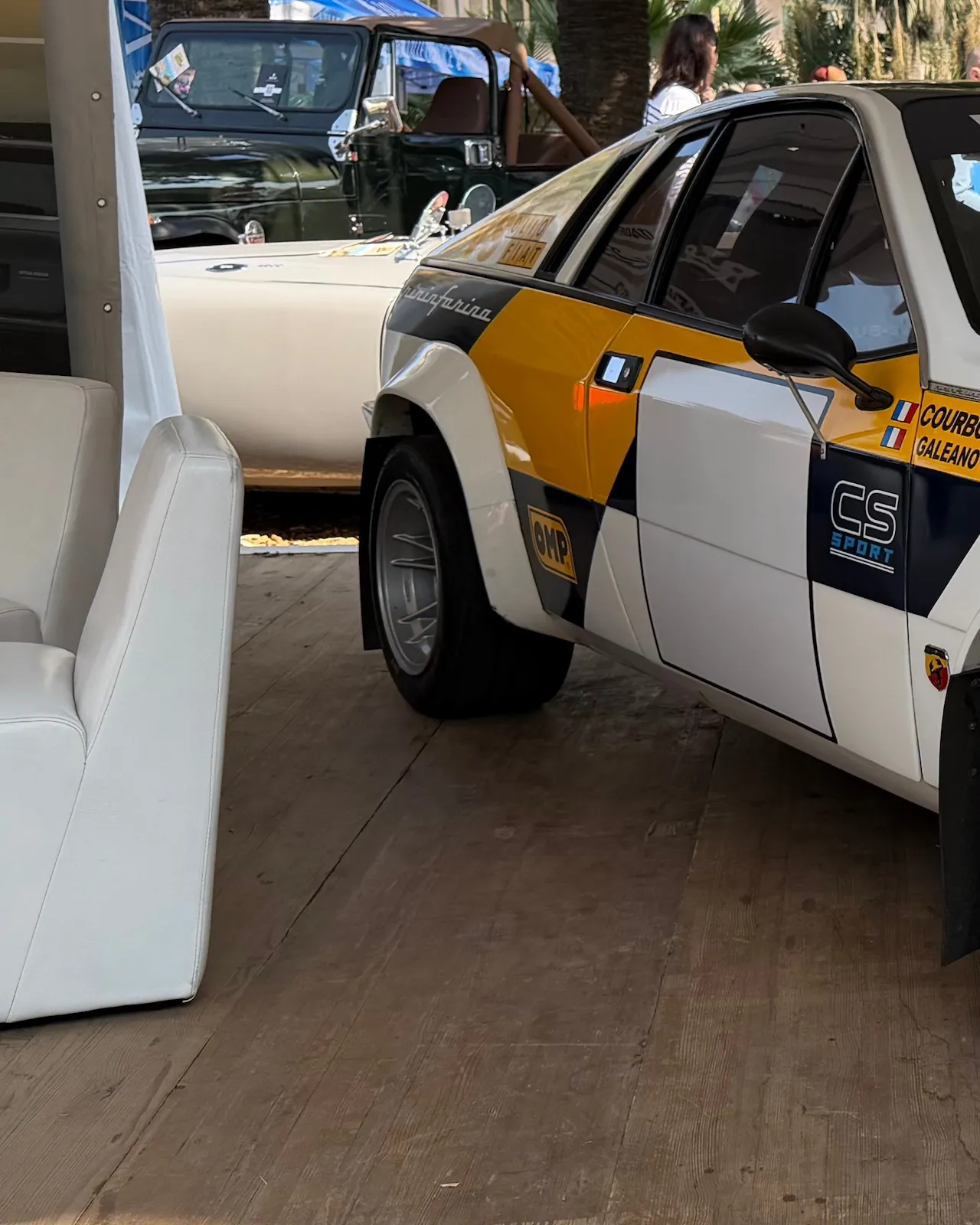
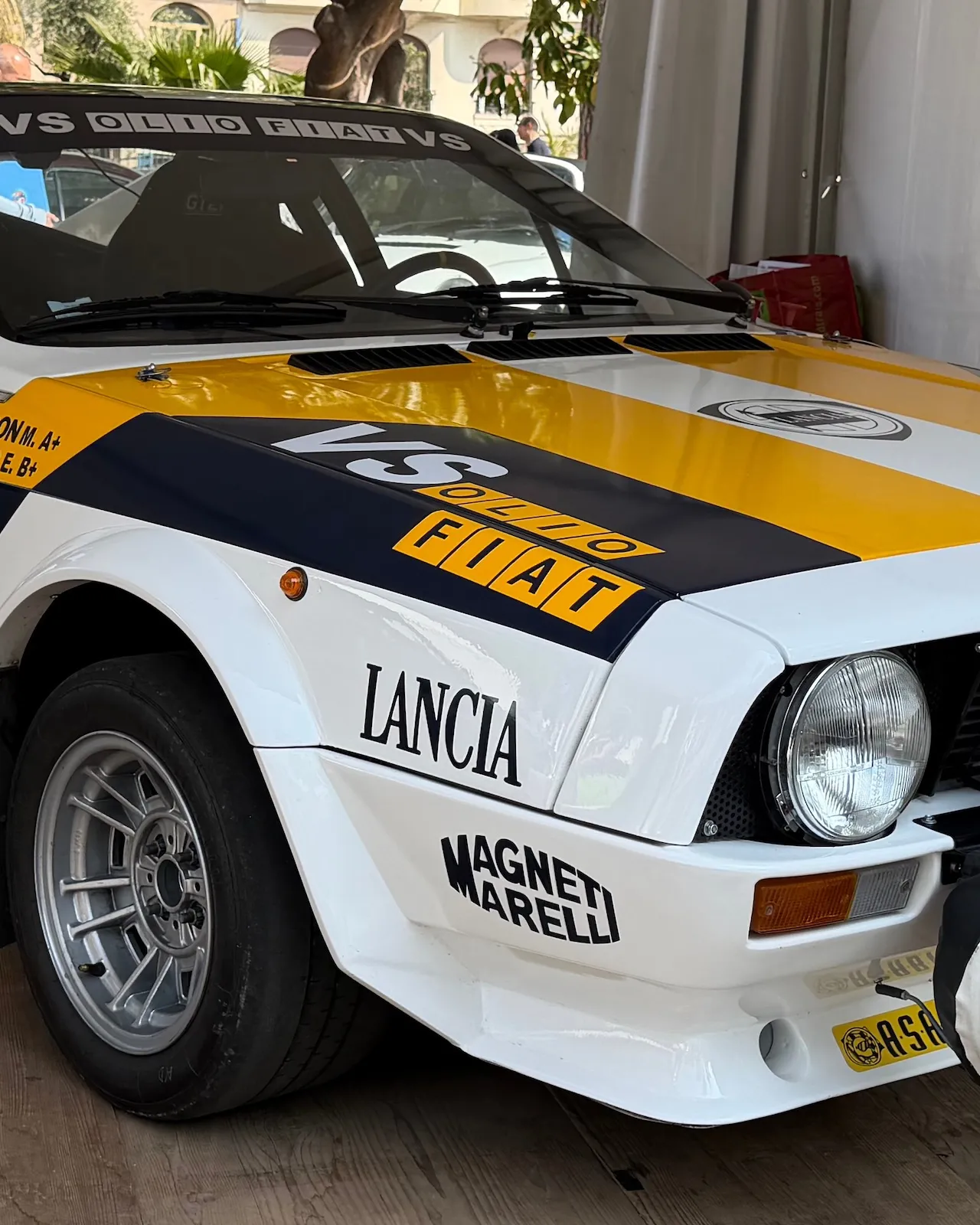
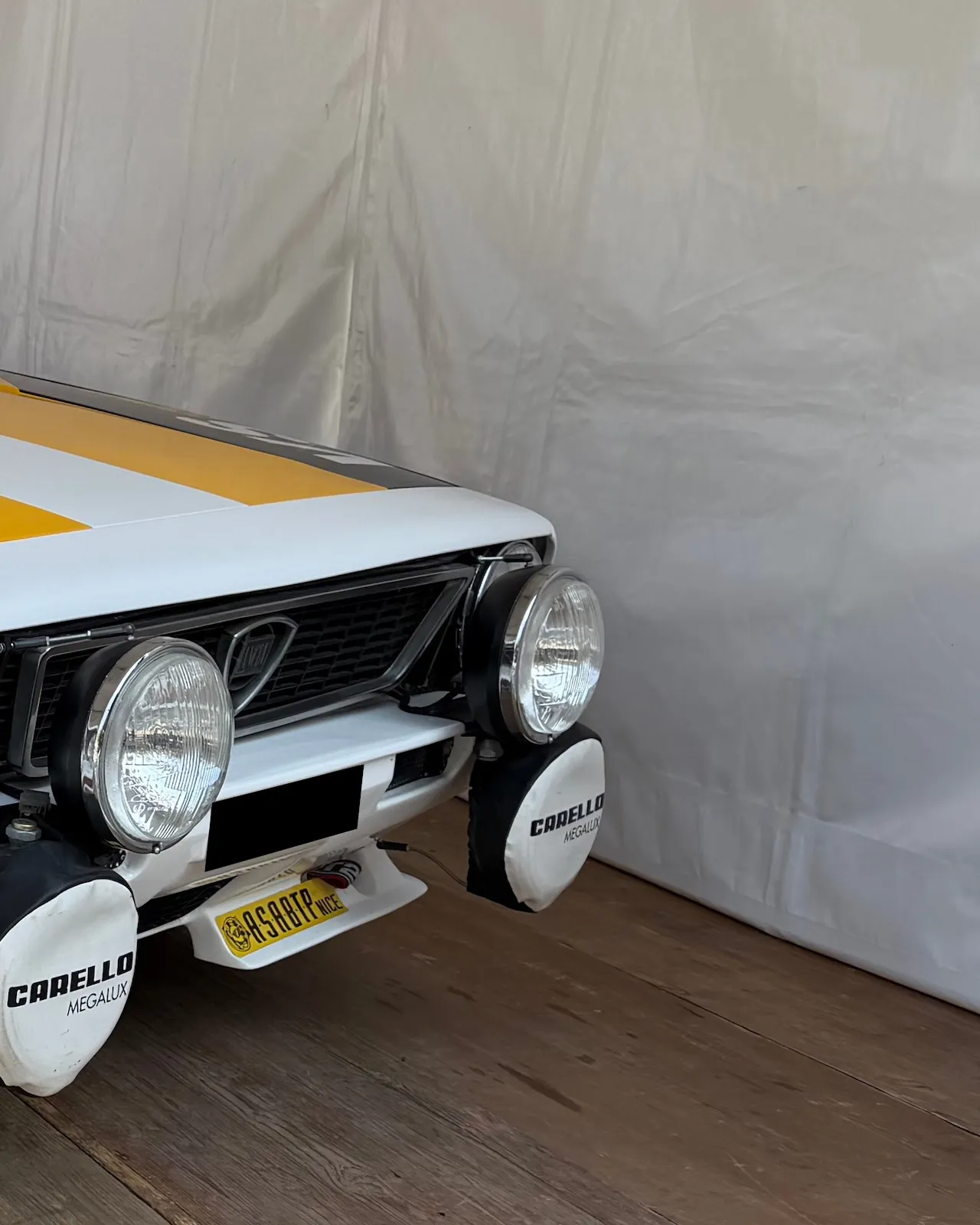
Lancia and rallying need no introduction, the marque's success speaks for itself. But did you know the Beta Montecarlo also proved to be a formidable rally machine? Just like this one spotted at the Légendes de Nice last weekend.
This particular car is driven by Eric Galeano and Mathis Courbon, who compete in the VHC (Véhicules Historiques de Compétition) category. Even in full rally livery, Pininfarina’s design remains strikingly elegant, a testament to its timeless appeal.
A quick note for context: the Lancia Beta Montecarlo was introduced in 1975, evolving from a design study by coachbuilder Pininfarina. Unveiled at the Geneva Motor Show that same year, it was originally intended to succeed the Fiat 124 Coupé. Instead, it found its place under the Lancia badge.
Conceived as a mid-engined berlinetta, it featured a tubular chassis that made it particularly well suited for performance tuning and competition use, something this example demonstrates beautifully. A true gem. Many thanks to the two drivers for sharing their car.
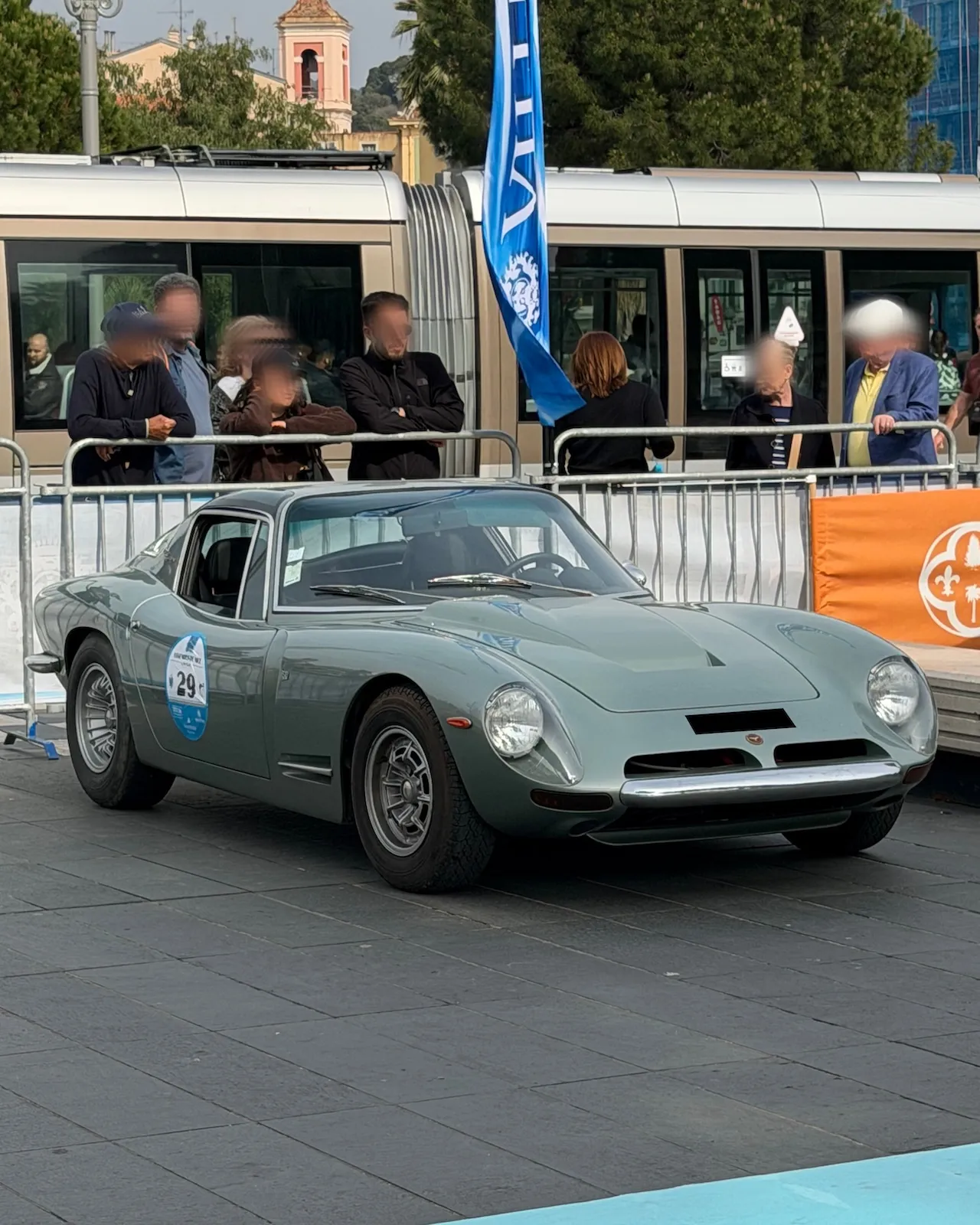
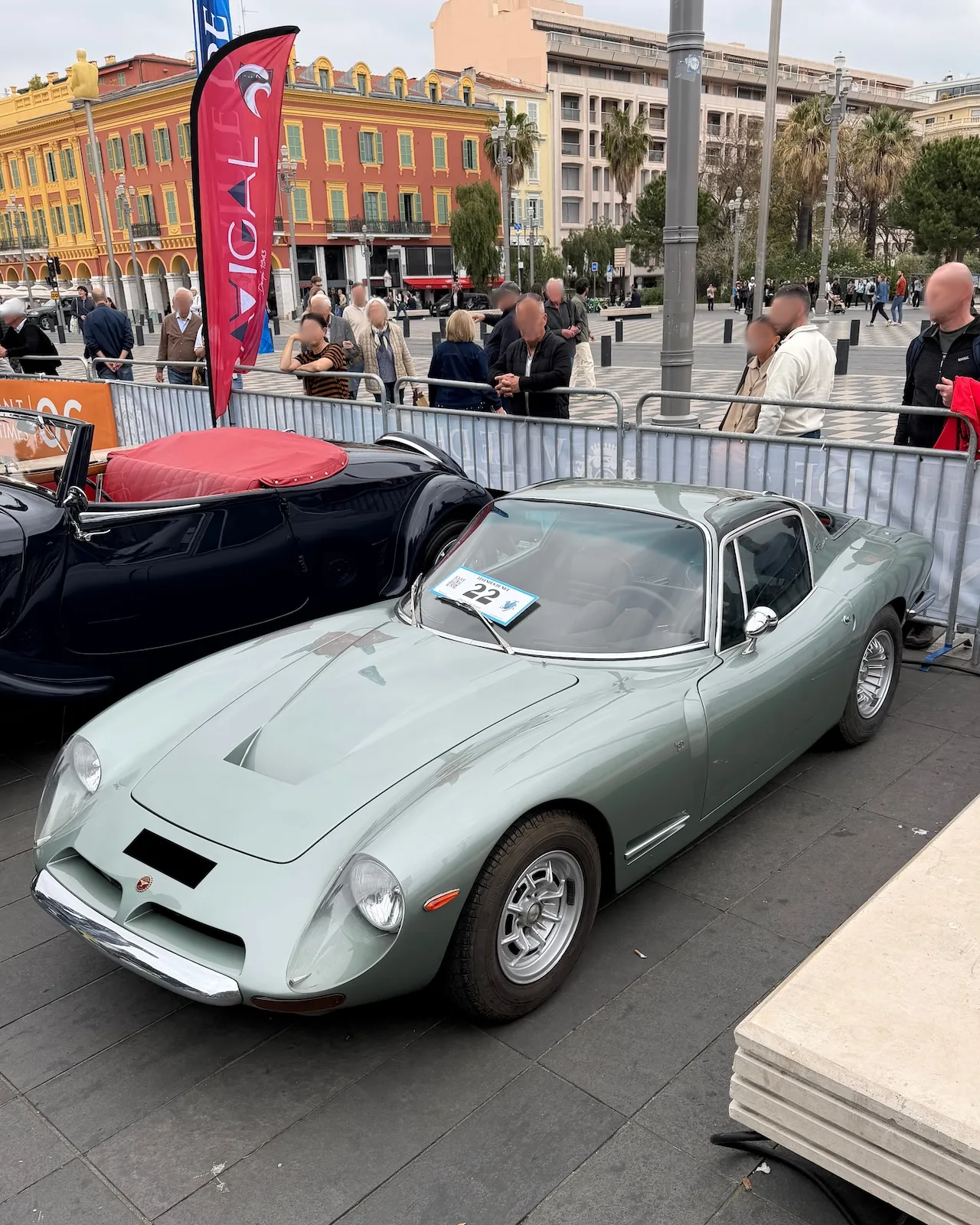
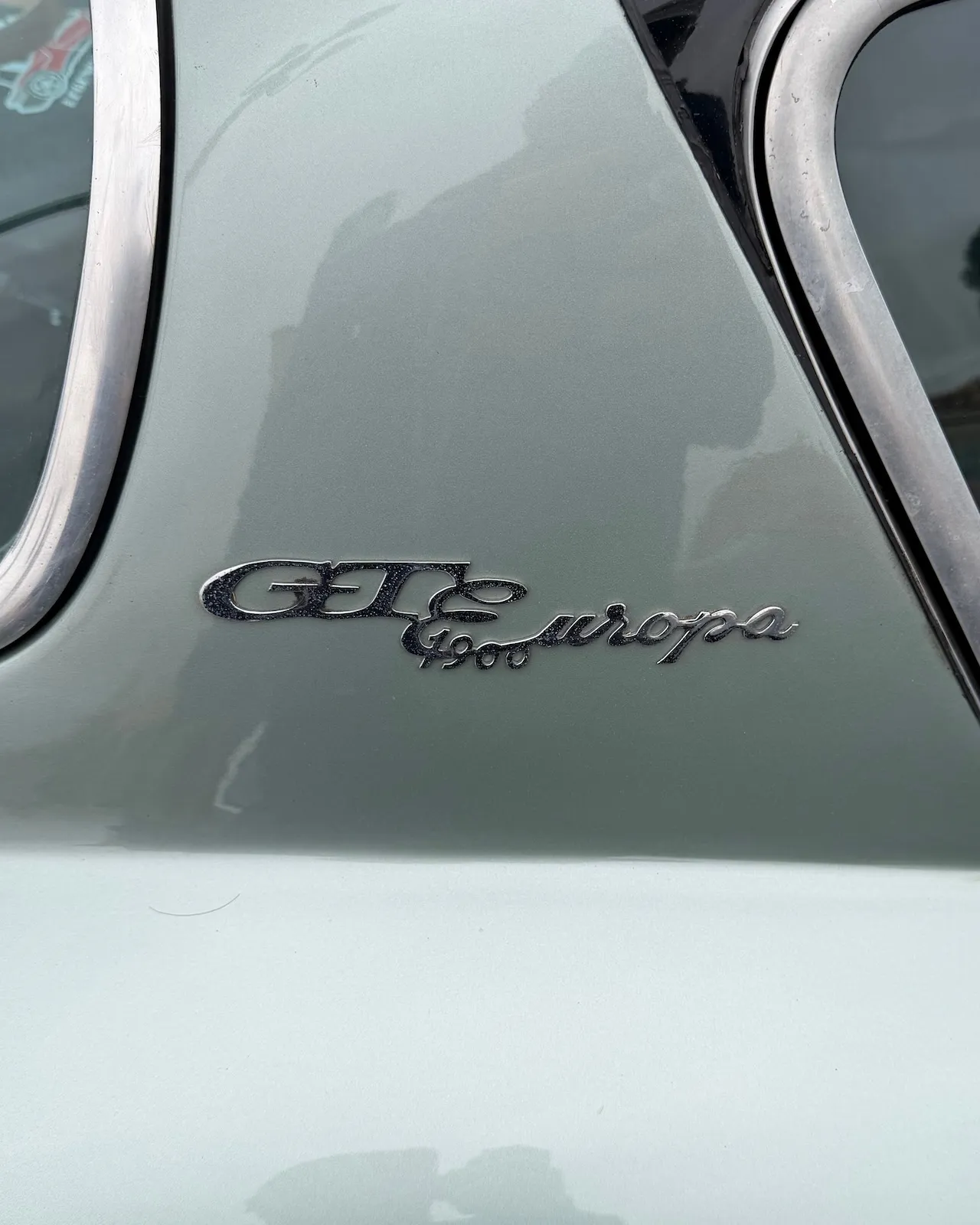
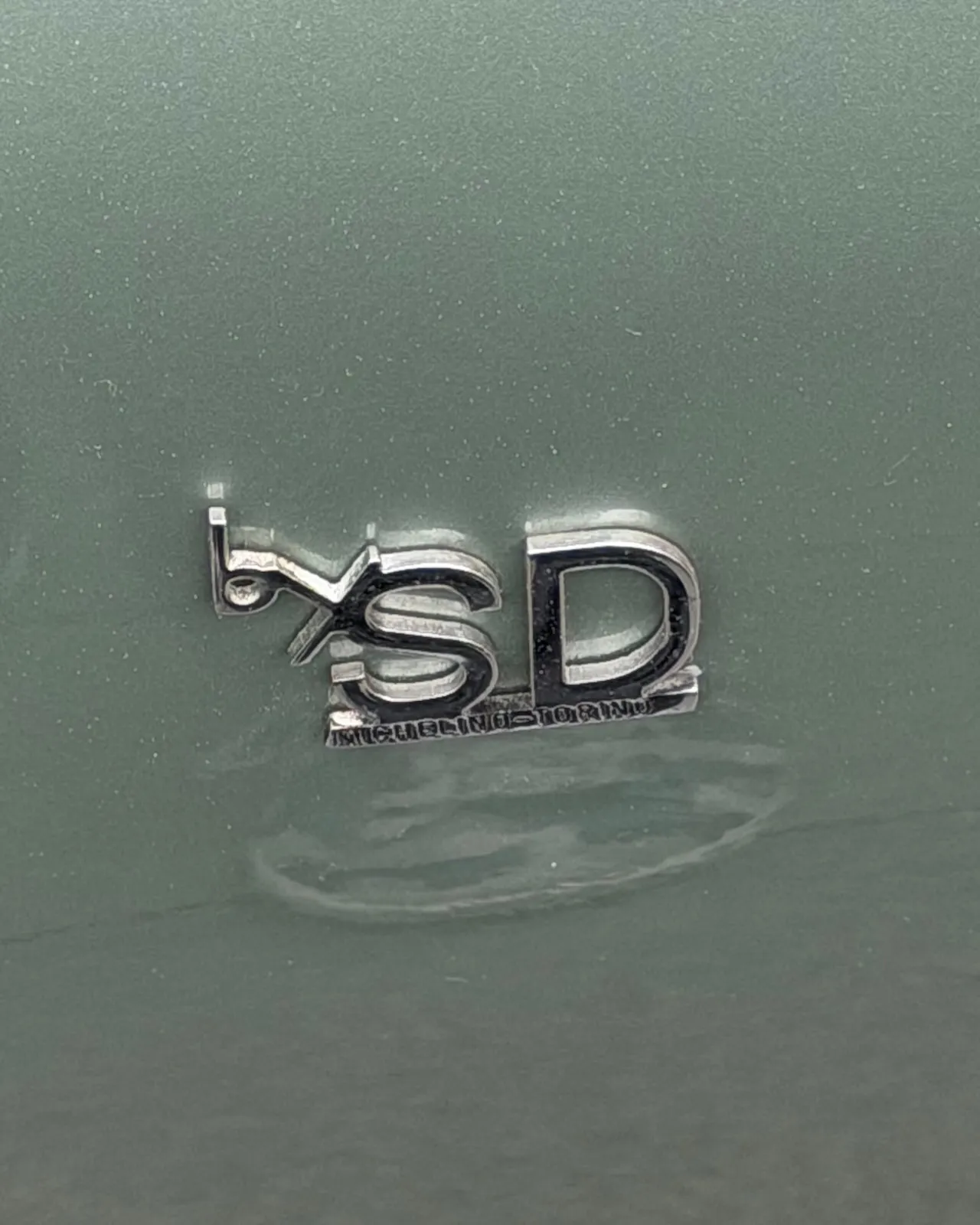
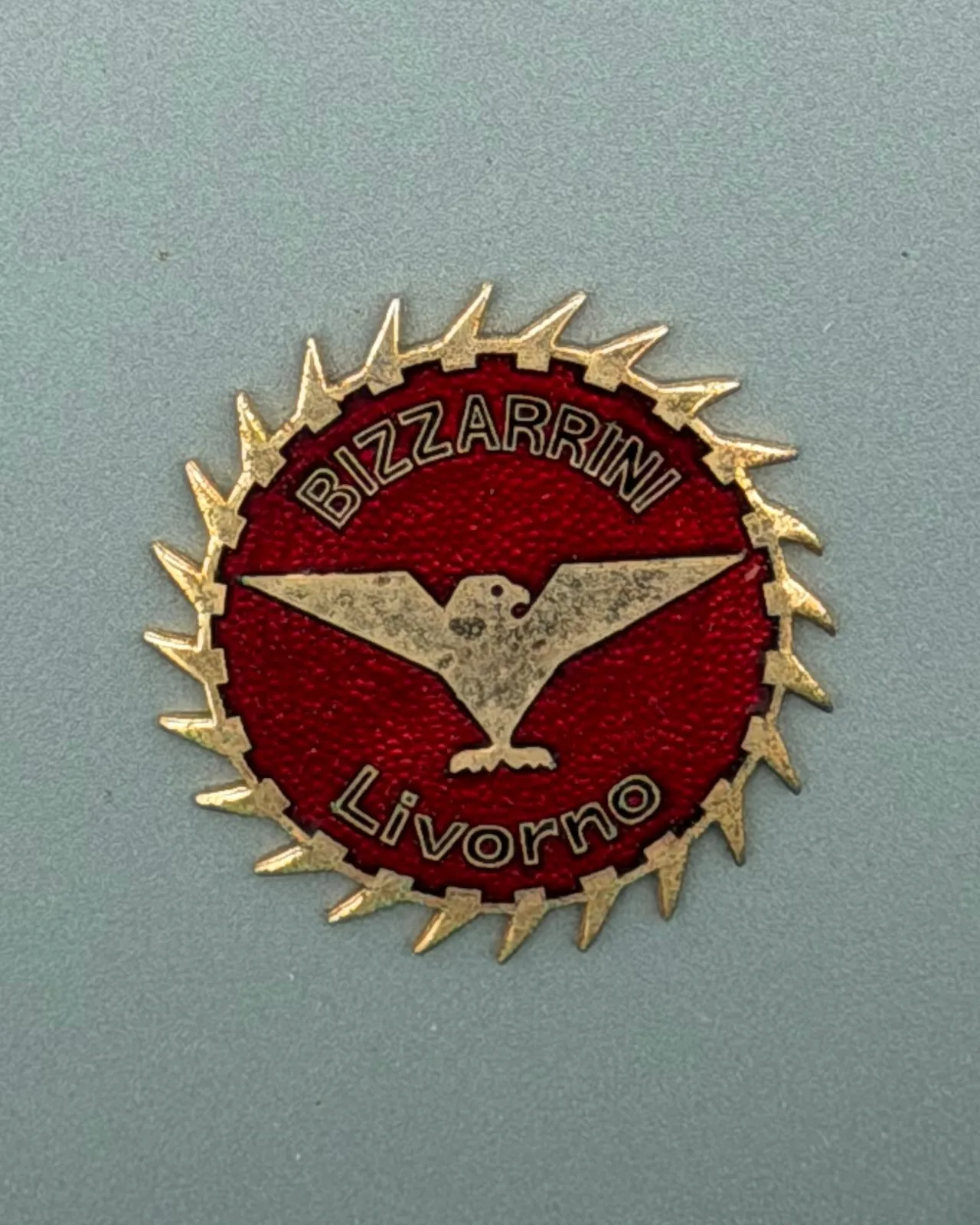
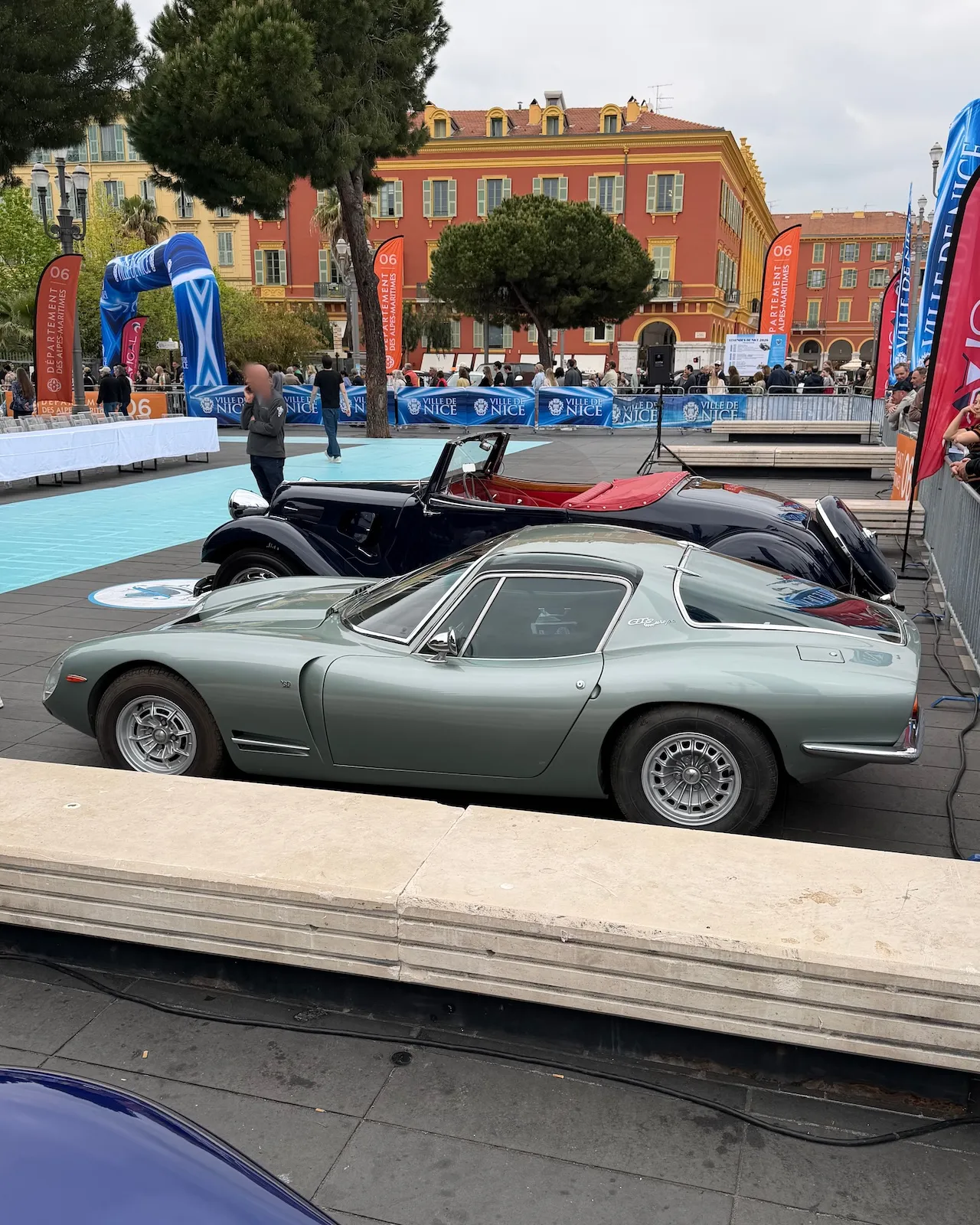
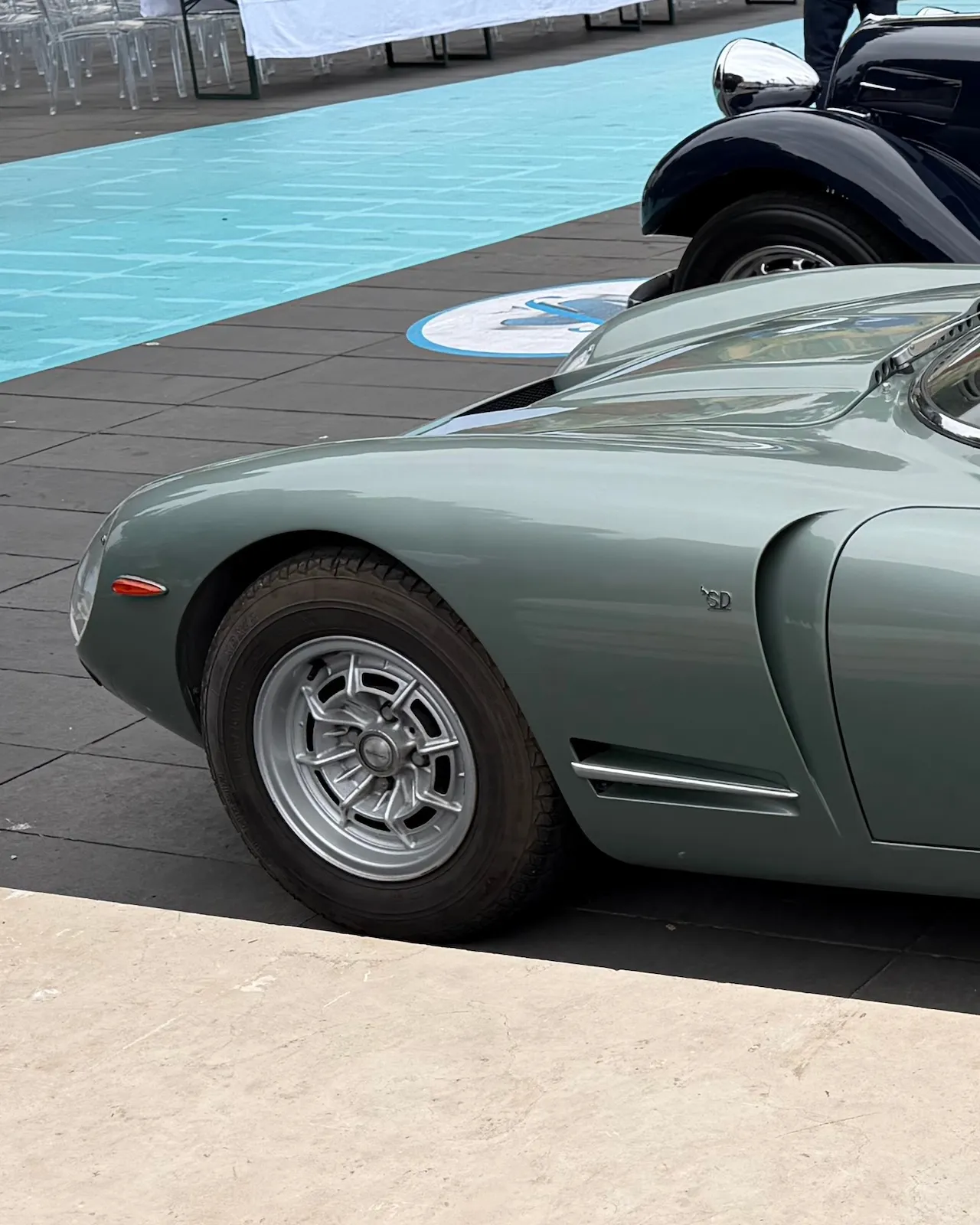
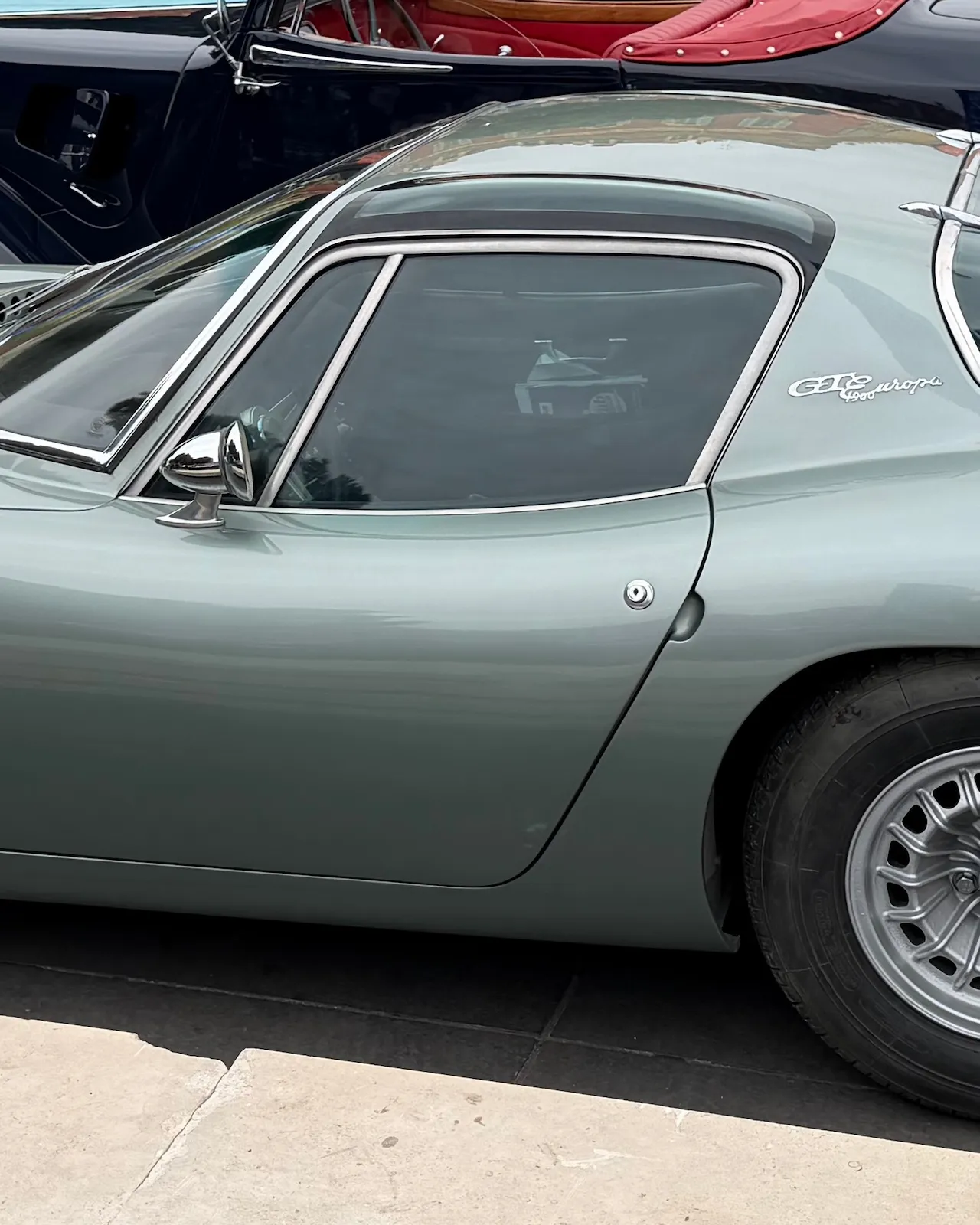
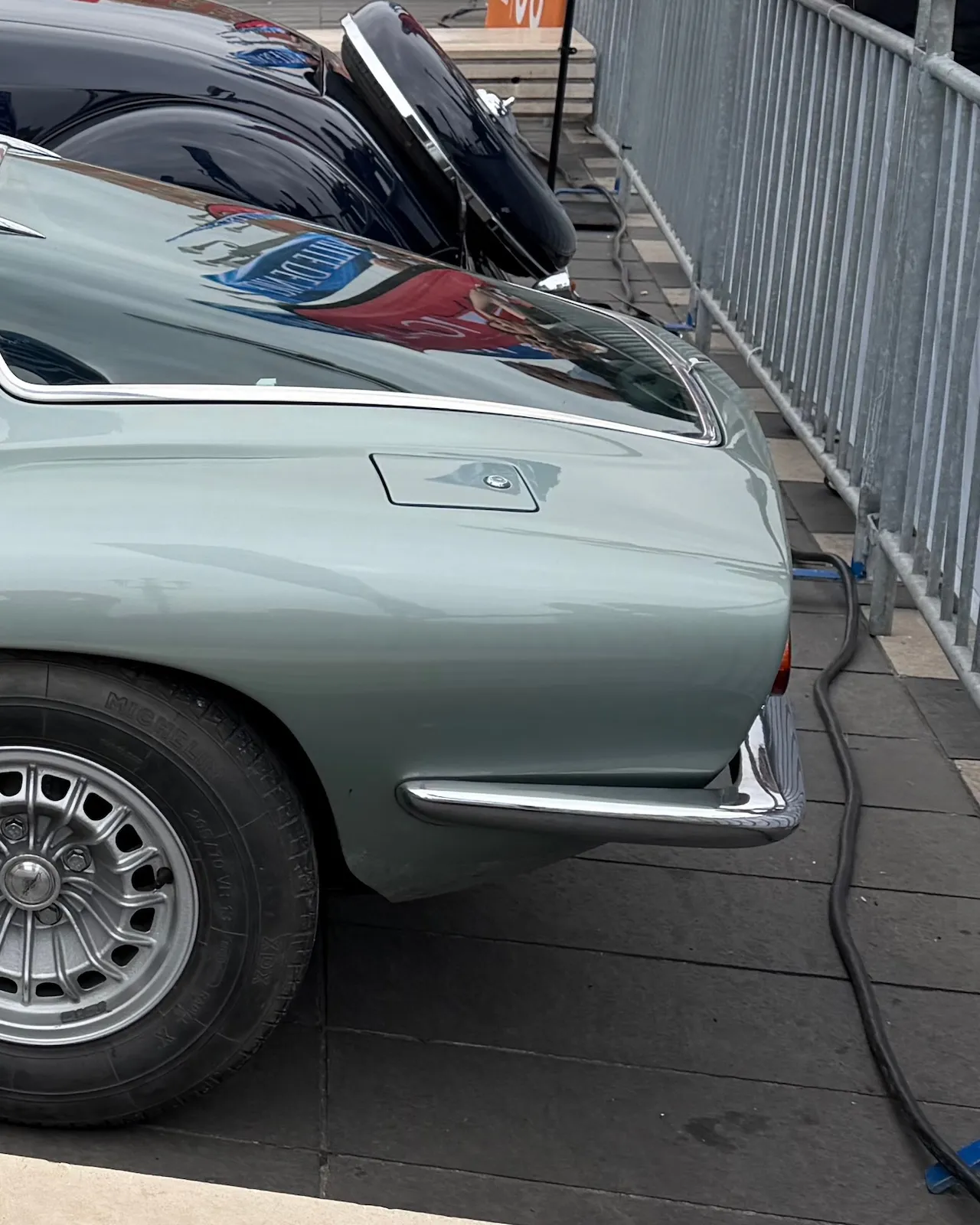
Did you know that Bizzarrini also produced smaller cars? Probably not.
That said, small isn't quite the right word, these were true grand tourers, carrying all the DNA that defines Bizzarrini as a maker of exceptional sports GTs.
This one was spotted at the Légendes de Nice last week. It's a 1900 GT Europa, powered by an inline-four engine of Opel origin (typically from the Rekord C). The engine is mounted in a front mid-engine layout, just like in larger GT cars. According to the logo, this particular example was assembled by Autocostruzioni S.D.
It's a genuinely beautiful car with elegant proportions. Many thanks to the owner for bringing it to the South of France.
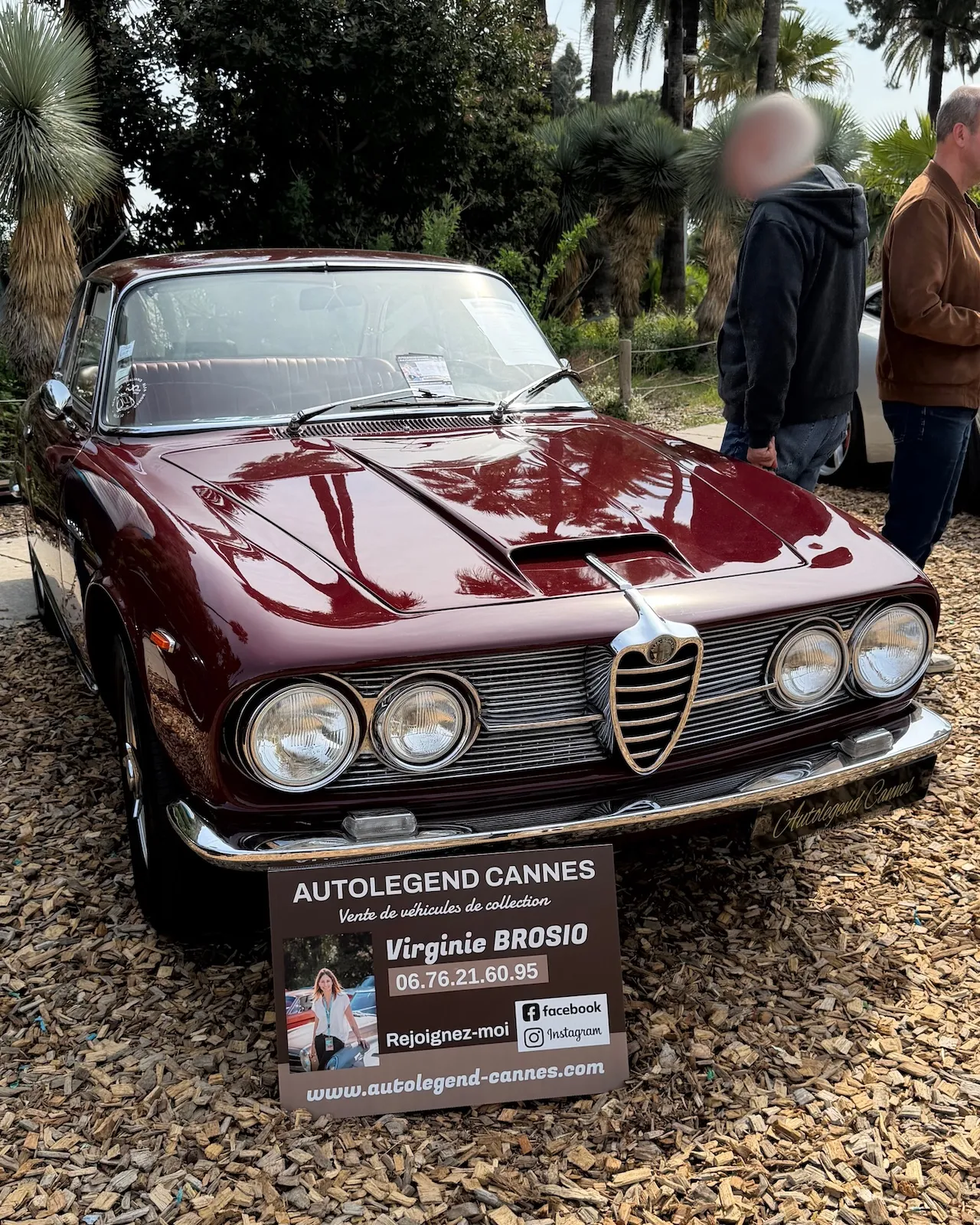
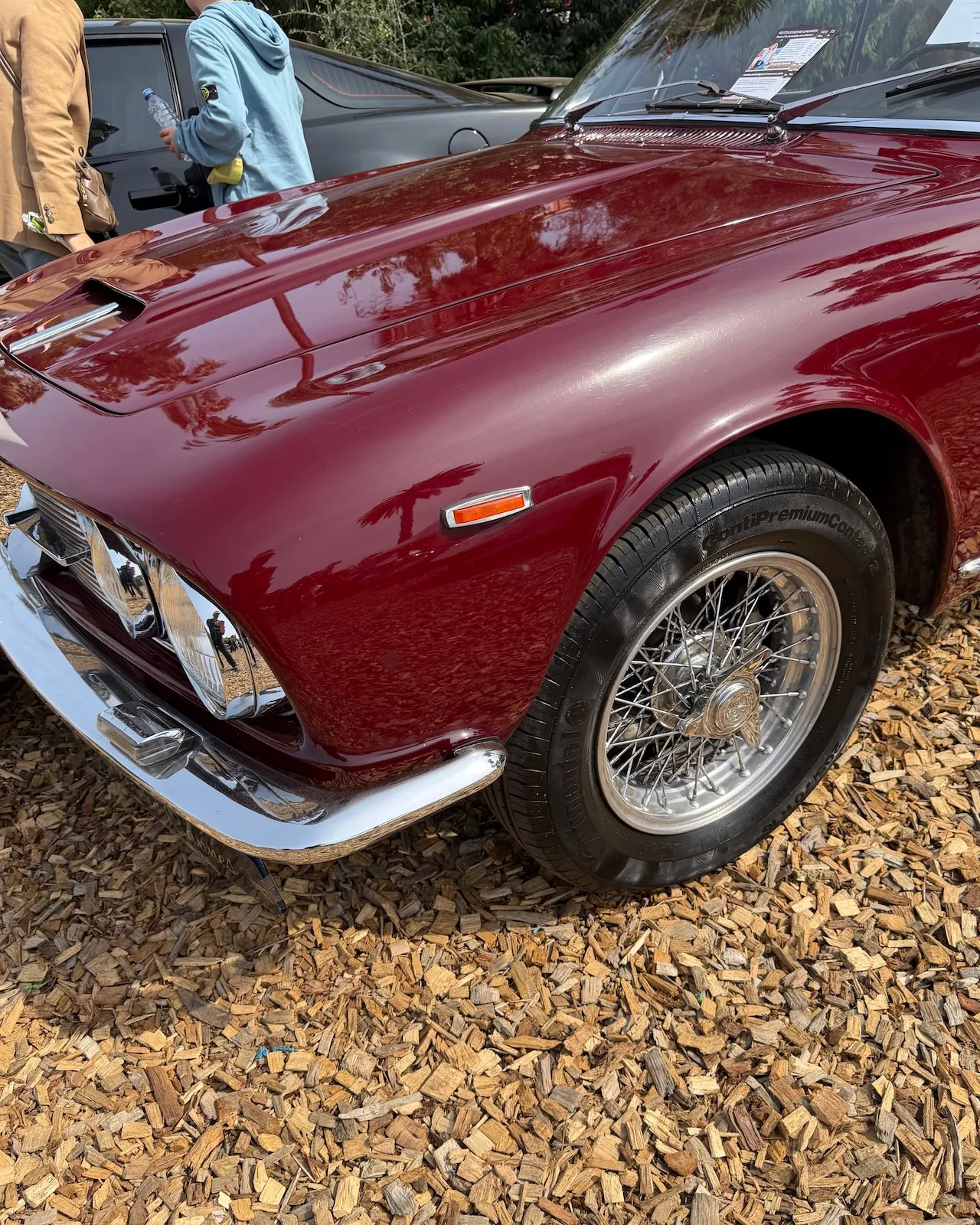
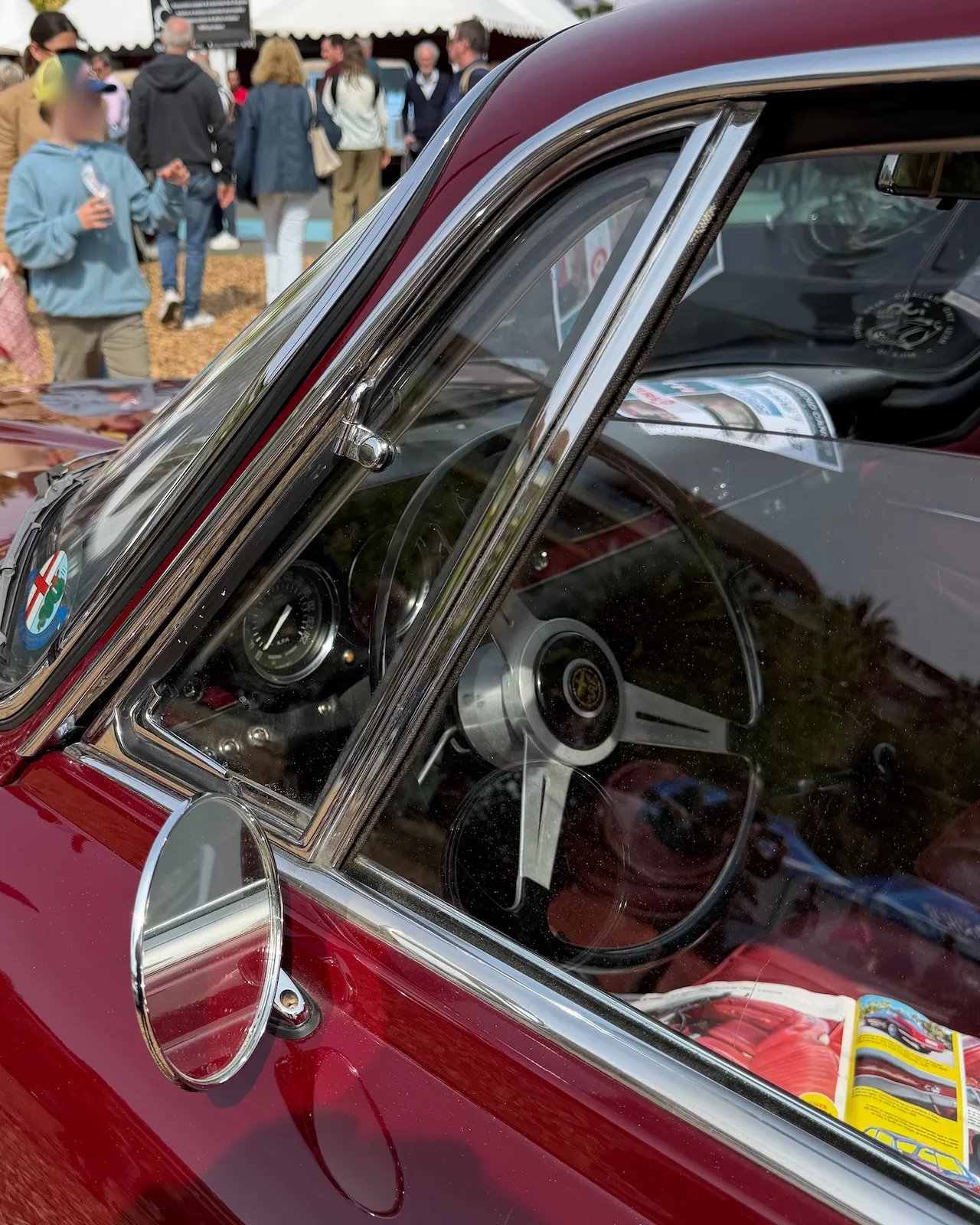
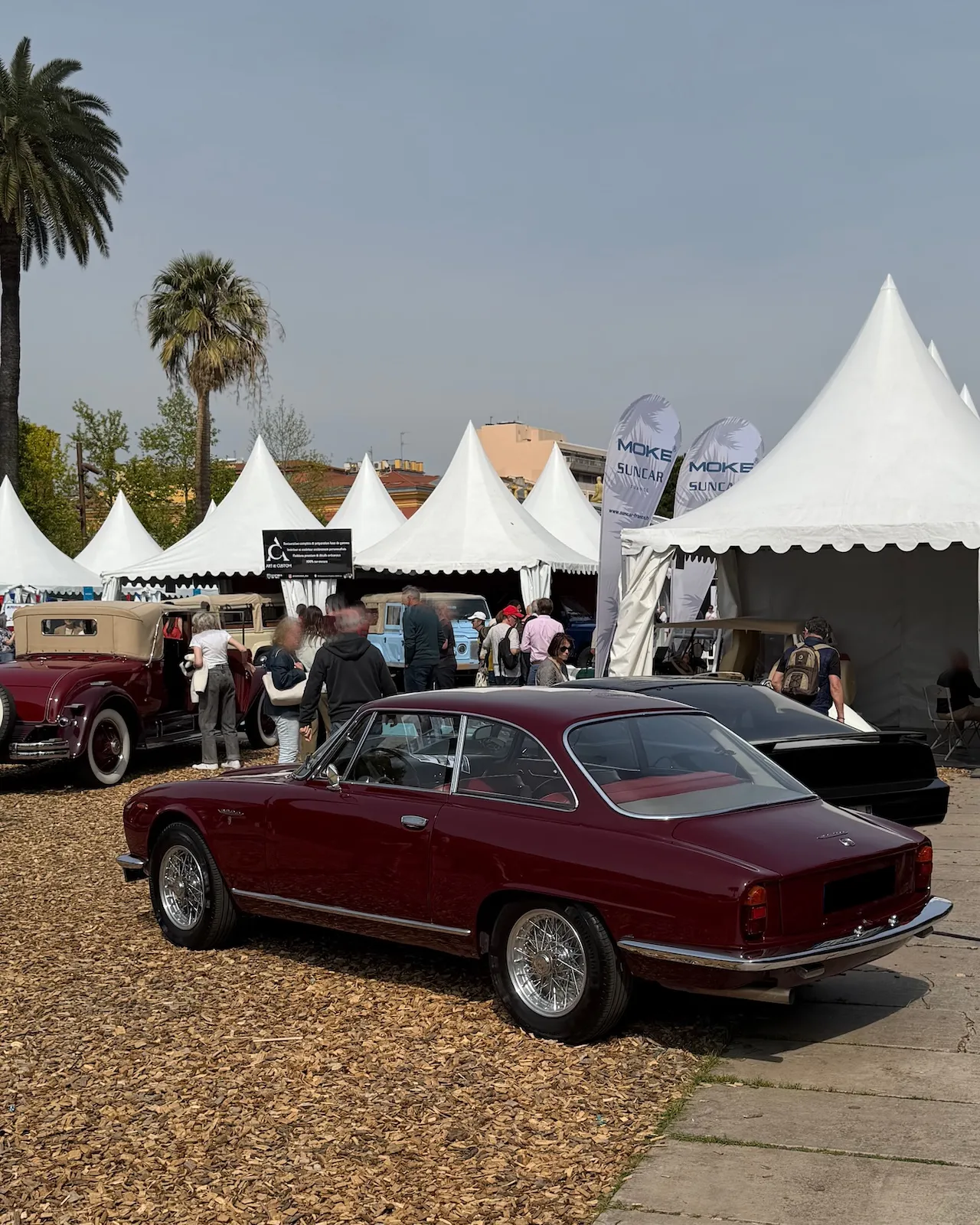
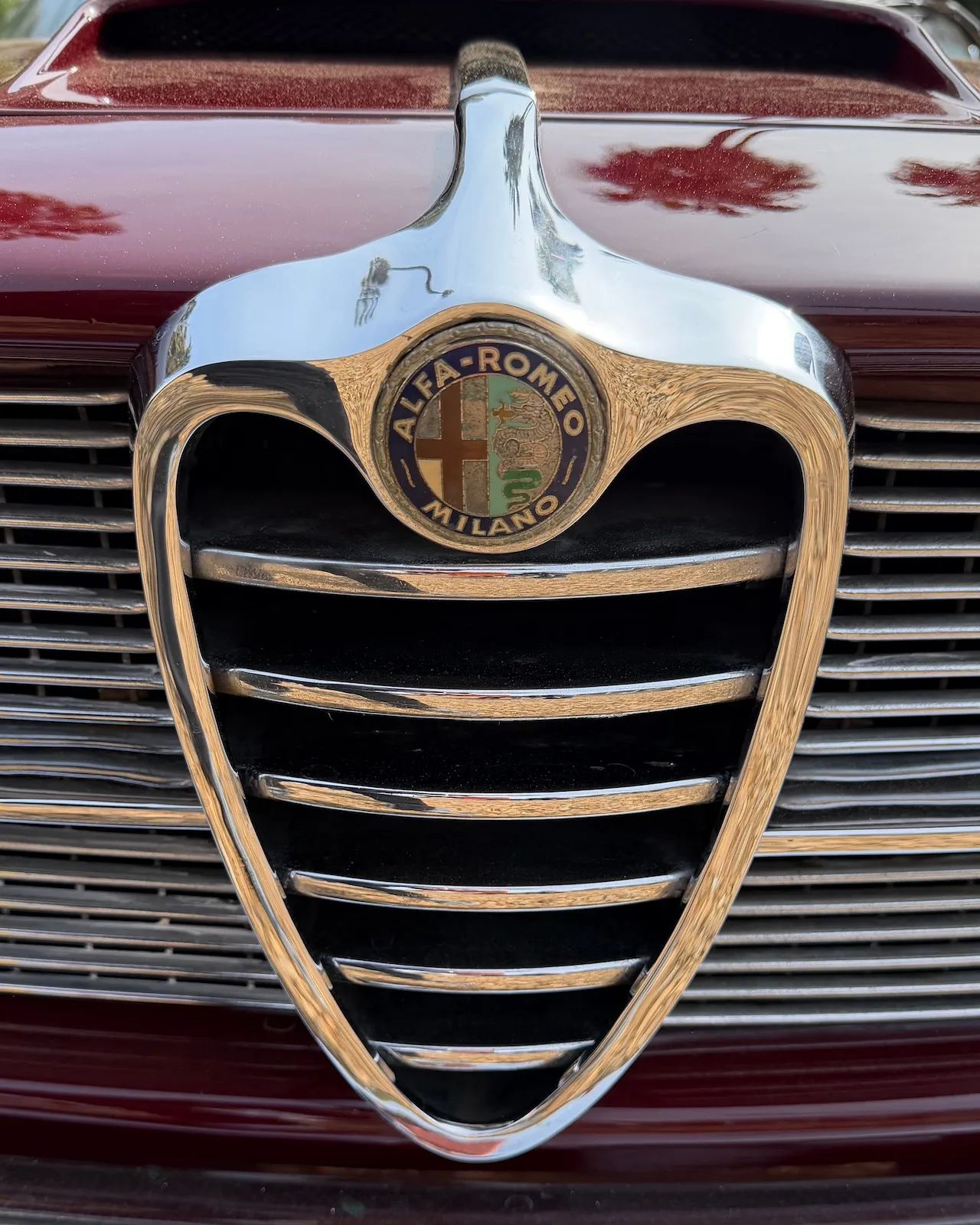
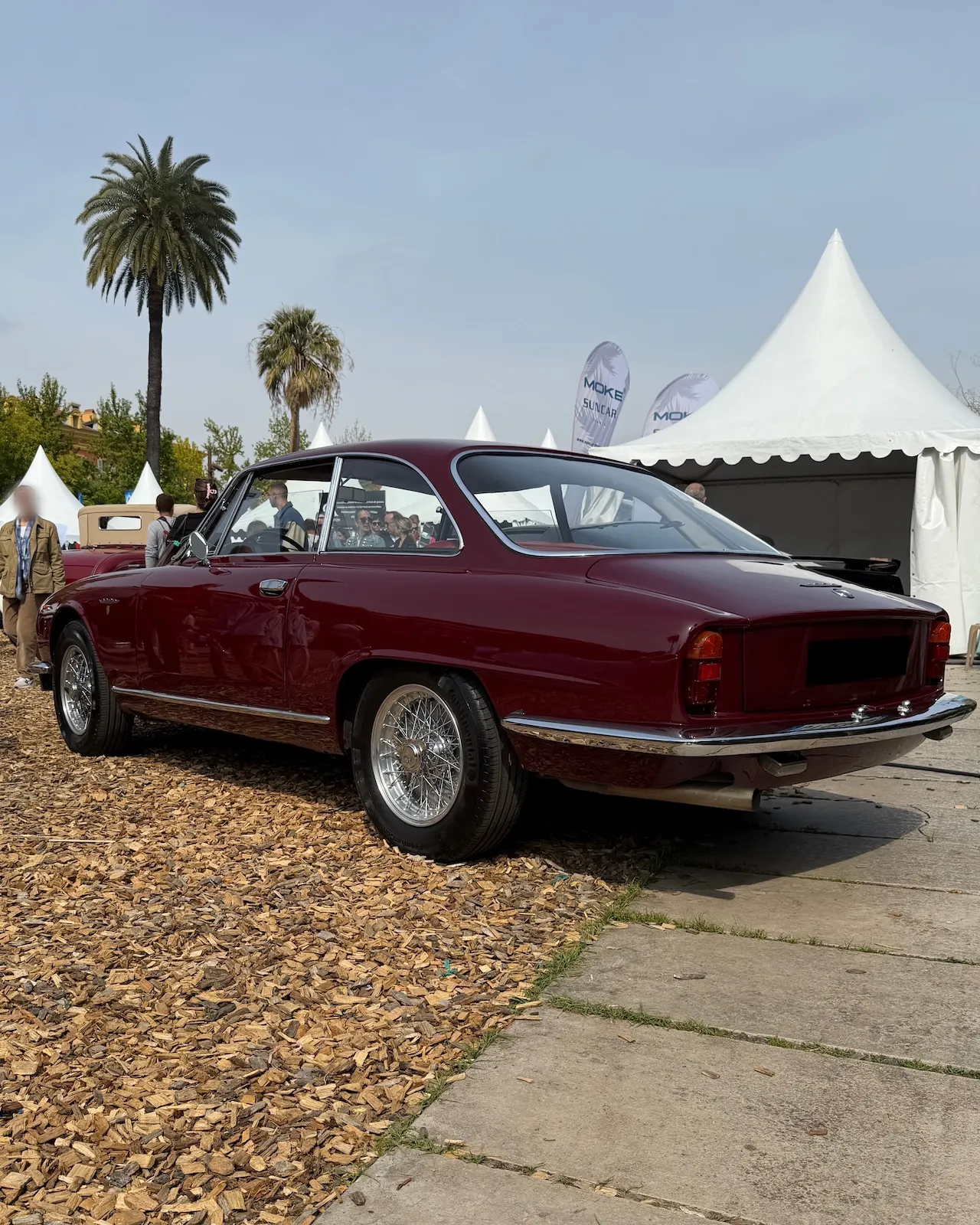
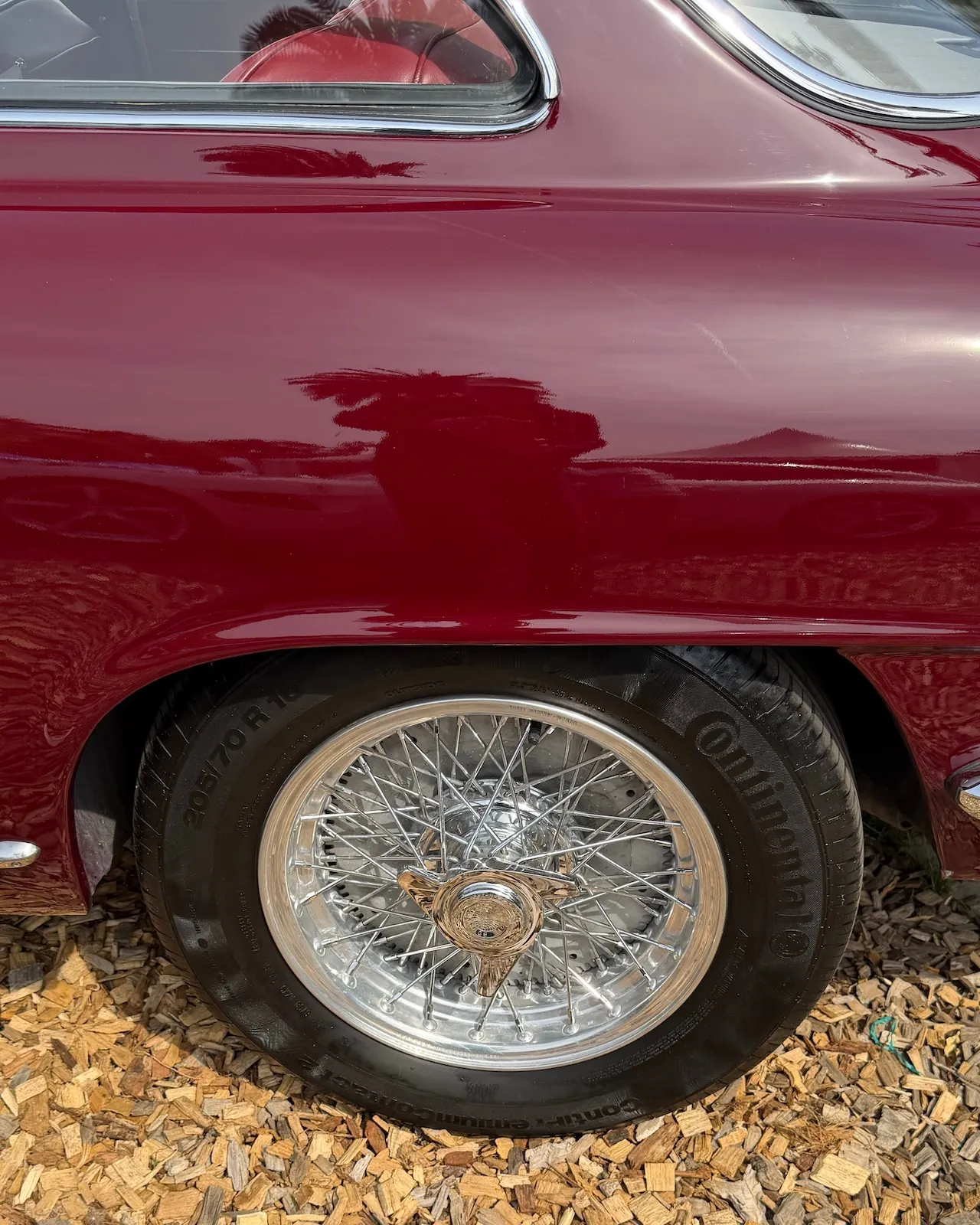
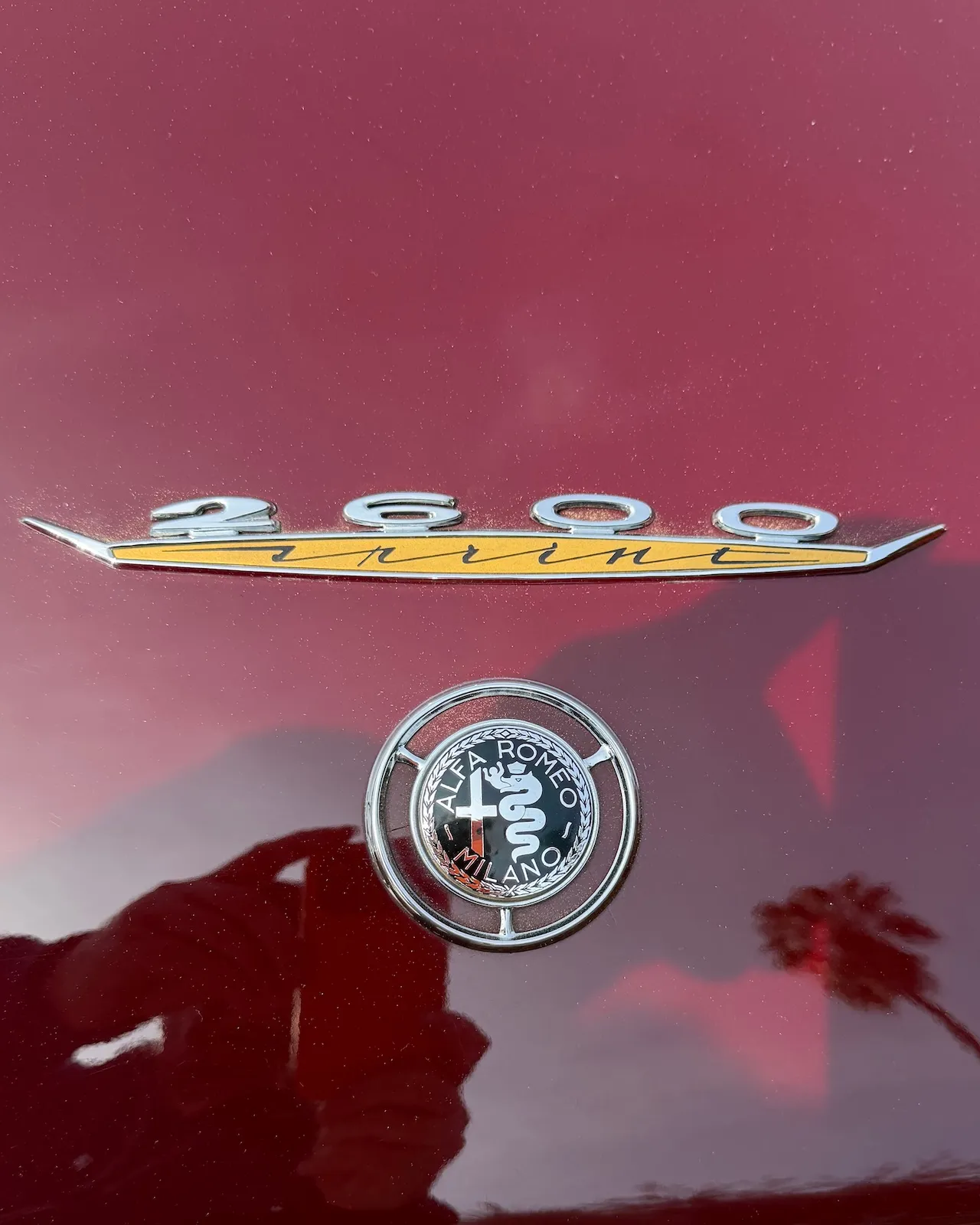
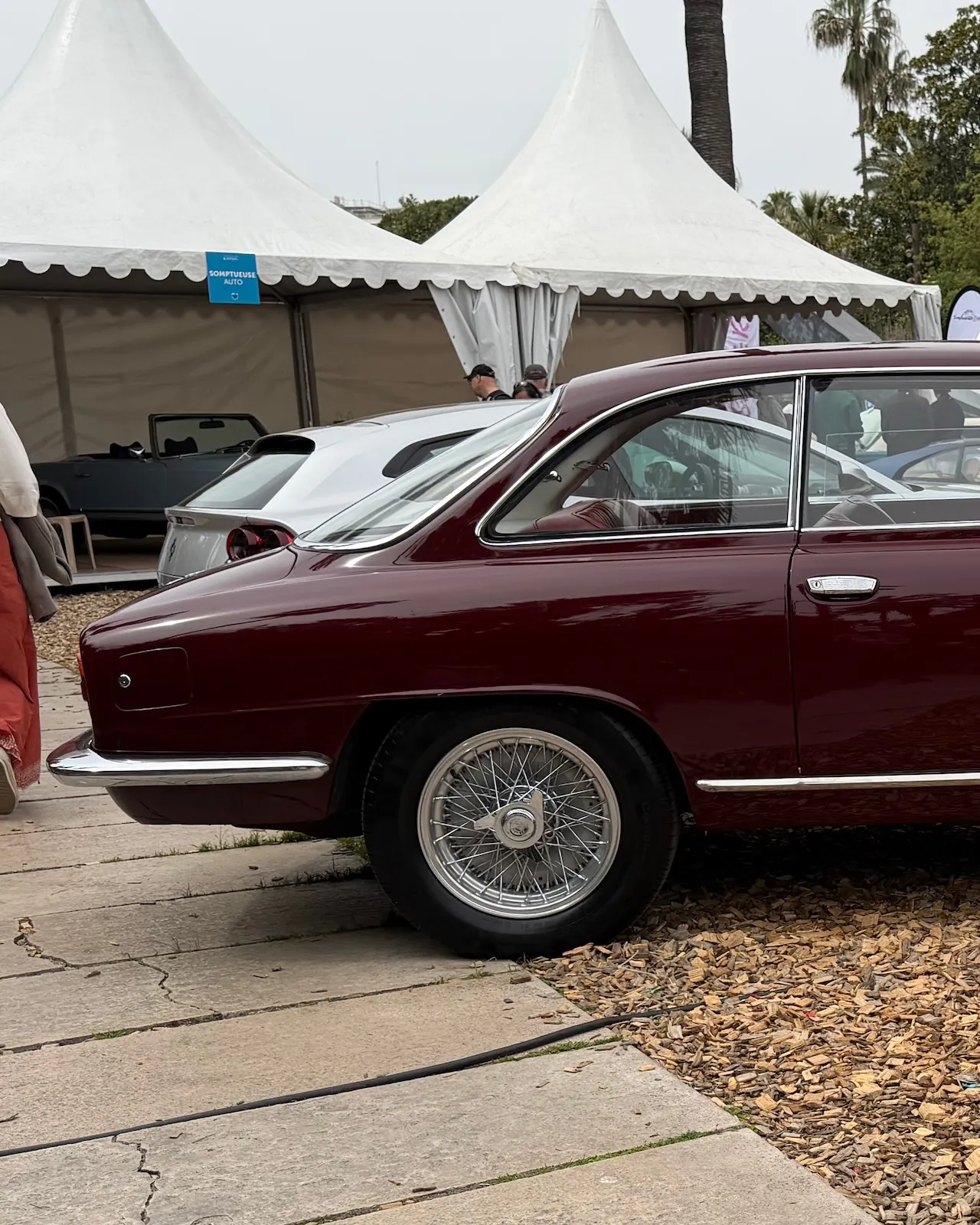
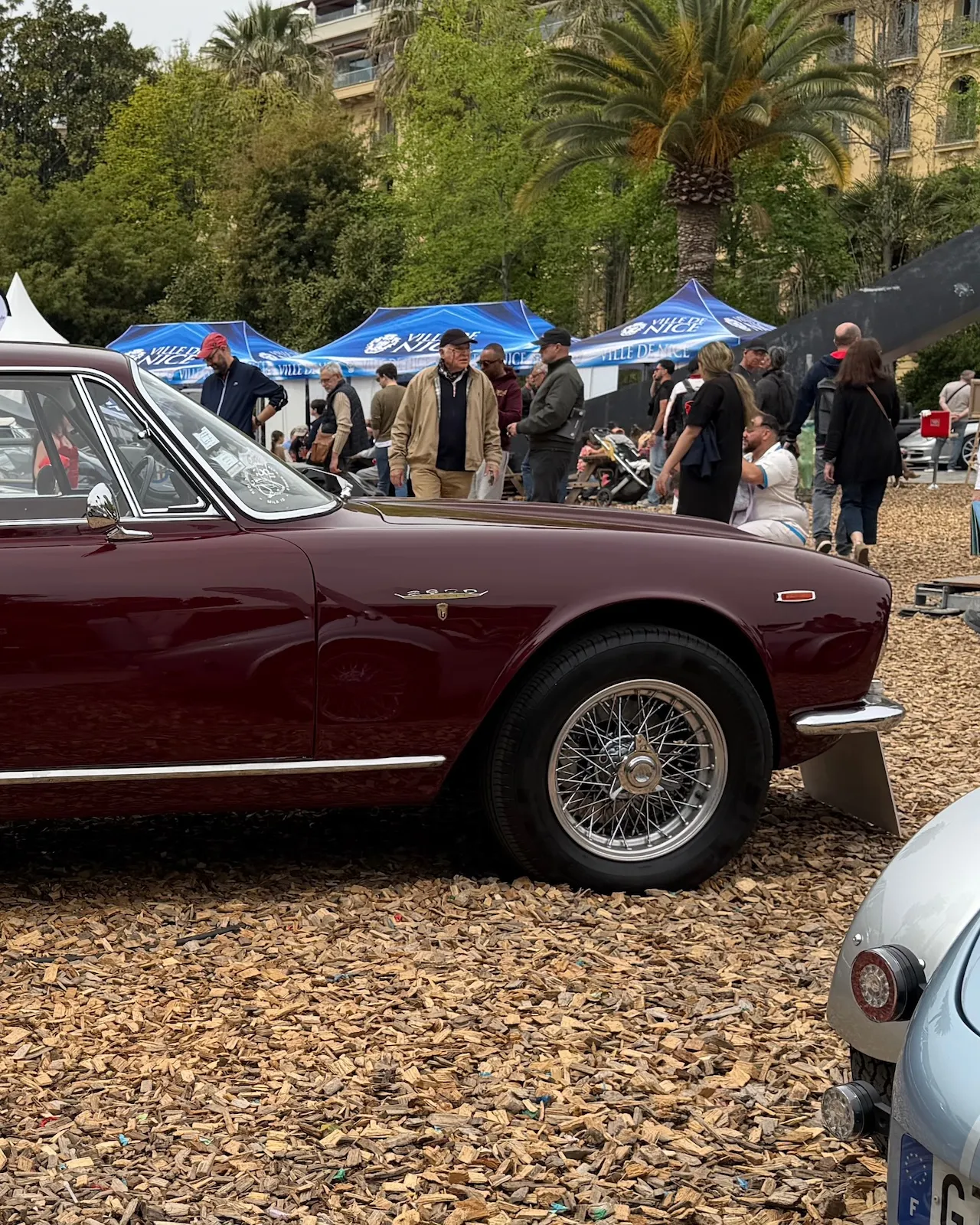
One of the finest cars ever produced by Alfa Romeo in the 1960s: the Alfa Romeo 2600 Sprint.
This 1962 example was spotted last weekend at the Légendes de Nice, absolutely stunning. From its elegant Borrani rims to the perfectly proportioned shape, every detail just works. And that color… perfection.
The 2600 range stood as Alfa Romeo's six-cylinder flagship from 1962 to 1968, and it holds a special place in history as the last Alfa to feature a DOHC straight-six engine.
This very car is currently on the market in the South of France… and honestly, if I had the space, it would already be mine.
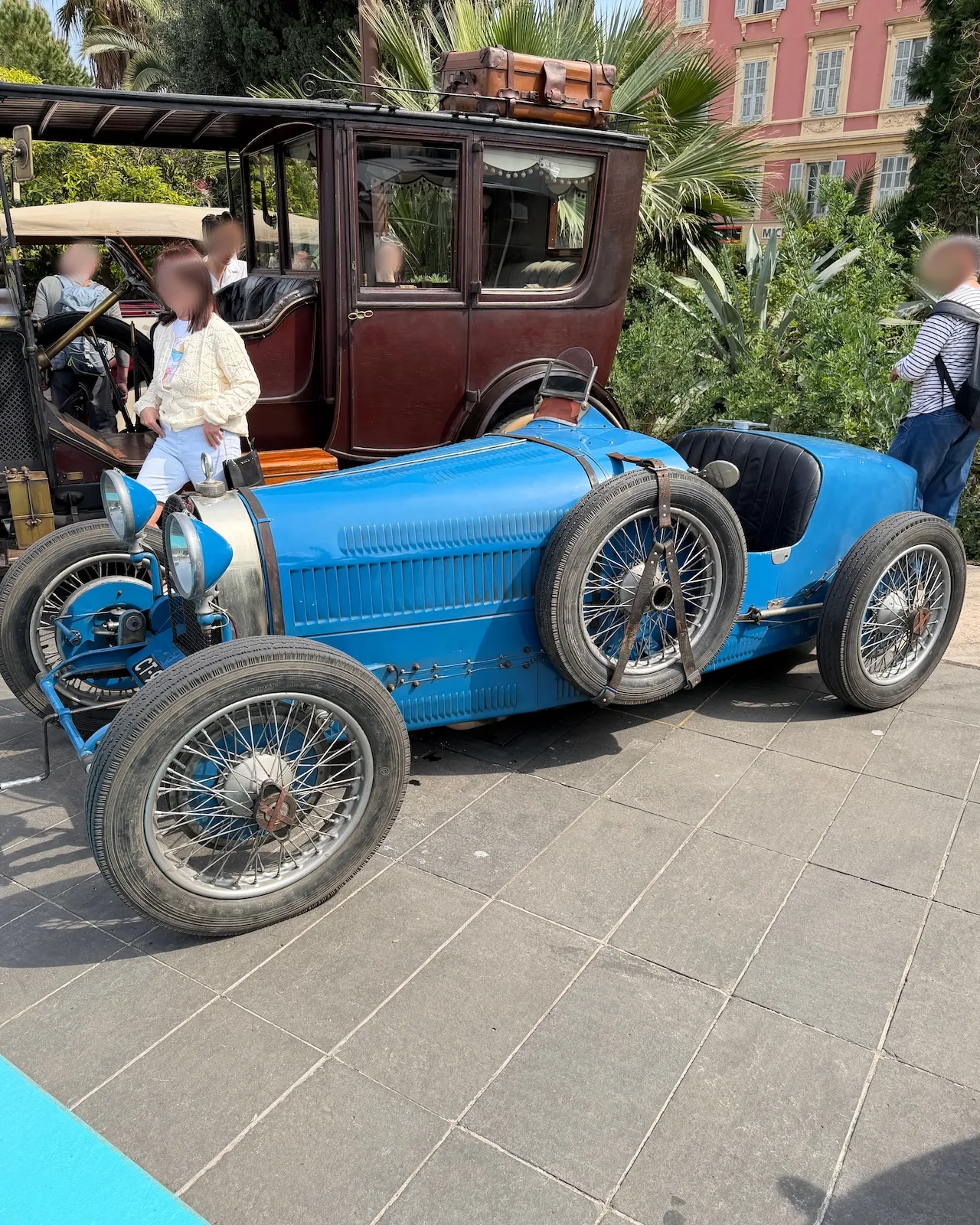
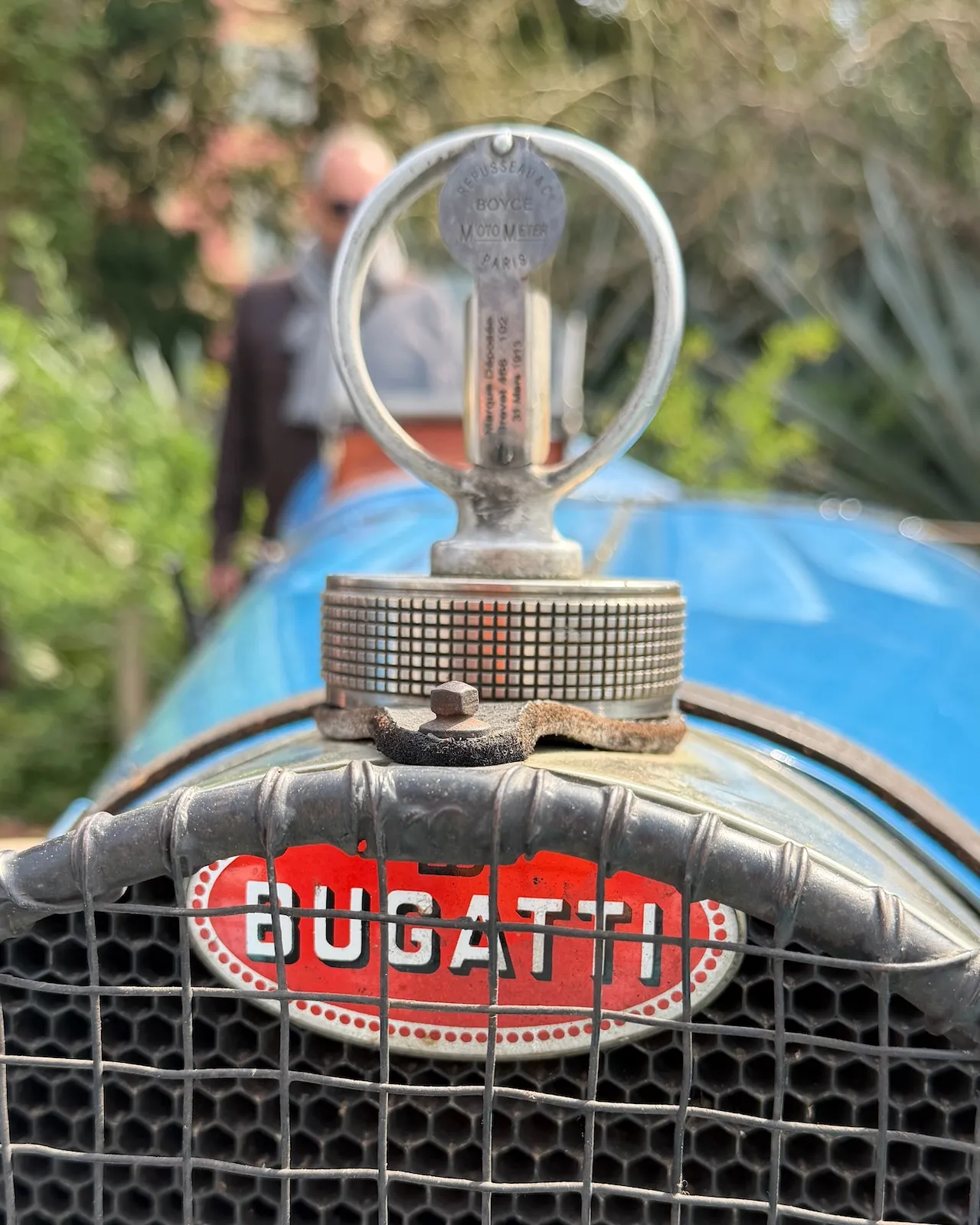
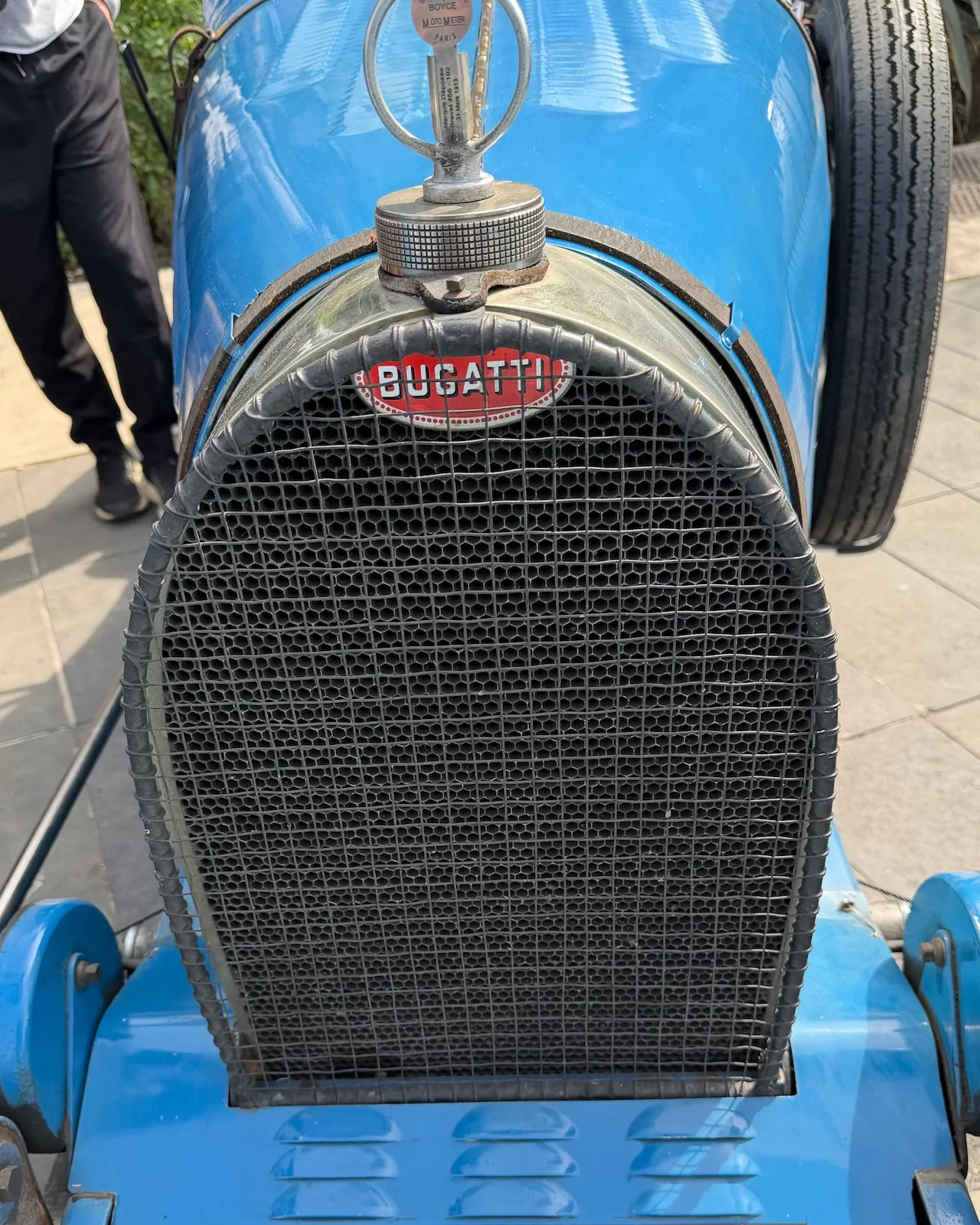
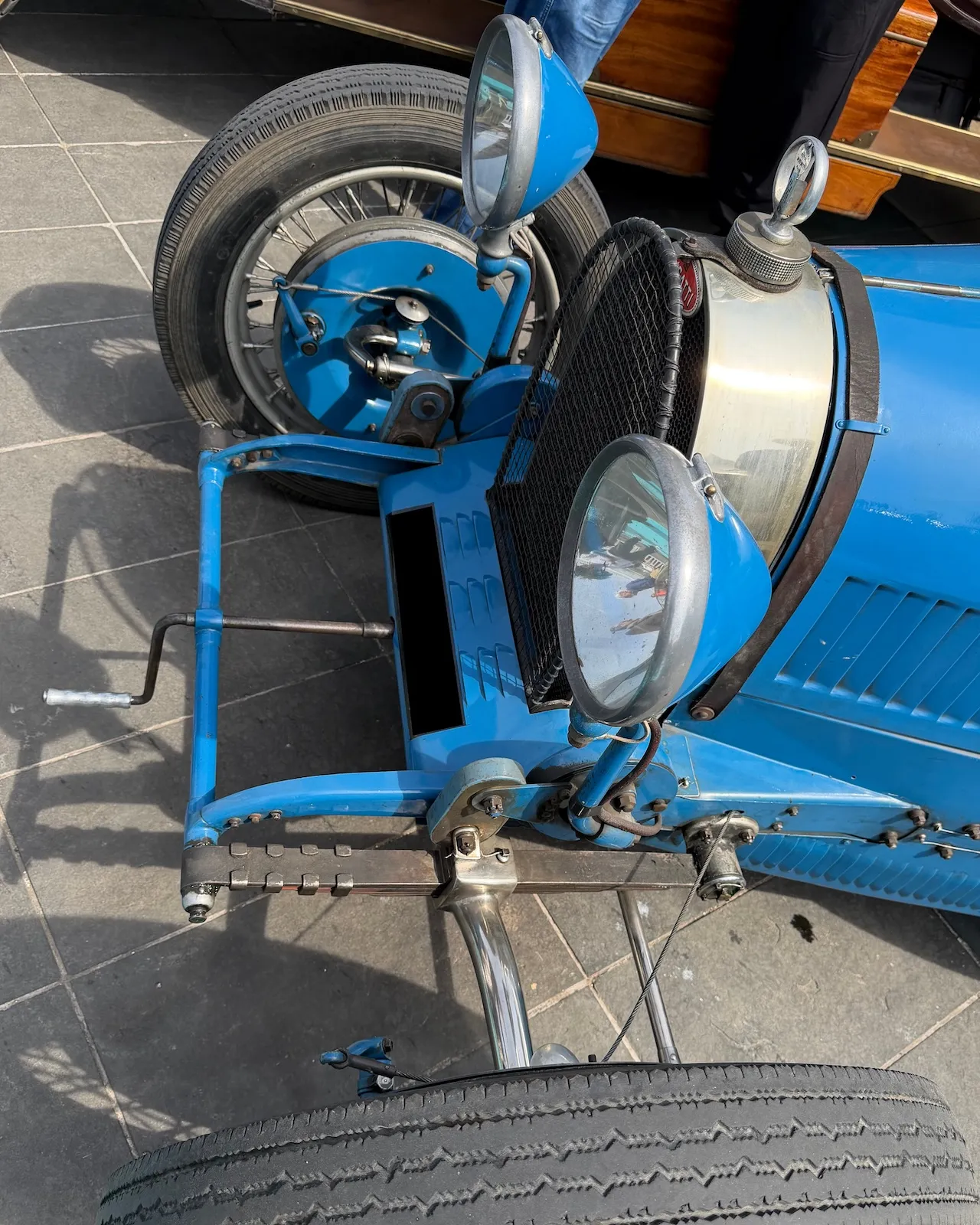
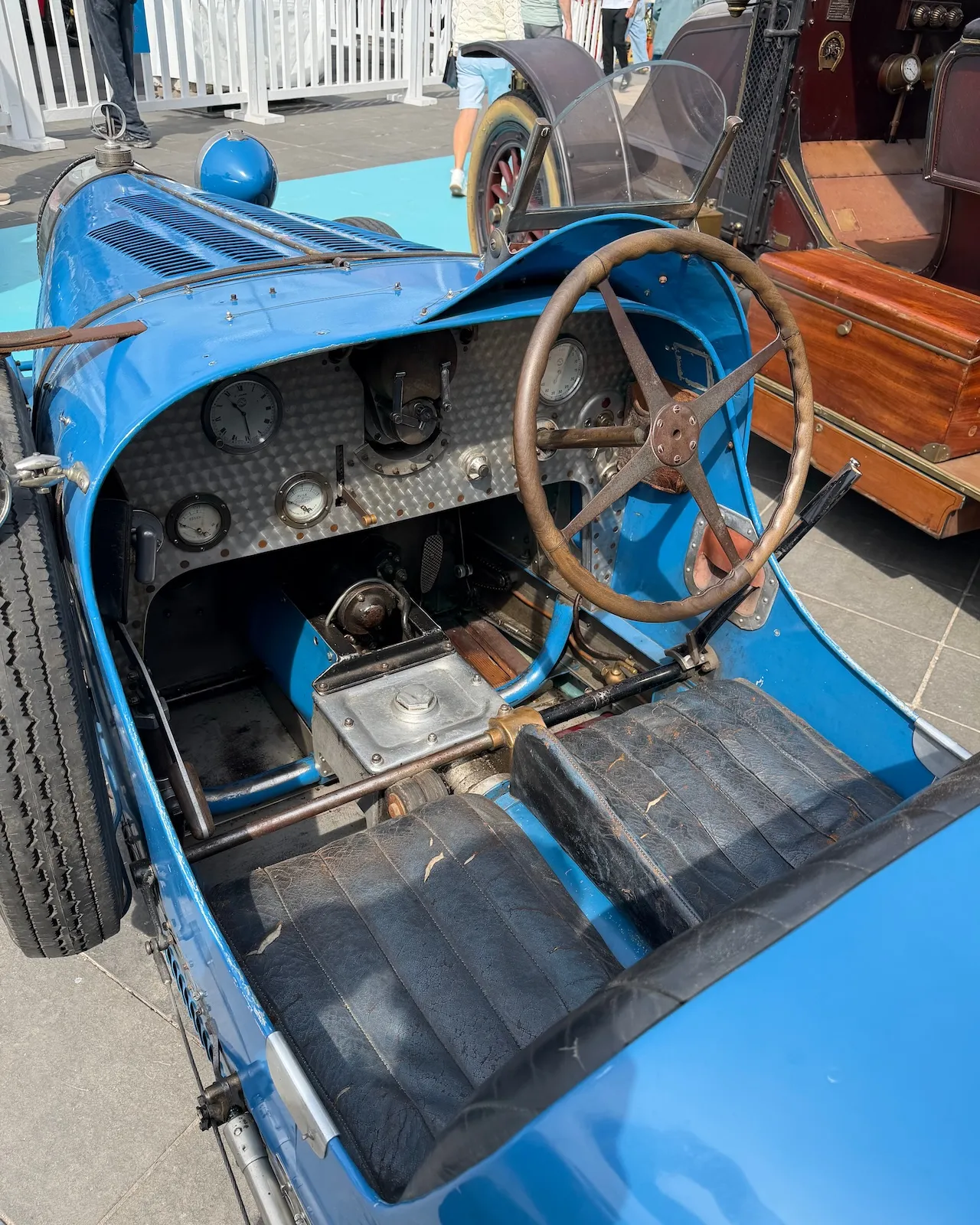
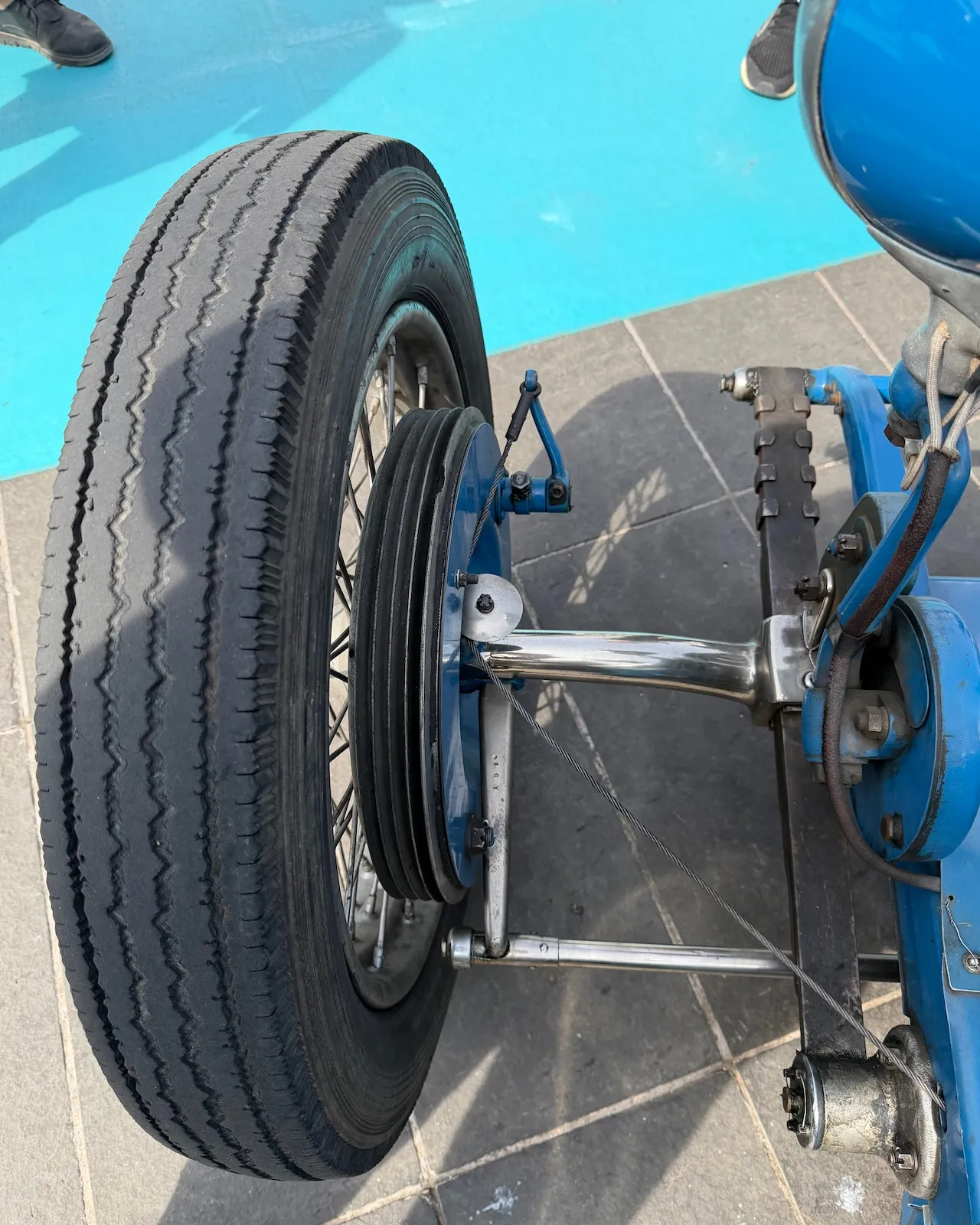
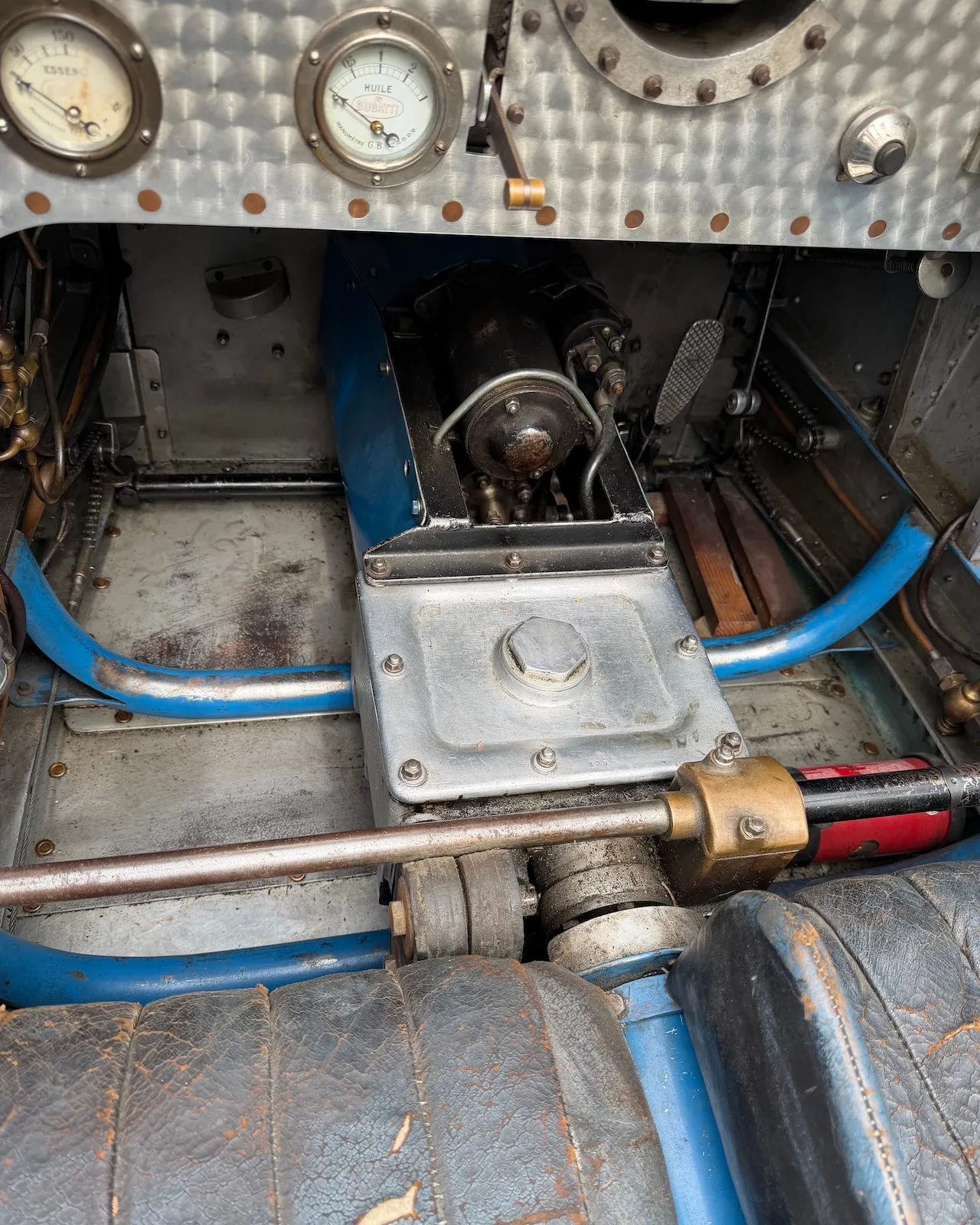
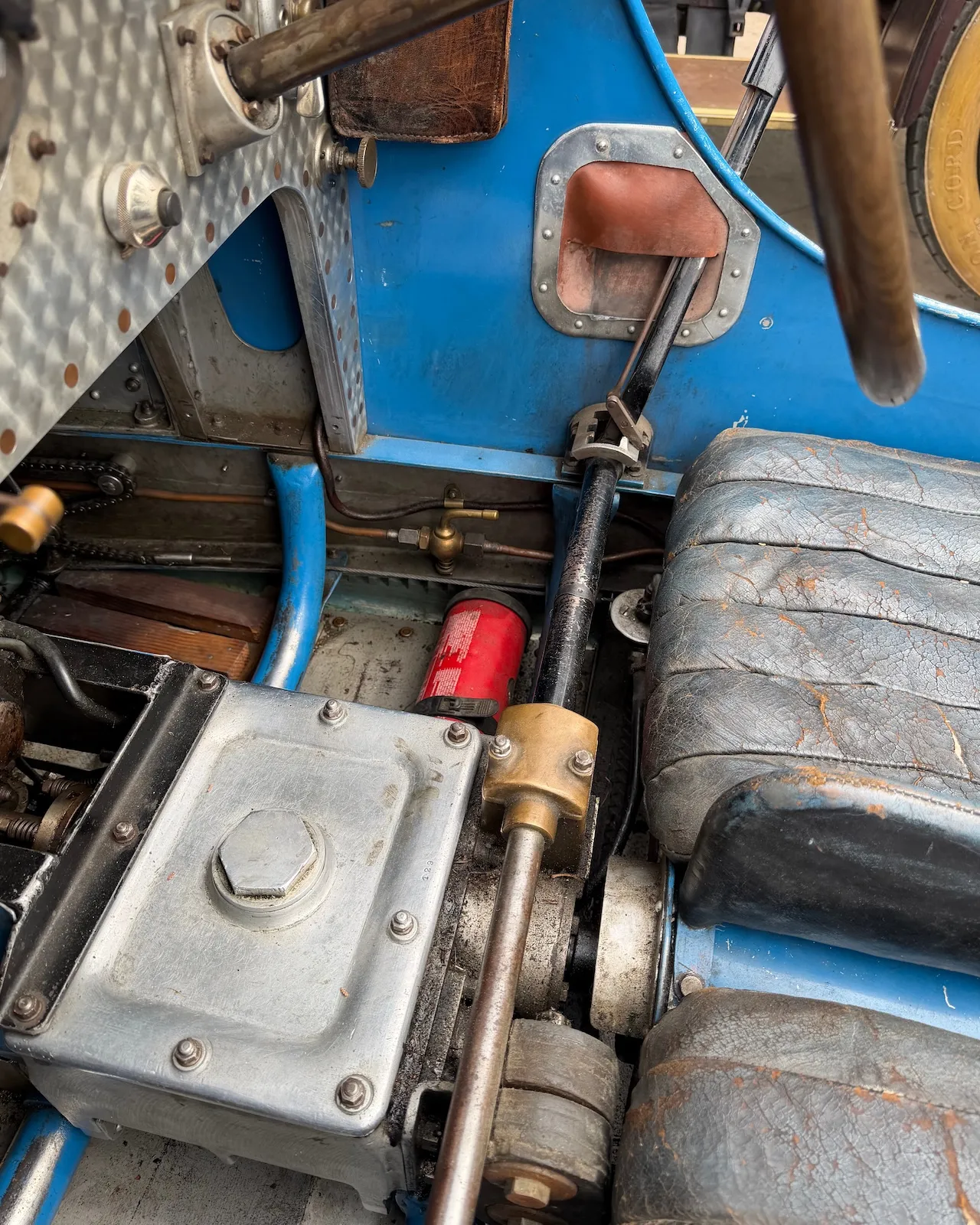
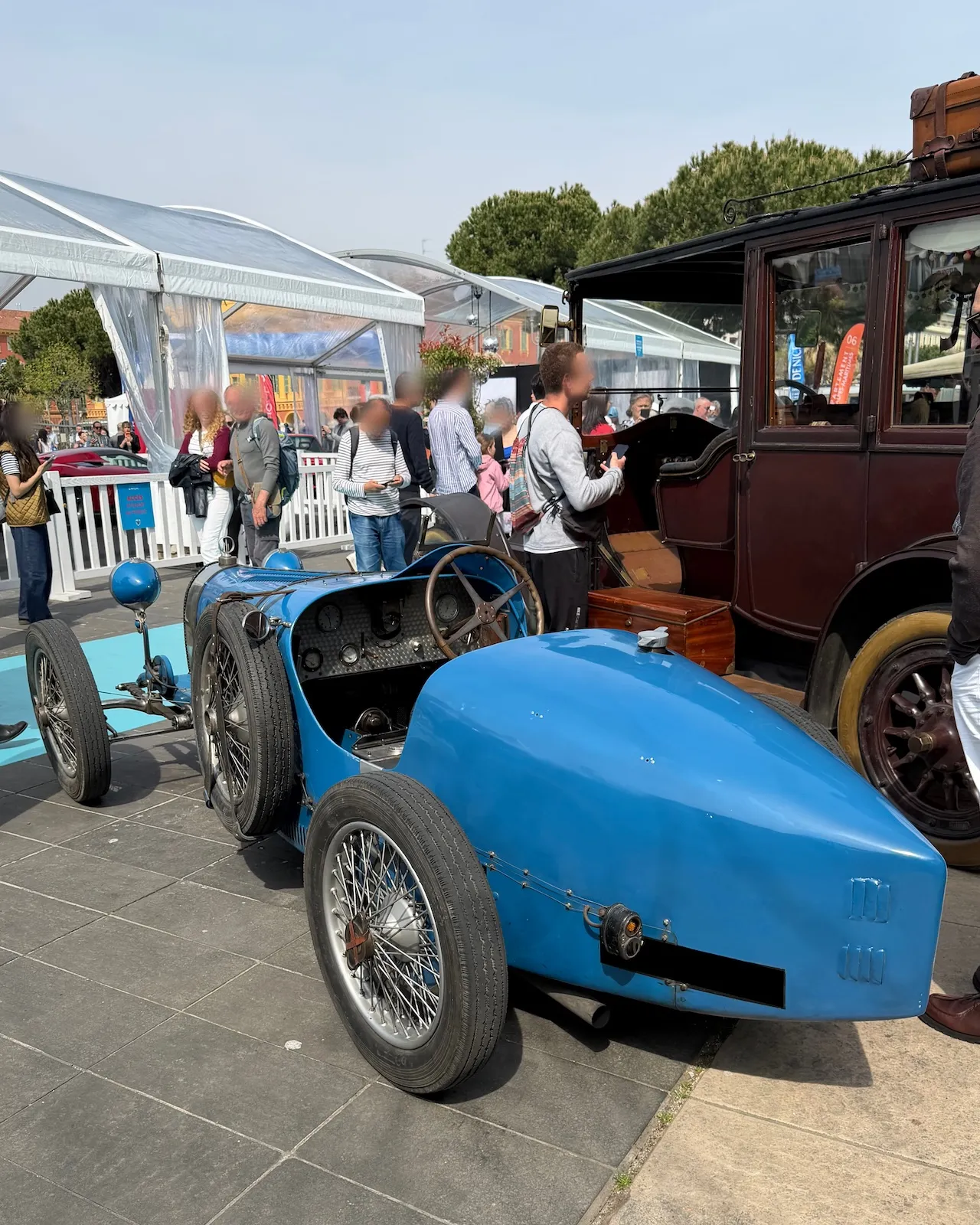
All Bugattis are exceptional, there's no debate about that. Yet in some circles, certain models remain quietly underappreciated, e.g. the four-cylinder variants.
Pictured here, spotted over the weekend at Légendes de Nice, is a 1928 Type 37A Sport with Grand Prix bodywork, chassis number 37318, reached 6th place at the Targa Florio 1928.
During the 1920s, Bugatti responded to customer demand for more power. The Type 37A retained the original engine but introduced a Roots-type supercharger, boosting output by an additional 20-30 horsepower. This brought total power to roughly 80-90 horsepower, a significant increase that allowed it to compete with much larger machines. Performance rose accordingly, with top speeds reaching an impressive 180 km/h.
In addtion there's the rarity. Production of the 37A was limited, with only around 70 units built at the Molsheim factory between 1927 and 1930. That scarcity makes them even more desirable today than the standard 37.
The Type 37 range as a whole, and this particular car especially, are true gems. Many thanks to Ettore, and to the current owner for preserving such a remarkable piece of automotive history.
So, perhaps it’s time to revise the verdict: four-cylinder cars, not underrated at all, simply exceptional.
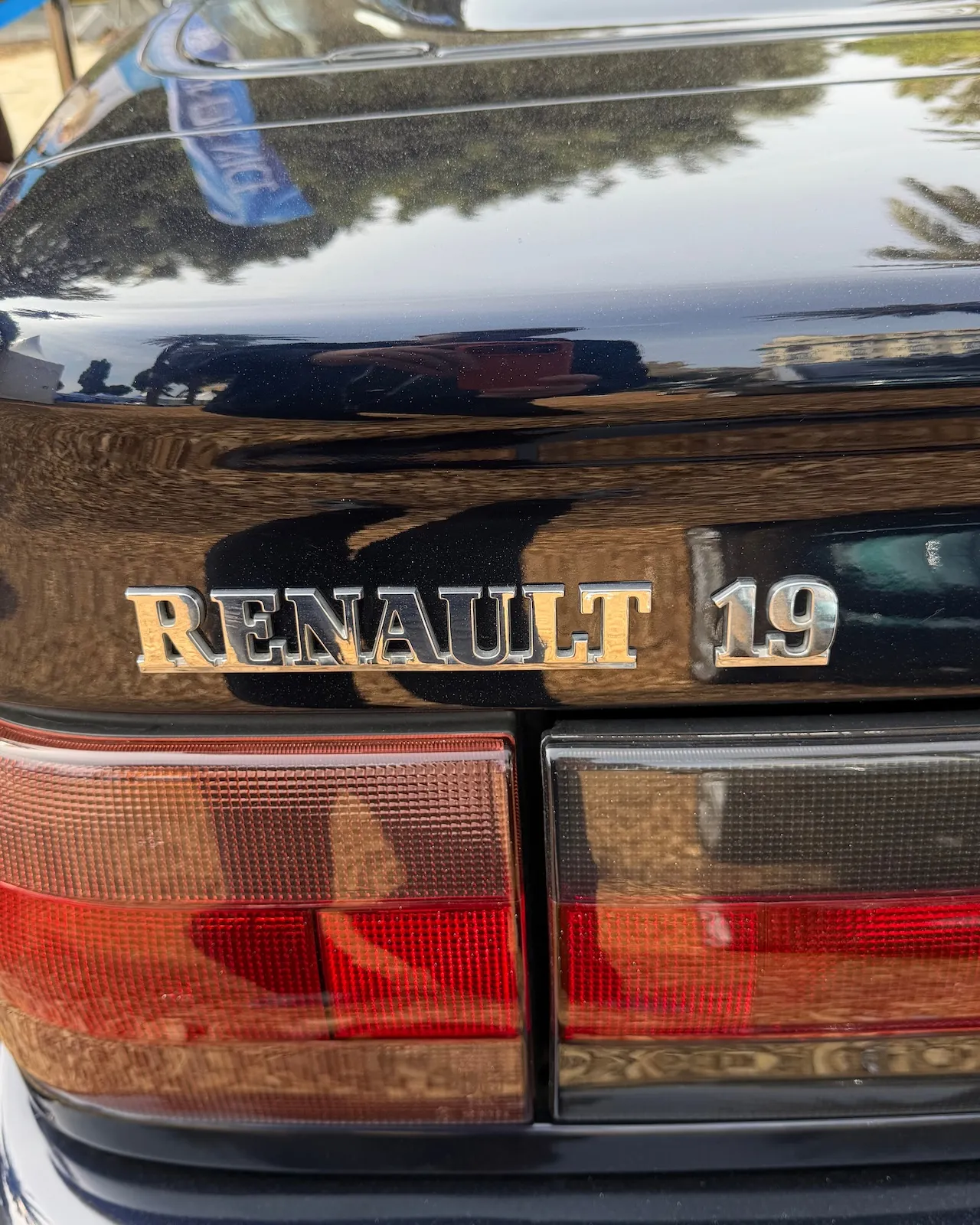
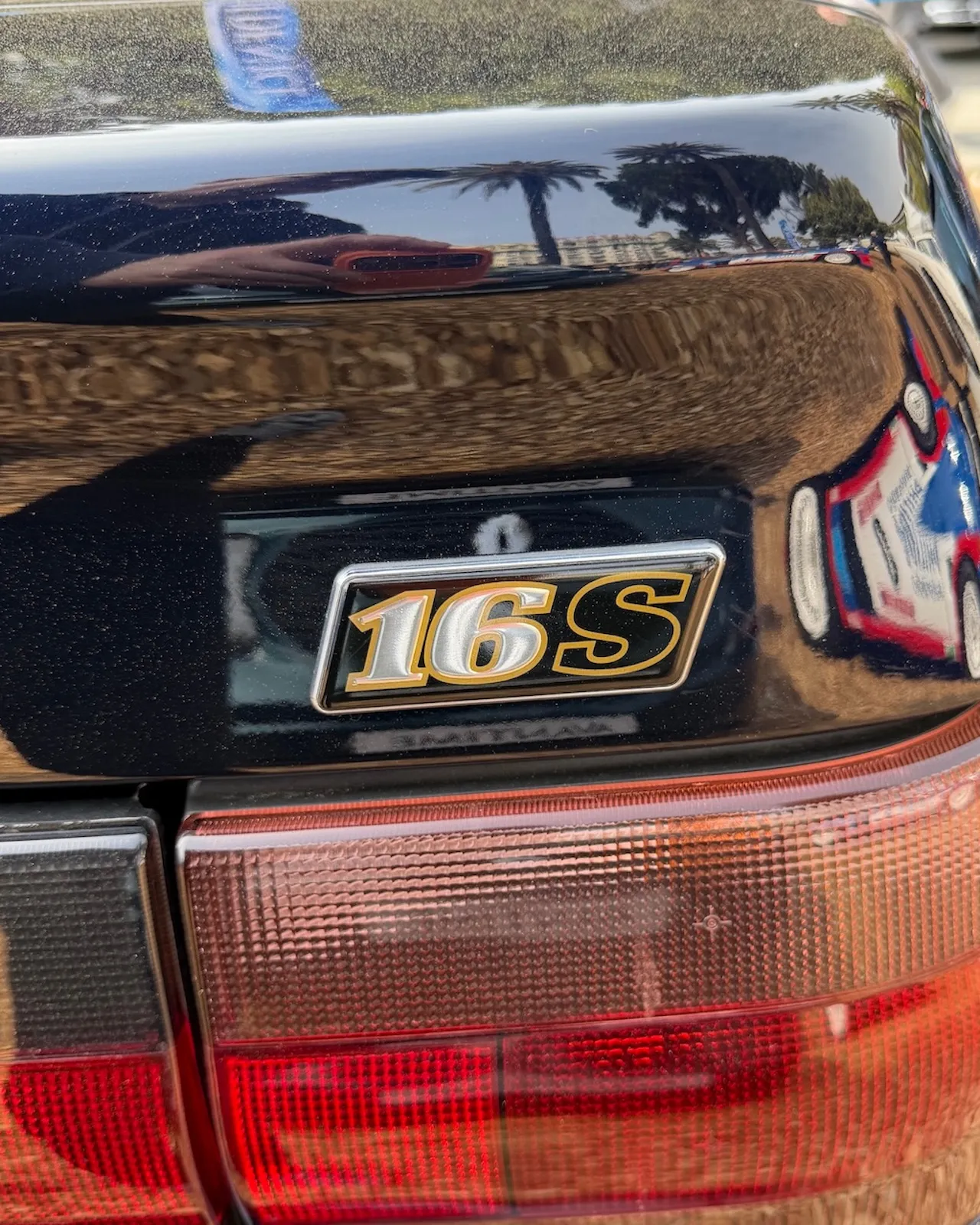
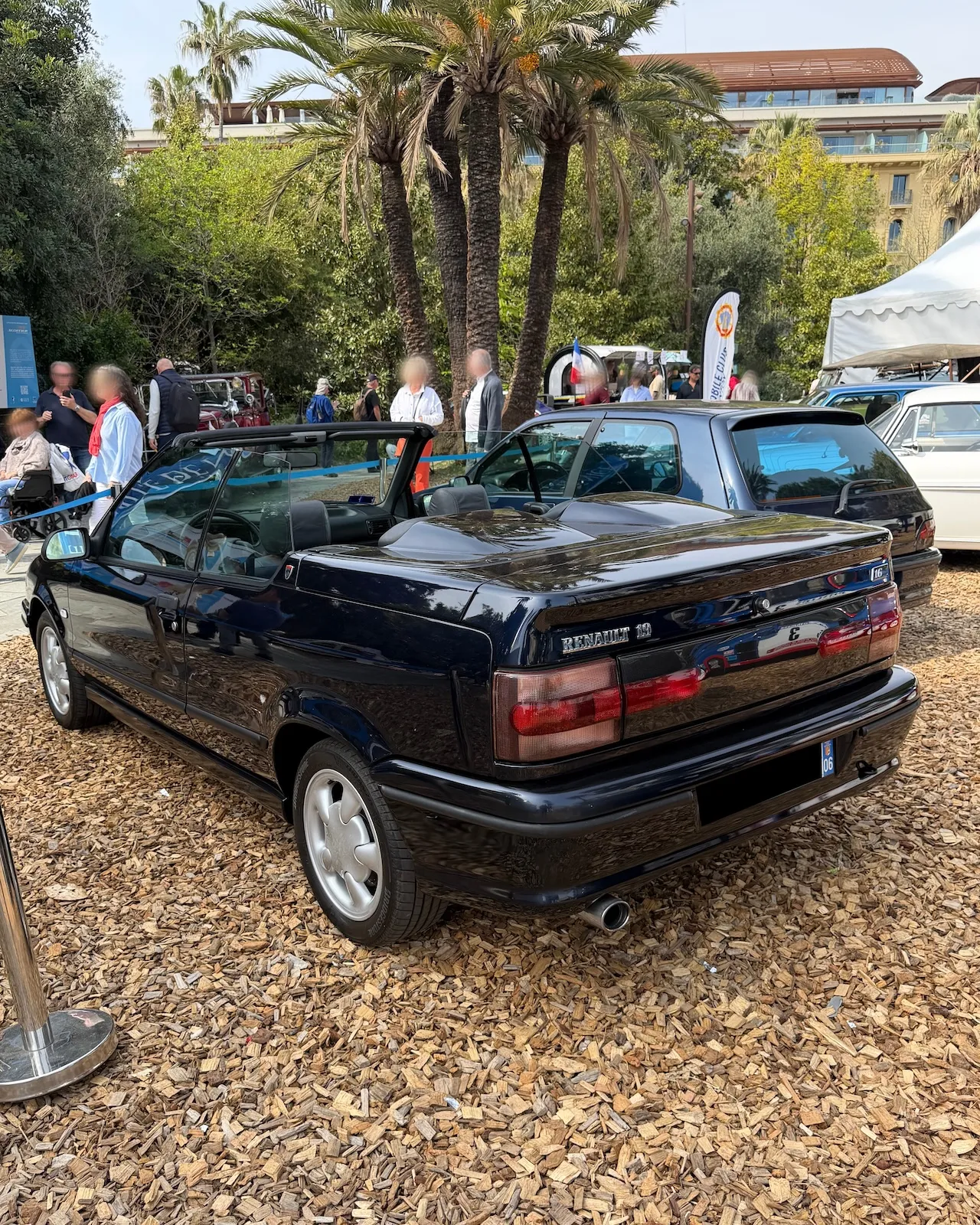
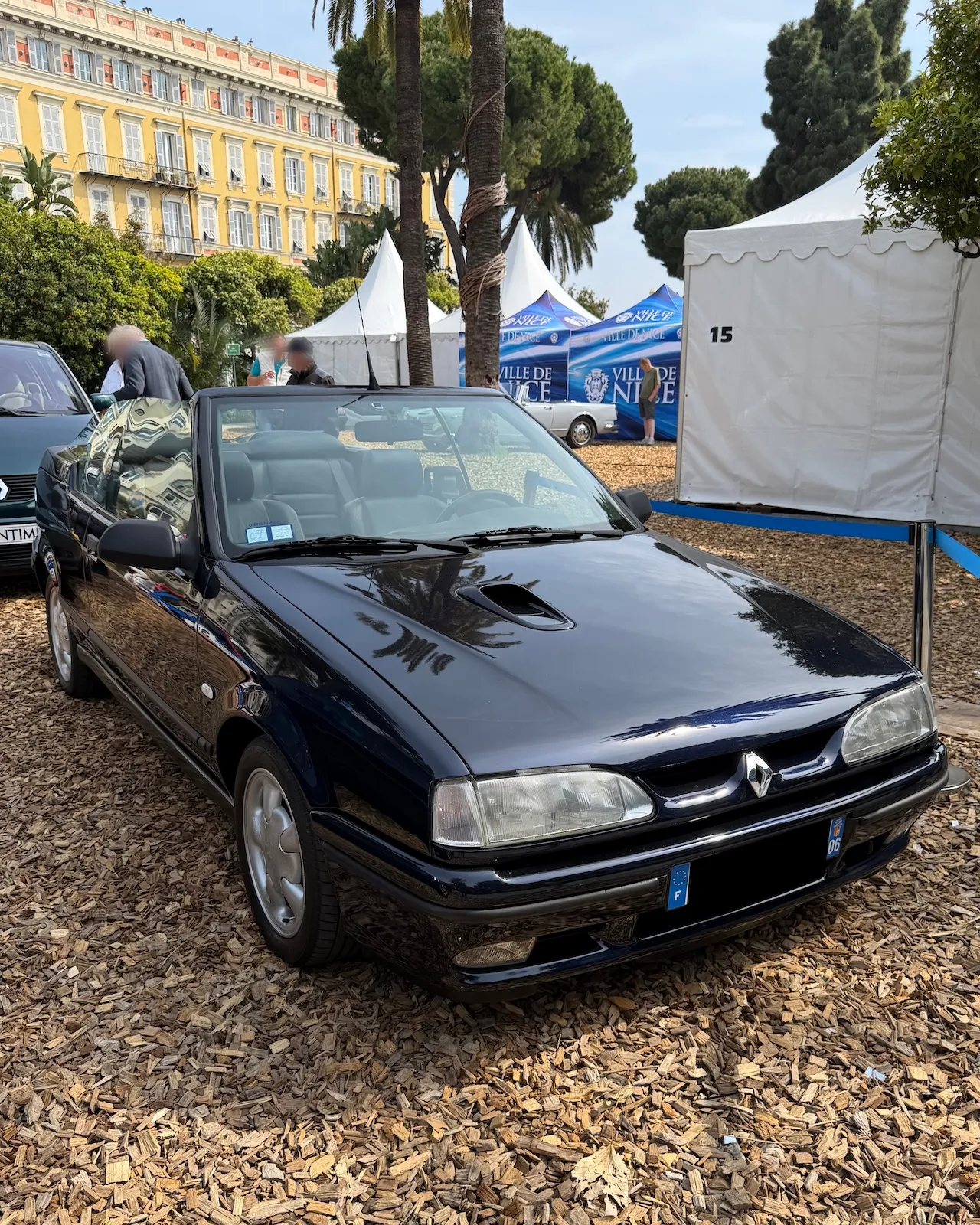
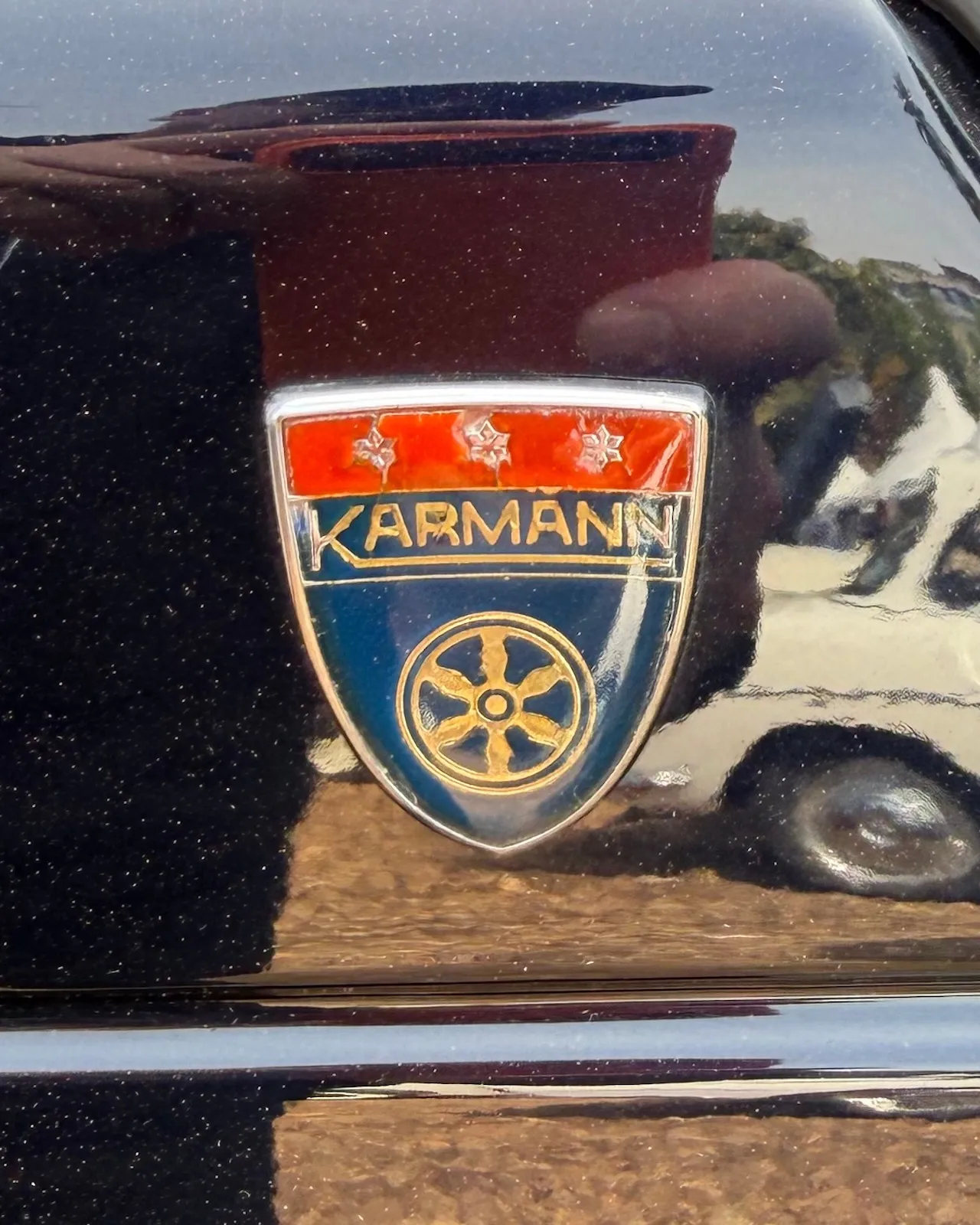
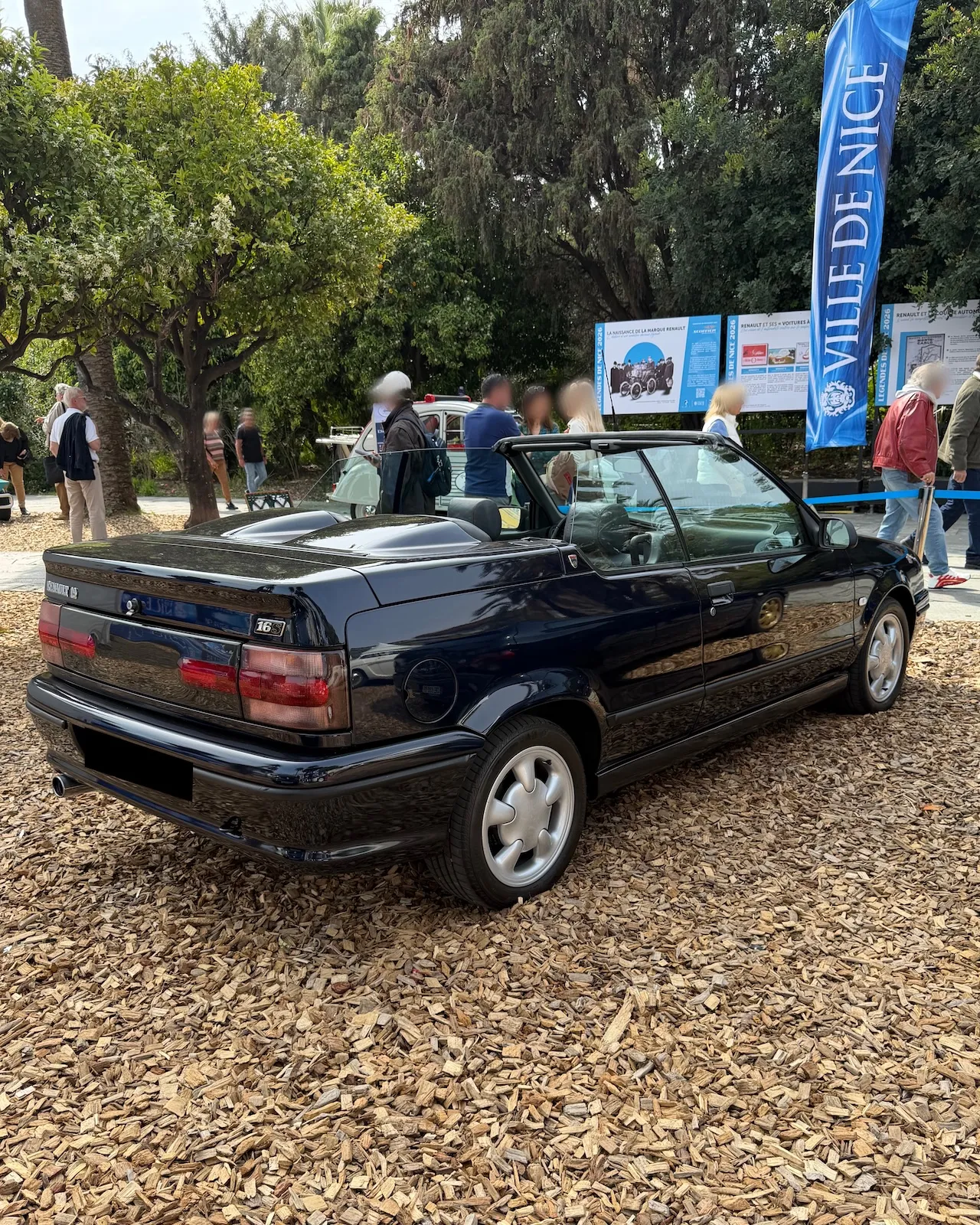
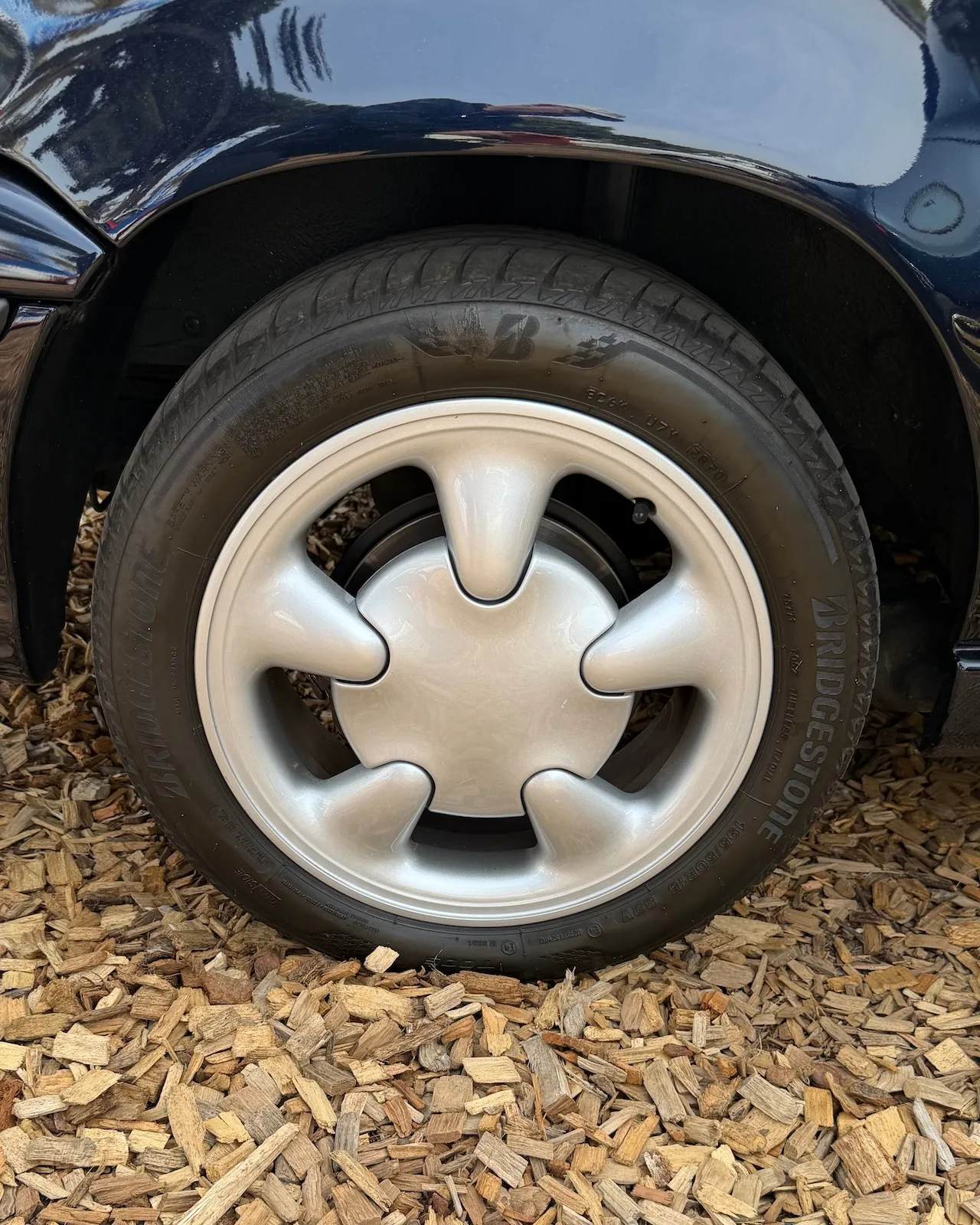
When was the last time you saw one? Good question. It's a Renault 19 Cabriolet 16S with 140 HP, spotted at the Legendes de Nice.
In terms of design, Renault pulled out all the stops by partnering with a famous German manufacturer, Karmann. It was a resounding success, as the Cabriolet proved popular across the Rhine and even boasted a finish worthy of the German cars.
Karmann's work pays off, and the result speaks for itself: a beautiful double-contoured roofline that could be compared to that of a Porsche Speedster, a subtle air intake on the hood, and redesigned front and rear bumpers.
A beautiful car from the 1990s, when mainstream manufacturers still had the courage to take risks. Thank you, Renault.

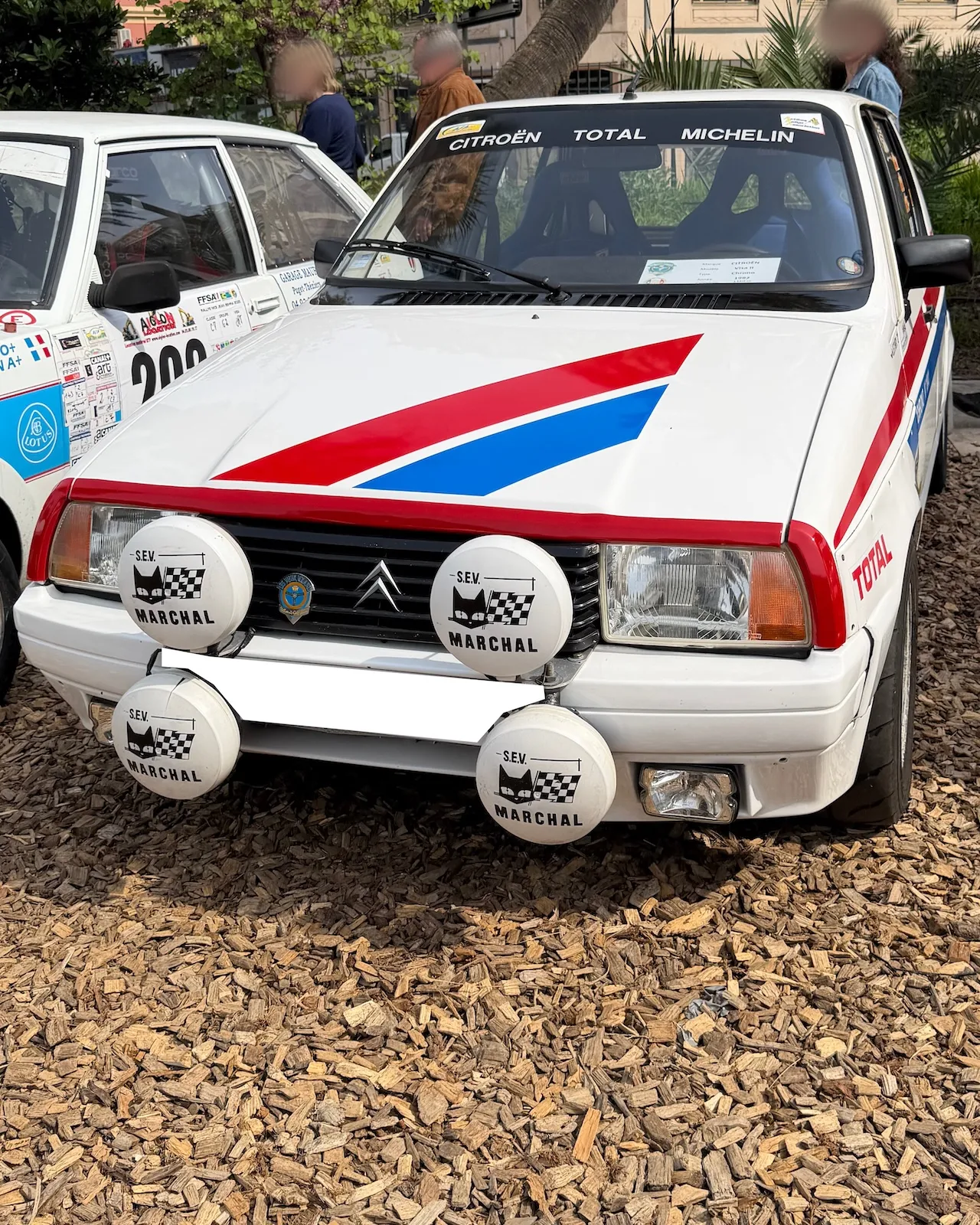
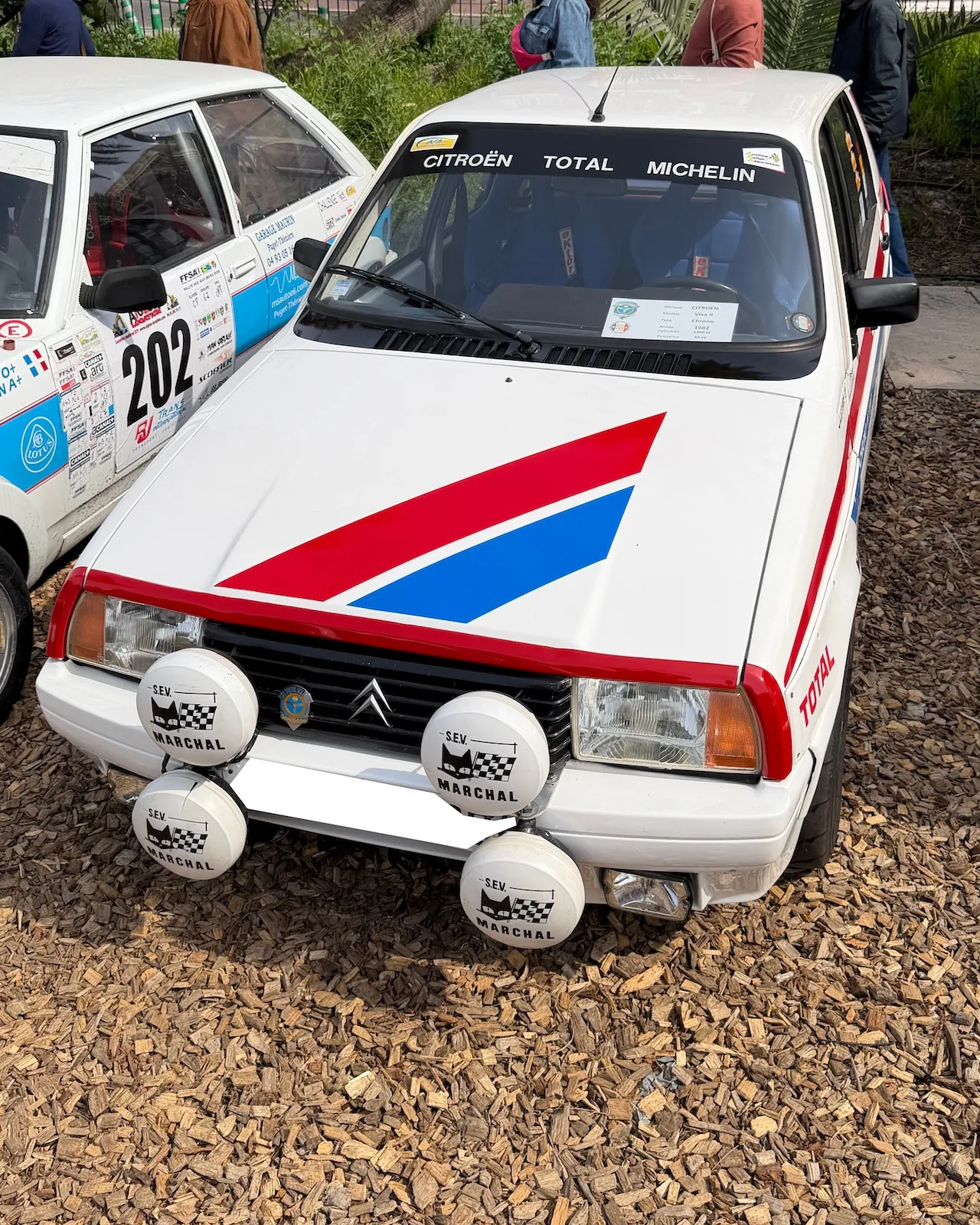
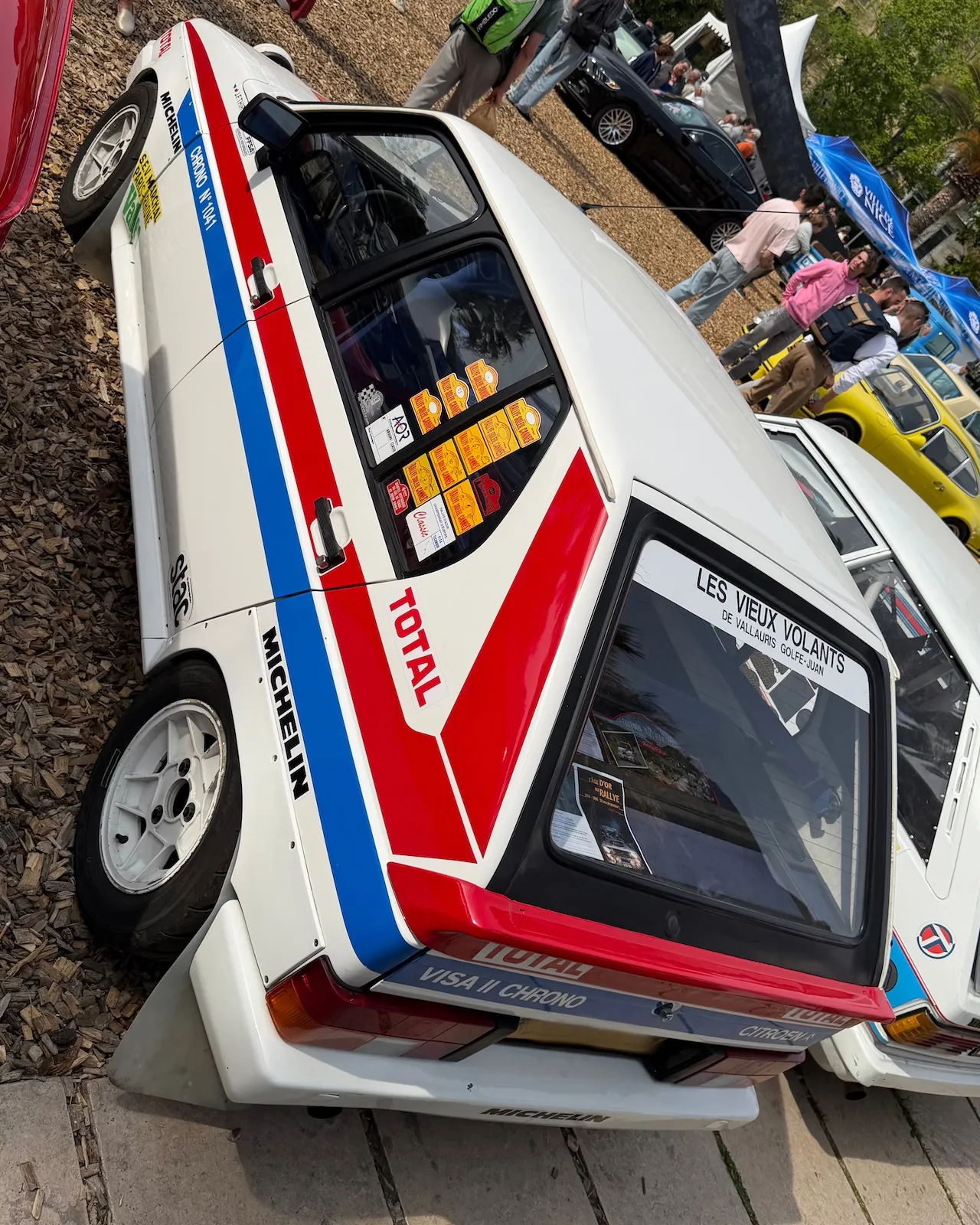
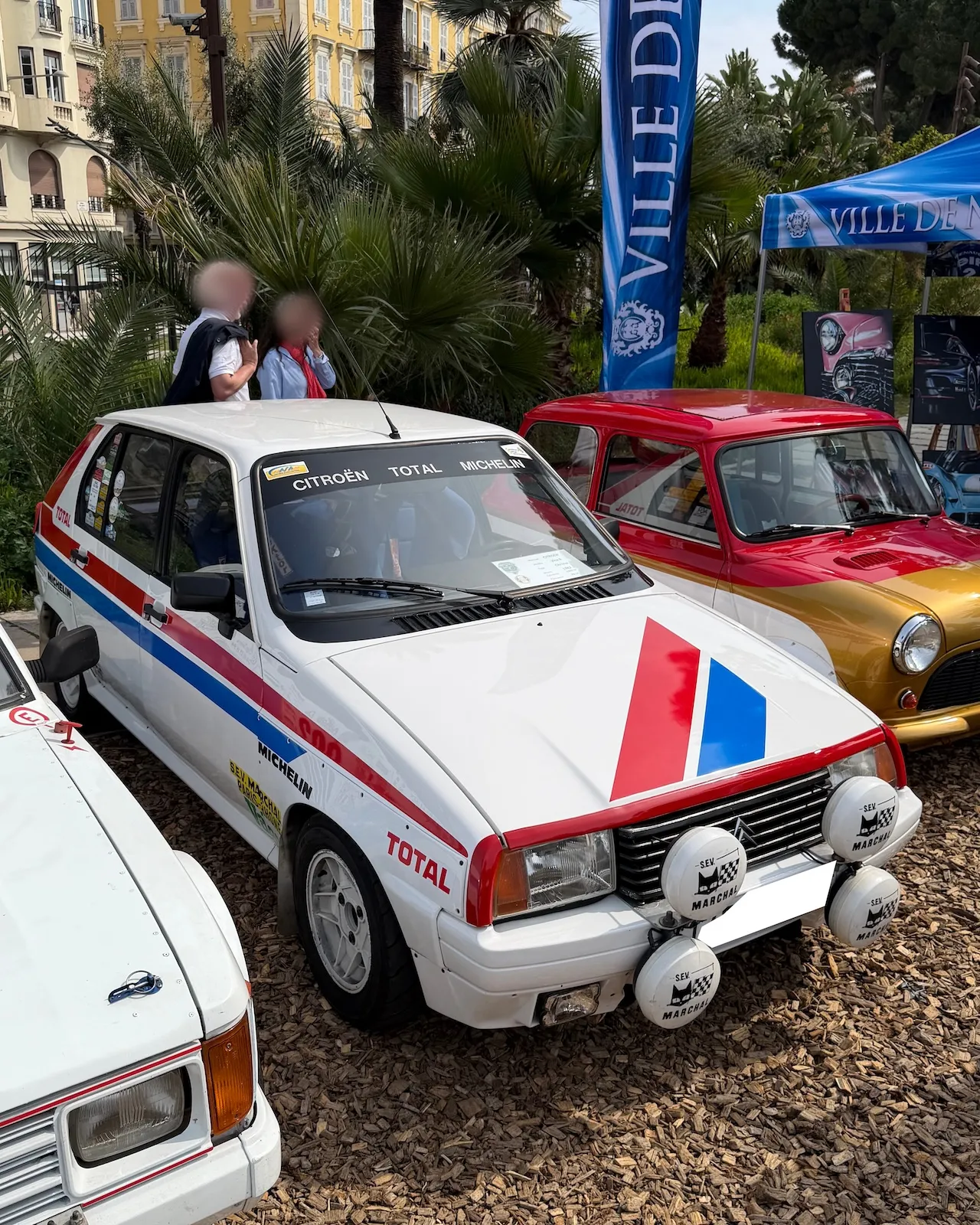
The Visa Chrono II — II meaning it’s not numbered like the first batch — is based on the Visa Super X and powered by the same 1360cc four-cylinder engine found in its cousin, the Peugeot 104 ZS 2.
Fed by twin Solex double-barrel carburetors, the XYR engine delivers 93 HP to the front wheels through a five-speed manual gearbox.
Weighing just 850 kg, this lightweight rocket goes from 0 to 100 km/h in 10.2 seconds and reaches a top speed of 173 km/h. No wonder Citroën’s slogan said it all: Visa II Chrono 93 hp, un monstre.
Spotted at Légendes de Nice, France — thanks to the owner for sharing this gem.