

See the pictures for a nice sample of cars. To welcome you, a green Miura.
The other cars are: Bugatti; Cadillac V16; Porsche 356; a nice sample of Porsche; BMW 328; Maserati Mistral; Opel Ascona Cabriolet; Fiat 850 Saloon Abarth; 1959 Cadillac four-door with flat roof; Porsche 968; Opel Rekord Coupe; Delahaye; BMW 507; Horch Auto Union; Mercedes 300 S; Tatra; Miura SV; Ferrari Daytona; Fiat; Mercedes 300 S; BMW 328; Renault 8 Gordini; Ferrari Daytona; Mitsubishi Lancer; Fiat 1100 Cabriolet; BMW 02 and Fiat Coupe; Bugatti; Mercedes Kombi; Lancia B20 Coupe.
More about this event on the official webpage.
More information on Instagram or below. Swipe the pictures with your finger (mobile devices) or mouse (desktop).
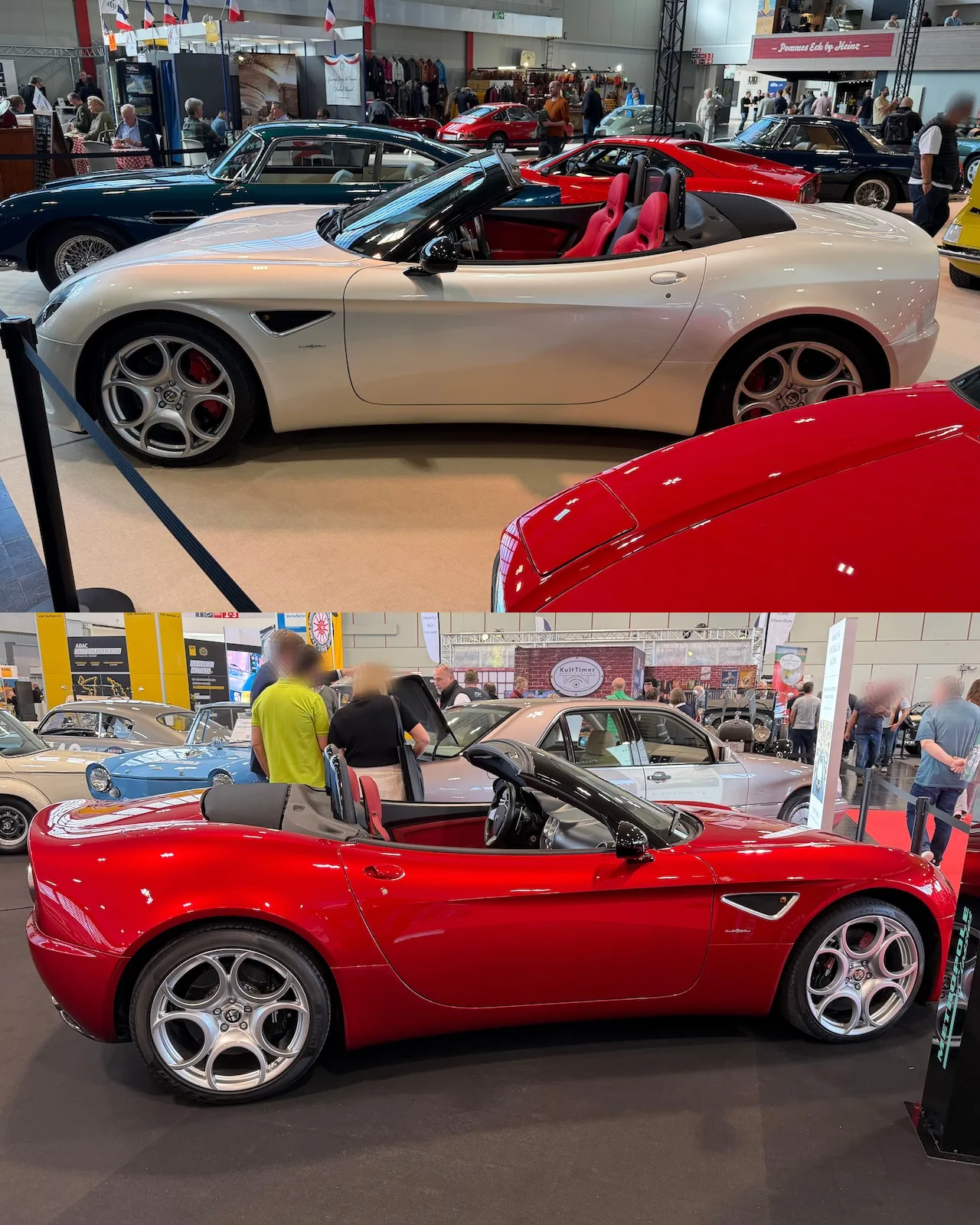
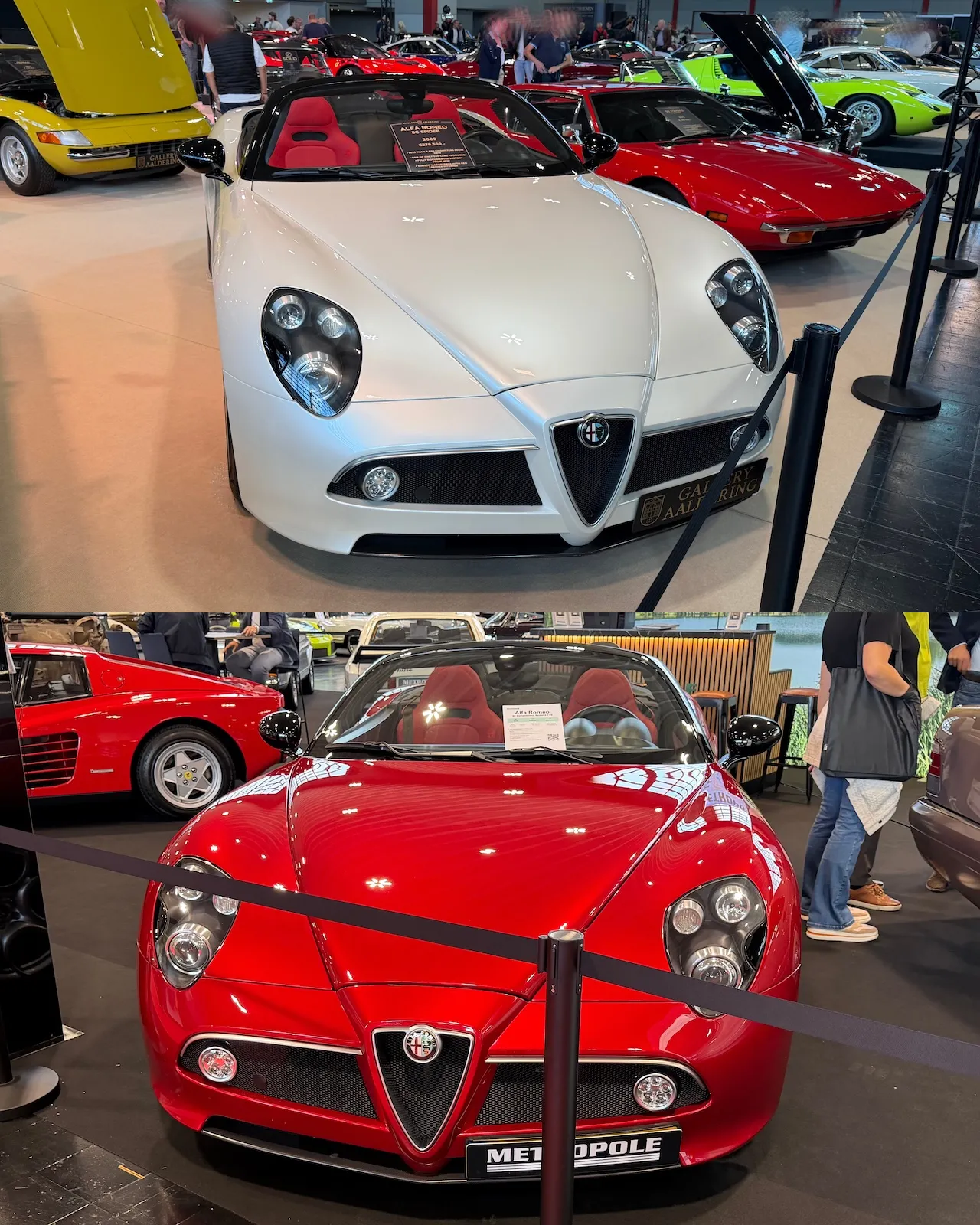
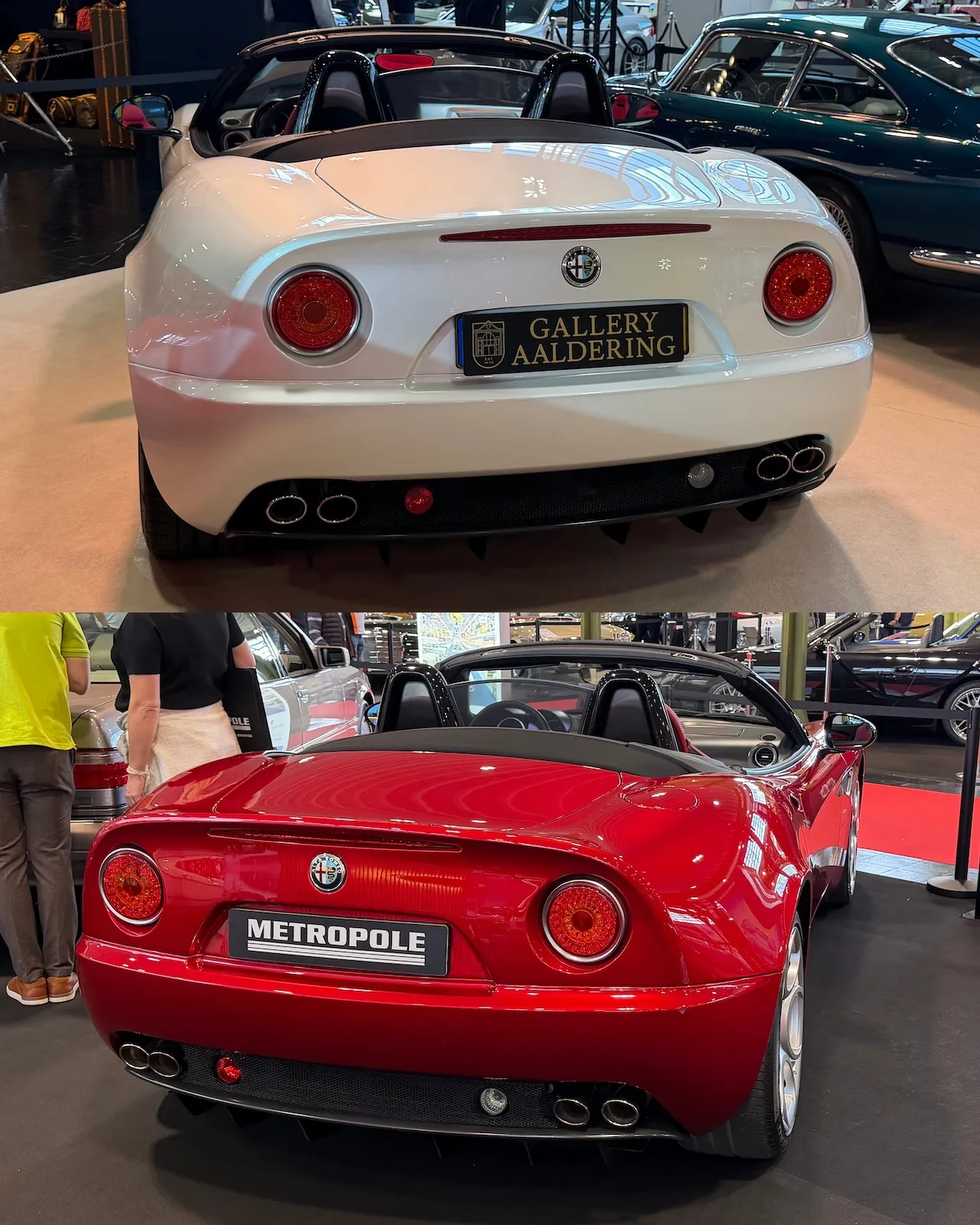
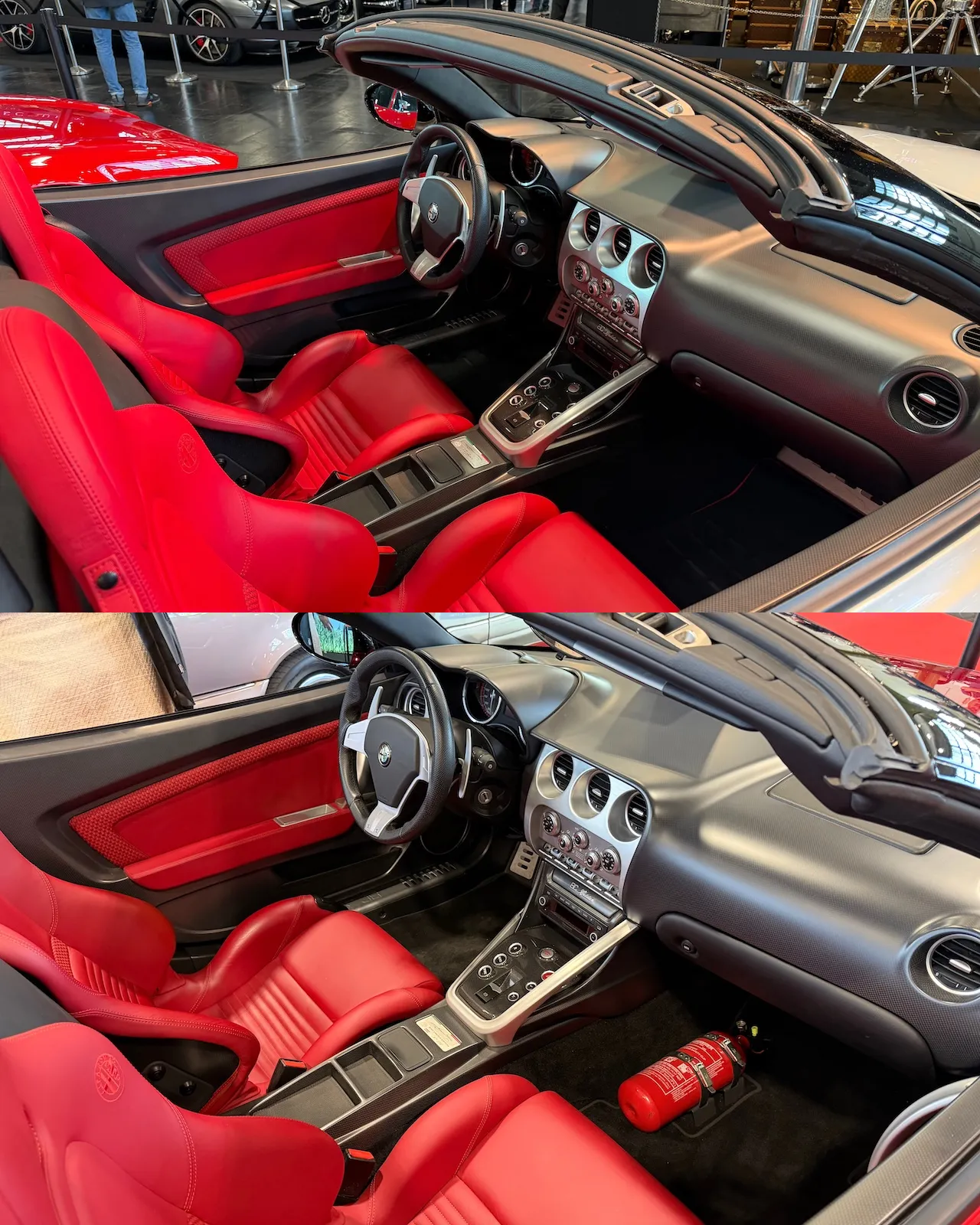
Alfa Romeo 8C Competizione Spider 4.7 V8. Not only one but two of them.
If I’m not mistaken, 500 Spiders were planned, just like the Coupé, but only a little over 300 were actually built. A splendid Alfa, but also a speculative asset.
That's probably why I was able to spot two at the same exhibition, the Techno-Classica Salon in Dortmund a few weeks ago. Which color do you prefer?
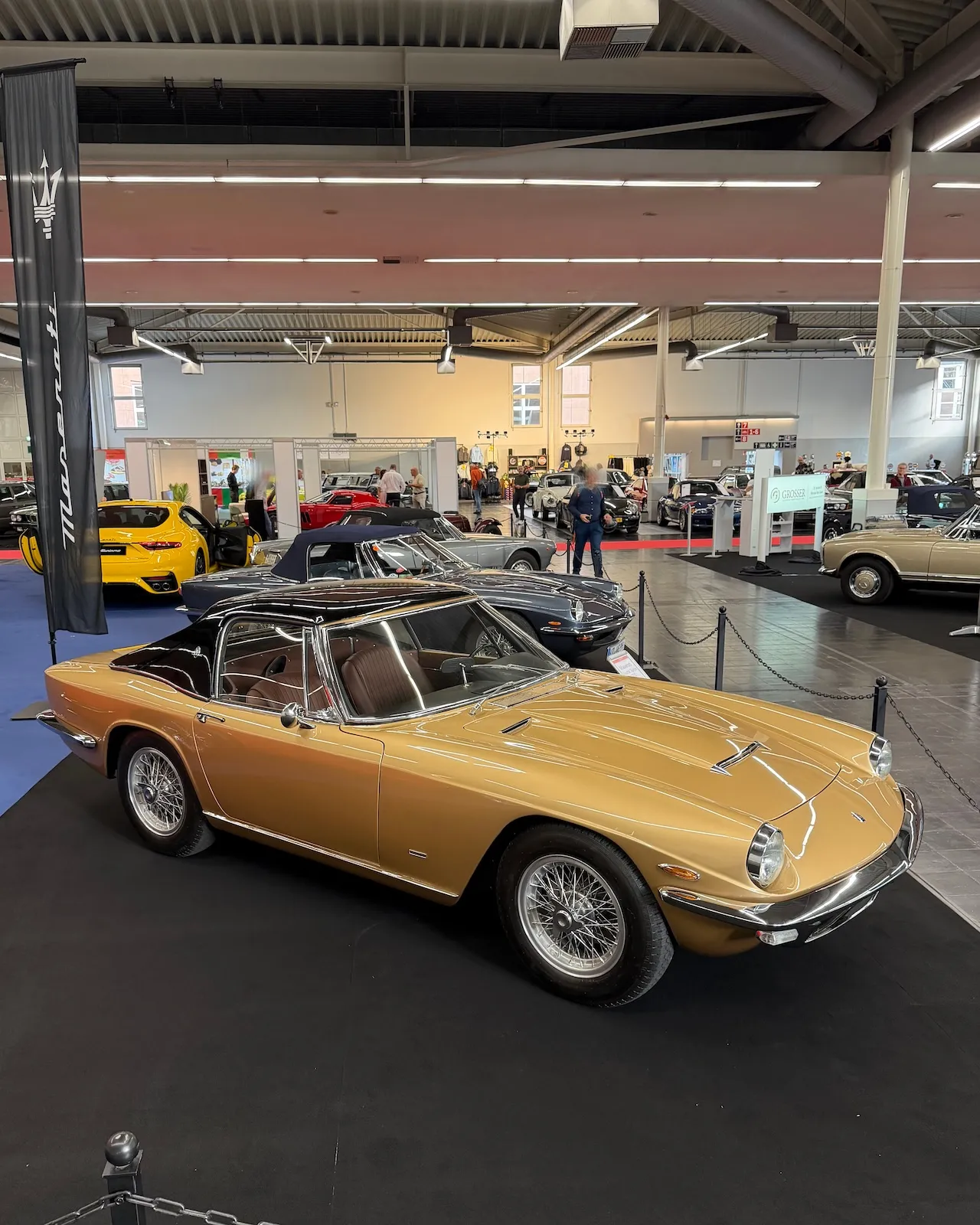
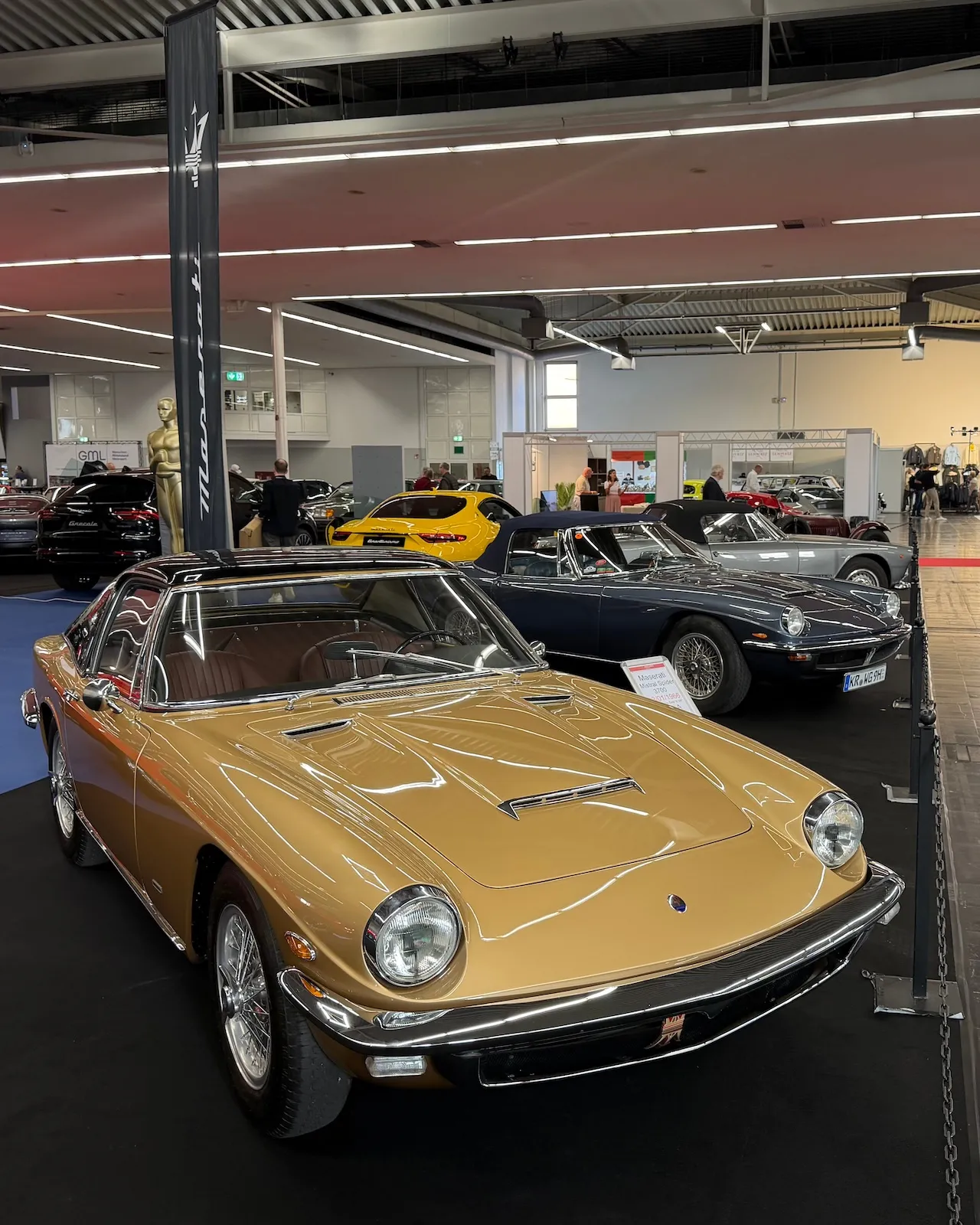

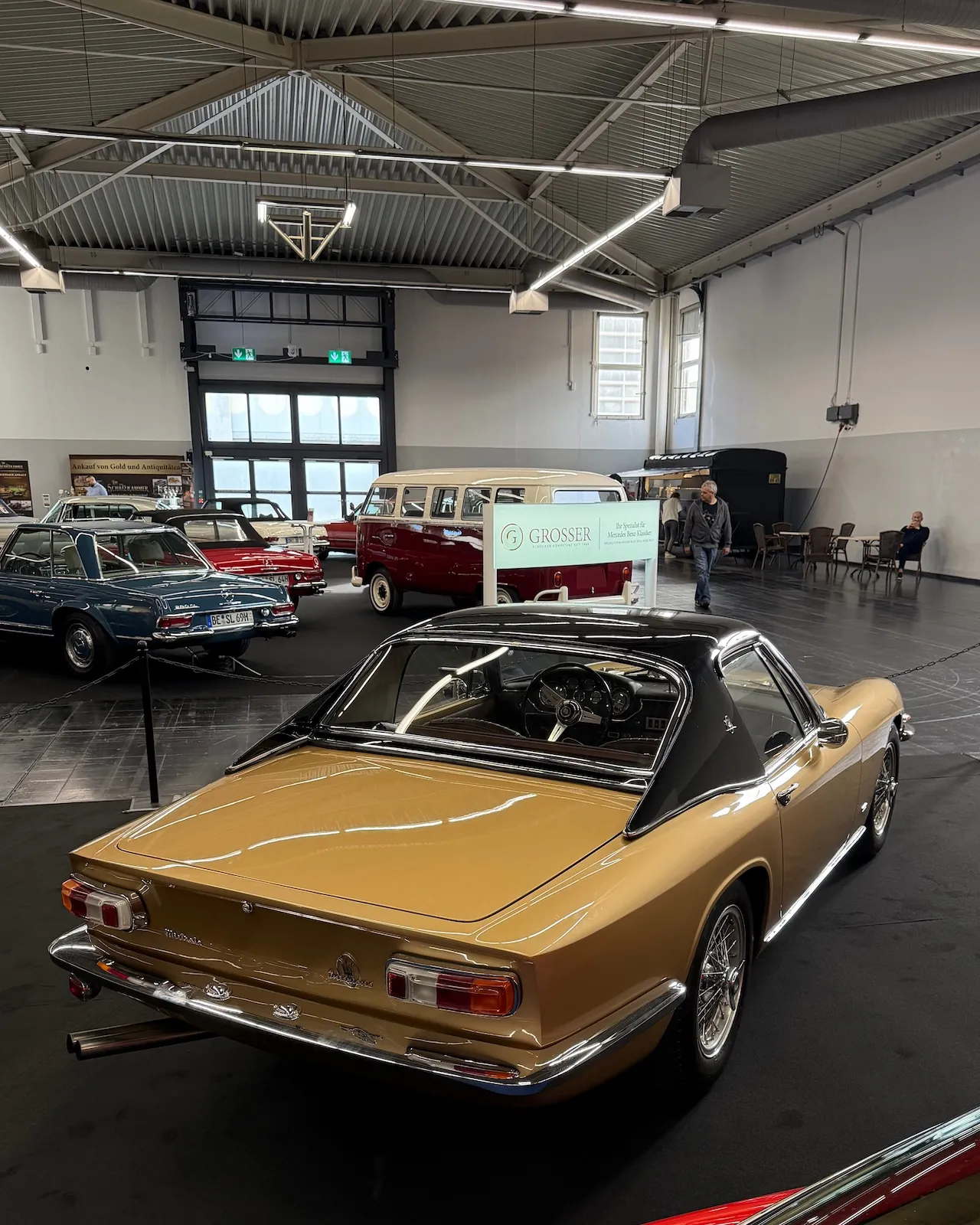
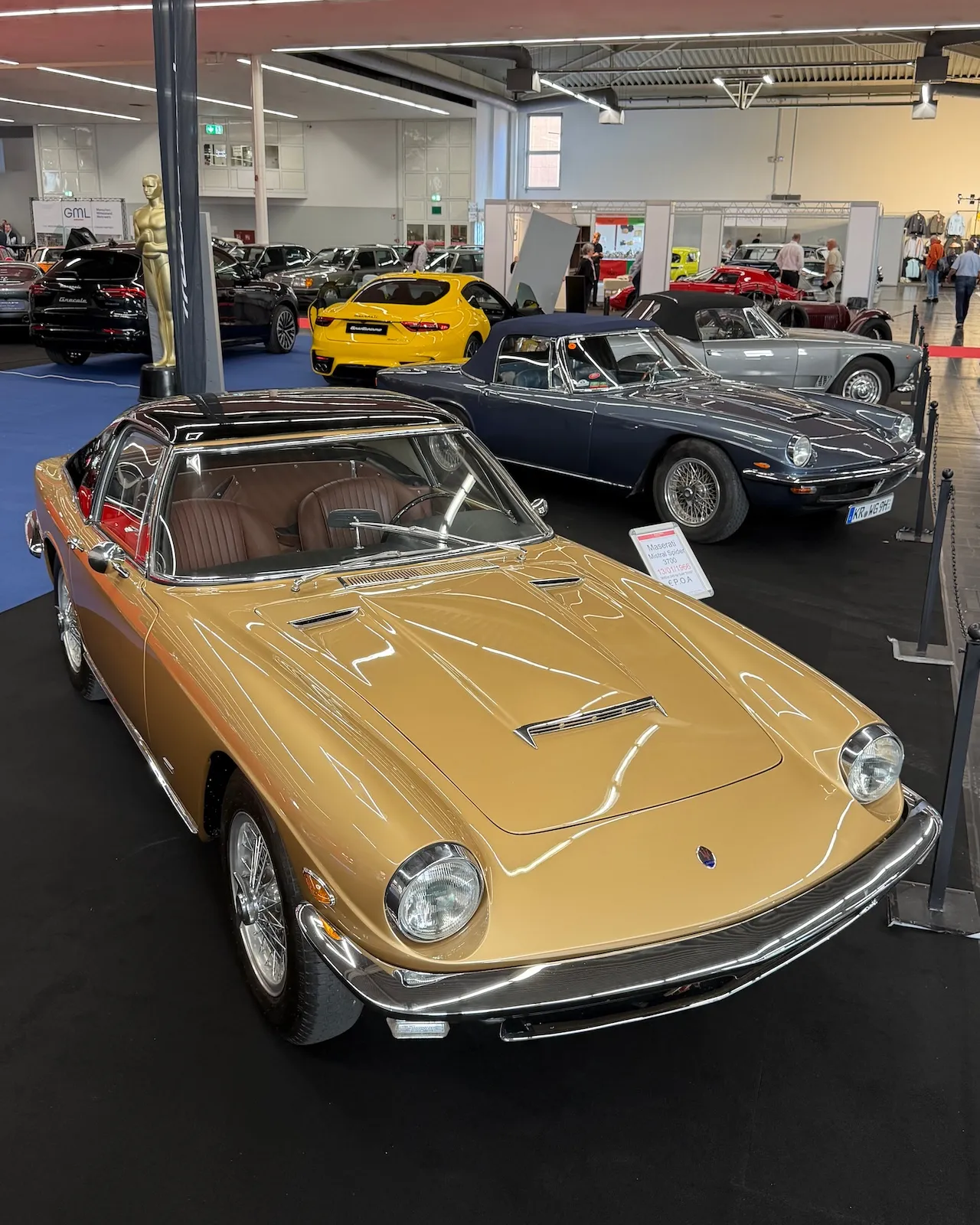
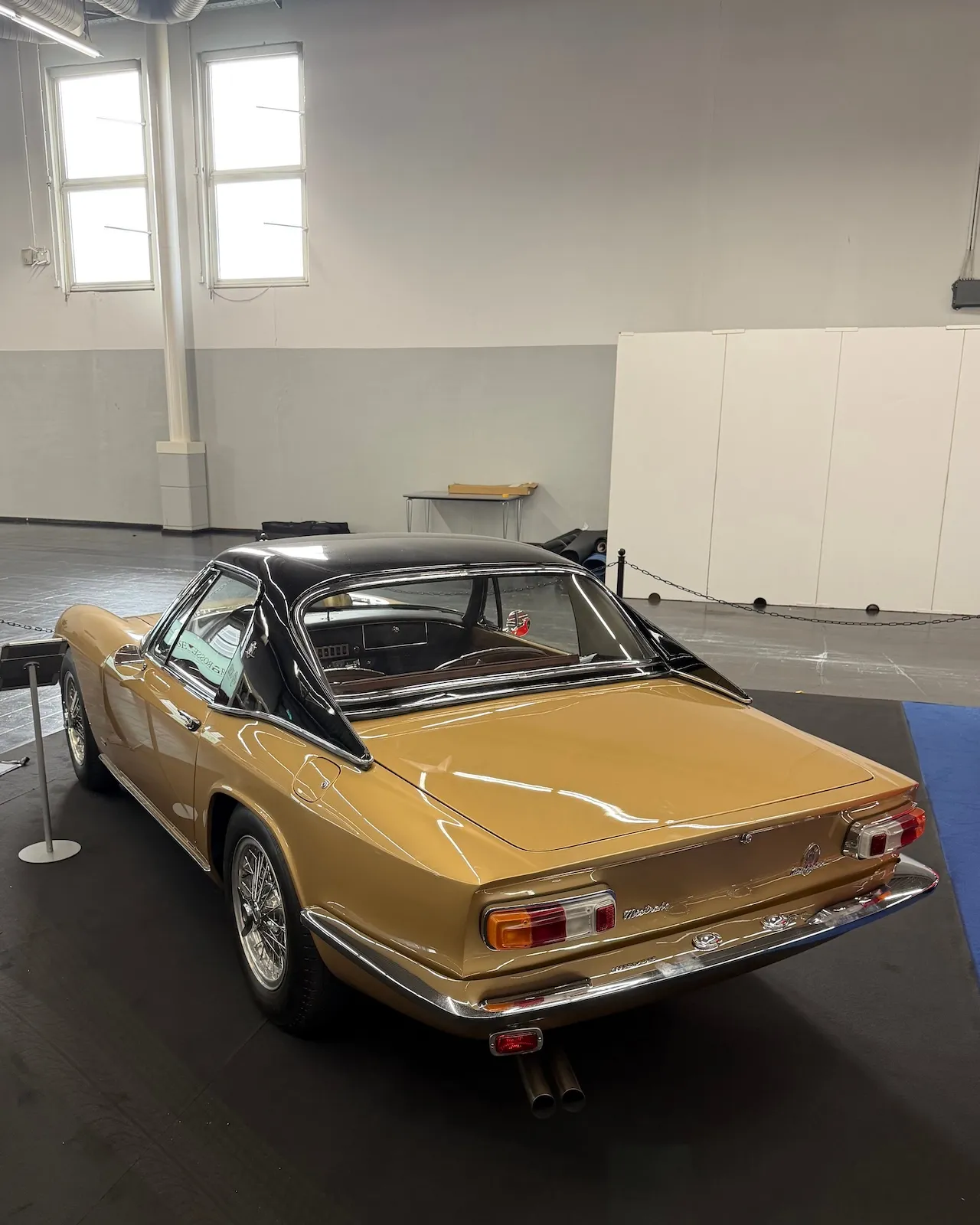
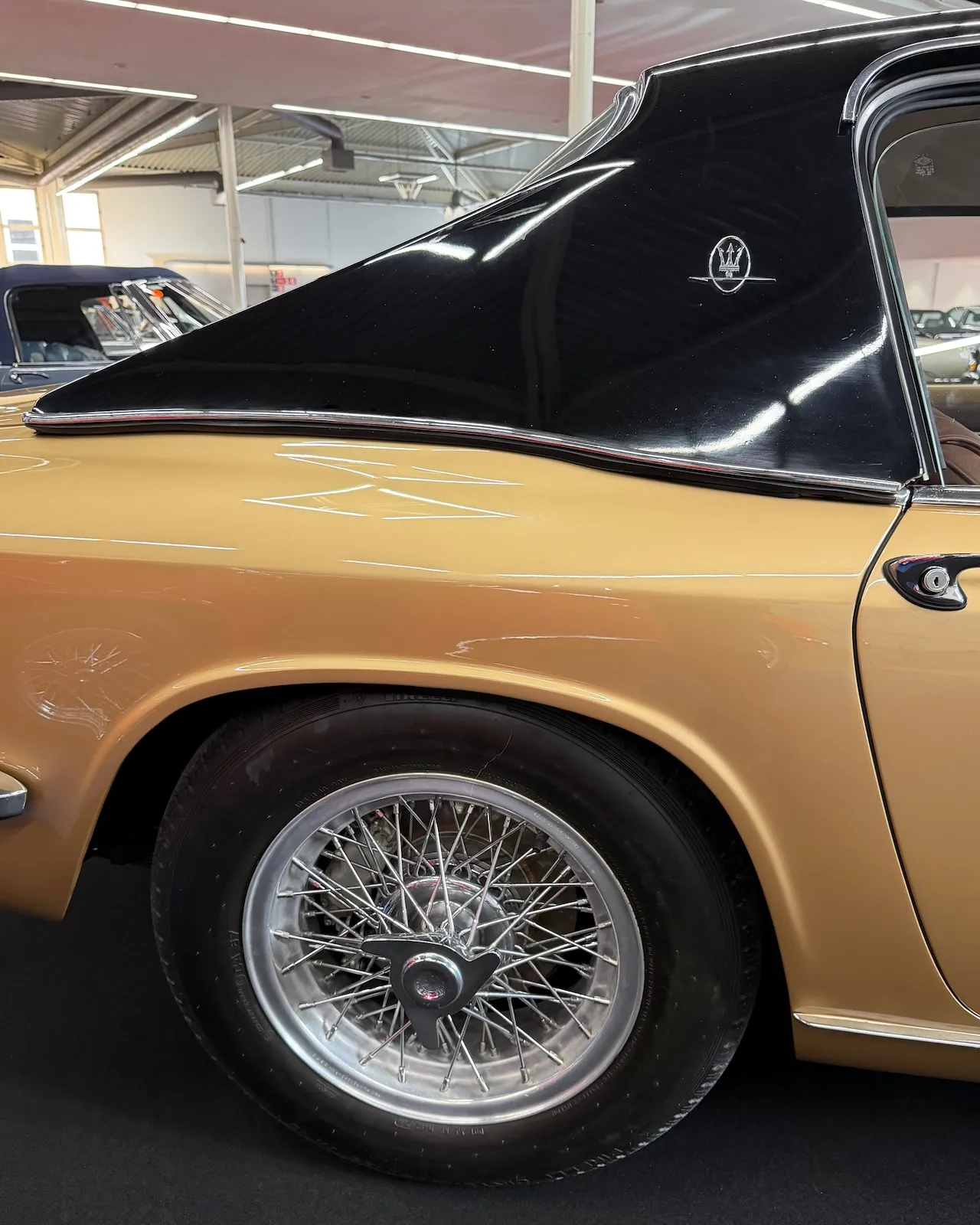
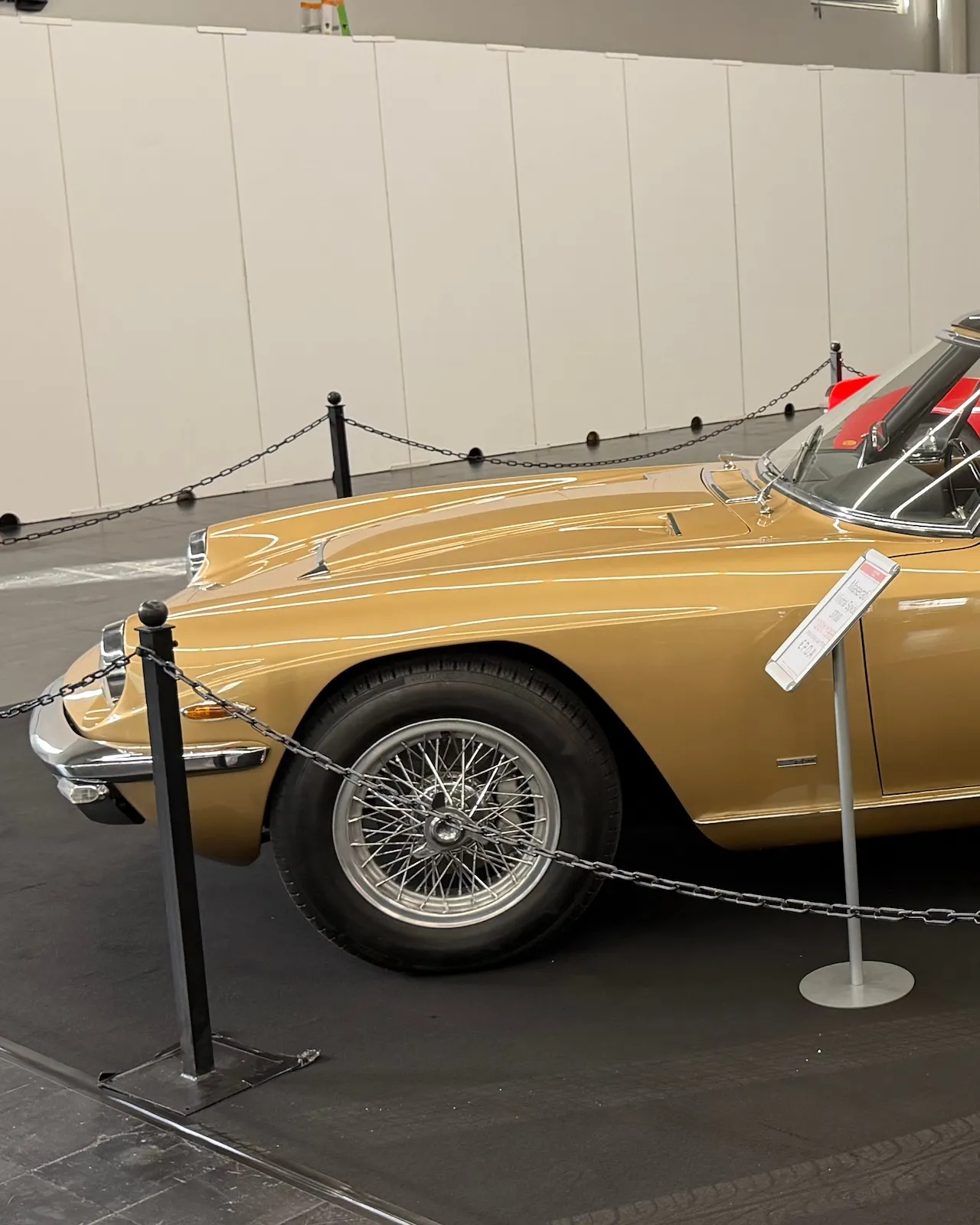
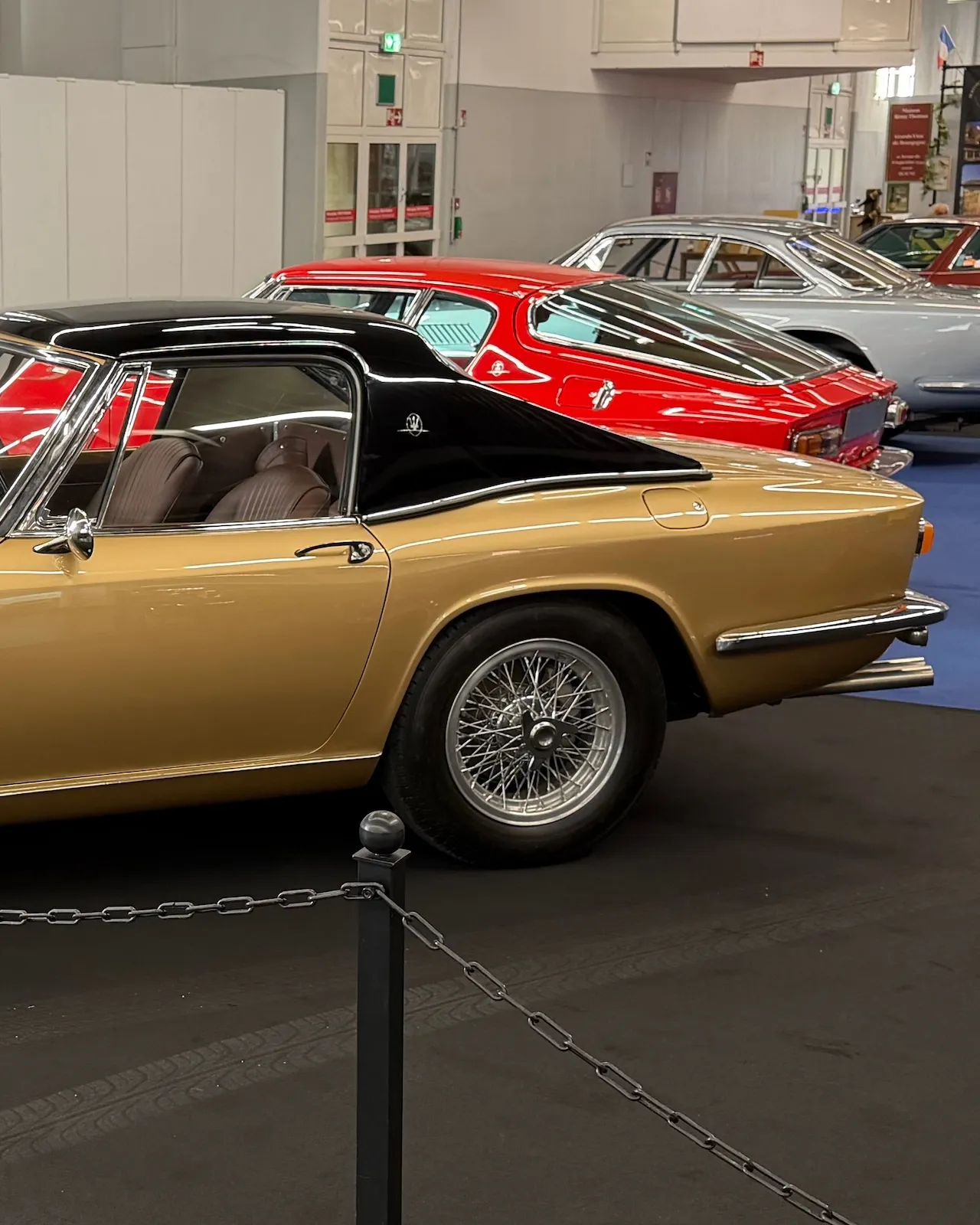
1966 Maserati Mistral Spyder 3700, 245 HP, gold, chassis AM109S105, with its very rare hardtop. Around 120 Mistral Spyders were produced, making this a particularly rare Maserati.
I particularly love the black roof and the golden color, although I have no idea whether these are the car's original colors. If not mistaken, the Mistral Coupé was designed by Pietro Frua, while the Spyder was an interpretation of the original design by Giovanni Michelotti. In any case, it is a beautiful car that perfectly captures the spirit of the 1960s, the best period for automotive design. This one was spotted at the Techno Classica Salon in Dortmund.
One last question: why does it carry the label Mistrale rather than Mistral? If you know the story behind it, let us know. Thanks.
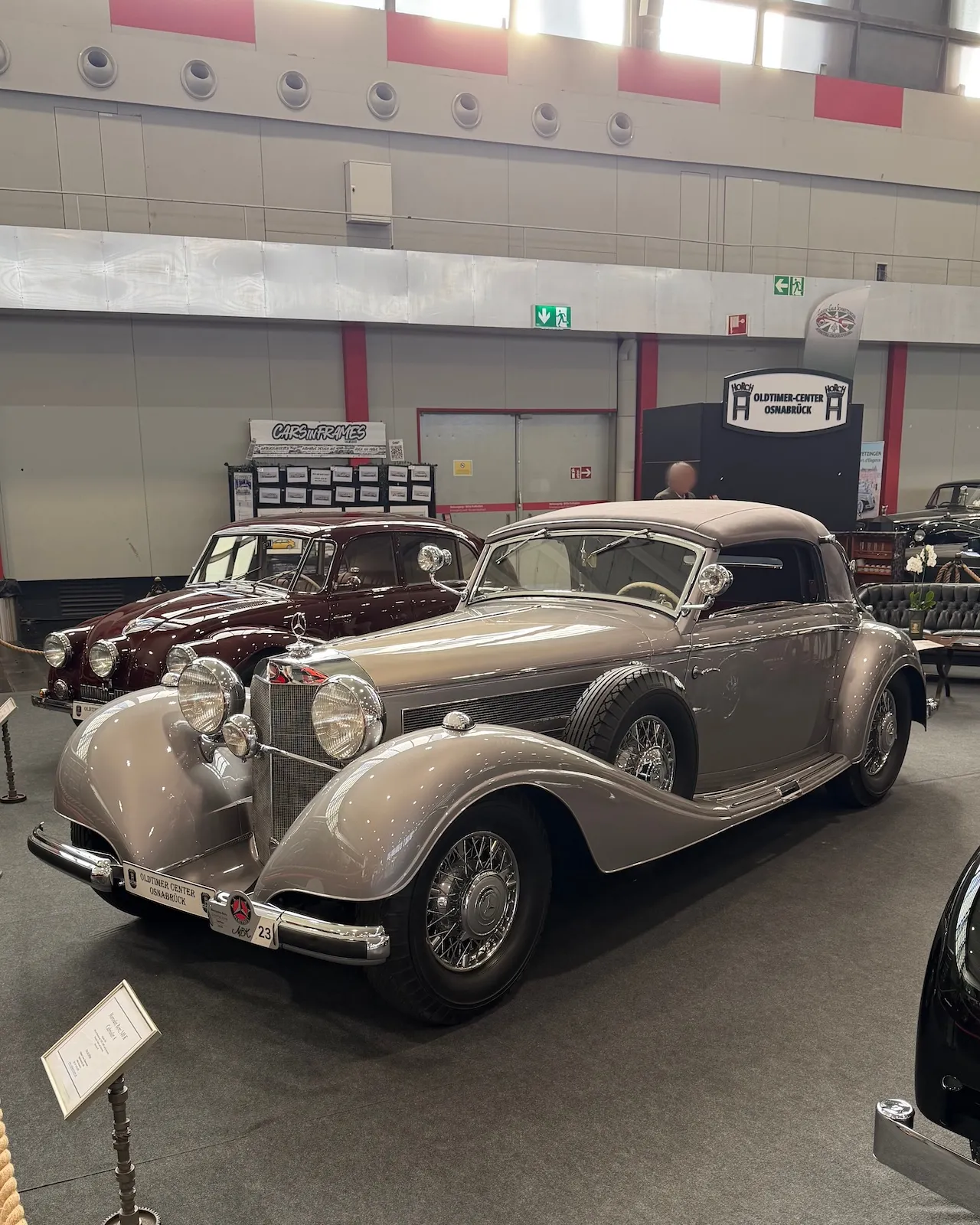
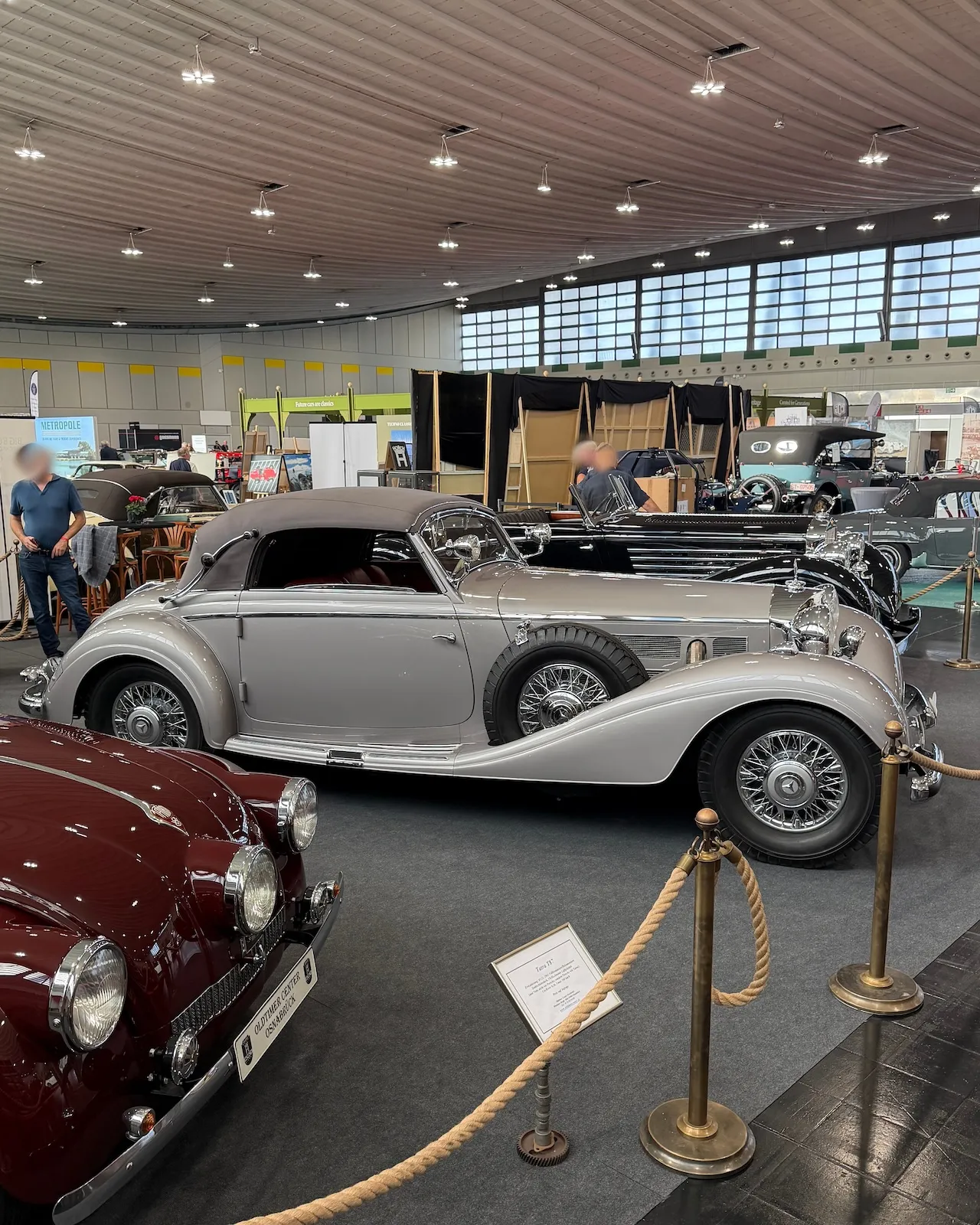
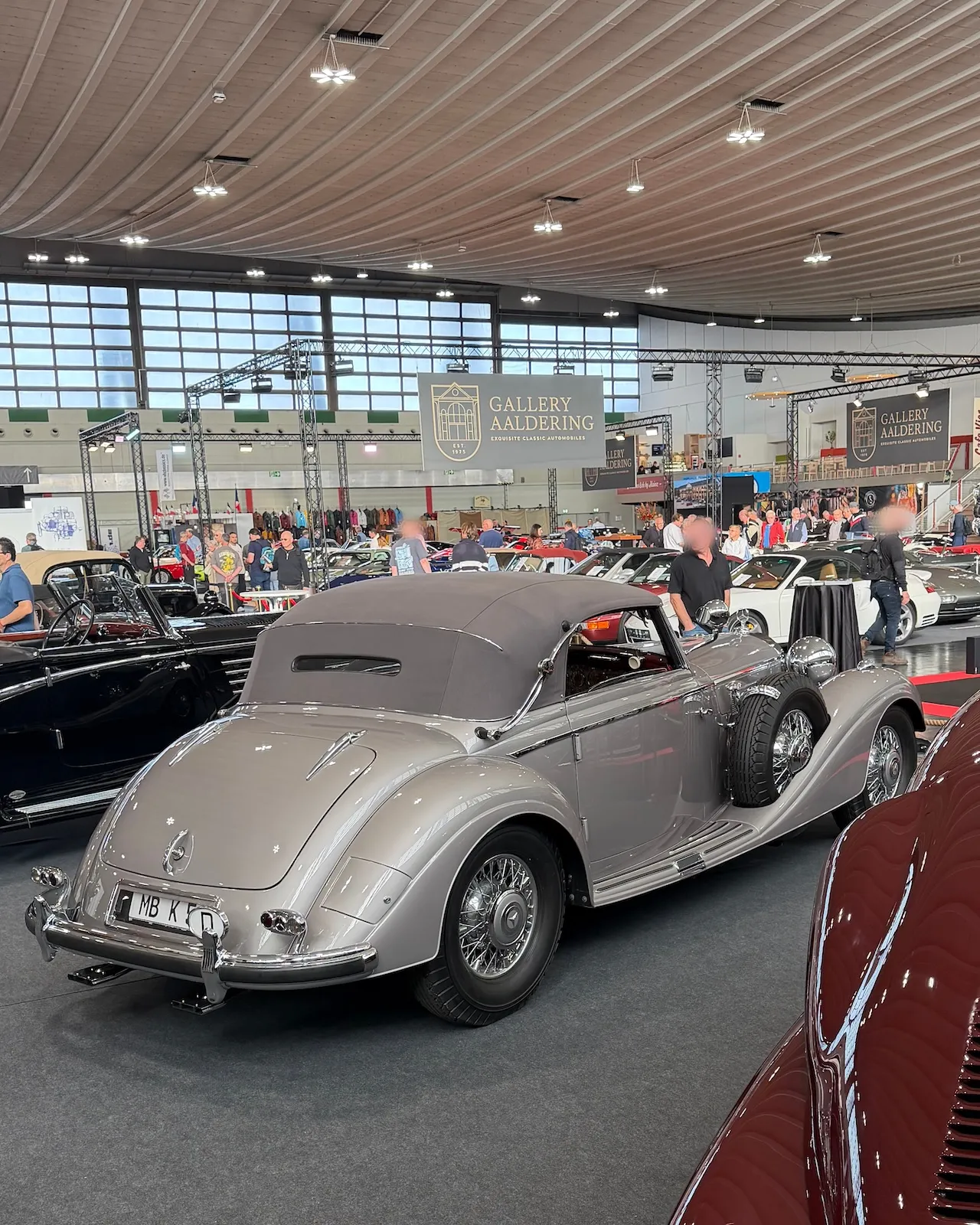
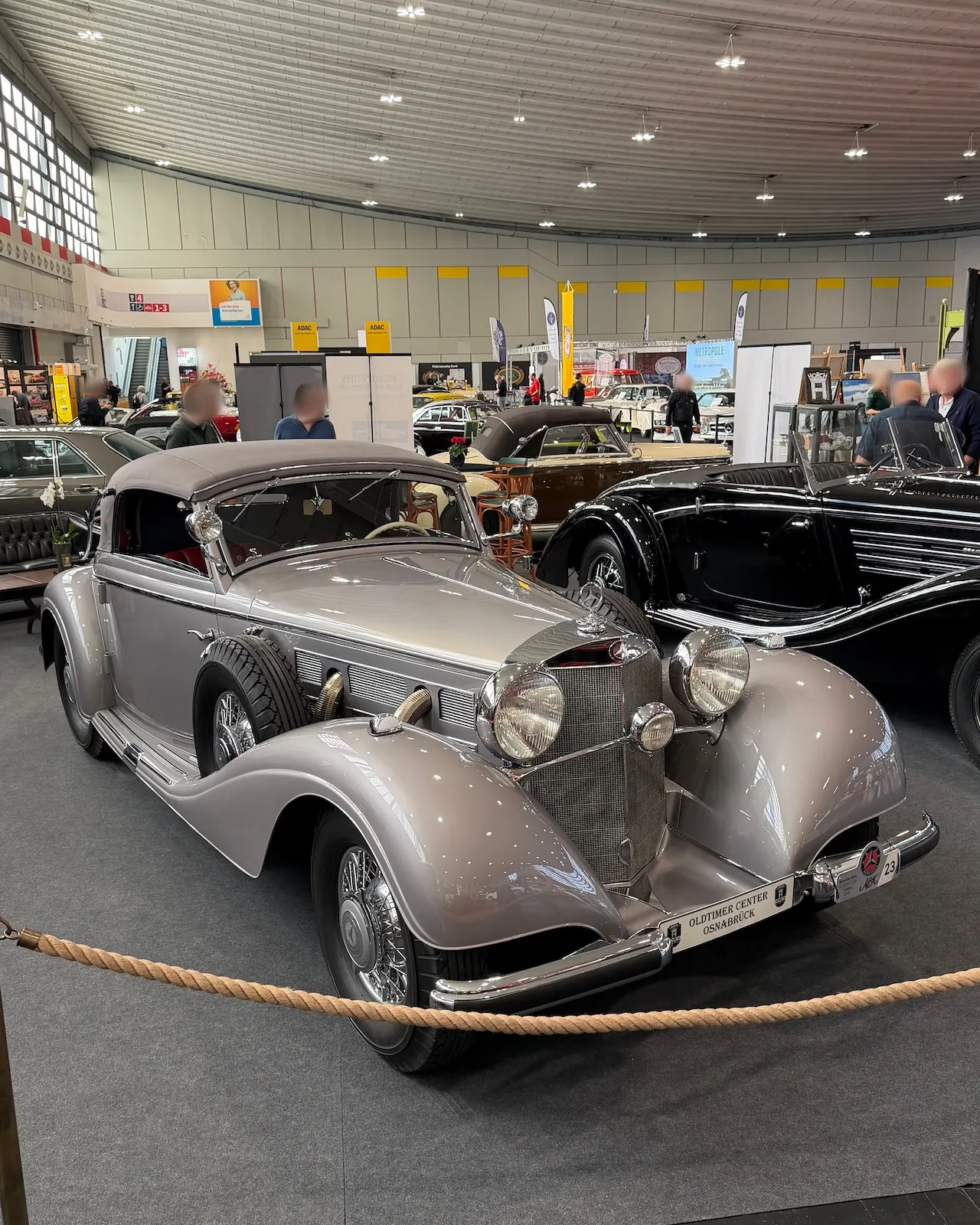
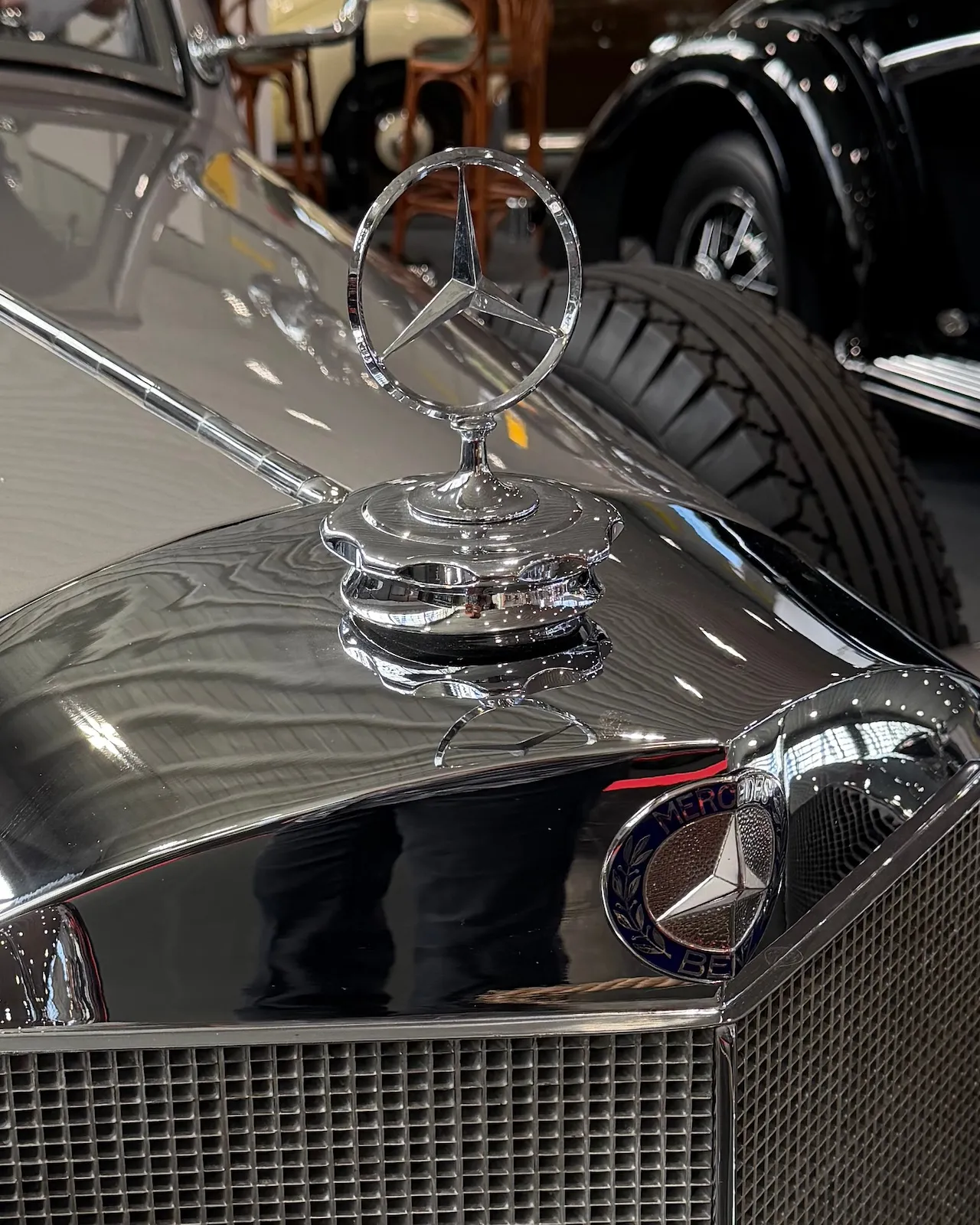
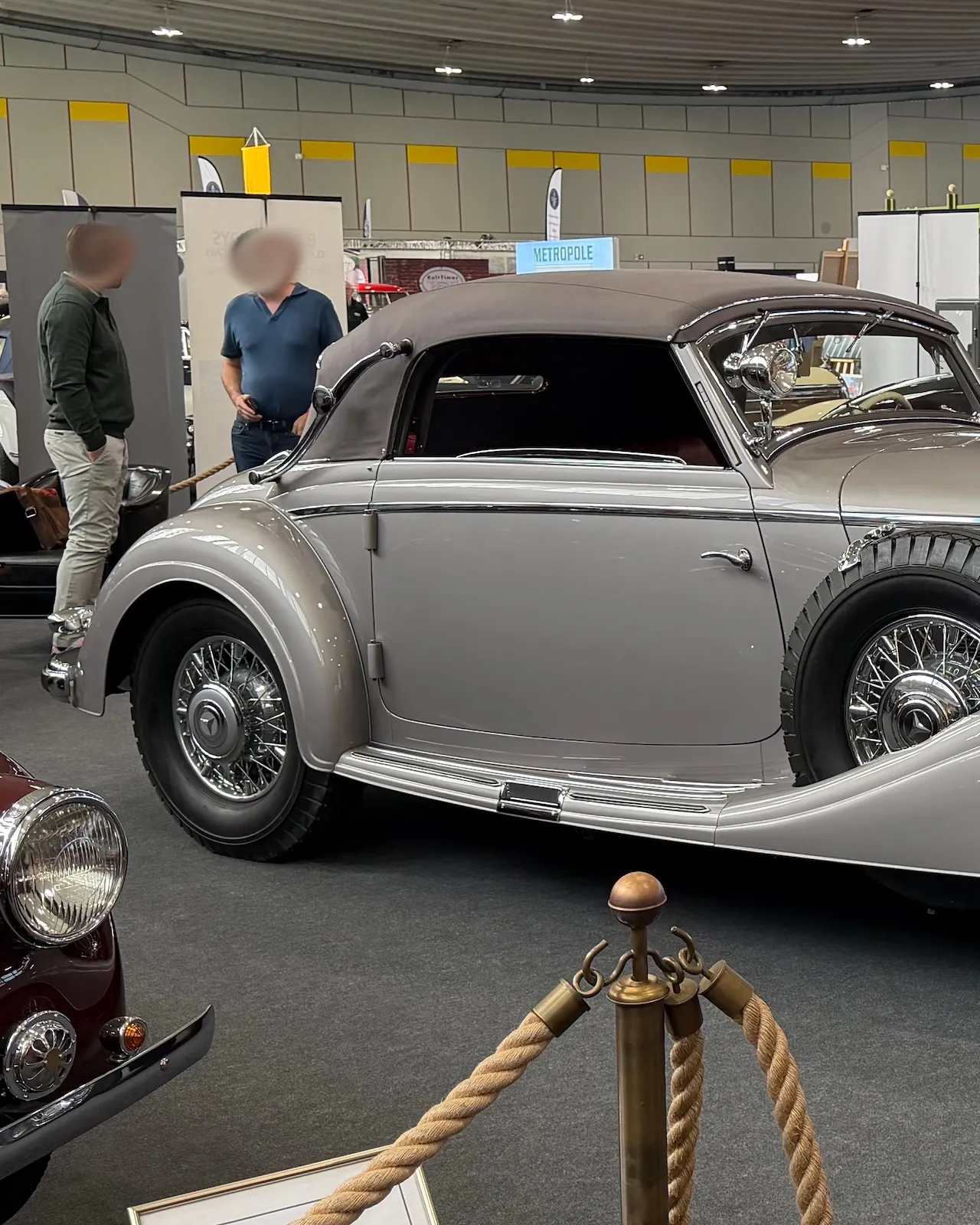
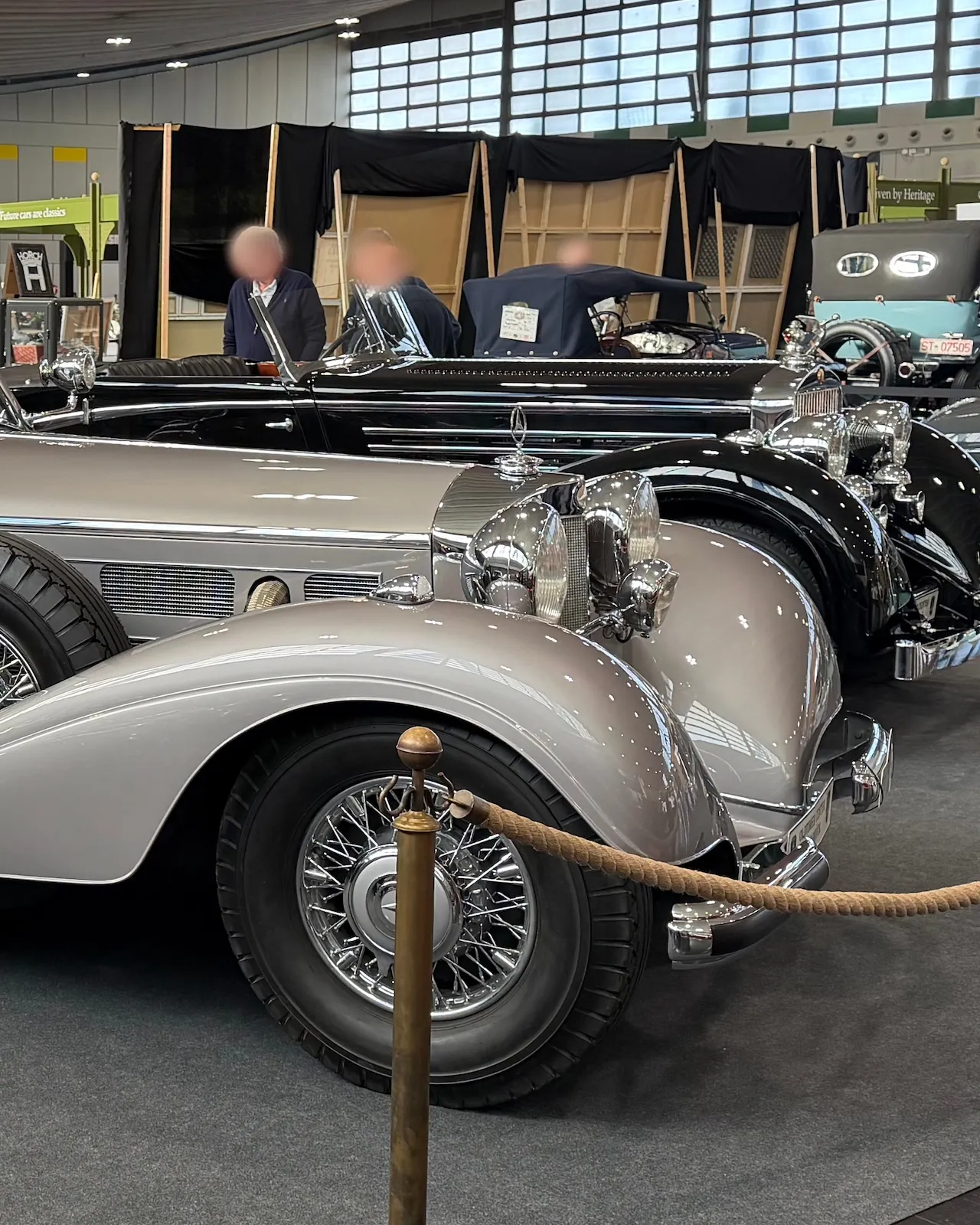
1938 Mercedes-Benz 540 K Cabriolet A, featuring the shorter chassis. Just over 100 examples were produced. Powered by a 5.4-litre supercharged inline-eight engine producing 180 HP.
The 540 K was an impressive showcase of Mercedes-Benz engineering and craftsmanship for its time. Despite the troubled period in which these cars were produced, I have always liked them very much. This particular example was spotted at the last Techno Classica Salon in Dortmund.
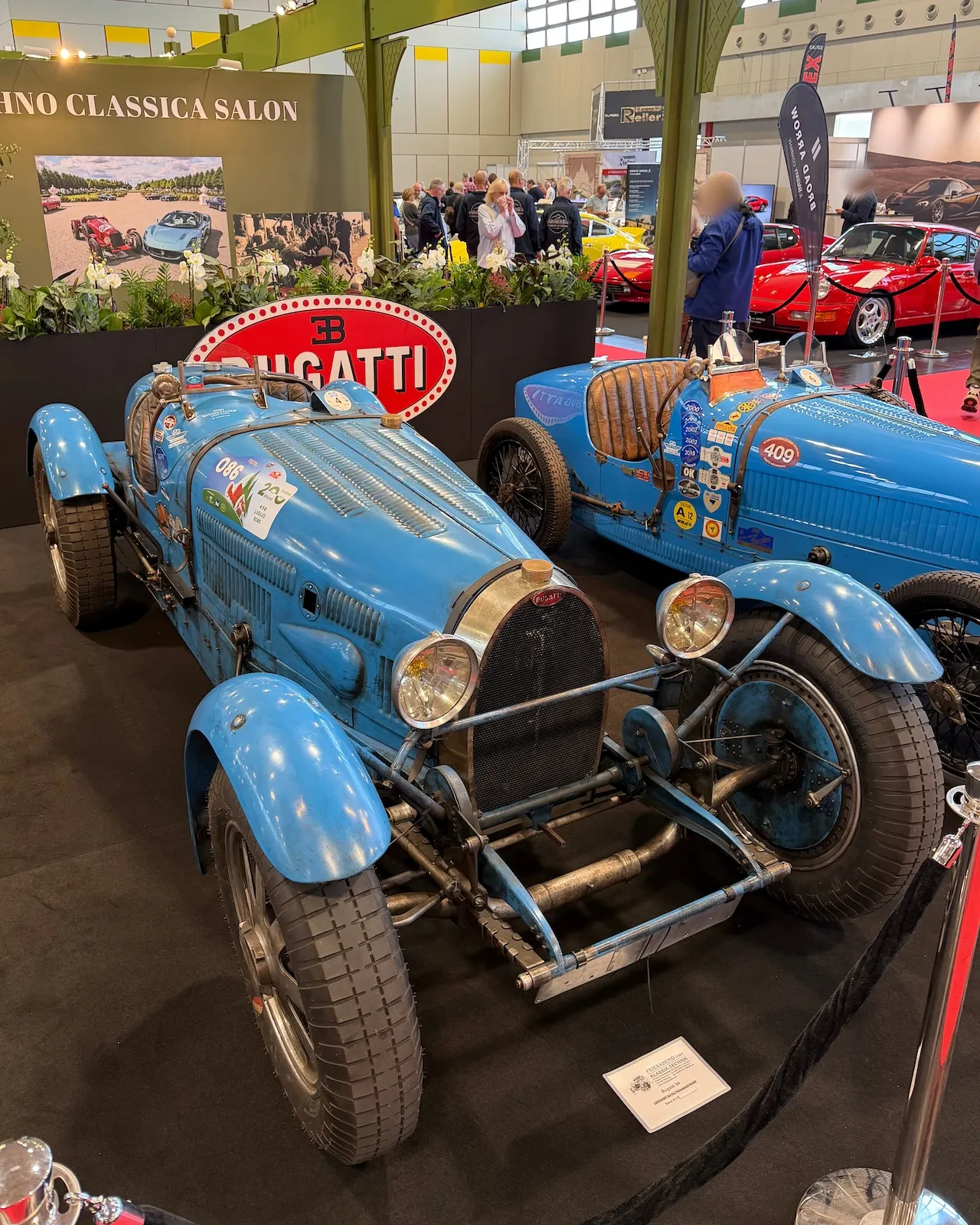
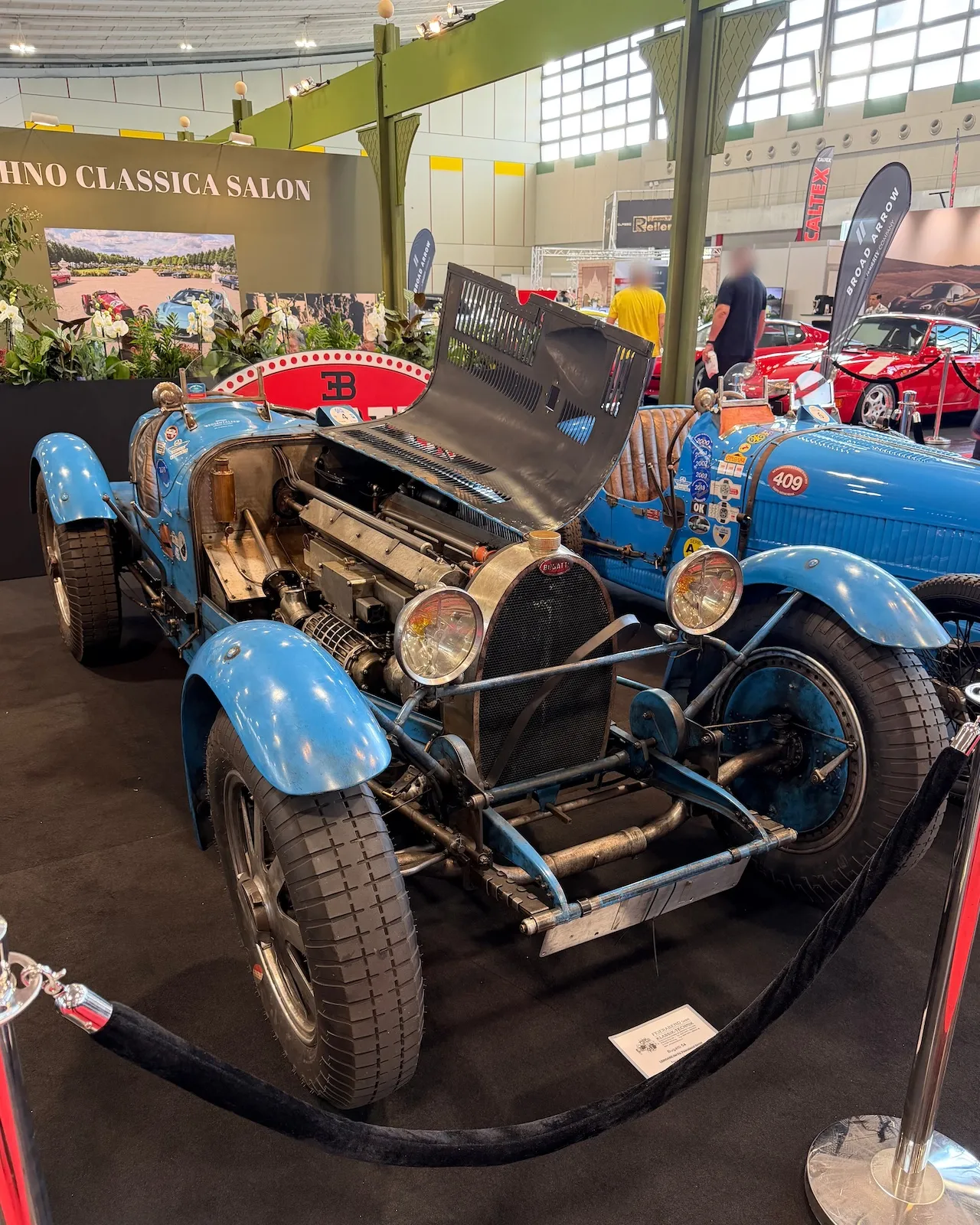
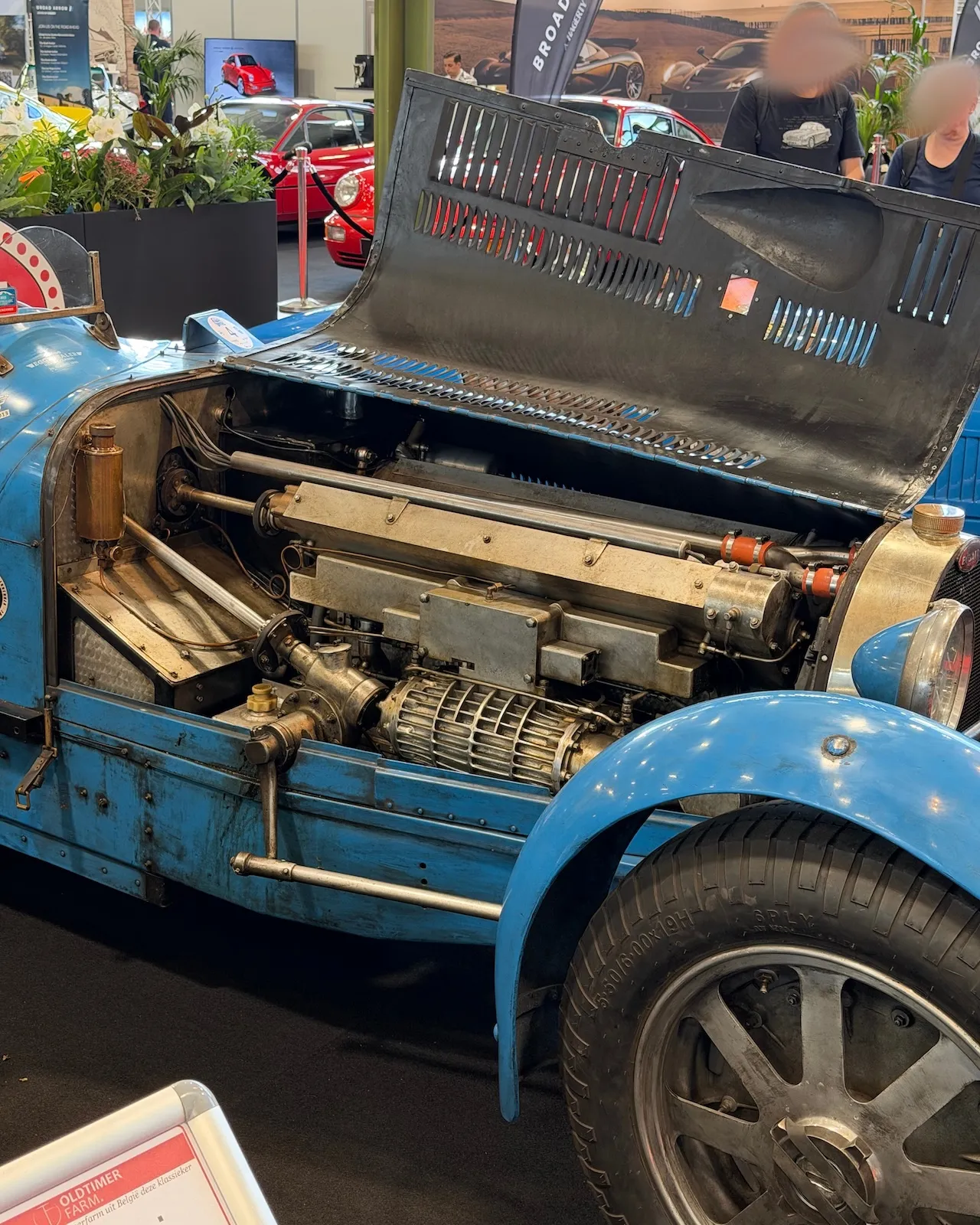
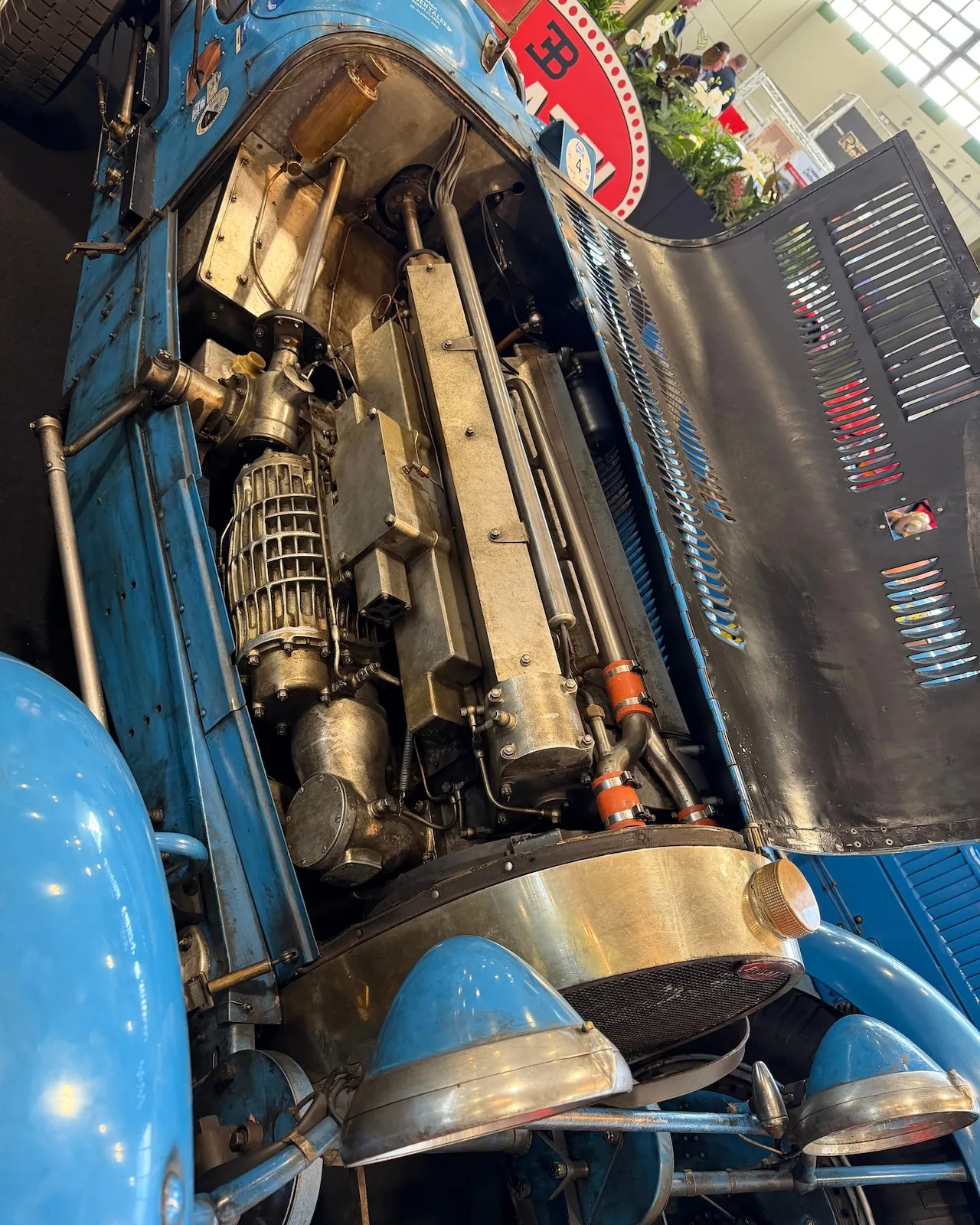
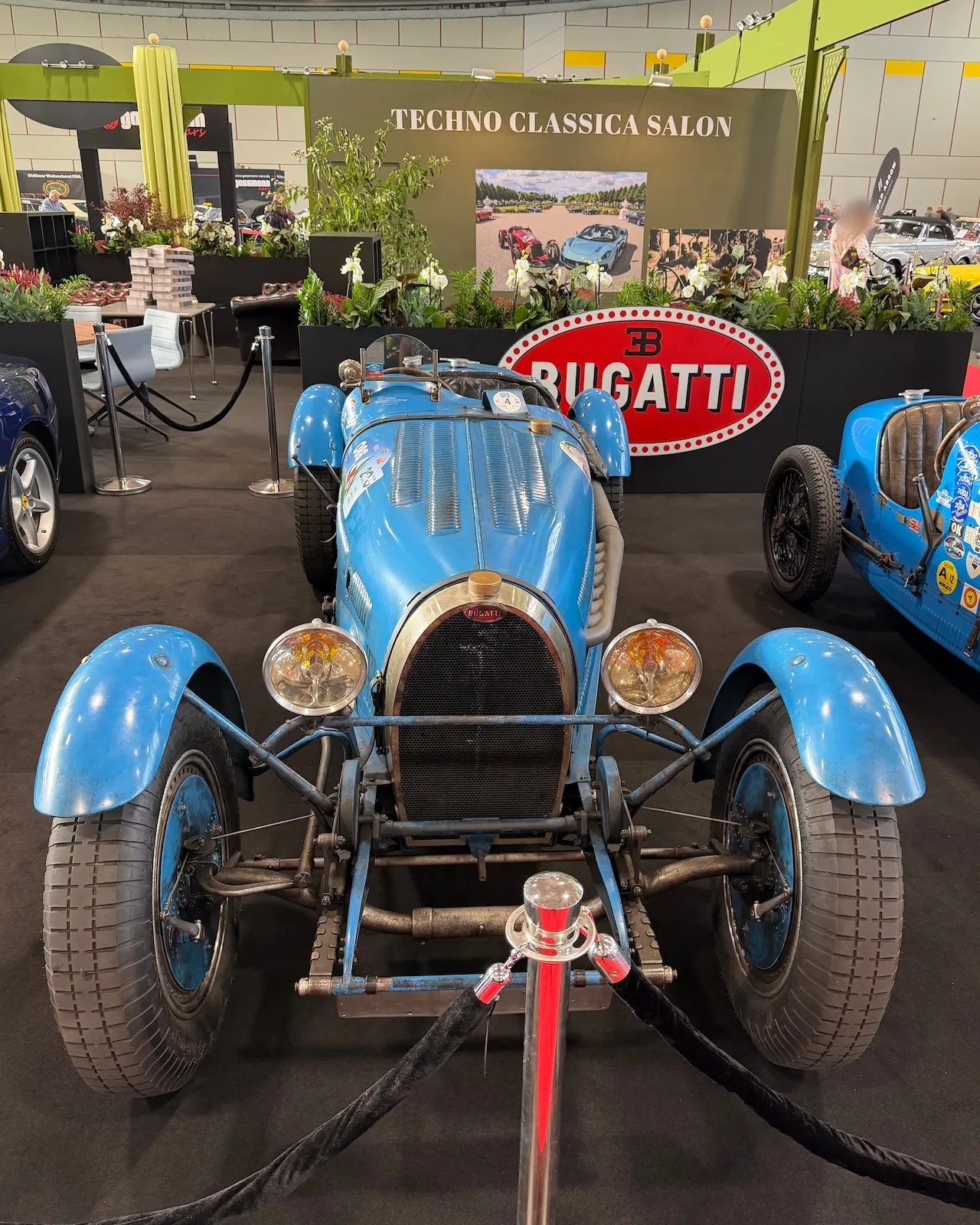
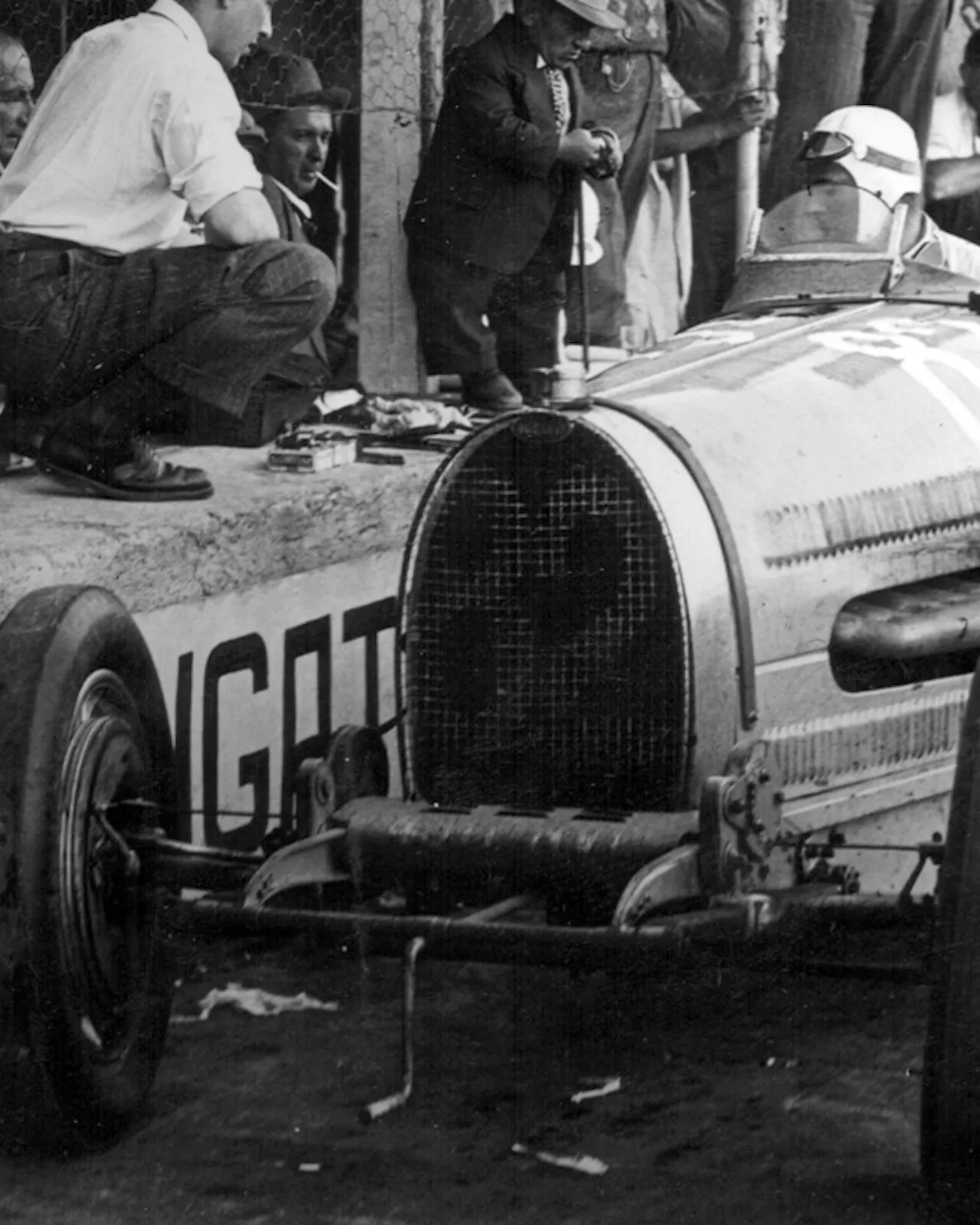
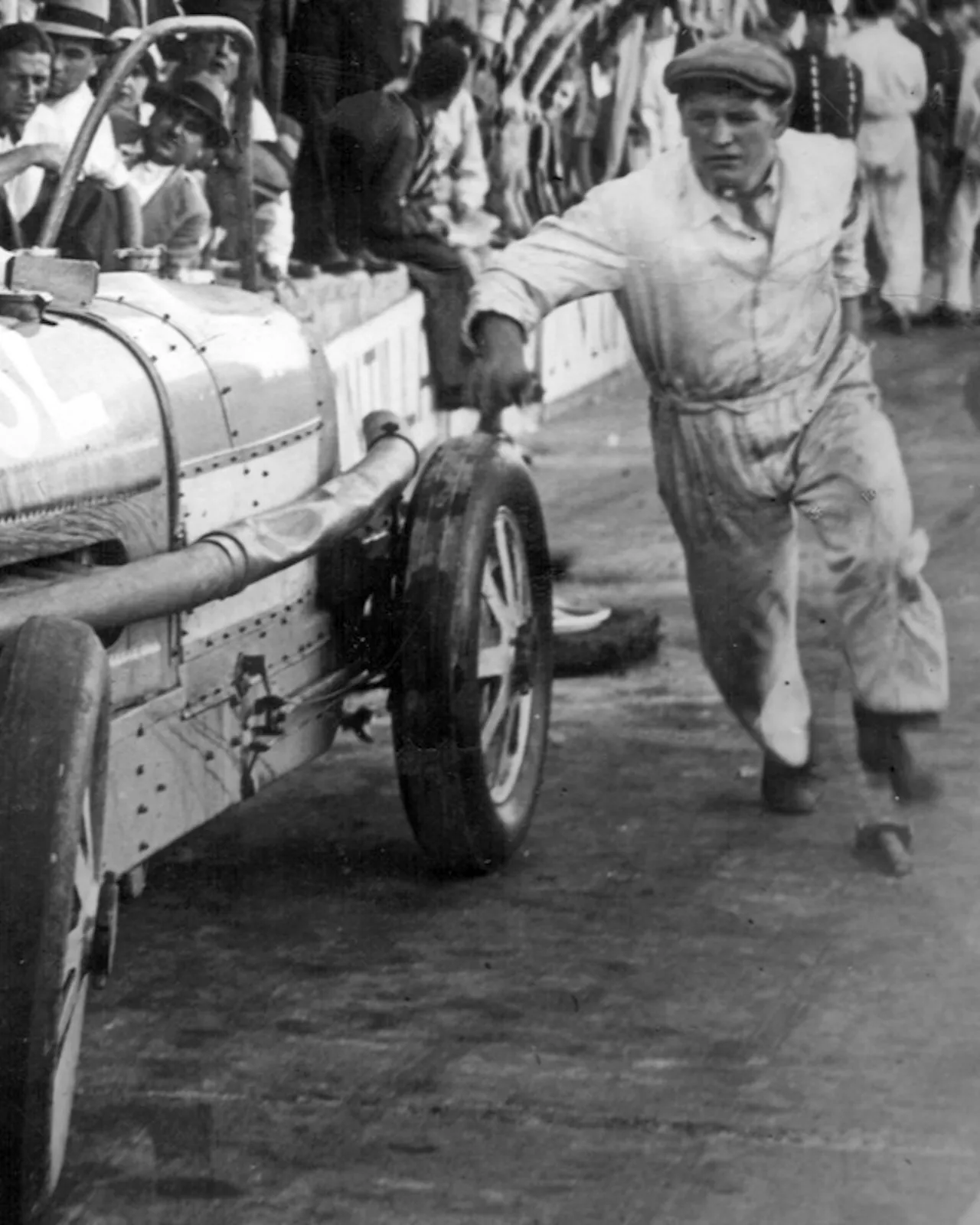
Another rarity. 1931 Bugatti Type 54, with mudguards, spotted at the Techno Classica Salon in Dortmund, from the Feierabend Collection.
According to various Bugatti sources, around 10 Type 54s were originally produced. The car was powered by a massive 5-litre supercharged eight-cylinder engine producing around 300 PS, and could reach speeds of over 240 km/h, remarkable figures for the time. With its enormous power combined with the chassis and tire technology of the era, the Type 54 was considered difficult to control.
PS: The two black and white pics show Achille Varzi in Monza in a Type 54, but probably not the one shown in Dortmund (courtesy of Bonhams and Zwischengas, thanks).
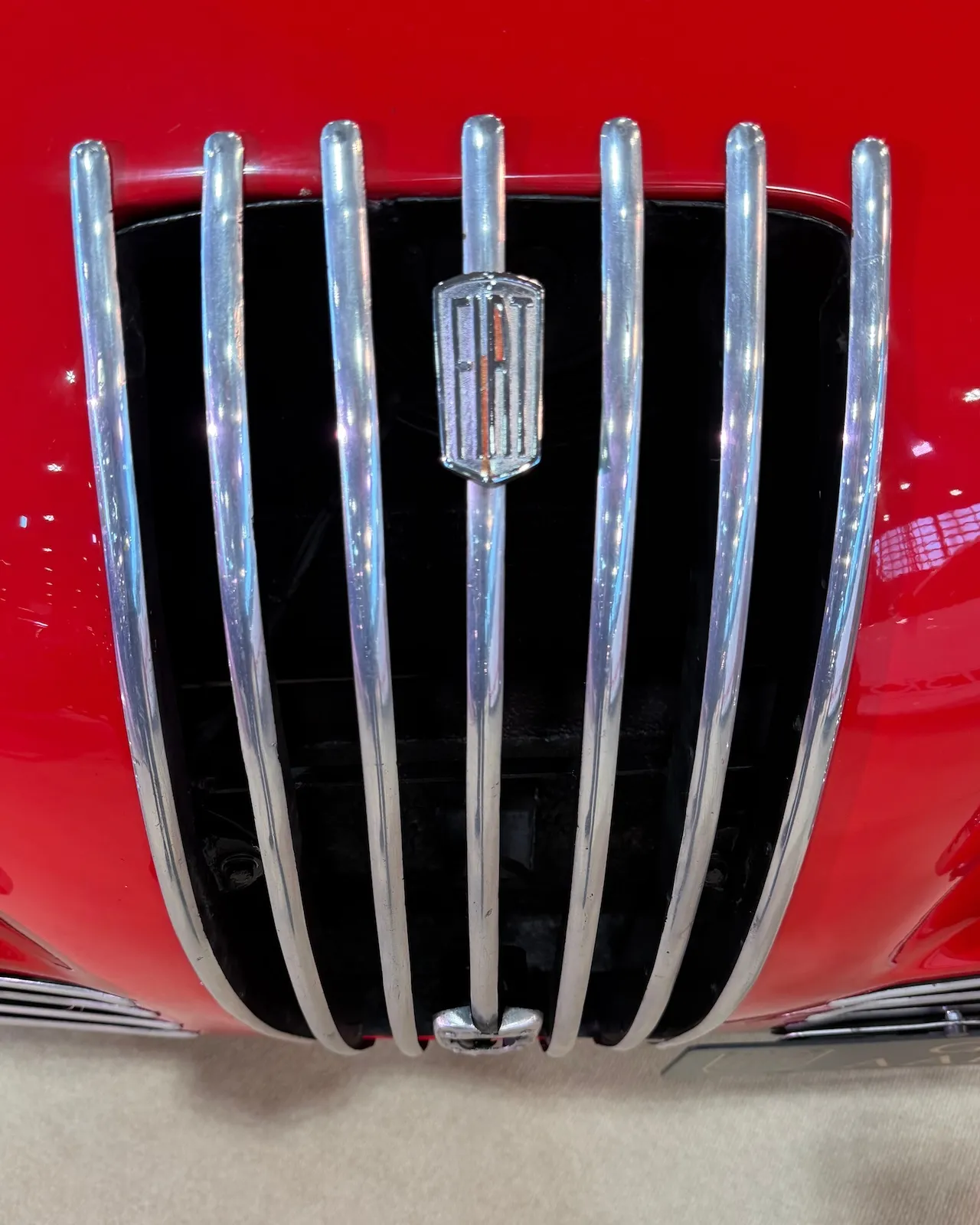
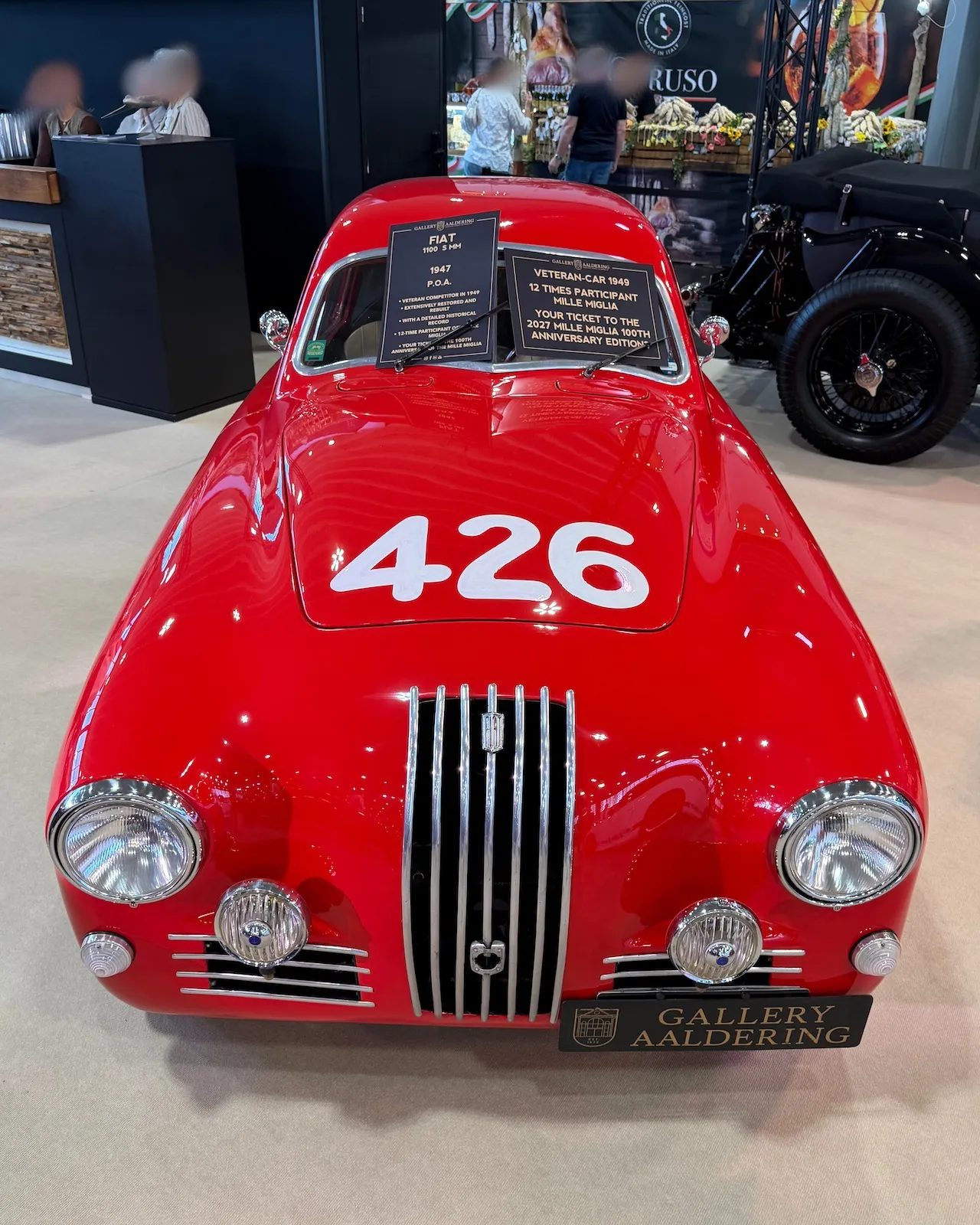
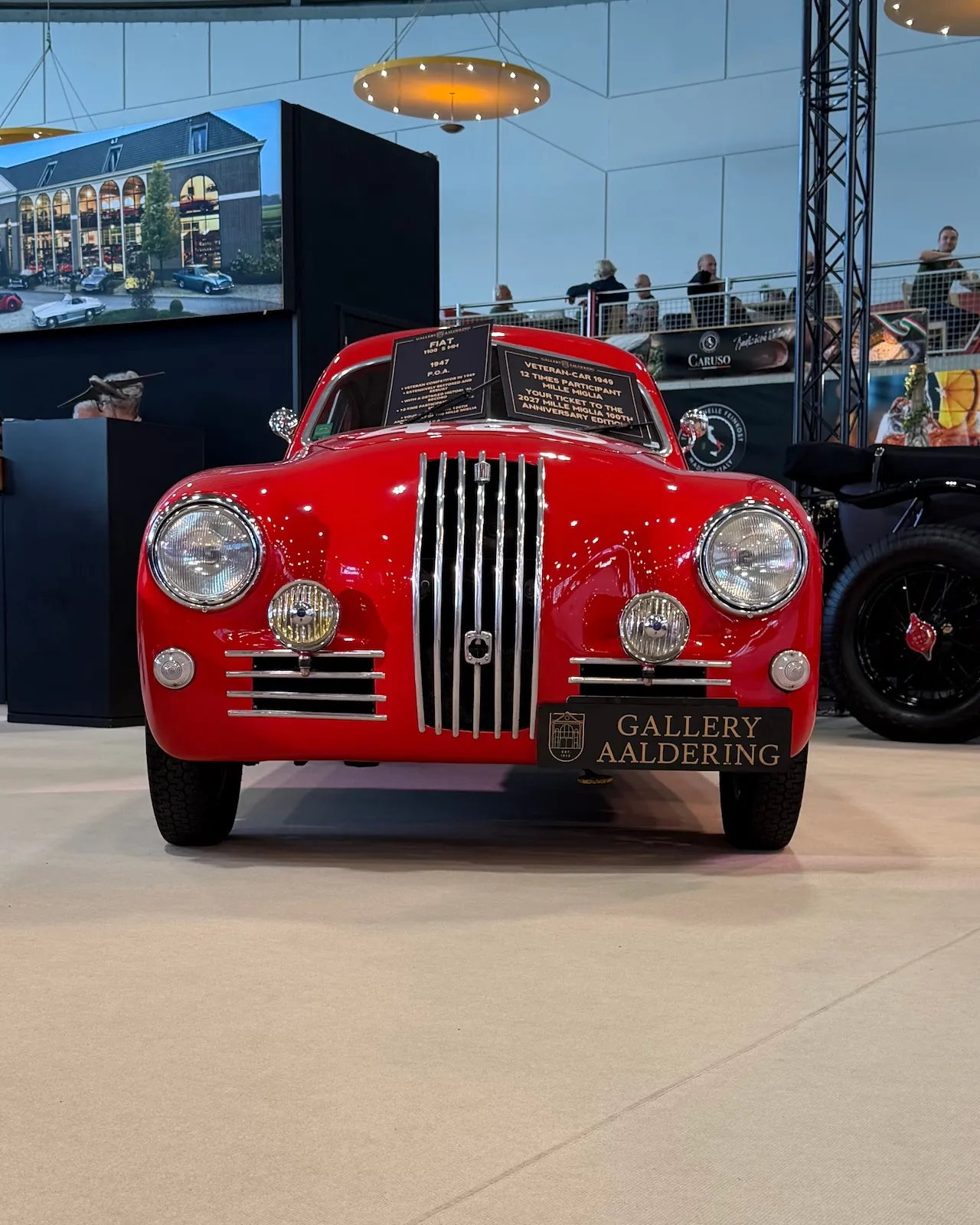
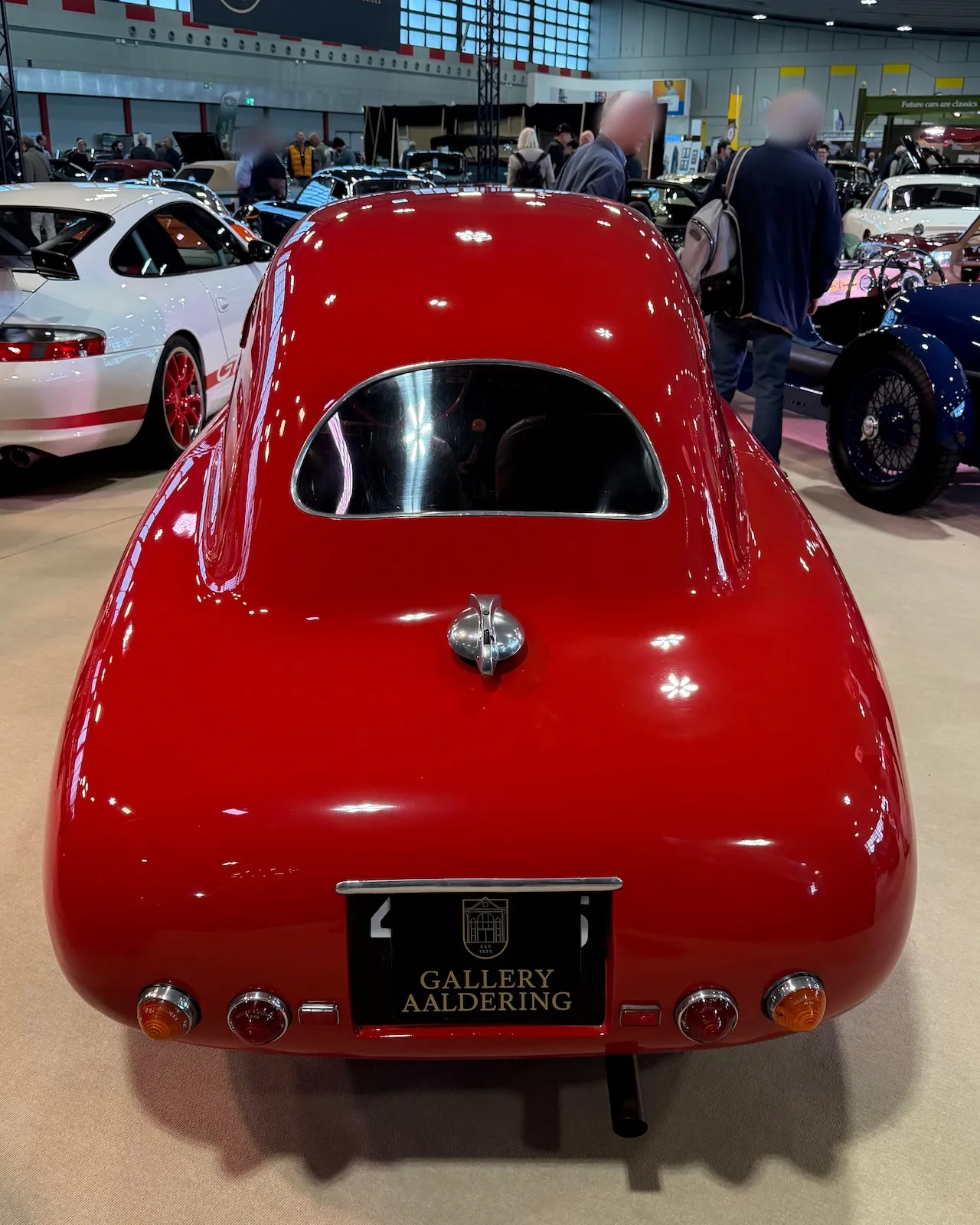
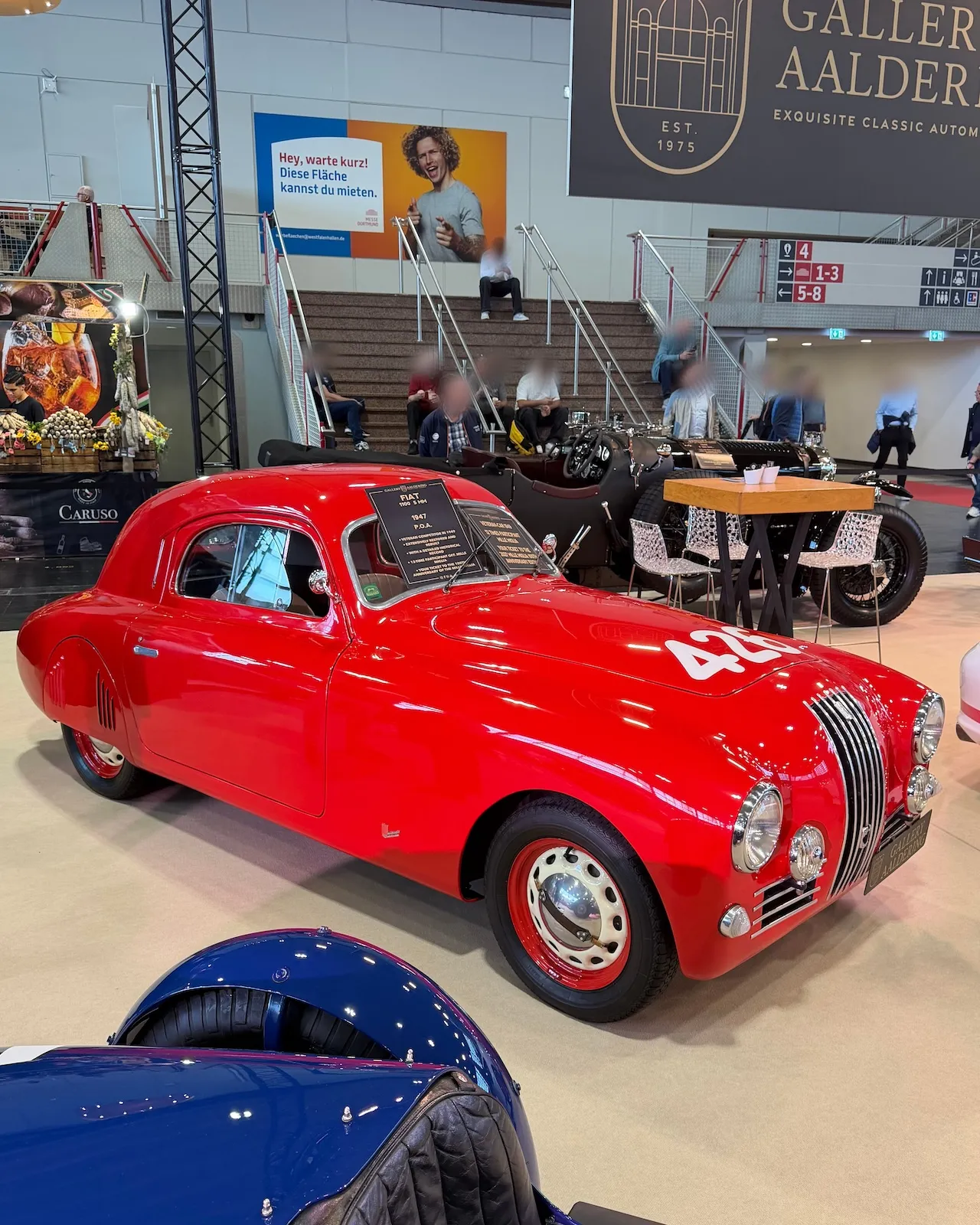
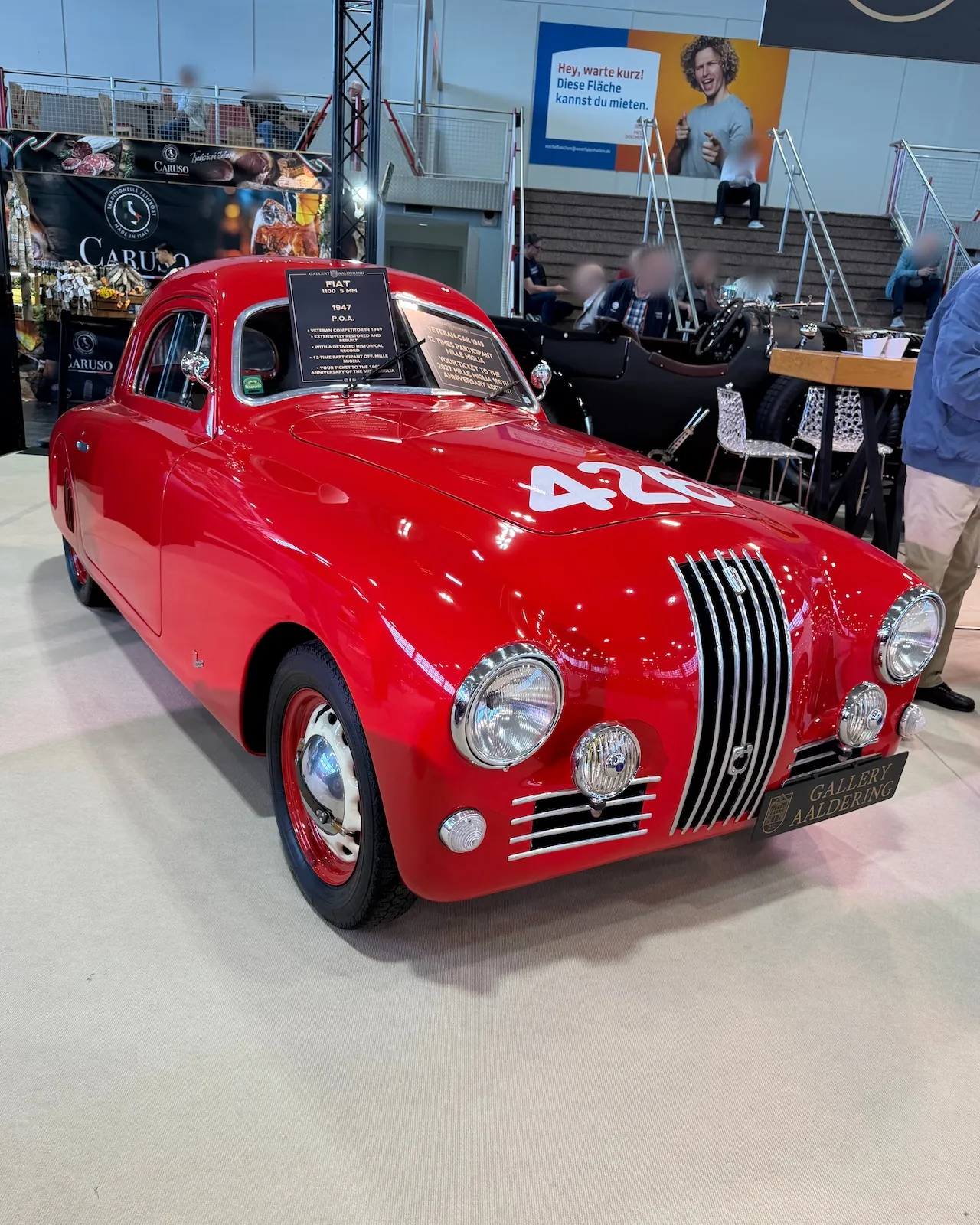
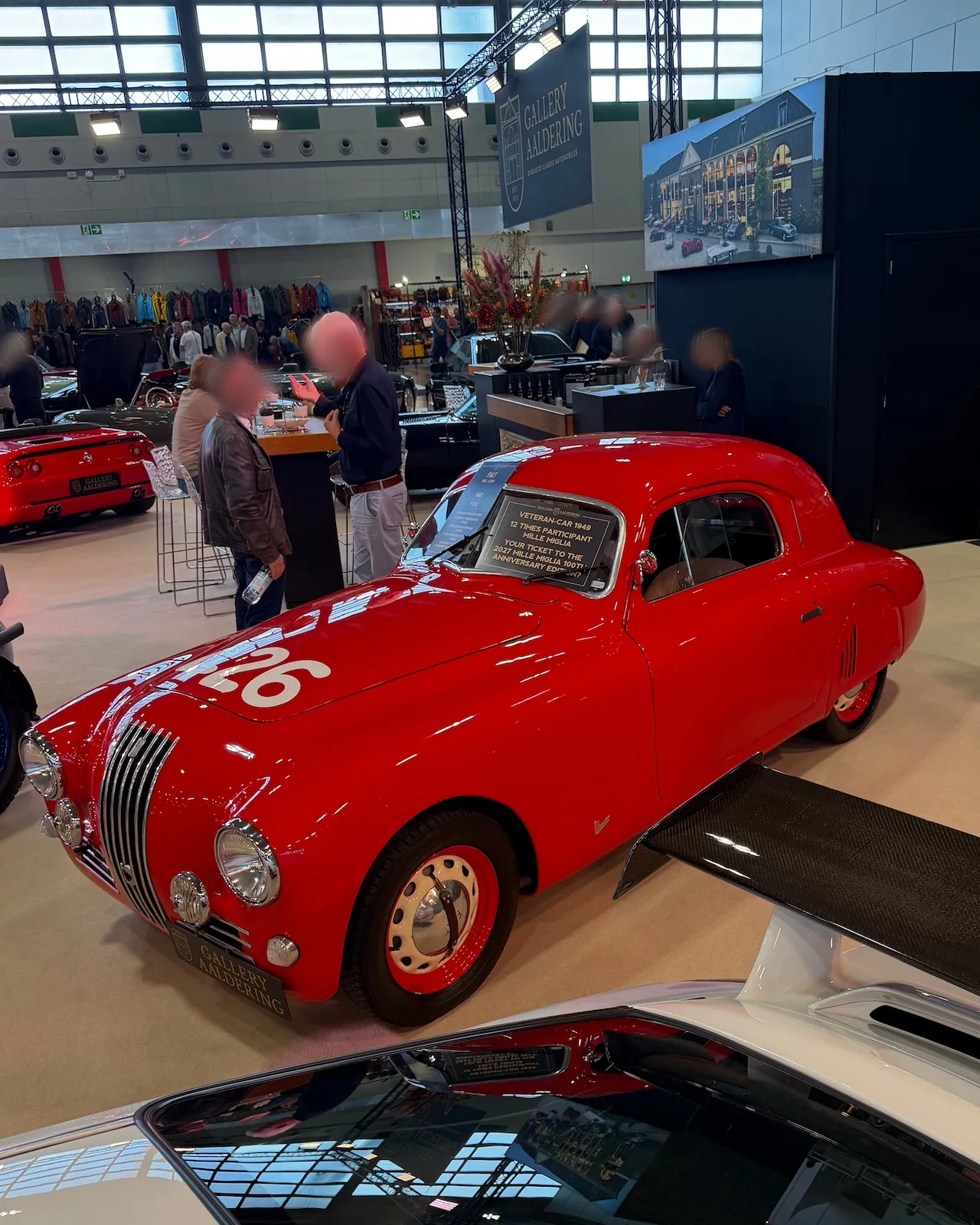
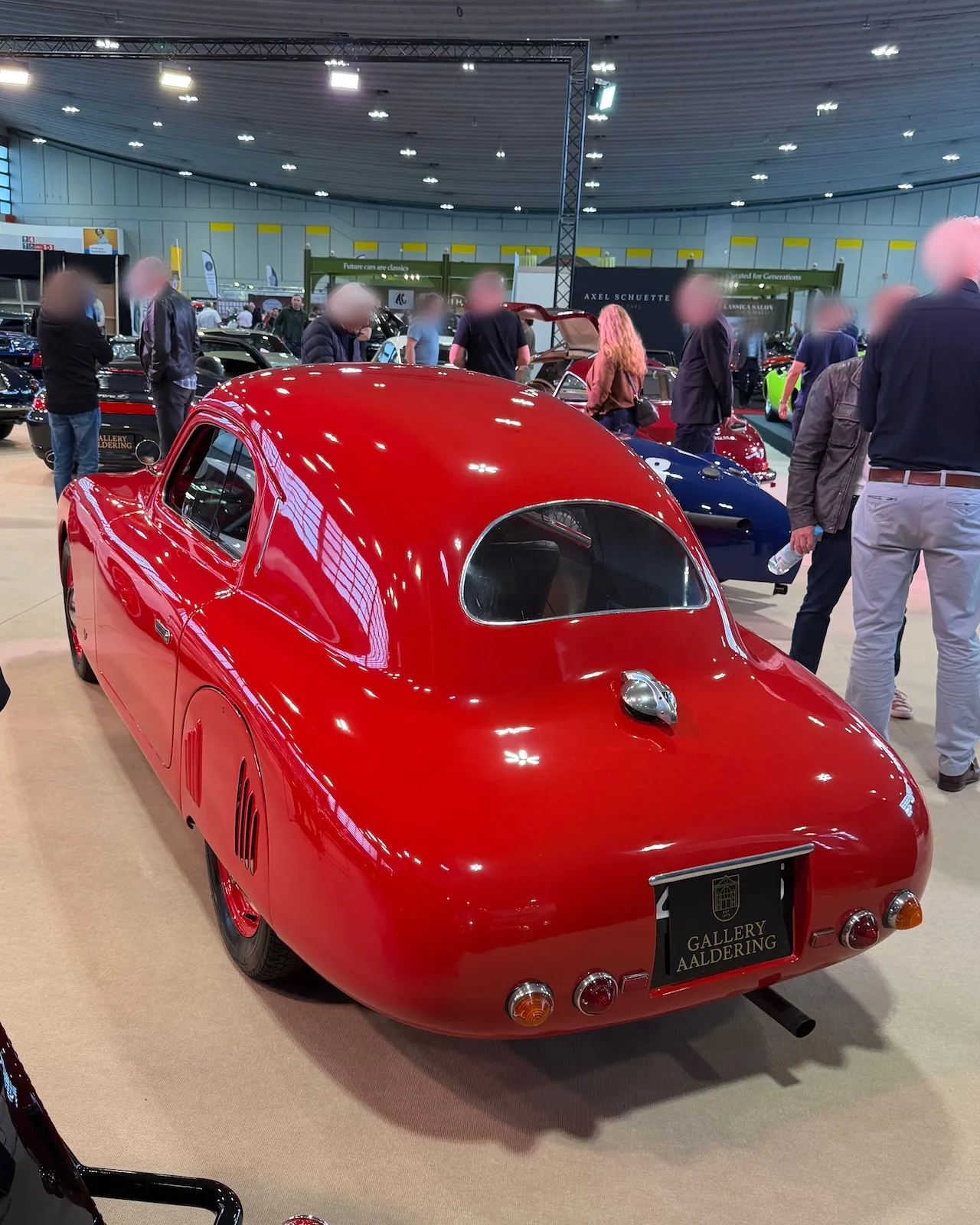
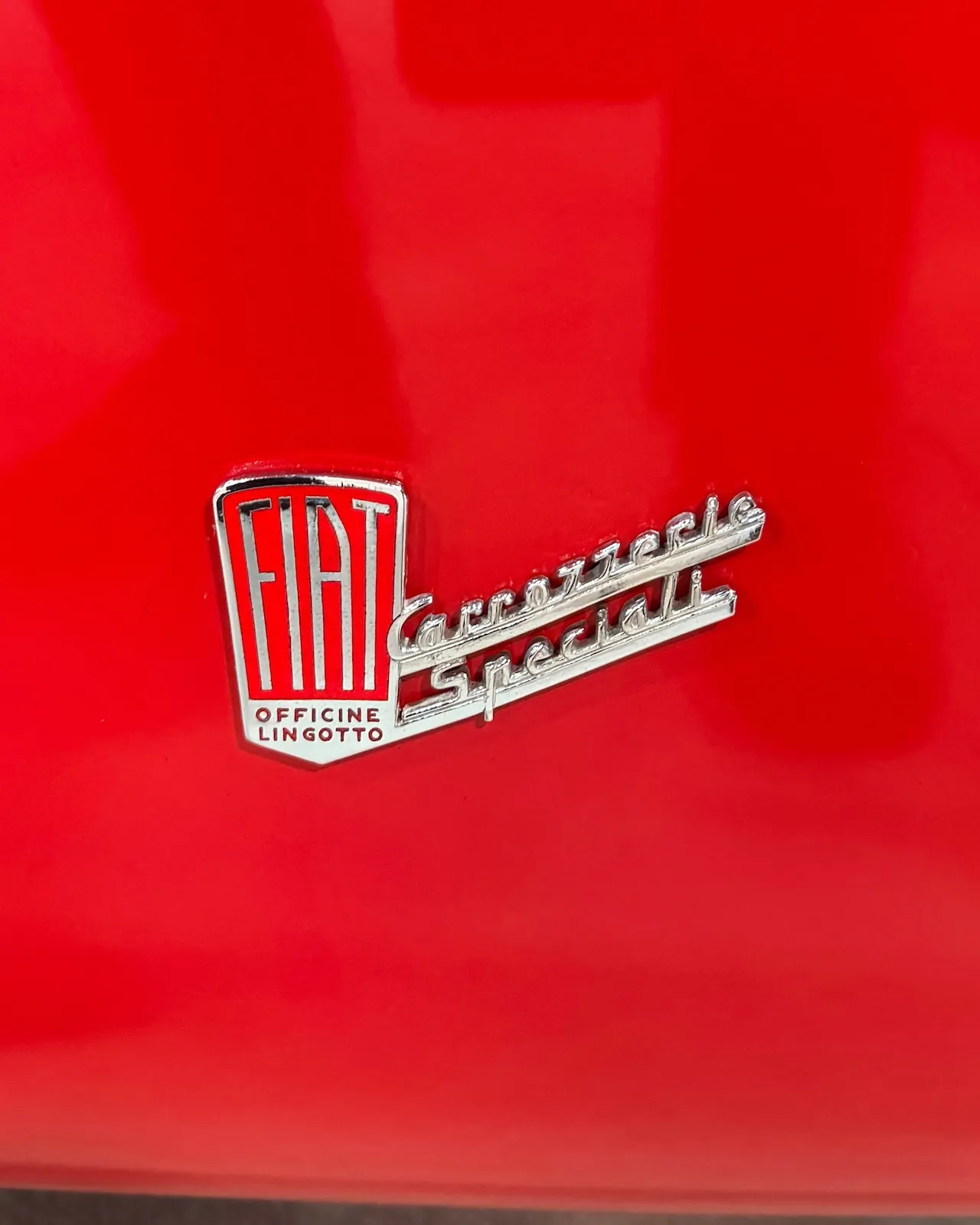
You all know the American hot-rodding and racing adage: there's no replacement for displacement. Actually, there is one — and Fiat understood that very well.
1947 Fiat 1100 S MM, with MM standing for Mille Miglia, the famous road race held on public roads in northern Italy from 1927 to 1957. This car competed in the 1949 edition. It was spotted last week at the Techno-Classica show in Dortmund.
Fiat developed the 1100 S shortly after WWII as a significantly sportier version of the standard 1100. Designed by Dante Giacosa, its compact coupé placed a strong emphasis on aerodynamics. The low body, covered rear wheels, and distinctive front end were by no means merely design elements; every detail was intended to improve speed and efficiency. At a time when 60 hp was already considered impressive, a lightweight car like this could be surprisingly fast.
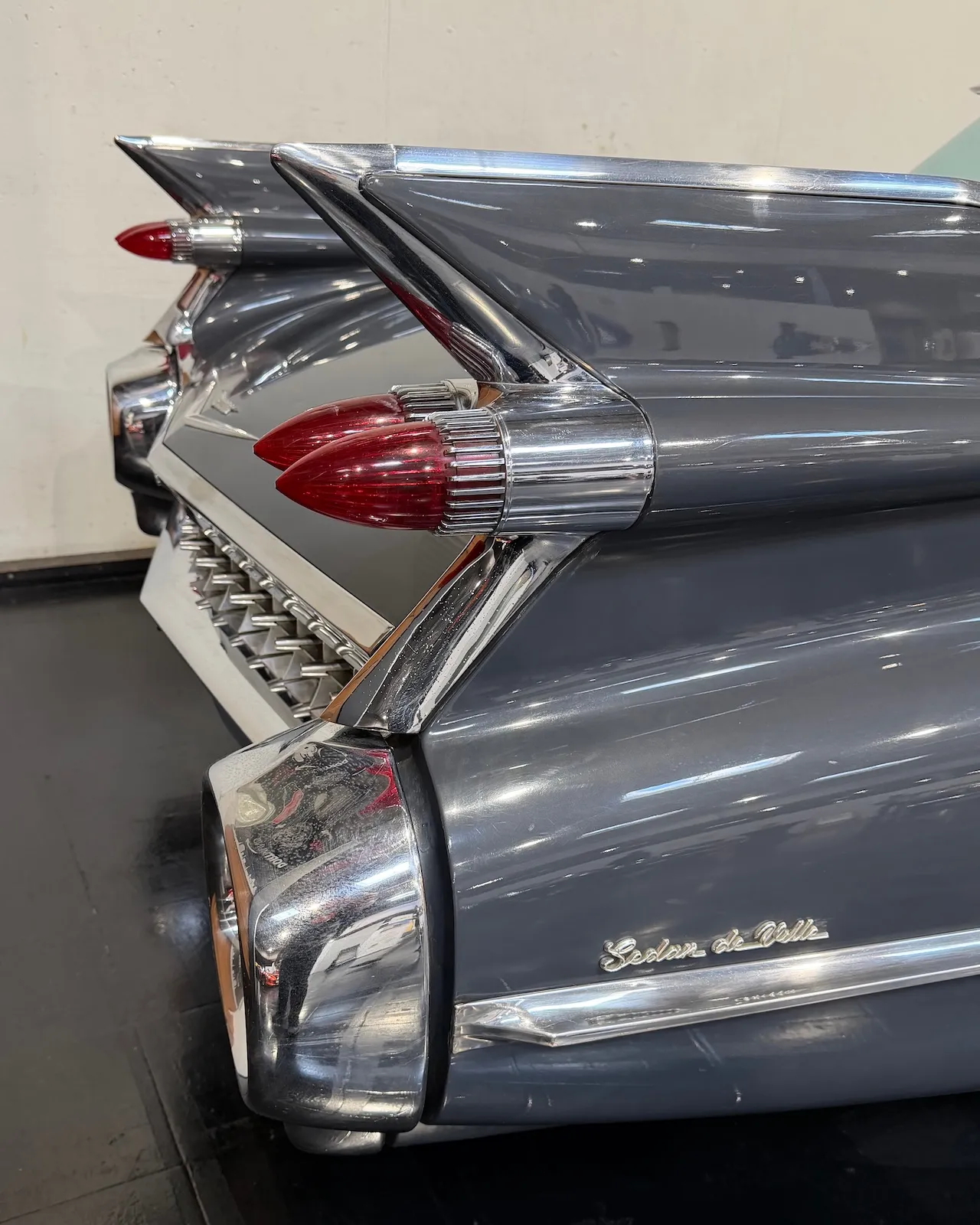
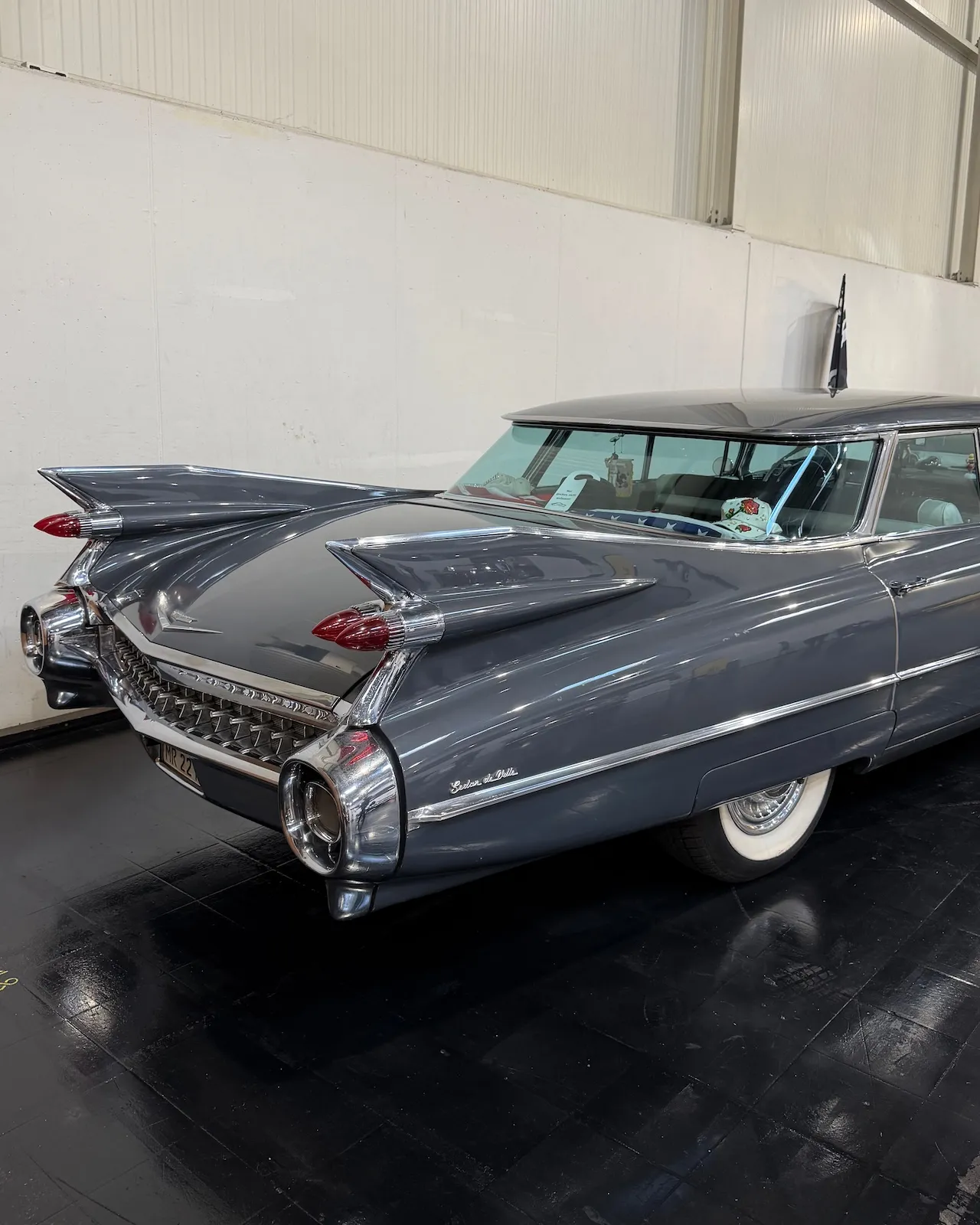
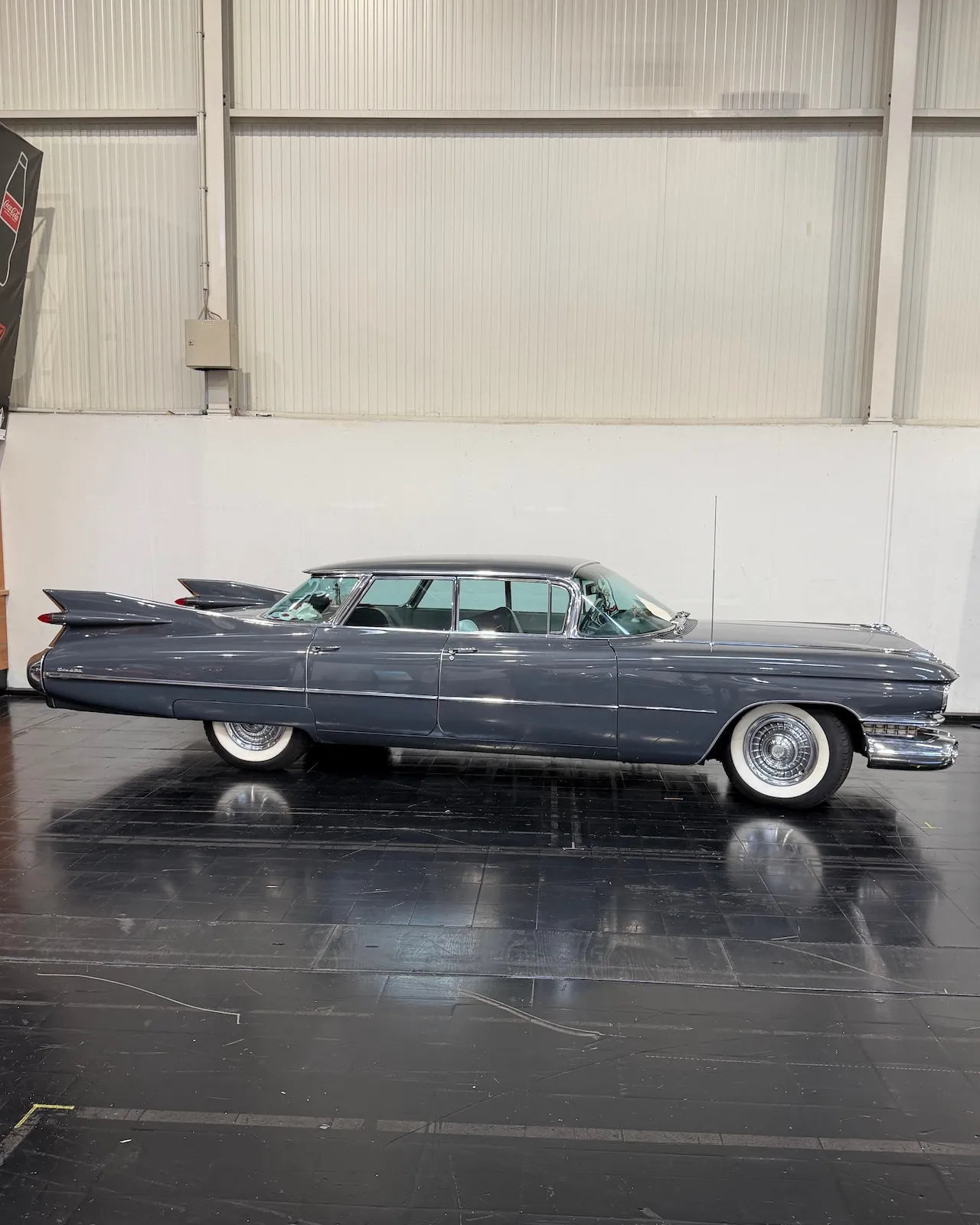
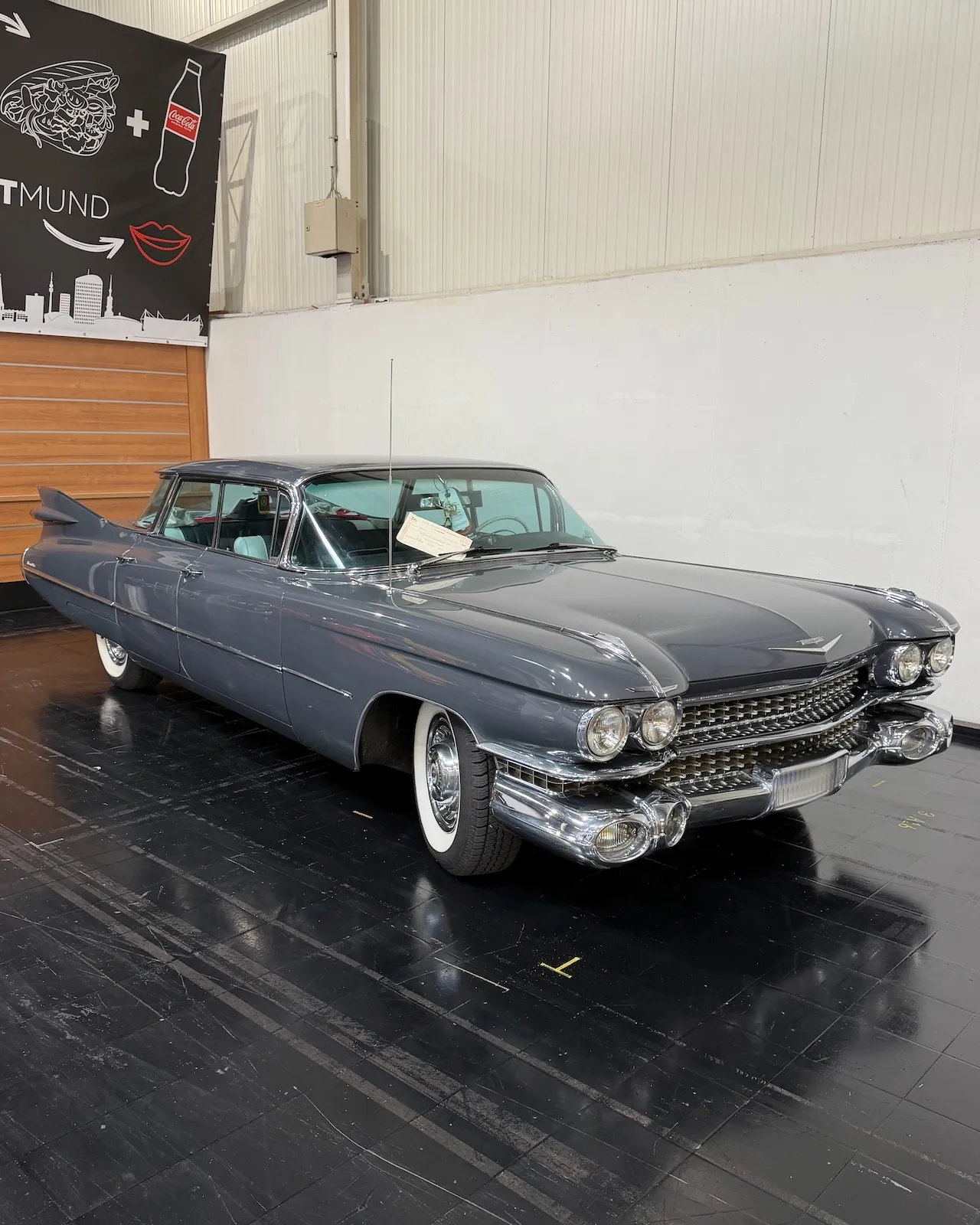
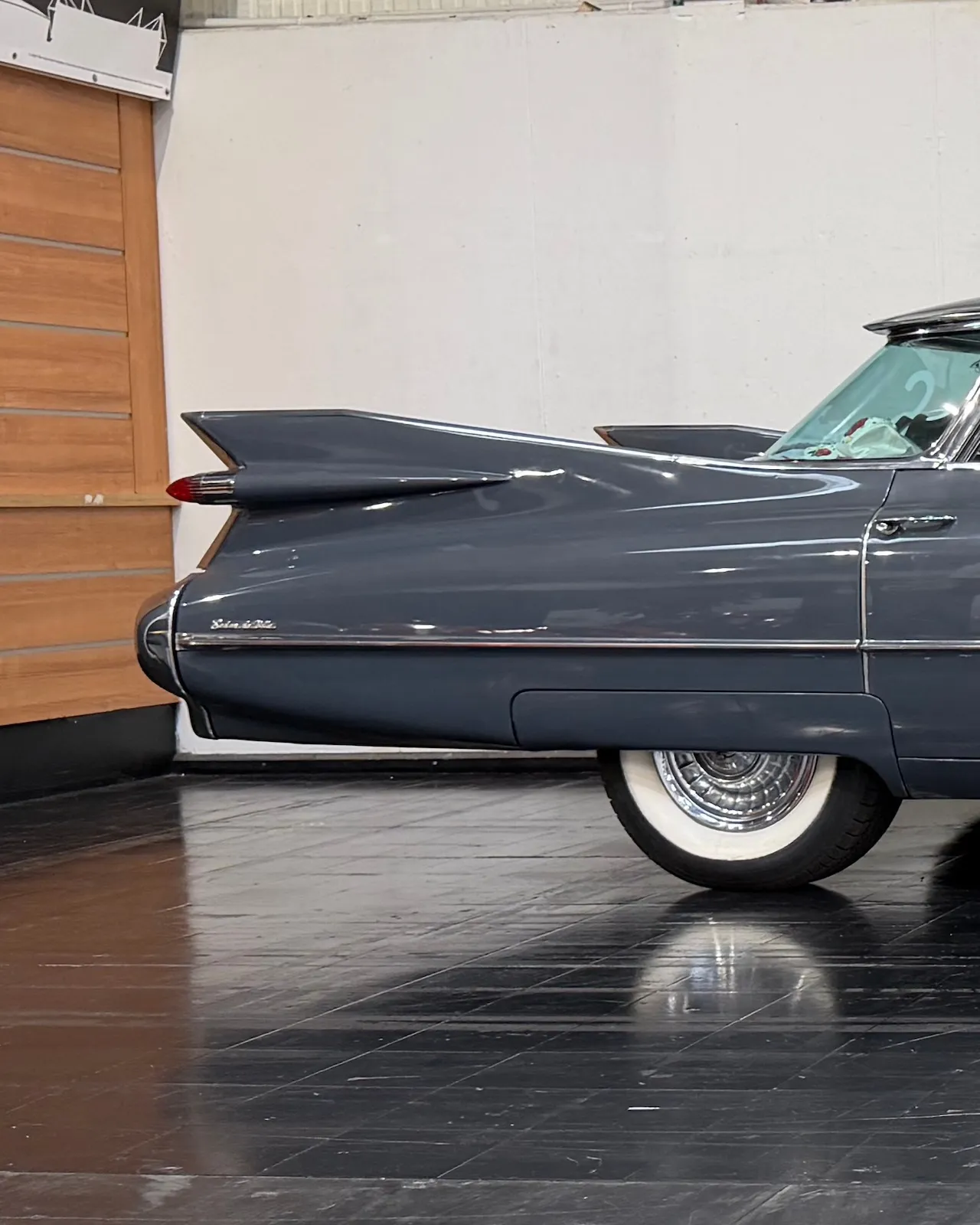
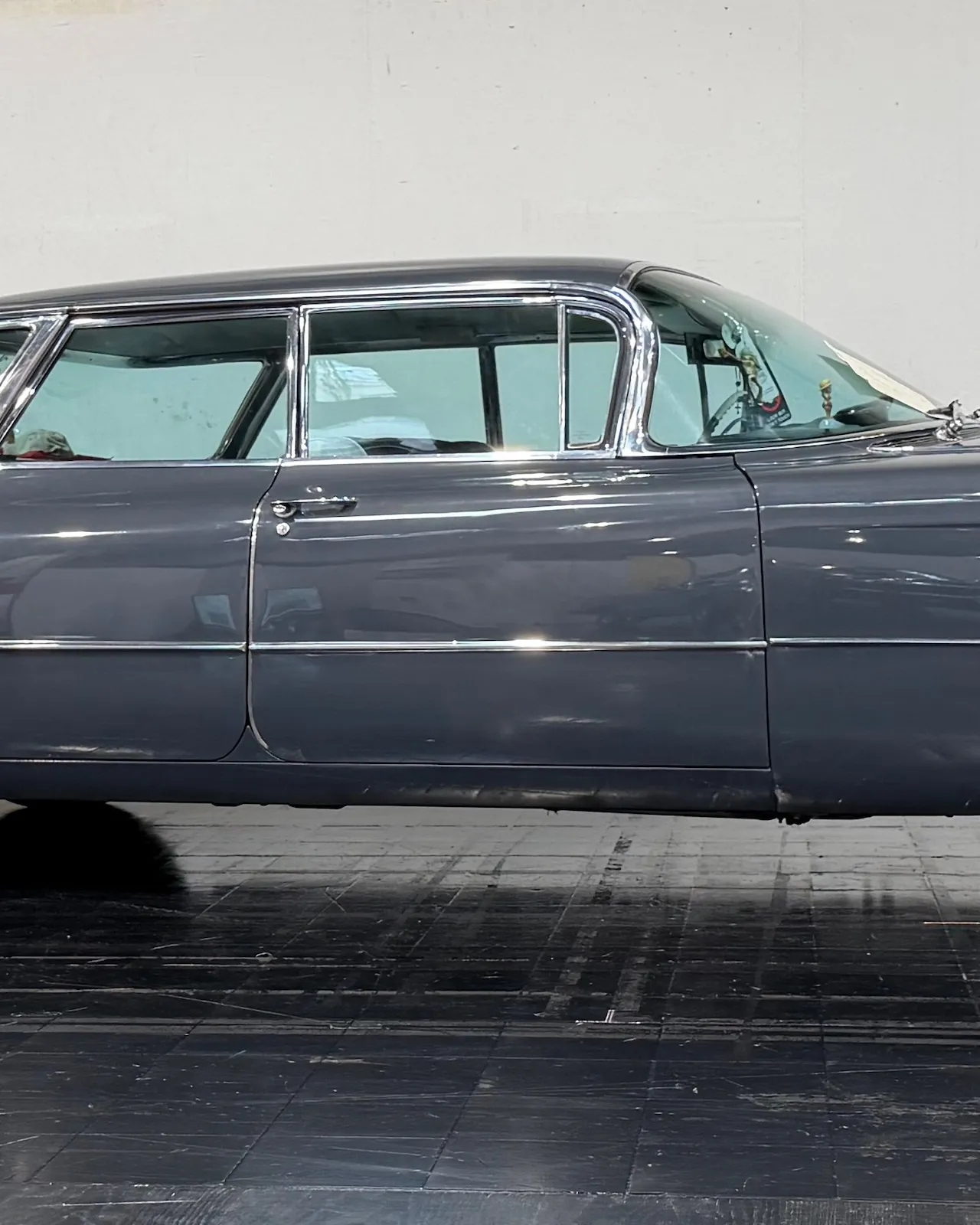
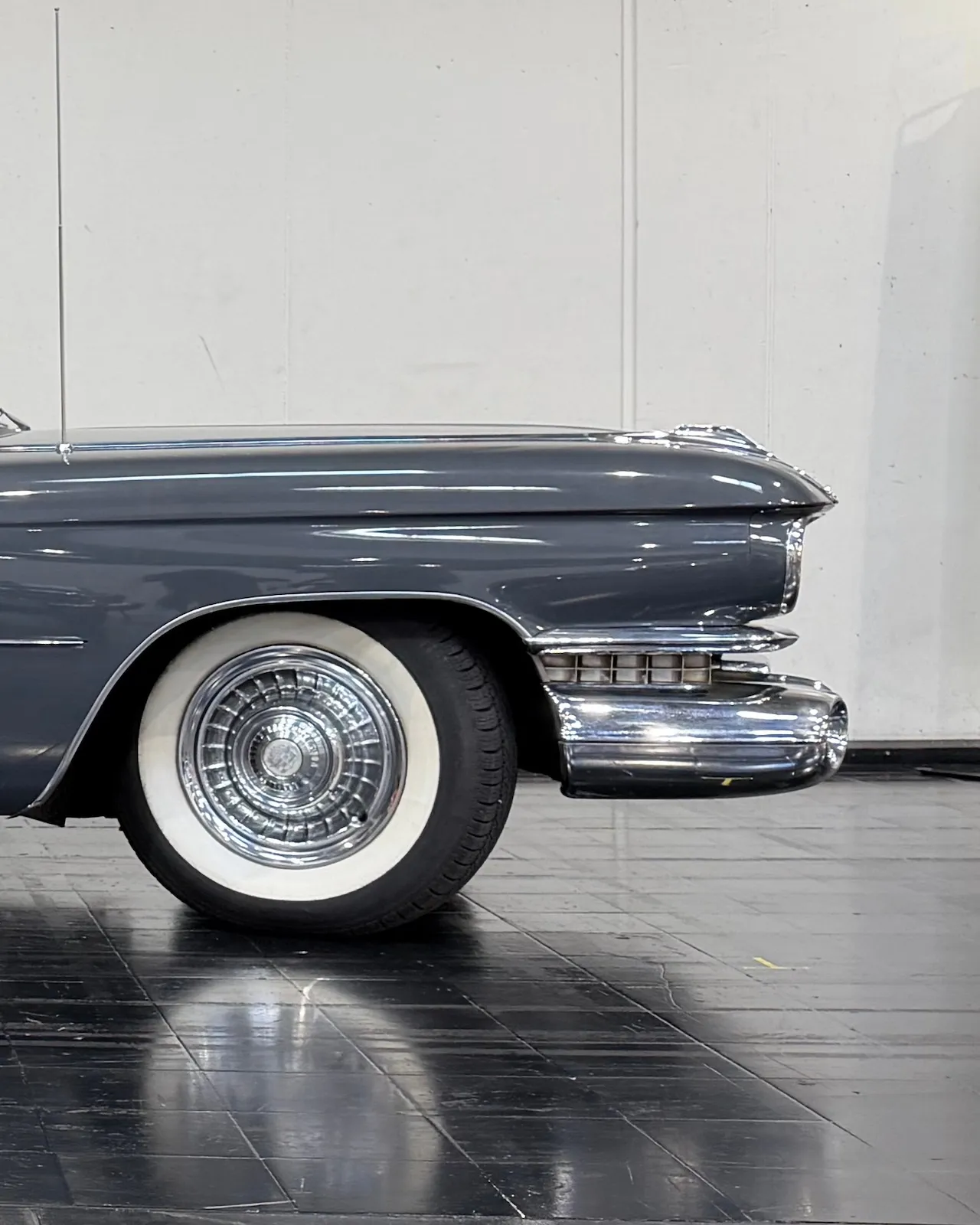
1959 Cadillac Sedan deVille. In 1959, the Cadillac Sedan deVille offered two distinct styling choices that completely changed the car’s silhouette: a 4-Window Flat Top model, seen here at the Techno Classica Salon, and a 6-Window model with its rounded roof. Both were pillarless hardtops, and they represented two different design approaches. And, of course, both came with those huge tail fins we all love. Splendid.
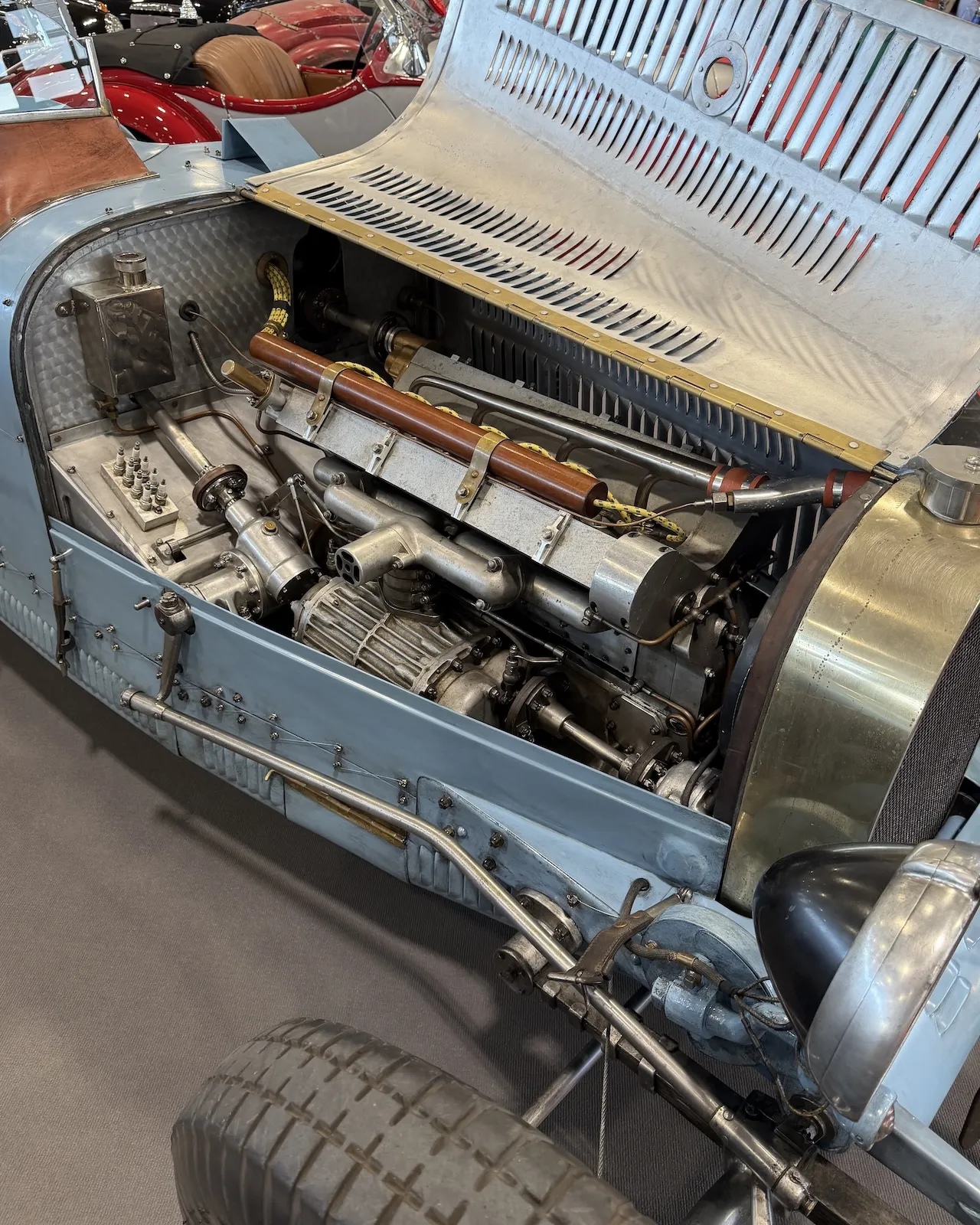
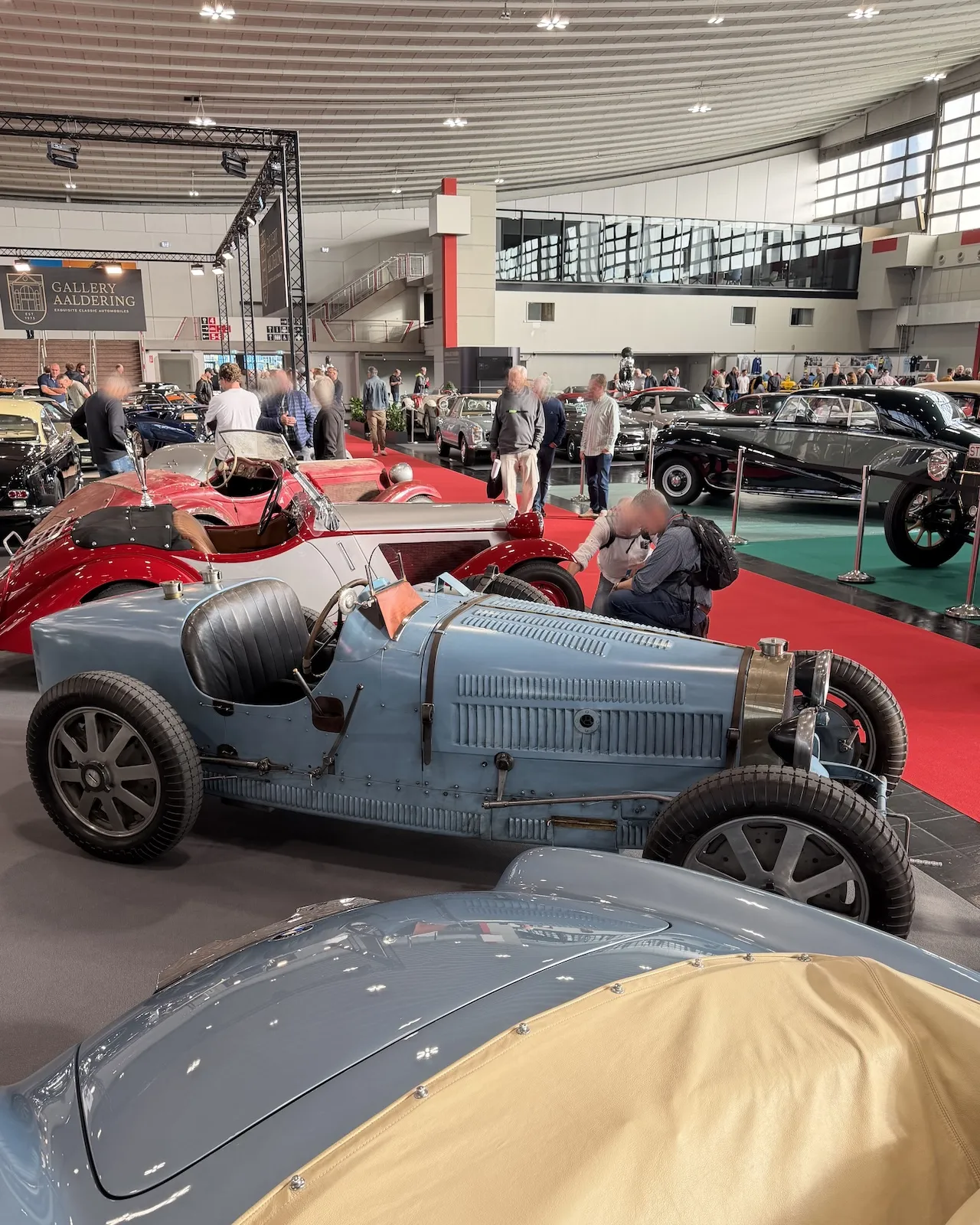
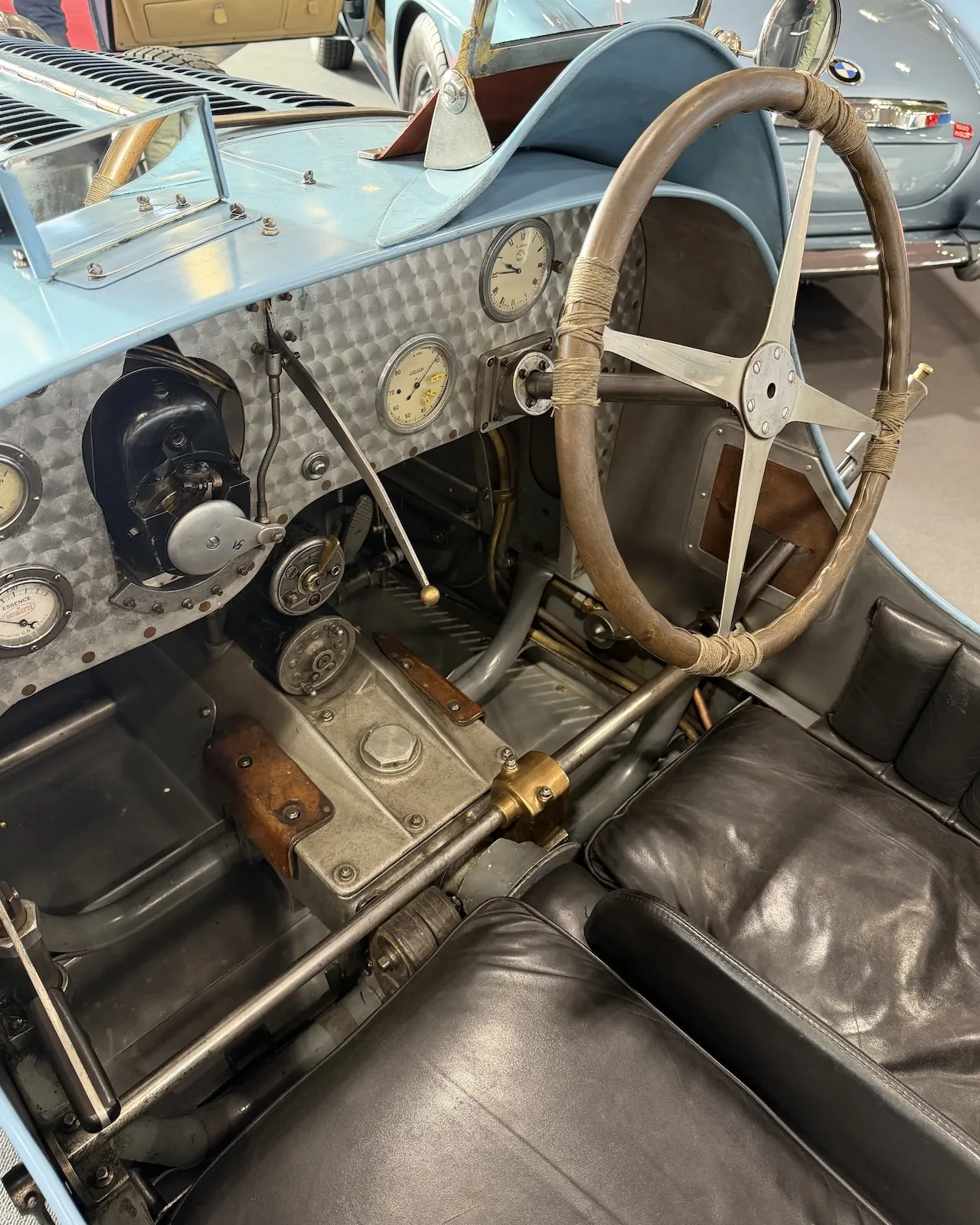
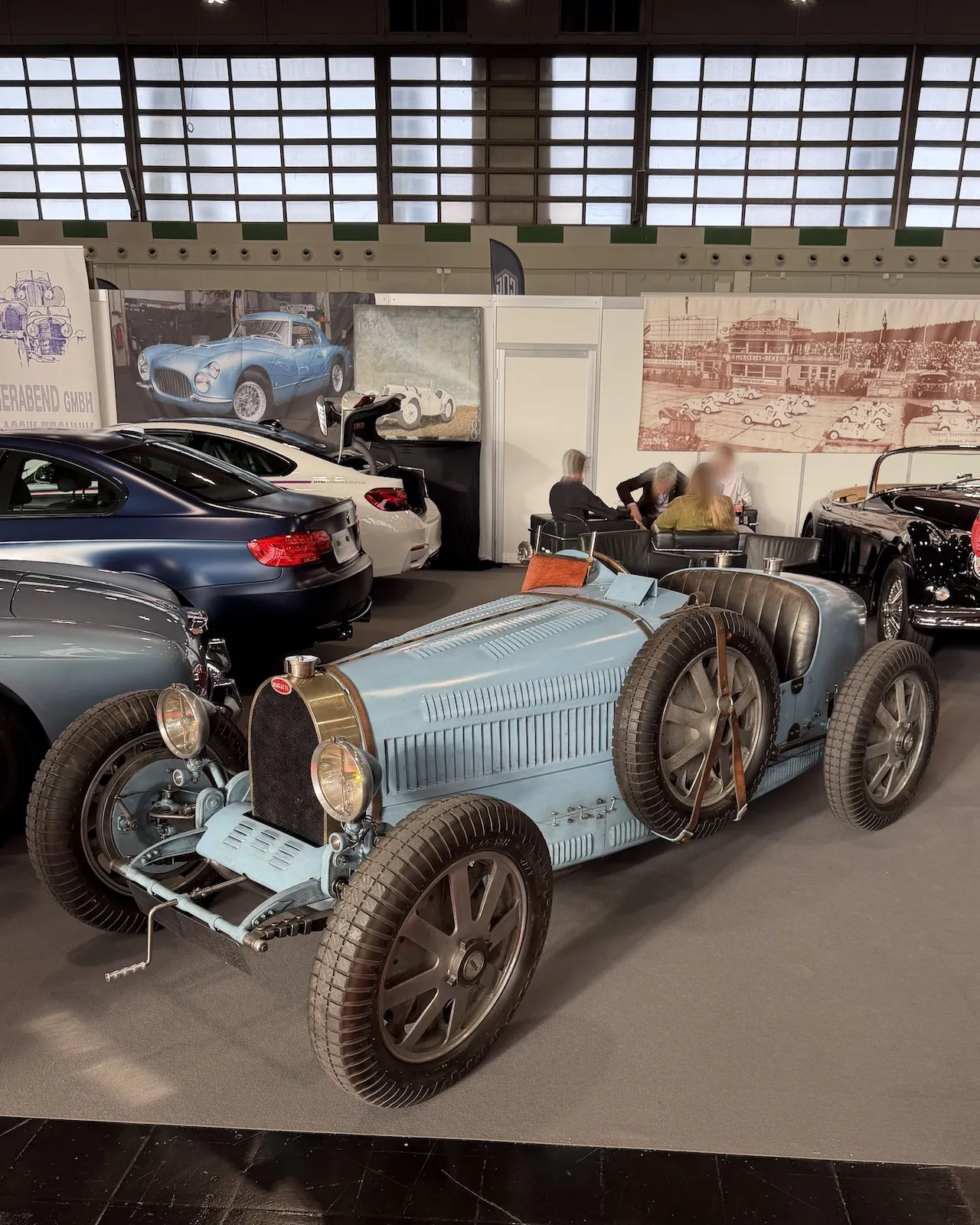
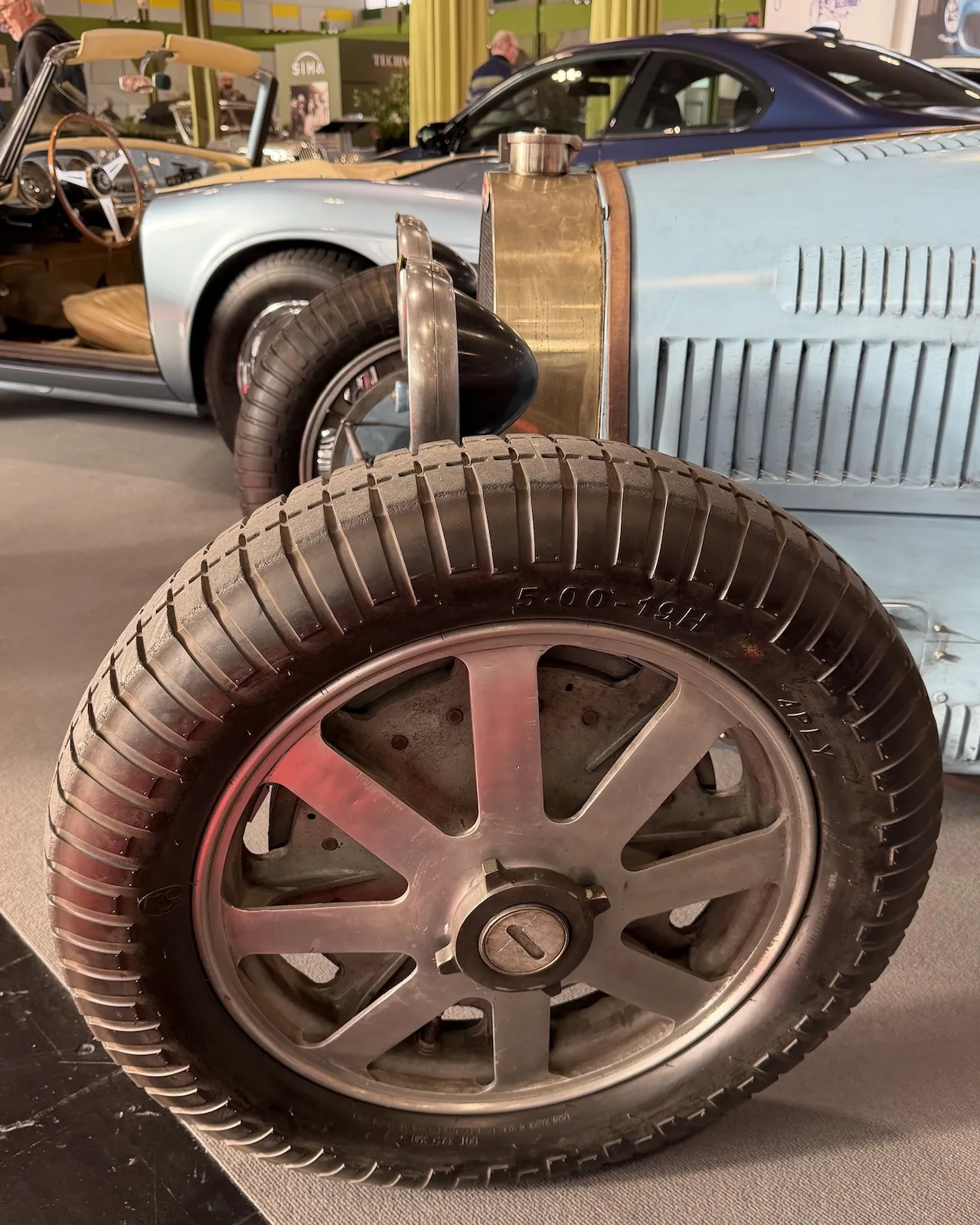
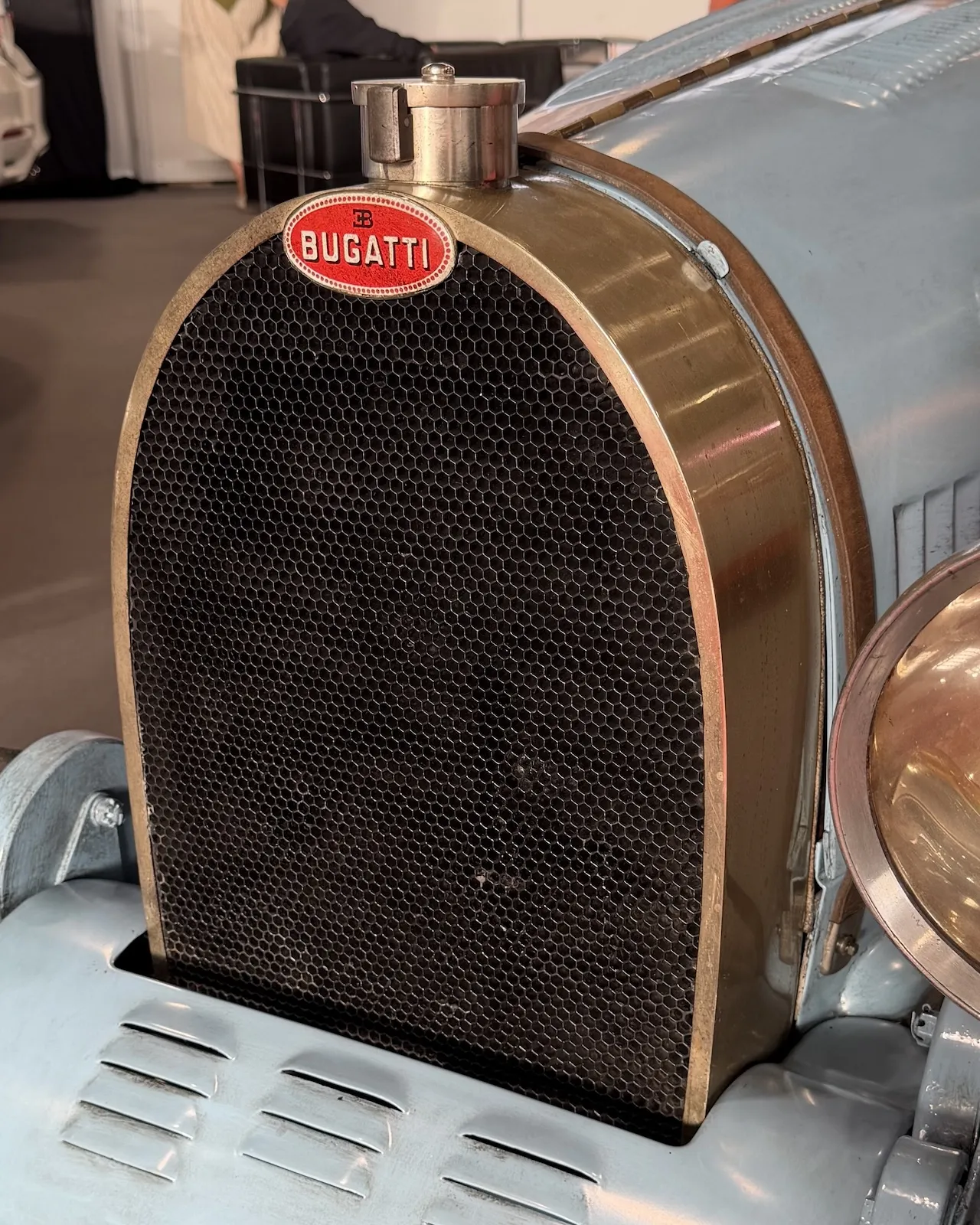
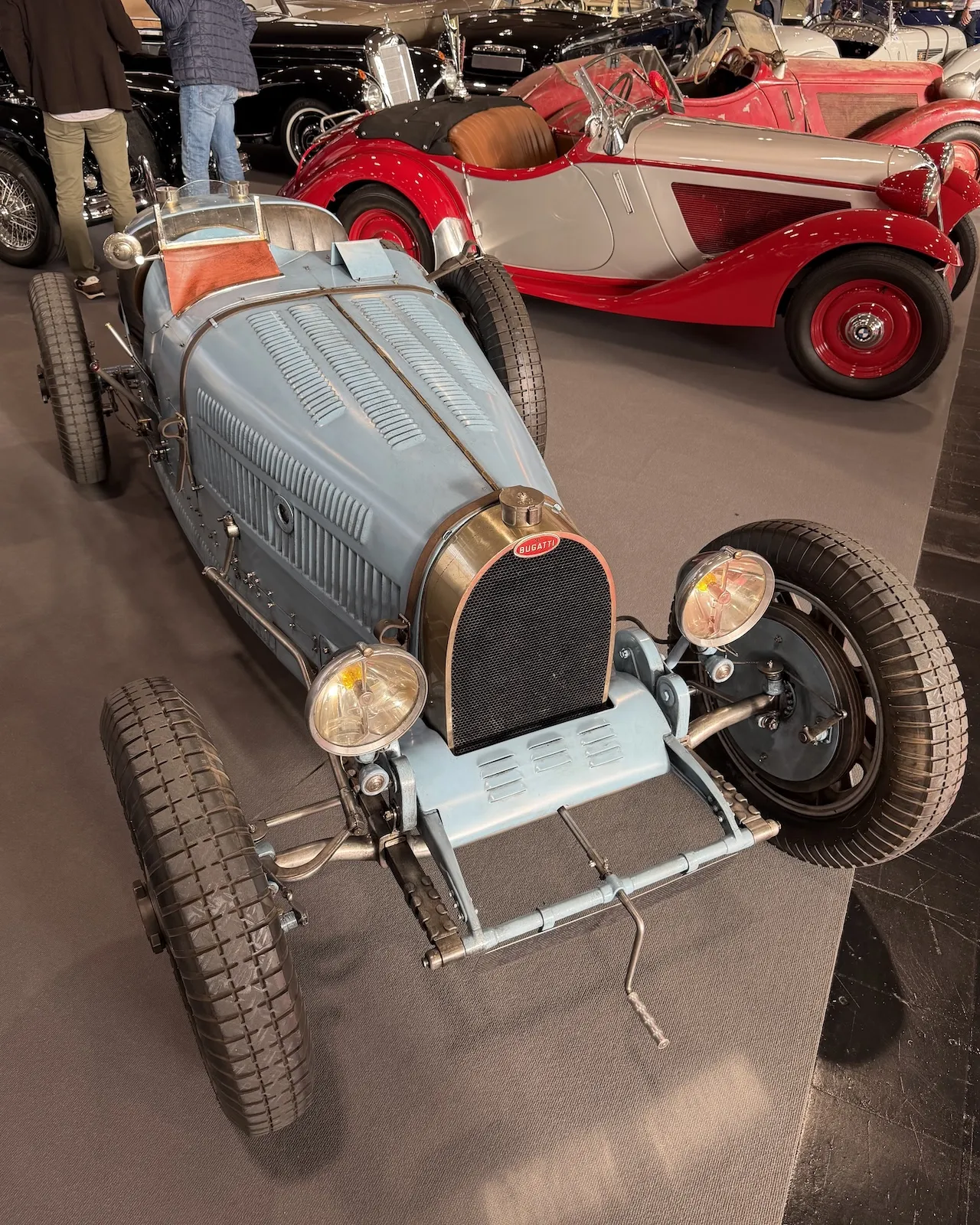
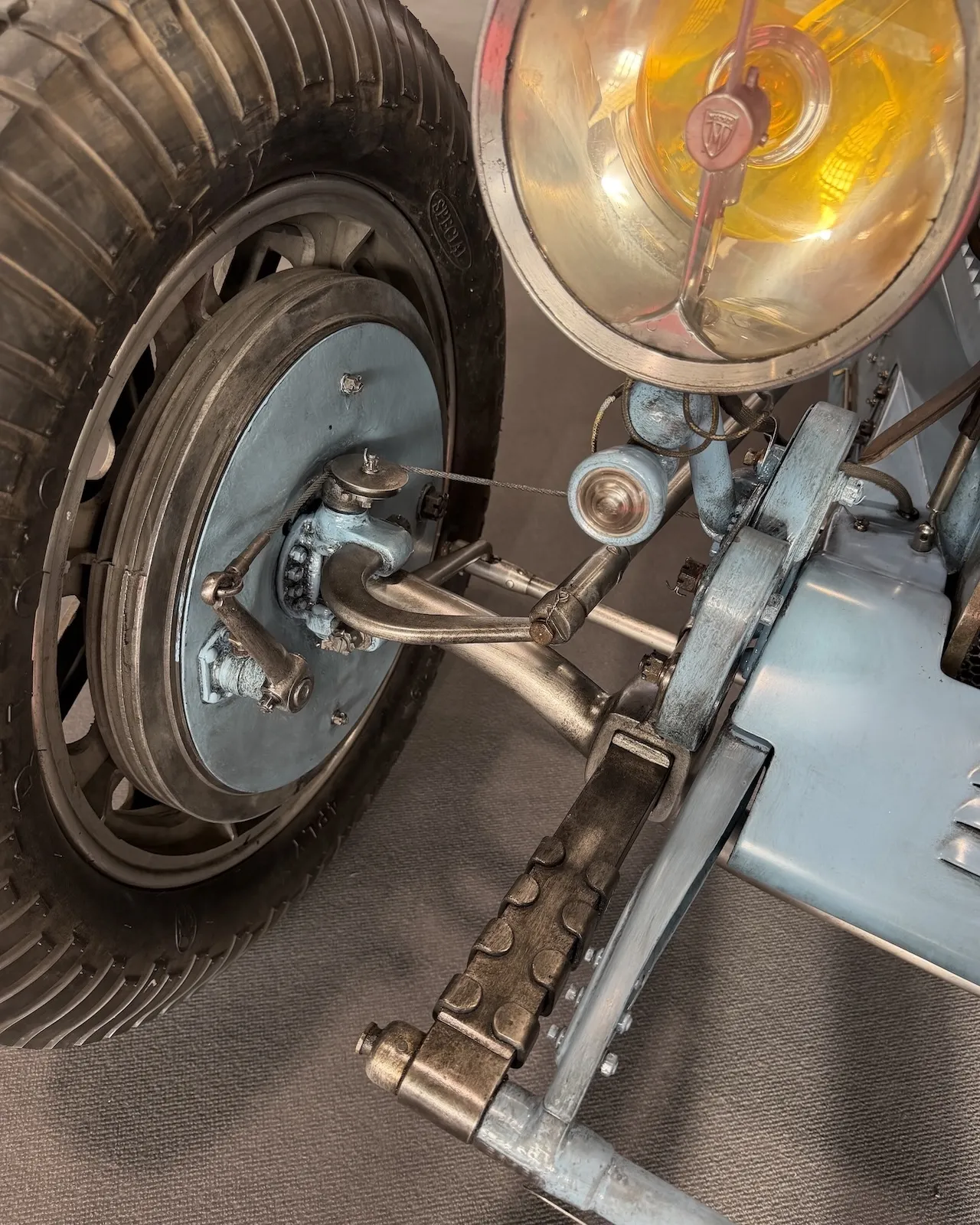
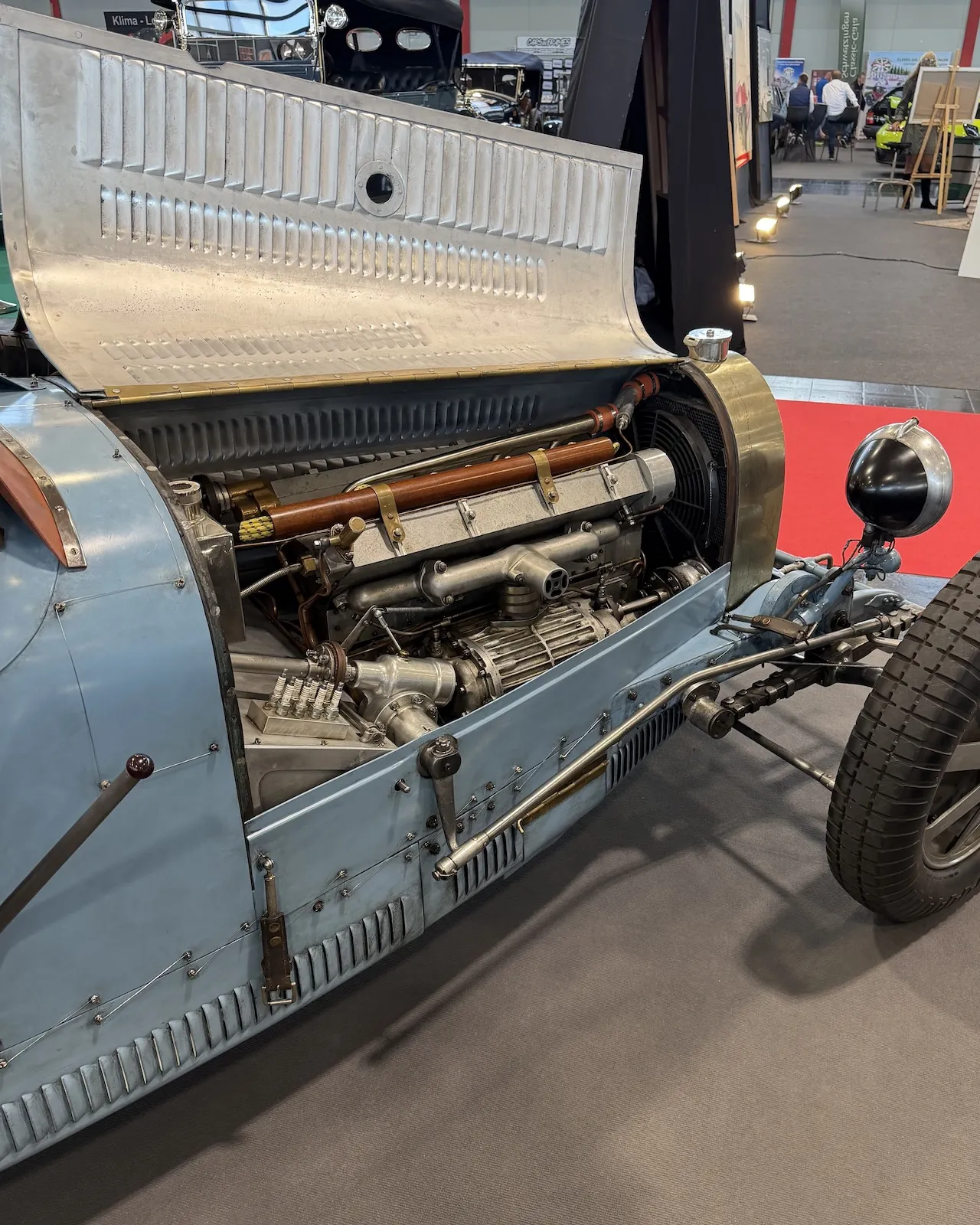
Again, it looks like a blue Type 35 seen a zillion of times on Instagram. Look twice. In particular under the hood.
1934 Bugatti Type 51, chassis 51151, supercharger, blue, black leather, 2 seats, spotted at the Techno-Classica Salon in Dortmund.
The Type 51 was the direct successor to, and further development of, the legendary and successful Type 35, in all of its engine variants, i.e. 1.5-litre and 2-litre engines. Instead of the single-overhead-camshaft engine used in the Type 35, the Type 51 was equipped with a twin-camshaft engine, designed to achieve greater power output. Approximately 40 examples were produced. Rare and splendid.
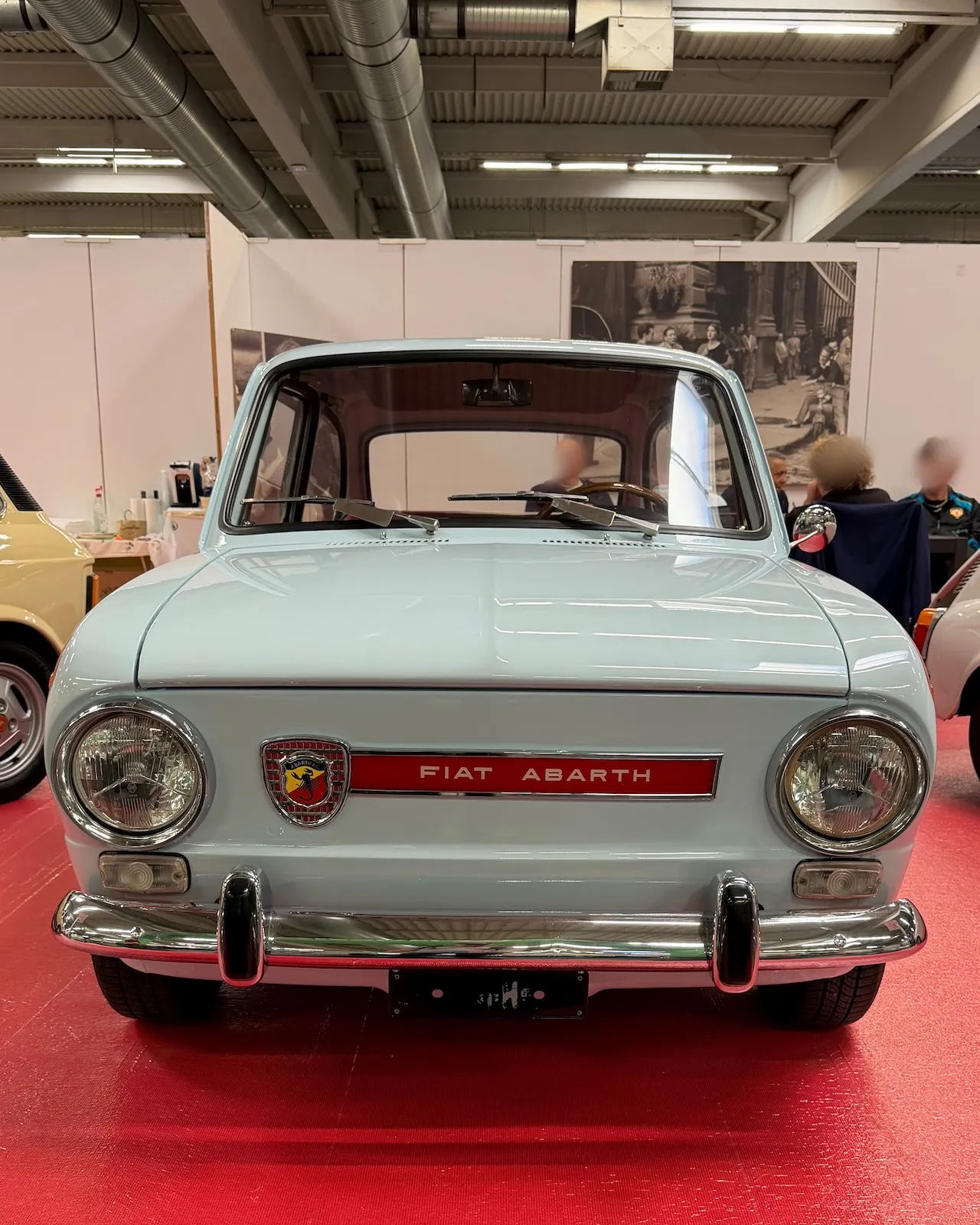
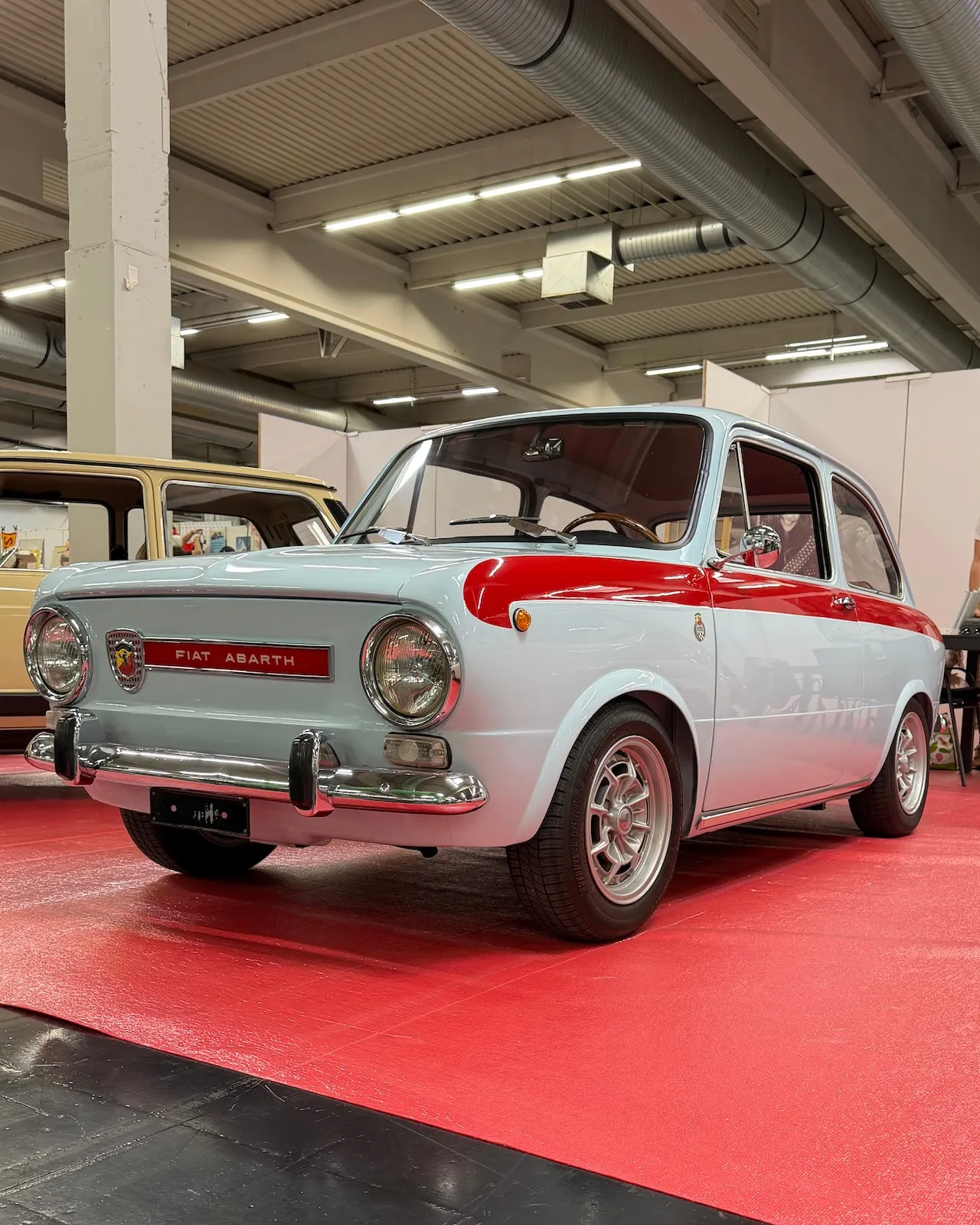
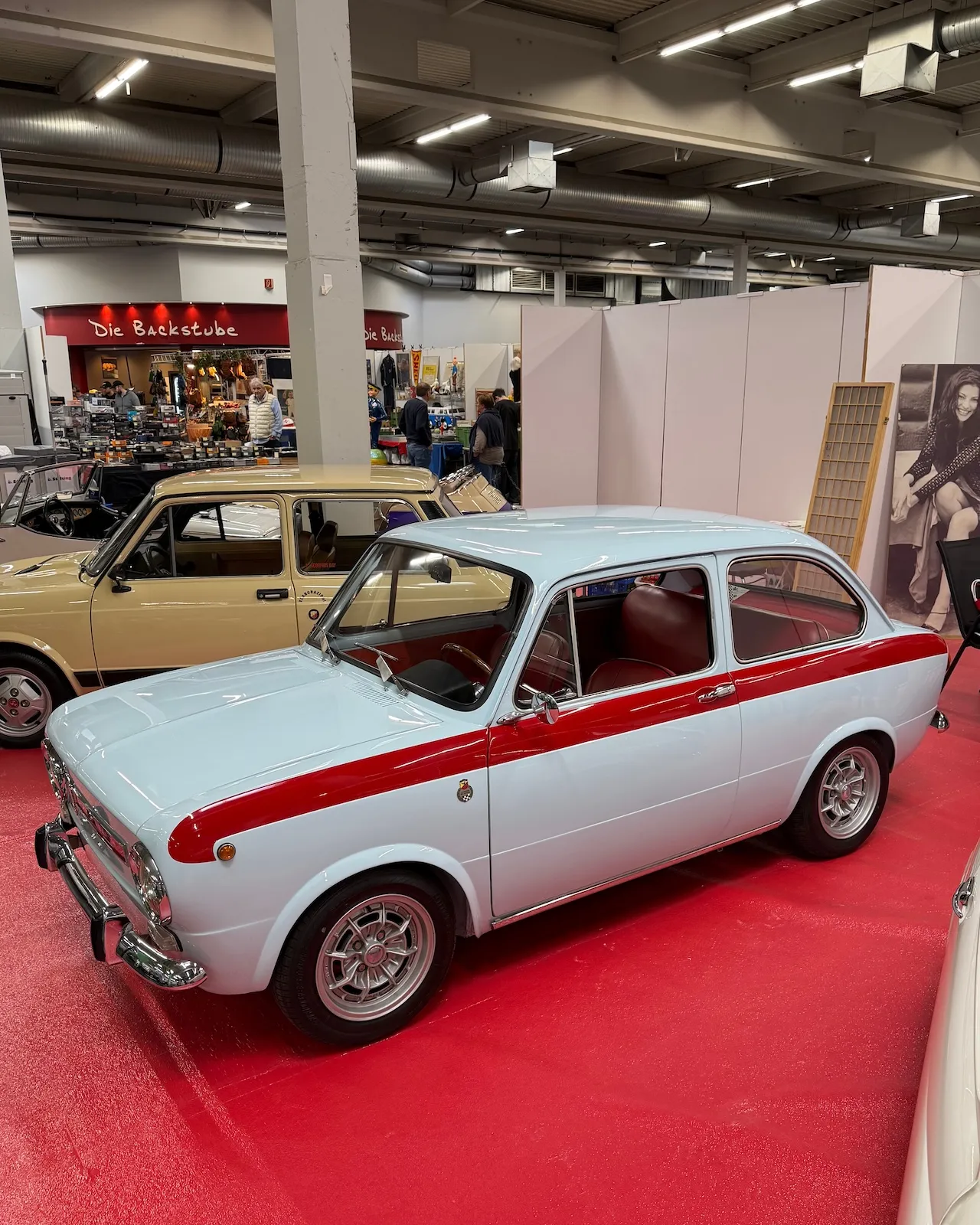
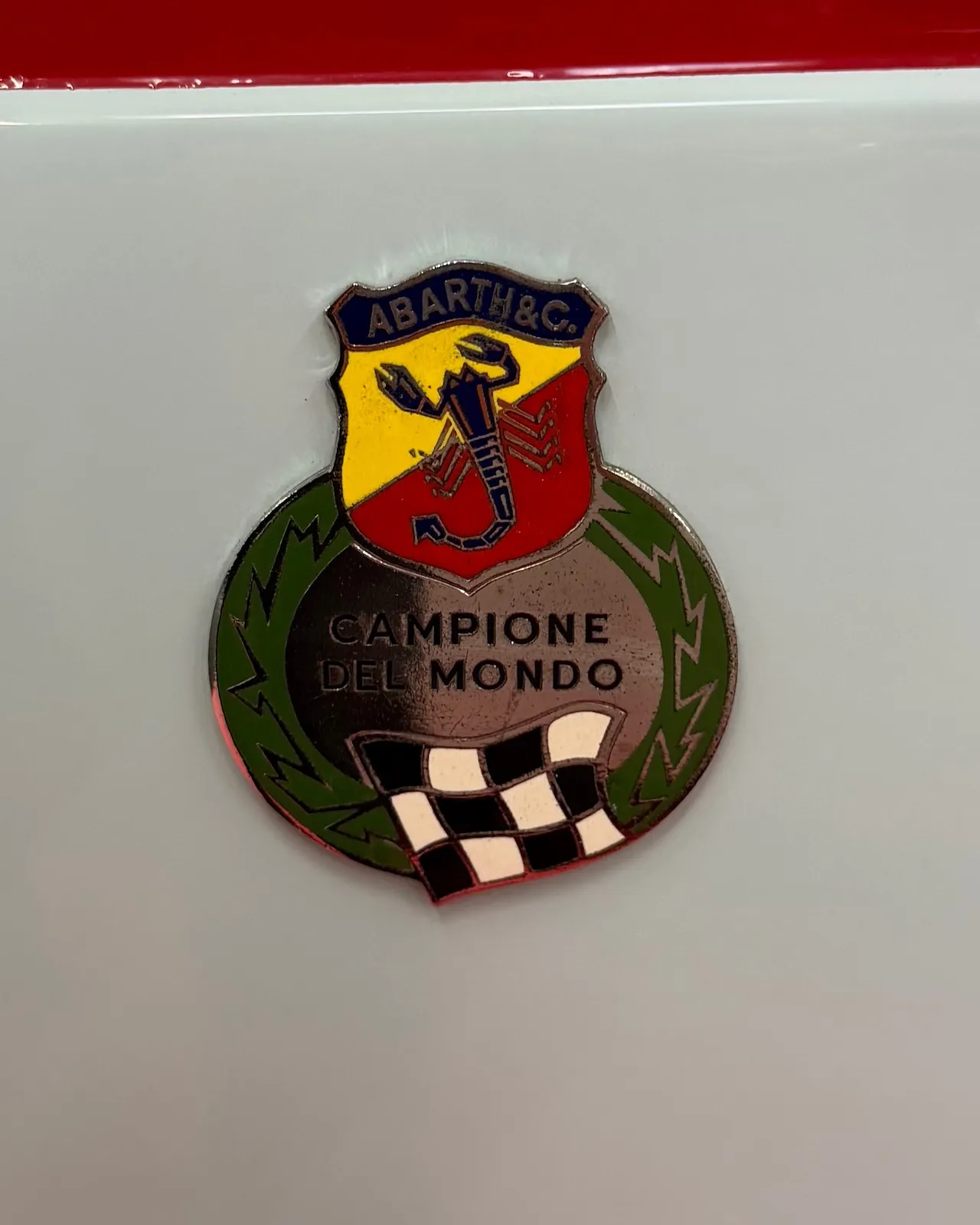
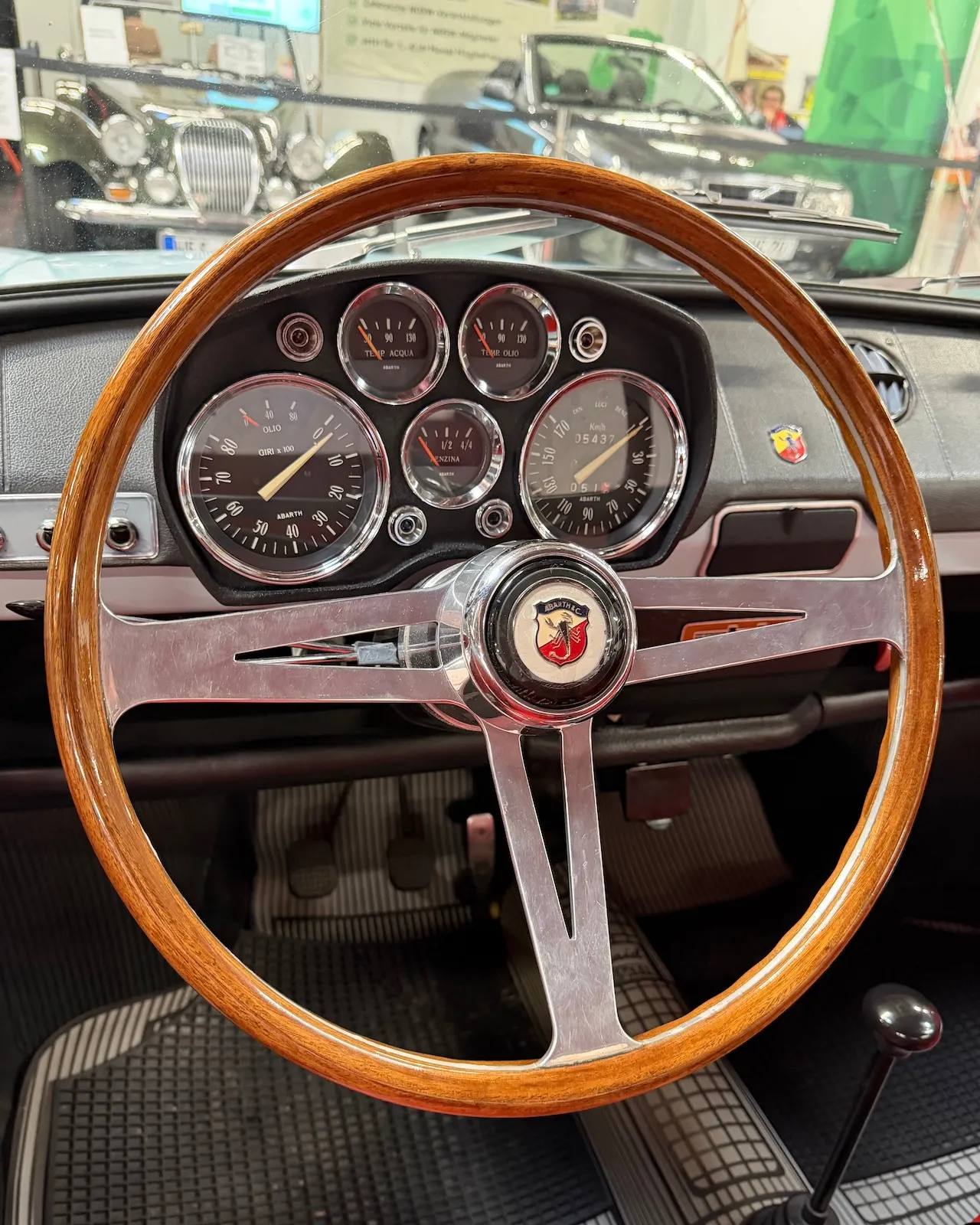
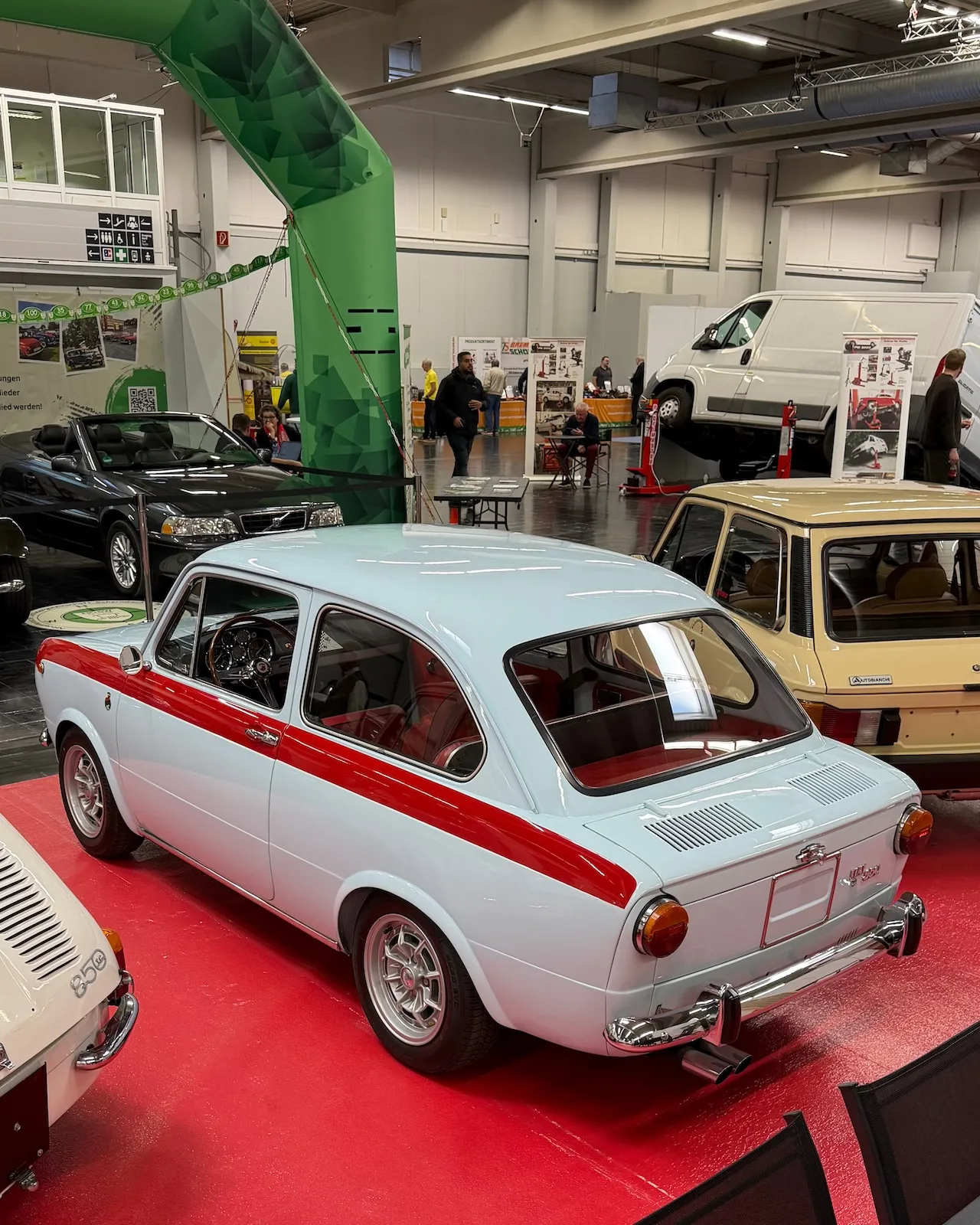
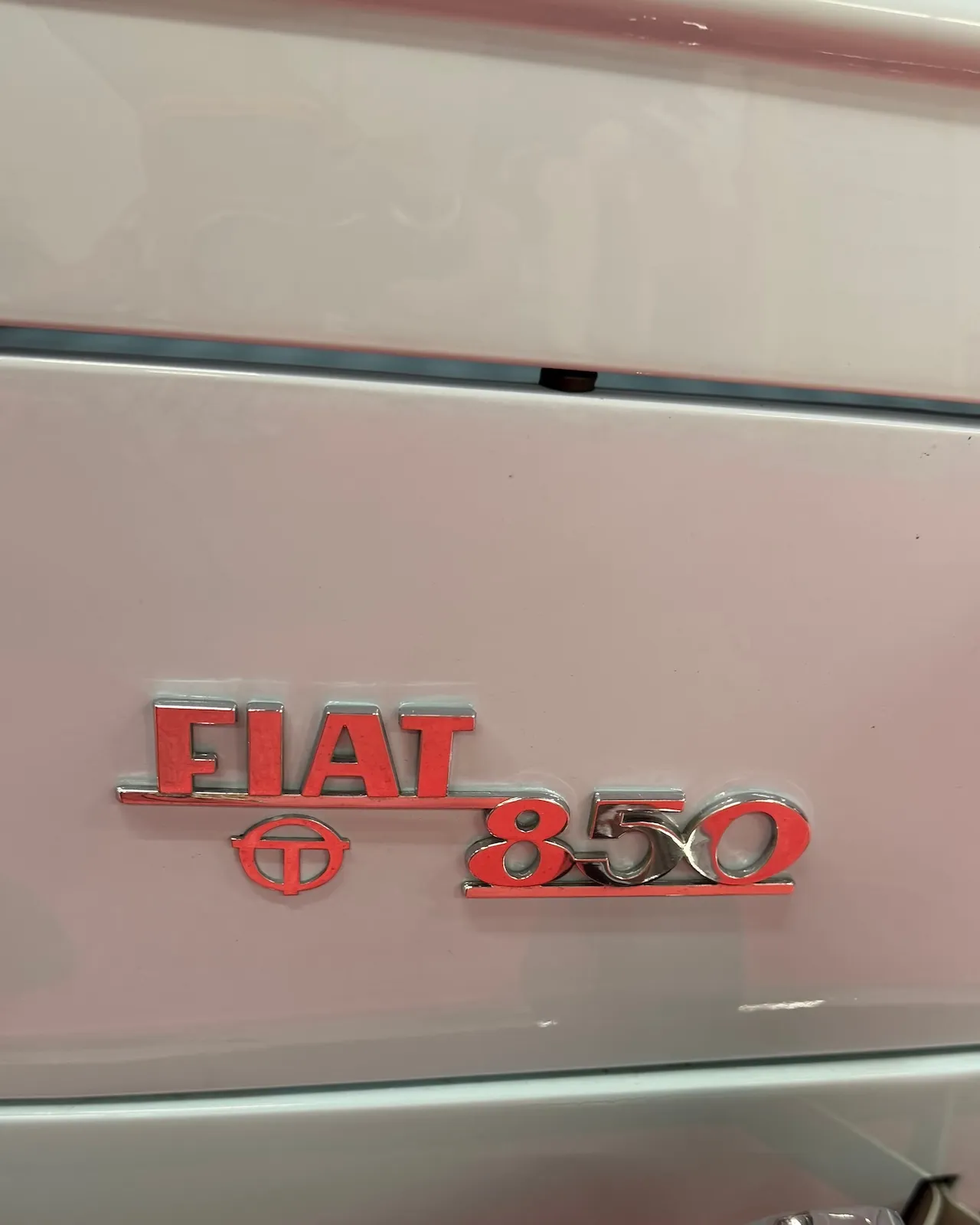
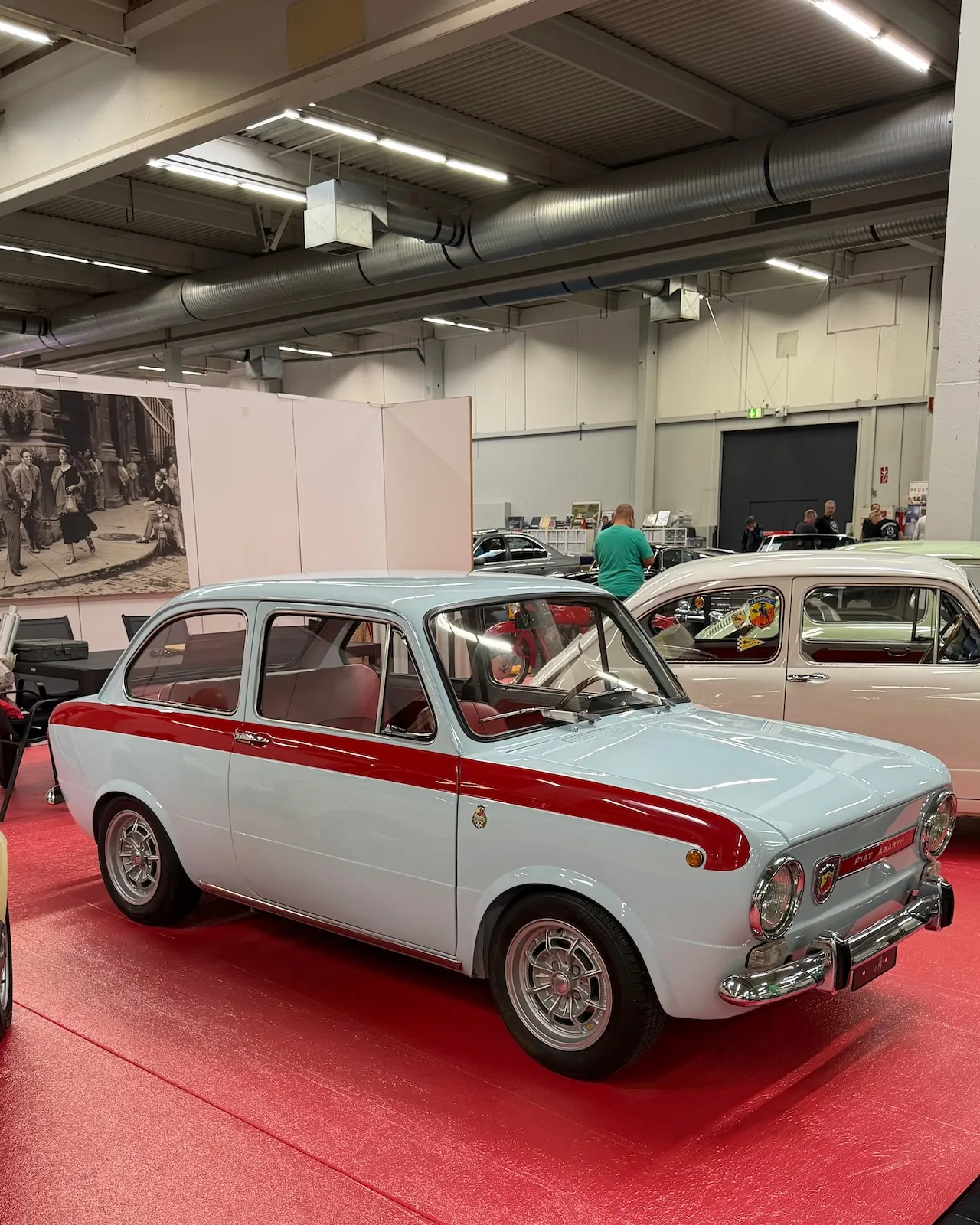
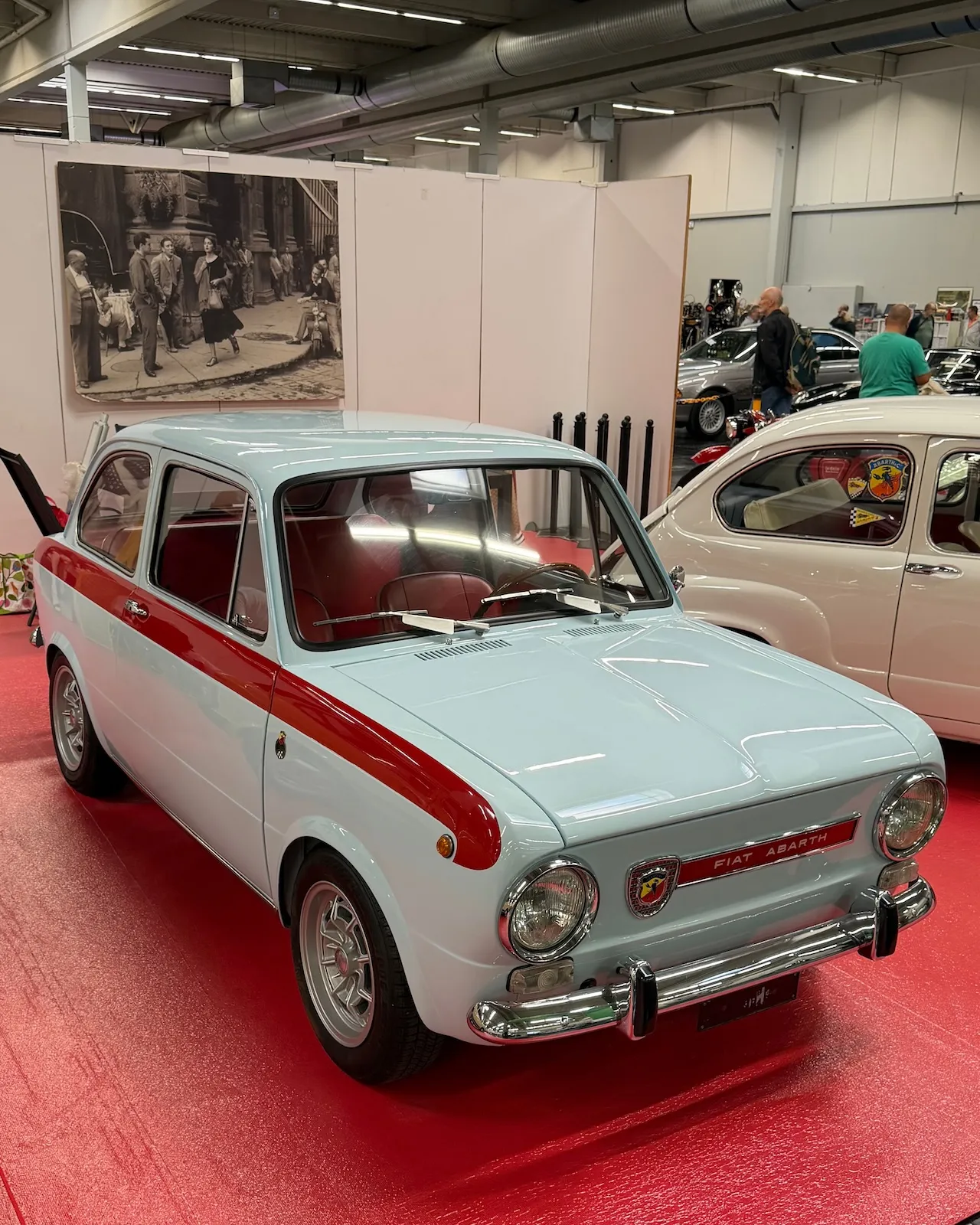
Fiat Abarth OT 850. OT stands for Omologata Turismo. Spotted at the Techno Classica show in Dortmund.
No idea if this is the real thing. Never mind, it has all the hallmarks of a genuine Abarth. The sporty look suits the 850 Berlina very well, it’s a two-door model anyway. The dashboard is magnificent, with all the instruments needed to drive such a speedster. Thanks to its owner.


Do you remember when Opel used to build great, large cars in the American style?
1966 Opel Diplomat A Coupé, a pillarless hardtop with no B-pillar, powered by a 5.3-litre V8 producing 230 HP and capable of more than 200 km/h.
A very rare car, with fewer than 400 examples produced. Splendid. Spotted at Techno Classica in Dortmund.


And again, a Citroën ID 19... boring, isn't it? Not at all. First, this is a great Citroën, and second this one was built by Chapron. What? An ID Chapron... yes, Sir.
The Citroën ID 19 Chapron, known as Administration or de maître, depending on the source, was ordered by the French administration and built between 1959 and 1961. This particular car is a 1960 model, a true rarity, spotted at the Techno Classica in Dortmund. Apparently, less than 50 were ever built.
The vehicle was modified by the legendary French coachbuilder Henri Chapron. The car's design is both whimsical and fascinating. Up front, the chauffeur sits in extremely cramped quarters on a rigid faux-leather bench, with only basic mechanical equipment. In the rear, however, the car transforms into an opulent, colorful salon, separated from the chauffeur by a partition that can be operated by a crank.
The C-pillar is painted black, and the roof may be made of aluminum, a detail that still needs to be verified. This is the first one I've ever seen in real life.


The Maserati 6C 34, chassis 3026, was a unique, factory-prepared two-seater (biposto) variant built for the 1935 Mille Miglia. Unlike the standard single-seater (monoposto) Grand Prix configuration, chassis 3026 was modified with a wider cockpit to accommodate two people, as well as fenders (wings) and headlights to comply with road-racing regulations.
During the 1980s, Swiss car collector Albert Obrist commissioned a faithful reconstruction of this unique biposto using original Maserati parts. This special was displayed at Techno-Classica in Dortmund, and you need a keen eye to realize that it is not the original car. I could have looked at it for hours. Thanks to the owner.